
 Wine Advisor



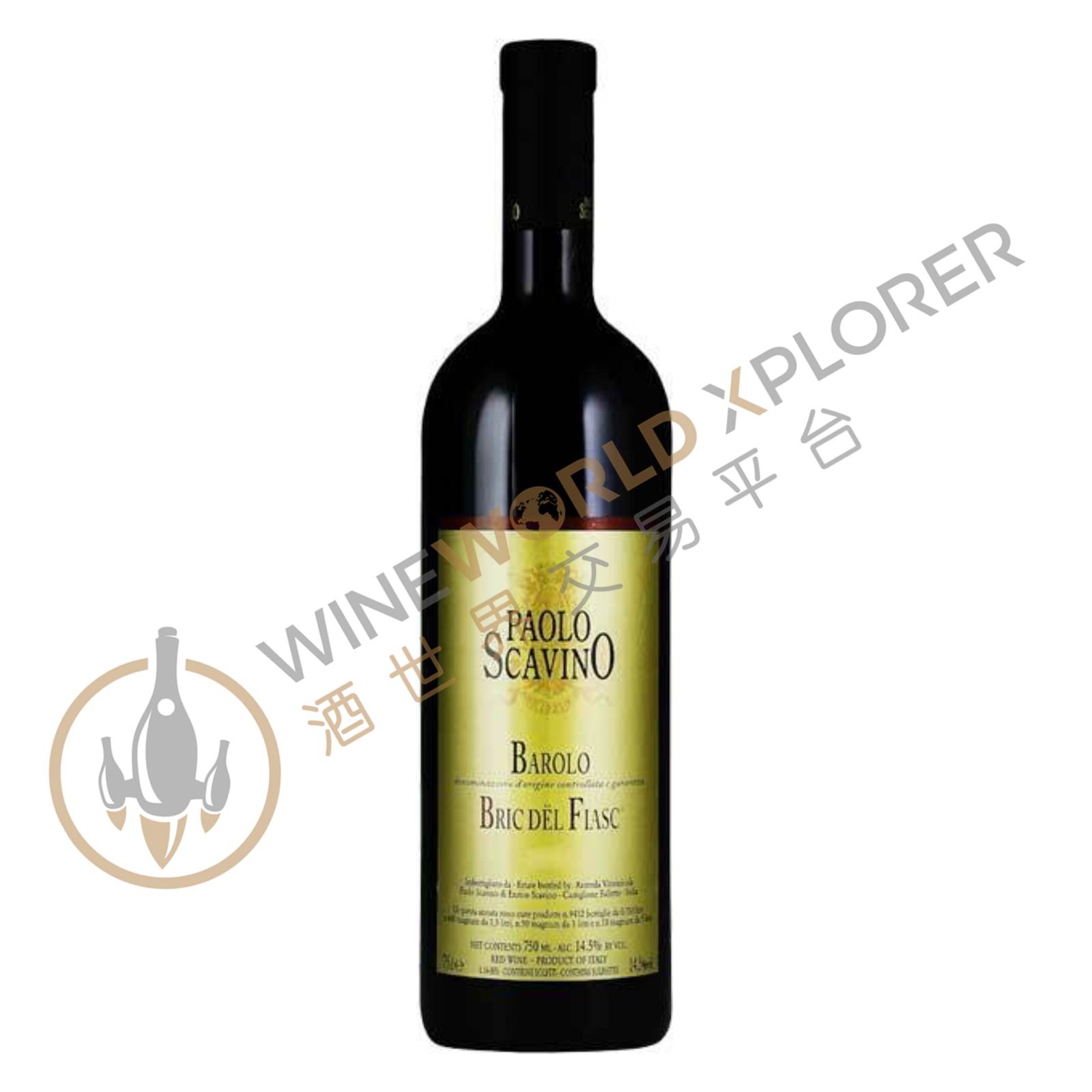
Paolo Scavino, Barolo Bric del Fiasc 1999
 View analysis


Description
Tasting notes

Reviewed by: Neal Martin
Tasted at J&B’s Piedmont tasting in London. There is just a touch of brett on the nose to this Bric del Fiasc: leather, earth, wild mushroom and a touch of truffle. It blossoms with aeration, coalescing and gaining fruit intensity from the ether. Time also brings a very distinctive nutty note that I find reminiscent of an Olorosso! The palate is medium-bodied, very well balanced and just expands across the palate as if it knows it is the last wine you will every drink. Tannic, grippy finish, hints of tobacco, this Barolo leaves me wanting more. Drink now-2018. Tasted September 2009.
Reviewed by: Antonio Galloni
1999 Barolo Bric del Fiasc—Dark ruby. The 1999 Bric del Fiasc is a big, muscular effort, packed with super-ripe dark fruit, licorice and tar notes in a potent style that comes off as somewhat ponderous and heavy-handed. Today it lacks the elegance of this producer’s best wines. It should drink well until at least age 25. 92/drink after 2011, 04/06 (A Marc de Grazia Selection. US Importers include Michael Skurnik, Syosset, NY; Vindivino, Chicago, IL; and Estate Wines, Ltd., San Rafael, CA)
Reviewed by: Antonio Galloni
The 1999 is a big, strapping Bric del Fiasc, boasting a lot of structure and a potent, brooding personality. Though it offers plenty of fruit and the rich style that is the hallmark of this wine, it also comes across as somewhat heavy and lacking the elegance of the finest vintages. 92/Anticipated maturity: 2011-2024. Bric del Fiasc, was first produced in 1978. The vineyard is located in Castiglione Falletto and the wines from this plot are generally the biggest and most structured of the estate’s lineup. In important vintages Bric del Fiasc requires at least several years of cellaring. Today vintages 1989 and 1990 appear to still be fresh and youthful and my guess is that recent vintages will age at least as well given that they were made from lower yields and with a much greater sense of awareness towards other factors affecting quality.
Reviewed by: Daniel Thomases
Scavino is the producer who put the Fiasco vineyard on the map, and the 1999 Barolo Bric del Fiasc is impressive. A potent and penetrating nose of tobacco, chocolate, and tar is followed by a palate of mouthfilling, concentrated, high-extract yet sweet flavors, abundantly endowed with licorice, tar, and minerals. The wine is very solid in texture, but voluptuous in its caressing tactile sensations. Anticipated maturity: 2006-2022. A Marc de Grazia Selection, various American importers, including Michael Skurnik, Syosset, NY; tel. (516) 677-9300, Vin Divino, Chicago, IL; tel. (773) 334-6700, and Estate Wines, Ltd., San Rafael, CA; tel. (415) 492-9411
Reviewed by: Antonio Galloni
The 1999 is a big, strapping Bric del Fiasc, boasting a lot of structure and a potent, brooding personality. Though it offers plenty of fruit and the rich style that is the hallmark of this wine, it also comes across as somewhat heavy and lacking the elegance of the finest vintages.
About the Producer
Paolo Scavino is an estate in Barolo known for its polished, elegant red wines from the Nebbiolo grape variety. The estate owns 23 hectares (57 acres) entirely within Barolo with parcels in 19 different cru vineyards in all but three of the Barolo communes. The range of nine Barolo wines is led by the Bric Dël Fiasc (from the Fiasco cru in Castiglione Falletto, and produced in both standard and Riserva bottlings), the Cannubi, and the Riserva Rocche dell'Annunziata which is aged for an additional year both in large casks and in bottle, and is sourced from a cru vineyard in La Morra. The portfolio of red wines also includes a Langhe Nebbiolo, two Barbera d'Alba wines, a Dolcetto d'Alba, and a Vino Rosso blended from the younger vines grown on the estate. The Langhe Sorriso is Paulo Scavino's key white wine made from Chardonnay, Sauvignon Blanc and Viognier. The company was founded in 1921 in Castiglione Falleto by Lorenzo Scavino and his son Paolo. Enrico Scavino has been working in the winery since the age of ten, beginning in 1951. He now runs his estate with his daughters, who are the fourth generation.
1985(1)1989(1)1990(1)1993(1)1995(1)1998(1)
Package Size
