Wine Advisor



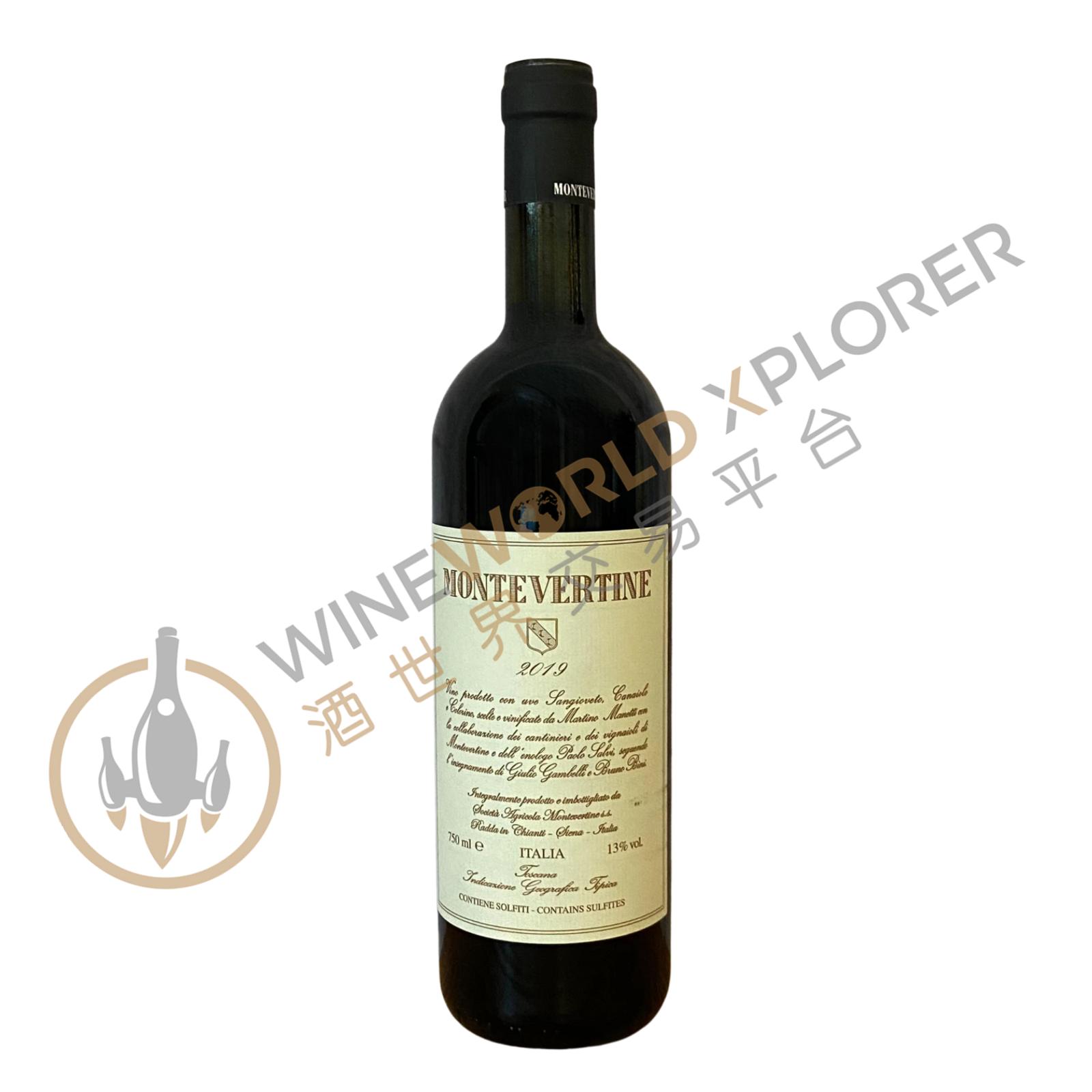
Montevertine, Montevertine Toscana IGT 2009
 View analysis


Description
Tasting notes

Reviewed by: Antonio Galloni
The 2009 Montevertine comes across as more classic than the Pergole Torte. Firm yet well-integrated tannins support expressive sweet red cherries, freshly cut flowers and mint. The 2009 is a highly attractive, pointed Montevertine that oozes class and elegance. Clean, saline notes inform the beautifully pointed, delineated finish. This is far from an easygoing 2009. The wine still needs time to fully come together. Anticipated maturity: 2014-2029. Montevertine is one of the reference point producers in Tuscany for ageworthy, traditionally made wines. The estate’s flagship, Le Pergole Torte, plays in the same league with the very finest wines in the world. Proprietor Martino Manetti describes 2010 as a year with constantly changing weather. An irregular flowering lowered yields. Rain interrupted the early part of the harvest before an Indian summer drenched with heat allowed the last phase of ripening to occur without further incident. In the warm 2009 vintage, these high-altitude, late-maturing vineyards got an extra shot of richness that filled out the wines without going to extremes. Readers may want to check out my vertical of the flagship Le Pergole Torte in this issue, as well as my video interview with Martino Manetti that is posted on our website. Importer: Rosenthal Wine Merchants, Pine Plains, NY; tel. (800) 910-1990
About the Producer
Montevertein is located in the heart of the Chianti hills, in the town of Lada, Chianti, at 425 meters above sea level. The winery grows only the indigenous grape varieties of the Chianti region: Sangiovese, Canajolo and Corolino. At Montevertine, simplicity, respect, extreme attention to detail and expertise are the guiding principles that inspire our daily work. The winery's winemaking methods are very traditional and have remained so since the first harvest. Hand-picked grapes are fermented in glassed concrete vats without temperature control, and pumping is done twice daily to keep the cap of the skins moist and thus more gently extract the tannins from the skins. After racking, malolactic fermentation begins in glassed concrete vats. Once fermentation is complete, the wine is left in barrels for approximately two years. The wines are aged in 5.5 to 18 hectoliter Slavonian and Ariel oak barrels and 225 liter Ariel oak barrels. The wines of the winery are never filtered, they are bottled by gravity.