Wine Advisor



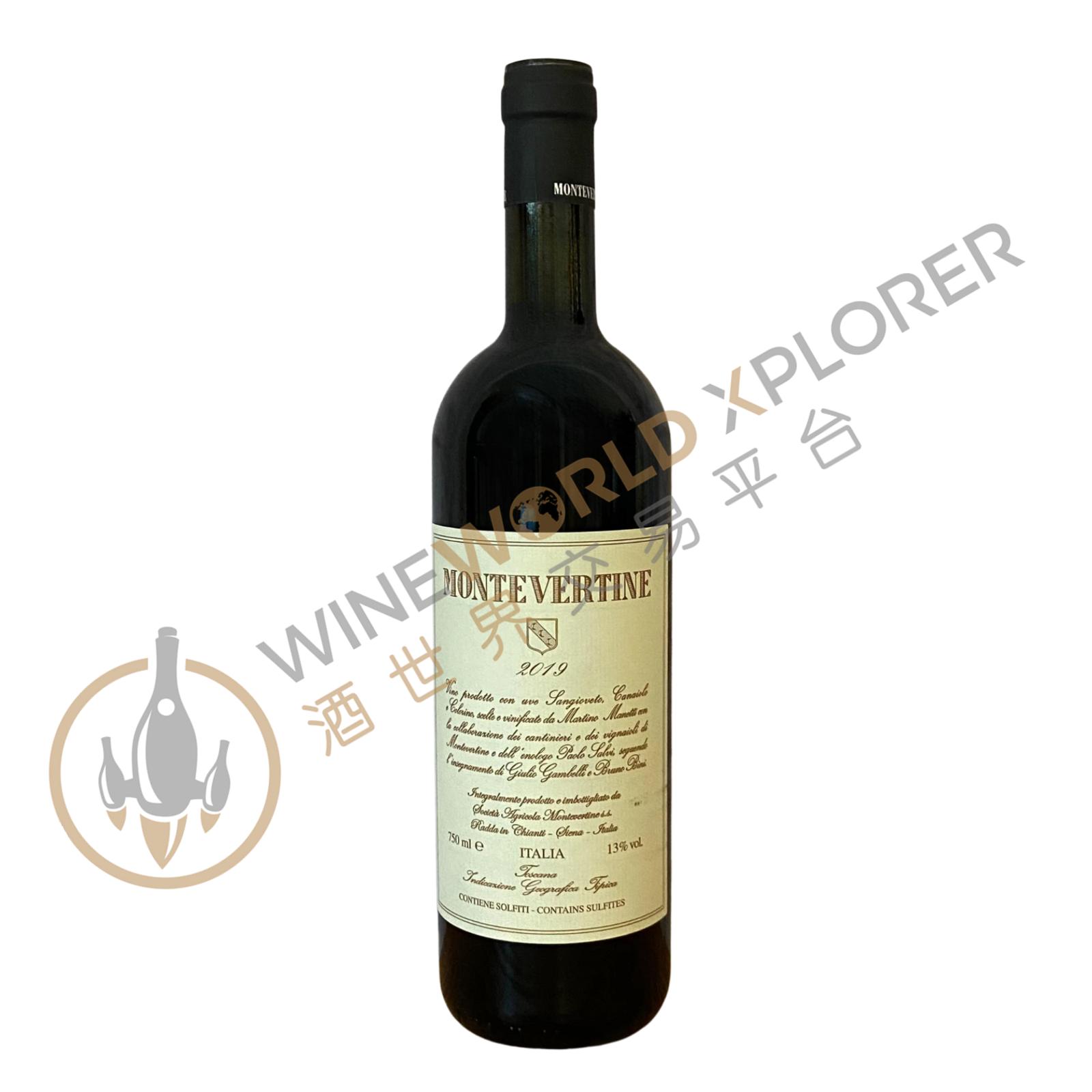
Montevertine, Montevertine Toscana IGT 2006
 View analysis


Description
Tasting notes

Reviewed by: Antonio Galloni
Grace, elegance, poise. These are just some of the descriptors that come to mind as the sublime 2006 Montevertine (Sangiovese, Canaiolo, Colorino) opens up in the glass. This ethereal, mid-weight wine possesses striking inner perfume of sweet red fruit, flowers and licorice. Were it not for the tell-tale Sangiovese acidity, the 2006 Montevertine might easily be mistaken for Pinot Noir. There is remarkably purity and integrity to the wine, not to mention stunning clarity and finessed yet firm tannins that hold everything together all the way through to the long, finessed finish. This exemplary Montevertine is not to be missed. Readers who want to enjoy the 2006 for its primary beauty can drink the wine today, but it is sure to acquire plenty of tertiary complexity in bottle as well. This is Lot L 1408. Anticipated maturity: 2012-2026. I was blown away by the two wines I tasted from Montevertine and proprietor Martino Manetti. These high altitude vineyards in Radda seem to have benefitted from the heat of 2006, and the results are striking. The 2006 Montevertine and Pergole Torte are even better than they were last year when I tasted them from cask. Unfortunately I was not able to taste the 2007 Pian del Ciampolo, which had not been bottled as we went to press, but I will post a note on that wine as soon as I have an opportunity to taste it. Readers who have visited the property know Montevertine is a tiny estate and the cramped quarters result in multiple bottlings of the wines. I have included lot numbers of the wines I tasted for ease of reference. Importer: Rosenthal Wine Merchants, Pine Plains, NY; tel. (800) 910-1990
About the Producer
Montevertein is located in the heart of the Chianti hills, in the town of Lada, Chianti, at 425 meters above sea level. The winery grows only the indigenous grape varieties of the Chianti region: Sangiovese, Canajolo and Corolino. At Montevertine, simplicity, respect, extreme attention to detail and expertise are the guiding principles that inspire our daily work. The winery's winemaking methods are very traditional and have remained so since the first harvest. Hand-picked grapes are fermented in glassed concrete vats without temperature control, and pumping is done twice daily to keep the cap of the skins moist and thus more gently extract the tannins from the skins. After racking, malolactic fermentation begins in glassed concrete vats. Once fermentation is complete, the wine is left in barrels for approximately two years. The wines are aged in 5.5 to 18 hectoliter Slavonian and Ariel oak barrels and 225 liter Ariel oak barrels. The wines of the winery are never filtered, they are bottled by gravity.