
 Wine Advisor



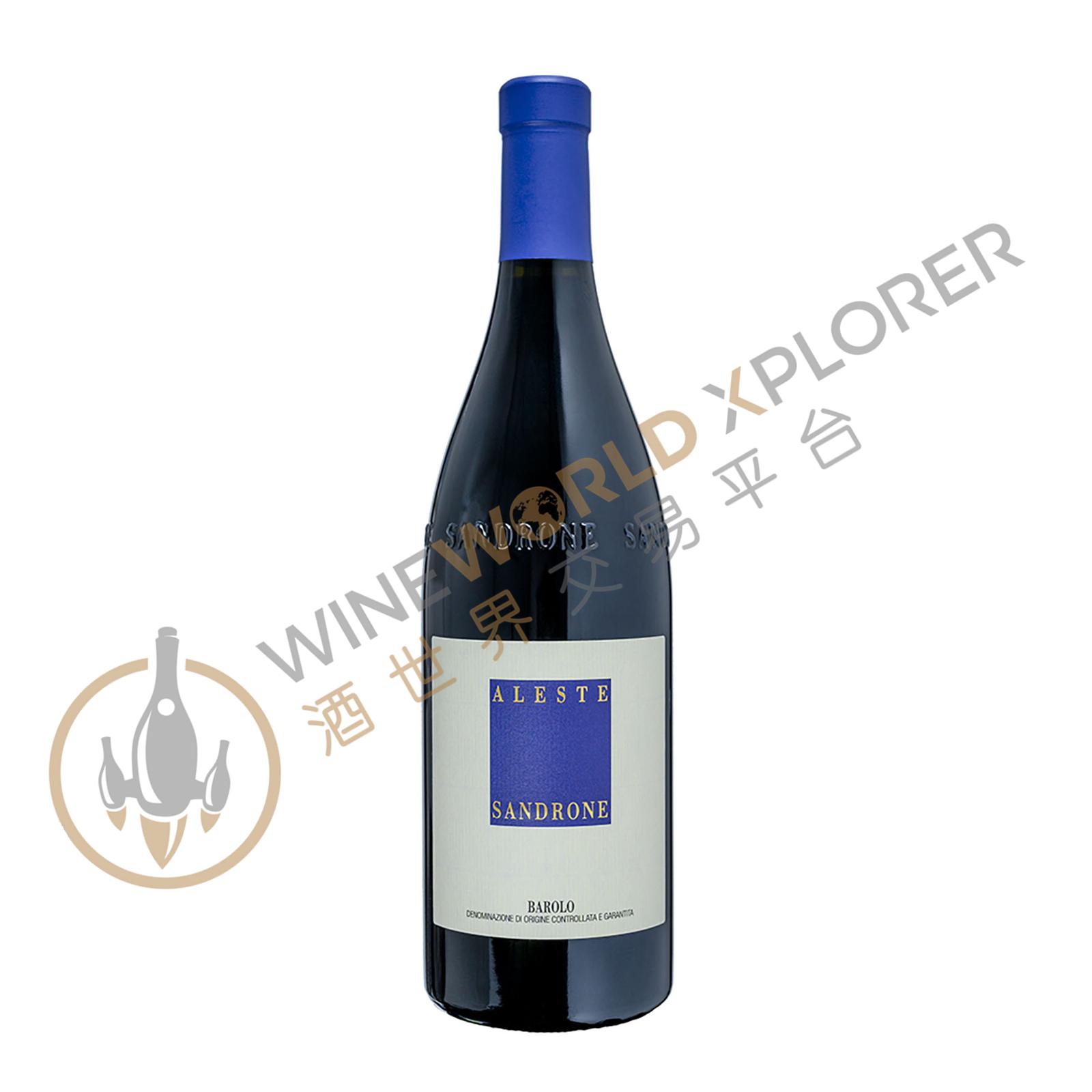
Luciano Sandrone, Barolo Cannubi Boschis 2004
 View analysis


Description
Luciano Sandrone, Barolo, Cannubi Boschis, Piedmont, Red, 2009
Tasting notes

Reviewed by: Antonio Galloni
2004 Barolo Cannubi Boschis—In 2004 Sandrone harvested his plots in two sections, which were vinified and aged separately. The first parcel gives a wine that shows beautifully well-delineated aromatics, with outstanding length and freshness, while the second parcel contributes more of the weight and structure of the wine. The final blend has not been made, so a rating is not possible, but the component wines seem to offer much potential. 11/05 I have been following Luciano Sandrone’s 2003 Barolos for the last two years and the wines have developed very positively over that time. “I have to say I’m pleased with the way our 2003s are evolving.” says Sandrone. “Fortunately we had a little bit of rain towards the end of the growing season. The rain came too late to help the Dolcettos and Barberas, but we waited until early October to pick the Nebbiolos and luckily they had some time to recuperate.” Like his colleagues Sandrone is very happy with 2004, and he has told me on multiple occasions he considers 2004 to be a great vintage. Readers may recall from Issue 2 that Sandrone harvests and vinifies each of the plots within his vineyards separately, with the blending of the component wines taking place during the second year of oak aging. Accordingly, readers should note that the 2003s reviewed below represent the final blends of these Barolos, while the 2004s were tasted as separate components.
Reviewed by: Antonio Galloni
I was blown away by the breathtaking purity and definition of Sandrone’s 2004 Barolo Cannubi Boschis. A translucent dark ruby, this weightless yet sumptuous Barolo bursts from the glass with layers of dark ripe fruit that coat the palate with stunning grace and elegance. As it sits in the glass notes of licorice, tar and sweet toasted oak gradually emerge to complete this magnificent wine. I tasted this along with the 2001, which has shut down considerably since I last tasted it earlier this year. Today the 2004 is the more elegant wine although the 2001 looks to be more powerful and perhaps longer-lived. My rating of the 2001 (95) appears to have been conservative by about 2 points. One of the highlights of the vintage, Sandrone’s 2004 Barolo Cannubi Boschis is not to be missed. Anticipated maturity: 2012-2024. Luciano Sandrone has been ecstatic about the quality of his 2004s since I first tasted the wines with him in the winter of that year. While 2004 is a superb vintage overall, Sandrone’s wines stand out, most notably for their extraordinary elegance. Importers: Vintus LLC, Pleasantville, NJ tel. (914) 769-3000
Reviewed by: Antonio Galloni
(aged in 500-liter barrels, about 25% new) Good deep ruby-red. Compellingly sexy aromas of raspberry, coffee and mocha. Lush and silky on entry, then wonderfully bright and delineated in the middle palate, with very fresh red and black fruit flavors of outstanding richness. Mounts impressively on the back end, finishing classically dry and with a real whiplash of juicy fruit flavors. A wine like this would make a terrific late release; by then, it may well merit an even higher score.
About the Producer
Luciano Sandrone is an acclaimed Italian winemaker based in the Piedmont region of Italy. He is the founder and owner of the Luciano Sandrone winery, which he established in 1978. Sandrone is known for his skillful blending of traditional and modern winemaking techniques to produce wines that are both elegant and powerful. He primarily works with the Nebbiolo grape, which is the main varietal used in the production of Barolo, one of Italy's most celebrated wines. The winery produces several different wines, including the flagship wine, Barolo Cannubi Boschis, which is made from grapes grown in the prestigious Cannubi vineyard. Sandrone also produces a Barbera d'Alba, a Dolcetto d'Alba, and a Langhe Nebbiolo. Sandrone's wines are highly sought after by wine enthusiasts and collectors around the world and have received numerous accolades from wine critics. He is considered one of the most influential winemakers in Piedmont and has played a significant role in elevating the quality and reputation of the region's wines.
