Wine Advisor



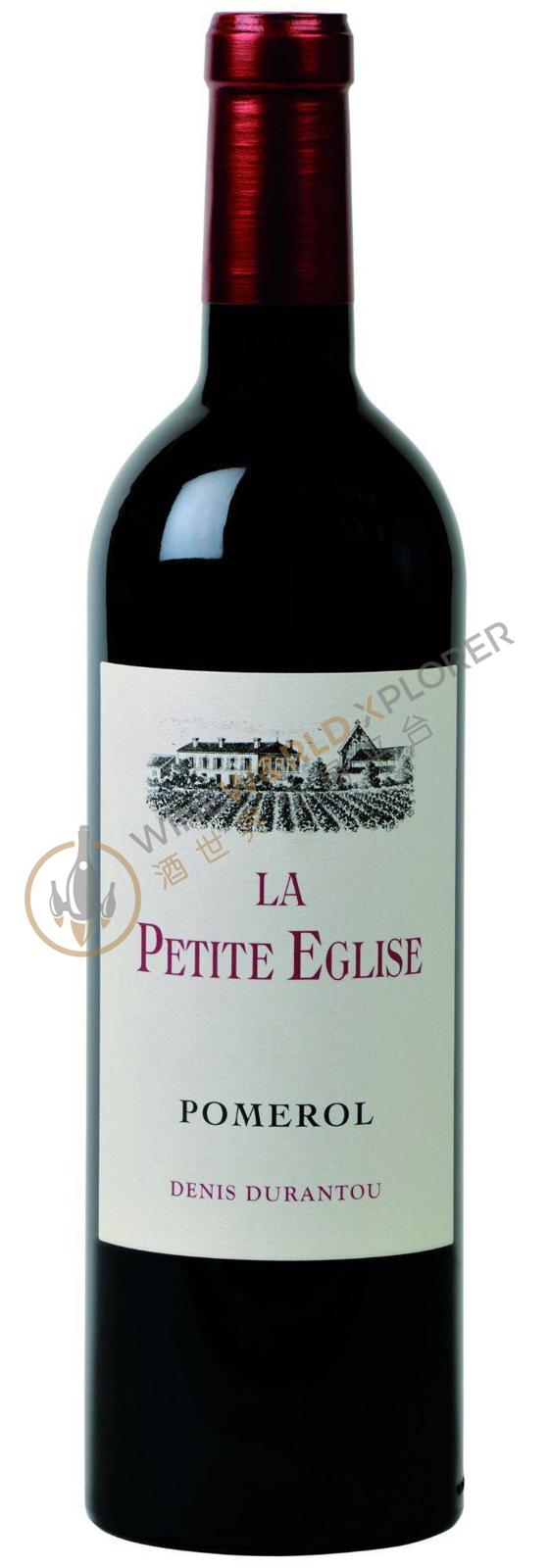
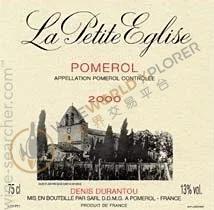
L'Eglise Clinet, La Petite Eglise 2020
 View analysis


Description
Petite Eglise, Pomerol, Bordeaux, France, Still, Red, 2010
Tasting notes

Reviewed by: William Kelley
The 2020 La Petite Eglise reveals aromas of sweet cherries and berries mingled with petals and loamy soil, followed by a medium to full-bodied, lively and concentrated palate that's rather firm and serious this year. It will reward patience. Only 4,500 bottles were produced from dedicated parcels.
Reviewed by: Lisa Perrotti-Brown
The 2020 La Petite Eglise is a blend of 80% Merlot and 20% Cabernet Franc. The Merlot was picked on the 9th and the 16th of September, and the Cabernet Franc was picked on the 16th of September. It has an alcohol of 14.5% and is aging in French oak barrels, 50% new. Deep garnet-purple colored, it leaps from the glass with bold notions of black raspberries, Black Forest cake and baked plums, plus hints of red roses, cardamom and forest floor. The medium to full-bodied palate possesses incredible poise at this youthful stage, delivering plush tannins and integrated freshness to support the generous black fruits, finishing long and full of energy. An anticipated 4,500 bottles will be made.
Reviewed by: Neal Martin
The 2020 La Petite Eglise has opened up on the nose, more accessible than I envisaged, with brambly red fruit, brown spices, touches of shucked oyster shell in the background. There is a floral component that becomes more accentuated with aeration. The palate is voluptuous on the entry with saturated tannins that frame the pure black cherry and boysenberry fruit. Its opulence counterbalanced by quite potent salinity that defines the finish. This is very impressive and it will probably age more slowly than other vintages.
Reviewed by: James Suckling
Very fresh, perfumed aromas of blackberries, black olives and some white pepper. The palate is full and extremely polished with lovely depth and length. Lovely second wine. Serious.
Reviewed by: James Suckling
Lots of blackberries and blueberries with crushed stone and cement aromas and flavors. Medium- to full-bodied with polished tannins that are lightly chewy and tensioned. Long and flavorful. Needs four to five years to soften. Best after 2027.
About the Producer
Château l'Eglise-Clinet is located in the Pomerol appellation on the right bank of Bordeaux, France, and is one of the most famous wineries in the Pomerol region. Château Clinet Chapel has a long history, dating back to the late 19th century. The Rouchut family, who ran Chateau Clos l'Eglise at the time, and the Constant family, who ran Chateau Clinet, decided to make wine together. Until 1950, the Bordeaux wines produced by these two families were sold under the name Château Claregelis. It was only after 1950 that their wines were given their current name, Château Clignet. Later, the Durantou family acquired Château Clignet. However, the owner was not keen on wine at the time and left everything to Pierre Lasserre, the owner of another Pomerol estate. Pierre Lasserre only had to give him half of the estate's income each year. This partnership has continued for 40 years. Today, Denis Durantou, a descendant of the Durantou family, is in charge of the estate. At present, Château Clignet has 5.5 hectares of vineyards. The soils are mainly gravel and clay, some of which are rich in iron. The vineyards of Château Clignet were spared from the 1956 frosts and the vines are on average 45 years old. The vineyard is planted with 85% Merlot and 15% Cabernet Franc at a density of 6,500 vines per hectare. The vineyard is fertilised with an organic fertiliser mix every 5 years. The grapes are hand-picked when they are ripe at Château Clignet. After careful selection and crushing, the grapes are fermented in concrete and stainless steel containers for 15-21 days. After about October, the fermented wine is aged in new oak barrels for a period of 18 months. The main wine of Château Clinet is the Château l'Eglise-Clinet, Pomerol, France. The wines are concentrated and rich, full-bodied, with pure fruit and exotic spice notes, particularly fresh and wonderful, making them unique among Bordeaux wines. In recent years, as the price of the wine has soared, so has the quality. Today, it is in the top tier of Pomerol.
1995(1)1996(2)1998(1)1999(1)2000(1)2004(1)2005(4)2006(2)2010(4)2011(2)2012(4)2013(1)2014(4)2015(4)2016(1)2017(2)2018(6)2019(3)
Package Size