Wine Advisor



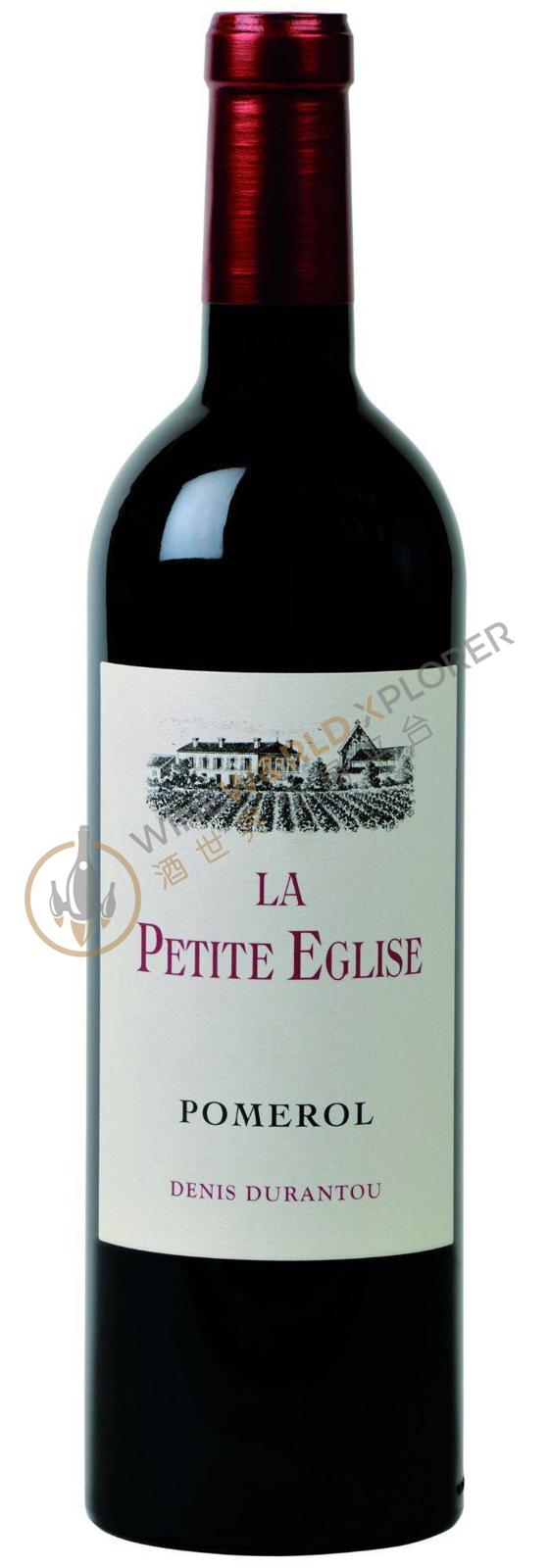
L'Eglise Clinet, La Petite Eglise 2018
 View analysis


Description
Petite Eglise, Pomerol, Bordeaux, France, Still, Red, 2010
Tasting notes

Reviewed by: Antonio Galloni
The 2018 La Petite Eglise is every bit as impressive as it was from barrel. Readers will find a very serious second wine endowed with considerable heft and gravitas. Dark plum, graphite, new leather and menthol open with a bit of time, but the 2018 is a wine to put away in the cellar for at least a few years. La Petite Eglise is not going to be easy to find, as yields were down 60%. The blend is 75% Merlot, 20% Cabernet Franc and 5% Cabernet Sauvignon.
Reviewed by: Antonio Galloni
The 2018 La Petite Eglise is a gorgeous second wine from Denis Durantou's L'Eglise-Clinet. Creamy and plush, the 2018 wraps around the palate with fabulous density. The natural richness of grapes with thick skins and little juice comes through in intense dark cherry, mocha, spice and new leather flavors. Soft contours and plush, silky tannins give the Petite Eglise tons of immediacy. Readers will have a hard time keeping their hands off this gem. Sadly, yields are down 60%. The blend is is 75% Merlot, 20% Cabernet Franc and 5% Cabernet Sauvignon.
Reviewed by: Neal Martin
The 2018 La Petite Eglise was picked September 18 to 28 and raised in 35% new oak. It is intriguing to read my notes from barrel, when this was "backward and reticent on the nose," since now is has attained some degree of youthful precocity, the black fruit mingling with kirsch and more floral, violet scents. The palate is medium-bodied and retains a sense of pliancy. Quite glossy, maybe richer than expected, and very persistent and pure, it reveals a hidden hedonism that it kept under wraps in barrel. Thoroughly delicious.
Reviewed by: Neal Martin
The 2018 La Petite Eglise was picked 18 to 28 September and raised in 35% new oak. This was the most backward and reticent on the nose among the sextet of wines from Denis Durantou. Touches of oyster shell merge with the black fruit with time. The palate is medium-bodied with lithe tannins. This is a pliant and approachable Pomerol, quite saline in the mouth with a persistent and spicy finish. As usual, deeply impressive for a Deuxième Vin.
Reviewed by: Lisa Perrotti-Brown
Produced by the late Denis Durantou of Château L’Eglise Clinet, the 2018 La Petite Eglise is a blend of 80% Merlot and 20% Cabernet Franc, with 35% new oak and 14.5% alcohol. This is the first time Cabernet Franc was used in the blend and the first time younger vines from L'Eglise Clinet were used. Deep garnet-purple colored, it comes galloping out of the glass with scents of tilled soil, licorice and black truffles, opening out to a core of baked plums, boysenberries and kirsch, plus a touch of woodsmoke. The medium to full-bodied palate is chock-full of juicy black fruits, supported by plush tannins and lovely freshness, finishing long with a spicy kick.
Reviewed by: Lisa Perrotti-Brown
Produced by Denis Durantou of Château L’Eglise Clinet, the 2018 La Petite Eglise is a blend of 80% Merlot and 20% Cabernet Franc, with 35% new oak and 14.5% alcohol. This is the first time Cabernet Franc was used in the blend and the first time younger vines from L'Eglise Clinet were used. Deep purple-black in color, the nose is boldly scented of baked plums, Black Forest cake and kirsch with suggestions of forest floor, cinnamon stick, fertile loam and sautéed herbs with a waft of roses. Full-bodied, the palate is packed with fragrant black fruit preserves, textured by ripe, rounded tannins and finishes long and perfumed.
Reviewed by: James Suckling
This is very tight and long for Petite Église with a very compact and focused palate. Medium-to full-bodied, compressed palate with ripe tannins that are firm and fresh.
Reviewed by: James Suckling
Plenty of crushed berries, cherries and plums, as well as fresh-mushroom and walnut undertones. It’s full-bodied with chewy tannins and a long, flavorful finish. Beautiful second wine of L’Eglise Clinet. Drink after 2025.
About the Producer
Château l'Eglise-Clinet is located in the Pomerol appellation on the right bank of Bordeaux, France, and is one of the most famous wineries in the Pomerol region. Château Clinet Chapel has a long history, dating back to the late 19th century. The Rouchut family, who ran Chateau Clos l'Eglise at the time, and the Constant family, who ran Chateau Clinet, decided to make wine together. Until 1950, the Bordeaux wines produced by these two families were sold under the name Château Claregelis. It was only after 1950 that their wines were given their current name, Château Clignet. Later, the Durantou family acquired Château Clignet. However, the owner was not keen on wine at the time and left everything to Pierre Lasserre, the owner of another Pomerol estate. Pierre Lasserre only had to give him half of the estate's income each year. This partnership has continued for 40 years. Today, Denis Durantou, a descendant of the Durantou family, is in charge of the estate. At present, Château Clignet has 5.5 hectares of vineyards. The soils are mainly gravel and clay, some of which are rich in iron. The vineyards of Château Clignet were spared from the 1956 frosts and the vines are on average 45 years old. The vineyard is planted with 85% Merlot and 15% Cabernet Franc at a density of 6,500 vines per hectare. The vineyard is fertilised with an organic fertiliser mix every 5 years. The grapes are hand-picked when they are ripe at Château Clignet. After careful selection and crushing, the grapes are fermented in concrete and stainless steel containers for 15-21 days. After about October, the fermented wine is aged in new oak barrels for a period of 18 months. The main wine of Château Clinet is the Château l'Eglise-Clinet, Pomerol, France. The wines are concentrated and rich, full-bodied, with pure fruit and exotic spice notes, particularly fresh and wonderful, making them unique among Bordeaux wines. In recent years, as the price of the wine has soared, so has the quality. Today, it is in the top tier of Pomerol.