Wine Advisor



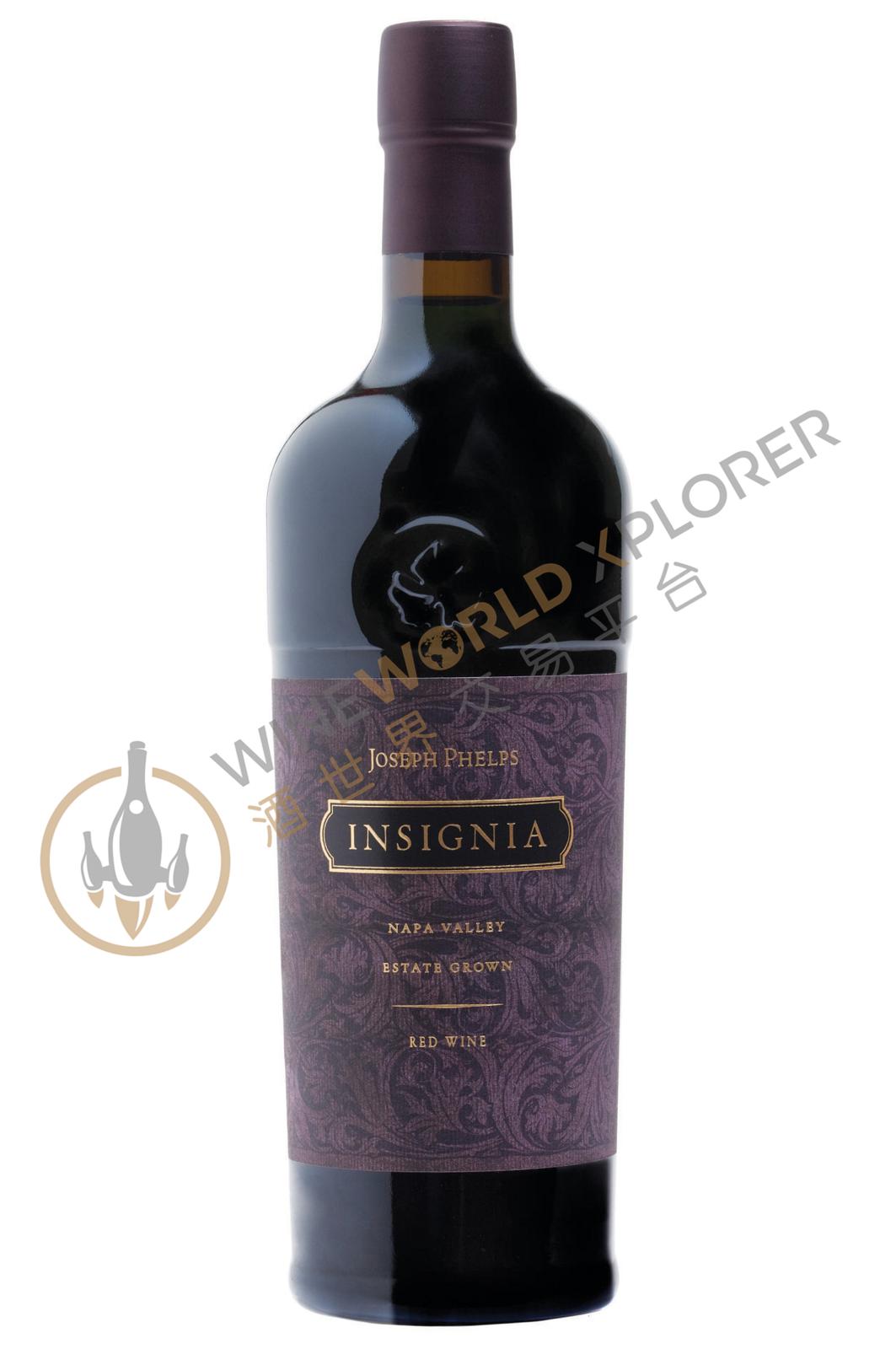
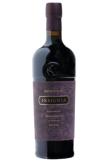
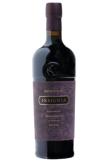
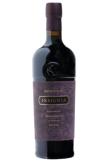
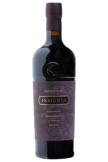
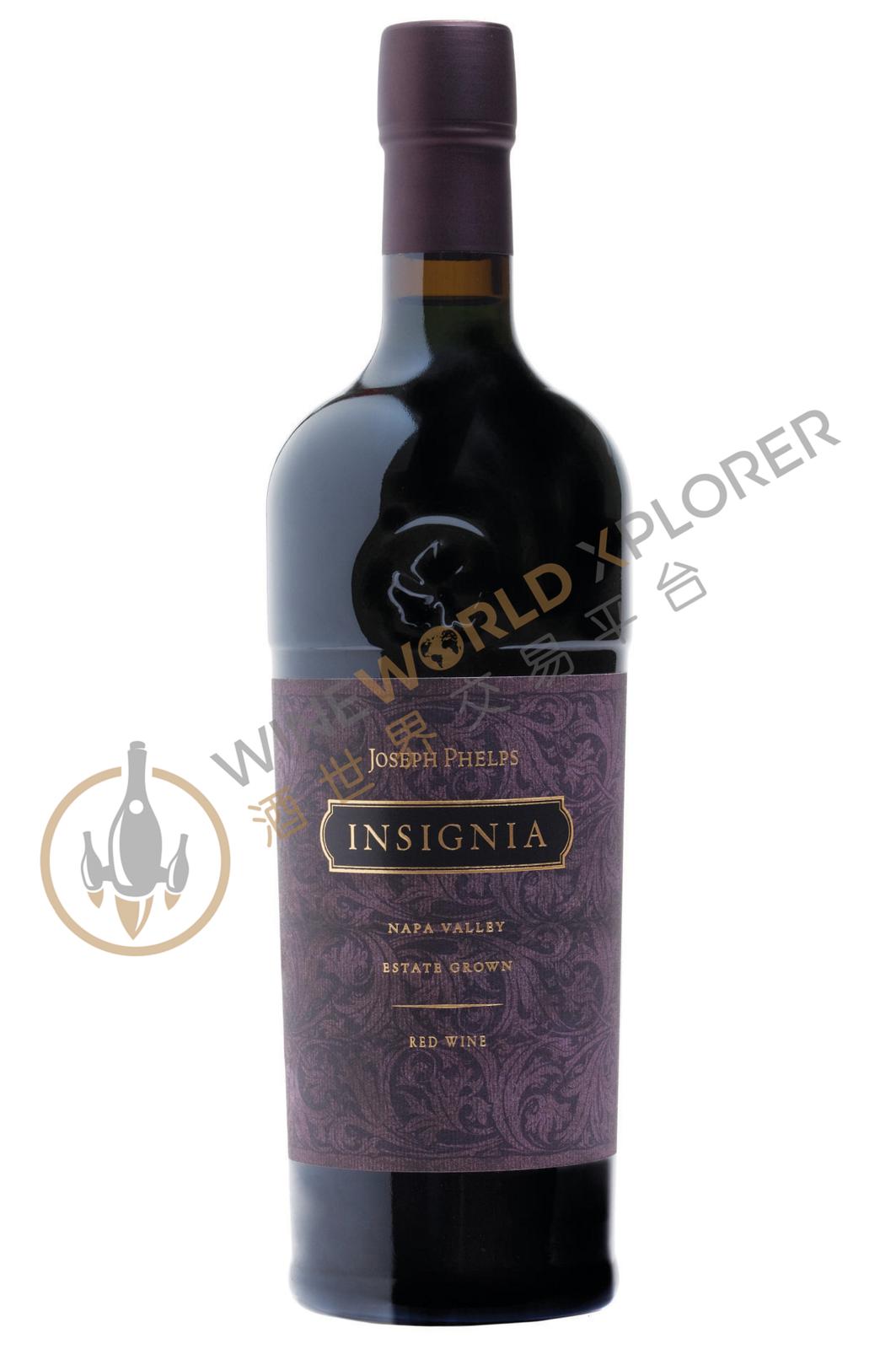
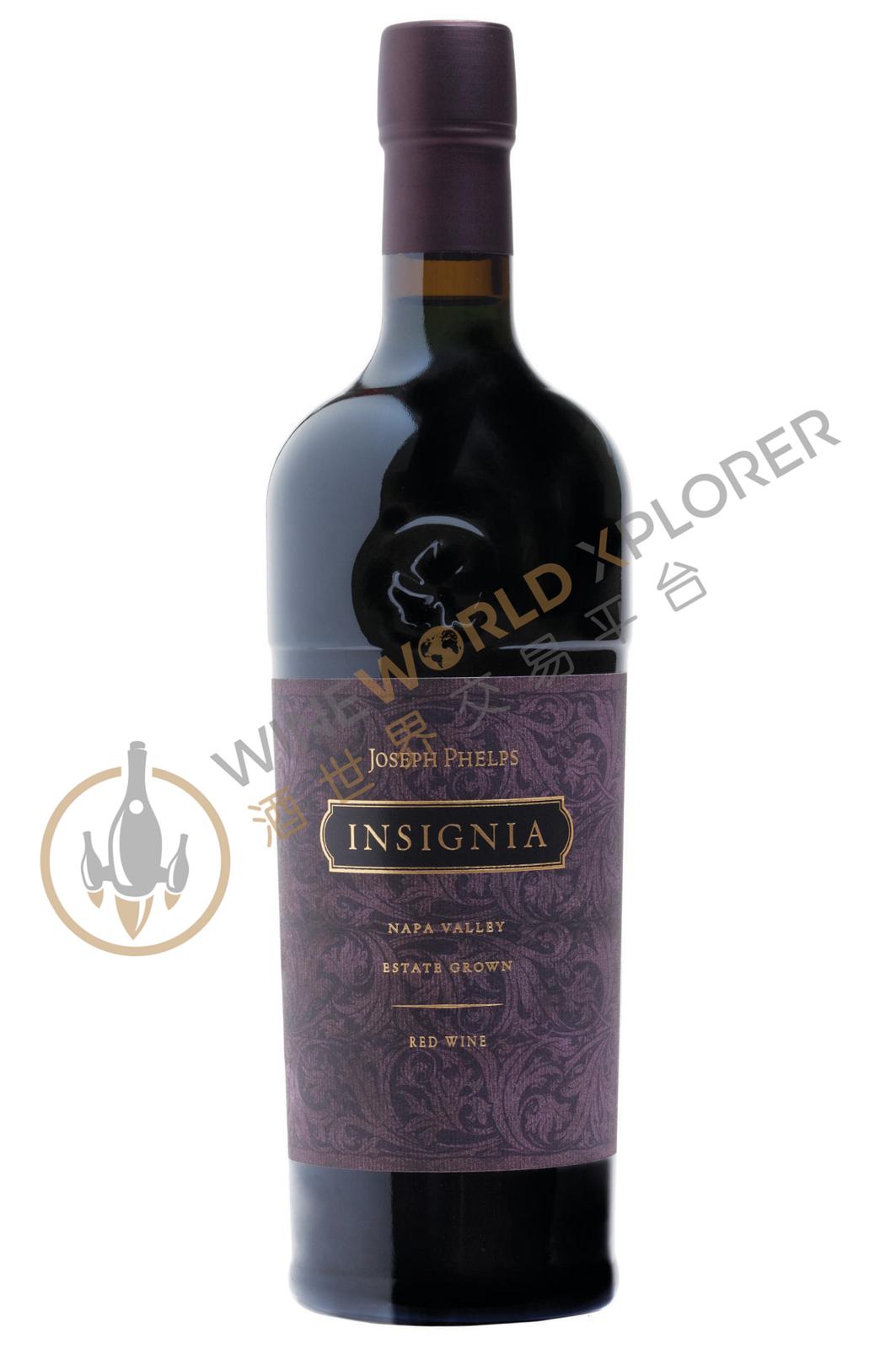
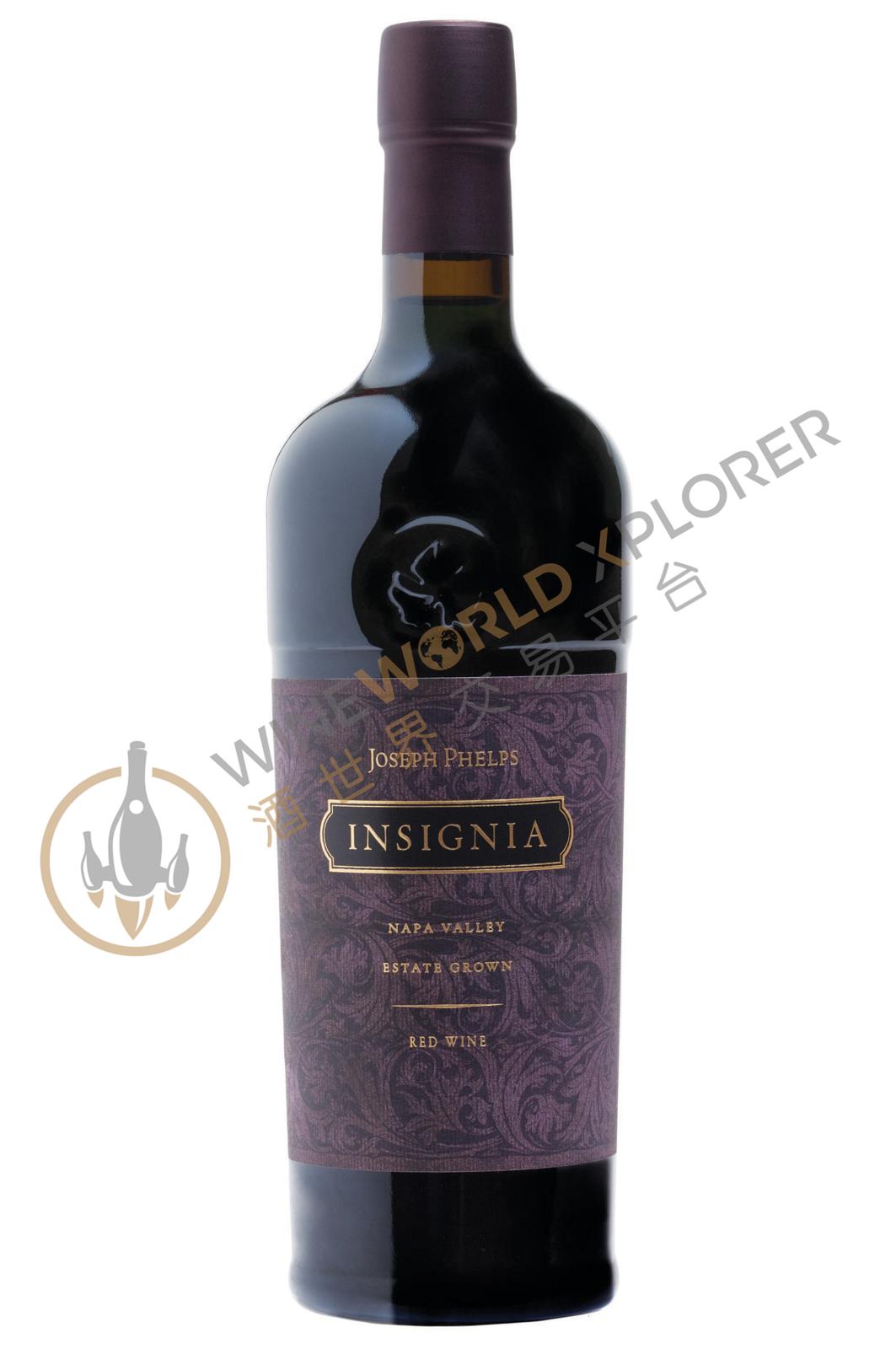
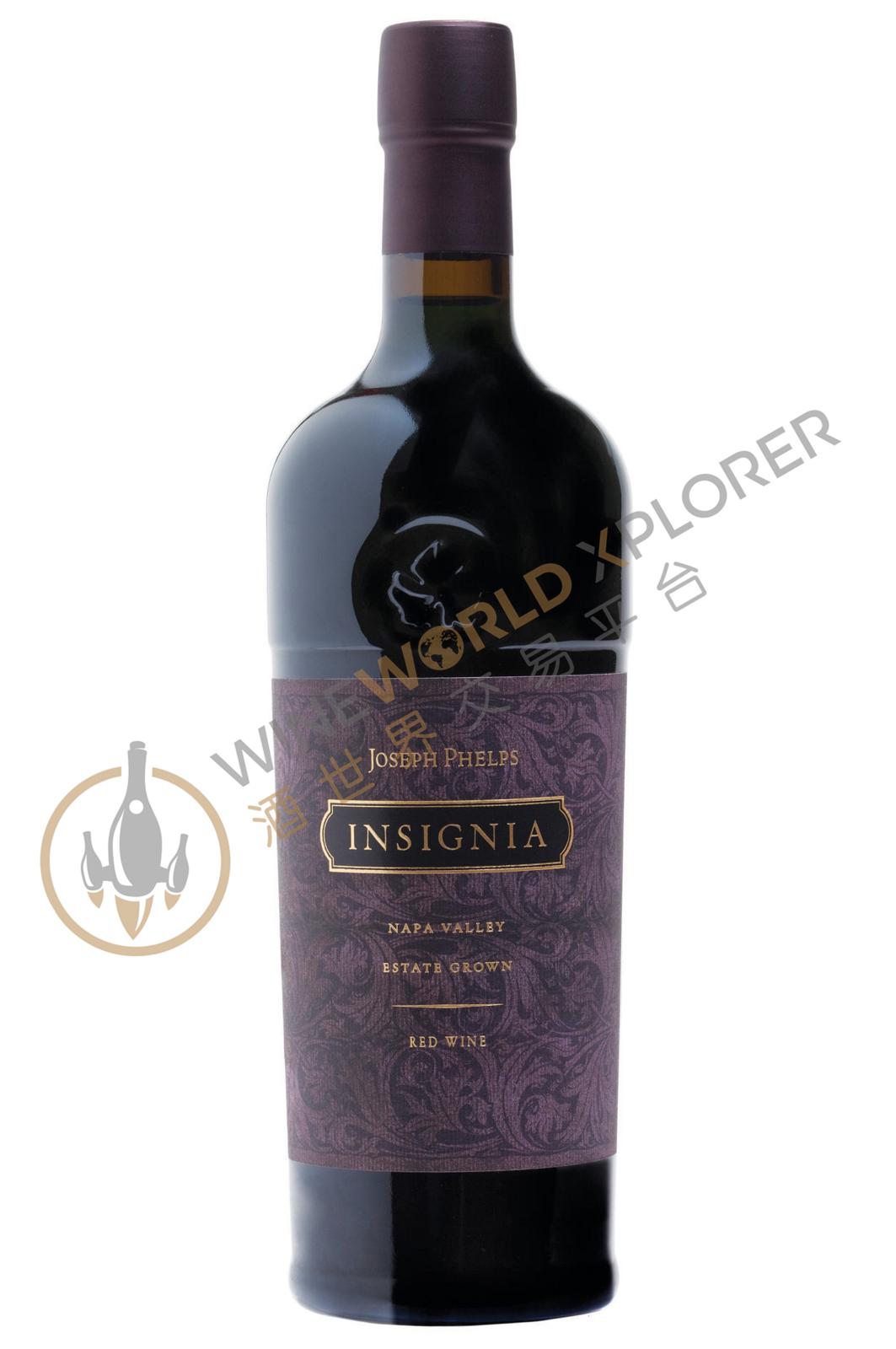
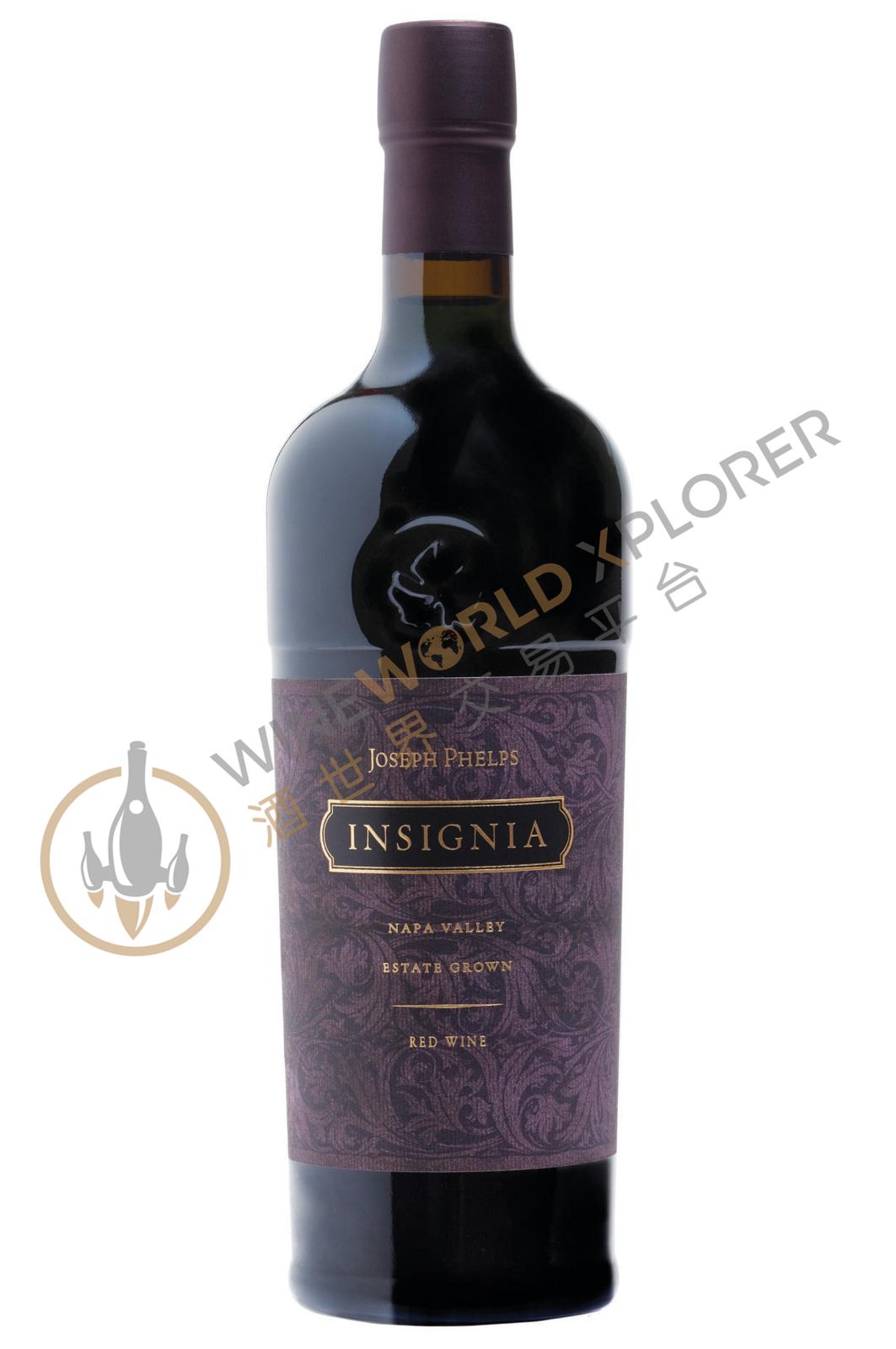
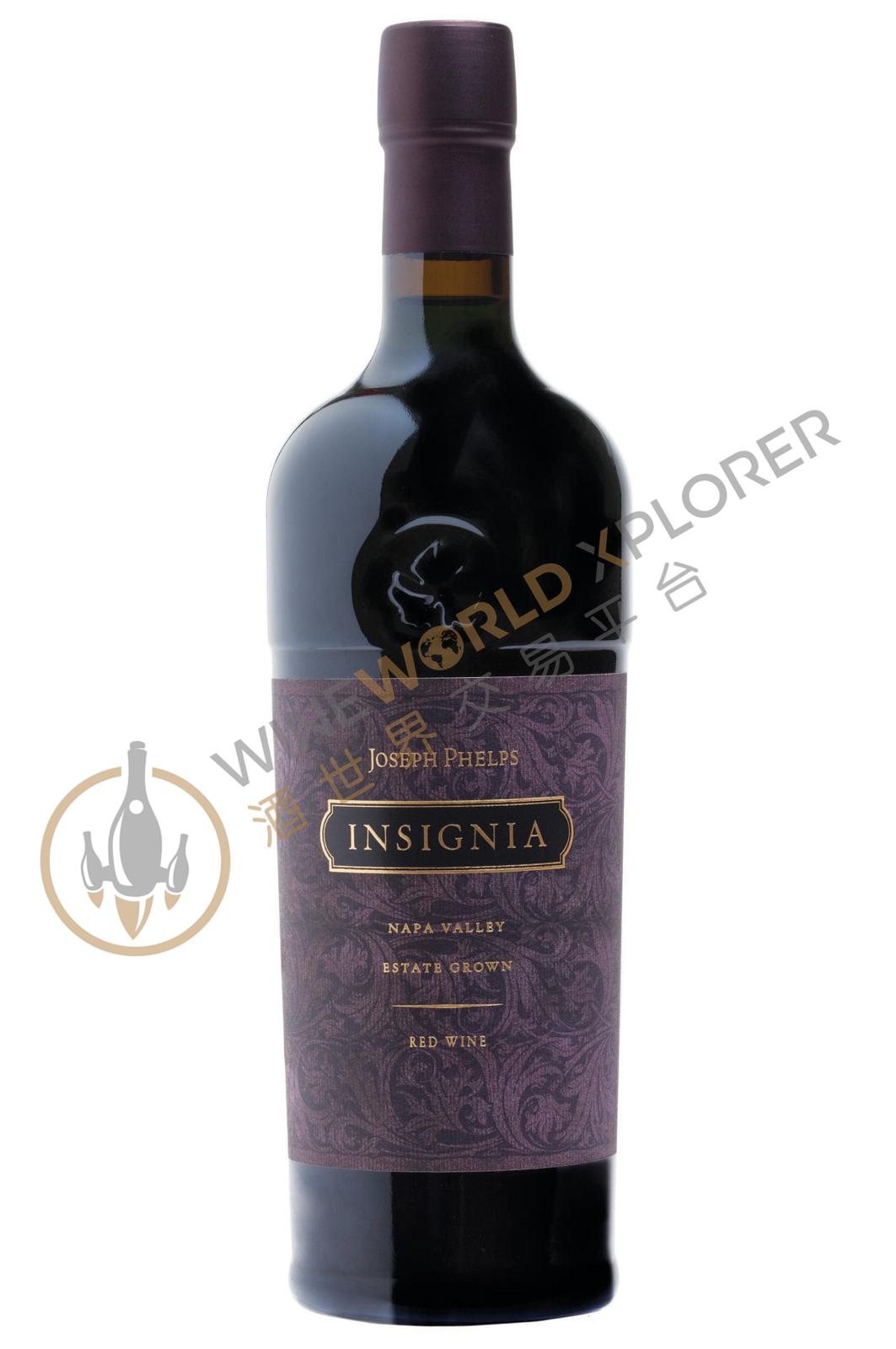
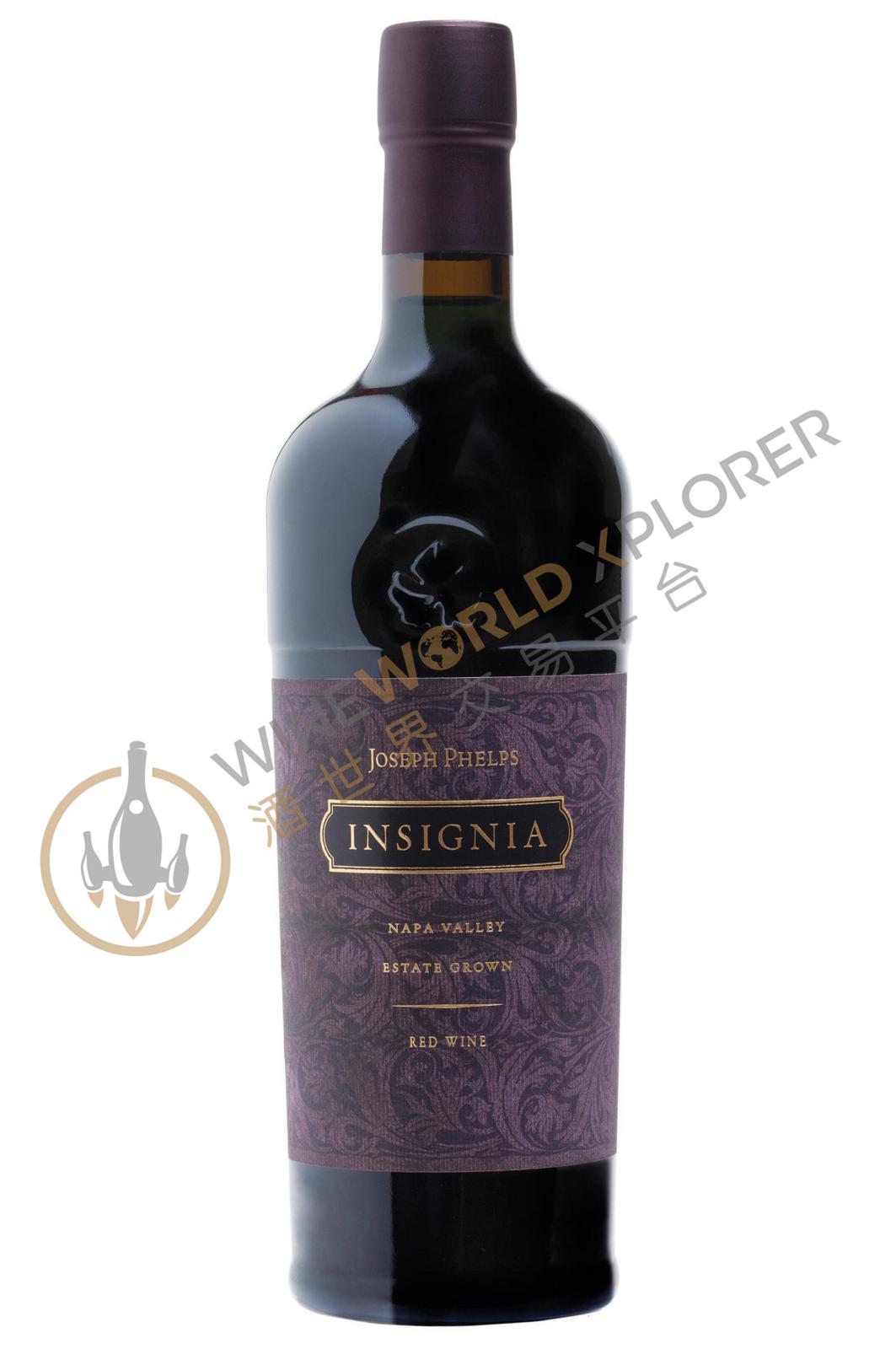
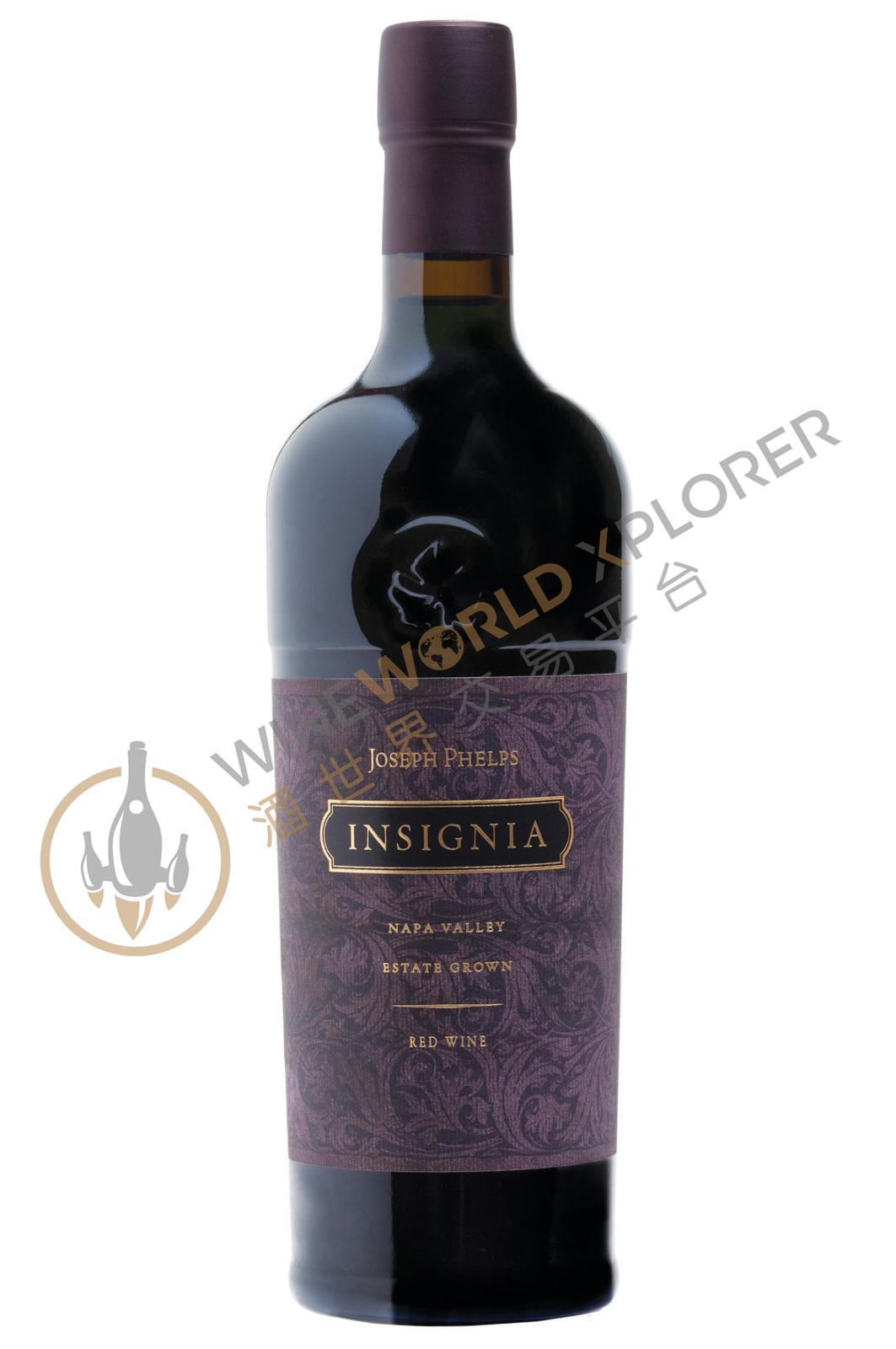
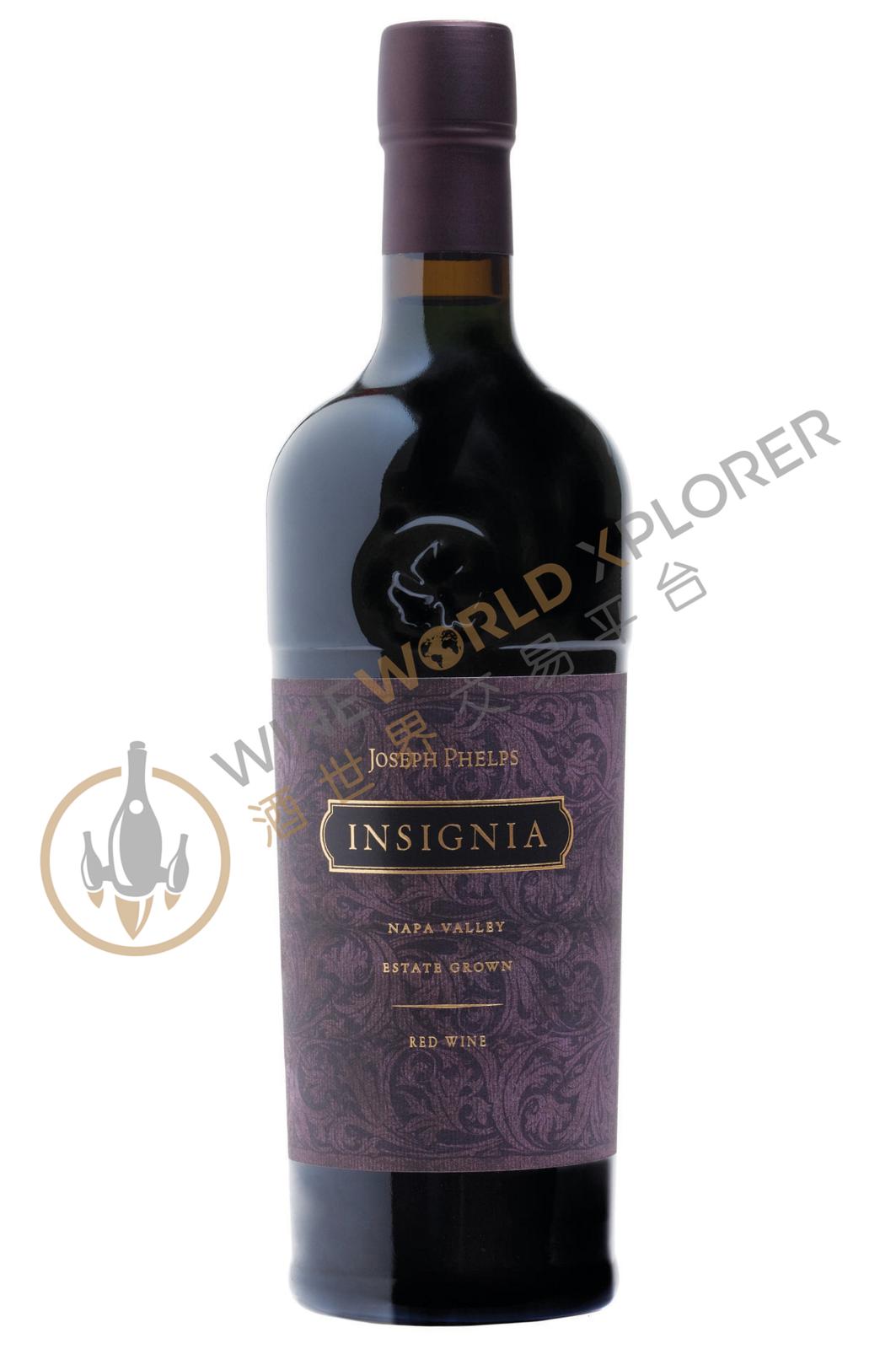
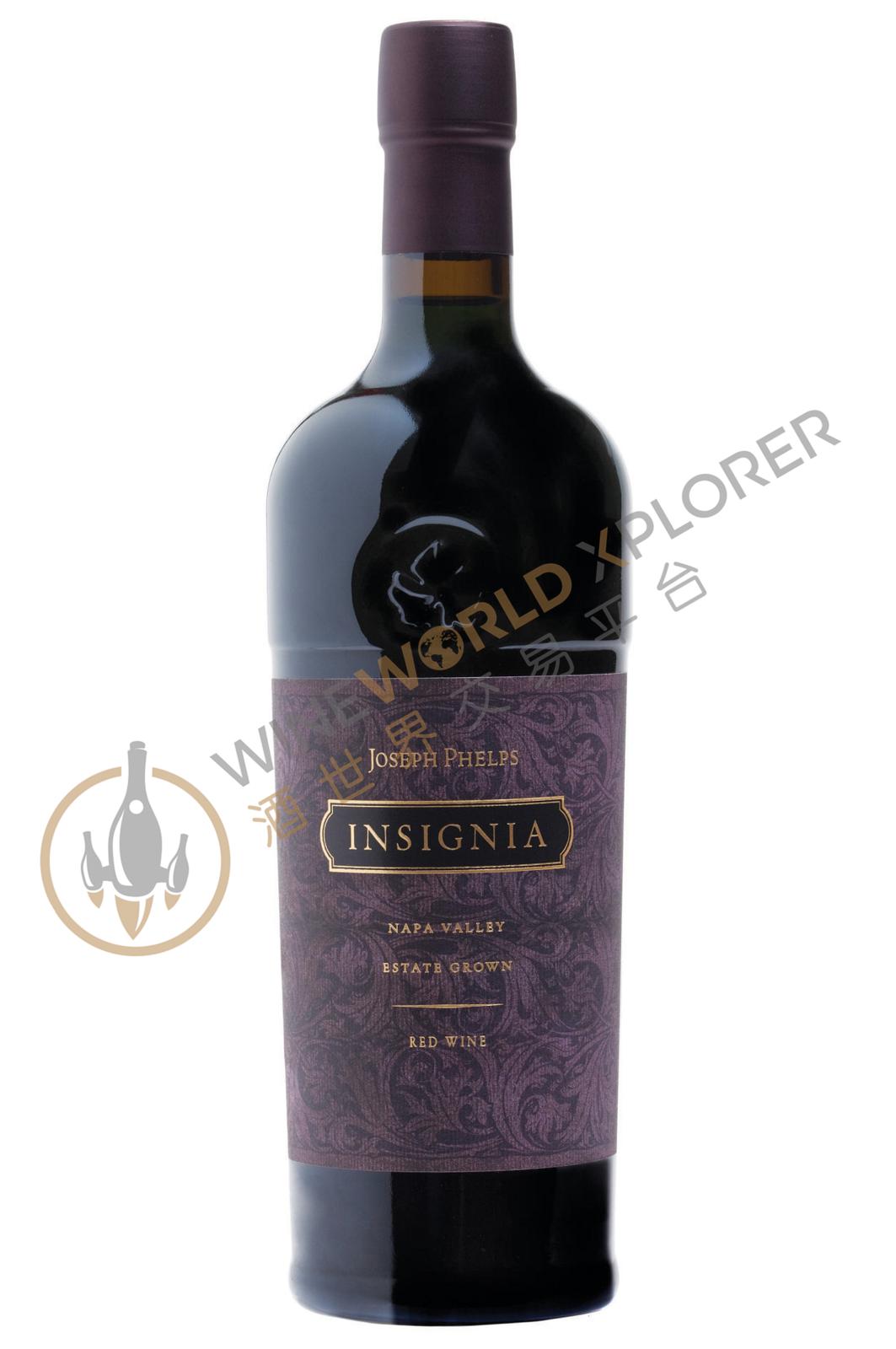
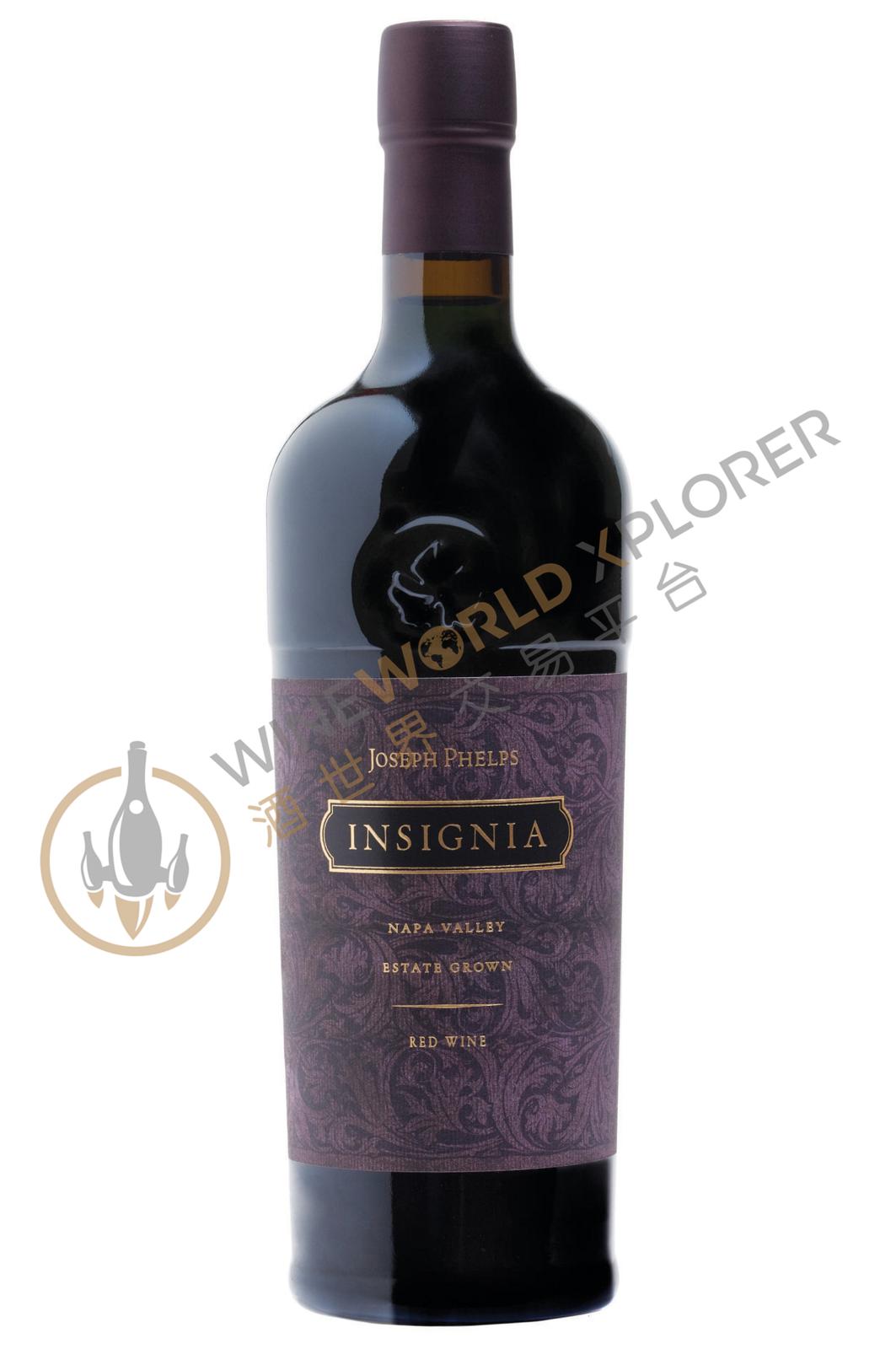
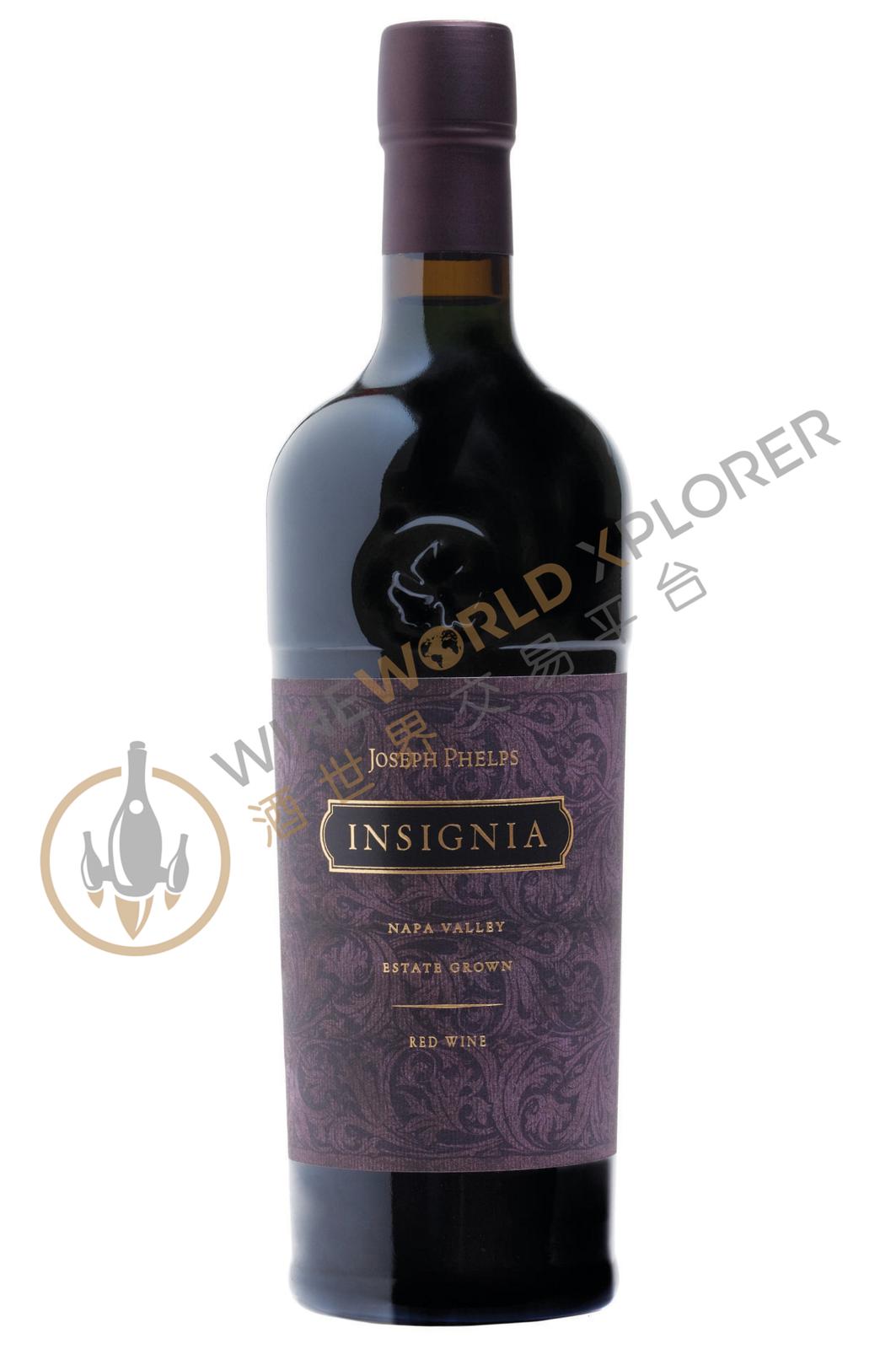
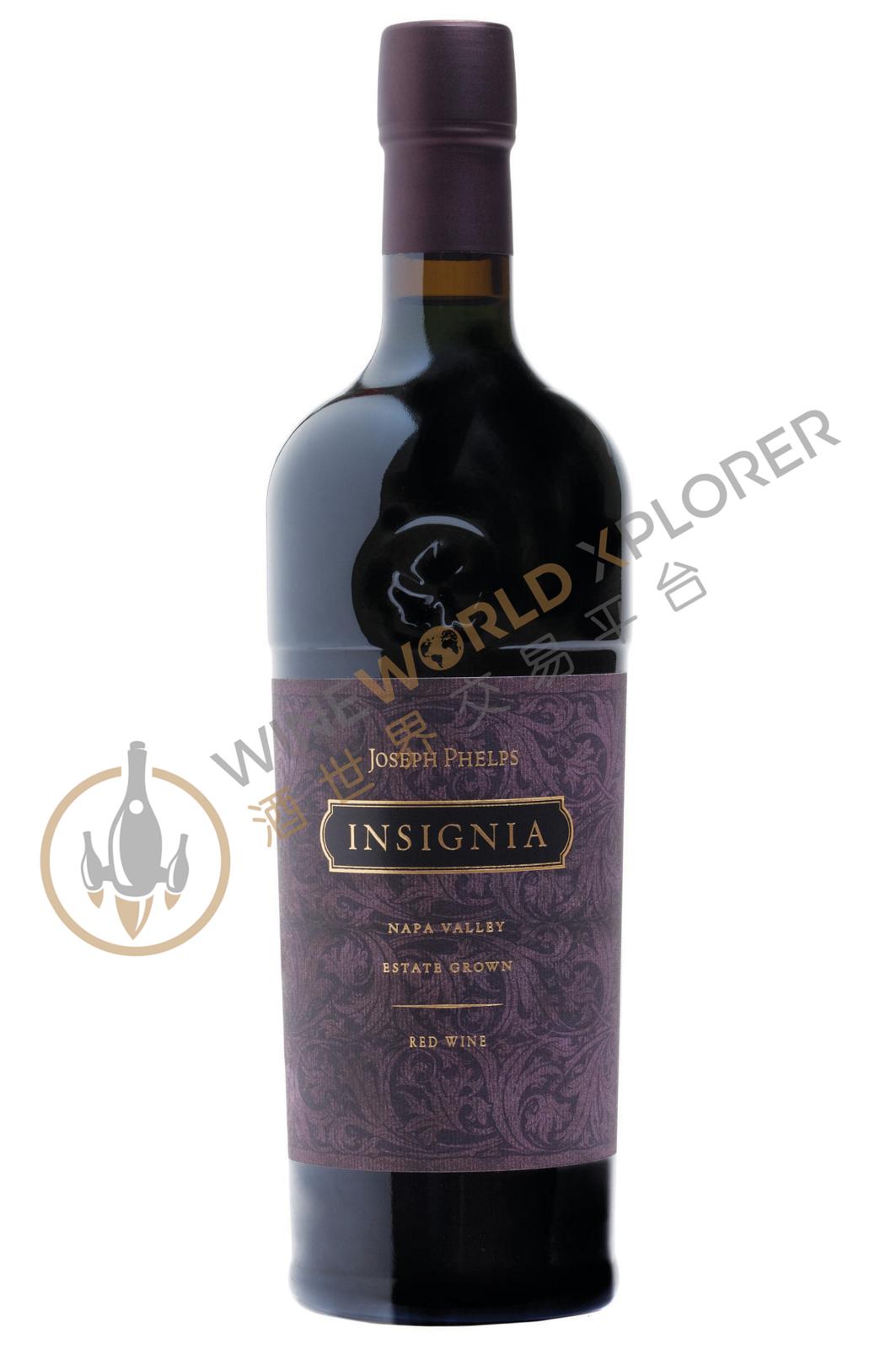
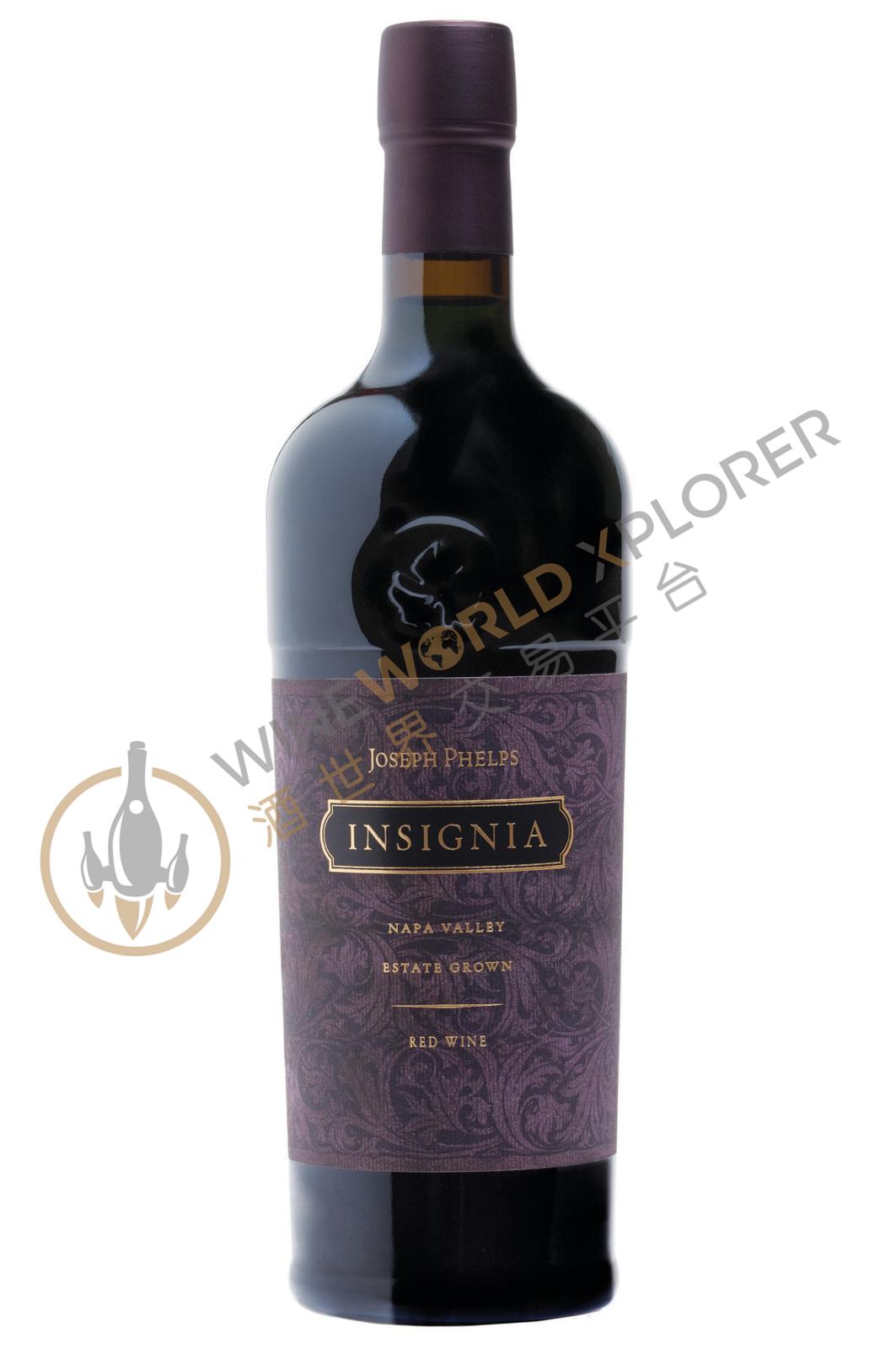
Joseph Phelps, Insignia 2011
 View analysis


Description
Tasting notes

Reviewed by: Antonio Galloni
The flagship 2011 Insignia is shaping up to be one of the positive surprises of this challenging harvest. As is the case throughout the valley in 2011, the Insignia is quite a bit smaller scaled than normal, but here there is no question the wine’s balance is terrific. A perfumed bouquet laced with a hint of white truffle leads to black currants, grilled herbs and tar in this nuanced, nicely balanced version of Insignia. It will be fascinating to see where this goes over the coming years. The 2011 is 81% Cabernet Sauvignon, 11% Petit Verdot, 5% Malbec, 2% Merlot and 1% Cabernet Franc. Anticipated maturity: 2016-2026. Winemaker Ashley Hepworth has done a fabulous job with these new releases. While most of the attention at Phelps centers around the flagships Insignia and Backus, over the last few years I have been equally impressed with the straight Cabernet Sauvignon, a wine that delivers tremendous bang for the buck. In addition to these wines, I also tasted a few Syrahs from the 1970s. Today, Phelps is known for their Cabernet Sauvignons, but it is also worth remembering Joe Phelps was the first grower to introduce Syrah to the Napa Valley several decades ago. Tel. (707) 967-3746
Reviewed by: Robert M. Parker, Jr.
The 2011’s deep ruby/purple color is followed by sweet aromas of bouquet garni, mint, red and black currants, tobacco leaf and licorice, and a surprisingly intense, full-bodied mouthfeel with more richness and intensity than I would have expected from this vintage. It is also precocious and can be drunk upon release or cellared for 15 or more years. Although it has not yet been bottled, the 2011 Insignia is composed of 82% Cabernet Sauvignon, 11% Petit Verdot and the rest Malbec, Merlot and a dollop of Cabernet Franc, and represents 13,000 cases. It achieved a slightly lower alcohol of 14.1%.
Reviewed by: Robert M. Parker, Jr.
Composed of 82% Cabernet Sauvignon, 11% Petit Verdot and the rest Malbec, Merlot and a dollop of Cabernet Franc, the 2011 Insignia represents 13,000 cases and a lower alcohol point of 14.1%. Its deep ruby/purple color is followed by sweet aromas of bouquet garni, mint, red and black currants, tobacco leaf and licorice, and a surprisingly intense, full-bodied mouthfeel with more richness and intensity than I would have expected from this vintage. It is also precocious and can be drunk upon release or cellared for 15 or more years. All of Joseph Phelps’ Sonoma Coast Chardonnays and Pinot Noirs will be included in the Sonoma report in the December, 2013 issue. One of the visionaries in California’s Rhone Ranger movement that began a quarter of a century ago, Phelps continues to focus on their Syrah program. I have mixed emotions about that because they made some wonderful wines from some other Rhone varietals in the past under the terminated Mistral label. On the www.erobertparker.com website, I will be posting one of the most historical vertical tastings I have ever done, that of Joseph Phelps’ proprietary red Bordeaux blend called Insignia, which was one of California’s first proprietary red Meritage wines launched in 1974. While visiting this winery in early September, I had the privilege of tasting every vintage from 1974 to 2012. This has always been a remarkable wine and sadly I am old enough to remember the 1974, to which I gave a great rating, but then suggested it be drunk within 10-12 years. I never thought it would last. Of course, it turned out to be one of the great mature wines of the vertical tasting, but more on that on the web site. The five vintages of Insignia which consumers should be keeping an eye on are 2008, 2009, 2010, 2011 and 2012. Here are my notes on those wines which are either on the market or soon will be. By the way, the production of Insignia over the last 15-20 years has ranged from a low of 10,000-12,000 cases to a whopping 20,000 cases, often with the highest production levels in some of the greatest years. There are usually around 750 to 1,300 cases of the Cabernet Sauvignon Backus Vineyard. Usually 100% Cabernet Sauvignon, it is fashioned from the red soils of the Oakville hillsides (a spectacular sight as you drive south on the Silverado Trail). Tel. (800) 707-5789
Reviewed by: Antonio Galloni
The 2011’s deep ruby/purple color is followed by sweet aromas of bouquet garni, mint, red and black currants, tobacco leaf and licorice, and a surprisingly intense, full-bodied mouthfeel with more richness and intensity than I would have expected from this vintage. It is also precocious and can be drunk upon release or cellared for 15 or more years. Although it has not yet been bottled, the 2011 Insignia is composed of 82% Cabernet Sauvignon, 11% Petit Verdot and the rest Malbec, Merlot and a dollop of Cabernet Franc, and represents 13,000 cases. It achieved a slightly lower alcohol of 14.1%.
About the Producer
Joseph Phelps, a building contractor from Colorado, first invested in vineyards in the Napa Valley in 1972. In 1974 Phelps and his winemaker Walter Schugg produced their first vintage of Insignia, which at the time was one of the first Bordeaux style blends in California. Its Cabernet Sauvignon, Cabernet Franc, and Merlot grapes are sourced primarily from Rutherford & Stags Leap (notably for `Insignia'); the Chardonnay and Sauvignon Blanc from Los Carneros & Napa (for the better quality fruit). Joseph Phelps Vineyards is a family-owned and operated wine estate with vineyards and wineries in Napa Valley and on the western Sonoma Coast. The winery was founded in 1973 by Joseph Phelps, a successful construction executive and entrepreneur whose early interest in wine led him to establish vineyards on a 670-acre former cattle ranch in Napa Valley. Over the next 42 years Joe became one of the most respected figures in the California wine industry, building Joseph Phelps Vineyards into a critically-acclaimed winery internationally known for its iconic wines and unwavering commitment to quality. Every wine in the Joseph Phelps portfolio is 100% estate-grown, overseen from grape to bottle by our dedicated winegrowing team. Their family owns and farms 390 acres of vines in Napa Valley on eight estate vineyards in St. Helena, Rutherford, Oakville, the Stags Leap District, the Oak Knoll District, South Napa and Carneros, as well as 100 acres over two vineyards on the western Sonoma Coast. Strategically chosen over many decades, each vineyard has its own personality and brings a different characteristic to our wines. Our commitment to the estate-grown model is our way of ensuring consistency and the highest quality we can possibly achieve. Our estate vineyards give our winemaking teams unparalleled depth and diversity when it comes to producing Joseph Phelps wines.
1978(1)1984(1)1997(1)2003(1)2004(2)2005(1)2006(4)2008(5)2009(3)2010(4)
Package Size