Wine Advisor



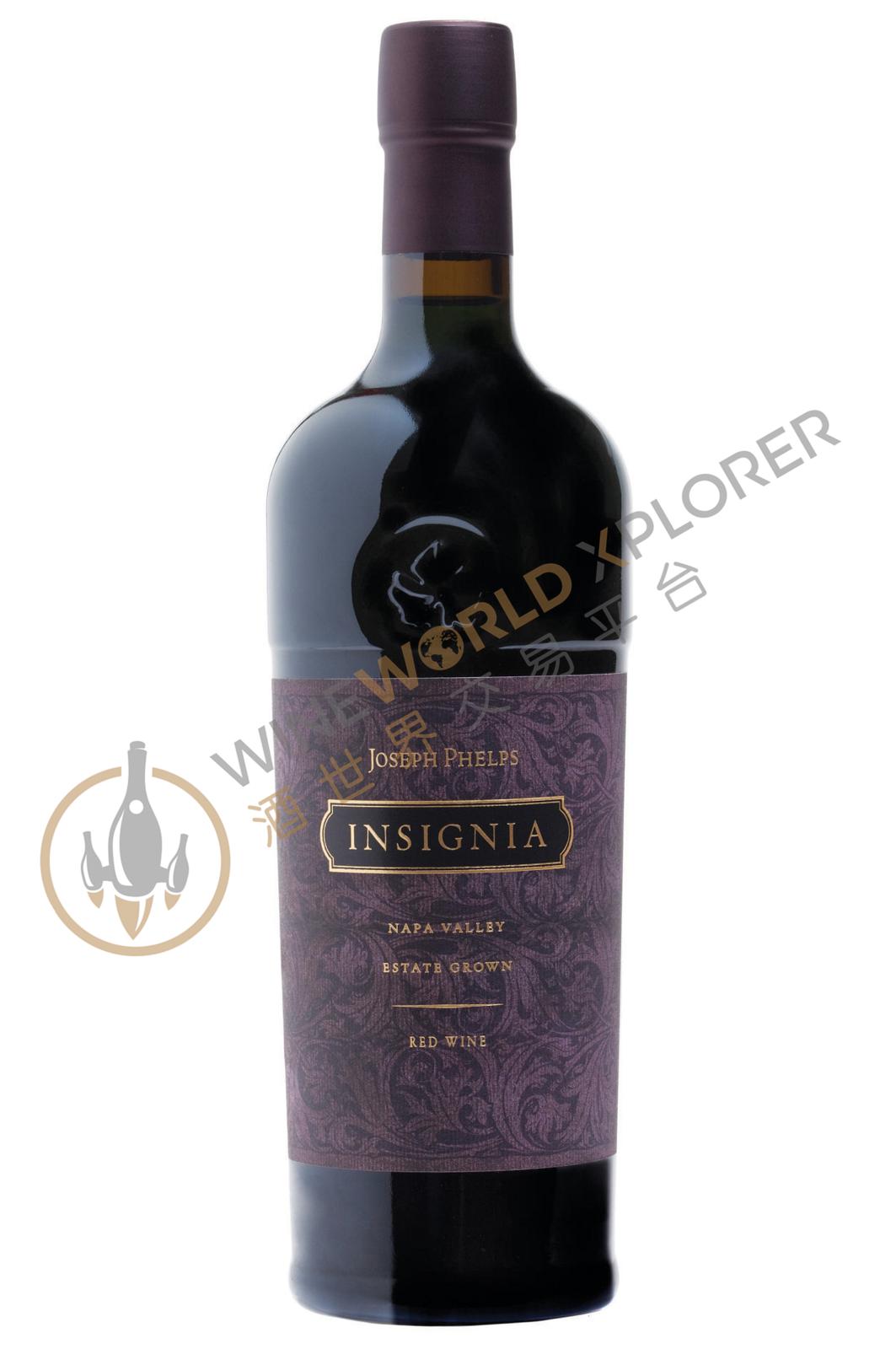
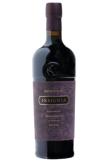
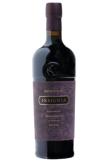
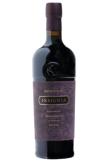
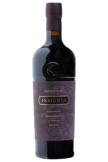
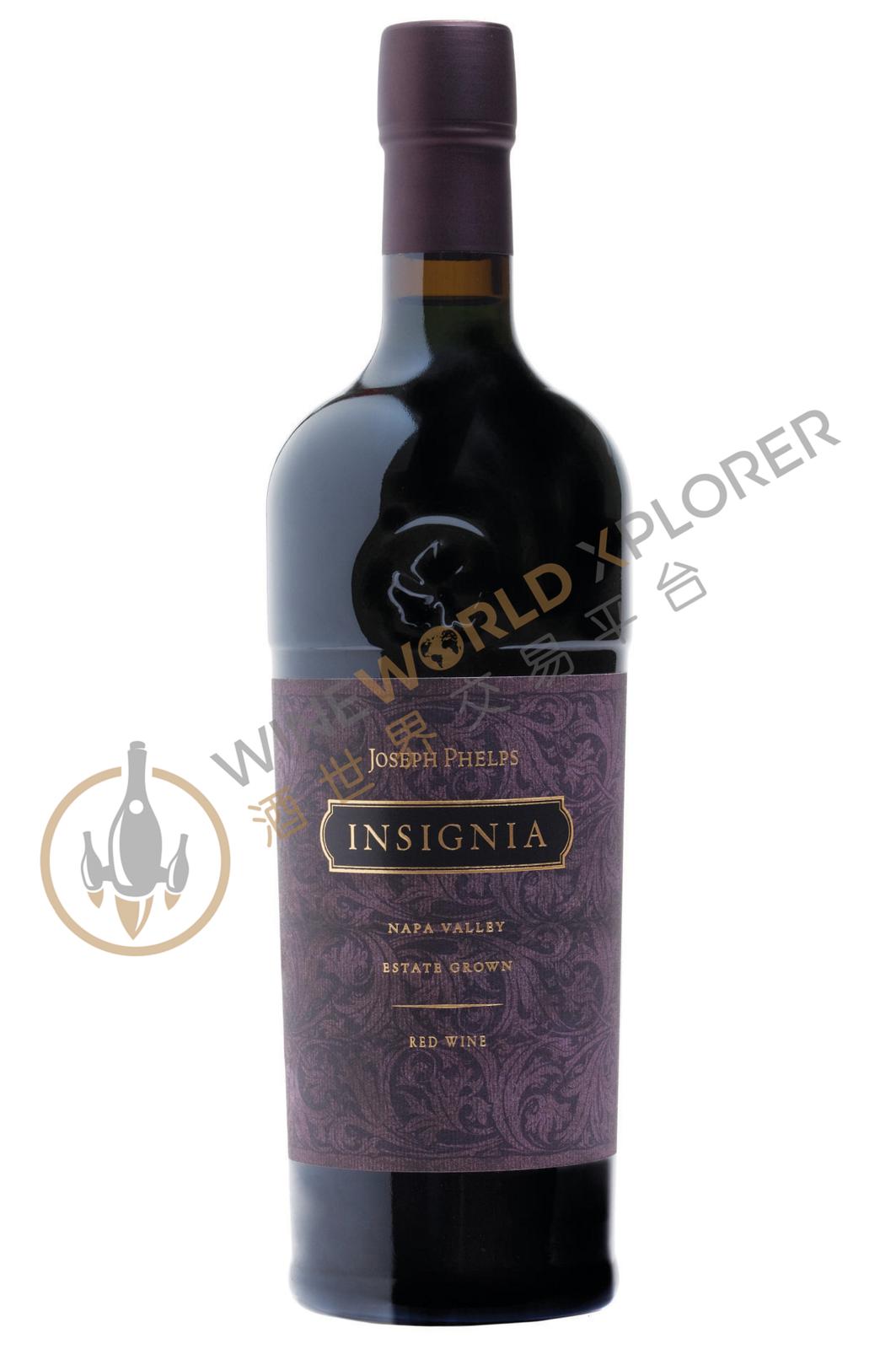
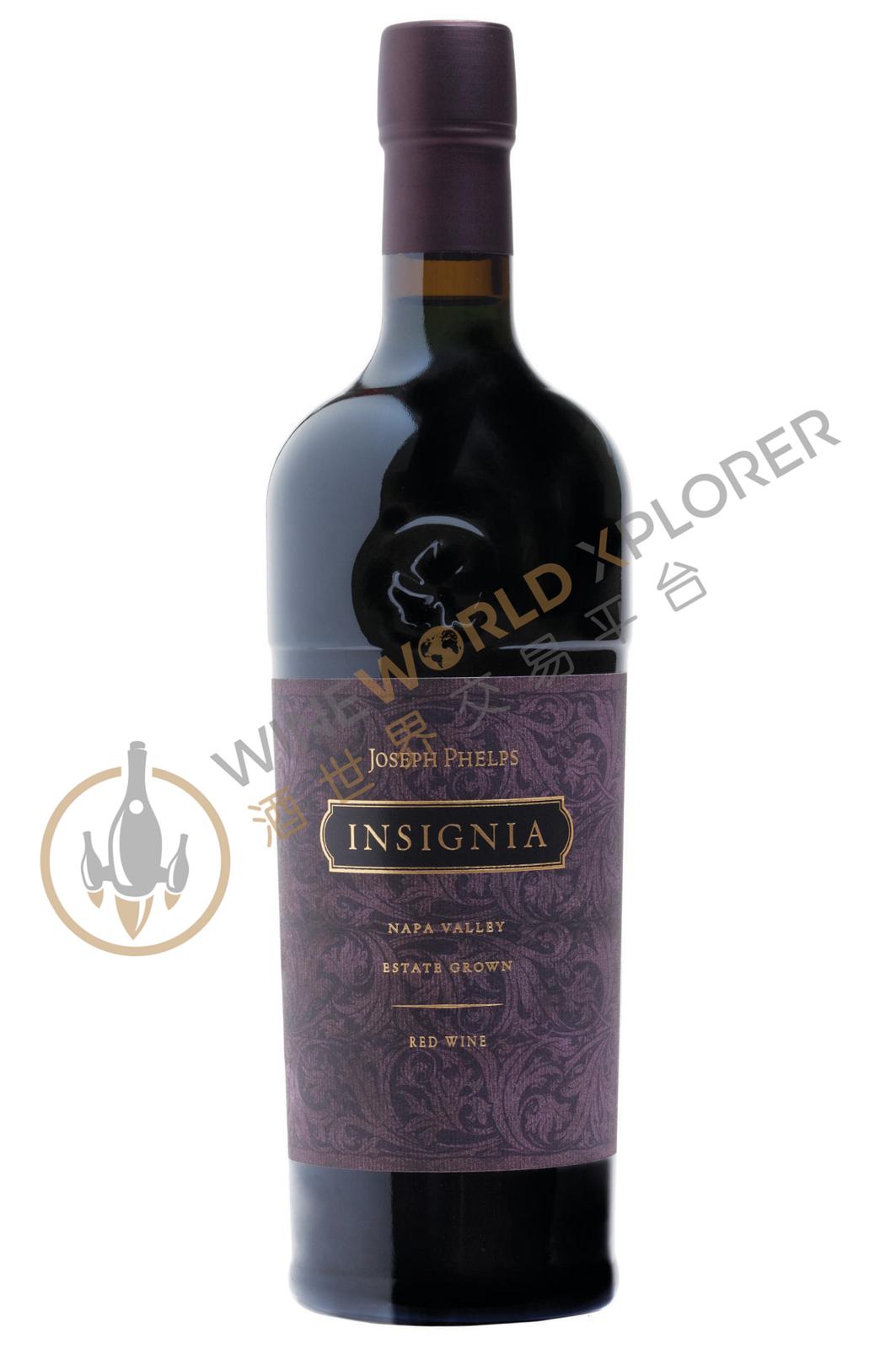
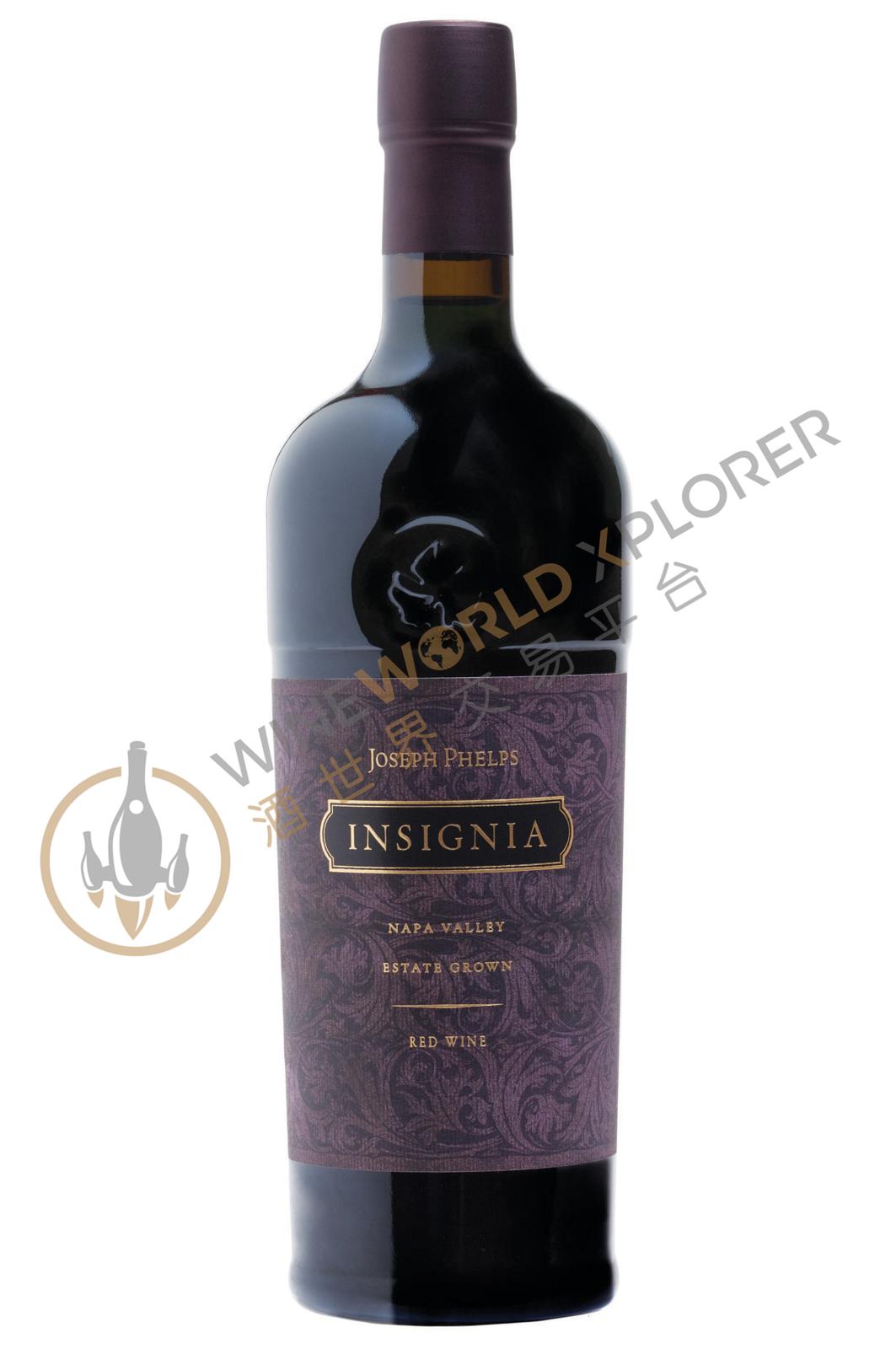
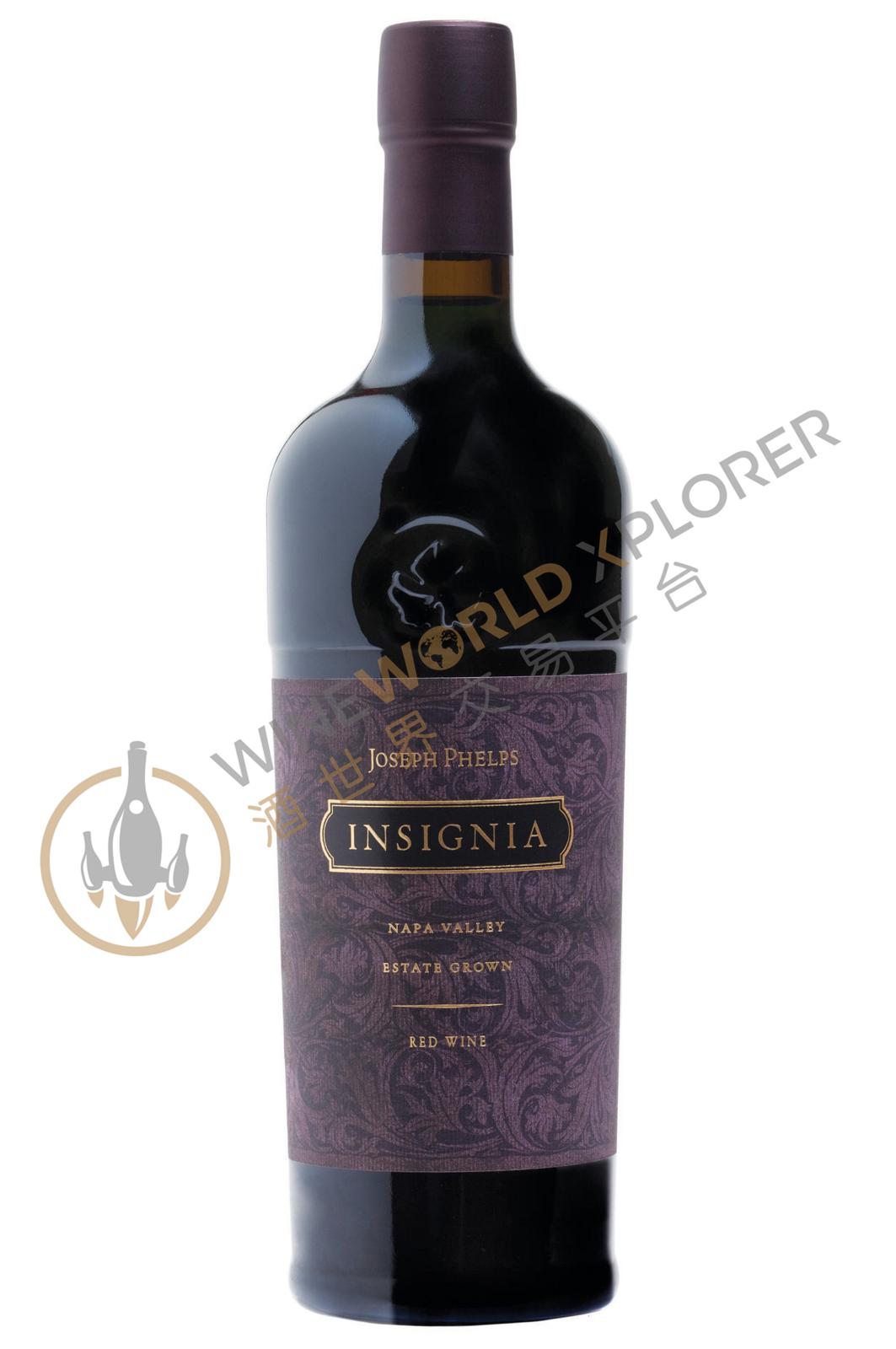
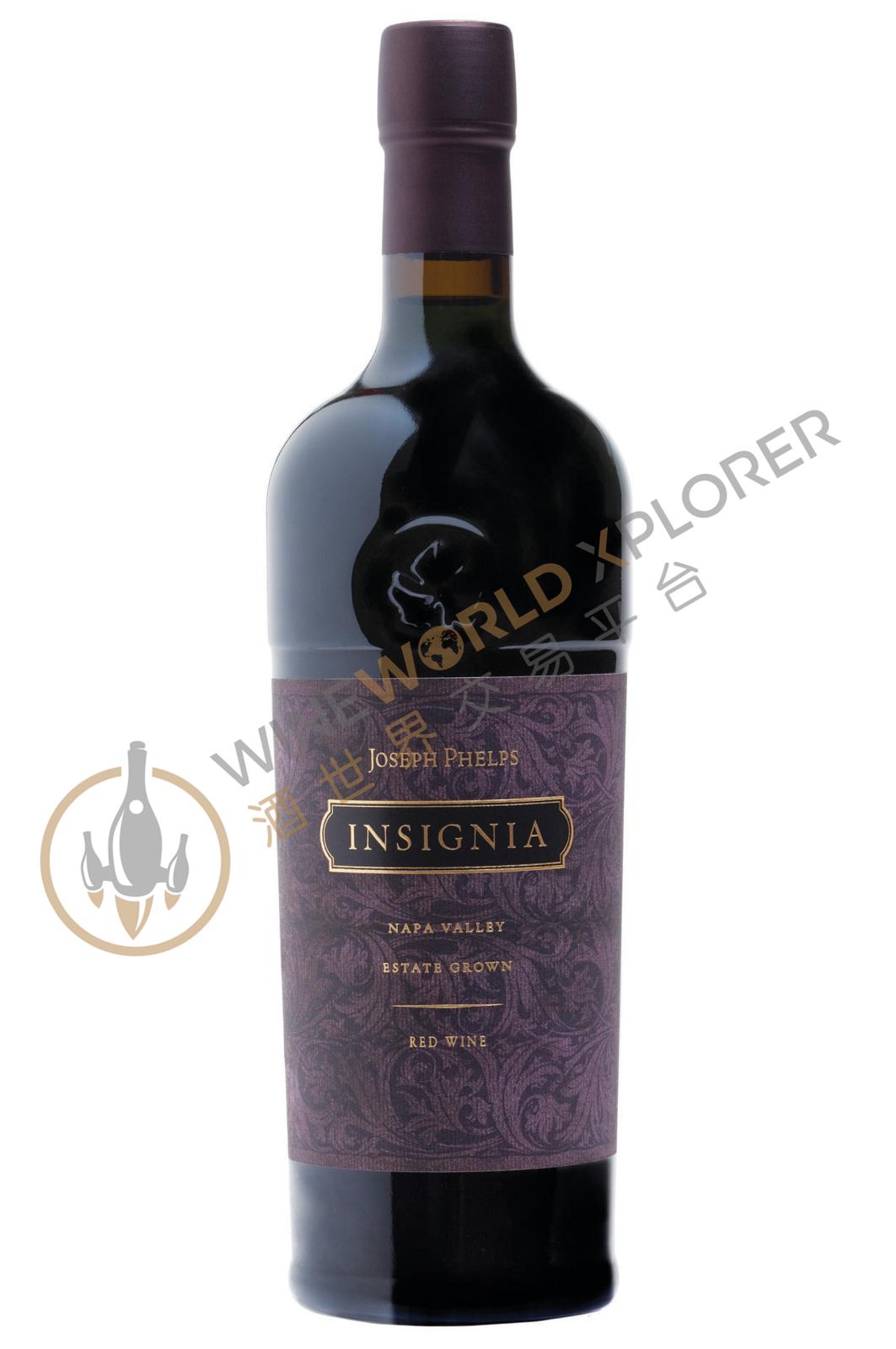
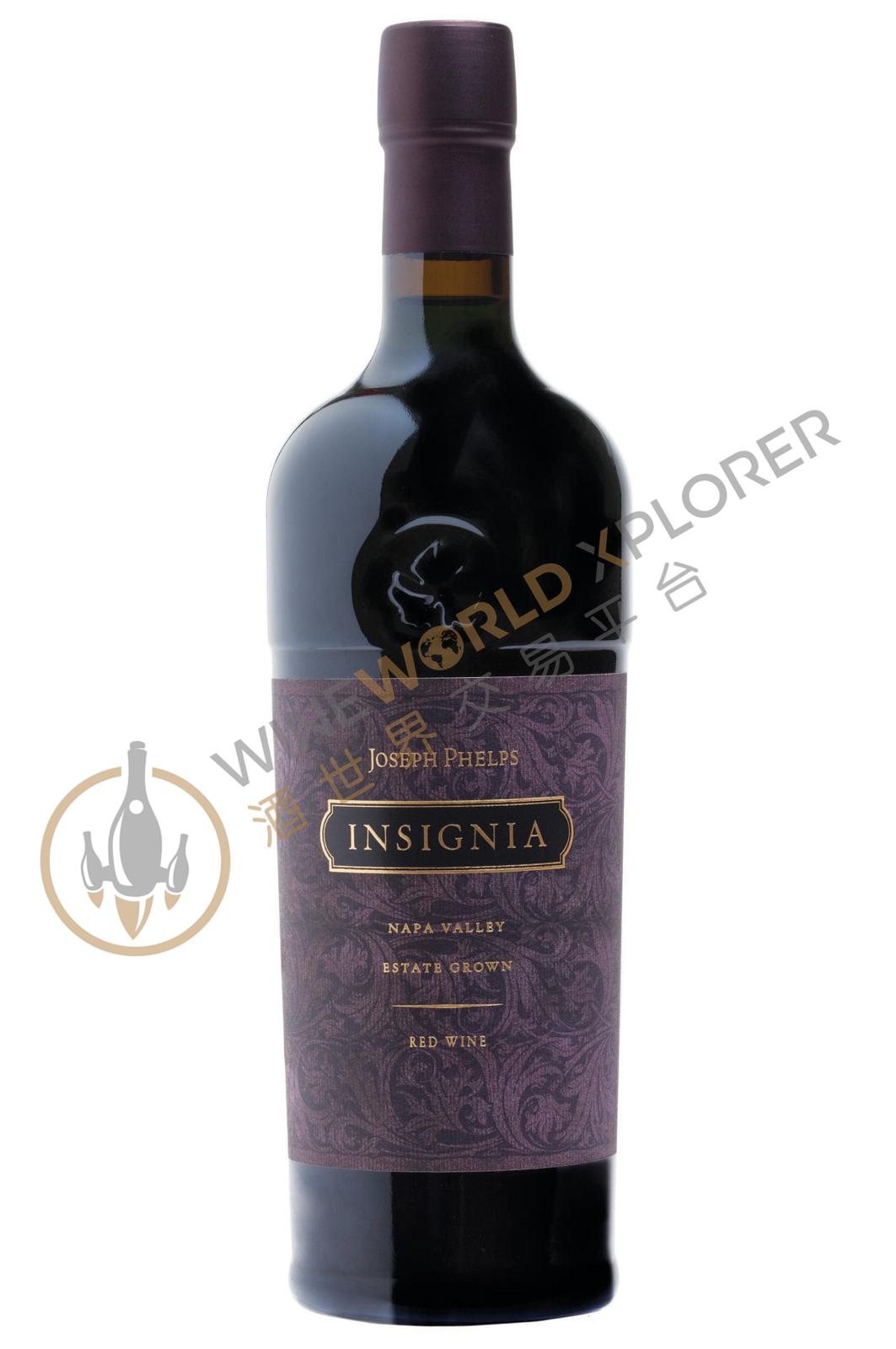
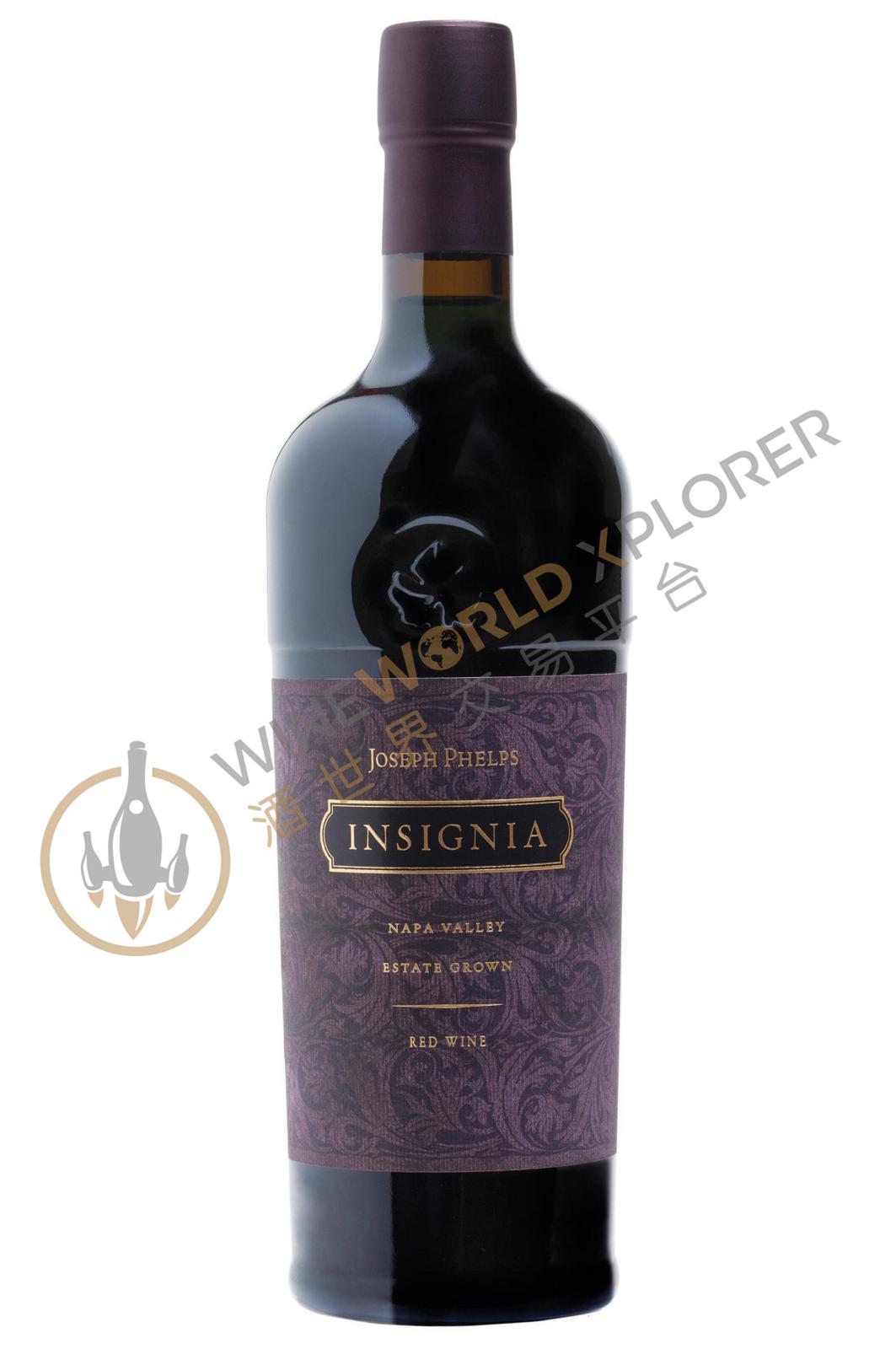
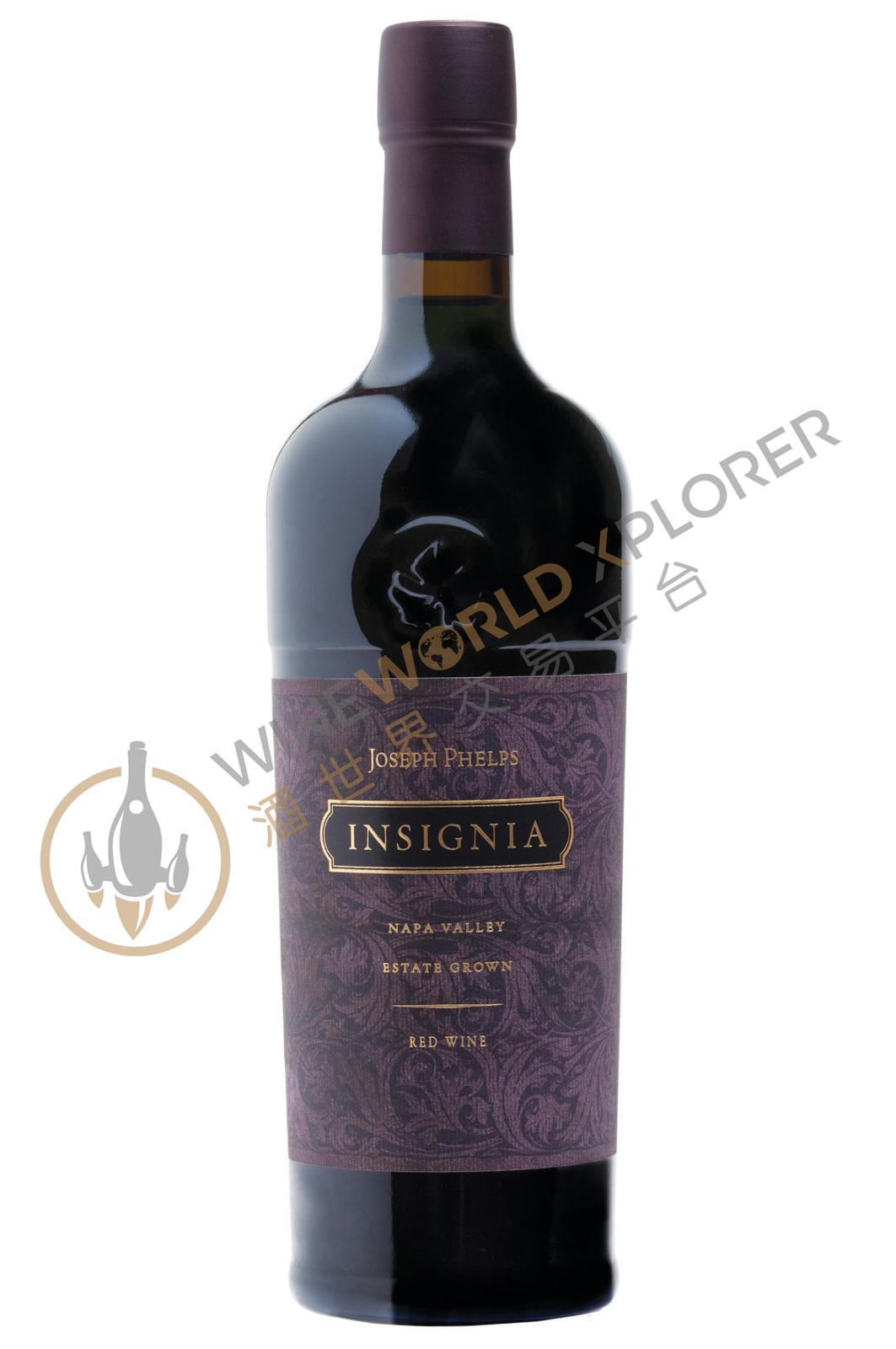
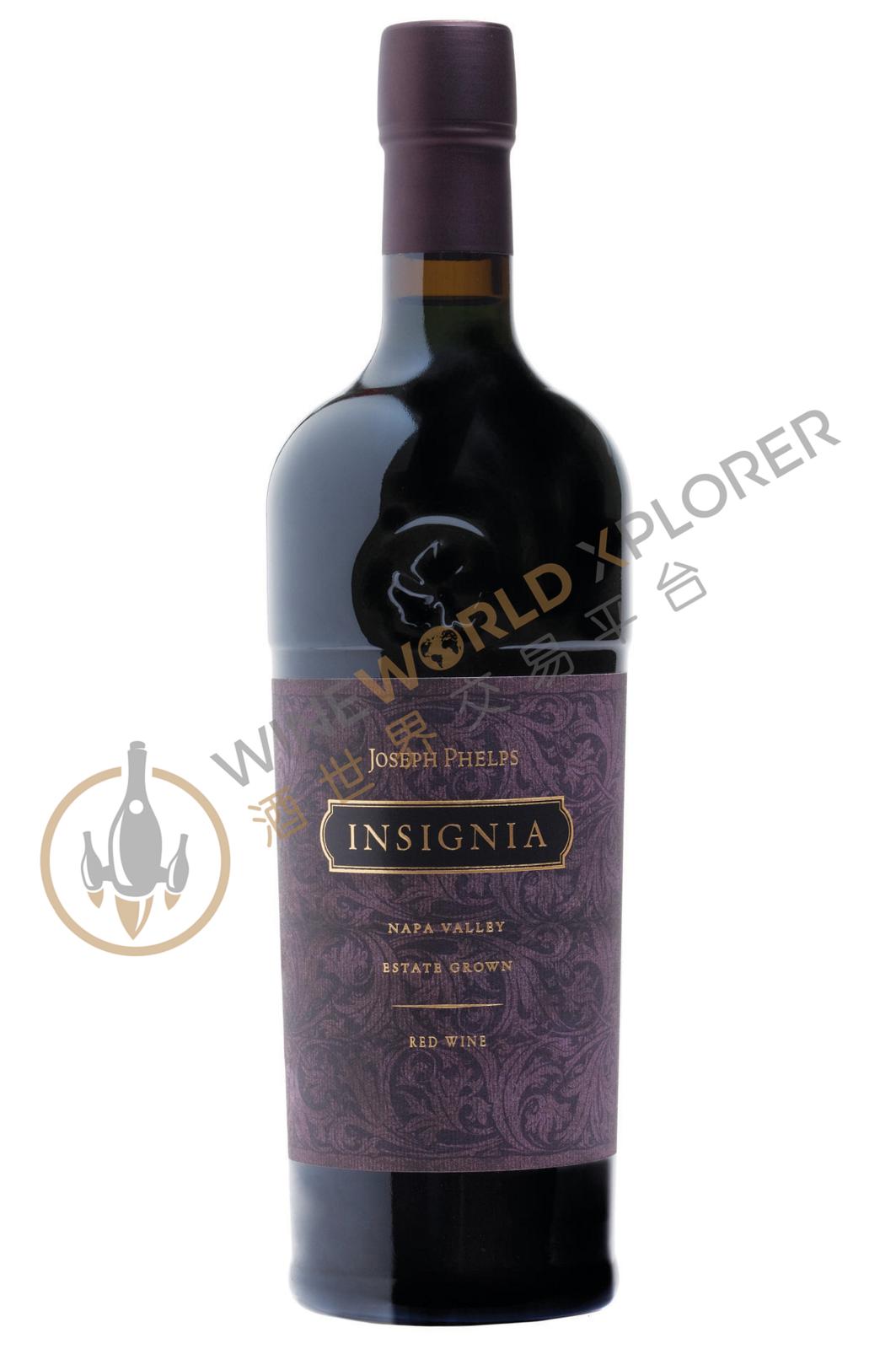
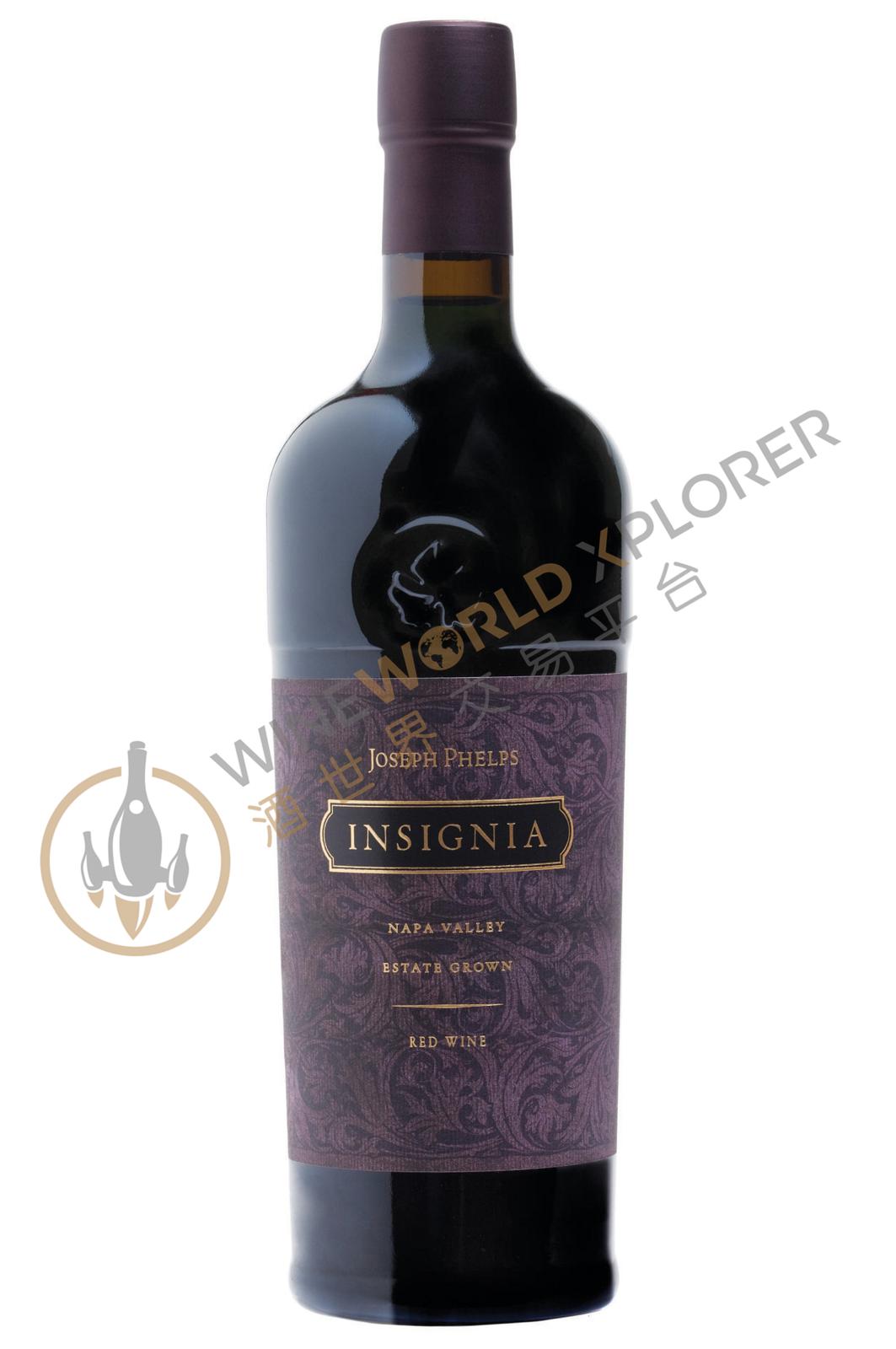
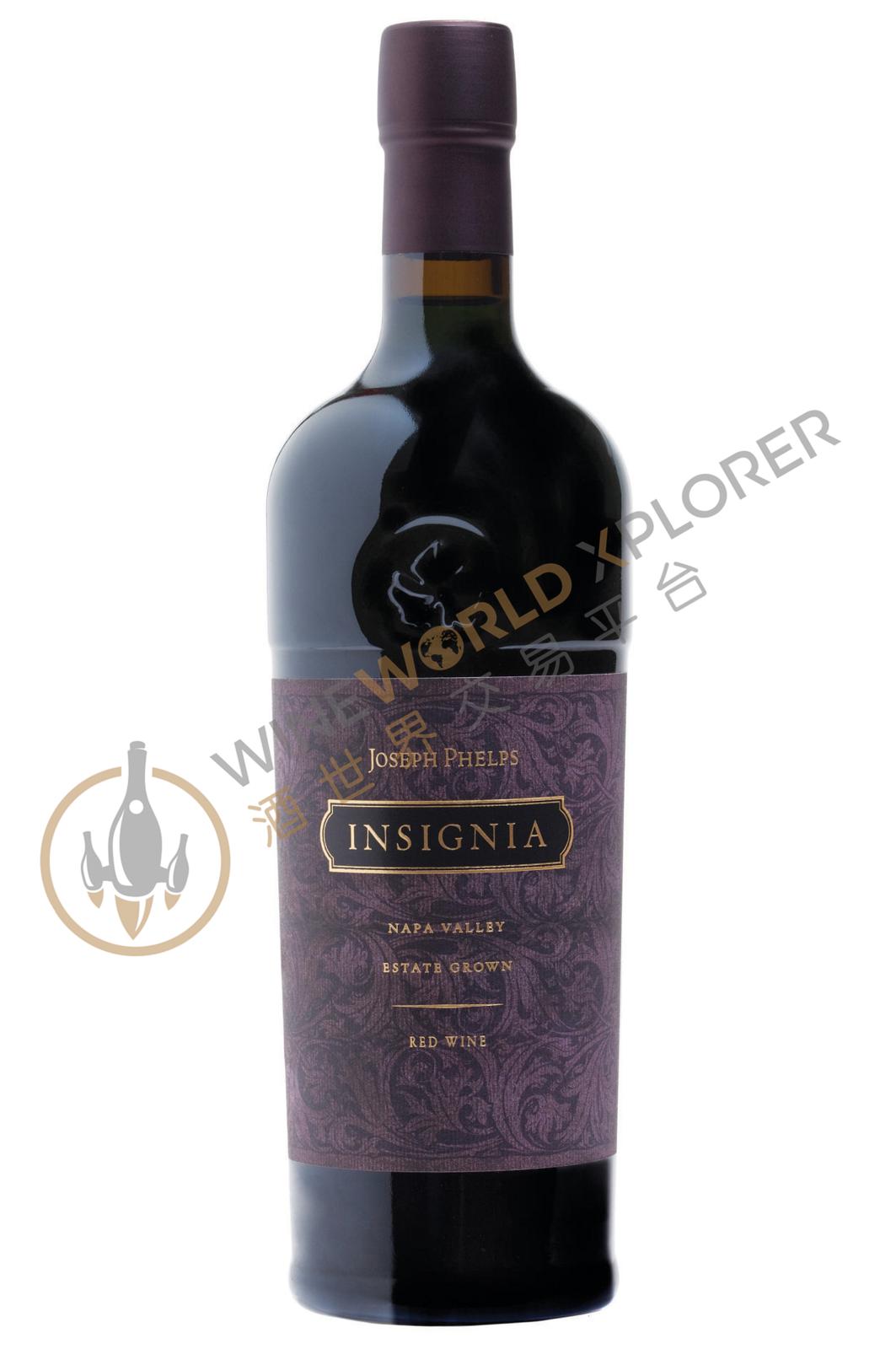
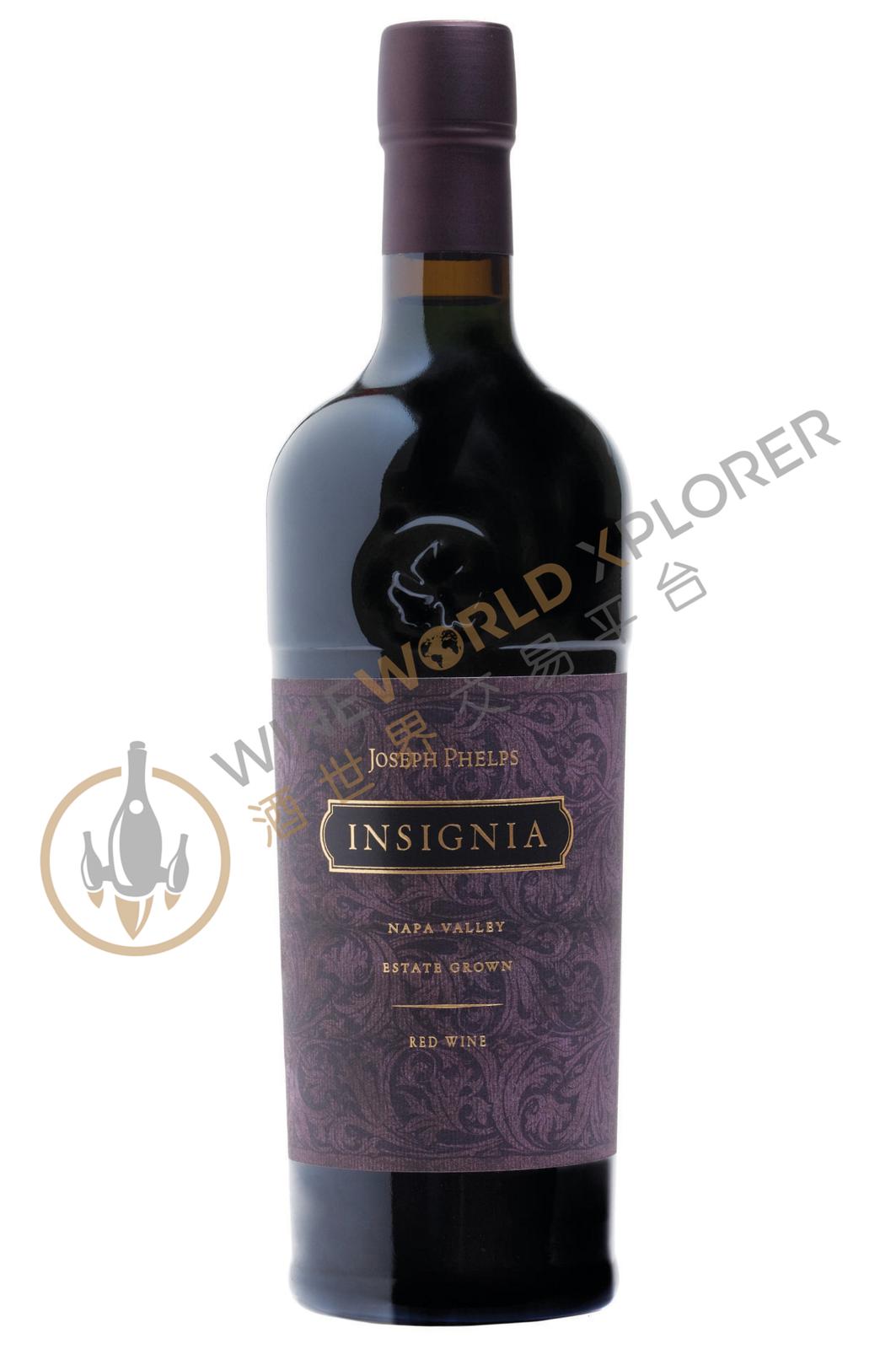
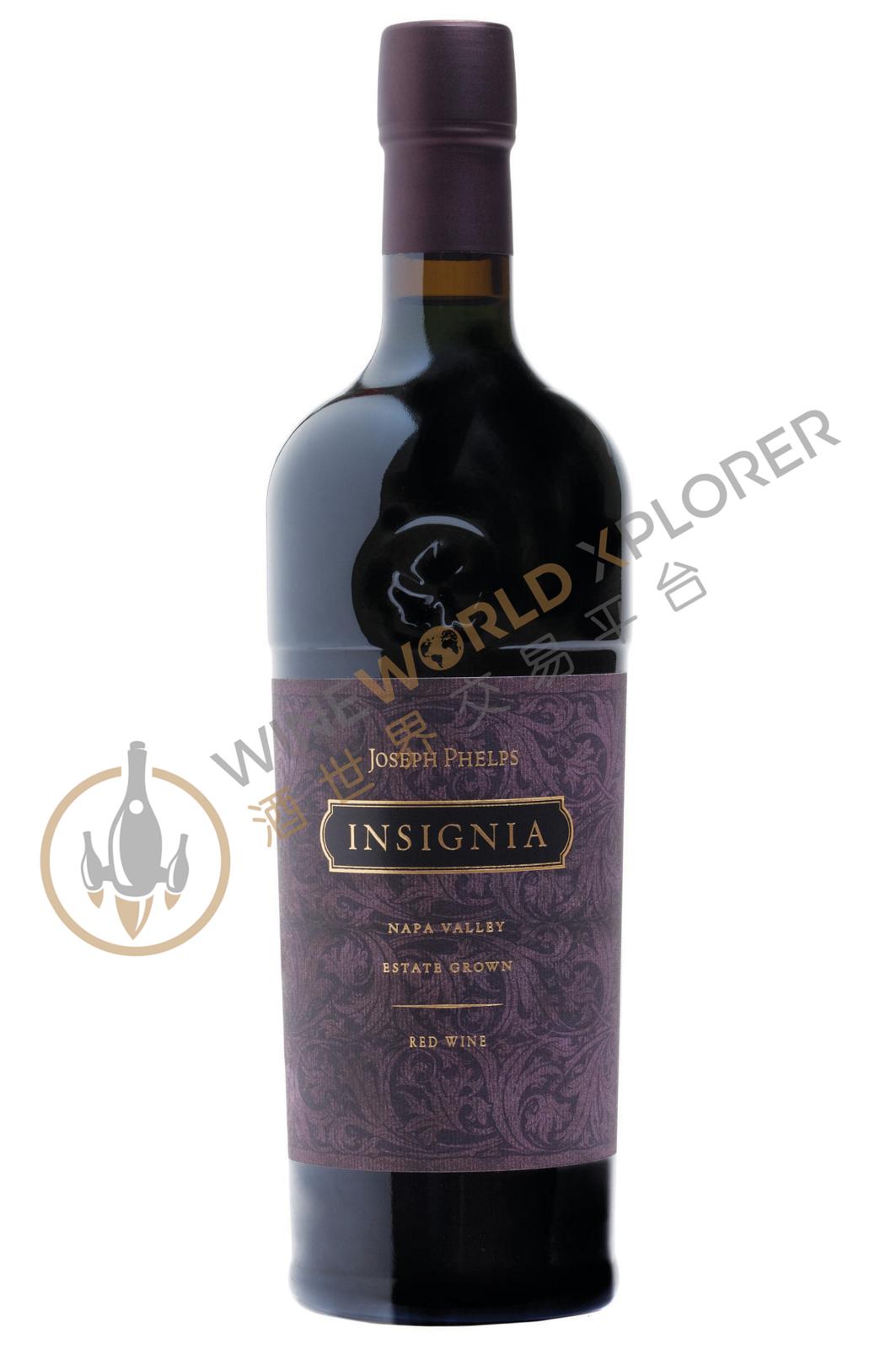
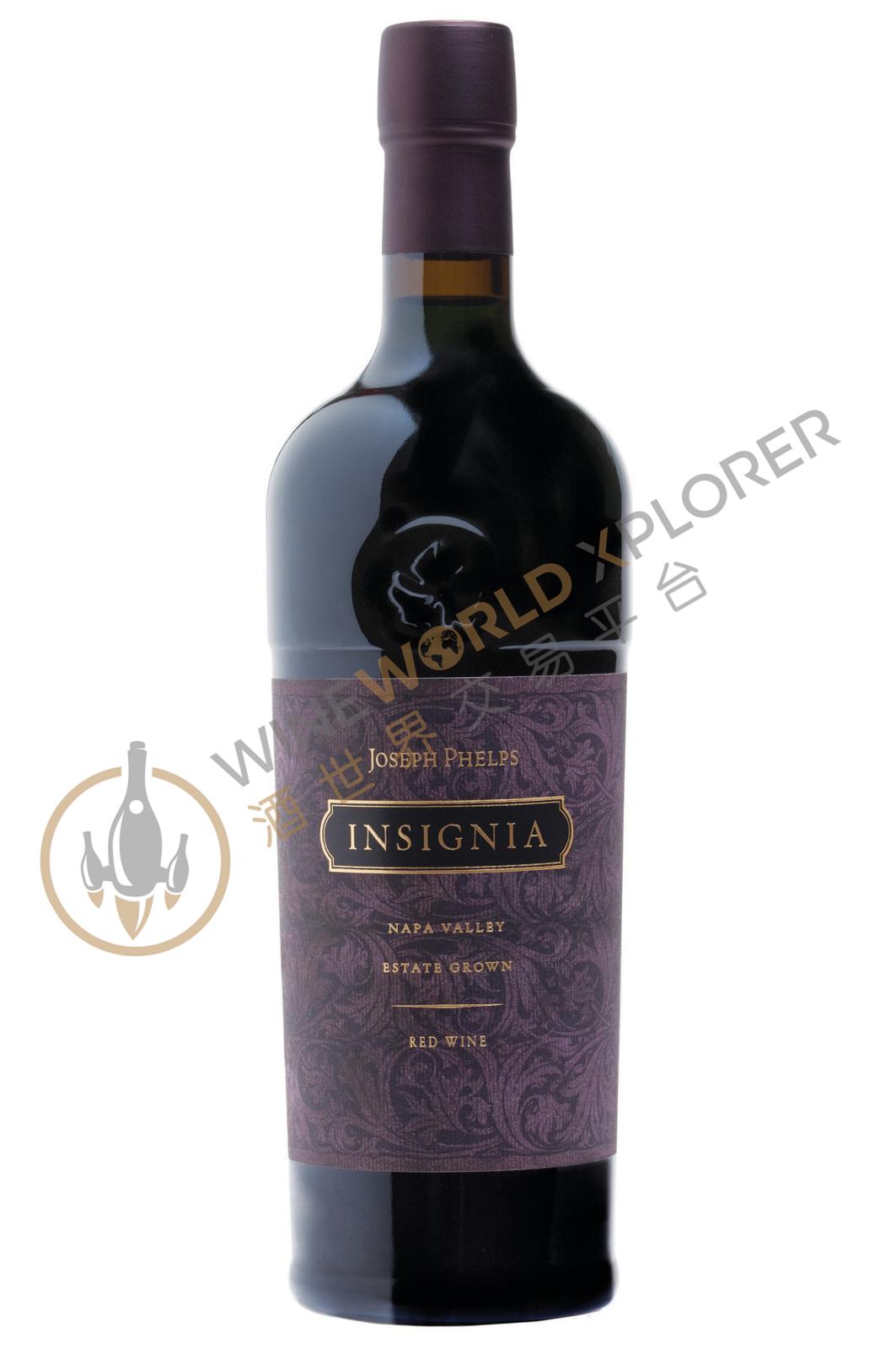
Joseph Phelps, Insignia 2003
 View analysis


Description
Tasting notes

Reviewed by: Robert M. Parker, Jr.
The 2003 Insignia (a 15,000-case blend of 83% Cabernet Sauvignon, 11% Petit Verdot, 3% Malbec, and 3% Merlot) is probably the most Bordeaux-structured of any of the Insignias I have tasted to date. The color is a healthy deep ruby/purple. While restrained aromatically, the nose exhibits good spice, ripe black fruits, and hints of new oak and licorice. In the mouth, the wine is dense and rich with mouth-gripping tannin. It would not appear to have the same potential as the 2001 or 2002, but there is a lot going on. It is more a vin de garde style with a decidedly French personality. Patience will be required. Anticipated maturity: 2011-2020. (Not yet released) Tel. (707) 963-2745; Fax (707) 963-4831
Reviewed by: Robert M. Parker, Jr.
Joseph Phelps has been an iconic producer of great Napa Valley Cabernet Sauvignon for over three decades. That fact jumped out at me when I looked at the 2003 Insignia (30th Anniversary), and I remember them all - with good reason. The 2003, a blend of 84% Cabernet Sauvignon, 10% Petit Verdot, 3% Merlot and 3% Malbec, aged 24 months in 100% new French oak, is a stunner. Velvety-textured, full-bodied and opulent with abundant notes of creme de cassis, licorice, incense, flowers and subtle background oak, this rich, impeccably pure, well-balanced Cabernet is just about everything you would want in a world-class red. Drinking well already, it should continue to provide immense pleasure for another 20-25 years. Keep in mind that I once predicted that their 1974 Insignia (the debut vintage) would not last past ten years. I gave it a great review and told readers to drink it up. Well, it-s still drinking well at age 39! The 2003 is a staggeringly great Insignia that is performing better now than it did early on - always a sign of great winemaking. Tel. (707) 963-2745; Fax (707) 963-4831
Reviewed by: Robert M. Parker, Jr.
The 2003 Insignia (15,000 cases) performed much better this year than last, when I tasted it right after bottling. A blend of 84% Cabernet Sauvignon, 10% Petit Verdot and the rest Malbec and Merlot, it offers up attractive aromas of licorice, black currants, espresso roast, and background toasty oak. Full-bodied, opulent, and rich with outstanding depth, purity, and harmony, sweet tannin, and a long finish, it is approachable now, but will easily last for 20 years. Previously recommended: 2002 Insignia (95), 2002 Cabernet Sauvignon Backus Vineyard (96+). Tel. (707) 963-2745; Fax (707) 963-4831
Reviewed by: Neal Martin
The ’03 Insignia has a sweet, vanillary nose with a touch of stewed figs and dates, perhaps lacking just a little delineation. Full-bodied on the palate with fine tannins, rich and ripe yet balanced and focused. Blackberry, black plum and a touch of creme de menthe. Sinewy, dense finish, masculine and swarthy. Still in its youth, this is a classy Napa. Drink 2010-2020. Tasted October 2007.
Reviewed by: Robert M. Parker, Jr.
The light, pedestrian 2003 Insignia (84% Cabernet Sauvignon, 10% Petit Verdot, and the rest equal parts Malbec and Merlot), while outstanding, is not one of the most inspirational examples of this proprietary blend. Medium-bodied with an evolved, sweet nose of chocolate, black currants, plums, and toasty new oak, this rich, ripe, well-balanced 2003 does not possess the persistence or depth of the 2002 or 2001. Drink the 2003 over the next 10-15 years. (Release date 9/06) Tel. (707) 963-2745; Fax (707) 963-4831
Reviewed by: Robert M. Parker, Jr.
The 2003 has performed well in recent tasting, showing a dense purple color along with notes of creosote, lavender, flowers, creme de cassis, espresso roast, white chocolate and a hint of oak. Still in a young adolescent stage, it should drink nicely for another 15-20 years. There are 12,000 cases of the 2003 Insignia, a blend of 84% Cabernet Sauvignon, 10% Petit Verdot, and the rest equal parts Malbec and Merlot (87% of the fruit from estate vineyards). The alcohol level reached 14.4%. I was pleased to see how well this vintage was performing as it has been somewhat forgotten following the compelling years of 2001 and 2002. The spring was cool and the summer was dry and warm until some heat spikes (over 100 degrees Fahrenheit) occurred for four consecutive days in July. Both August and September were warmer and drier than normal with only a few insignificant rain events in September. Most of the Cabernet Sauvignon harvest lasted into late October.
About the Producer
Joseph Phelps, a building contractor from Colorado, first invested in vineyards in the Napa Valley in 1972. In 1974 Phelps and his winemaker Walter Schugg produced their first vintage of Insignia, which at the time was one of the first Bordeaux style blends in California. Its Cabernet Sauvignon, Cabernet Franc, and Merlot grapes are sourced primarily from Rutherford & Stags Leap (notably for `Insignia'); the Chardonnay and Sauvignon Blanc from Los Carneros & Napa (for the better quality fruit). Joseph Phelps Vineyards is a family-owned and operated wine estate with vineyards and wineries in Napa Valley and on the western Sonoma Coast. The winery was founded in 1973 by Joseph Phelps, a successful construction executive and entrepreneur whose early interest in wine led him to establish vineyards on a 670-acre former cattle ranch in Napa Valley. Over the next 42 years Joe became one of the most respected figures in the California wine industry, building Joseph Phelps Vineyards into a critically-acclaimed winery internationally known for its iconic wines and unwavering commitment to quality. Every wine in the Joseph Phelps portfolio is 100% estate-grown, overseen from grape to bottle by our dedicated winegrowing team. Their family owns and farms 390 acres of vines in Napa Valley on eight estate vineyards in St. Helena, Rutherford, Oakville, the Stags Leap District, the Oak Knoll District, South Napa and Carneros, as well as 100 acres over two vineyards on the western Sonoma Coast. Strategically chosen over many decades, each vineyard has its own personality and brings a different characteristic to our wines. Our commitment to the estate-grown model is our way of ensuring consistency and the highest quality we can possibly achieve. Our estate vineyards give our winemaking teams unparalleled depth and diversity when it comes to producing Joseph Phelps wines.
1978(1)1984(1)1997(1)
Package Size