Wine Advisor



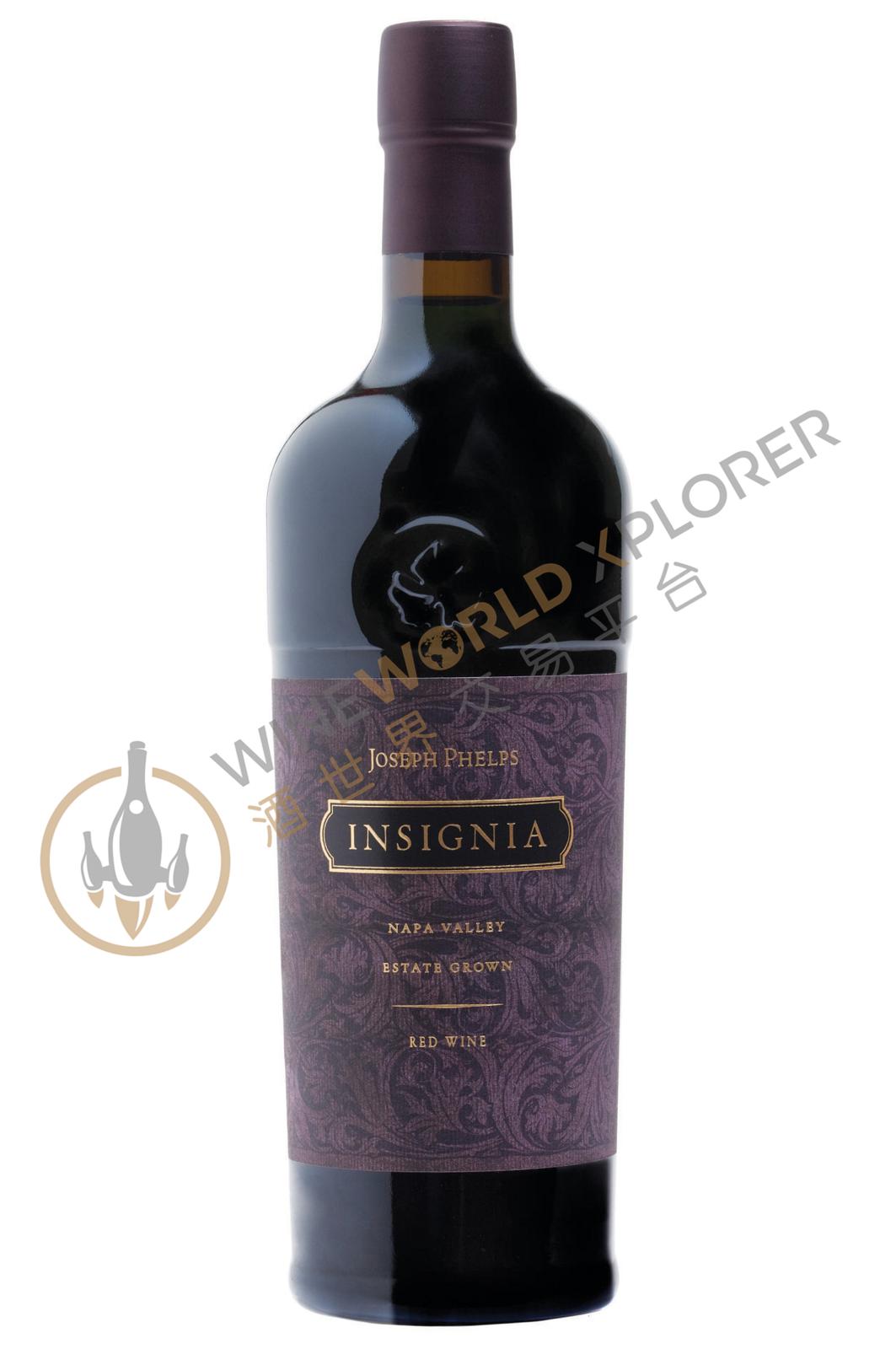
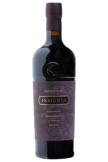
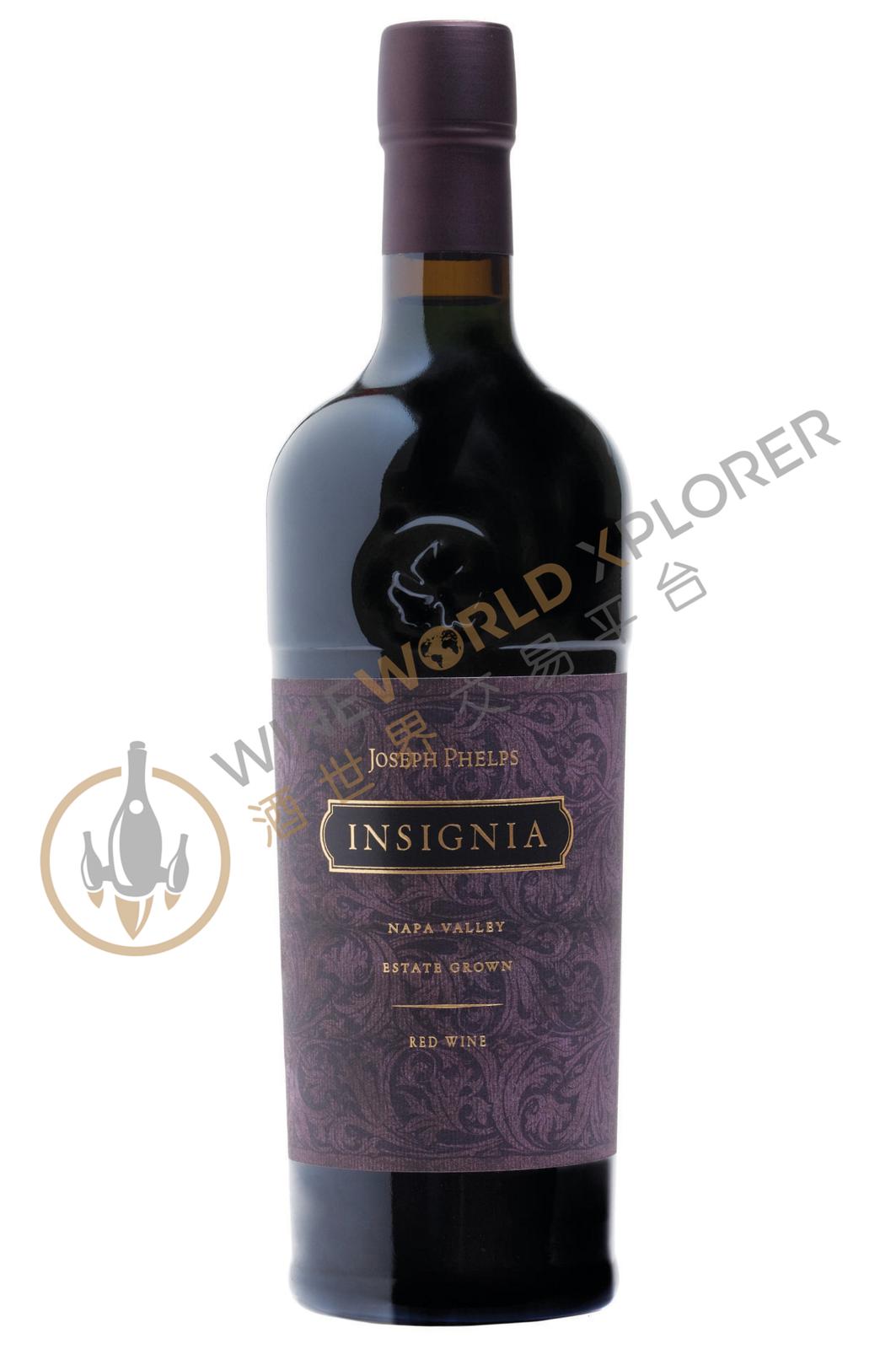
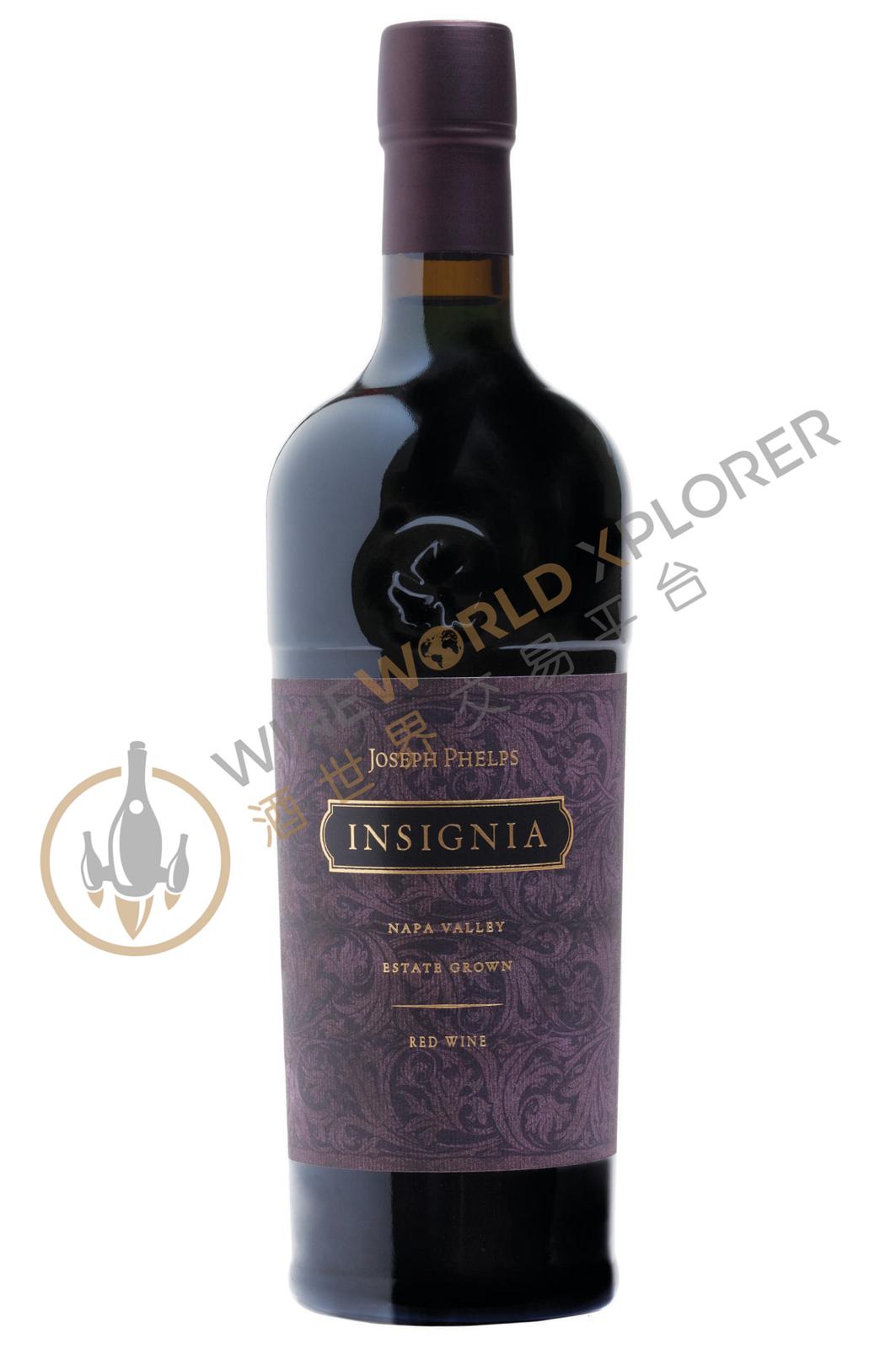
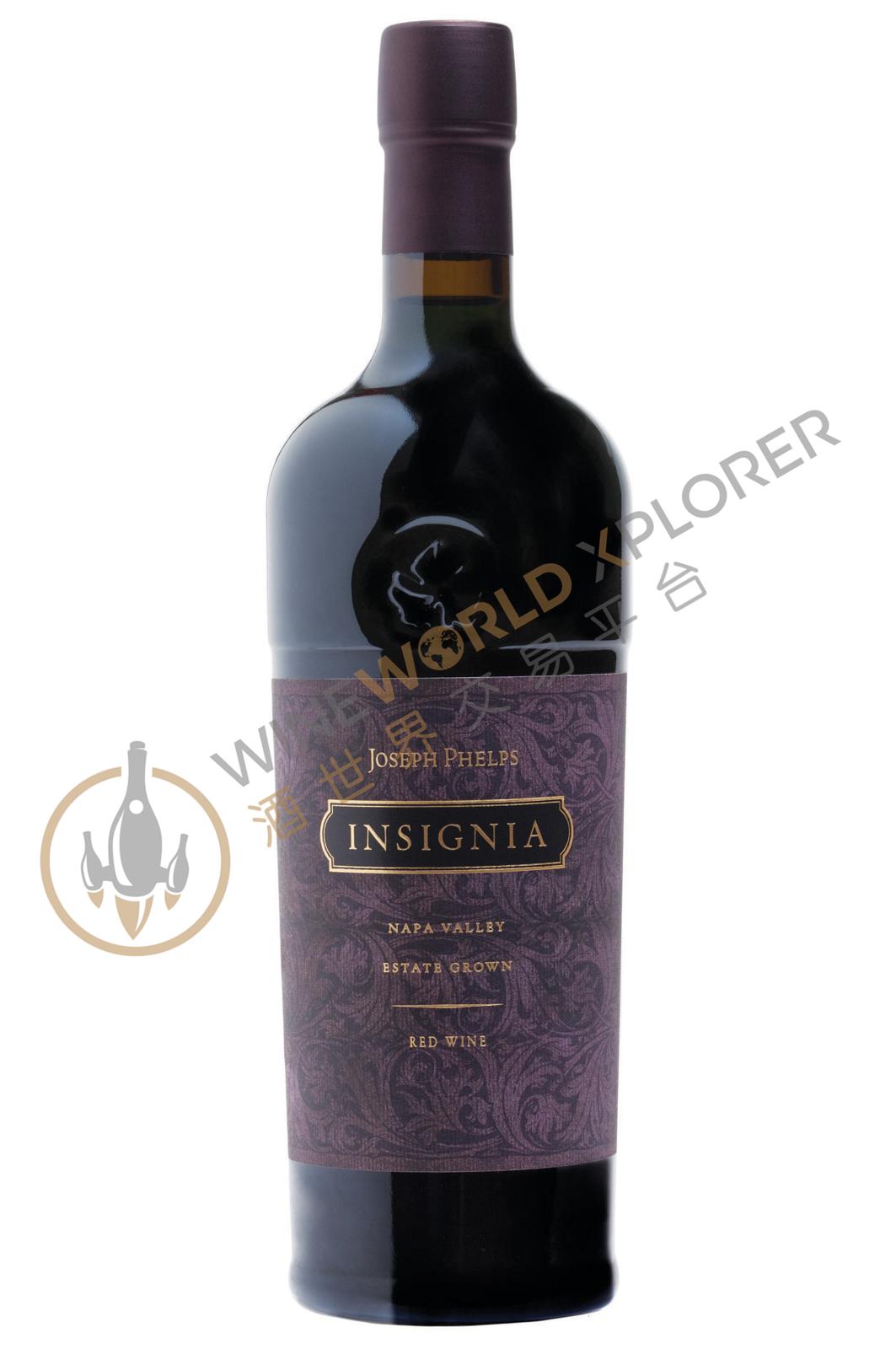
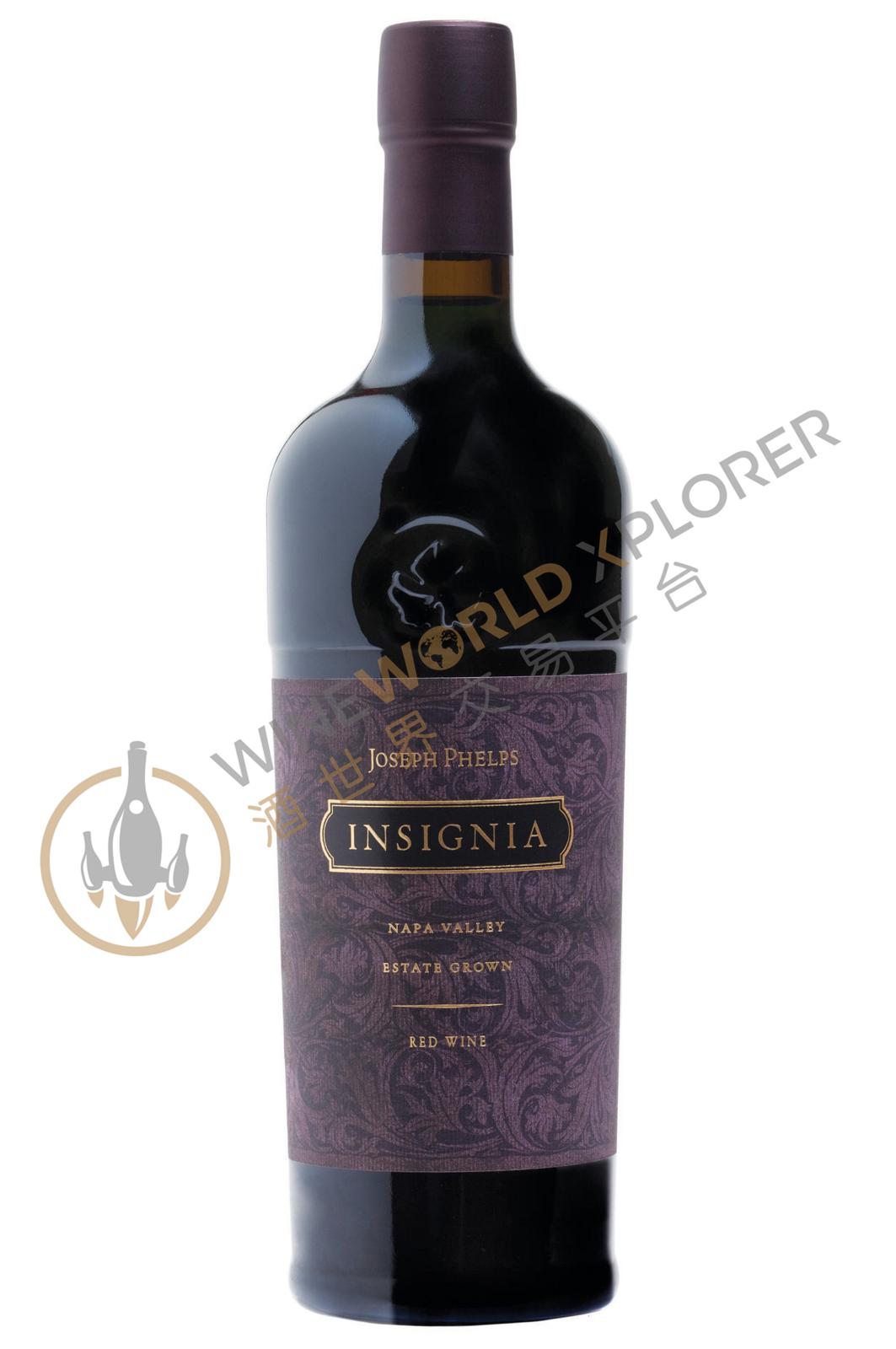
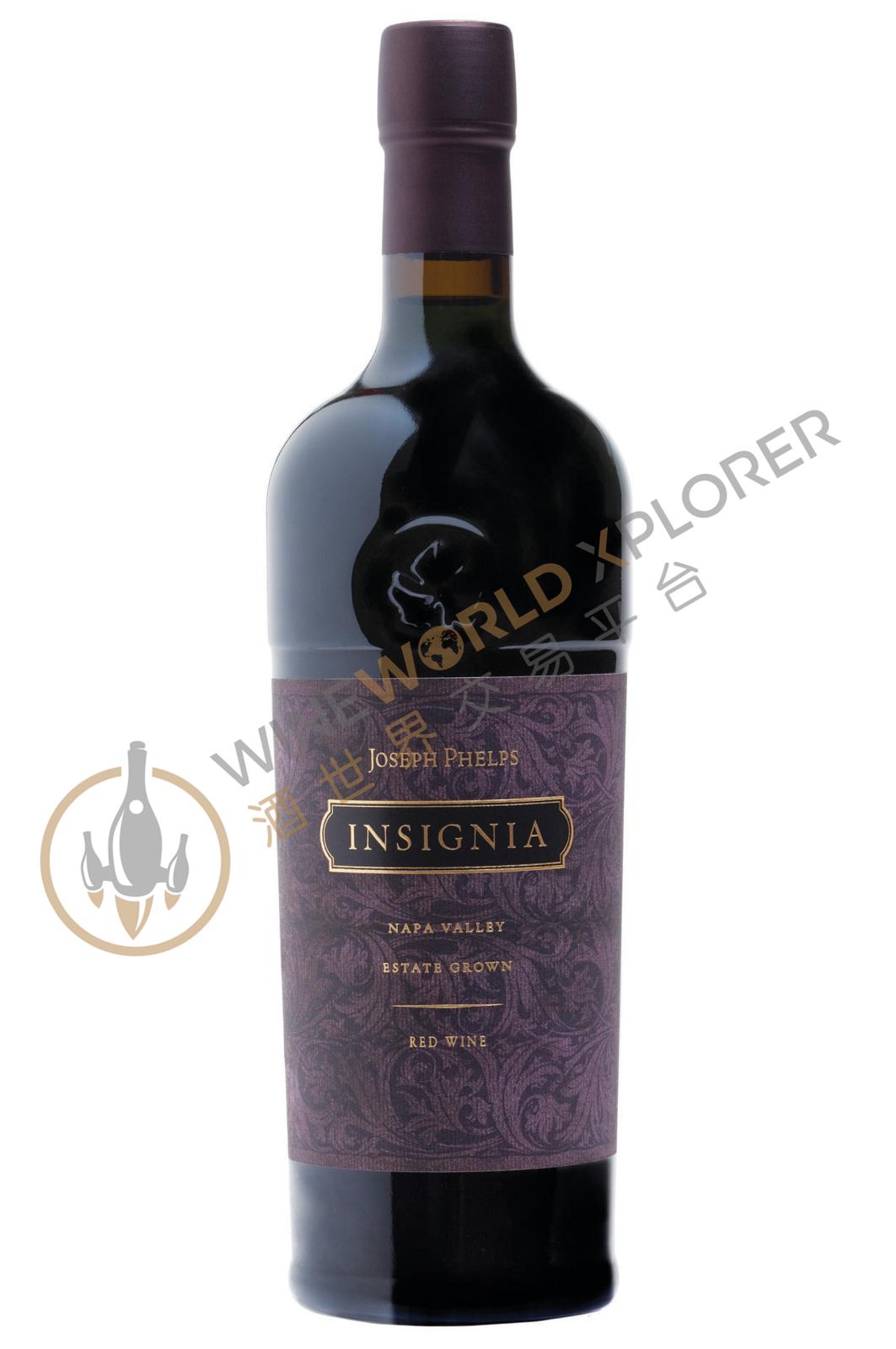
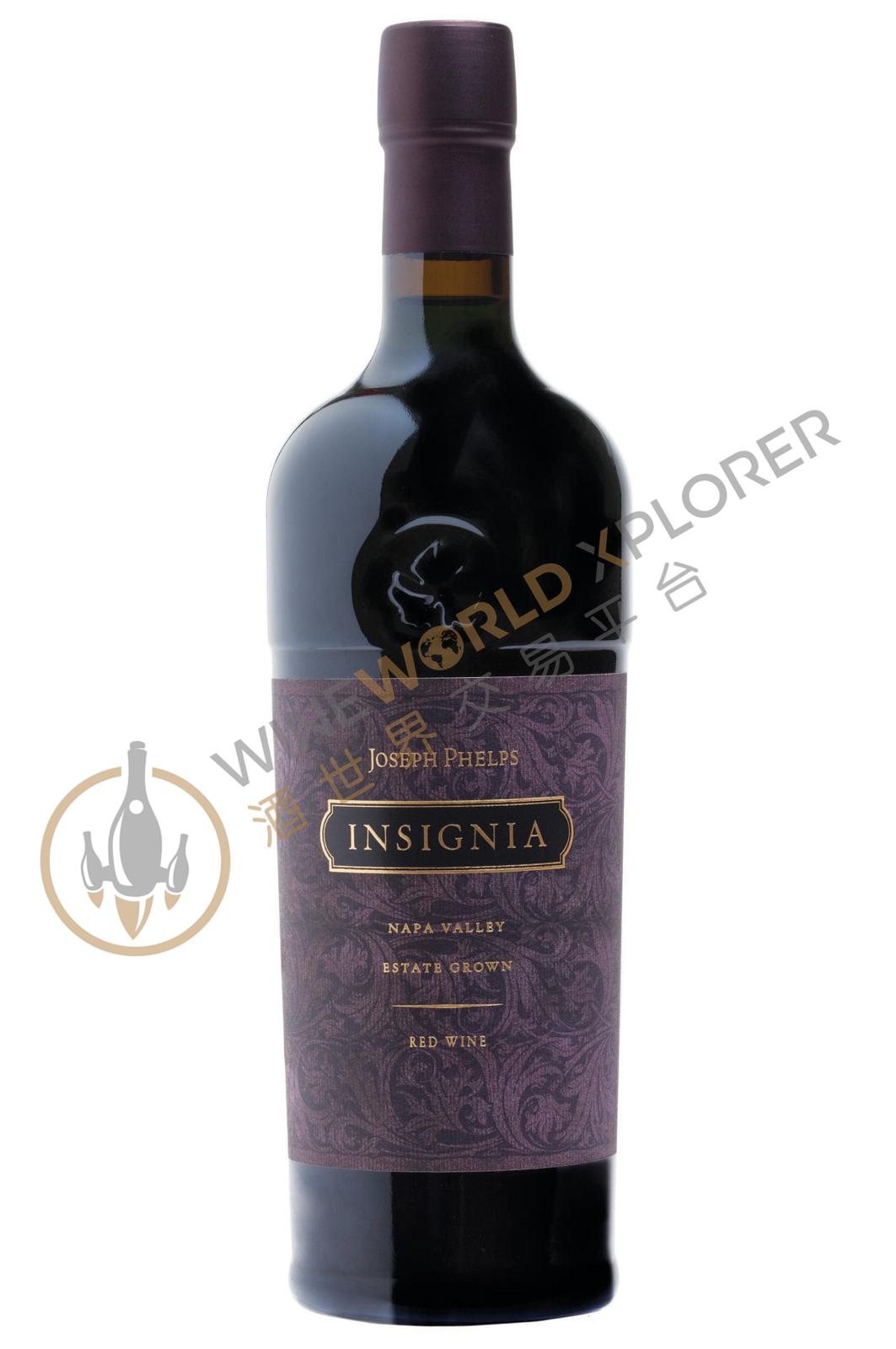
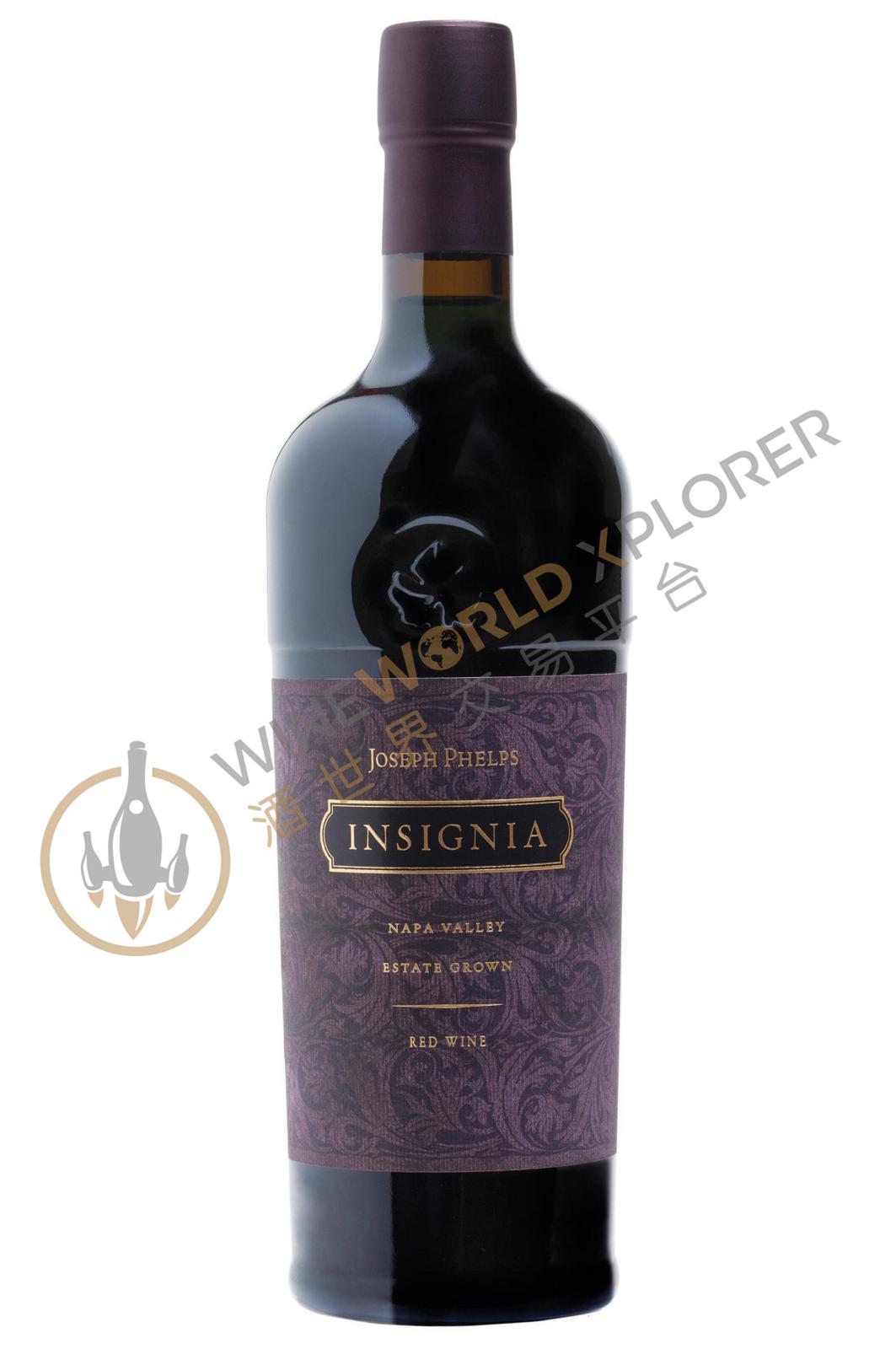
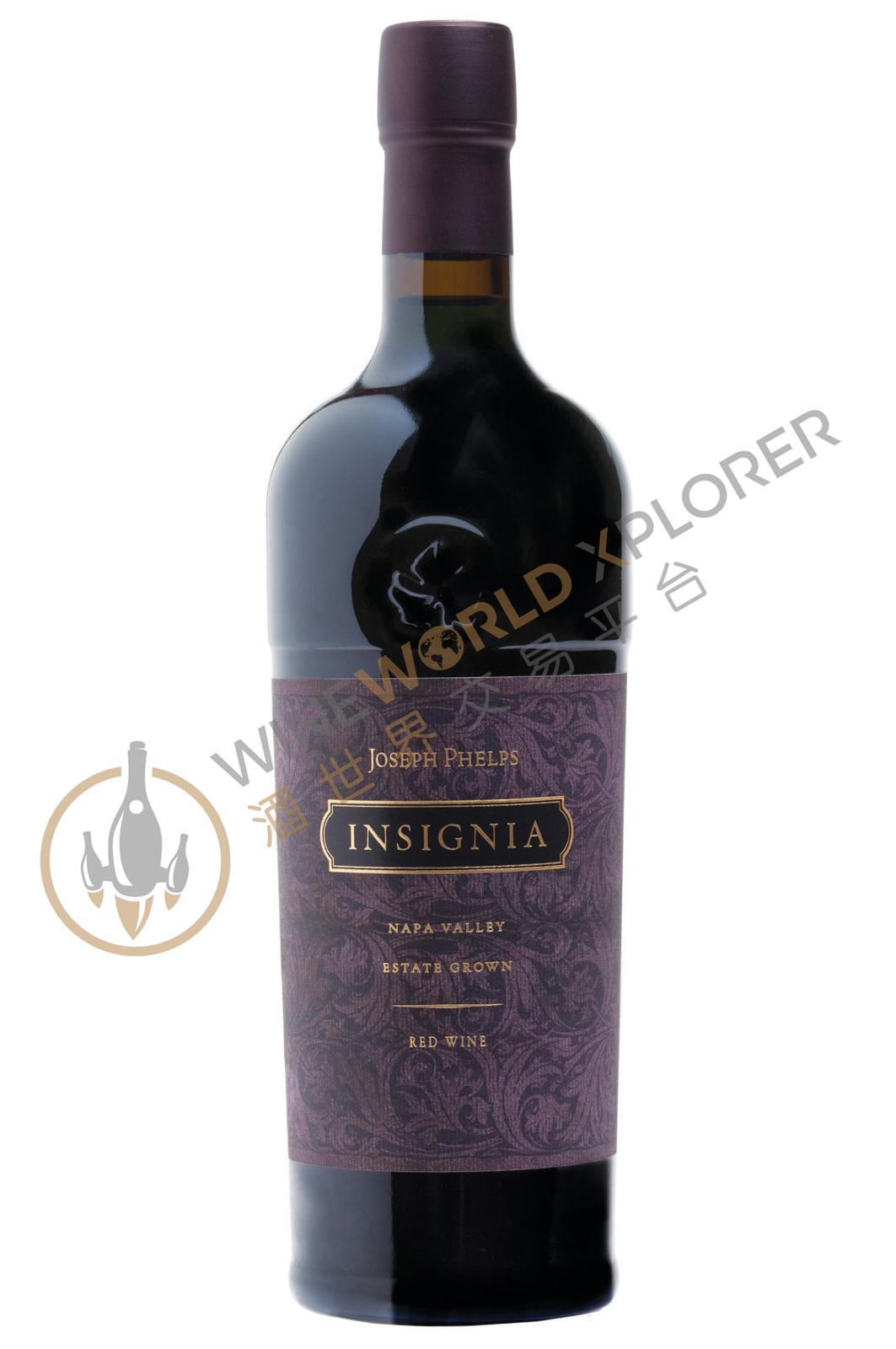
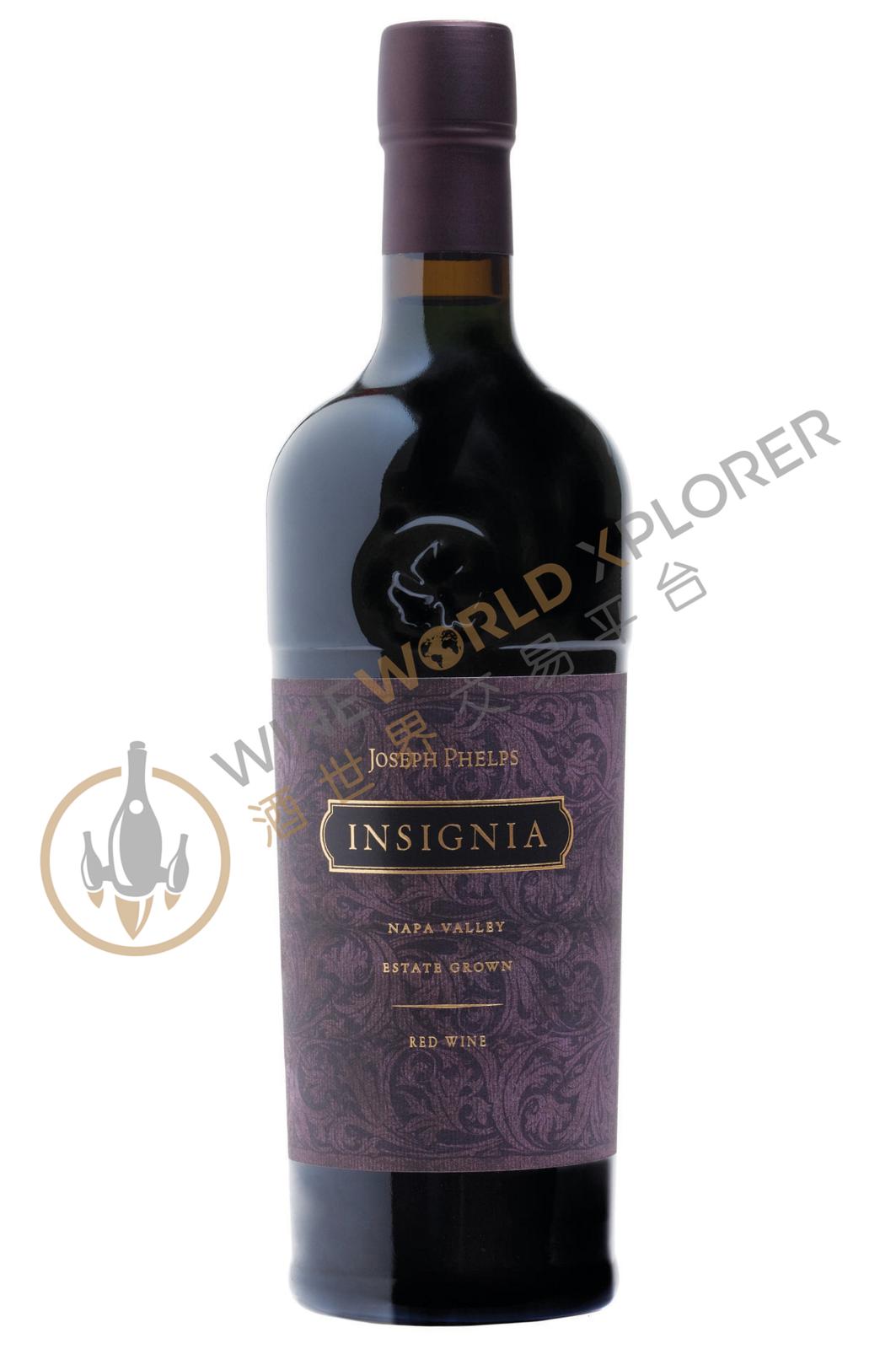
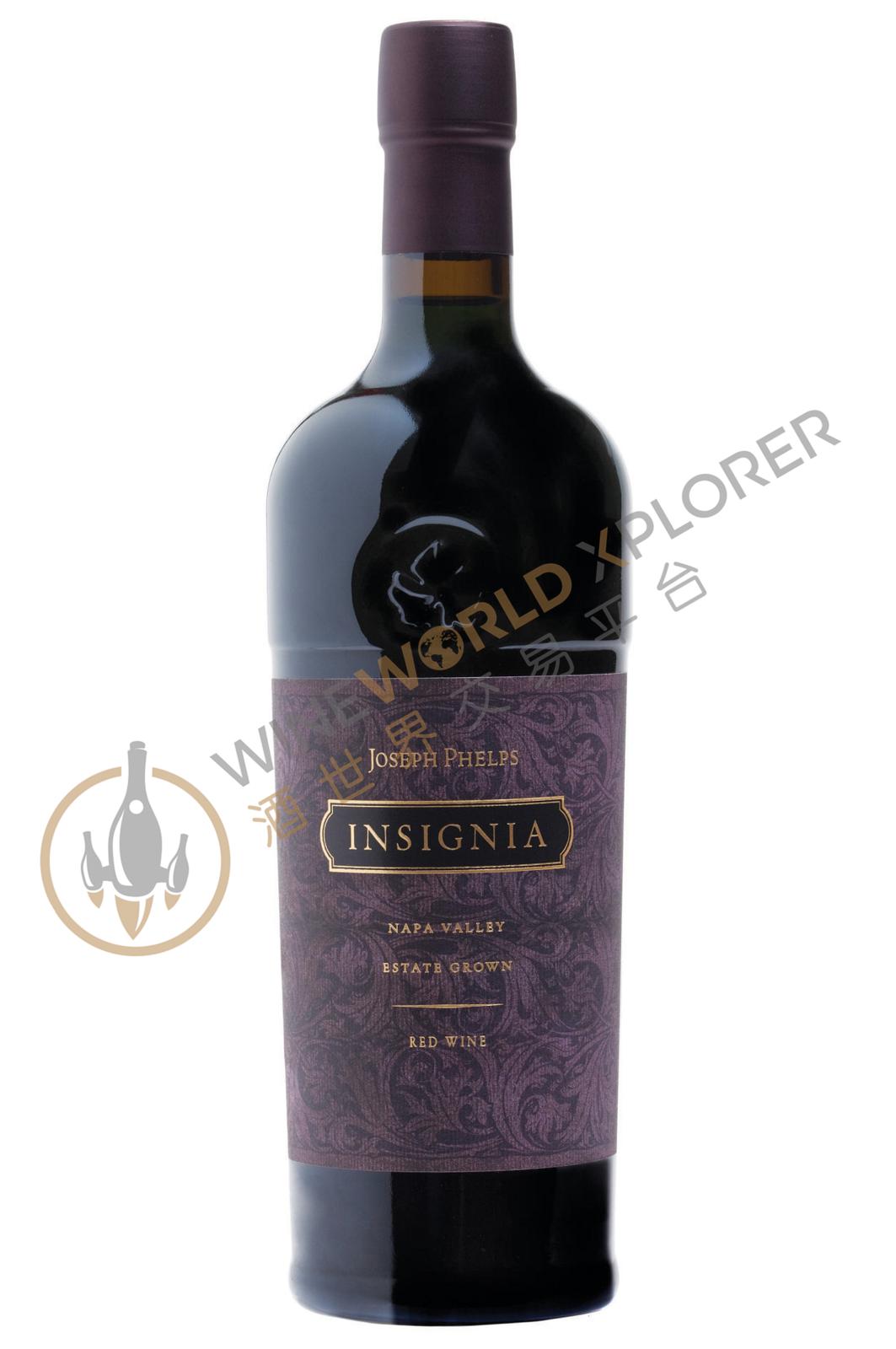
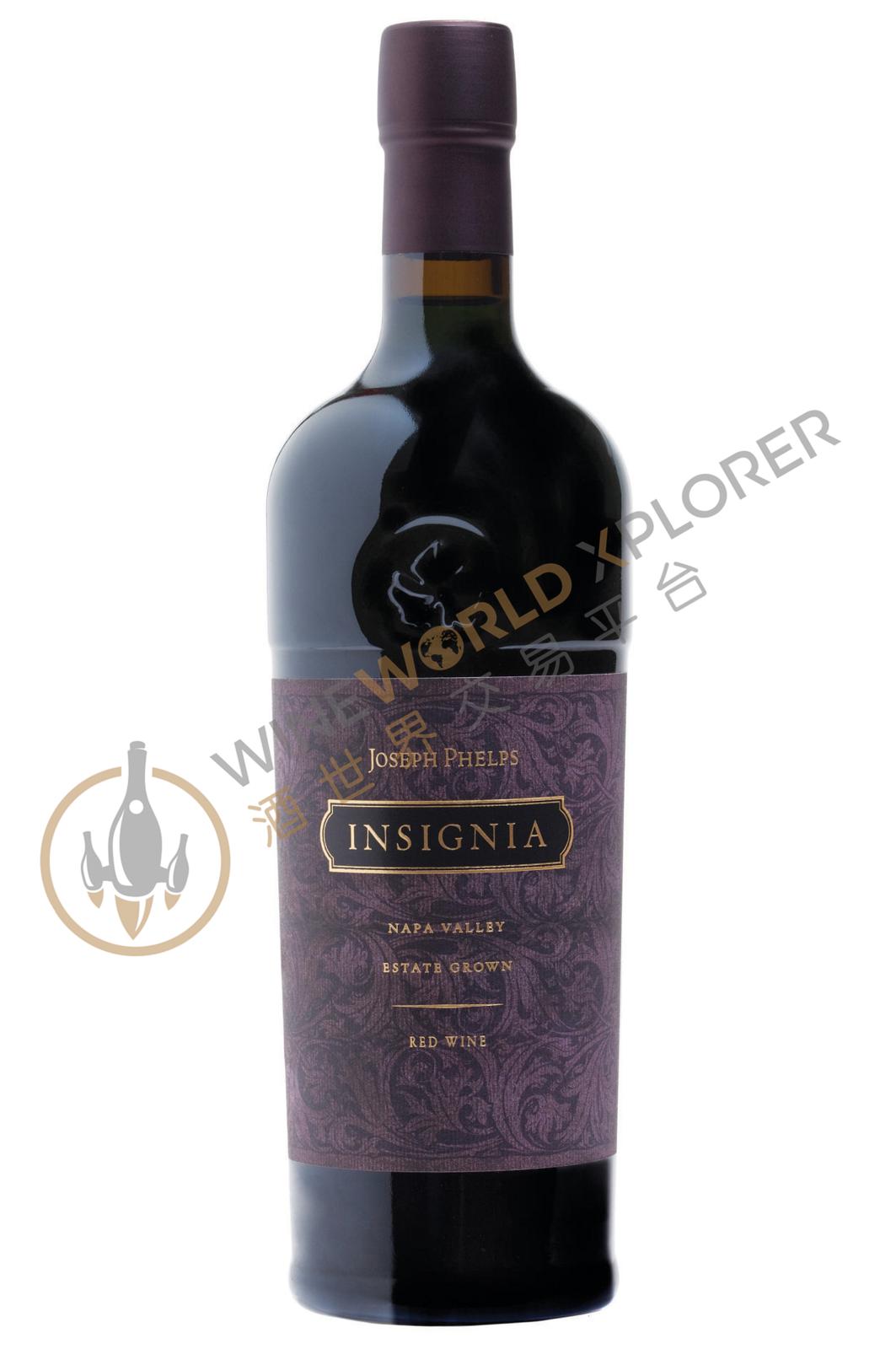
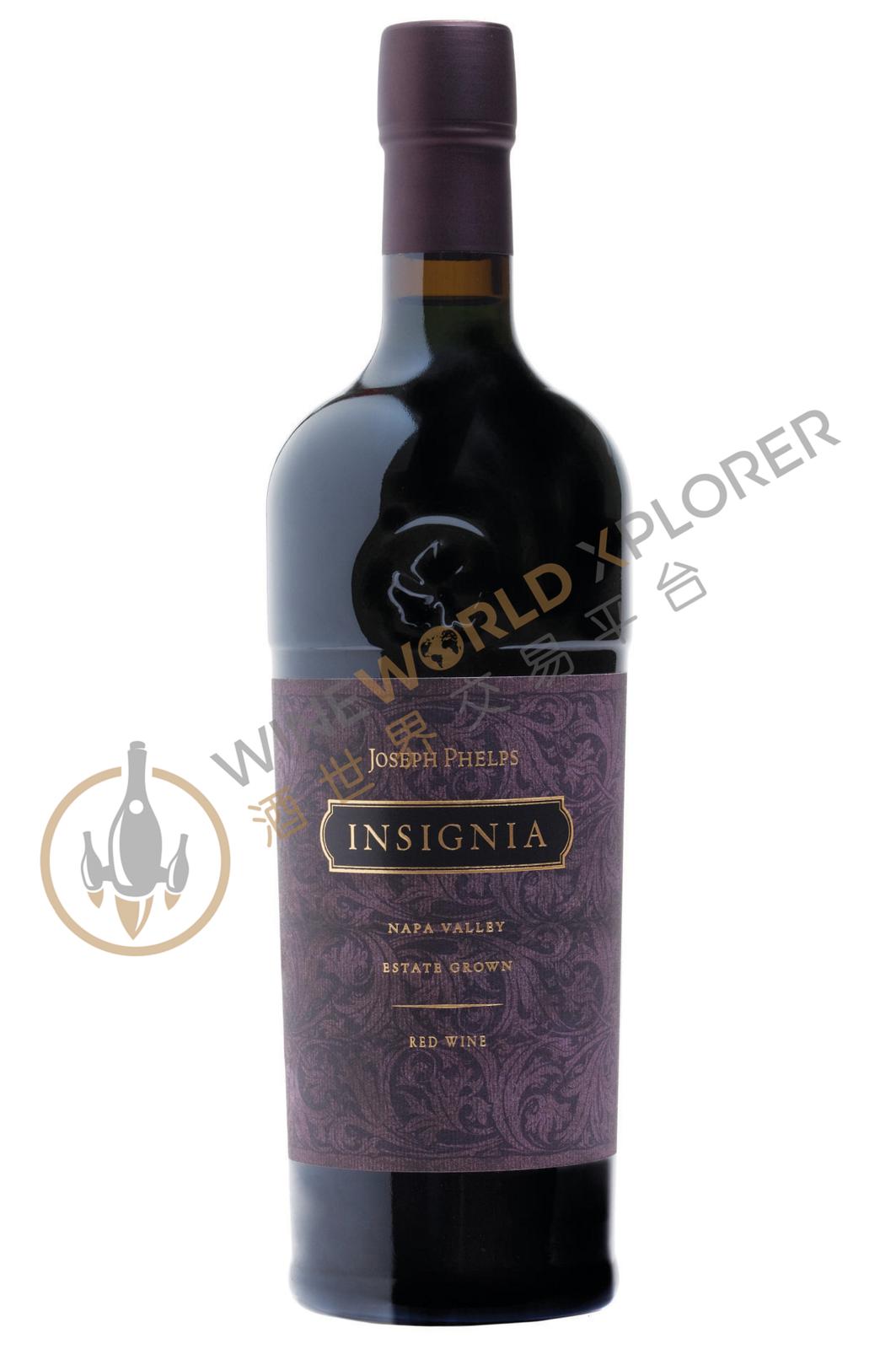
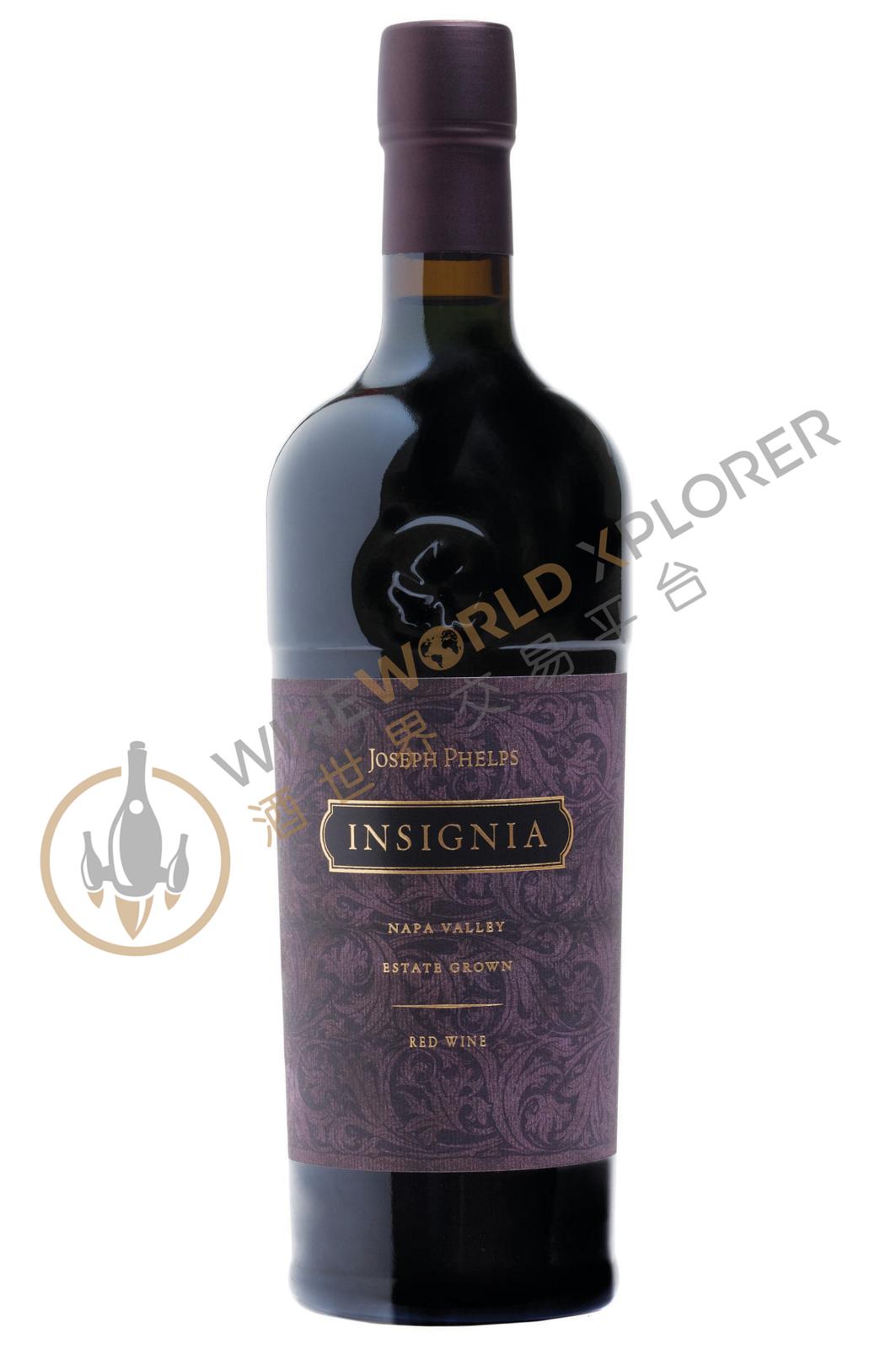
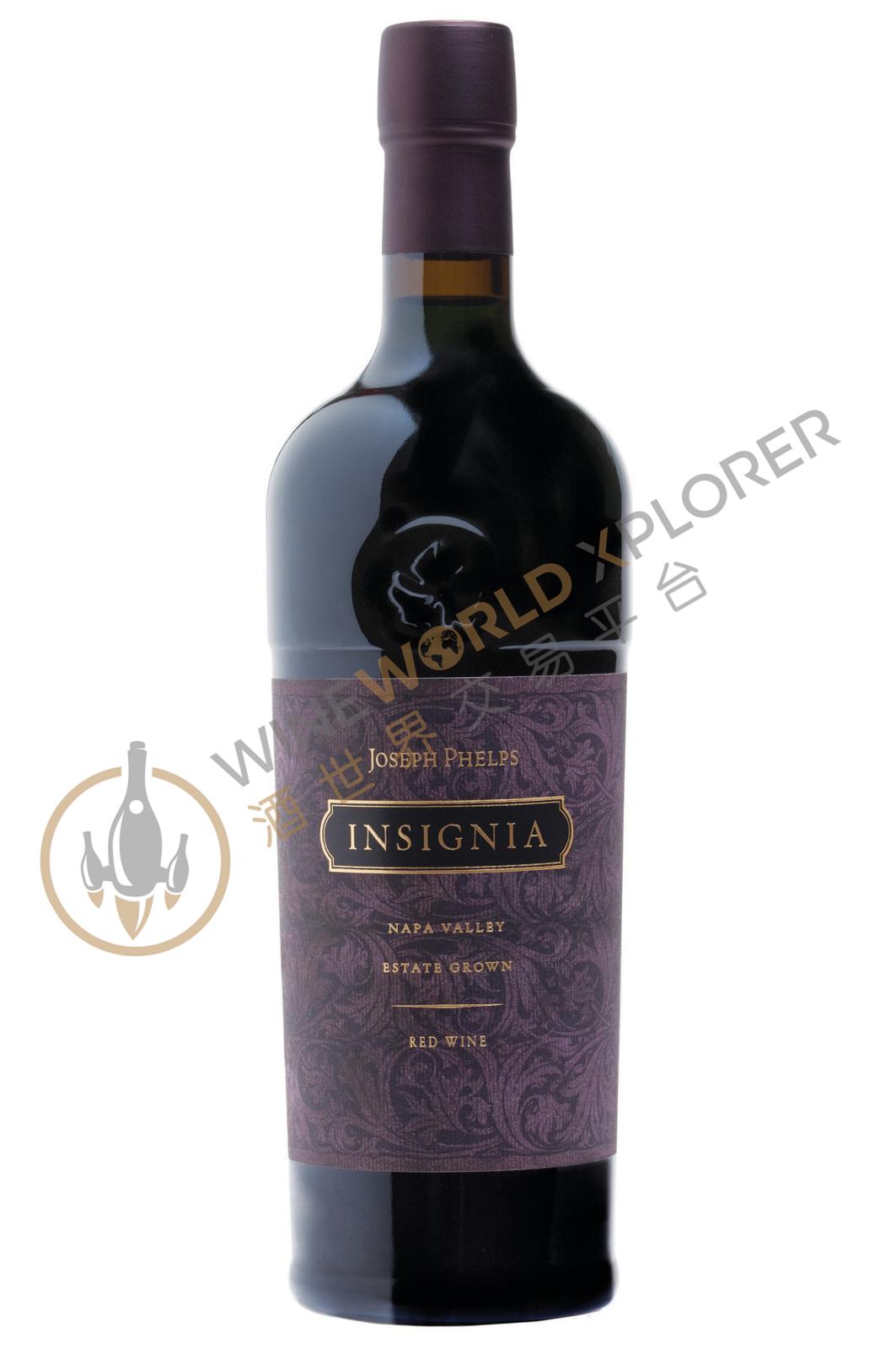
Joseph Phelps, Insignia 2006
 View analysis


Description
Tasting notes

Reviewed by: Robert M. Parker, Jr.
Since 2004, 100% of the Bordeaux varietals used in the Insignia proprietary blend have been from estate vineyards. There are just under 15,000 cases of the 2006 Insignia, a blend of 95% Cabernet Sauvignon and 5% Petit Verdot. Made in a dense, full-bodied, muscular style, it is less charming than the 2005, with high tannin, extract, and richness. The blackberry and cassis characteristics are accompanied by notions of damp earth, subtle oak, licorice, and forest floor. It, too will benefit from 3-4 years of bottle age, and should drink well for two decades or more. The Freestone Vineyard, a 100-acre, cool climate site planted on the Sonoma Coast by Joseph Phelps, is finally coming into production, offering consumers a bevy of different Chardonnays and Pinot Noirs. There are three Chardonnay offerings, all of which emphasize the minerality and citrusy characteristics of this varietal with little intrusive oak, despite the fact that they are barrel-fermented and aged primarily in new French oak. The Cabernet Sauvignon program consists of three wines, the Cabernet Sauvignon, their famous proprietary red wine called Insignia, and their single vineyard Cabernet Sauvignon from the western hillsides of Oakville, called Backus. The regular Cabernet is a solidly made, reliable effort usually comprised of about 85% Cabernet Sauvignon and the rest Merlot, Petit Verdot, and occasionally Malbec. The single vineyard offering comes from Oakville’s Backus Vineyard. There are typically 1,500-2,500 cases produced from this biodynamically farmed vineyard. Tel. (707) 963-2745; Fax (707) 963-4831
Reviewed by: Robert M. Parker, Jr.
The 2006 Insignia (95% Cabernet Sauvignon and 5% Petit Verdot; 16,000 cases produced) is a superb effort in this vintage. Another 30+ year wine, it boasts a dense plum/purple color as well as abundant notes of licorice, black currants, charcoal, black olives, and graphite. Full-bodied, pure, and rich with moderately high tannins, it represents a California version of a Bordeaux from Pauillac or St.-Julien. Anticipated maturity: 2014-2045. In case you think the aging curves I have described are unrealistically long, I have the Joseph Phelps regular Cabernets from the mid-seventies as well as the Insignias in my cellar, and those wines are still drinking beautifully at 30+ years of age. Today’s wines are better made. Tel. (707) 963-2745; Fax (707) 963-4831
Reviewed by: Robert M. Parker, Jr.
The newest baby, the 2006 Insignia (approximately 15,000 cases) is a blend of 95% Cabernet Sauvignon and 5% Petit Verdot. A big, backward, tannic effort, with a dense purple color, beautifully sweet, pure notes of graphite, blackberries, cassis, licorice, and earth, the wine has a firm, almost Bordeaux-like structure, plenty of tannin, muscle, and richness. It is still too early to predict the maturity curve, but I suspect this wine is also going to require 3-5 years of bottle-age when it is released, and have a similar aging curve to the 2005, but perhaps is a slightly more rigid in style. Previously recommended: 2003 Insignia (94), 2003 Cabernet Sauvignon Backus Vineyard (96), 2003 Cabernet Sauvignon Napa (88). (Not yet released) Tel. (707) 963-2745; Fax (707) 963-4831
Reviewed by: Robert M. Parker, Jr.
The 2006 Insignia possesses a deep ruby/purple color as well as copious amounts of cassis, but has not yet developed secondary nuances. It remains a big, full-throttle, full-bodied Cabernet Sauvignon-based wine with 14.5% natural alcohol, impressive purity, sweet tannin, decent acidity and a monolithic personality. Everything needed for a graceful evolution is present, and the 2006 should keep for another two decades. This is a 16,900-case blend of 95% Cabernet Sauvignon and 5% Petit Verdot (100% estate fruit) from a vintage that experienced a slowly developing growing season as a result of cool weather and abundant winter rain. The 2006 vintage will be remembered for a huge, 10-day, 100+ degree Fahrenheit heat spike at the end of July, which was unsettling to both growers and vineyards.
About the Producer
Joseph Phelps, a building contractor from Colorado, first invested in vineyards in the Napa Valley in 1972. In 1974 Phelps and his winemaker Walter Schugg produced their first vintage of Insignia, which at the time was one of the first Bordeaux style blends in California. Its Cabernet Sauvignon, Cabernet Franc, and Merlot grapes are sourced primarily from Rutherford & Stags Leap (notably for `Insignia'); the Chardonnay and Sauvignon Blanc from Los Carneros & Napa (for the better quality fruit). Joseph Phelps Vineyards is a family-owned and operated wine estate with vineyards and wineries in Napa Valley and on the western Sonoma Coast. The winery was founded in 1973 by Joseph Phelps, a successful construction executive and entrepreneur whose early interest in wine led him to establish vineyards on a 670-acre former cattle ranch in Napa Valley. Over the next 42 years Joe became one of the most respected figures in the California wine industry, building Joseph Phelps Vineyards into a critically-acclaimed winery internationally known for its iconic wines and unwavering commitment to quality. Every wine in the Joseph Phelps portfolio is 100% estate-grown, overseen from grape to bottle by our dedicated winegrowing team. Their family owns and farms 390 acres of vines in Napa Valley on eight estate vineyards in St. Helena, Rutherford, Oakville, the Stags Leap District, the Oak Knoll District, South Napa and Carneros, as well as 100 acres over two vineyards on the western Sonoma Coast. Strategically chosen over many decades, each vineyard has its own personality and brings a different characteristic to our wines. Our commitment to the estate-grown model is our way of ensuring consistency and the highest quality we can possibly achieve. Our estate vineyards give our winemaking teams unparalleled depth and diversity when it comes to producing Joseph Phelps wines.
1978(1)1984(1)1997(1)2003(1)2004(2)2005(1)
Package Size