Wine Advisor



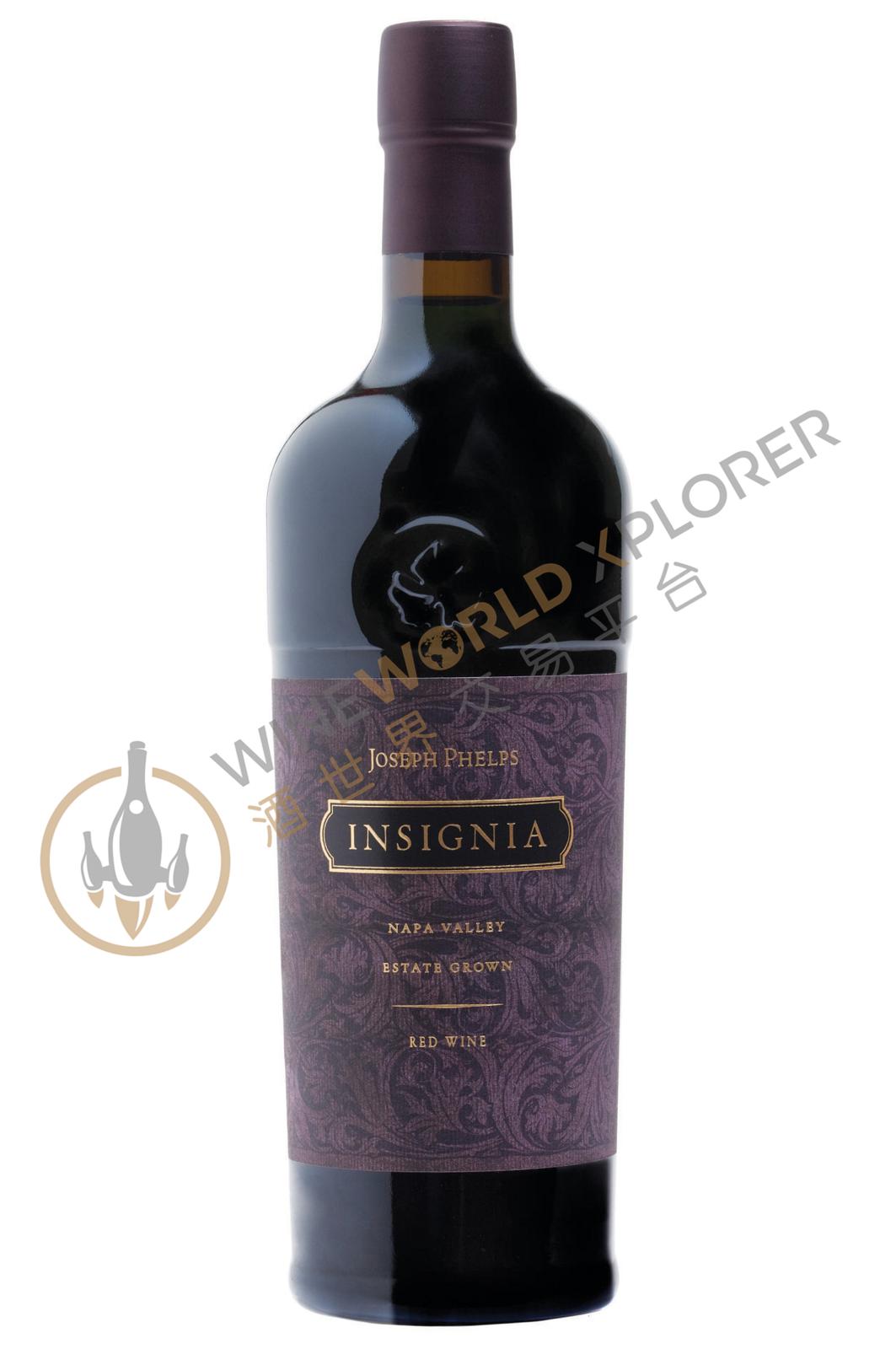
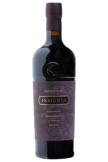
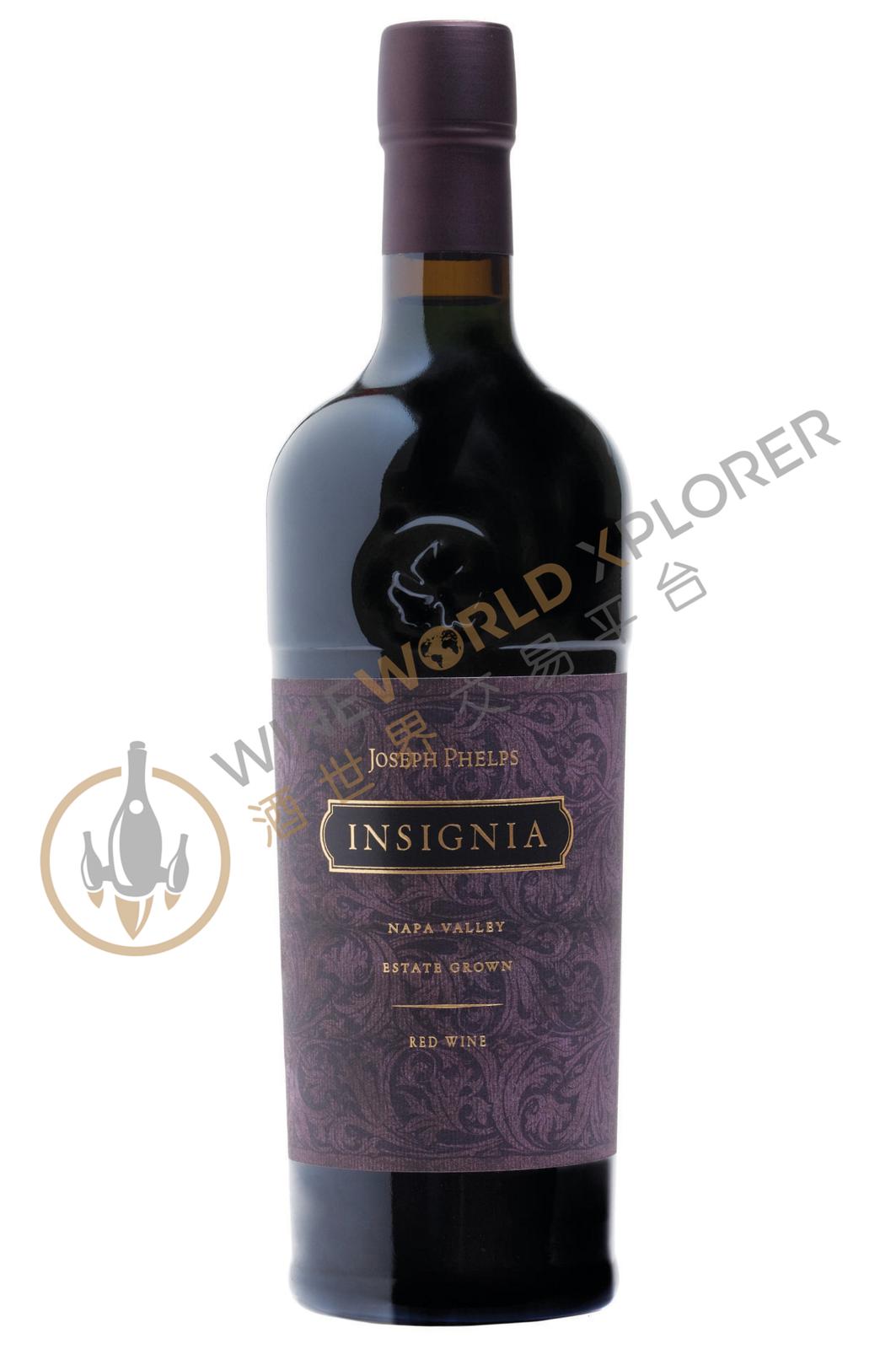
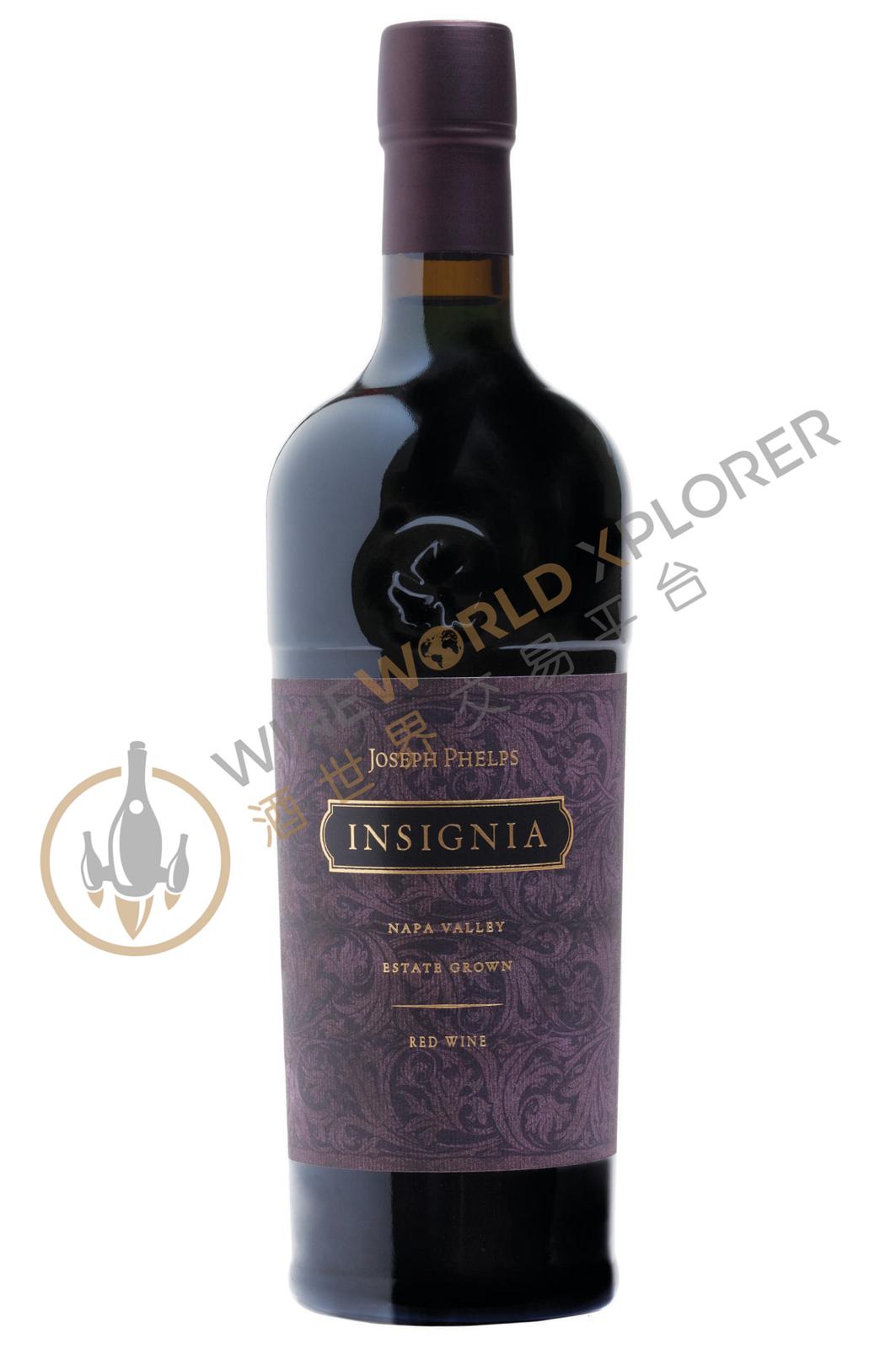
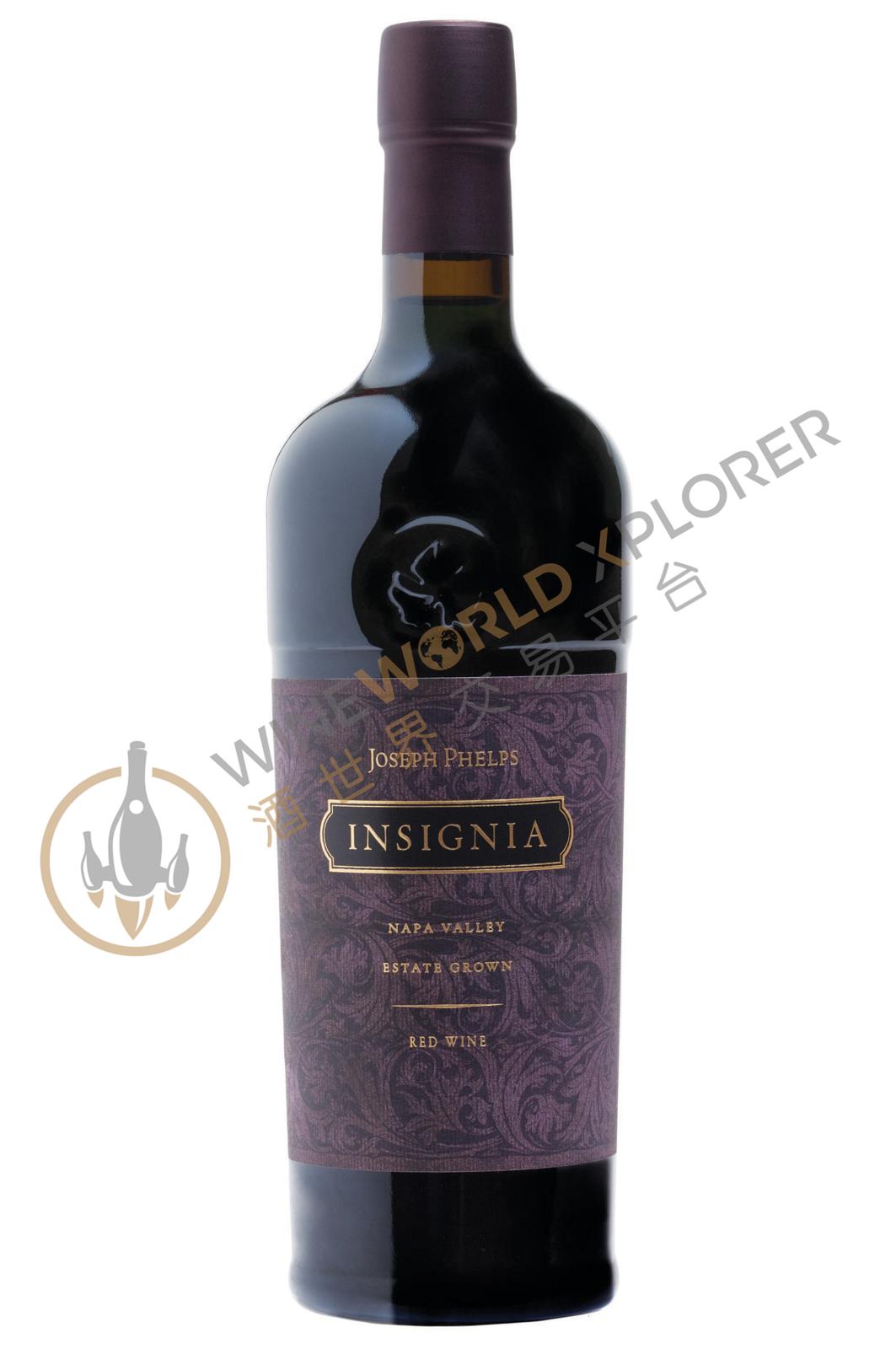
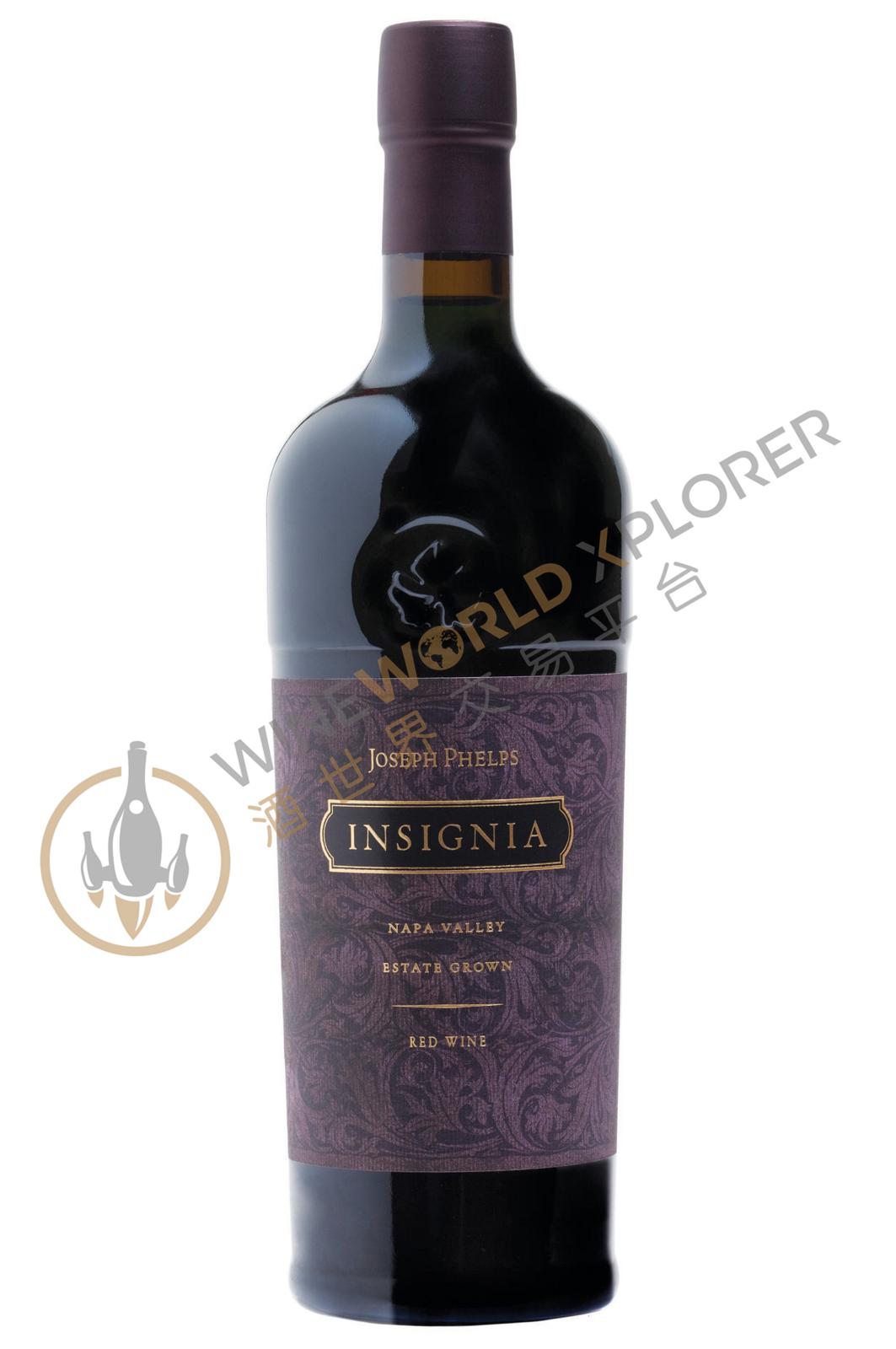
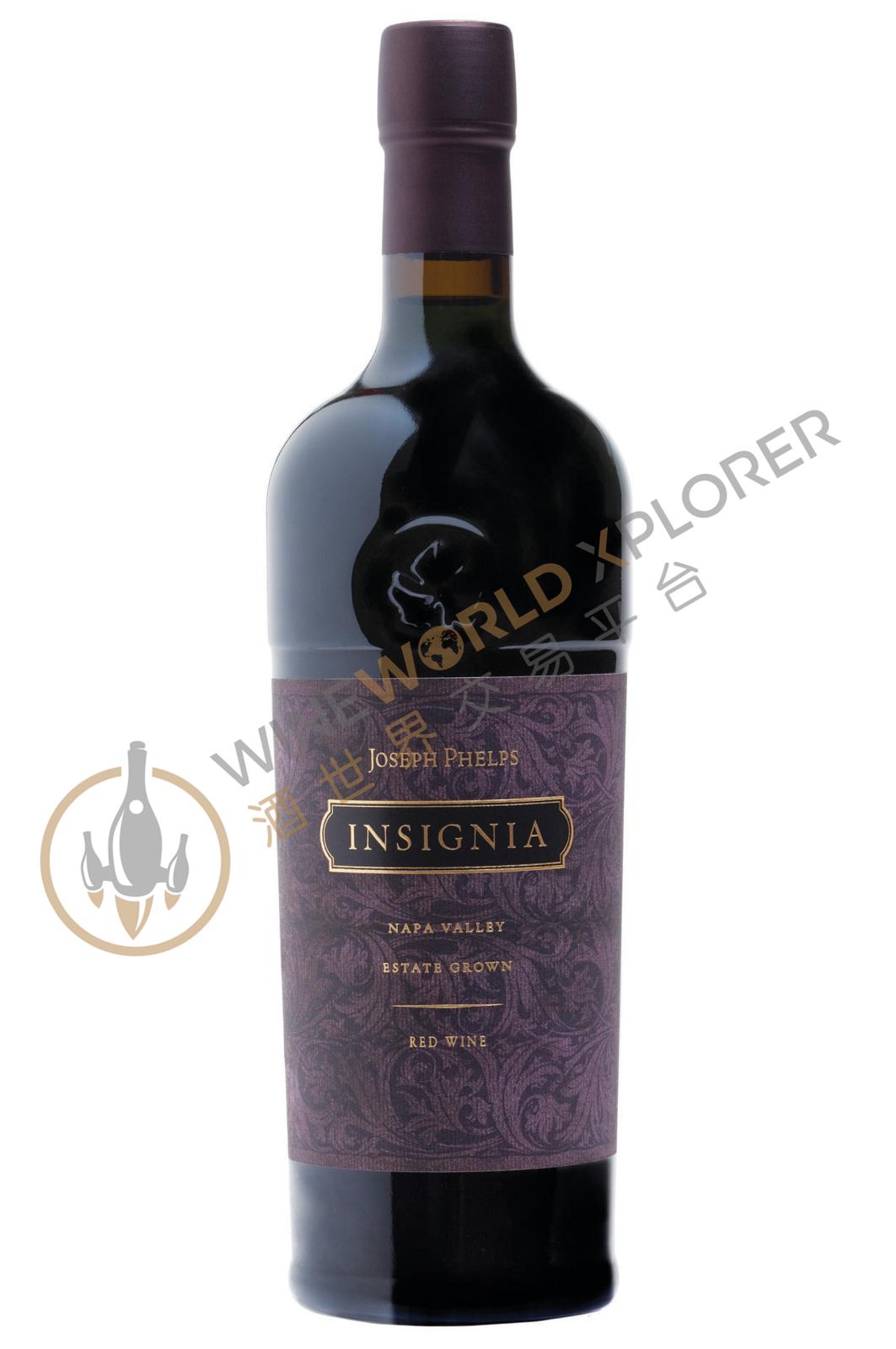
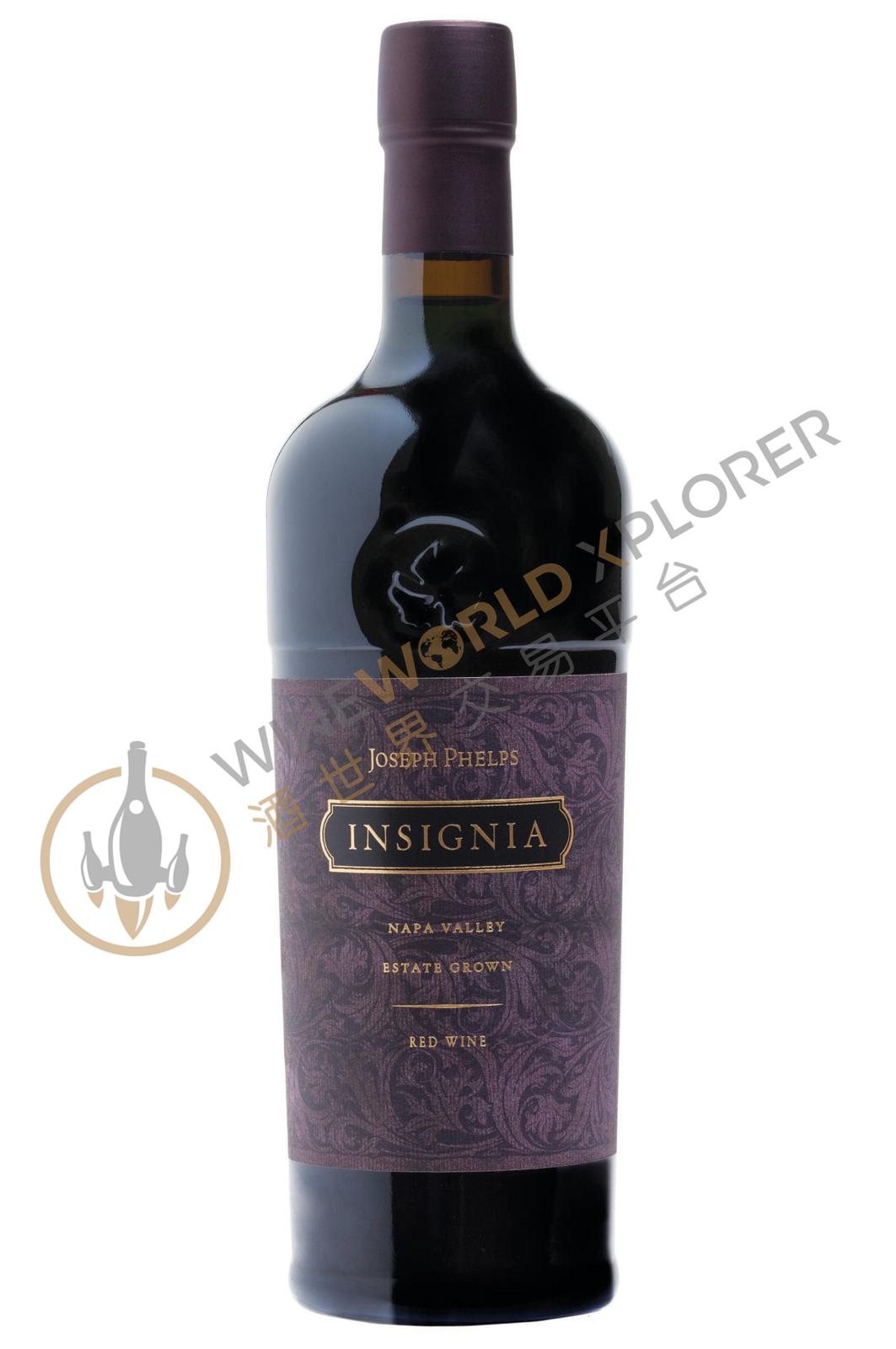
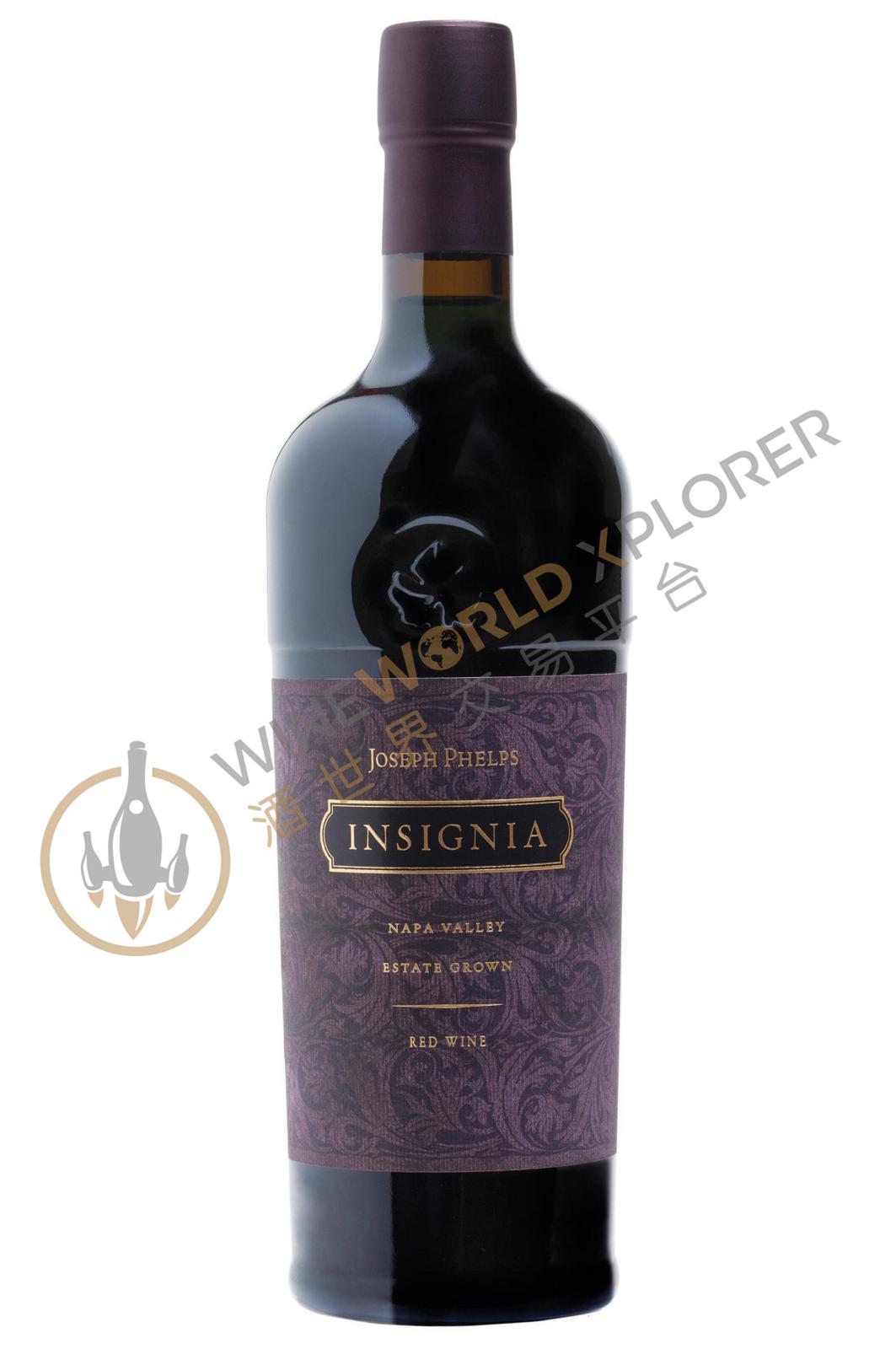
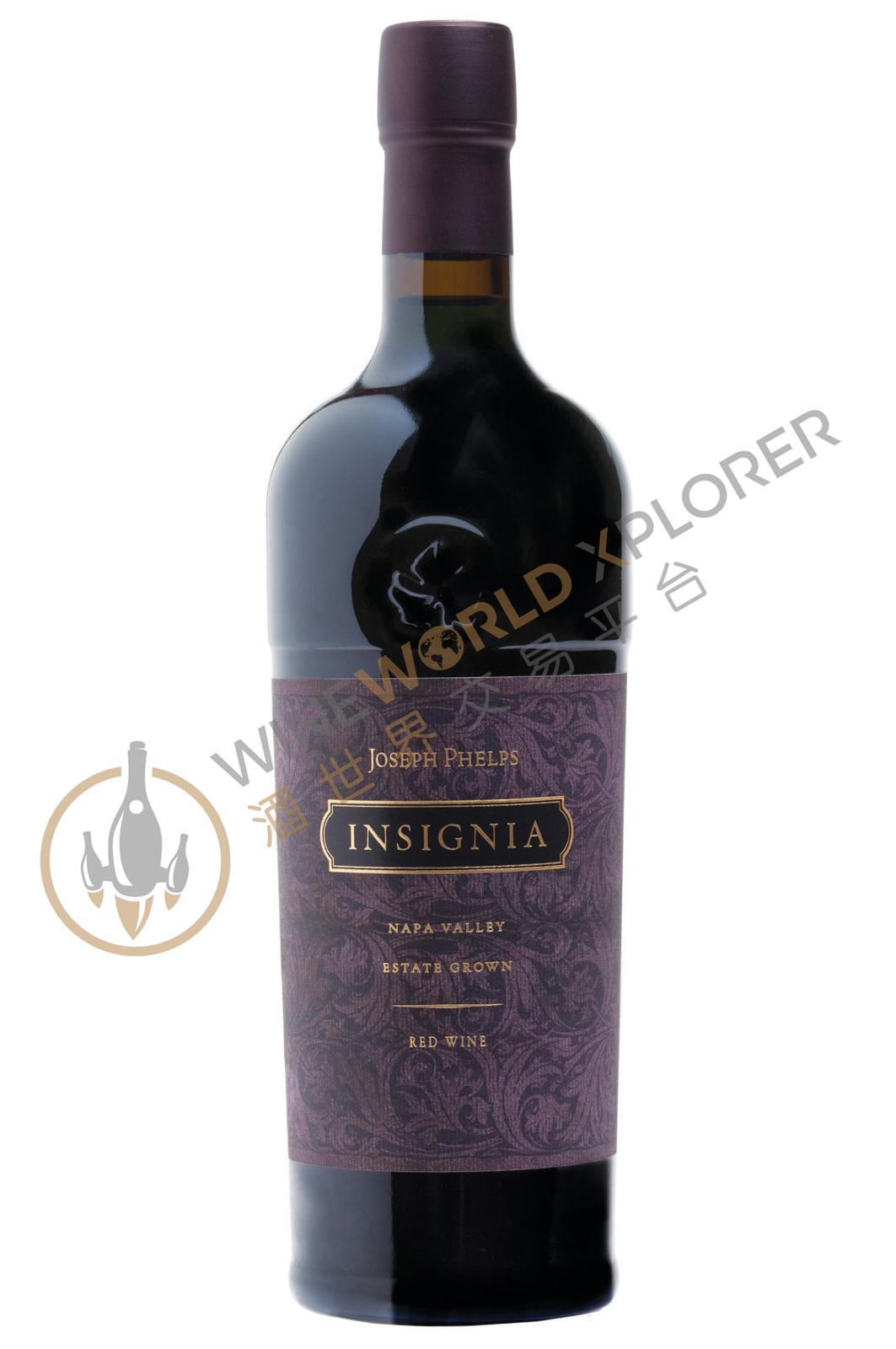
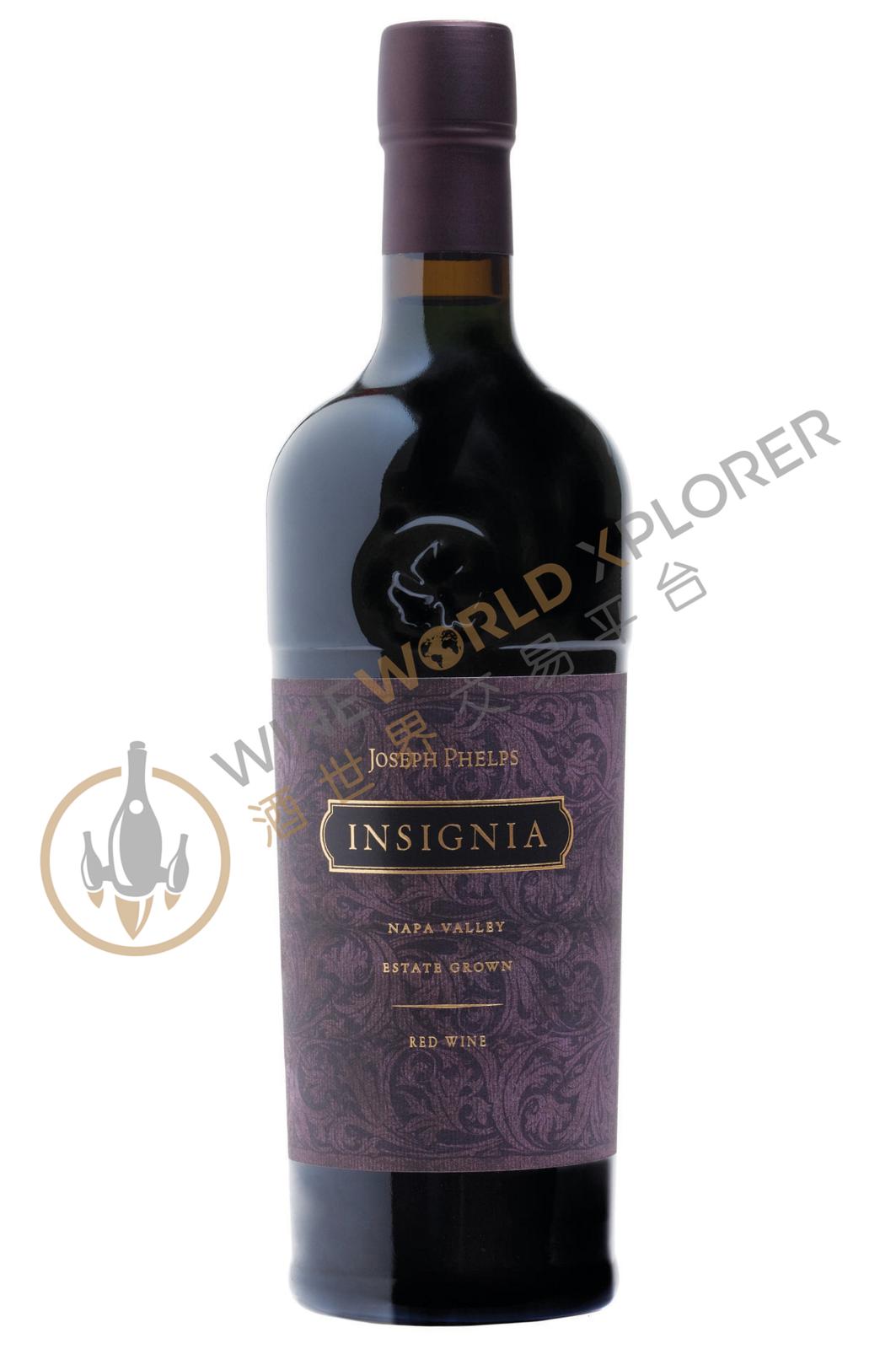
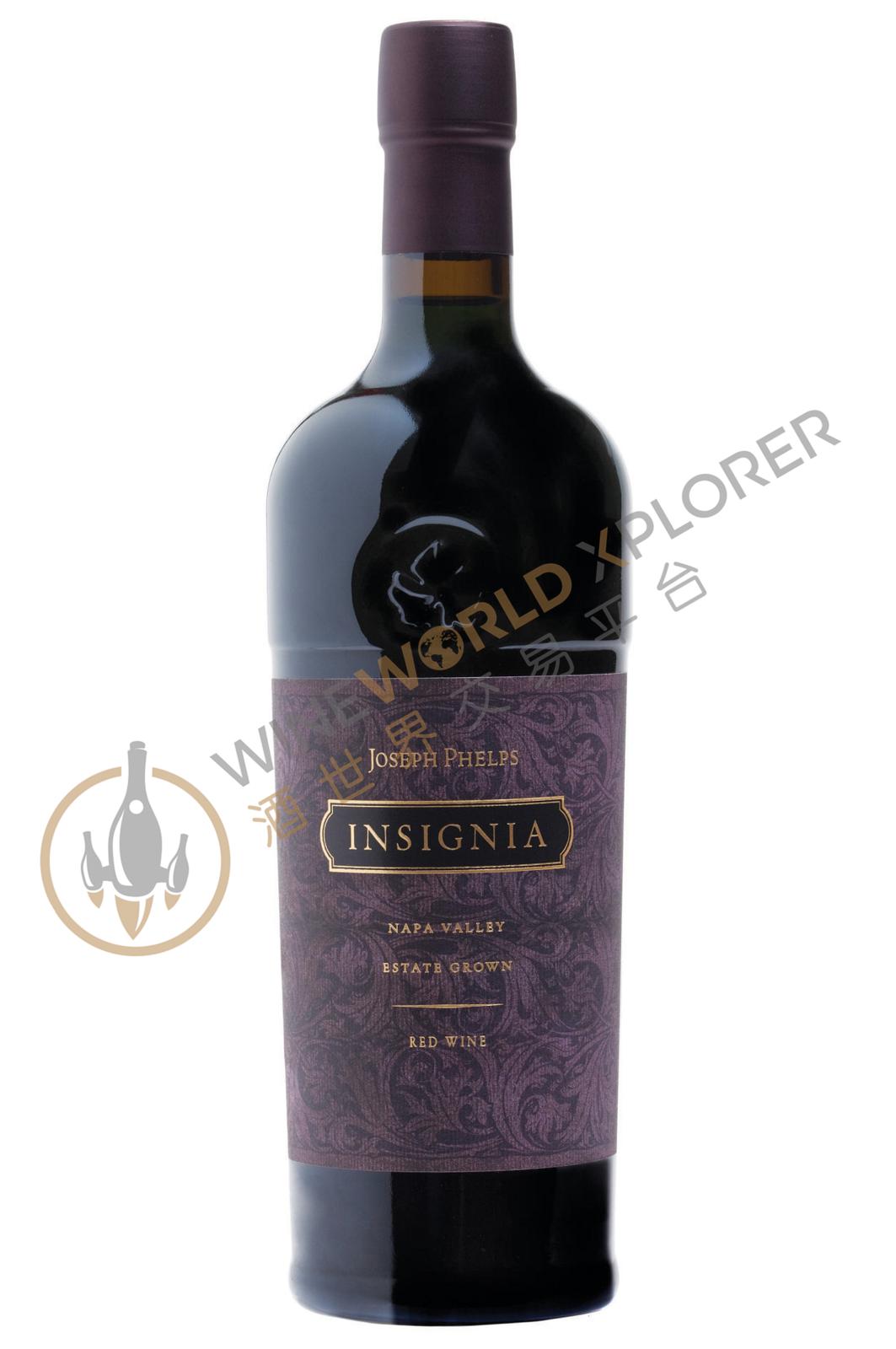
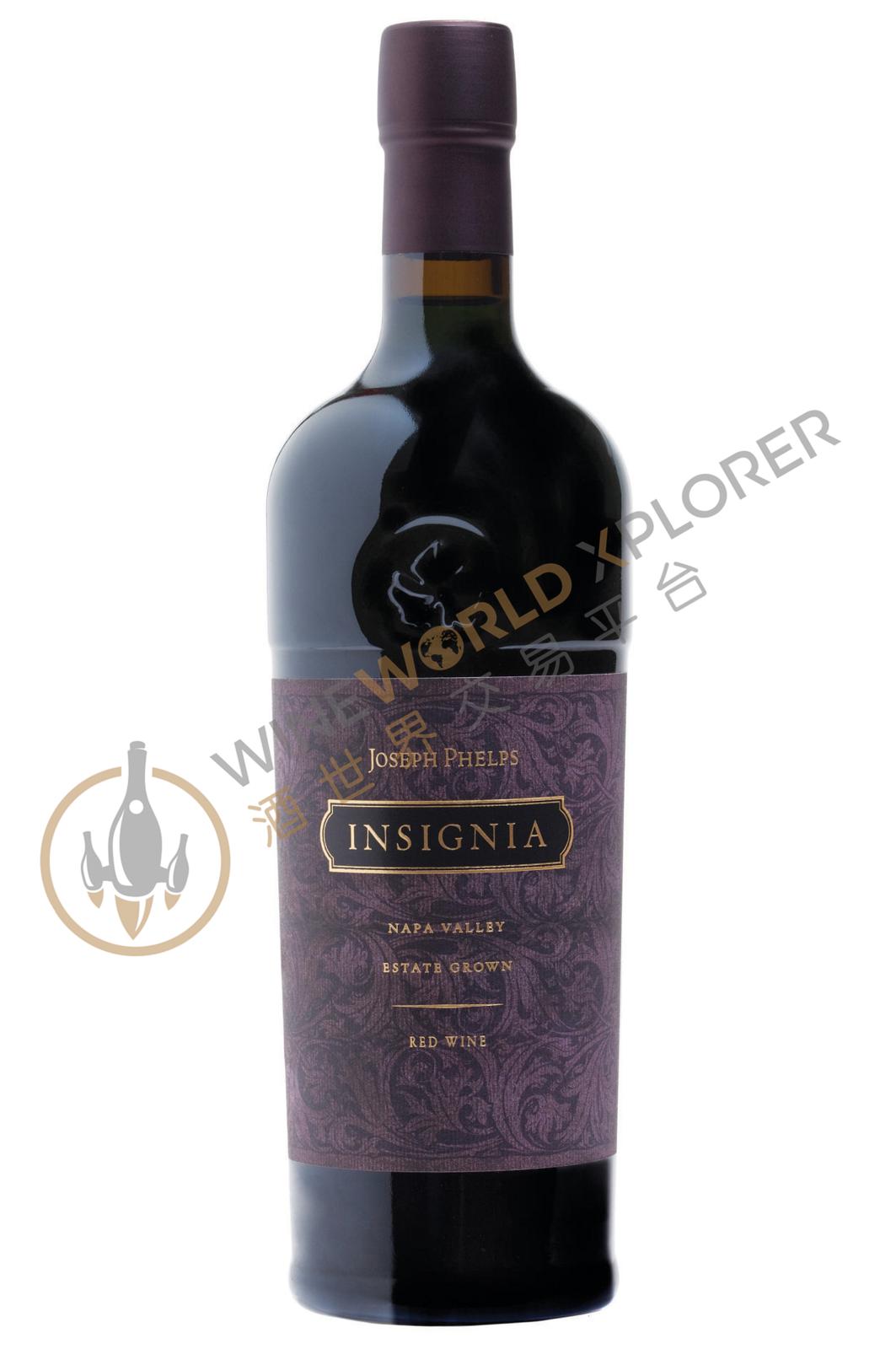
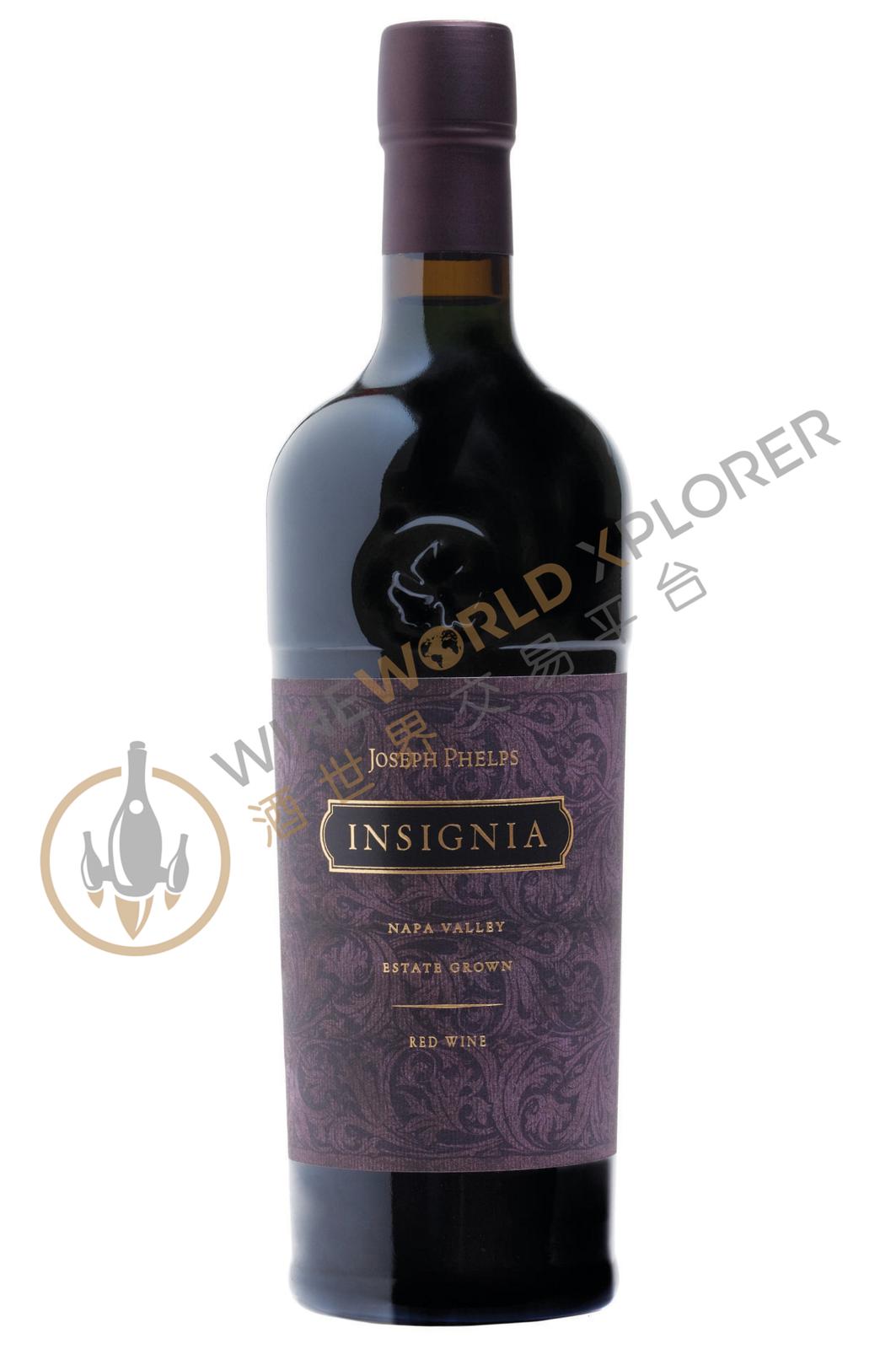
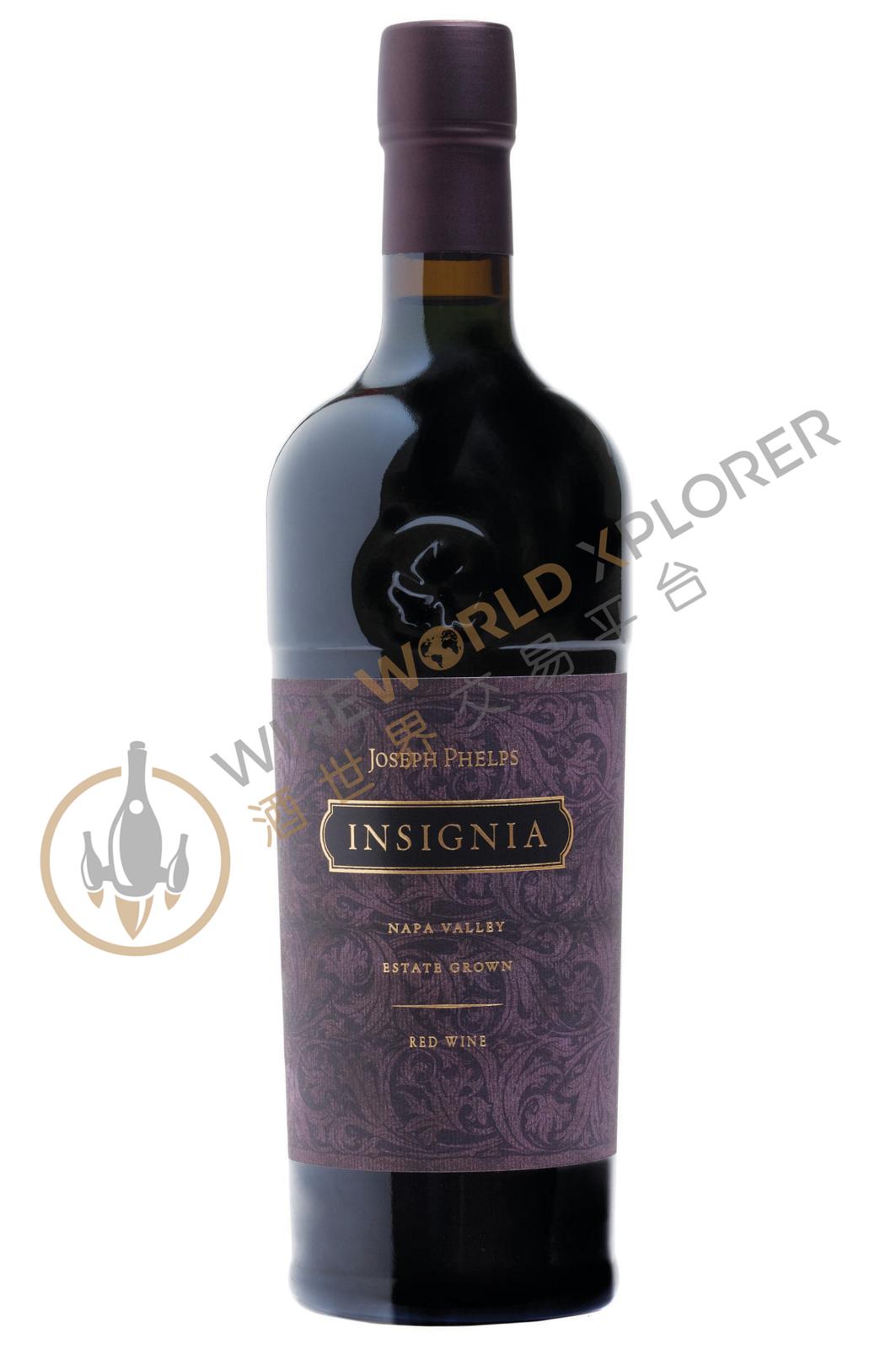
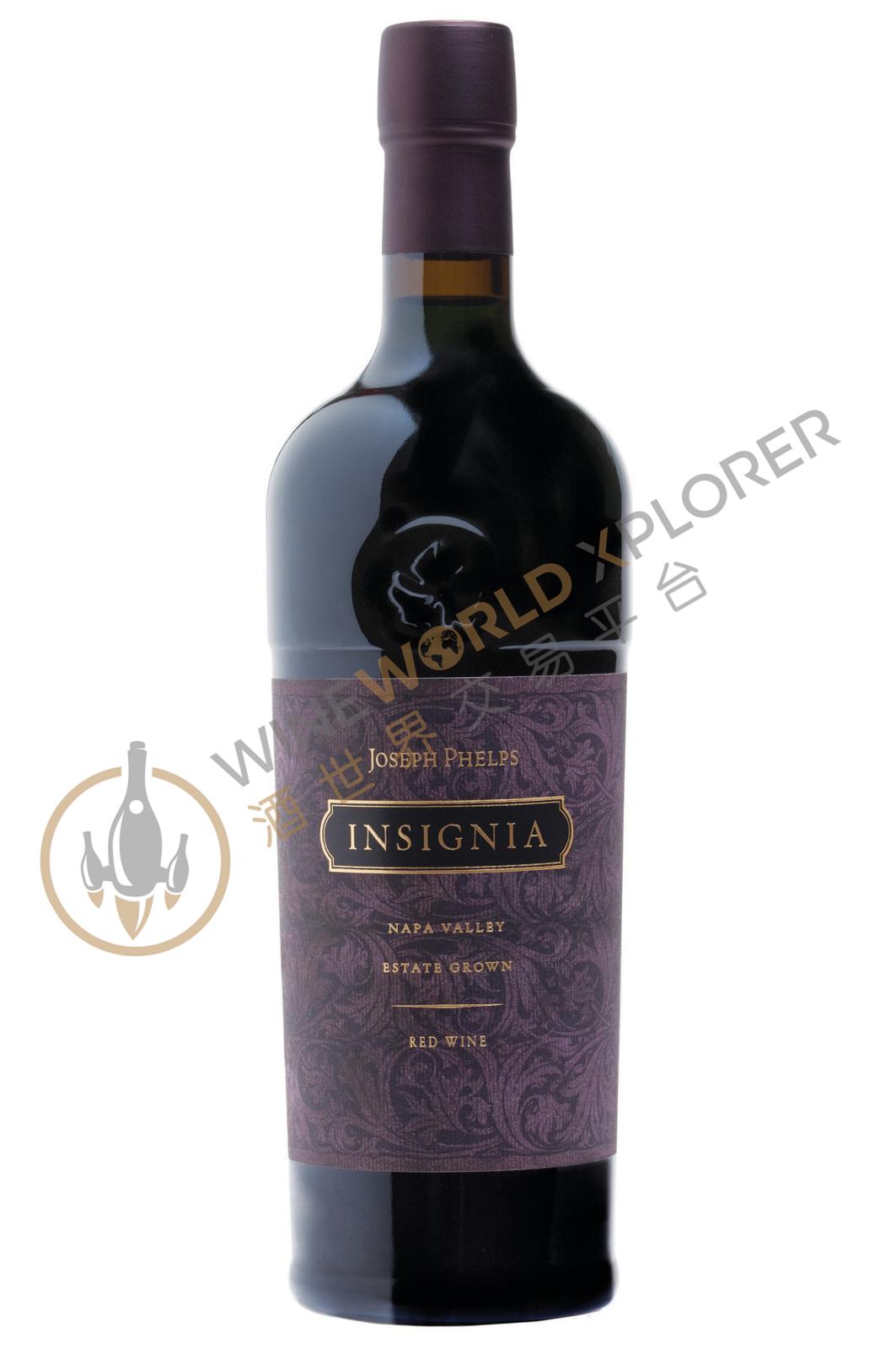
Joseph Phelps, Insignia 2009
 View analysis


Description
Tasting notes

Reviewed by: Antonio Galloni
A gorgeous, totally voluptuous wine, the 2009 Insignia bursts from the glass with exuberant blue and black fruit, grilled herbs, cloves and cassis. In 2009, the Insignia is silky and polished, yet there is considerable underlying tannin that needs time to soften. Layers of fruit flow effortlessly to the huge, structured finish. I imagine the 2009 Insignia will enjoy a broad drinking window. It is striking today, but also clearly has the stuffing to age for many, many years. The 2009 is 83% Cabernet Sauvignon, 13% Petit Verdot, 4% Merlot. Anticipated maturity: 2017-2029. Winemaker Ashley Hepworth has done a fabulous job with these new releases. While most of the attention at Phelps centers around the flagships Insignia and Backus, over the last few years I have been equally impressed with the straight Cabernet Sauvignon, a wine that delivers tremendous bang for the buck. In addition to these wines, I also tasted a few Syrahs from the 1970s. Today, Phelps is known for their Cabernet Sauvignons, but it is also worth remembering Joe Phelps was the first grower to introduce Syrah to the Napa Valley several decades ago. Tel. (707) 967-3746
Reviewed by: Robert M. Parker, Jr.
This deep ruby/purple-colored offering is an elegant, medium-weight wine with sweet red and black currant fruit, dark cherry, loamy soil and foresty characteristics as well as ripe tannin. This should be an early maturing Insignia that evolves quickly, but positively over the next 10-12 years. The production of the 2009 Insignia dropped considerably from previous years as only 10,540 cases were produced. All from estate fruit, the final blend was 83% Cabernet Sauvignon, 13% Petit Verdot and 4% Malbec (another year where no Merlot was used). The alcohol came in at 14.5%. The weather was moist and damp in May which also saw some huge heat spikes. Fortunately, June and July cooled down, August was average, and September experienced above average warmth. Statistically, it was over 100 degrees Fahrenheit for 19 days during the growing season, almost all of them occurring in August and September – never a good sign as it tends to stress and/or raisin and burn the grapes, particularly if there has been considerable crop-thinning. A major rain event (over 4 inches) occurred on October 13, so any producer who harvested after that date was negatively affected.
Reviewed by: Antonio Galloni
The 2009 Cabernet Sauvignon Insignia is a big, generous wine that covers the palate with waves of dark red fruit. Today it is beautifully expressive and opulent yet also well balanced. An explosive finish rounds things out in style. This looks to be a relatively approachable Insignia. Floral, spicy notes round out the finish. In 2009 the blend is 83% Cabernet Sauvignon, 13% Petit Verdot and 4% Merlot. Anticipated maturity: 2014-2029. I tasted a number of fabulous wines from Joseph Phelps this year. The 2009 and 2010 Backus and Insignia are still in barrel, but they are shaping up beautifully. Tel. (707) 963-2745
Reviewed by: Lisa Perrotti-Brown
A blend of 83% Cabernet Sauvignon, 13% Petit Verdot and 4% Merlot, the deep garnet colored 2009 Insignia soars out of the glass with beautifully expressed cassis, baked plums and blackberry preserves scents plus nuances of rose hip tea, potpourri, cigar box, crushed rocks, raked leaves and tapenade. Medium to full-bodied, the tannins here are just incredible—soft, fine-grained, wonderfully knit—backed up with lovely freshness and all those fragrant black fruit flavors, finishing long and earthy.
Reviewed by: Robert M. Parker, Jr.
An early look at the 2009 Insignia (83% Cabernet Sauvignon, 13% Petit Verdot and 4% Merlot) suggests they may have hit the trifecta at Joseph Phelps. Perhaps the most forward, precocious and sexy Insignia out of the gate, this wine shows wonderfully sweet tannins, already evolved complexity, an inky/purple color and sweet blackberry and cassis fruit intermixed with lavender, violets and spice box. The wood is already pushed to the background and the wine is stunningly textured as well as long. This was one of the finest 2009s I tasted. Joseph Phelps’ flagship wine, which they have been making for 36 years, is the Insignia, which boasts a remarkable track record. Phelps, always a visionary, was the first to recognize that a blend of grapes could be better than a single varietal cuvee. Phelps produces a 100% Cabernet Sauvignon from the Backus Vineyard situated on the eastern slopes of the Oakville Corridor overlooking Screaming Eagle and Rudd Estate. Tel. (707) 963-2745; Fax (707) 963-4831
Reviewed by: Robert M. Parker, Jr.
The 2009 Insignia (82% Cabernet Sauvignon, 13% Petit Verdot and 5% Malbec) is tighter and more restrained, and appears to be going through that inevitable stage when, after a year or two in the bottle, many Cabernet Sauvignon-based wines close down and reveal their huge structure and tannic ferocity. The inky/purple-colored 2009 possesses plenty of creme de cassis, bouquet garni, blackberry, chocolate, vanilla and toast characteristics. It is full-bodied, but the tannins are formidable and the wine seems to be in one of those broodingly backward stages that require patience from potential buyers. There were 10,540 cases produced, so it was a modestly sized vintage, and the wine is slightly lower in alcohol than the 2008. All of Joseph Phelps’ Sonoma Coast Chardonnays and Pinot Noirs will be included in the Sonoma report in the December, 2013 issue. One of the visionaries in California’s Rhone Ranger movement that began a quarter of a century ago, Phelps continues to focus on their Syrah program. I have mixed emotions about that because they made some wonderful wines from some other Rhone varietals in the past under the terminated Mistral label. On the www.erobertparker.com website, I will be posting one of the most historical vertical tastings I have ever done, that of Joseph Phelps’ proprietary red Bordeaux blend called Insignia, which was one of California’s first proprietary red Meritage wines launched in 1974. While visiting this winery in early September, I had the privilege of tasting every vintage from 1974 to 2012. This has always been a remarkable wine and sadly I am old enough to remember the 1974, to which I gave a great rating, but then suggested it be drunk within 10-12 years. I never thought it would last. Of course, it turned out to be one of the great mature wines of the vertical tasting, but more on that on the web site. The five vintages of Insignia which consumers should be keeping an eye on are 2008, 2009, 2010, 2011 and 2012. Here are my notes on those wines which are either on the market or soon will be. By the way, the production of Insignia over the last 15-20 years has ranged from a low of 10,000-12,000 cases to a whopping 20,000 cases, often with the highest production levels in some of the greatest years. There are usually around 750 to 1,300 cases of the Cabernet Sauvignon Backus Vineyard. Usually 100% Cabernet Sauvignon, it is fashioned from the red soils of the Oakville hillsides (a spectacular sight as you drive south on the Silverado Trail). Tel. (800) 707-5789
About the Producer
Joseph Phelps, a building contractor from Colorado, first invested in vineyards in the Napa Valley in 1972. In 1974 Phelps and his winemaker Walter Schugg produced their first vintage of Insignia, which at the time was one of the first Bordeaux style blends in California. Its Cabernet Sauvignon, Cabernet Franc, and Merlot grapes are sourced primarily from Rutherford & Stags Leap (notably for `Insignia'); the Chardonnay and Sauvignon Blanc from Los Carneros & Napa (for the better quality fruit). Joseph Phelps Vineyards is a family-owned and operated wine estate with vineyards and wineries in Napa Valley and on the western Sonoma Coast. The winery was founded in 1973 by Joseph Phelps, a successful construction executive and entrepreneur whose early interest in wine led him to establish vineyards on a 670-acre former cattle ranch in Napa Valley. Over the next 42 years Joe became one of the most respected figures in the California wine industry, building Joseph Phelps Vineyards into a critically-acclaimed winery internationally known for its iconic wines and unwavering commitment to quality. Every wine in the Joseph Phelps portfolio is 100% estate-grown, overseen from grape to bottle by our dedicated winegrowing team. Their family owns and farms 390 acres of vines in Napa Valley on eight estate vineyards in St. Helena, Rutherford, Oakville, the Stags Leap District, the Oak Knoll District, South Napa and Carneros, as well as 100 acres over two vineyards on the western Sonoma Coast. Strategically chosen over many decades, each vineyard has its own personality and brings a different characteristic to our wines. Our commitment to the estate-grown model is our way of ensuring consistency and the highest quality we can possibly achieve. Our estate vineyards give our winemaking teams unparalleled depth and diversity when it comes to producing Joseph Phelps wines.