Wine Advisor



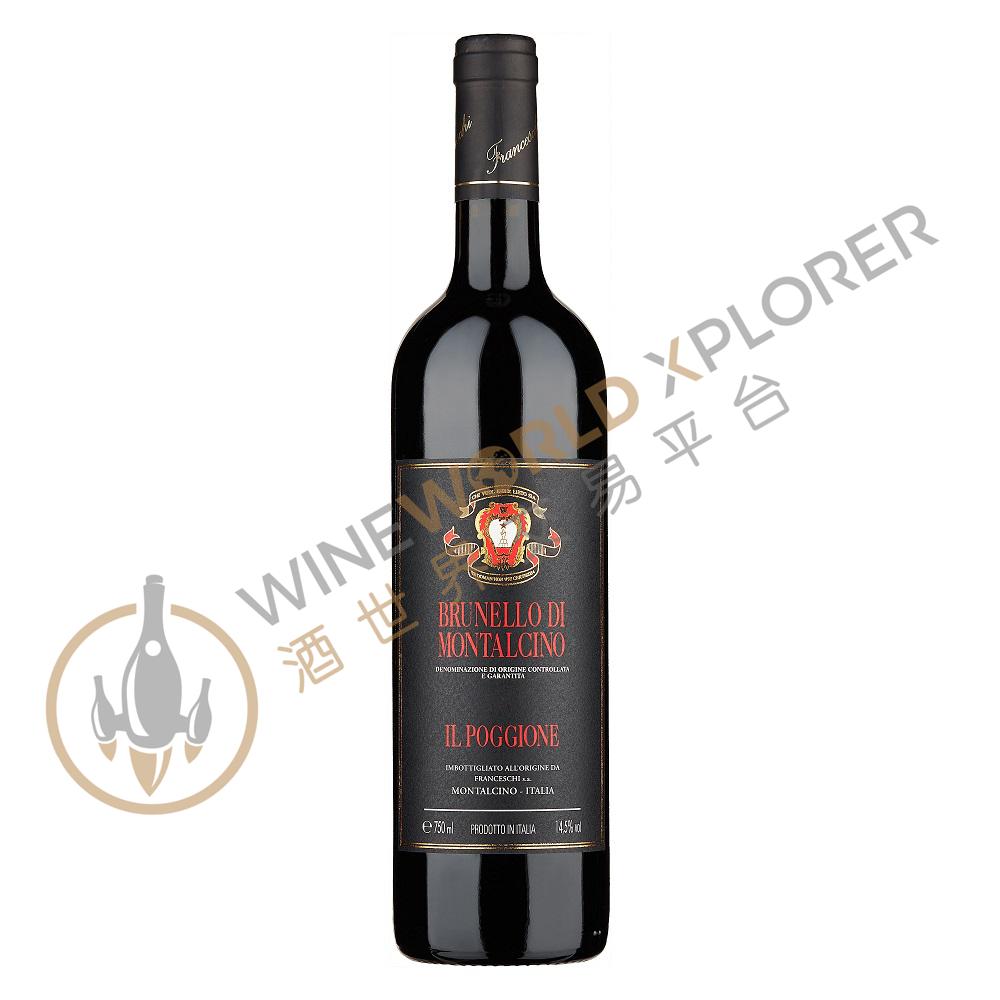
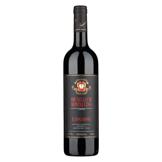
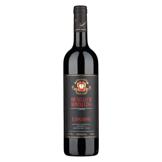
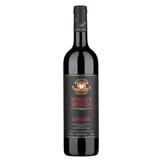
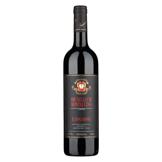
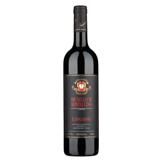
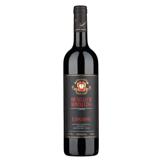
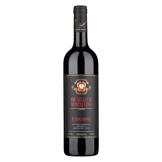
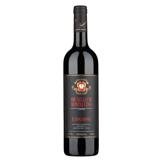
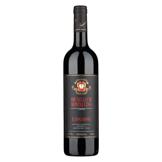
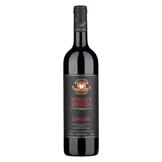
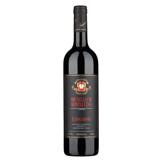
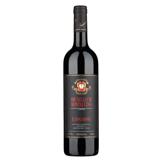
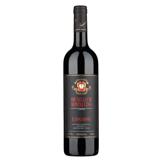
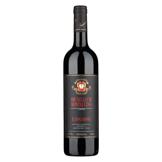
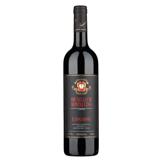
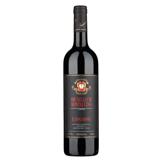
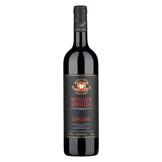
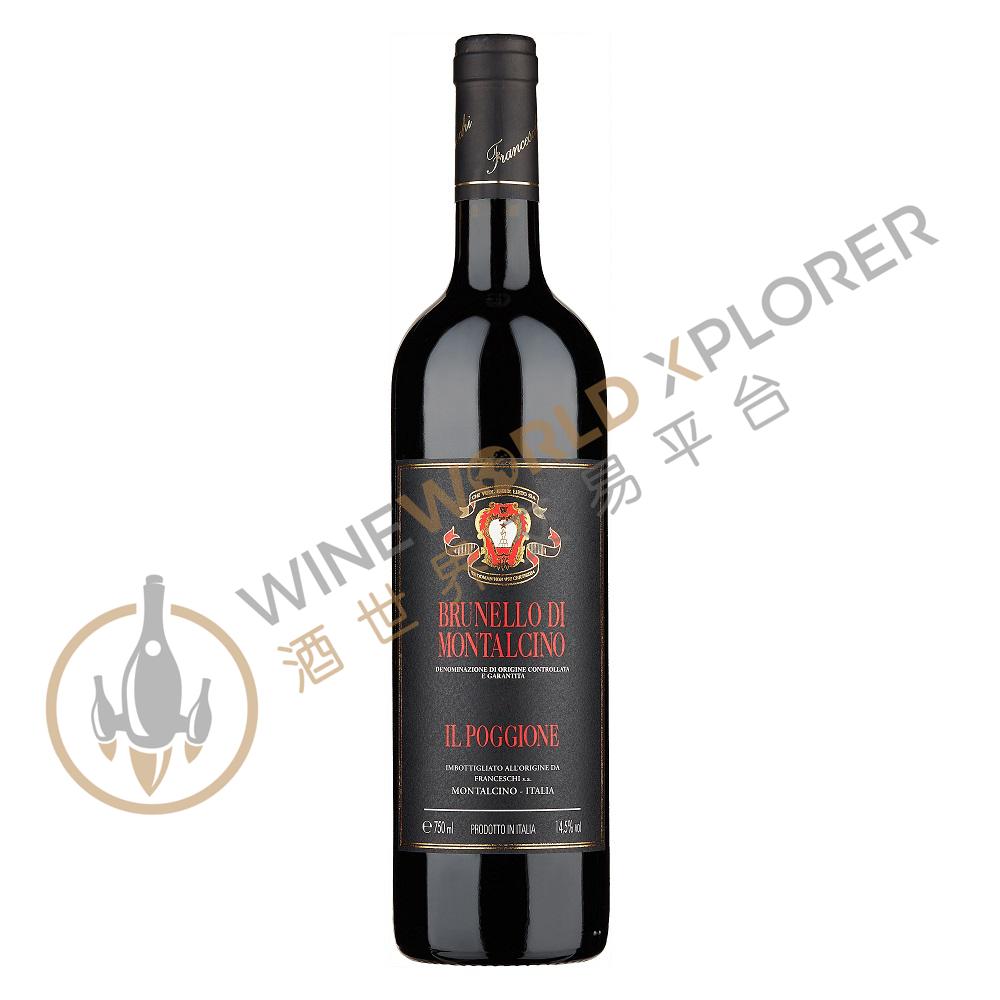
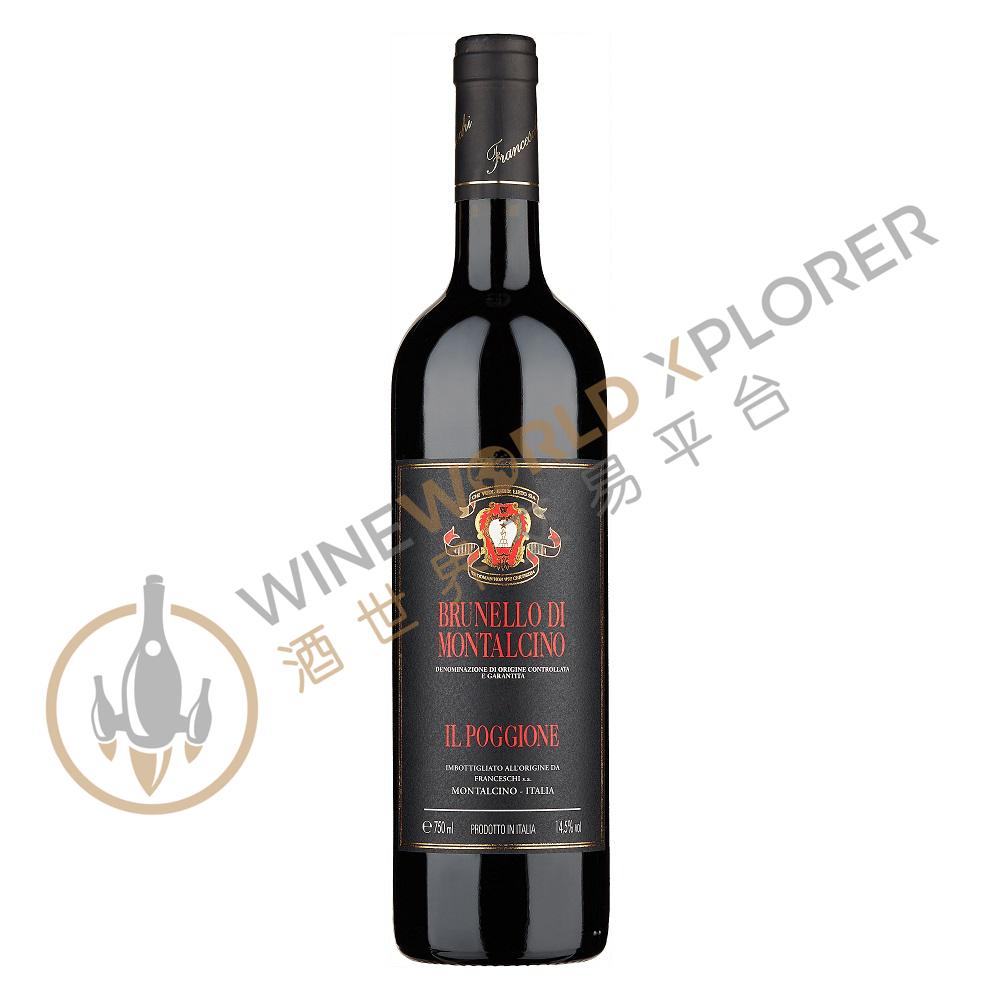
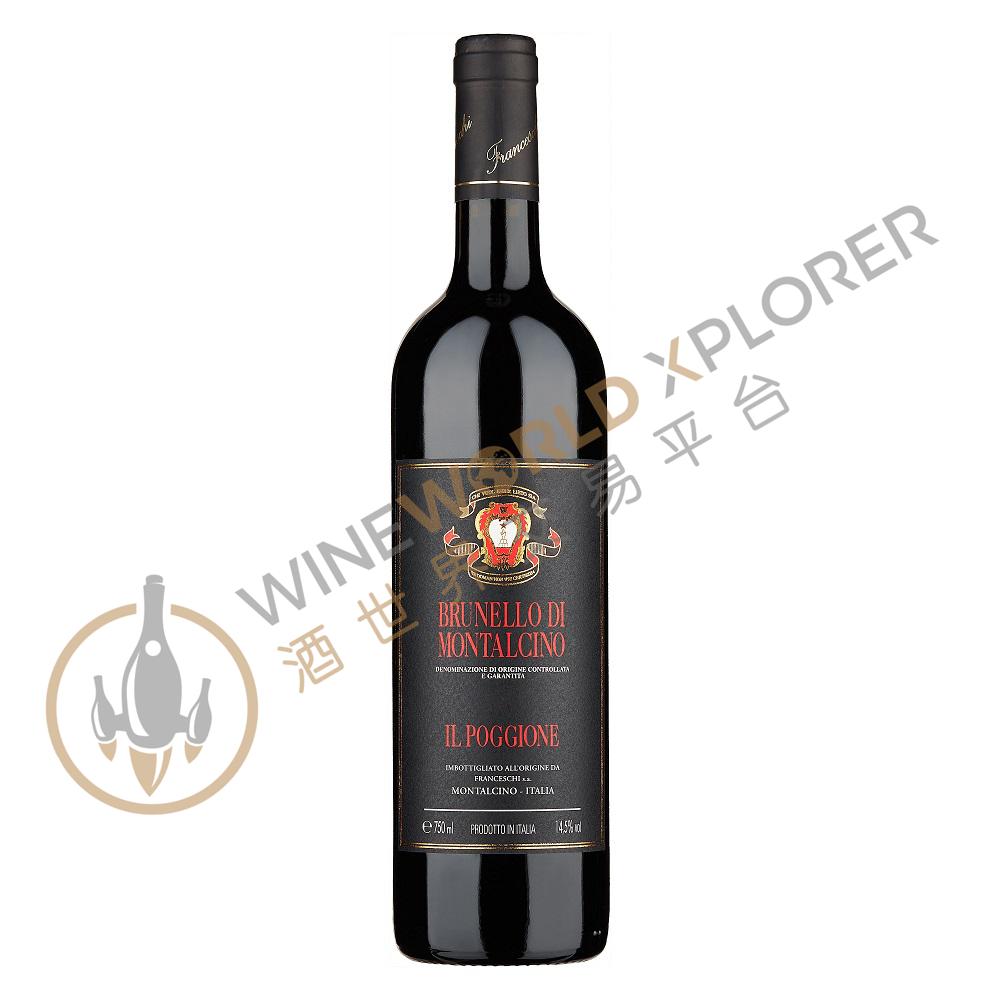
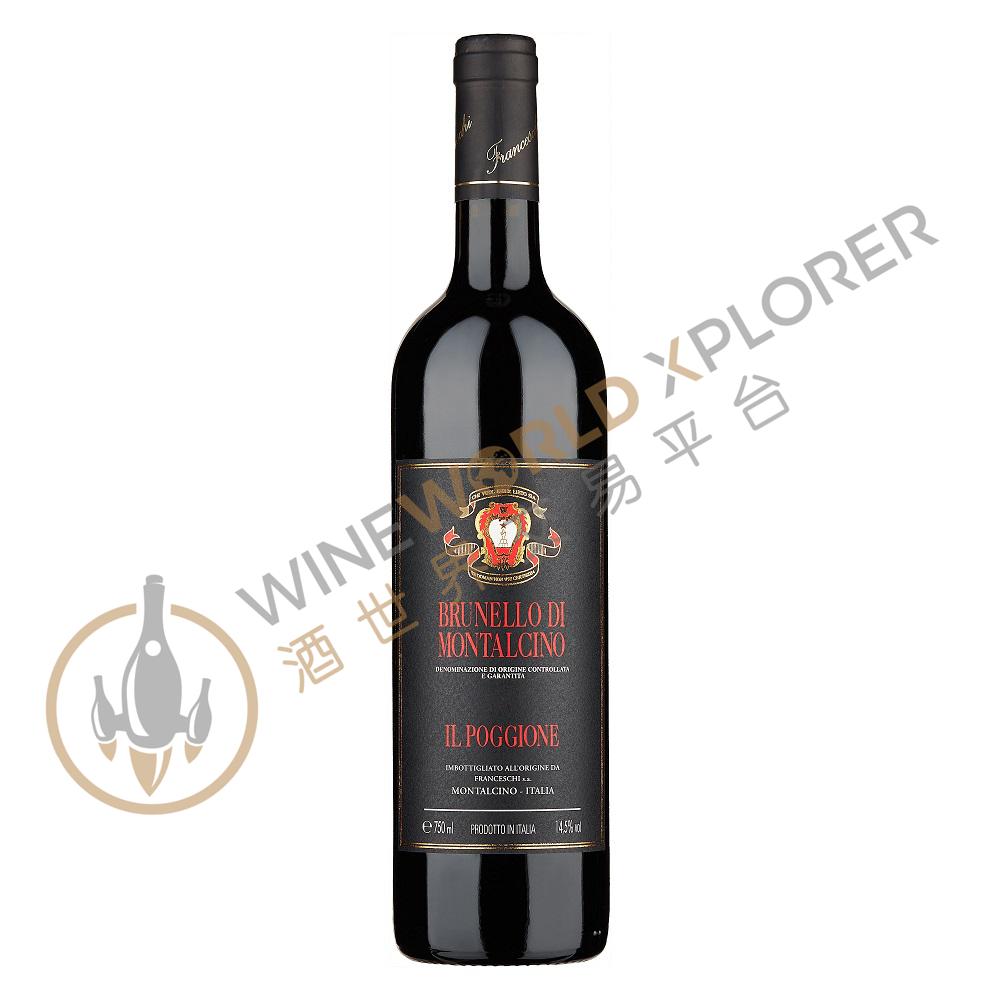
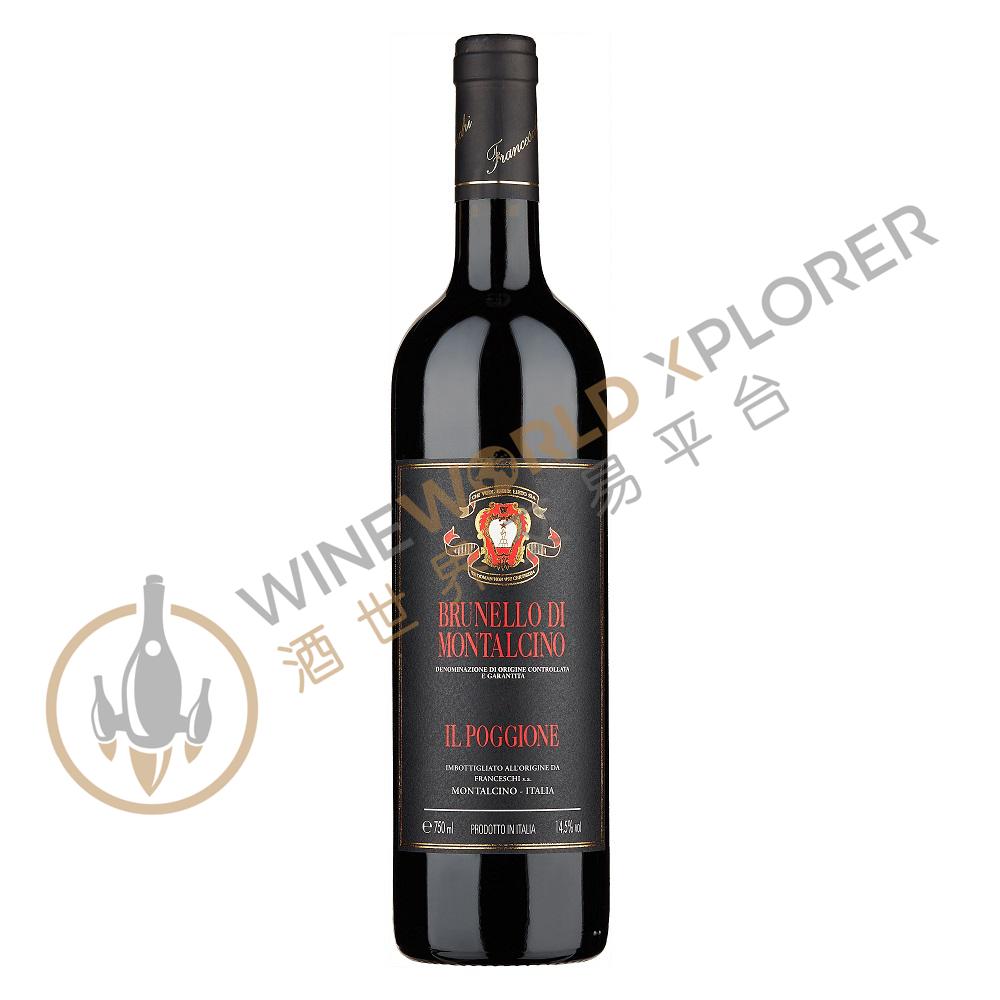
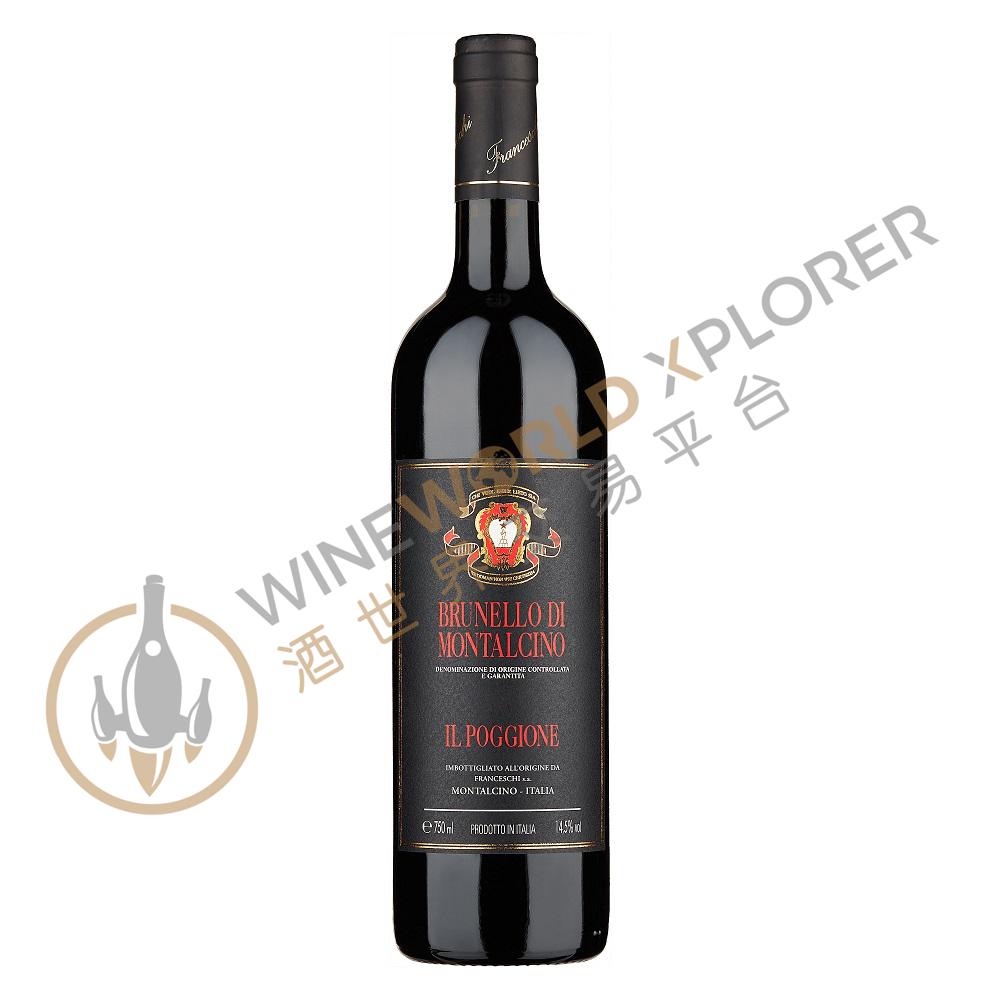
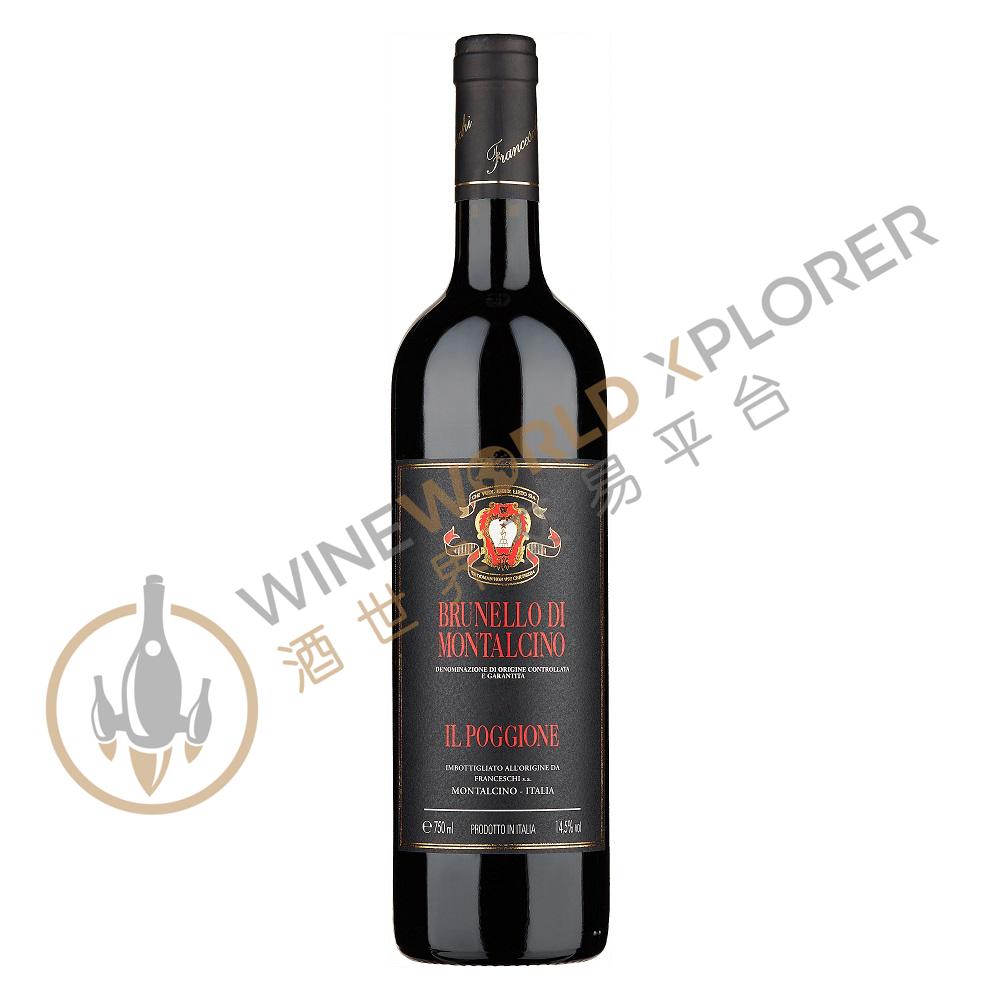
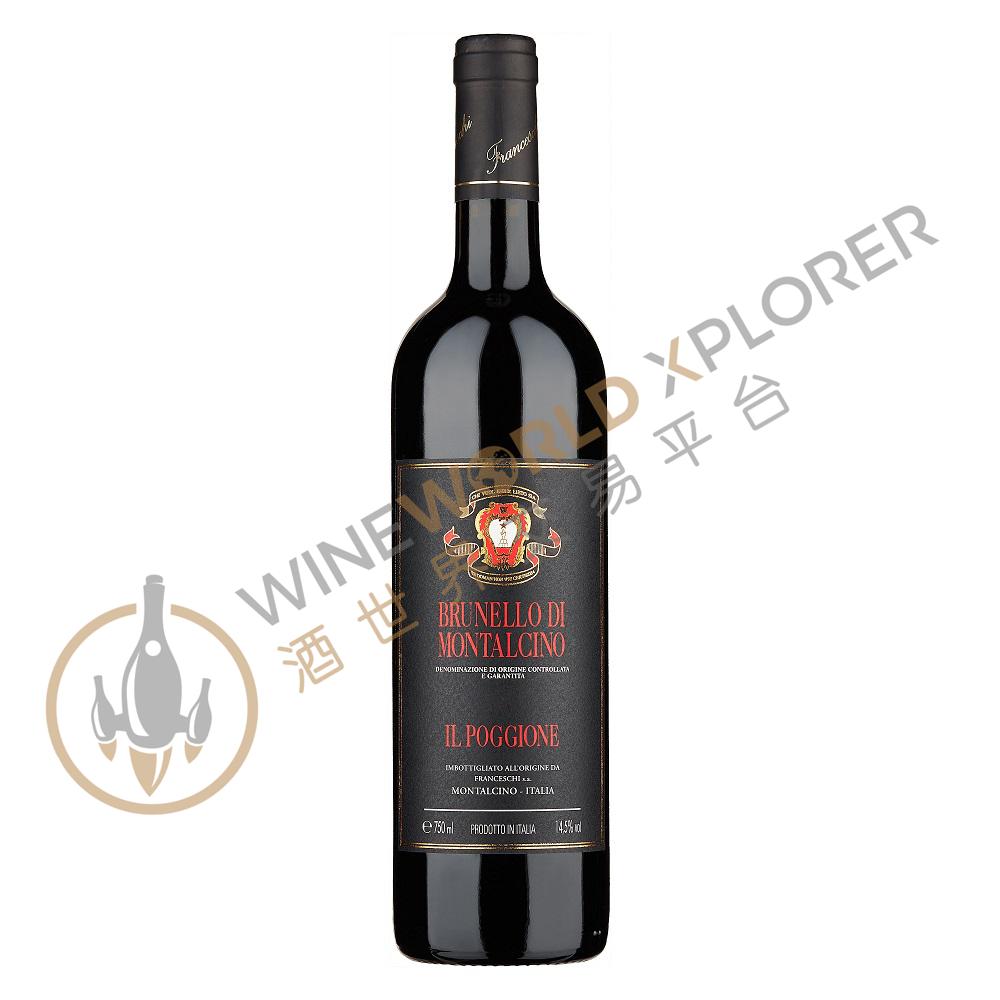
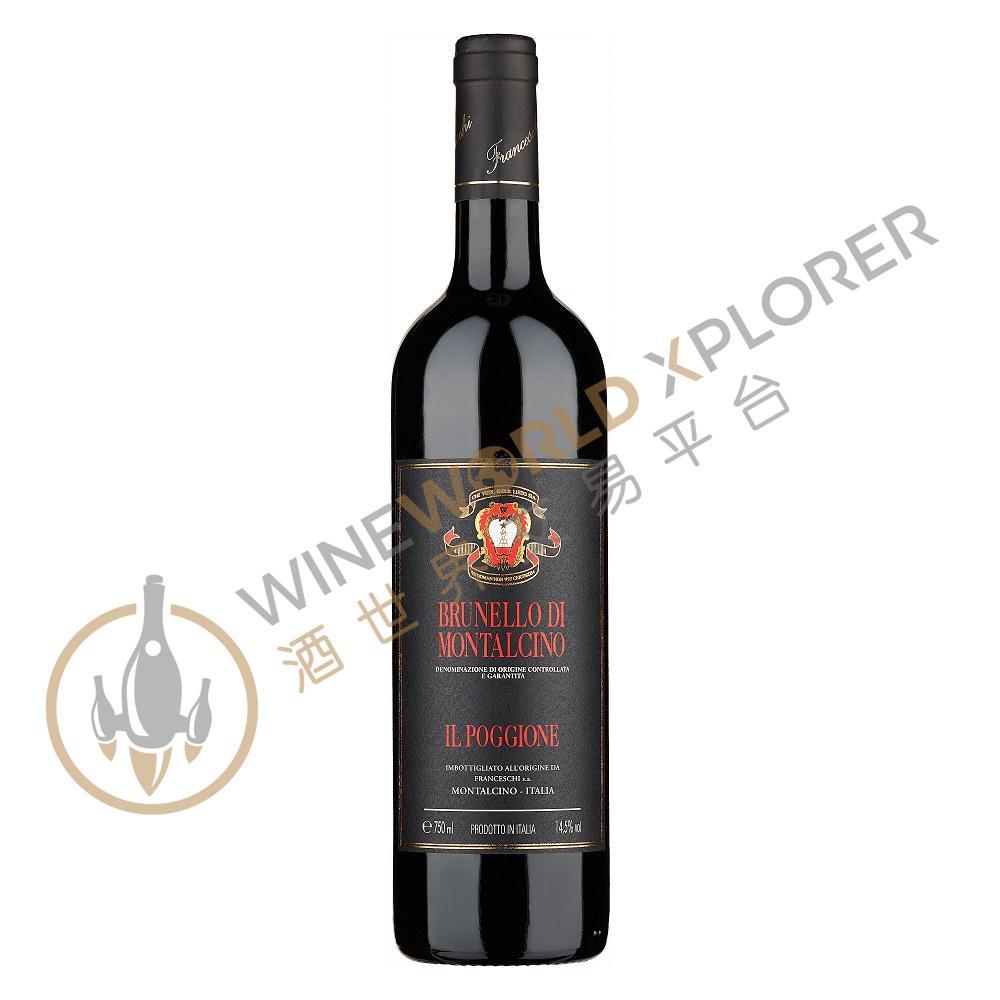
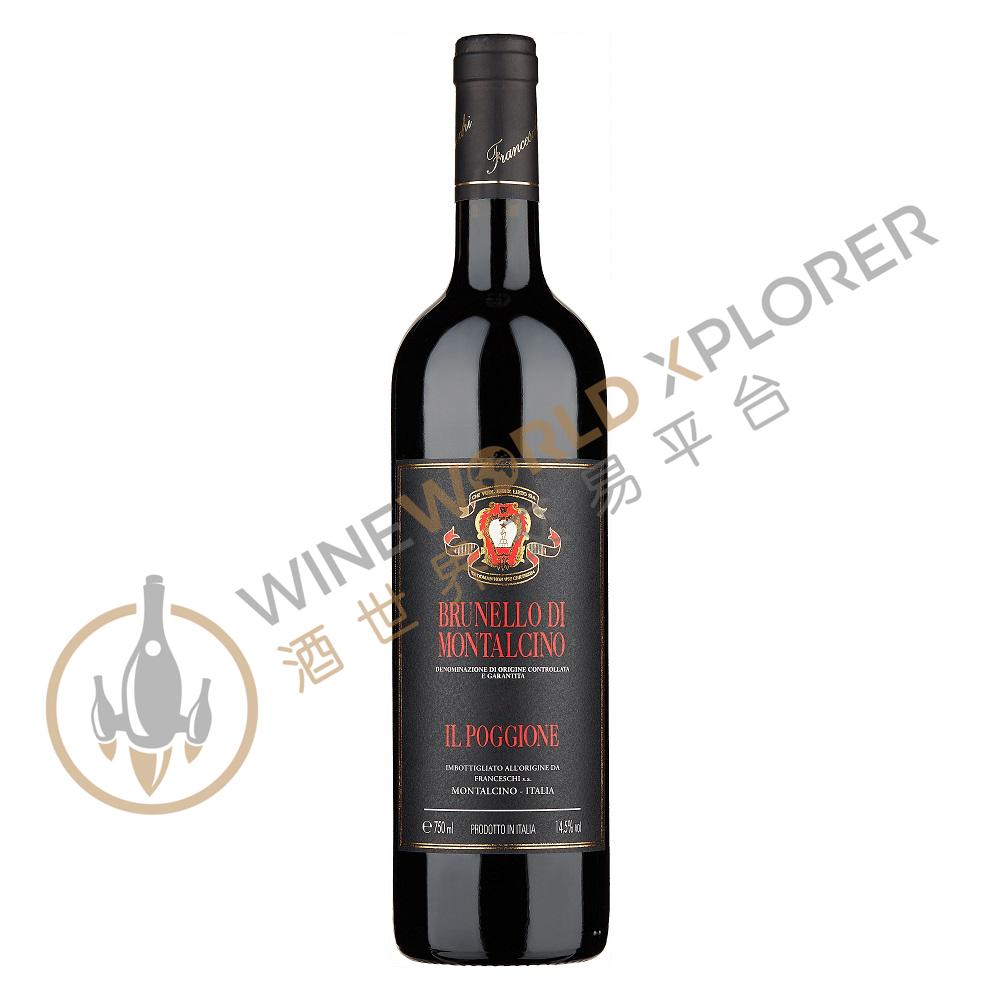
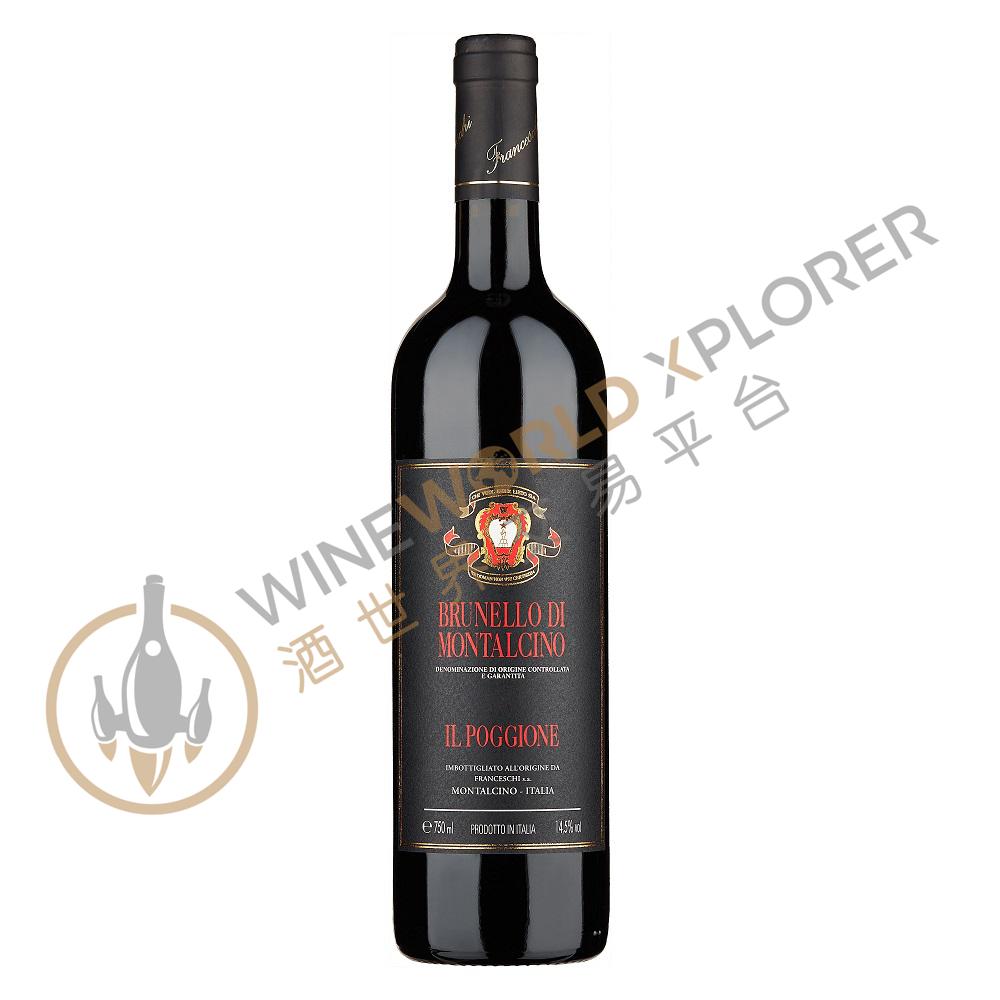
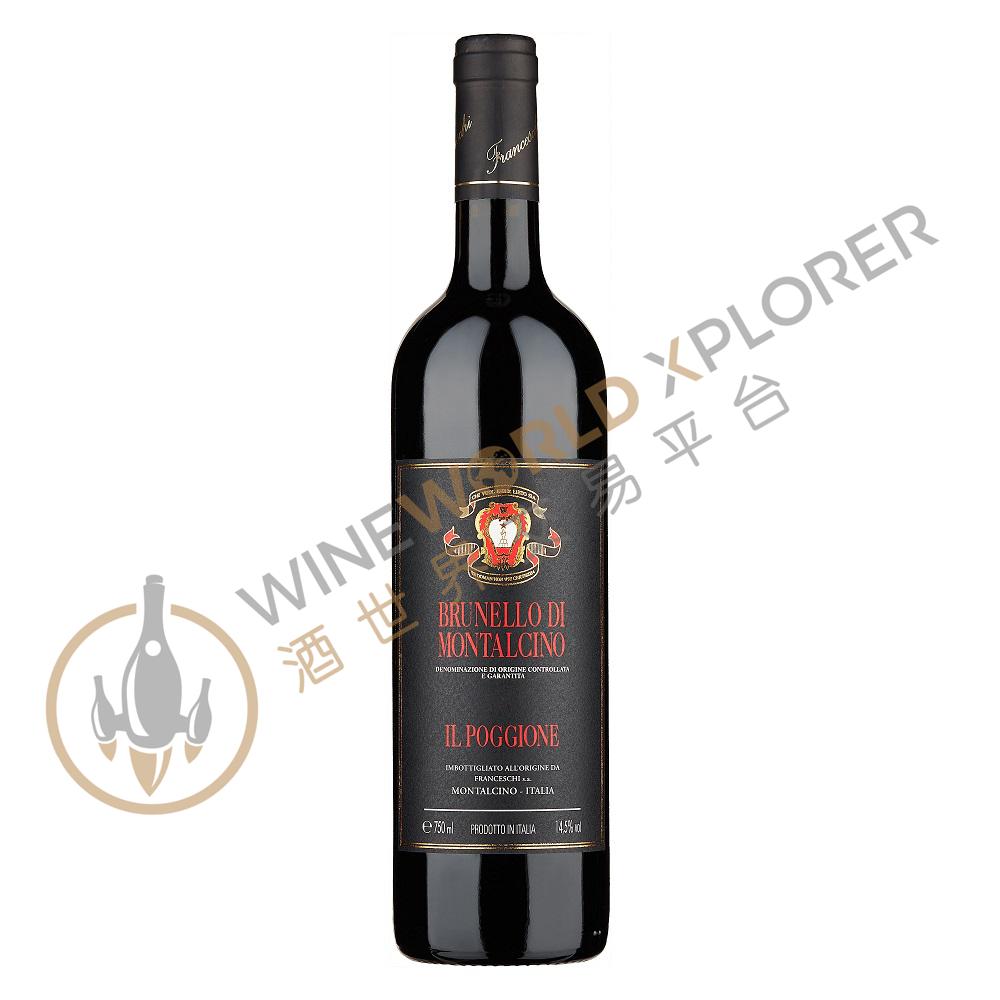
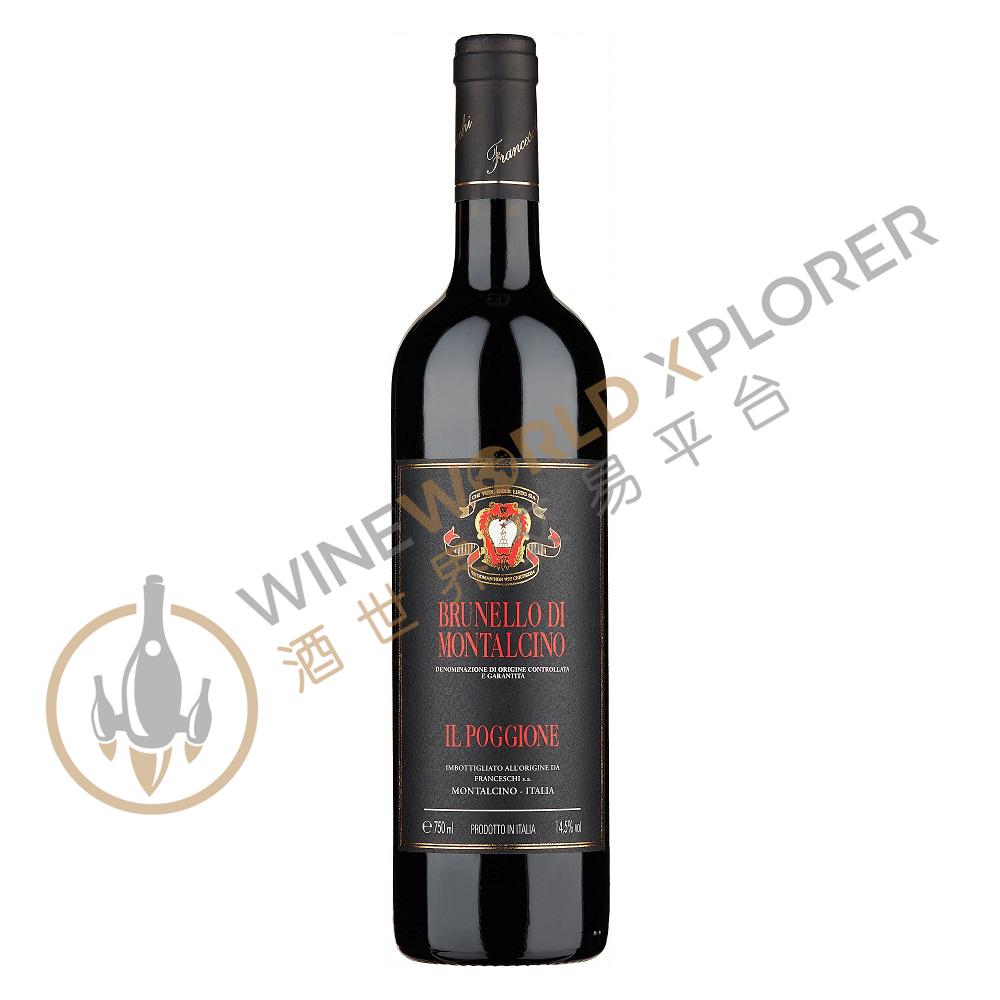
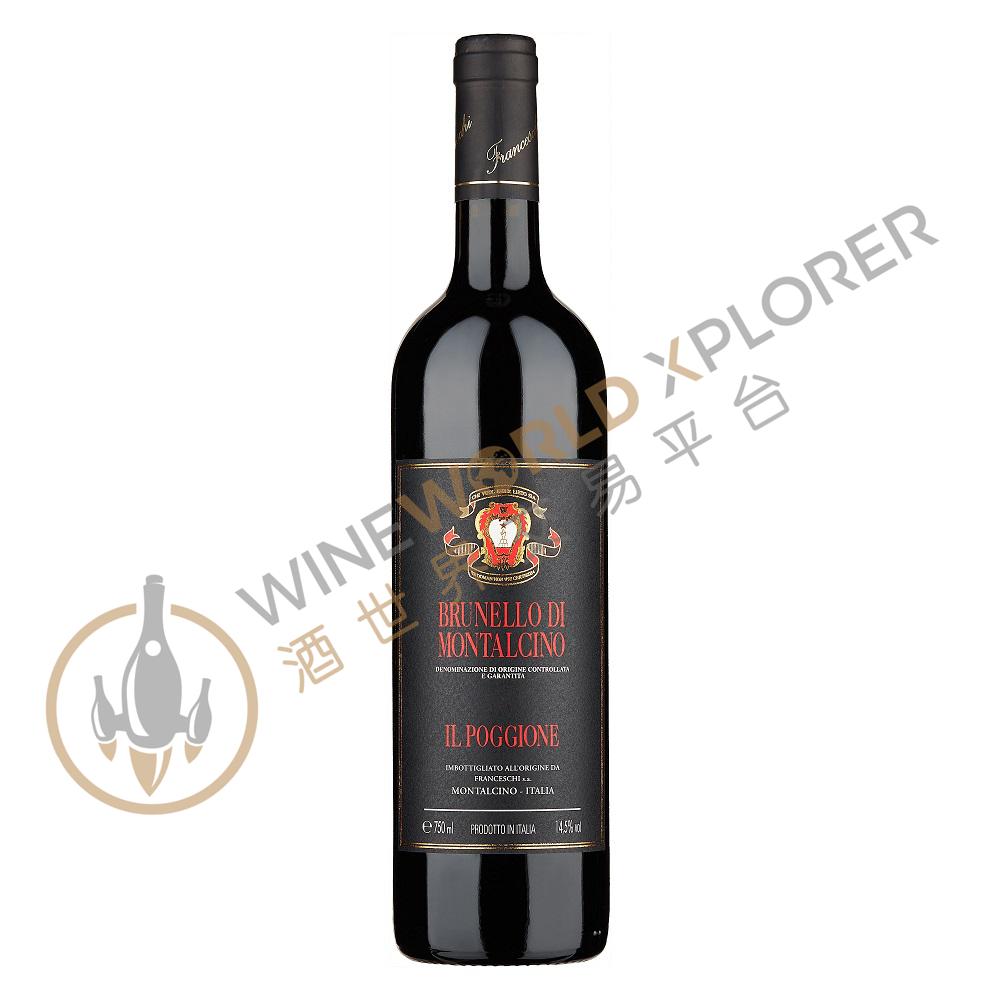
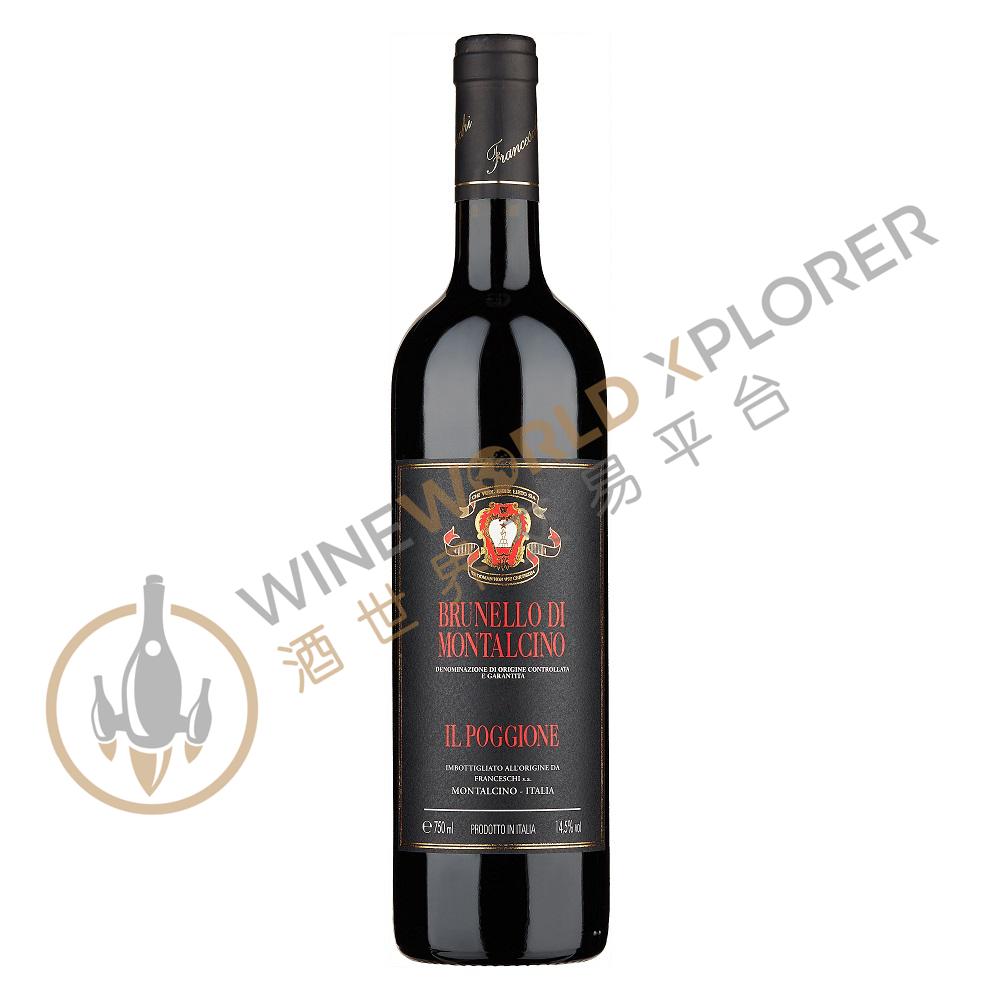
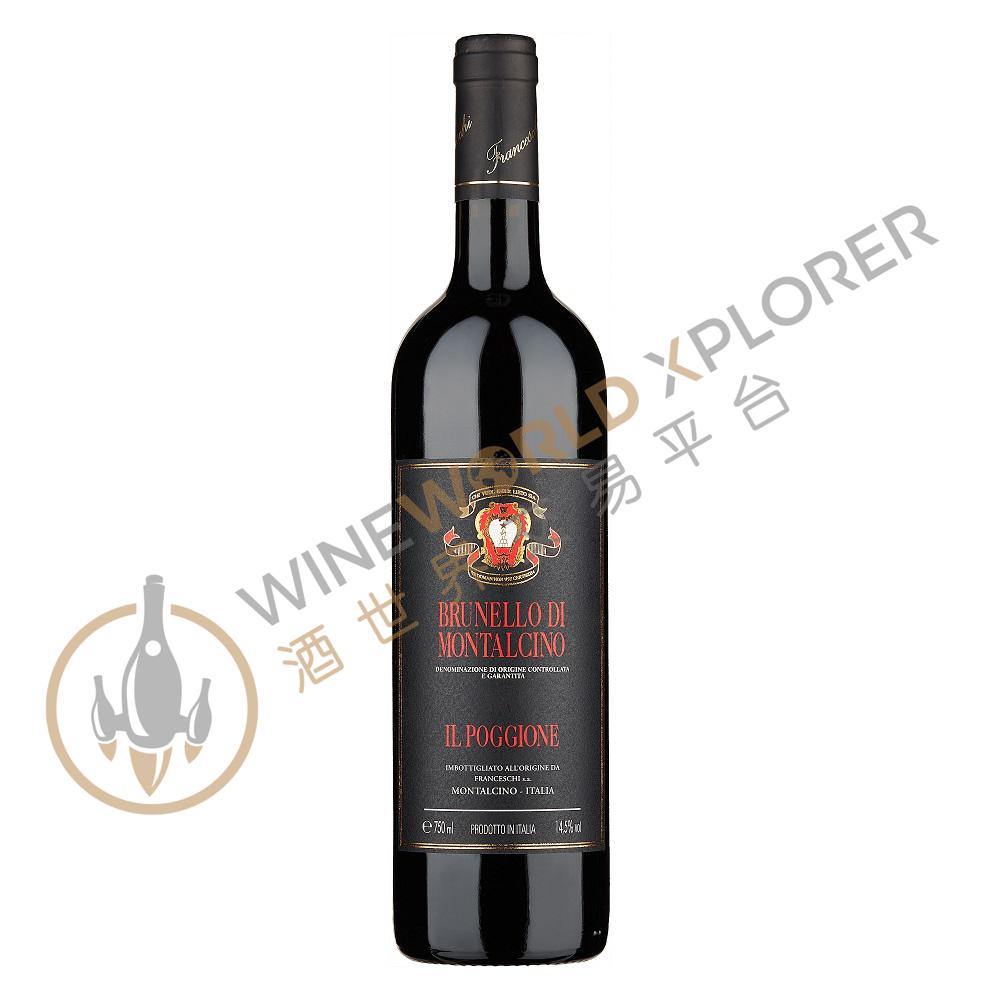
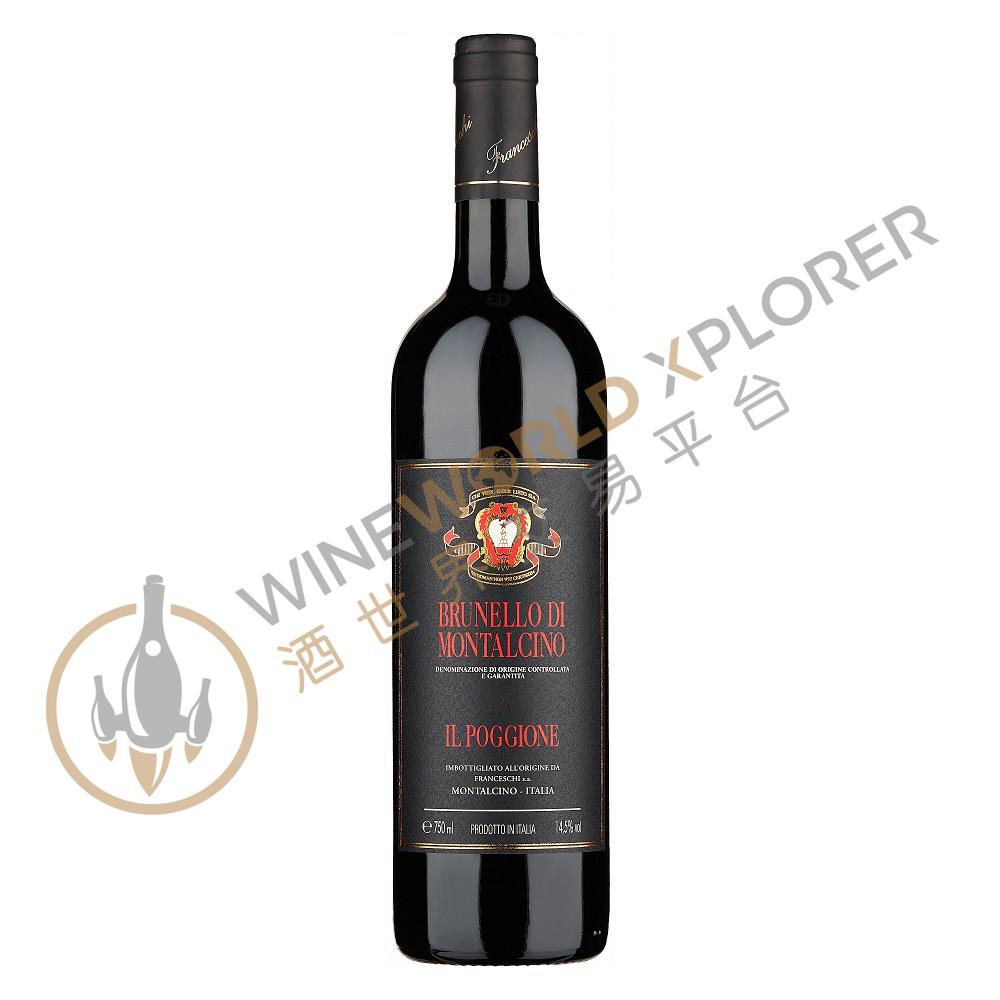
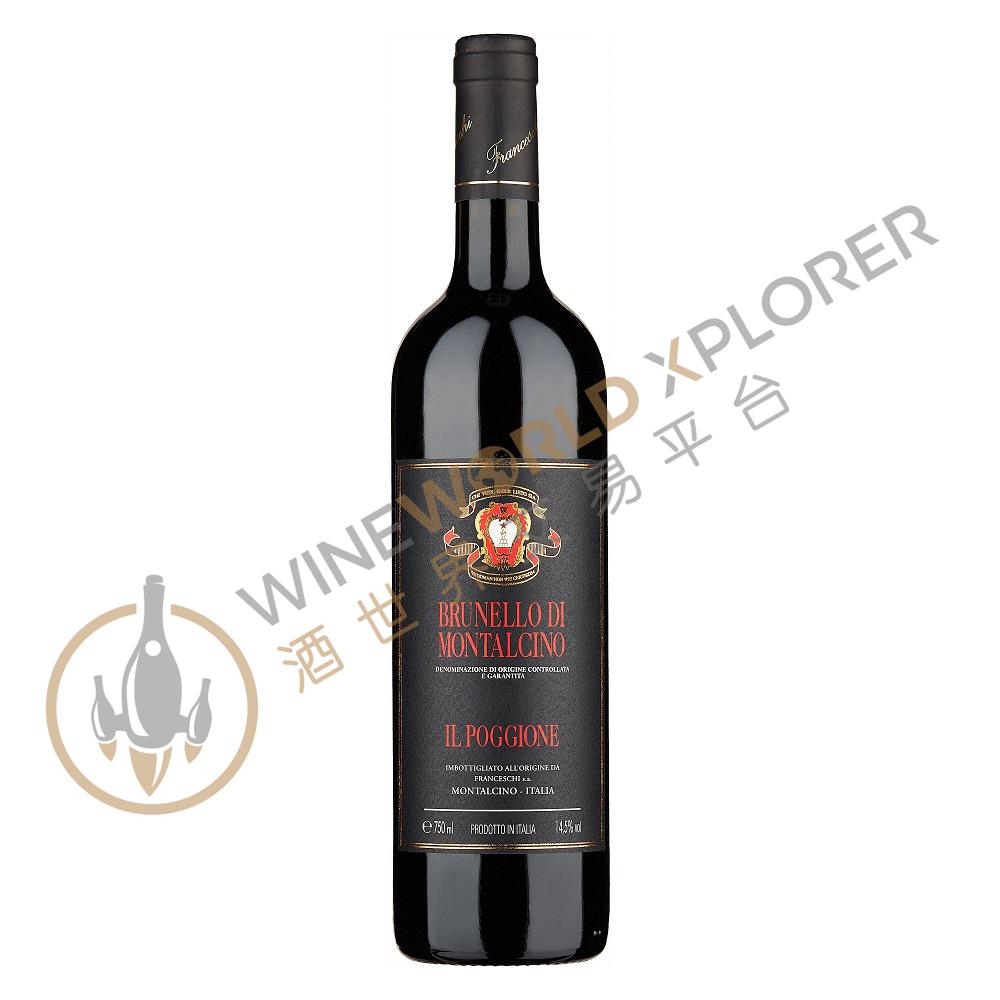
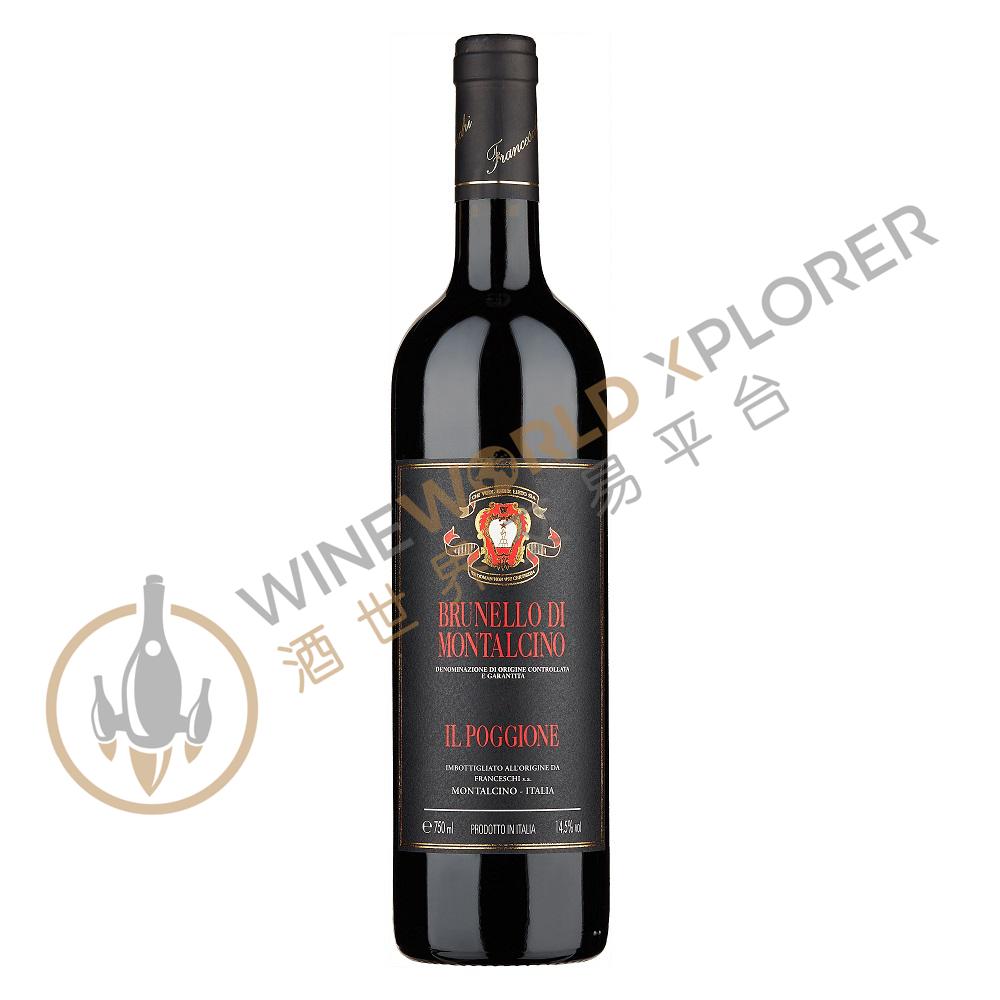
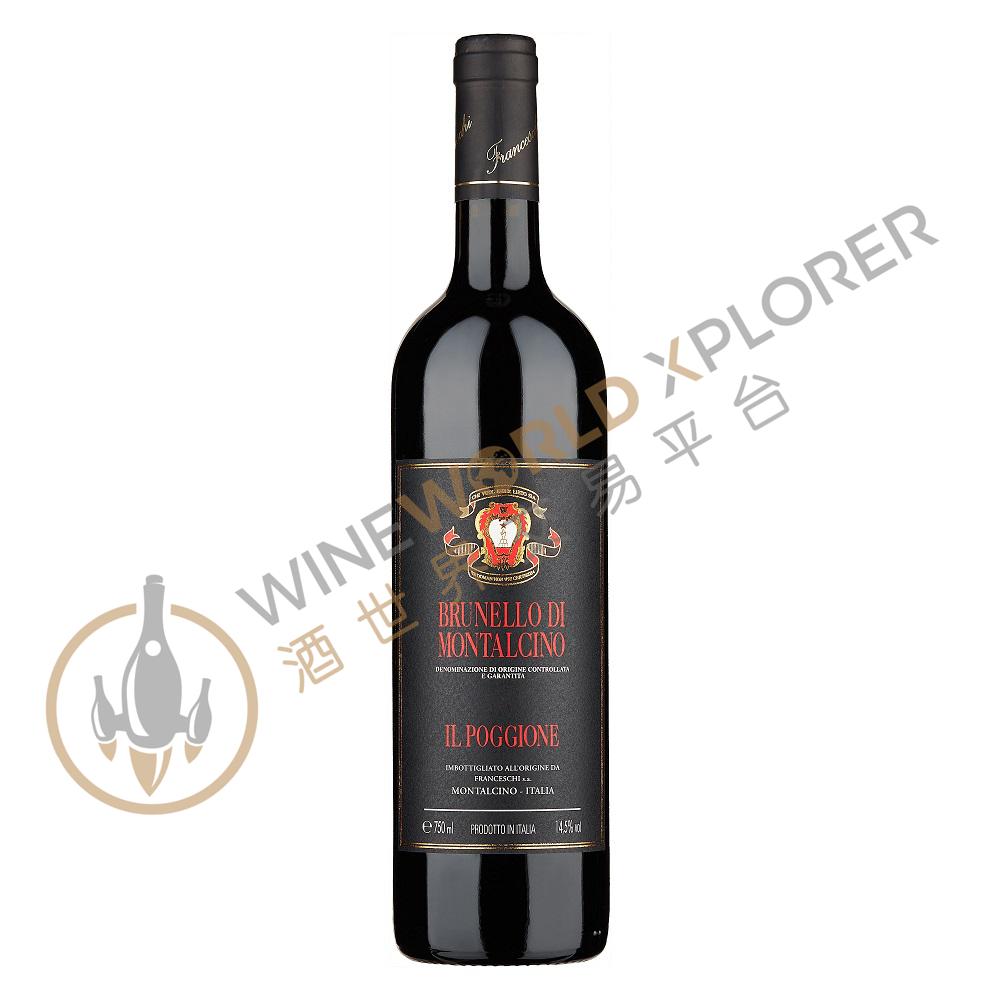
Il Poggione, Brunello di Montalcino 2011


Description
Tasting notes

Reviewed by: Monica Larner
The 2011 Brunello di Montalcino represents a smaller harvest. Some 130,000 bottles were produced, which is 80,000 bottles less than average. In fact, Il Poggione made more Rosso di Montalcino and IGT compared to their flagship Brunello. No Riserva was produced in 2011. One of the reasons for the reduced production was the very warm growing season that mandated severe fruit selection. In my opinion, Il Poggione has done a fine job with the fruit they dedicated to this wine. This is a wine of ripe fruitiness and dark richness. There is a hint of reduction that puts the proverbial breaks on the wine's intensity. Il Poggione is happiest with the 2012 and 2015 vintages and less so with 2013.
Reviewed by: Monica Larner
Il Poggione has done a terrific job with its 2011 Brunello di Montalcino. The wine is soft, yielding and charged with a velvety and smooth texture. It is deeply redolent of dark berry, black cherry, spice, leather and tobacco. The wine's sunny personality never feels flat or too dense. In fact, the wine offers a very tight and steely backbone that gives the wine stature and strength. This is one of my favorite Brunellos from the 2011 vintage.
Reviewed by: Antonio Galloni
A dark, powerful wine, the 2011 Brunello di Montalcino offers notable depth and intensity. Il Poggione's 2011 is one of the richest, most powerful wines of the year. Black cherry, plum, lavender, cloves and new leather are some of the first nuances that open up. With time in the glass, the 2011 becomes more lifted, as brighter red cherry and raspberry-infused flavors gradually release. This is a rare 2011 that demands at least a good few years in the cellar. In 2011, Il Poggione did not bottle a Riserva. All the juice went into the straight Brunello.
Reviewed by: James Suckling
A red with plum, meat, cedar and sandalwood character on the nose and palate. Full-bodied, tight and structured. Racy finish. Refined at the end for a 2011.
About the Producer
Tenuta il poggione covers an area of 530 hectares (1300 acres), of which 140 hectares (336 acres) are planted with vines and 50 hectares (120 acres) with olive trees; the rest are dedicated to grain fields, forest and livestock. The estate’s guiding principle is to pay great care to the vines, because the secret of producing great red wines lies in the high-quality vineyard work. In the light of a sustainable agriculture, the winery has always planted different crops along the vineyards and limited the use of chemicals. Most recently, it has installed solar panels on the roof of its cellar, with the purpose to reduce the carbon footprint of its wines. The vineyard work is mainly manual, for the harvest and for the other jobs. Thanks to the practice of the green harvest, the monitoring of the vineyards’ health conditions and the soil’s nutritional needs, it is possible to obtain an excellent wine even in more difficult vintages.