Wine Advisor



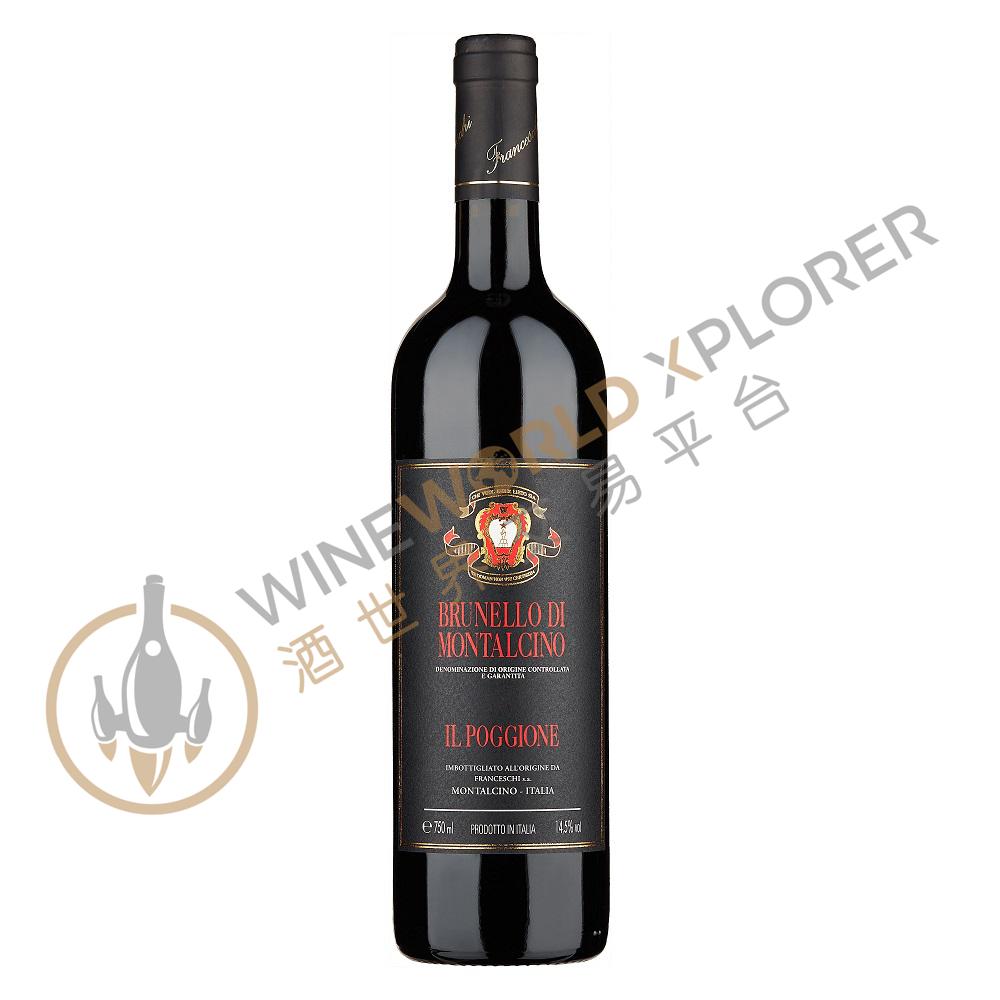
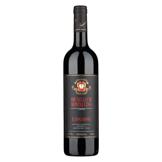
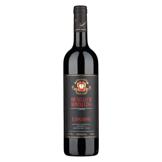
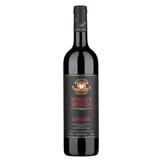
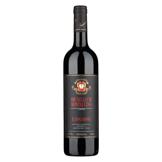
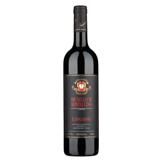
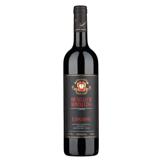
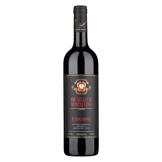
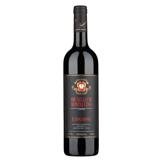
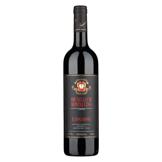
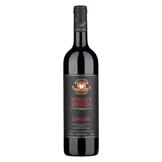
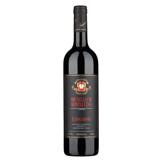
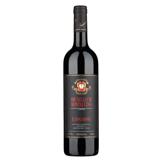
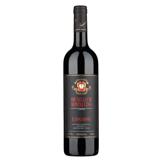
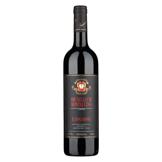
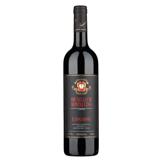
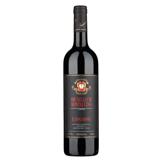
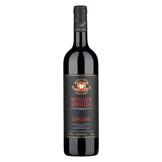
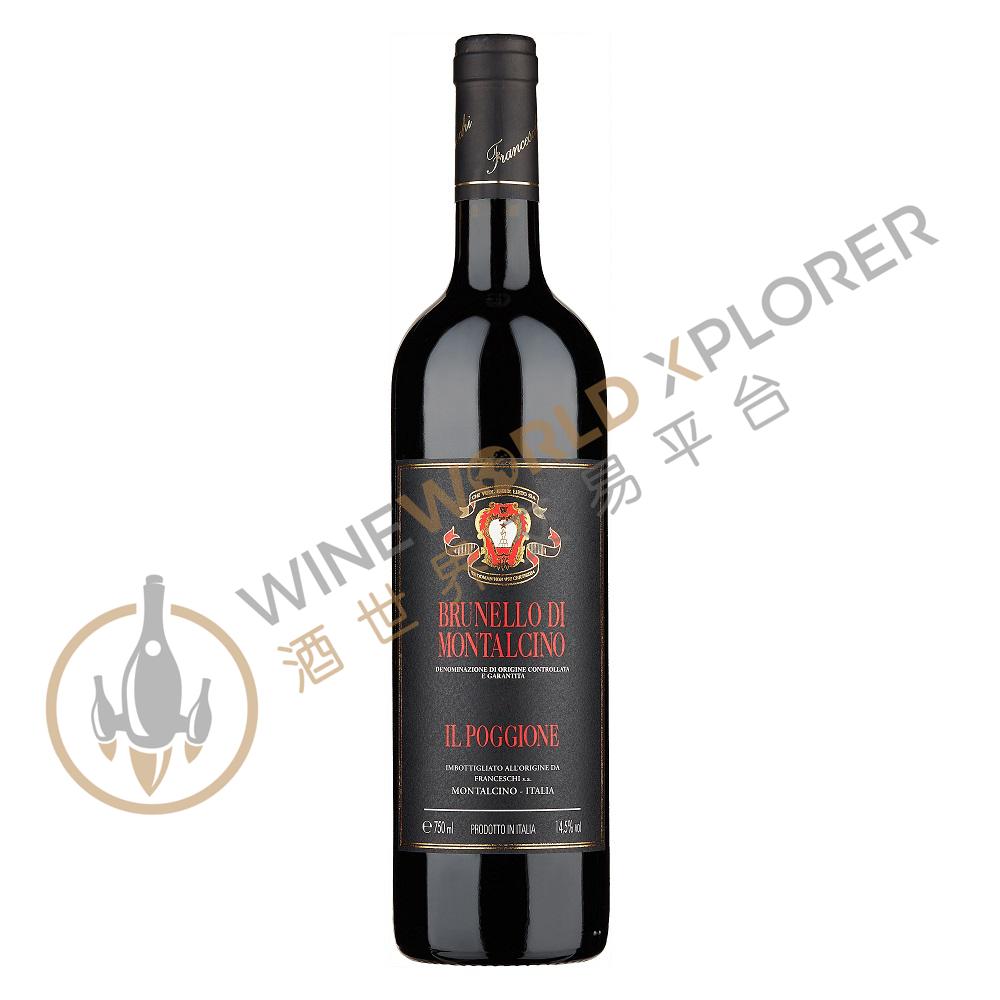
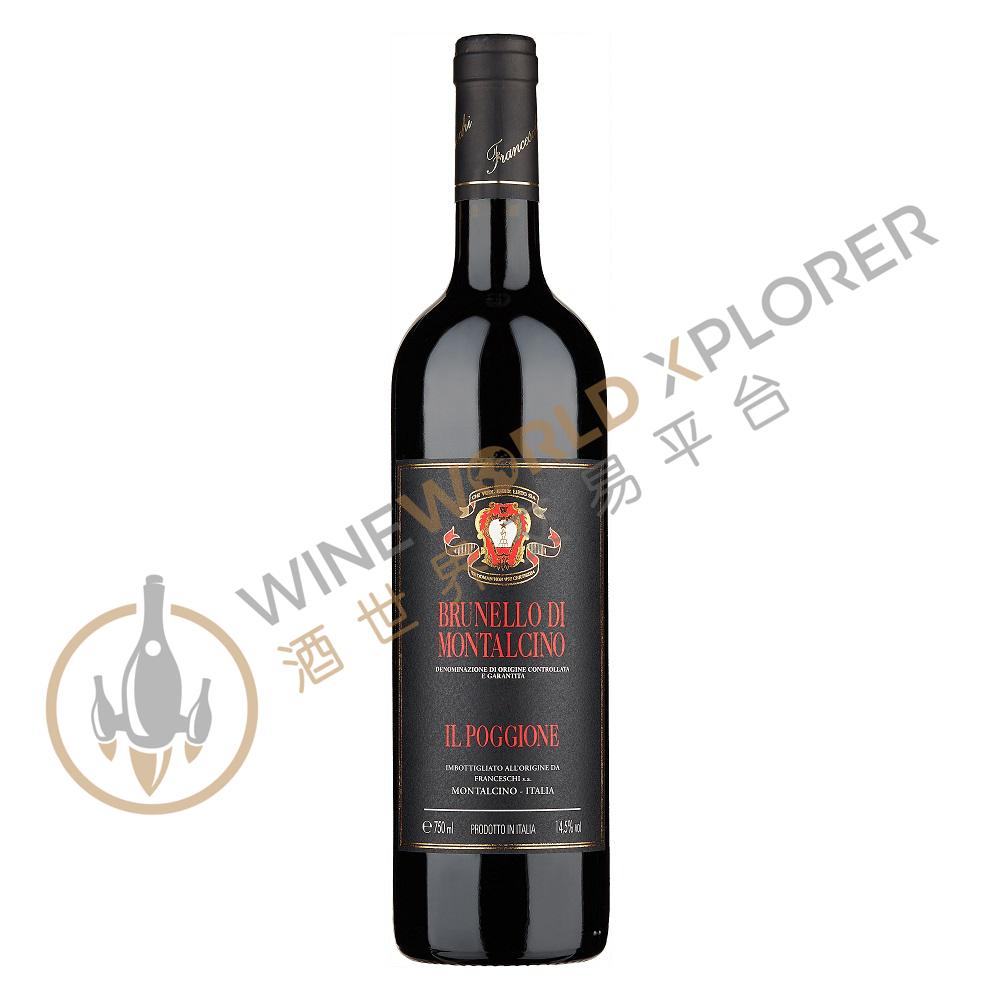
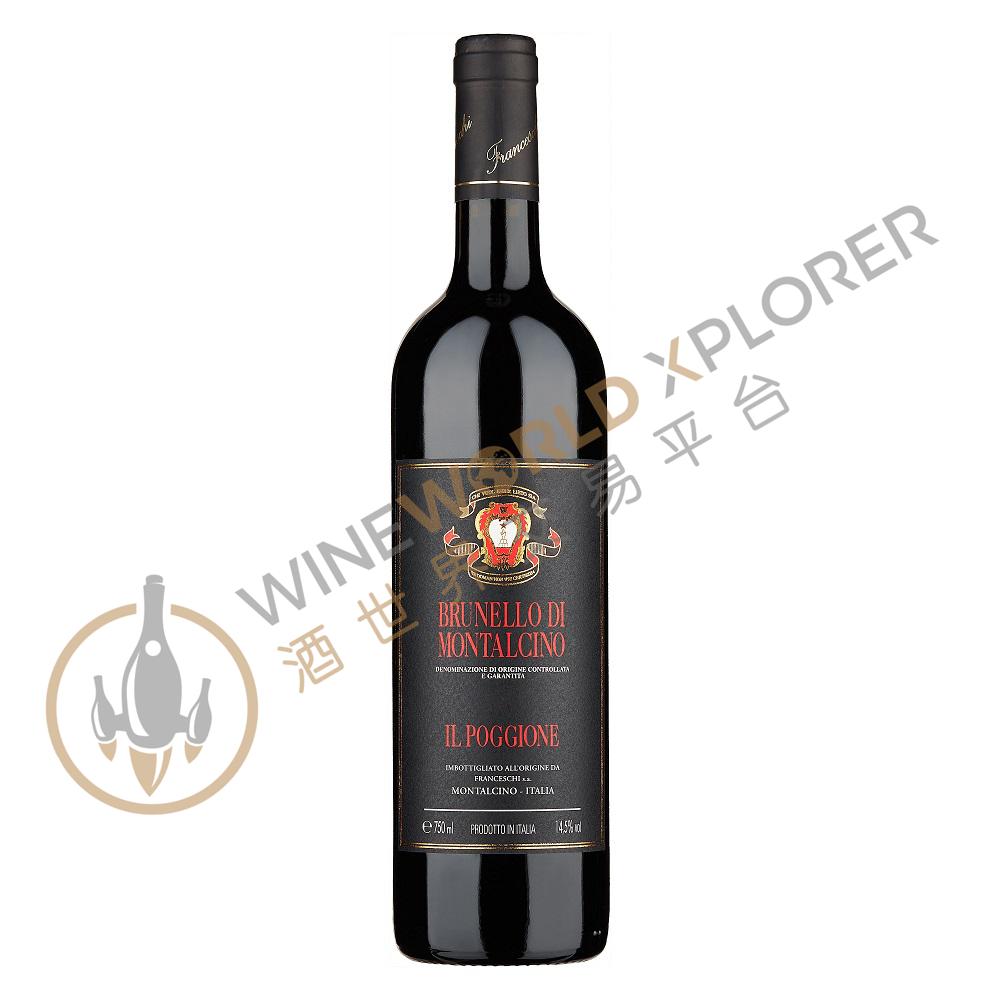
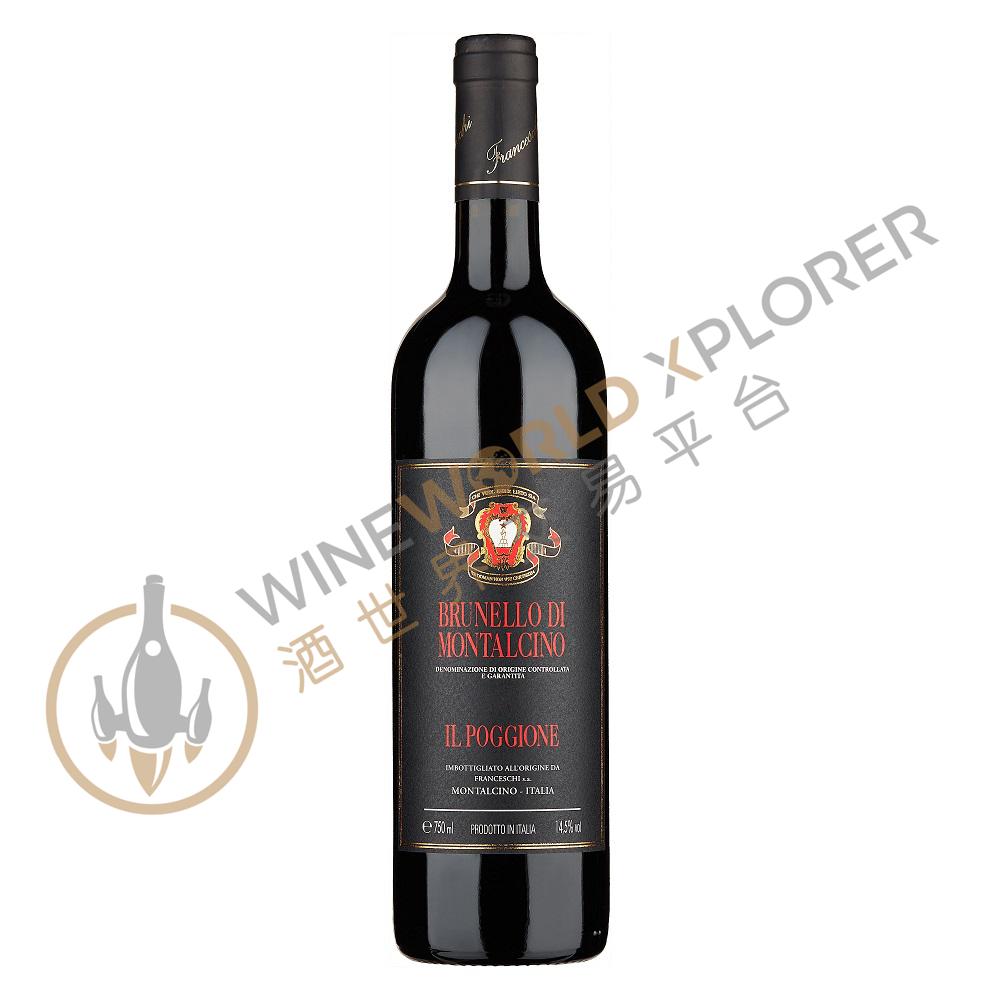
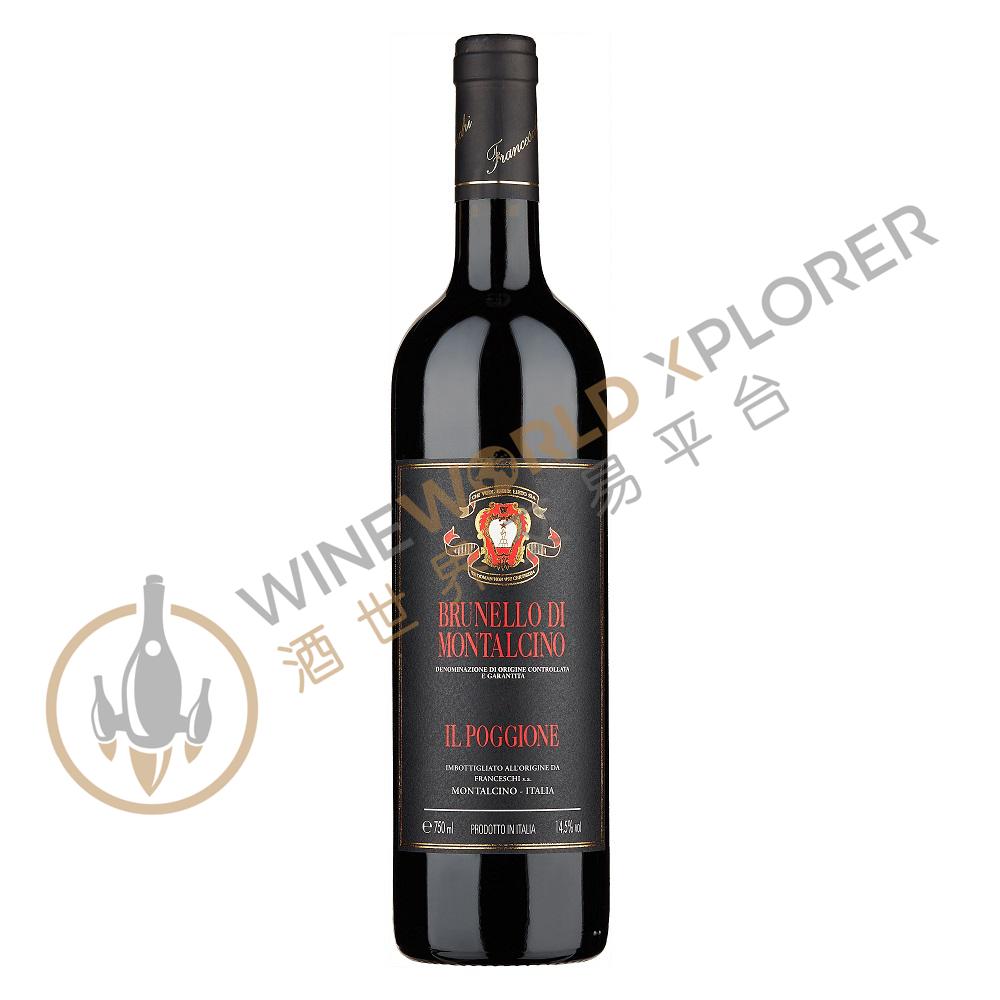
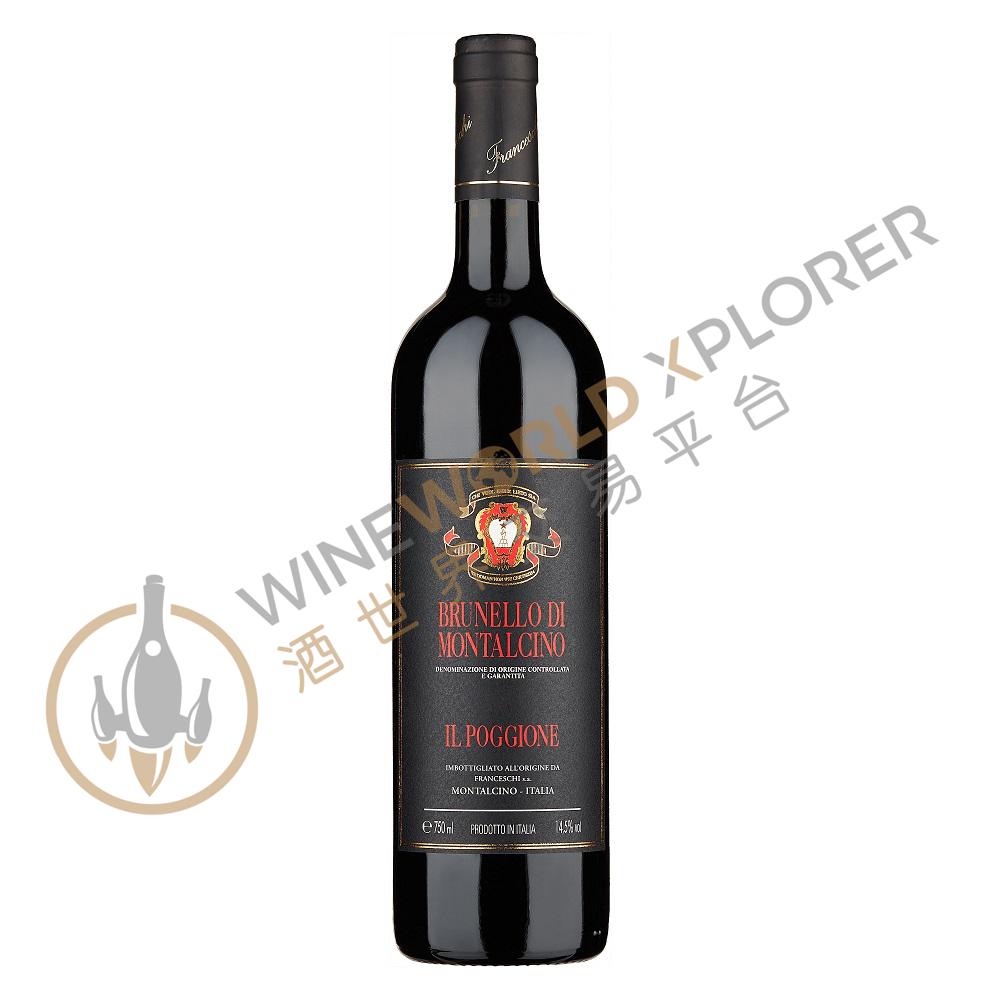
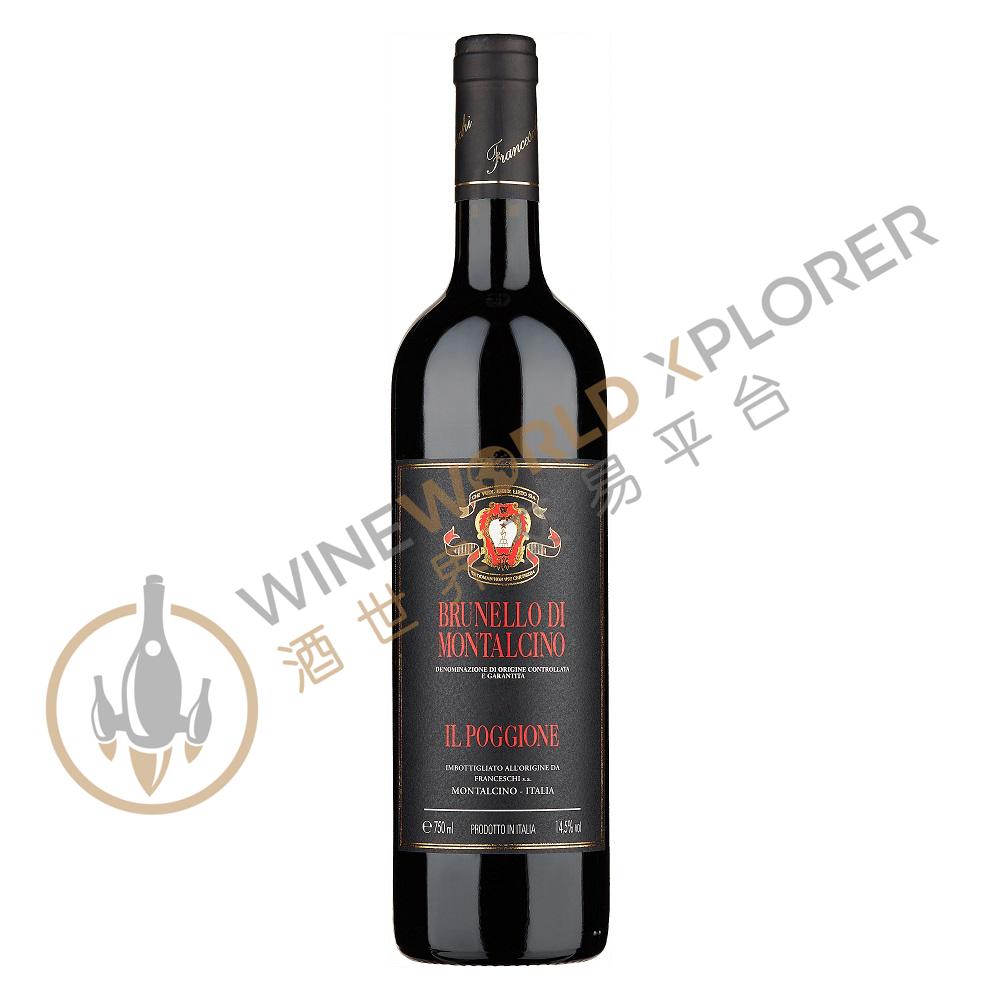
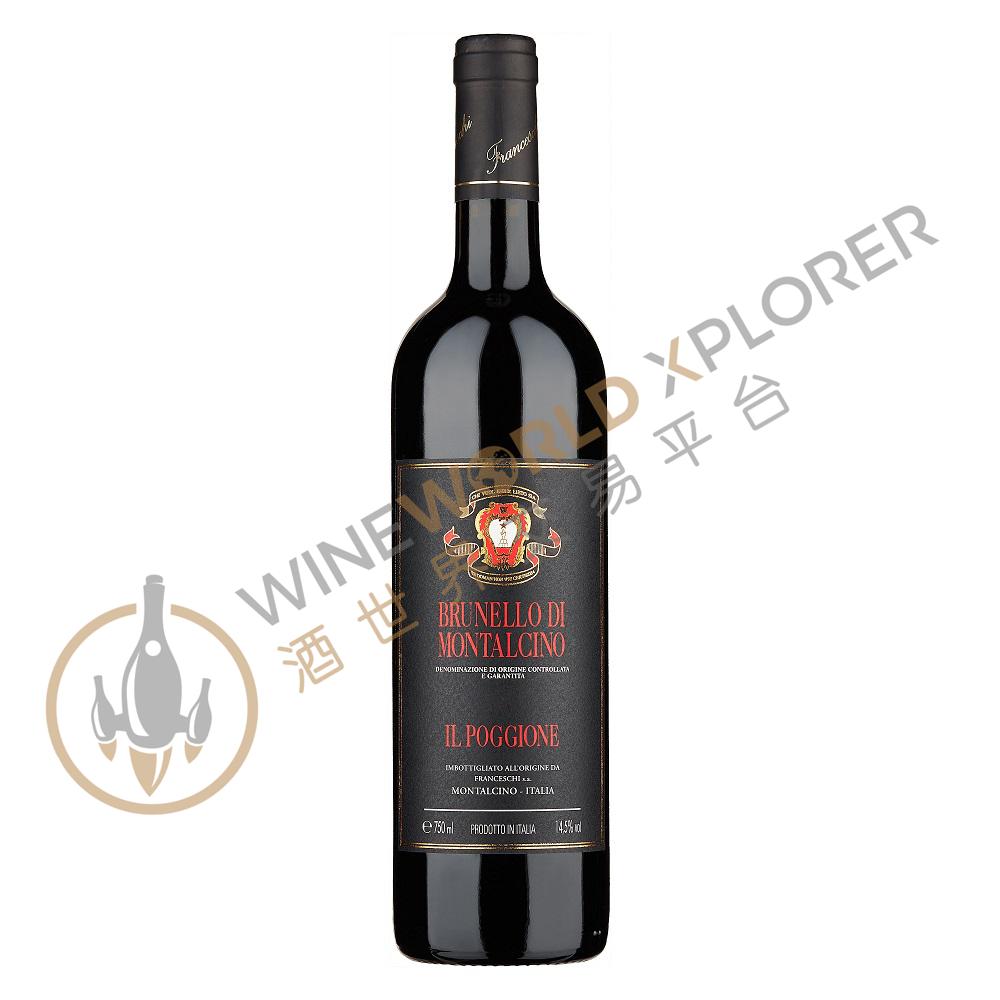
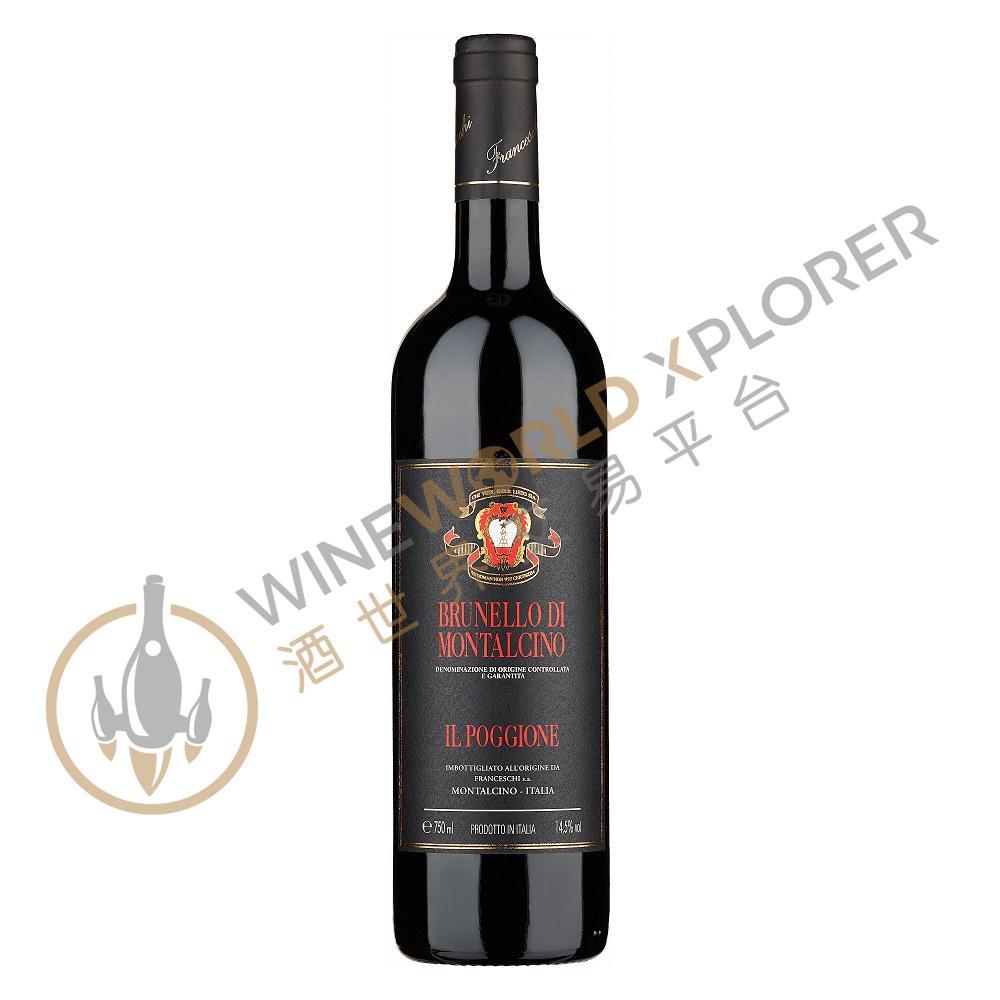
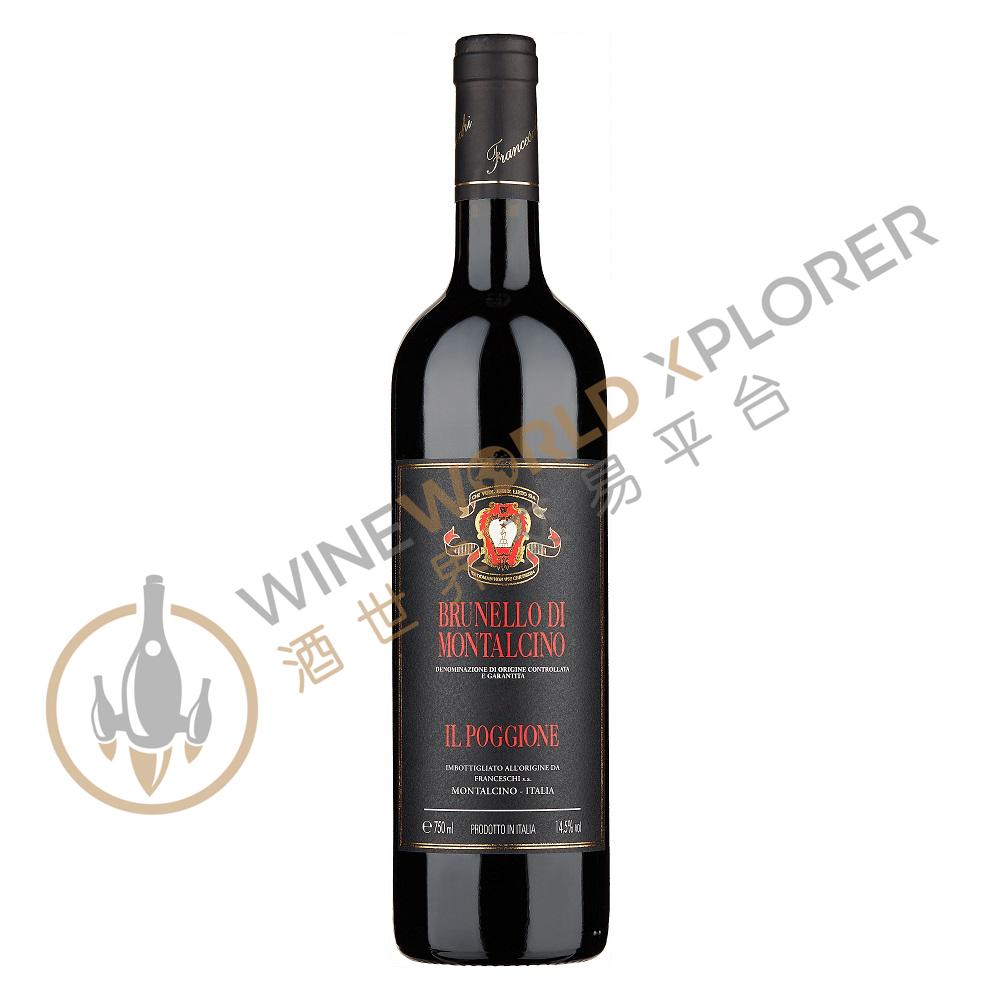
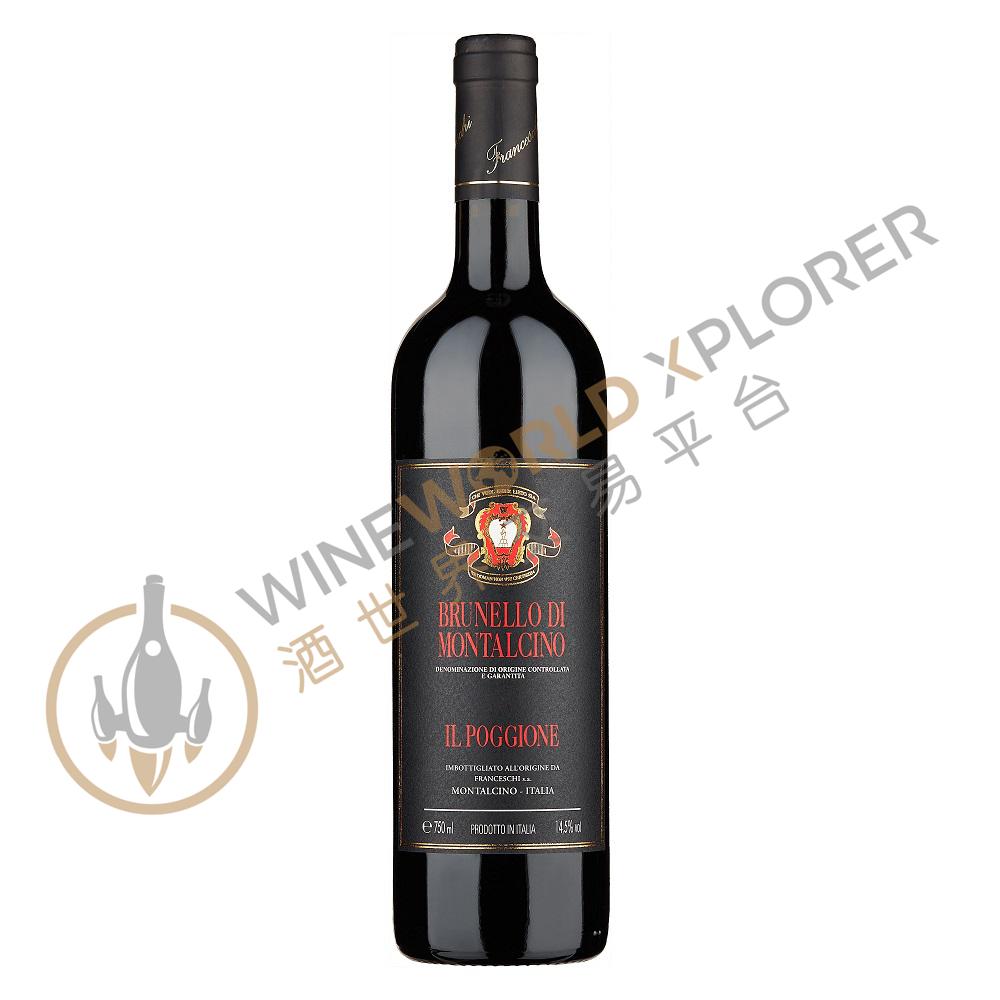
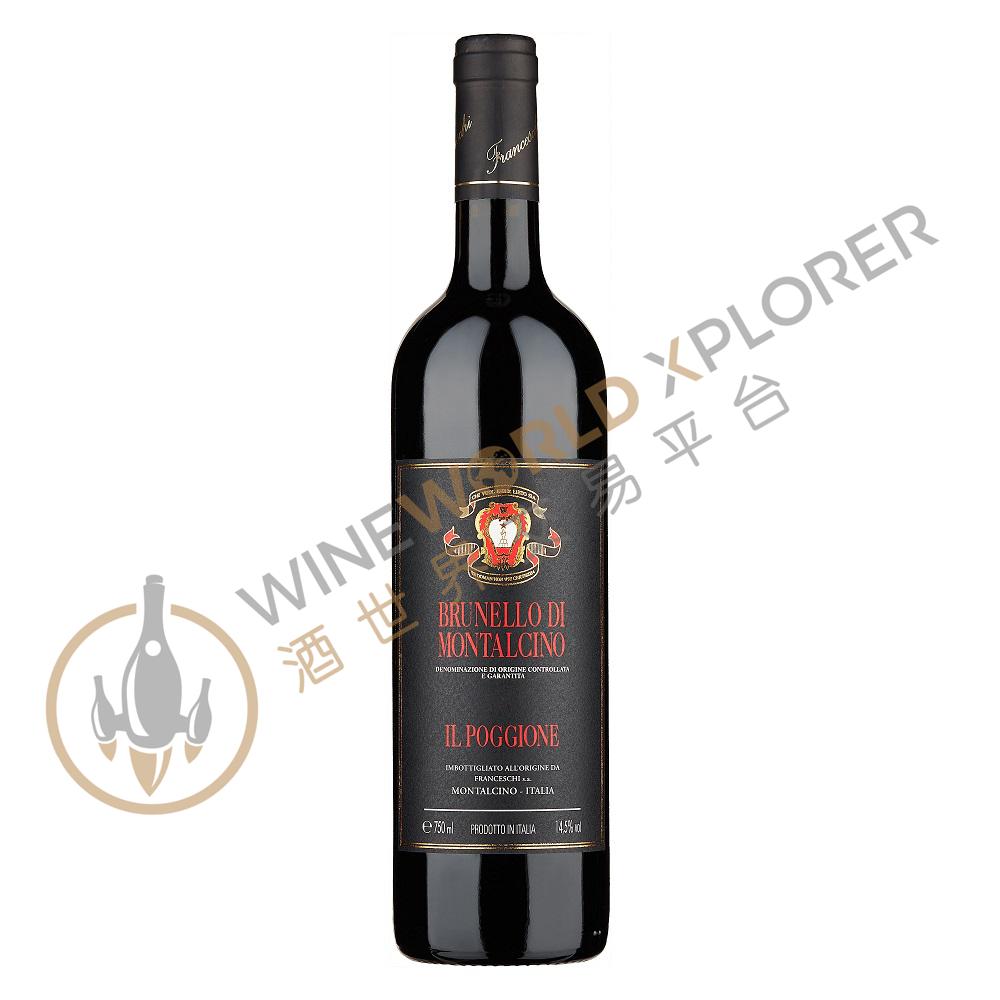
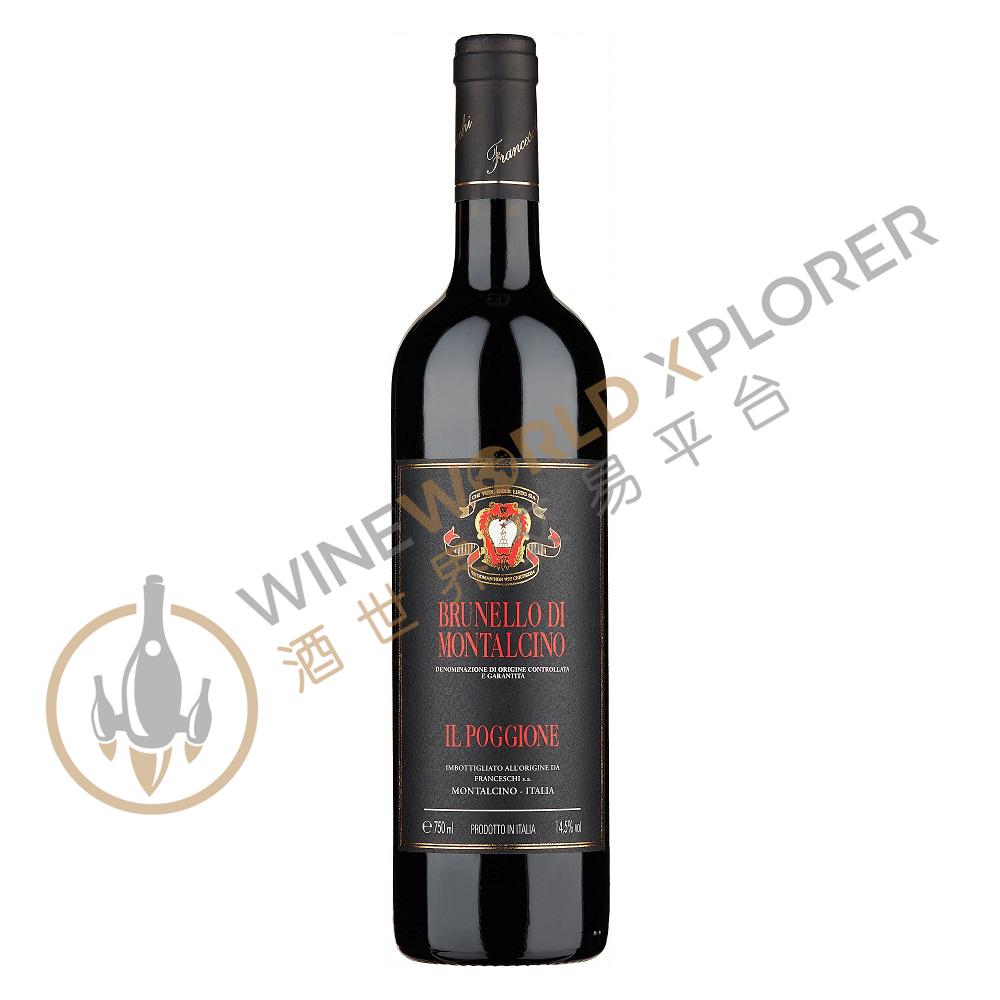
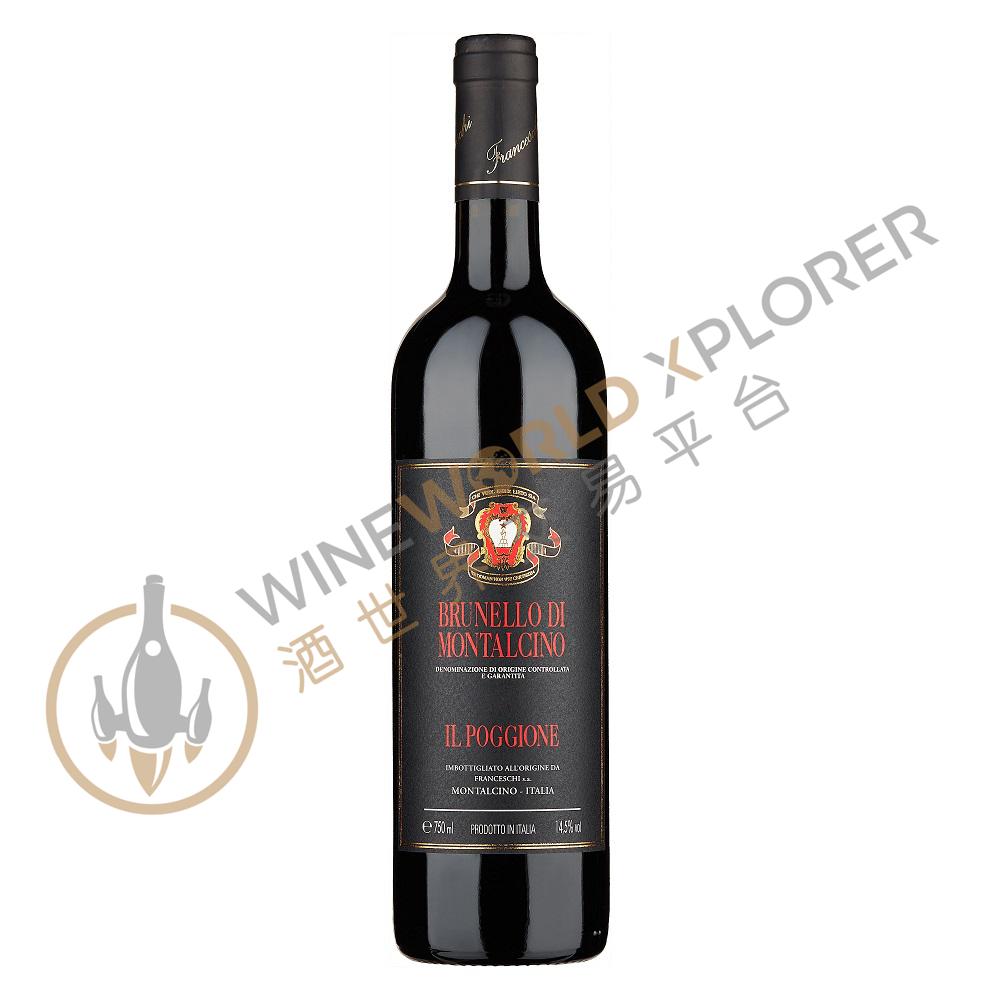
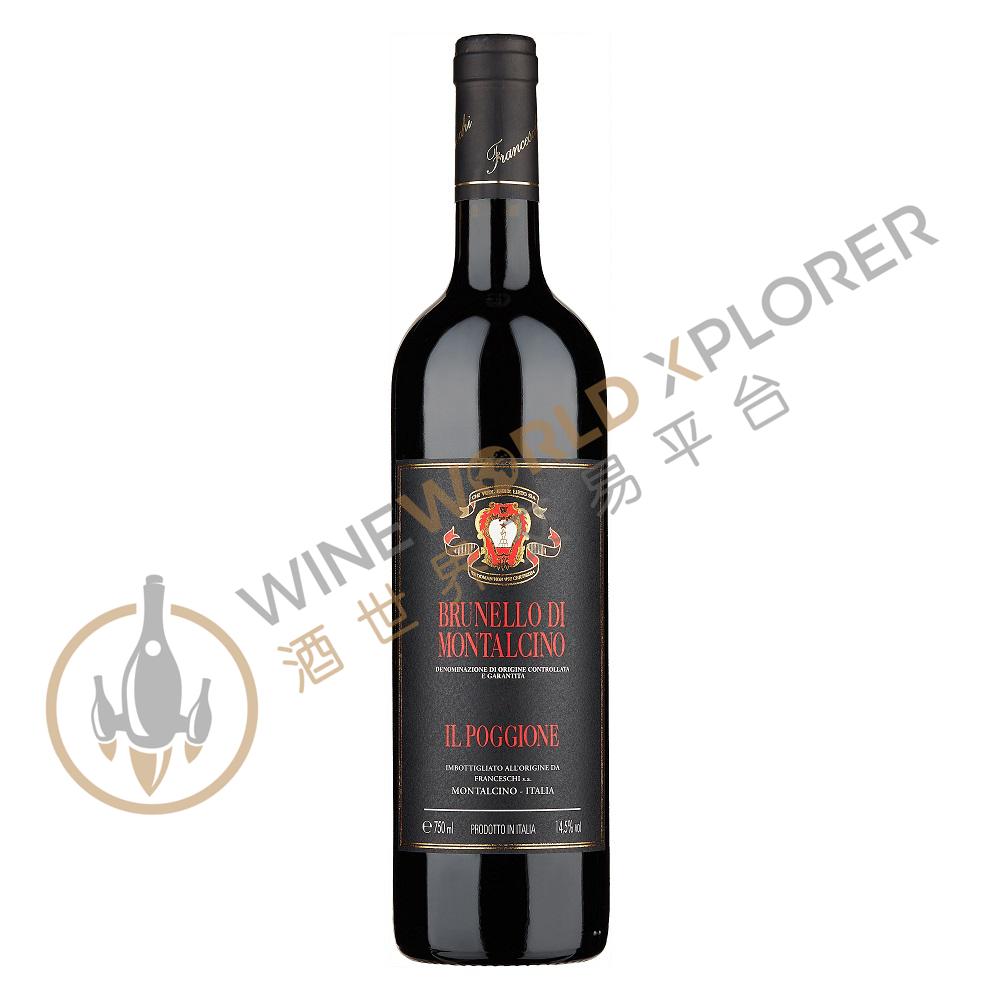
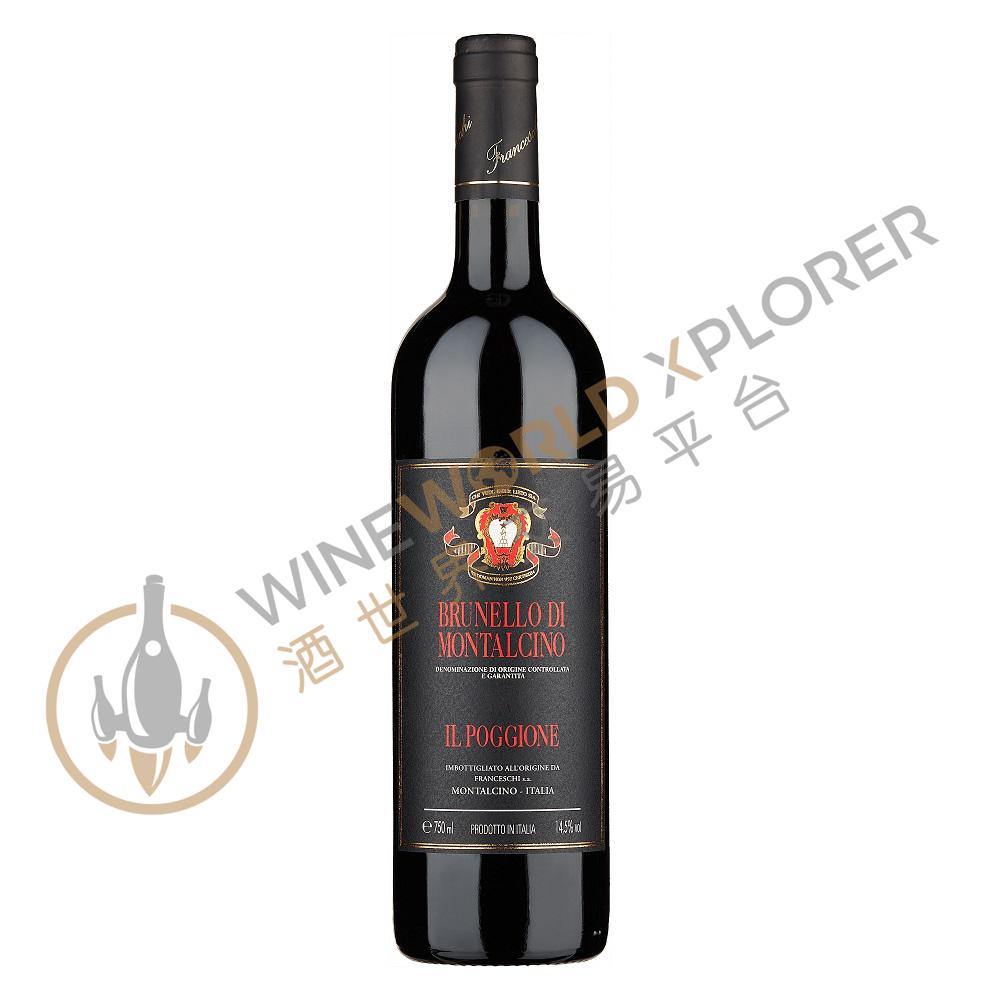
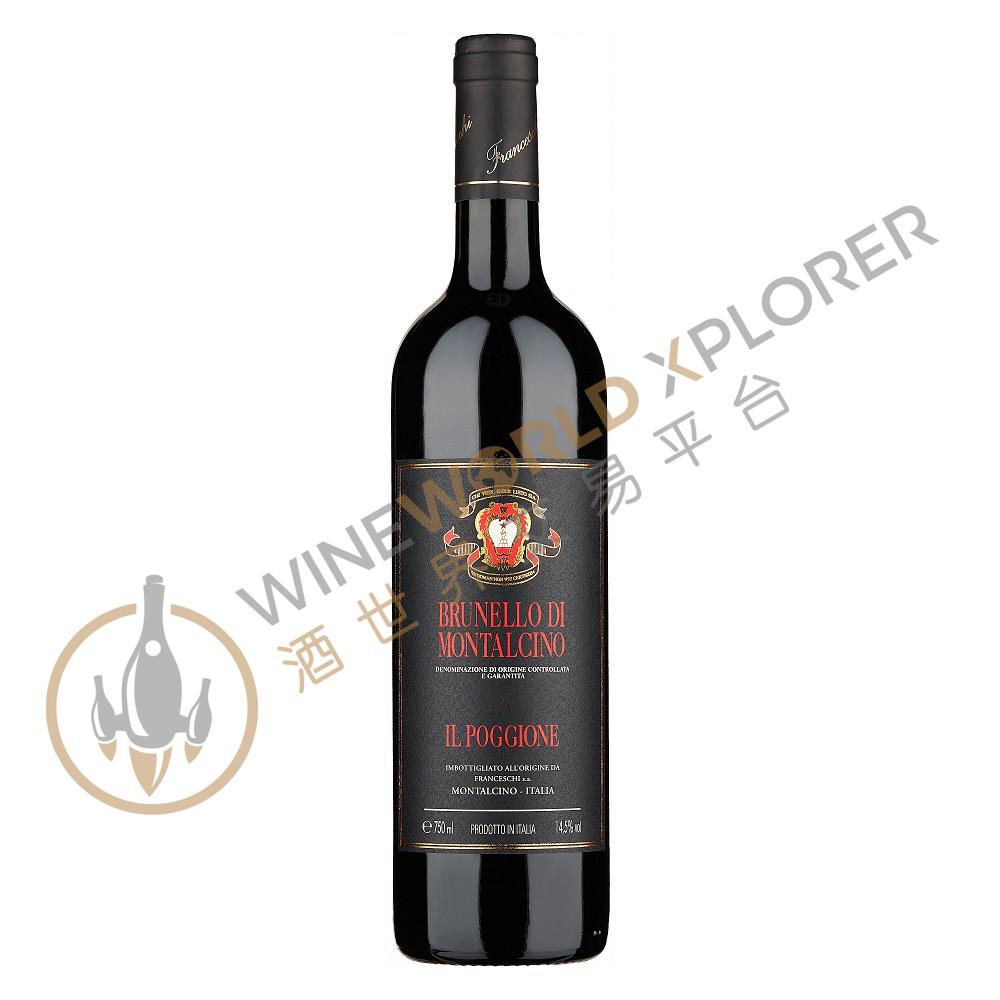
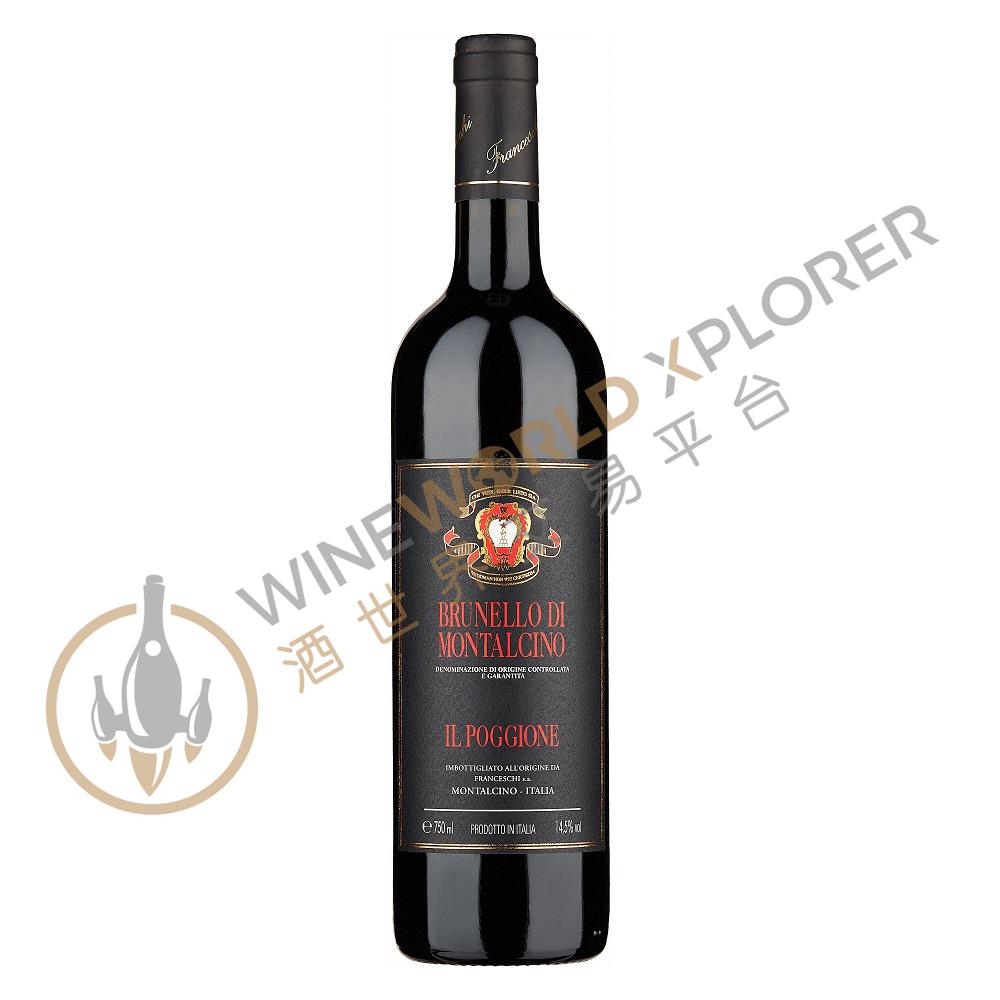
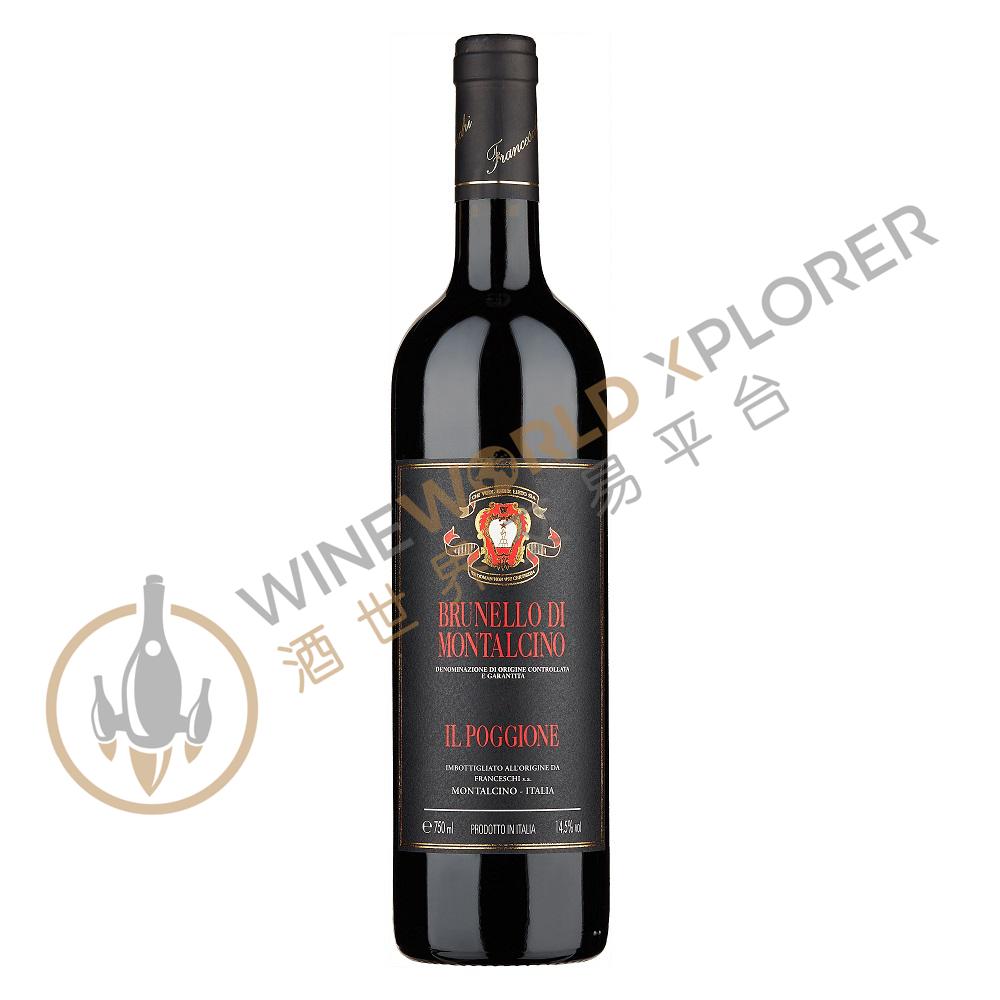
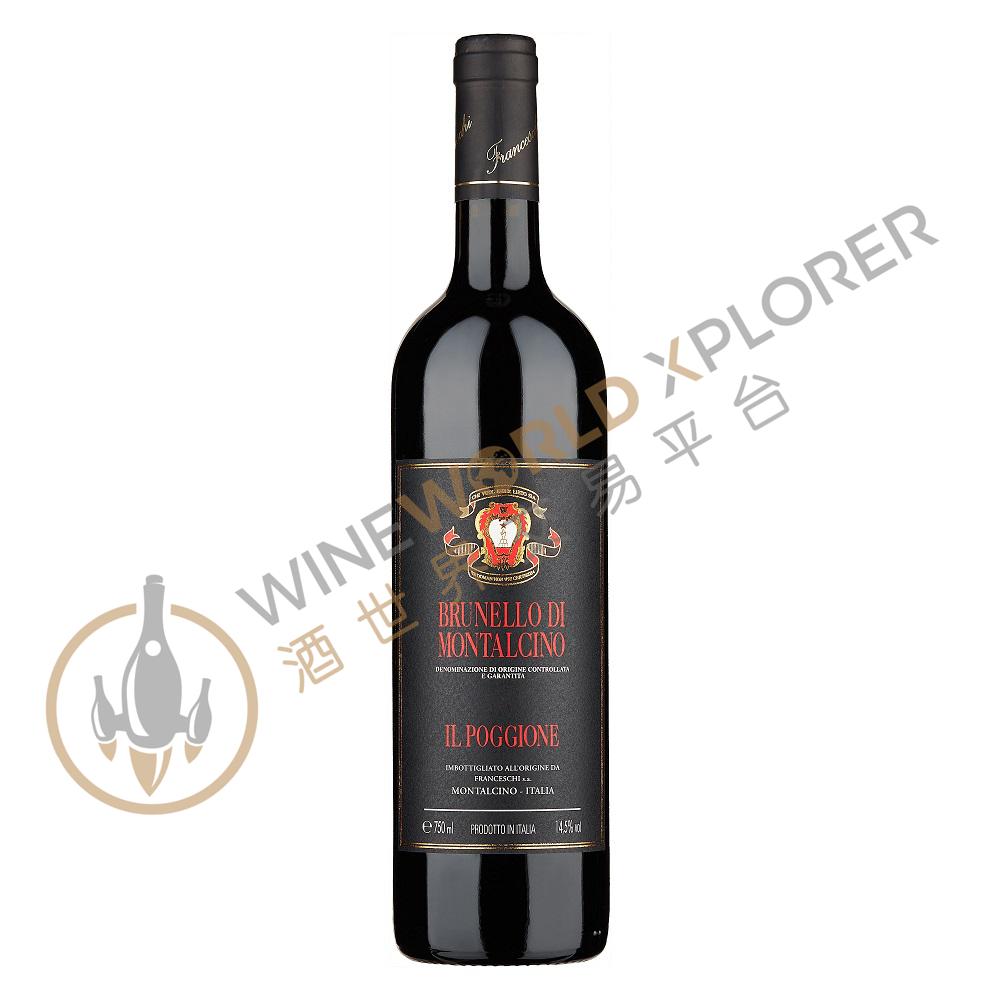
Il Poggione, Brunello di Montalcino 2004
 View analysis


Description
Tasting notes

Reviewed by: Antonio Galloni
The 2004 Brunello di Montalcino is awesome. This finessed, regal Brunello flows onto the palate with seamless layers of perfumed fruit framed by silky, finessed tannins. The wine remains extremely primary at this stage, and its full range of aromas and flavors have yet to emerge, but the sheer pedigree of this Brunello is unmistakable. The elegant, refined finish lasts an eternity, and subtle notes of menthol, spices, licorice and leather add final notes of complexity. The estate’s 2004 Brunello is a wine to buy and bury in the deepest corner of the cellar. Brunello is never inexpensive, but this is the real deal, and in relative terms, it is one of the world’s great values in fine, cellar worthy wine. Incredibly, there are 18,000+ cases of the 2004 Brunello, so it should be fairly easy to source in various markets. The Brunello is made from four vineyards ranging from 250 to 400 meters in altitude, all in Sant’Angelo in Colle. The wines from the various vineyards were aged separately in French oak casks prior to being assembled and bottled. Anticipated maturity: 2014-2034. I was completely blown away by the wines I tasted from Il Poggione this year. Readers who want to experience first-class Sangiovese from Montalcino won’t want to miss these exceptional wines. Winemaker Fabrizio Bindocci and his team have done an exceptional job for which they deserve all the praise in the world. Importer: Terlato Wines International, Lake Bluff, IL; tel. (847) 604 8900
Reviewed by: Monica Larner
This remains one of my favorite vintages in Montalcino, and it was indeed an important breakout year for the appellation in general. By the time this wine was released, one-fourth of all Brunello di Montalcino was being sold in the United States alone. The 2004 Brunello di Montalcino is a very firm and tightly knit expression. Those dark fruit tones of blackberry preserves and dried cherry are woven directly into a thicker patchwork of spice, leather and cured tobacco. Fruit comes from old vines at the Il Poggione estate. This was the first wine produced in the estate's new winery and a great percentage of new oak was used as a result. Now more than ten years after the harvest, those oak aromas have slowly morphed into perfumed rose and potpourri-like characteristics. This wine is drinking beautifully right now.
Reviewed by: Antonio Galloni
The 2004 Brunello di Montalcino is awesome. This finessed, regal Brunello flows onto the palate with seamless layers of perfumed fruit framed by silky, finessed tannins. The wine remains extremely primary at this stage, and its full range of aromas and flavors have yet to emerge, but the sheer pedigree of this Brunello is unmistakable. The elegant, refined finish lasts an eternity, and subtle notes of menthol, spices, licorice and leather add final notes of complexity. The estate's 2004 Brunello is a wine to buy and bury in the deepest corner of the cellar. Brunello is never inexpensive, but this is the real deal, and in relative terms, it is one of the world's great values in fine, cellar worthy wine. Incredibly, there are 18,000+ cases of the 2004 Brunello, so it should be fairly easy to source in various markets. The Brunello is made from four vineyards ranging from 250 to 400 meters in altitude, all in Sant'Angelo in Colle. The wines from the various vineyards were aged separately in French oak casks prior to being assembled and bottled.
About the Producer
Tenuta il poggione covers an area of 530 hectares (1300 acres), of which 140 hectares (336 acres) are planted with vines and 50 hectares (120 acres) with olive trees; the rest are dedicated to grain fields, forest and livestock. The estate’s guiding principle is to pay great care to the vines, because the secret of producing great red wines lies in the high-quality vineyard work. In the light of a sustainable agriculture, the winery has always planted different crops along the vineyards and limited the use of chemicals. Most recently, it has installed solar panels on the roof of its cellar, with the purpose to reduce the carbon footprint of its wines. The vineyard work is mainly manual, for the harvest and for the other jobs. Thanks to the practice of the green harvest, the monitoring of the vineyards’ health conditions and the soil’s nutritional needs, it is possible to obtain an excellent wine even in more difficult vintages.