Wine Advisor



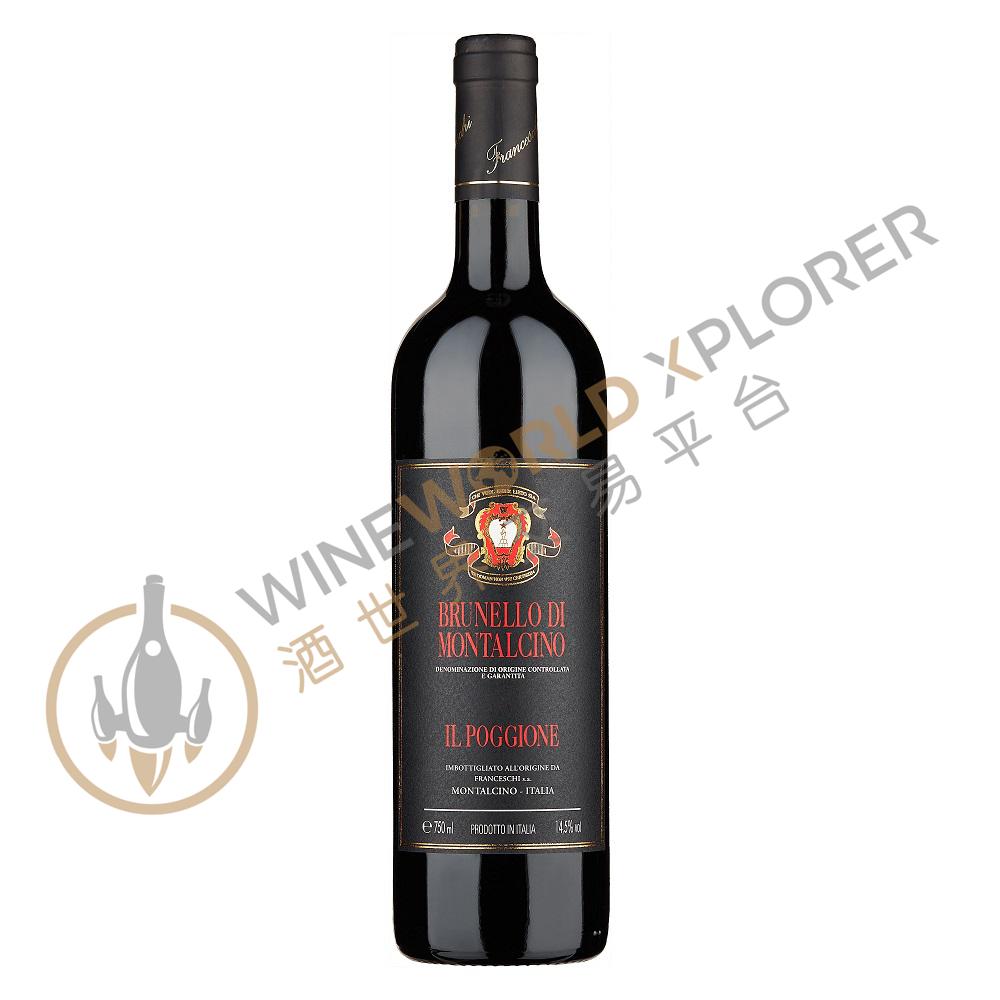
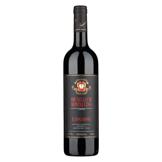
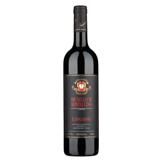
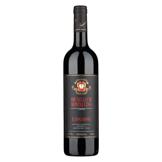
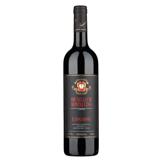
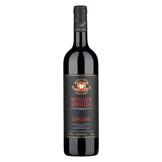
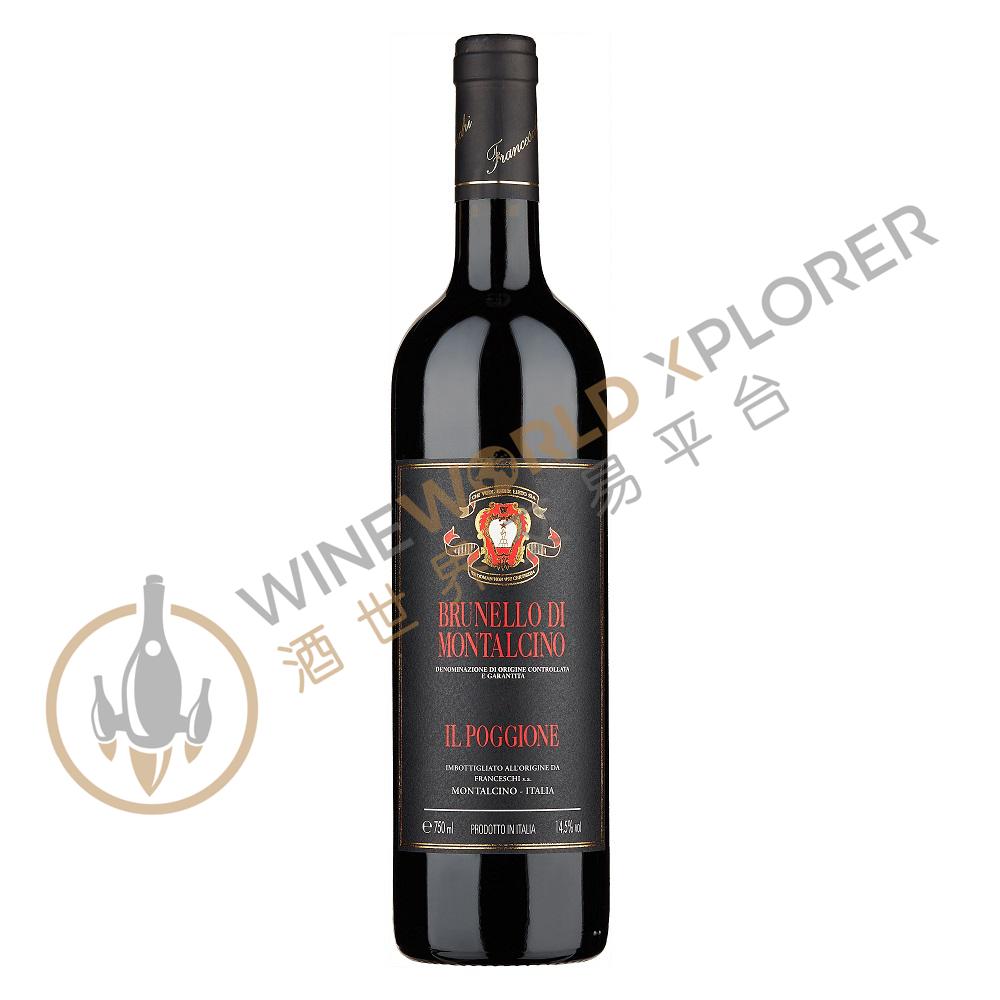
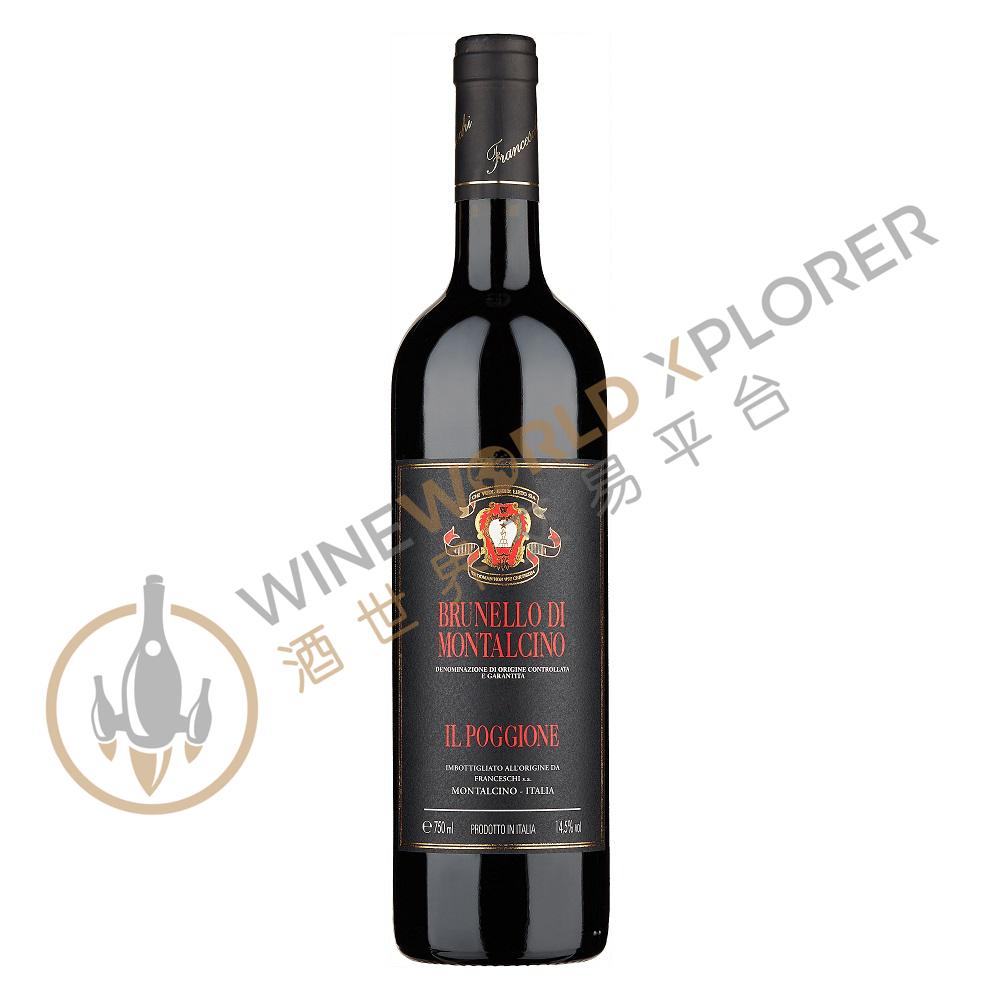
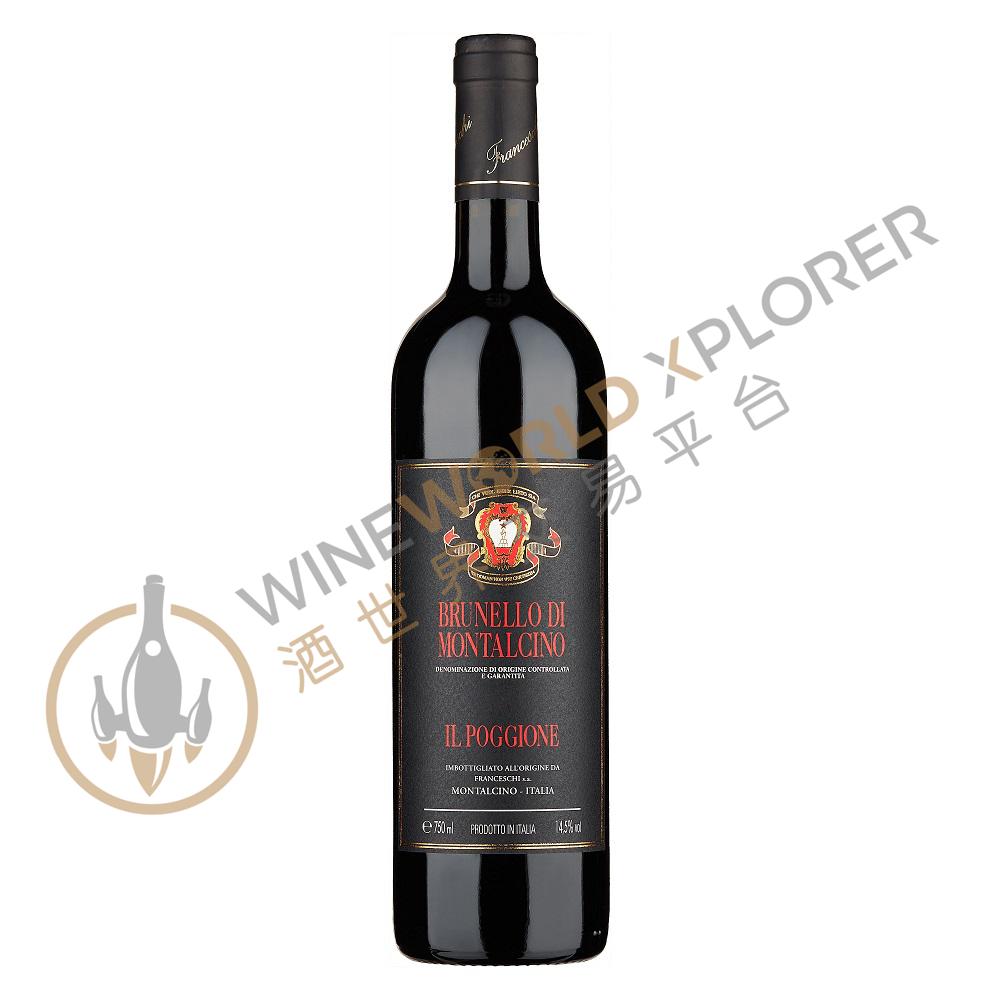
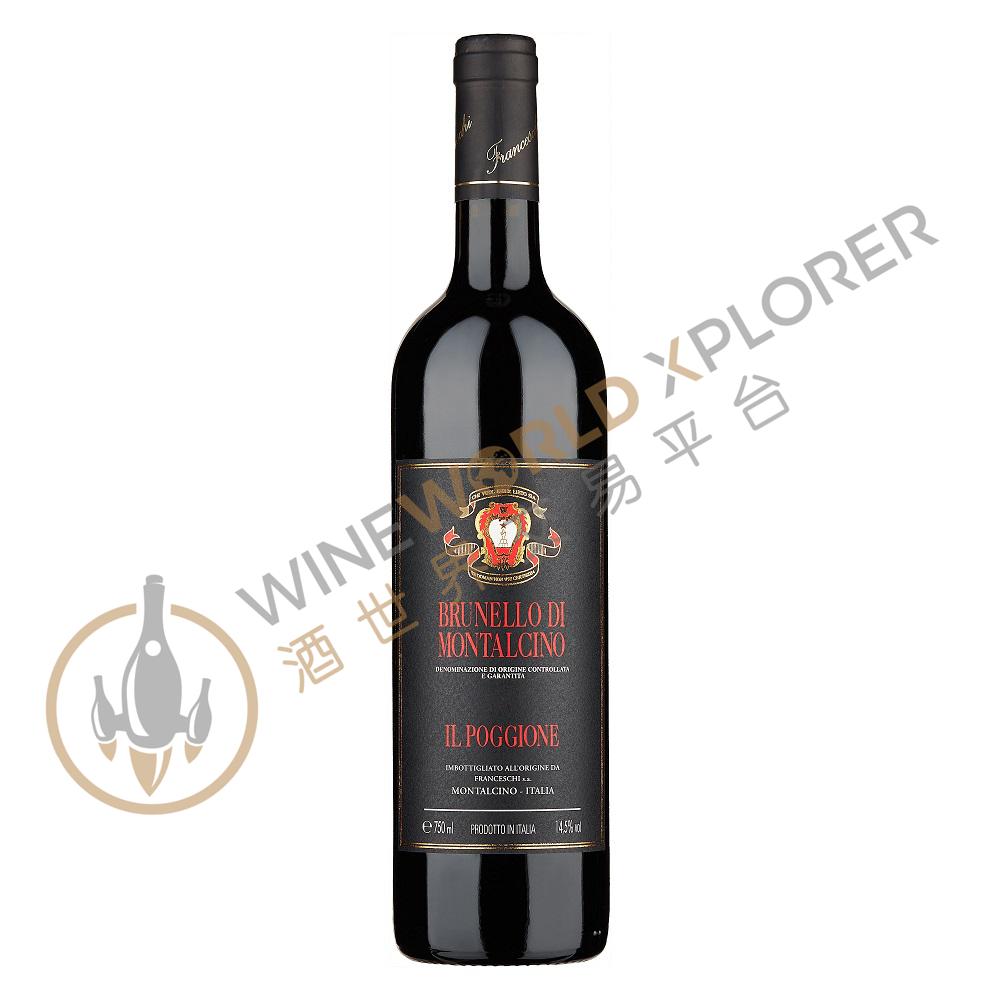
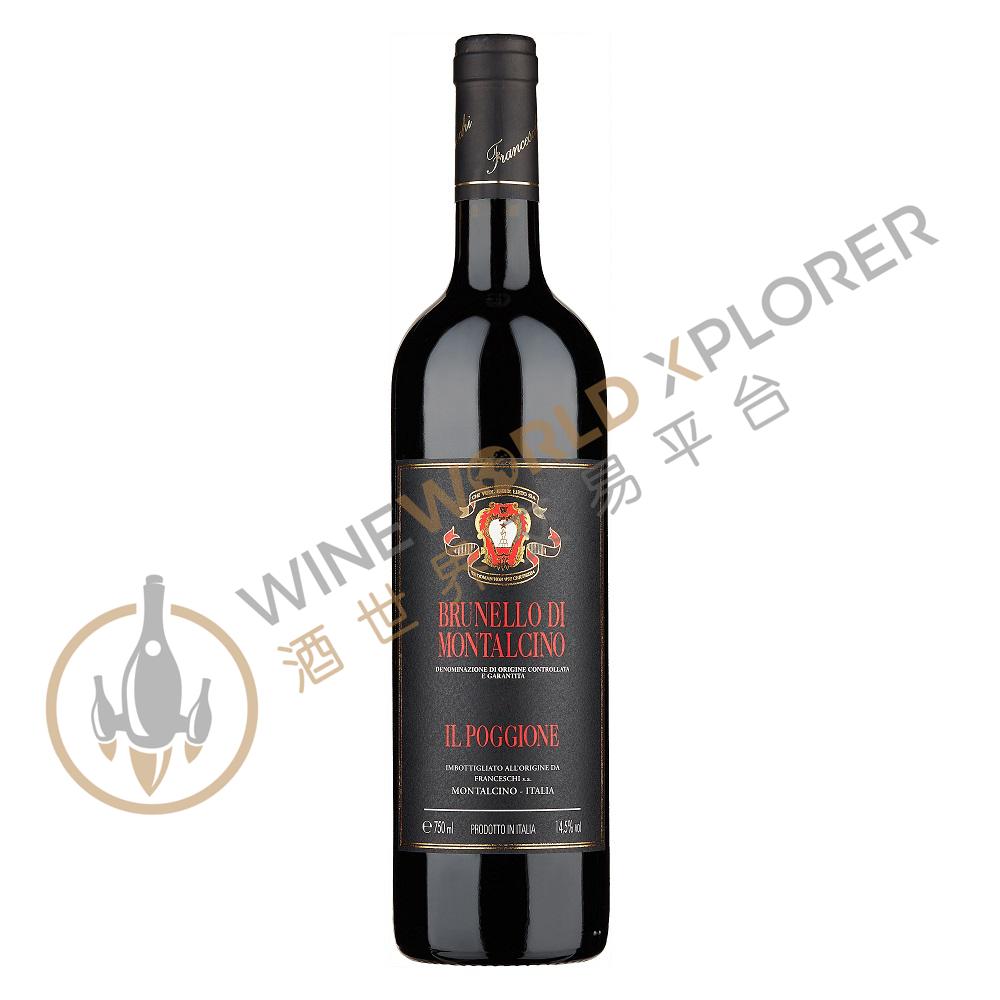
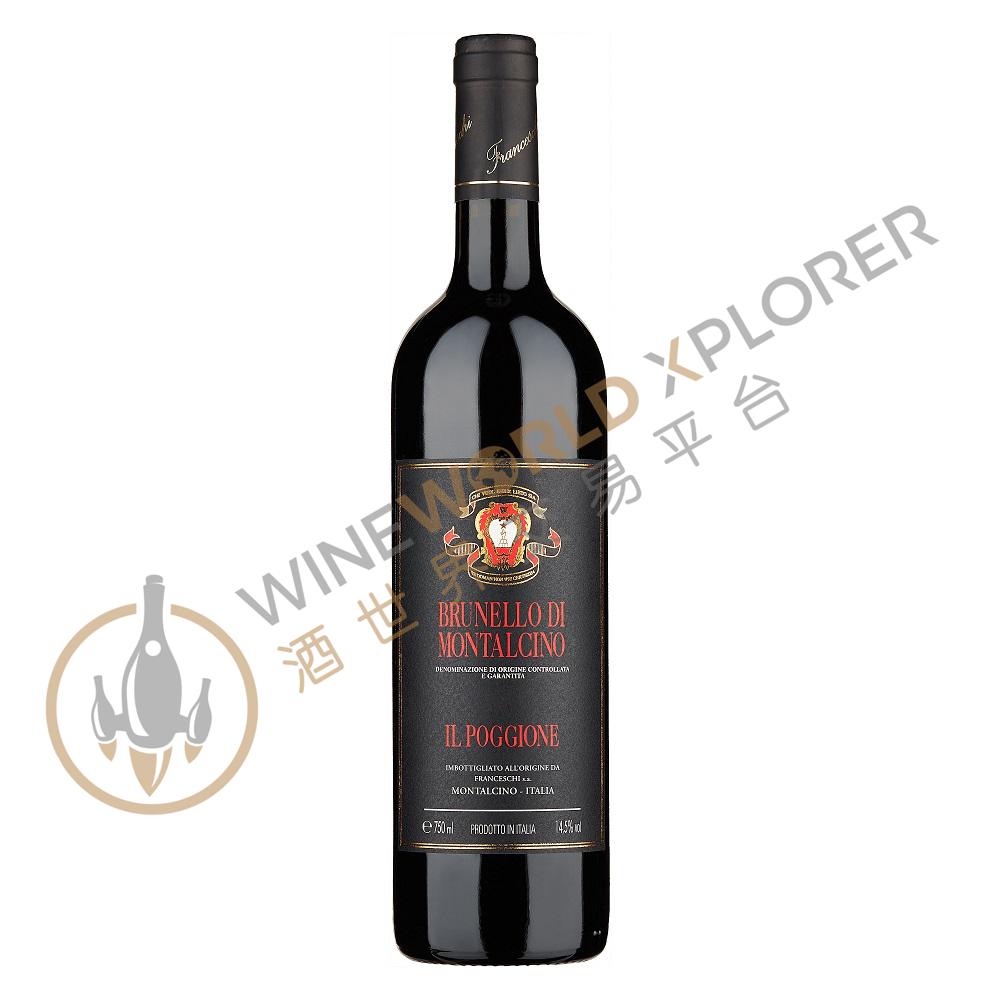
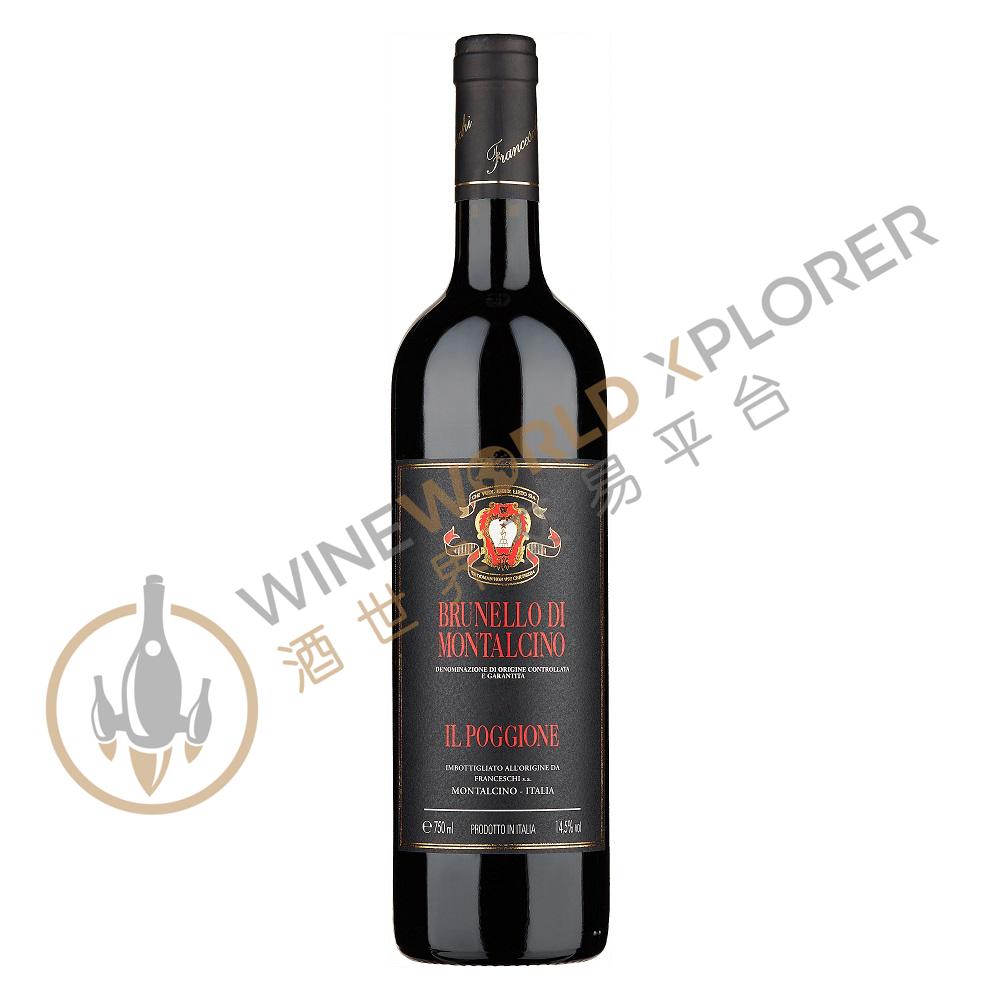
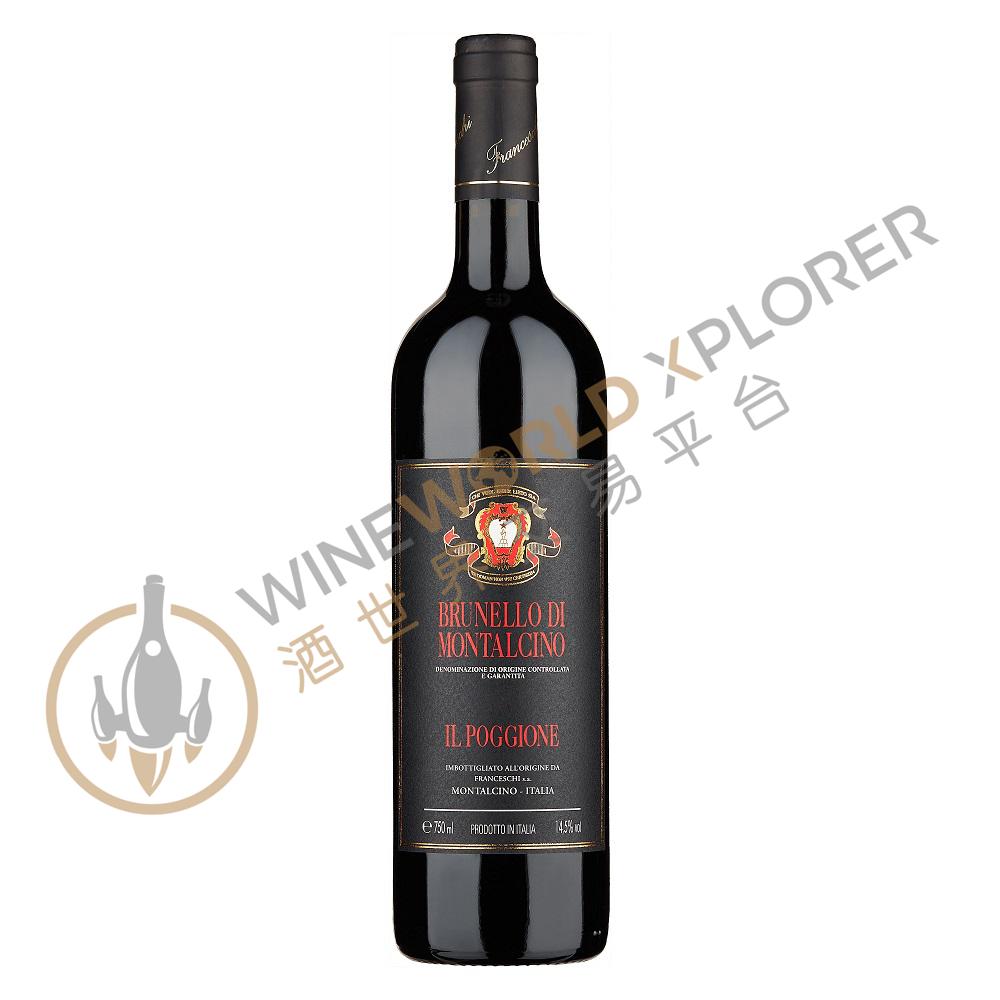
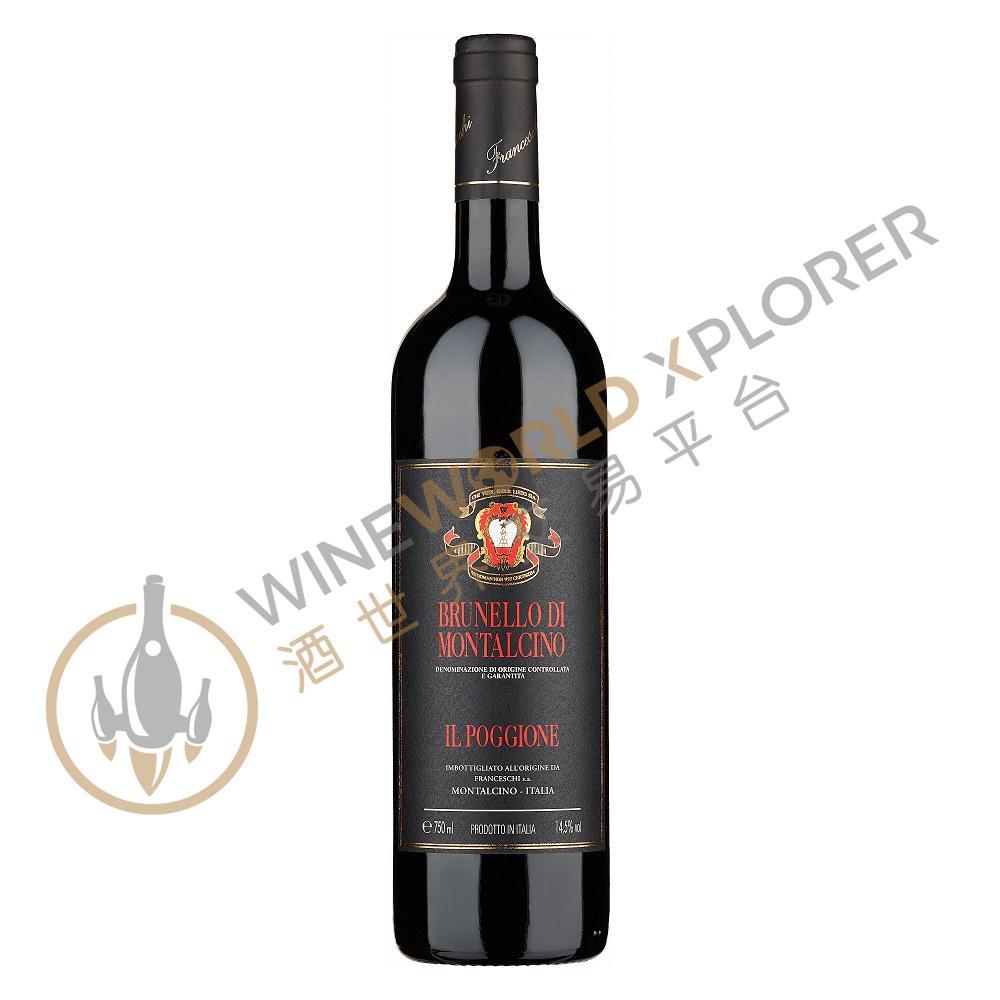
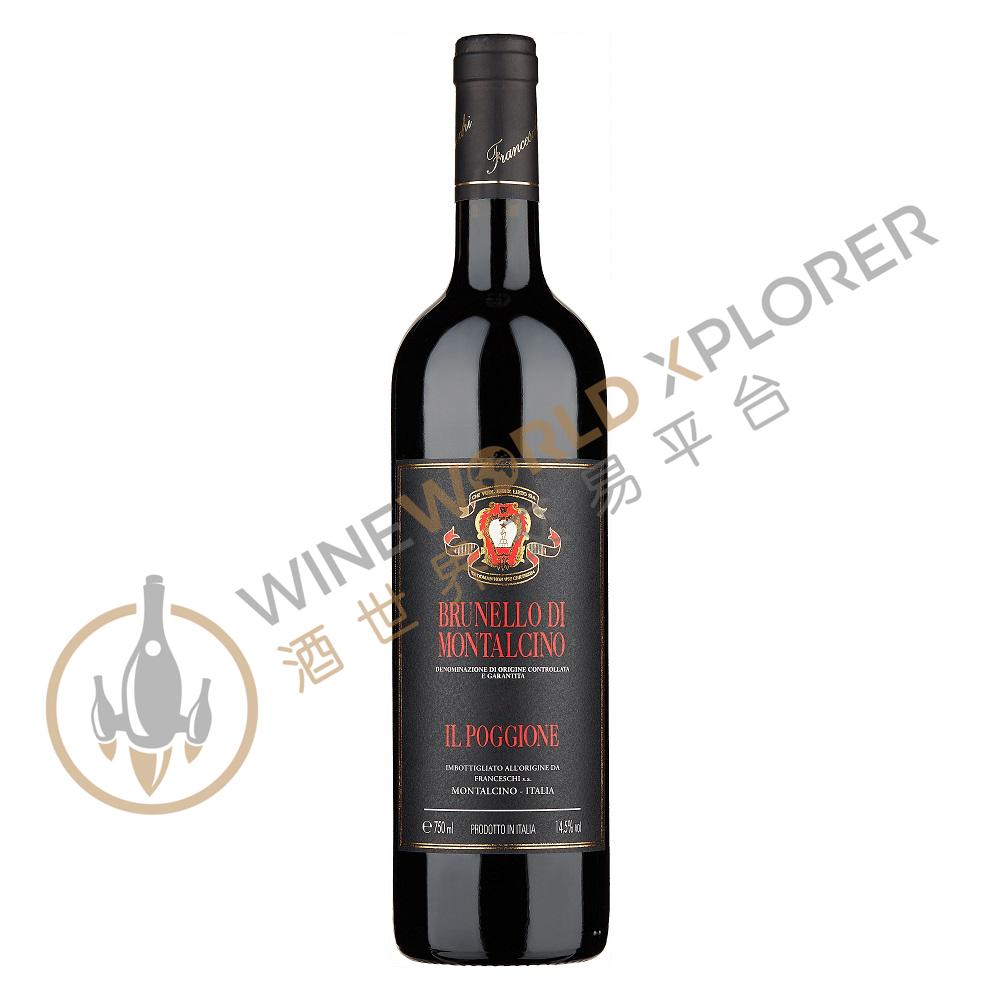
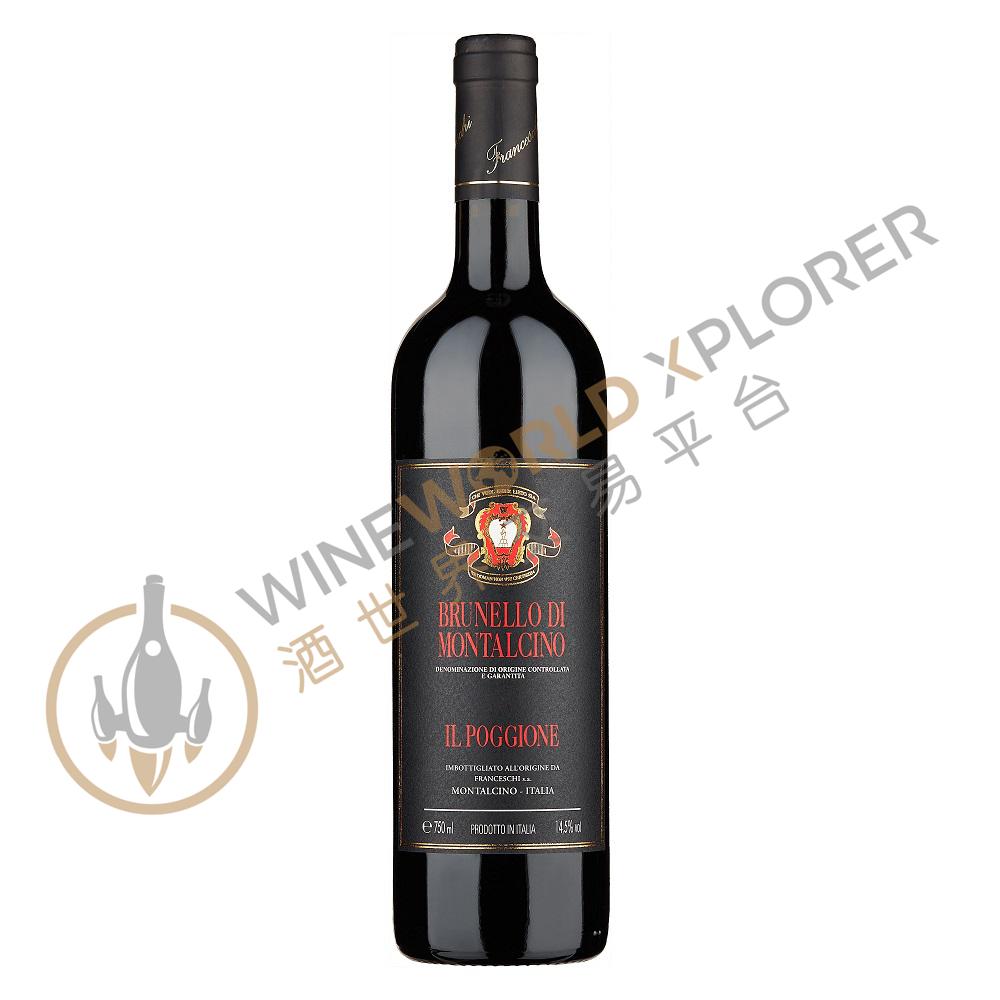
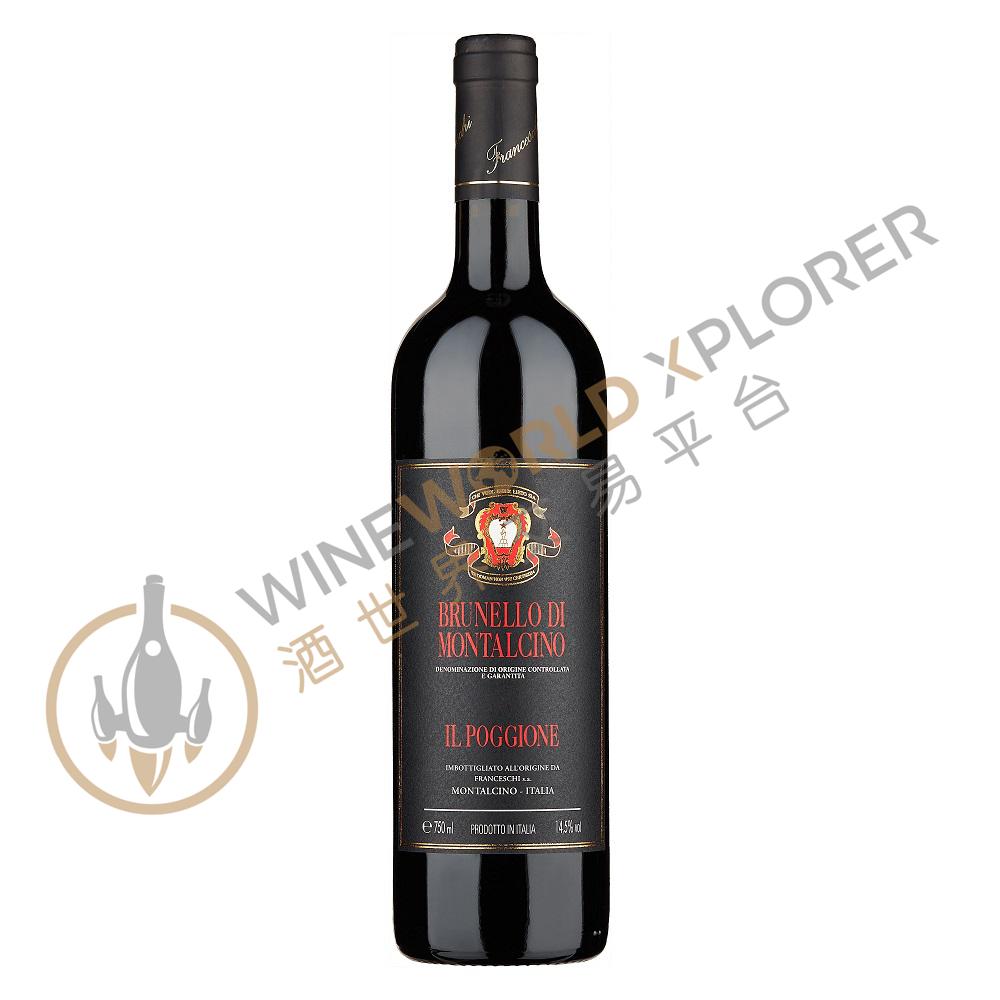
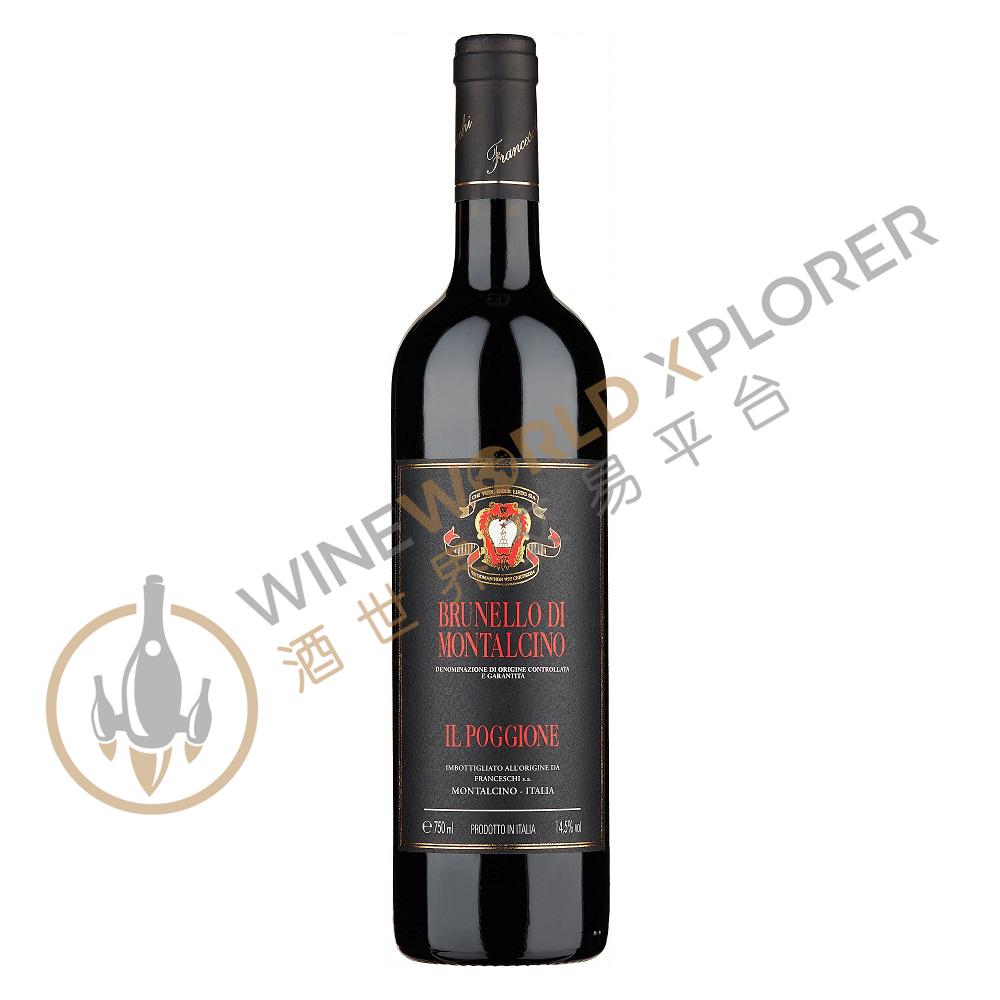
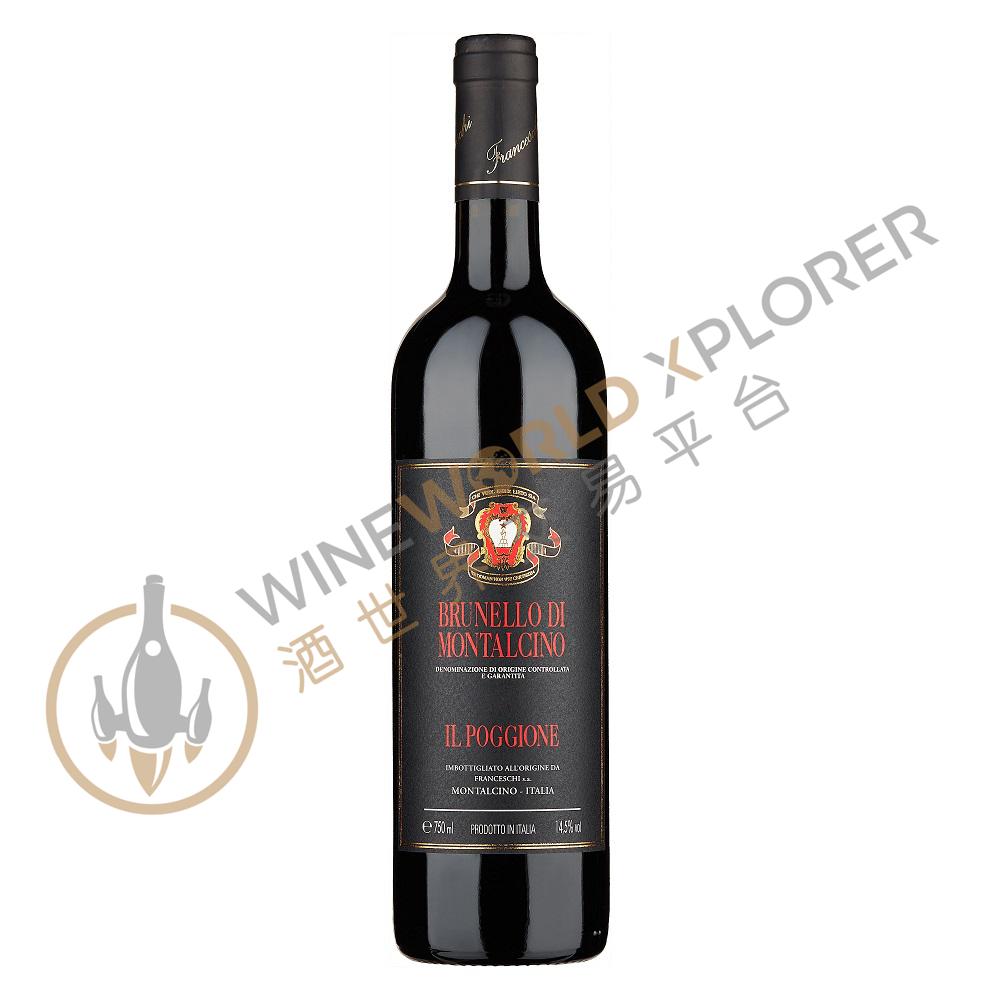
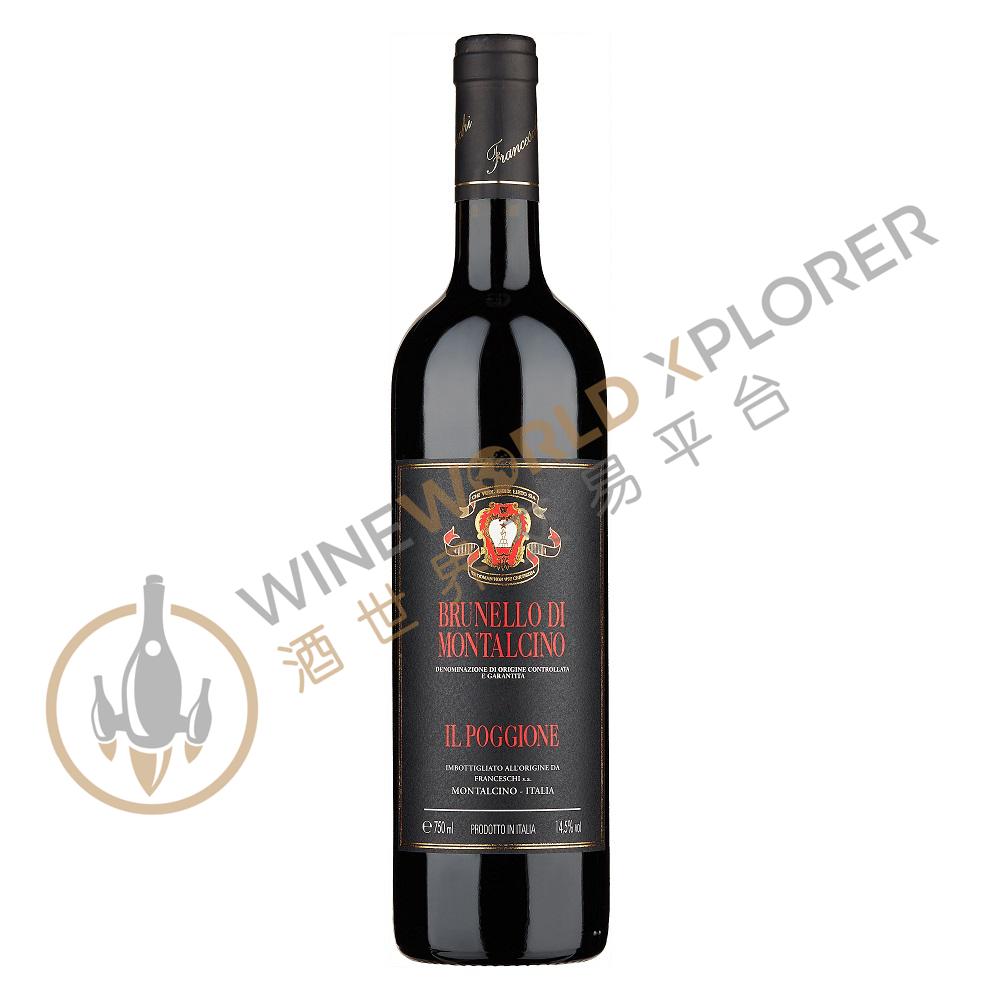
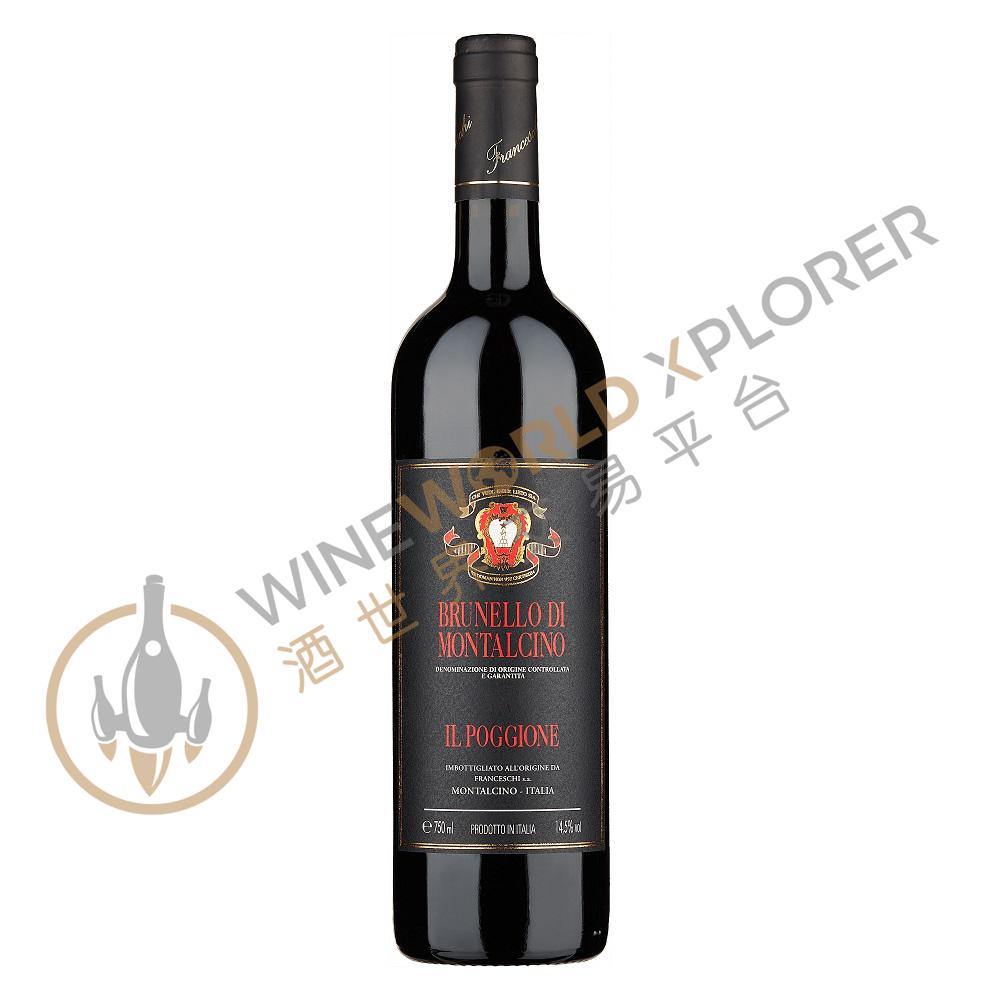
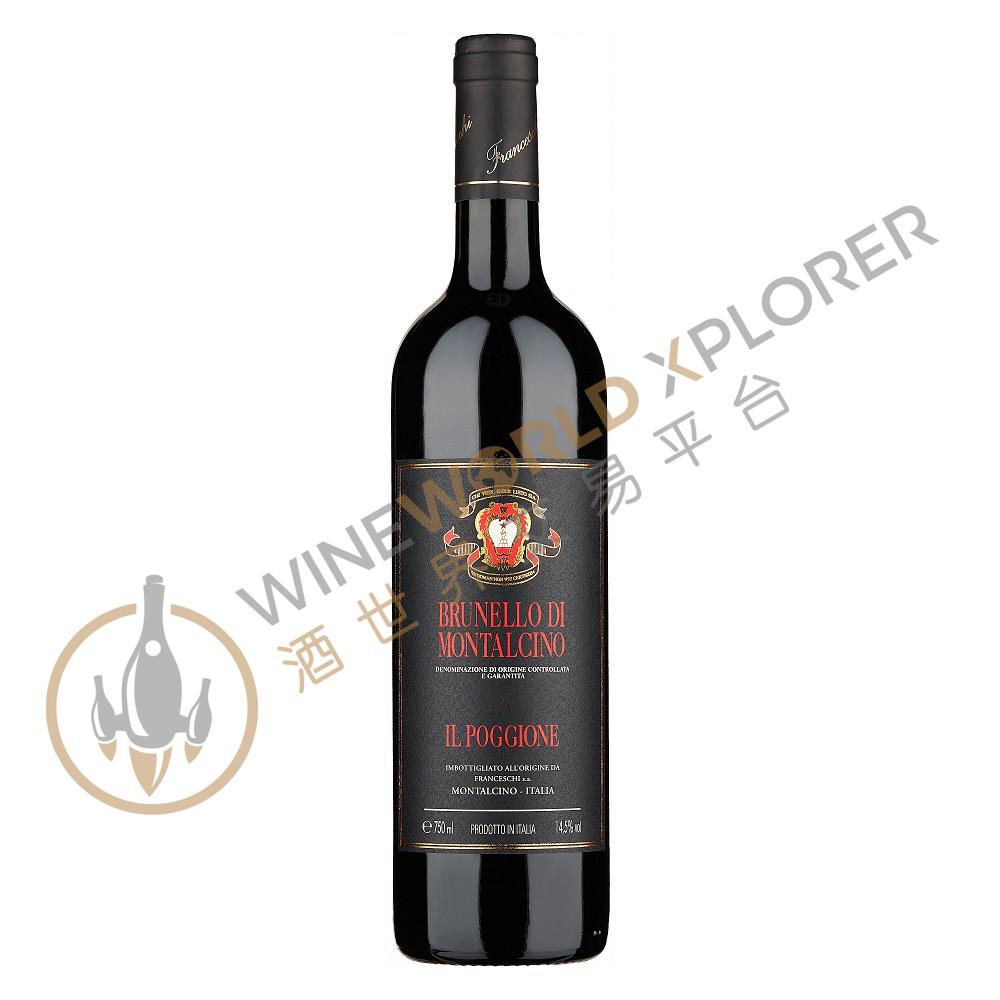
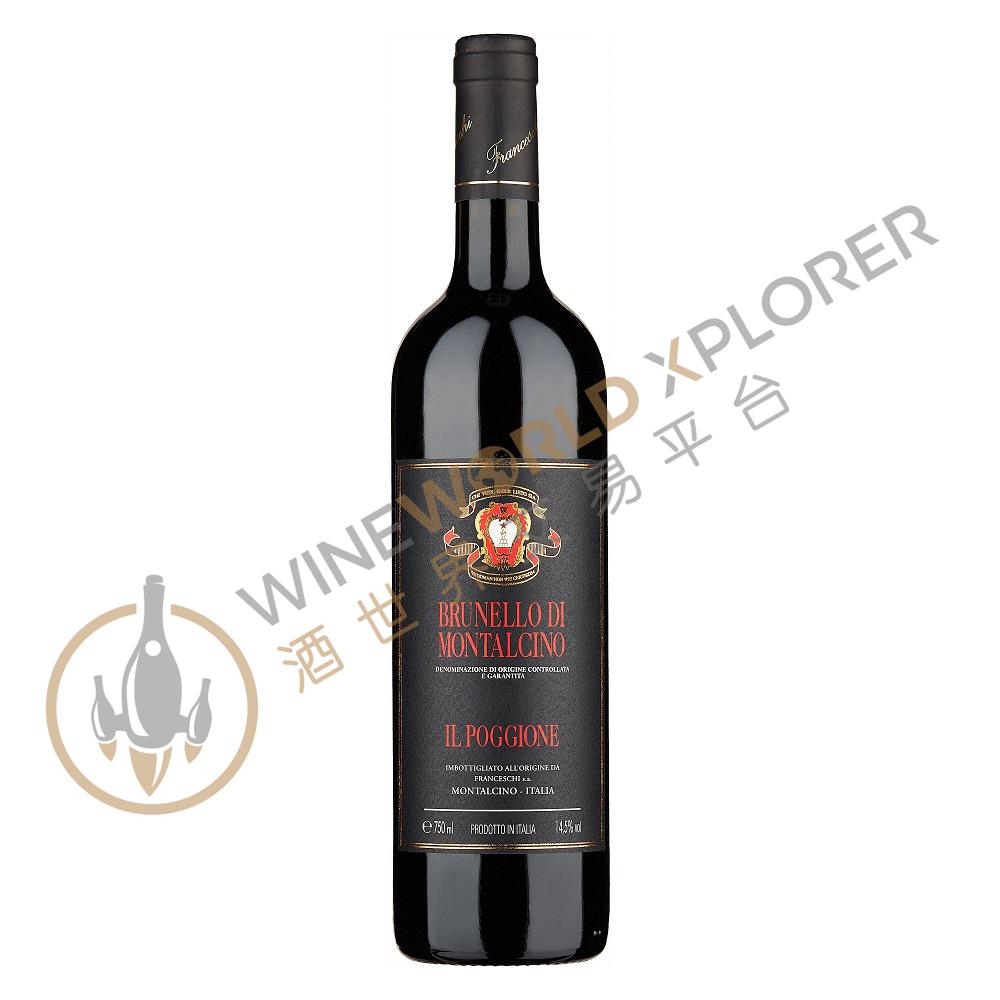
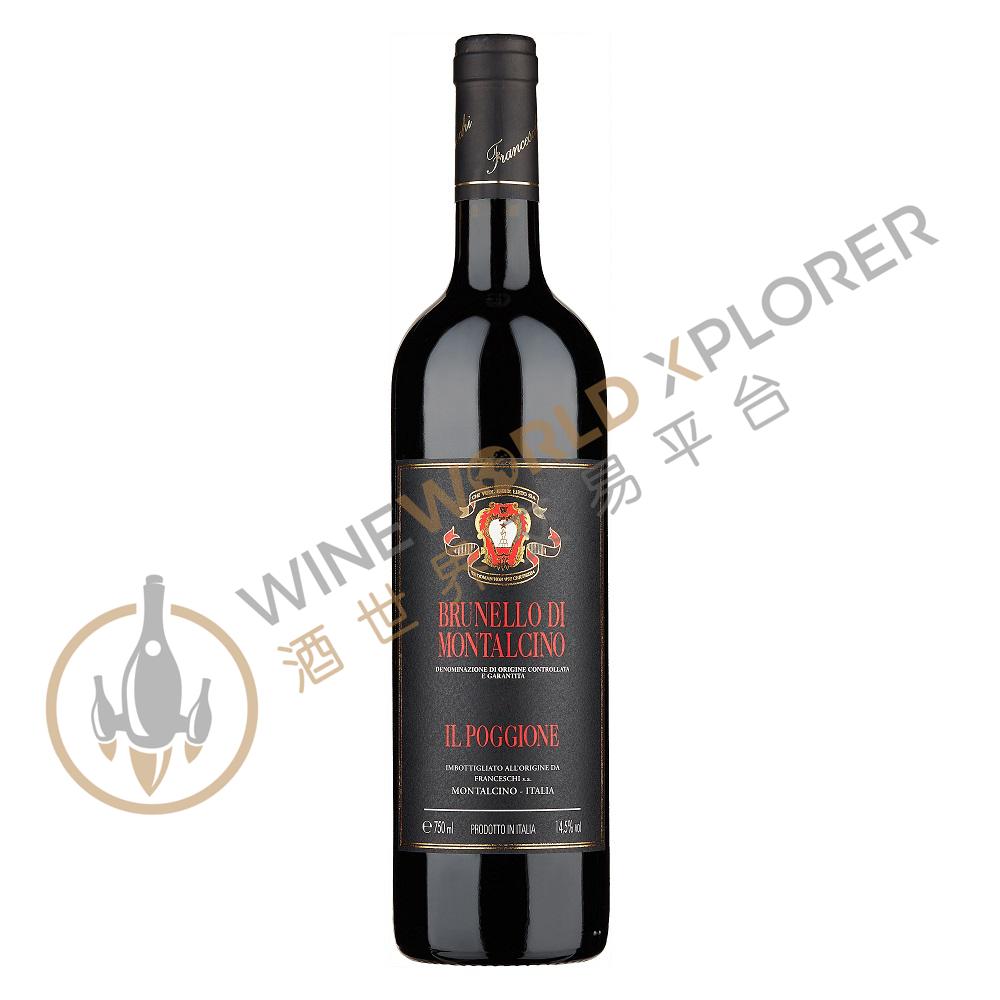
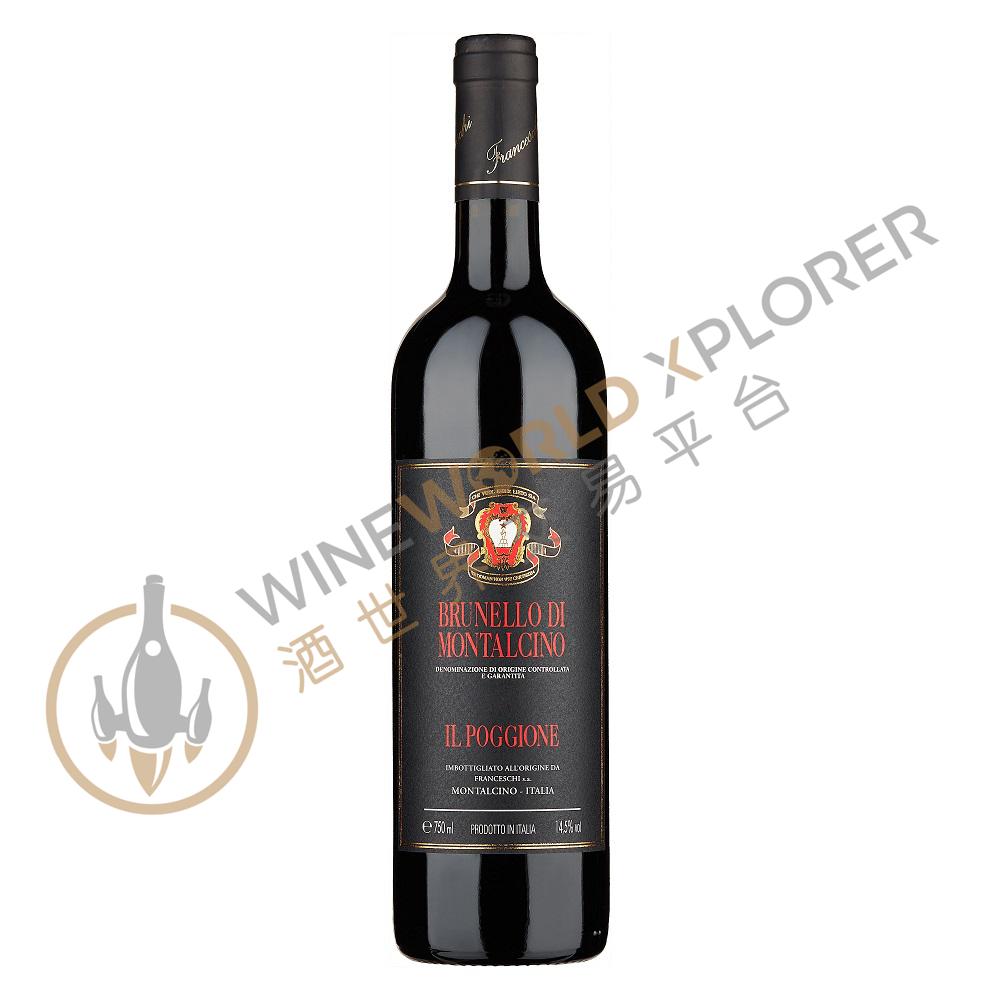
Il Poggione, Brunello di Montalcino 2008
 View analysis


Description
Tasting notes

Reviewed by: Monica Larner
The 2008 Brunello di Montalcino takes its time to open gradually and in small increments. Unlike the 2010 that never fully blossoms, this wine does reveal more dimension and depth with dried fruit, cigar ash, crushed stone and black licorice. In fact, the aromas become tighter and more focused with time, and the wine delivers good momentum to the palate thanks to its silky tannins and varietal freshness. It takes its time but rewards you with a pretty show along the way.
Reviewed by: Antonio Galloni
The 2008 Brunello di Montalcino is one of the best wines of the year. A relatively big, voluptuous wine for the year, the 2008 impresses for its inner perfume, silky tannins and terrific overall balance. Hints of leather, tobacco and dried herbs add complexity. The 2008 isn’t immediately showy, as so many recent vintages have been; instead, it is a wine built for the cellar. Still, with time in the glass, the wine’s exquisite perfume begins to emerge. In 2008, Il Poggione did not bottle a Riserva, all the juice went into the regular bottling. Brunello di Montalcino is highly vintage dependent in the market, especially in the United States. Most people won’t look at this wine because of the vintage. Let others make that mistake. Anticipated maturity: 2018-2033. Longtime winemaker Fabrizio Bindocci describes 2008 as a challenging year. The winter saw quite a bit of rain. Flowering was normal, but it was followed by a wet July. Like most of their neighbors, Il Poggione suffered the devastating effects of the August 15 hailstorm that took with it 50% of the production. Proprietor Leopoldo Franceschi happened to be at the estate to celebrate the national holiday, but was so traumatized by the events he vowed never again to set foot on his property on August 15th! When Franceschi has more time to reflect on the quality of his wine, he may change his mind. Longtime winemaker Fabrizio Bindocci and his son Alessandro decided not to bottle their Riserva in 2008, so all of the juice went into the straight Brunello bottling, which is easily one of the wines of the vintage. The next Riserva from Il Poggione will be the 2010. As has long been the custom here, the Brunelli are fermented in stainless steel, with natural yeasts. The malos also occur naturally, after which the wines are moved into 33- and 50-hectoliter French oak casks. The Poggione Brunellos, especially the straight bottling, remain among the very best values in cellar worthy wine anywhere in the world. Importer: Terlato Wines International, Lake Bluff, IL; tel. (847) 604 8900
Reviewed by: Antonio Galloni
An utterly magnificent wine, the 2008 Brunello di Montalcino graces the palate with wild flowers, violets, rose petals and dark stone fruits. Today, the 2008 is quite brooding and closed in on itself, but the pedigree is obvious in the wine's layered, deeply expressive personality. The 2008 needs time, but there is little question it is a drop-dead gorgeous beauty. In 2008, Il Poggione decided against bottling their Riserva (even though that wine was magnificent from cask) so all of the best juice went into the straight bottling.
Reviewed by: James Suckling
This is very harmonious and pretty and underlines the finesse of the vintage. Full body, with ultra-fine tannins and a delicious finish. Balanced and delicious. Enjoy before the 2006 or 2007 from here. Drink now or hold.
Reviewed by: James Suckling
This is very harmonious and pretty and underlines the finesse of the vintage. Full body, with ultra-fine tannins and a delicious finish. Balanced and delicious. Drink now or hold.
About the Producer
Tenuta il poggione covers an area of 530 hectares (1300 acres), of which 140 hectares (336 acres) are planted with vines and 50 hectares (120 acres) with olive trees; the rest are dedicated to grain fields, forest and livestock. The estate’s guiding principle is to pay great care to the vines, because the secret of producing great red wines lies in the high-quality vineyard work. In the light of a sustainable agriculture, the winery has always planted different crops along the vineyards and limited the use of chemicals. Most recently, it has installed solar panels on the roof of its cellar, with the purpose to reduce the carbon footprint of its wines. The vineyard work is mainly manual, for the harvest and for the other jobs. Thanks to the practice of the green harvest, the monitoring of the vineyards’ health conditions and the soil’s nutritional needs, it is possible to obtain an excellent wine even in more difficult vintages.