Wine Advisor



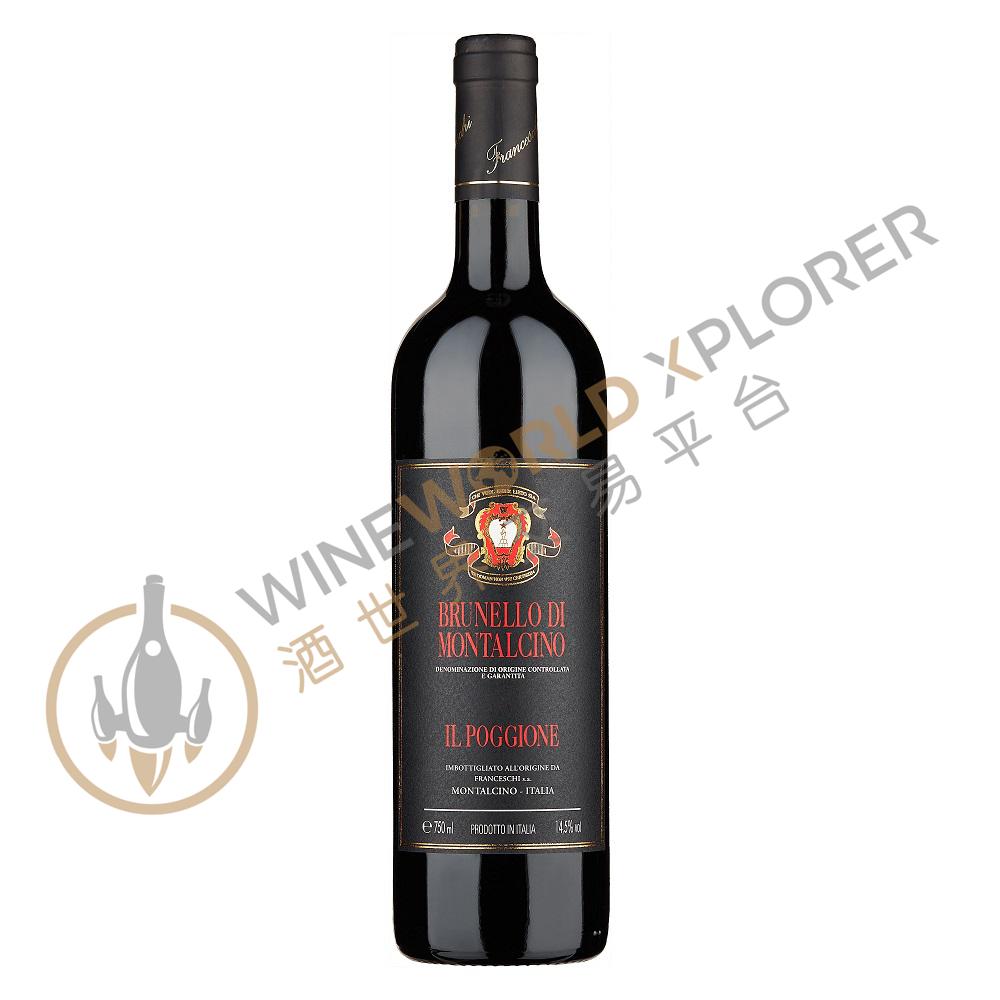
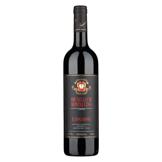
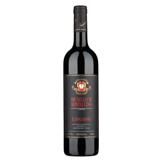
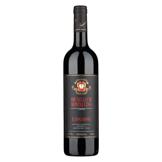
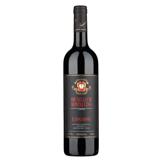
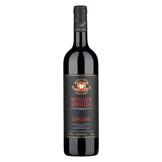
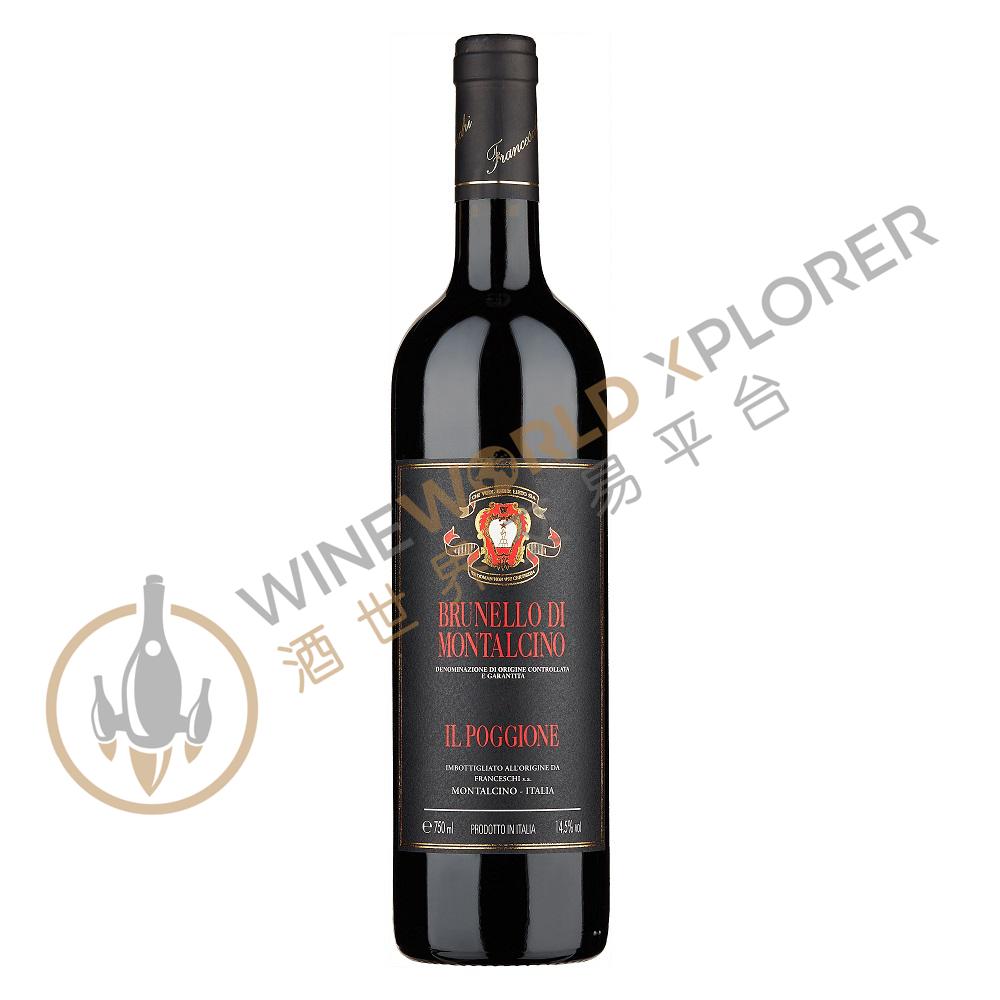
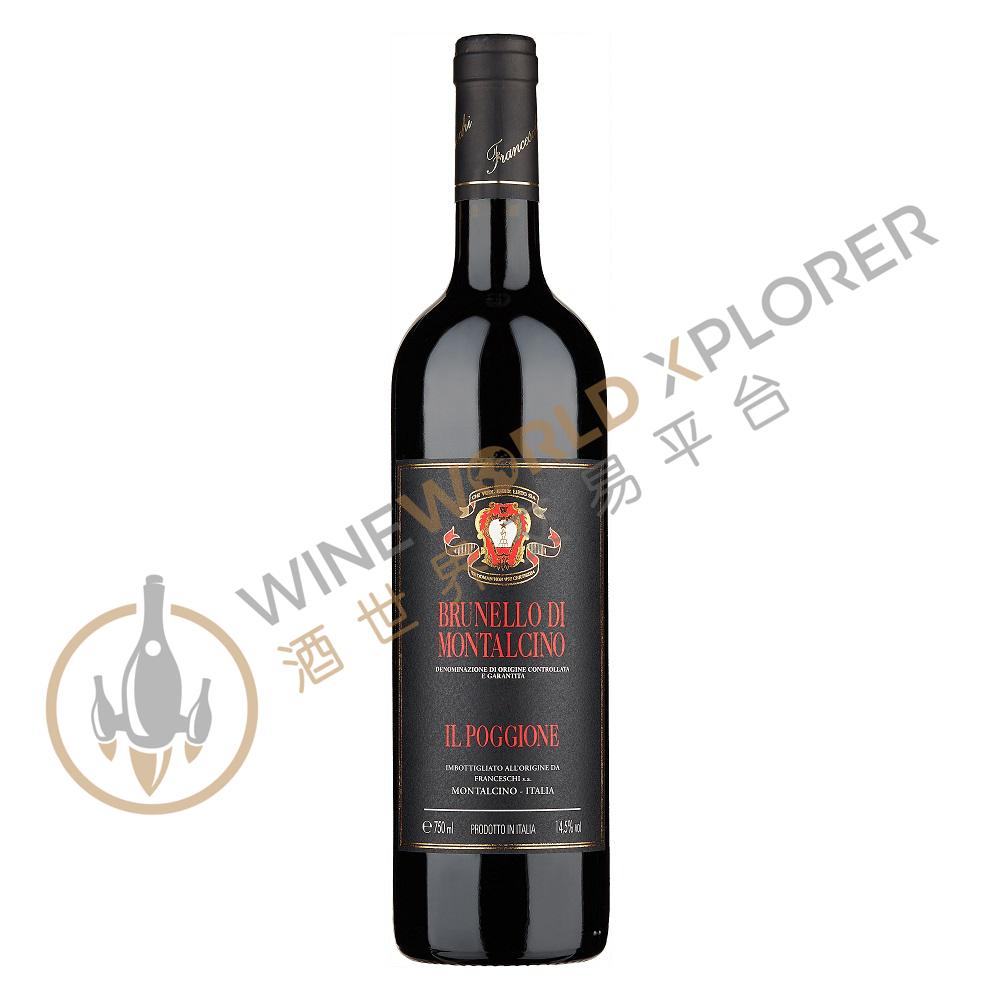
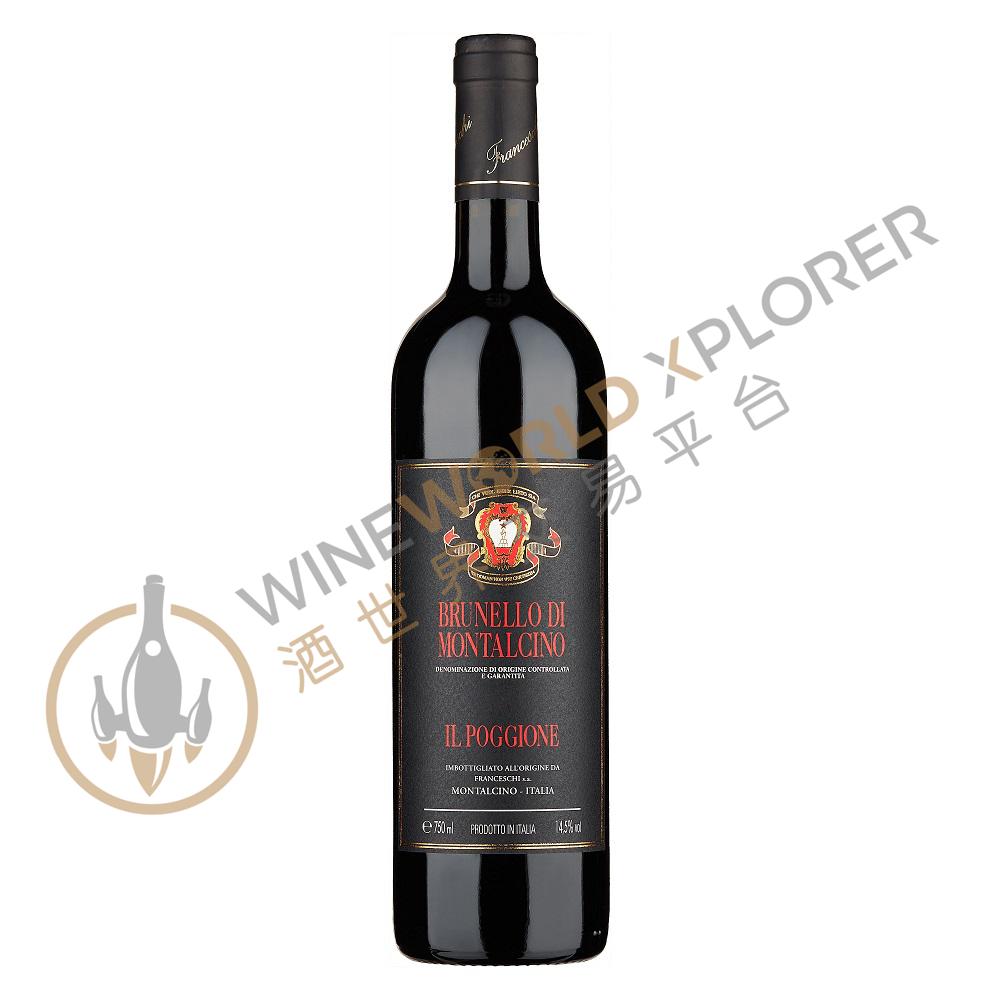
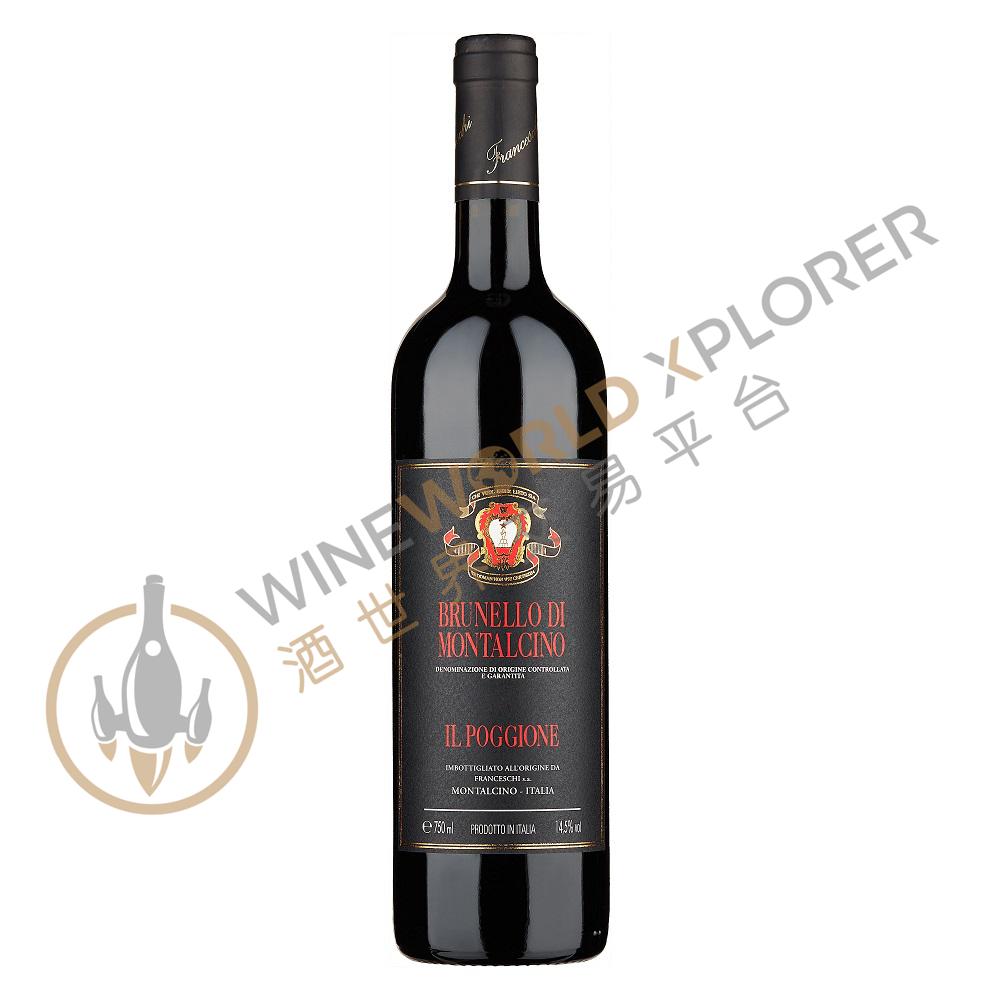
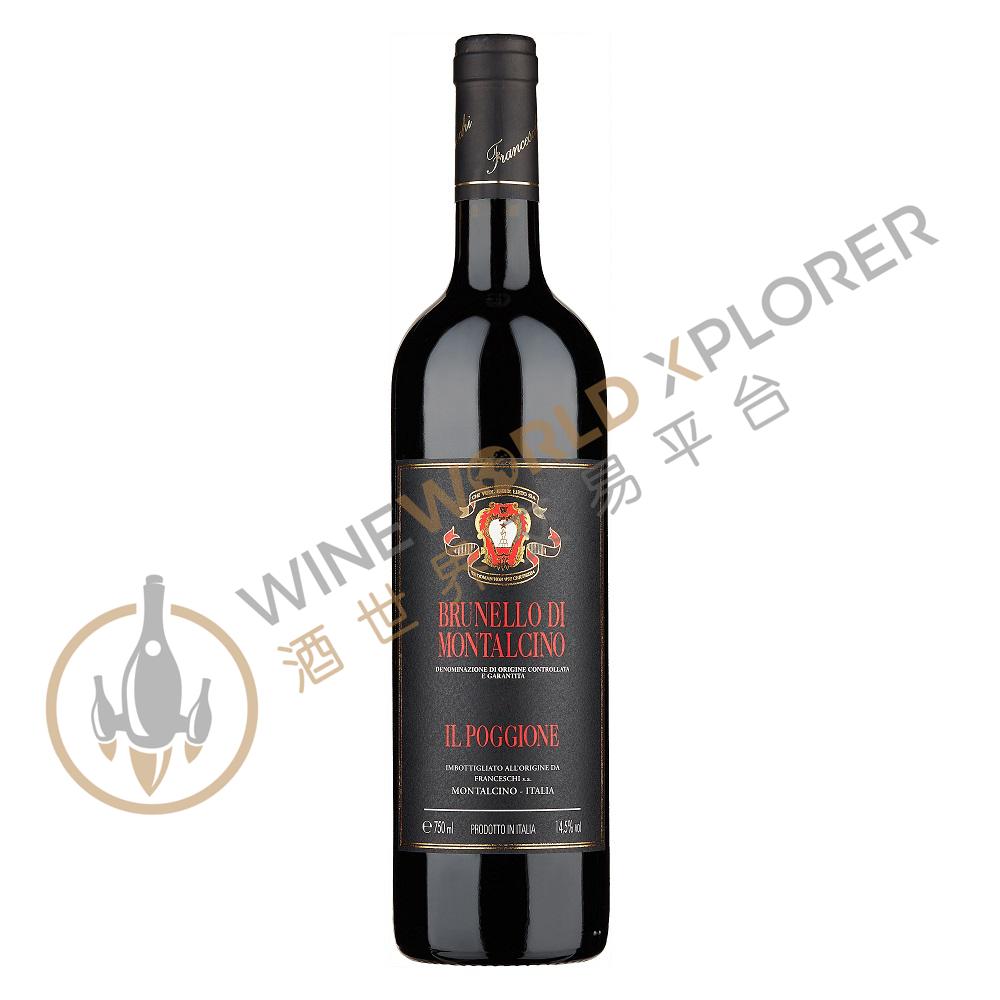
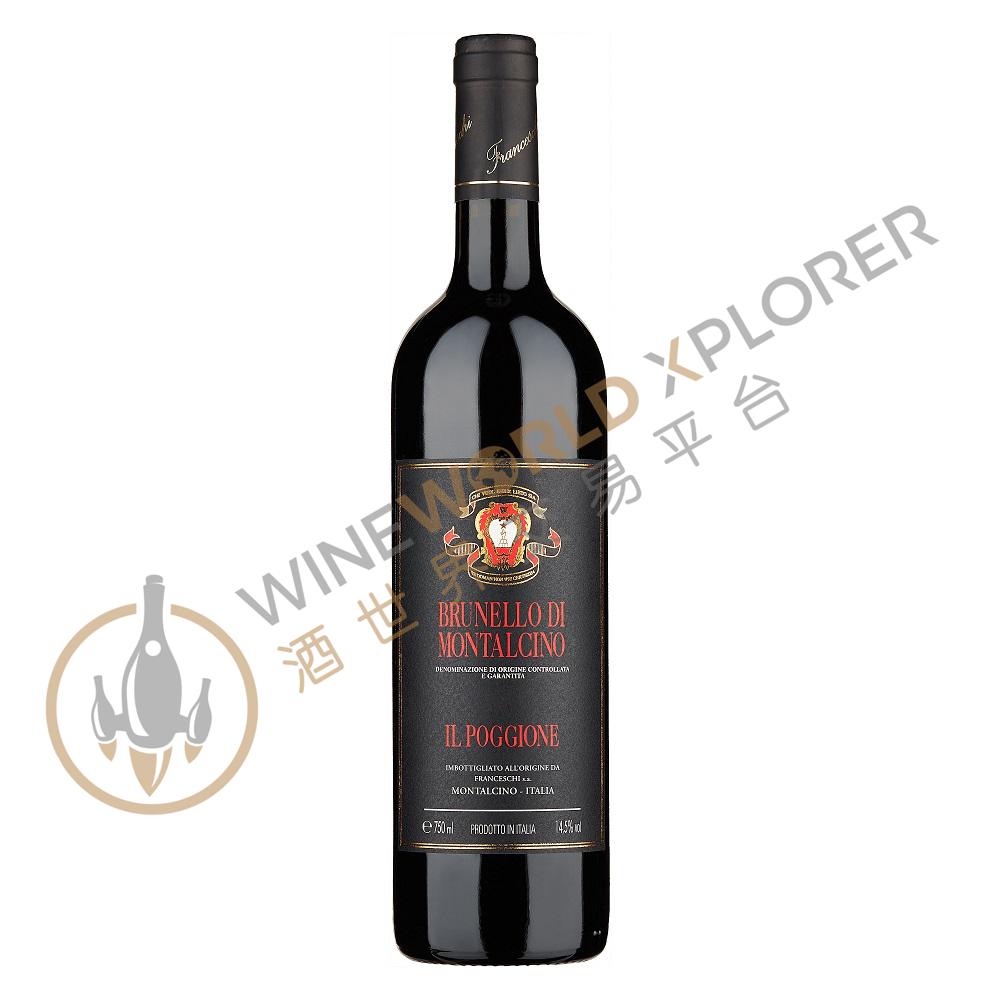
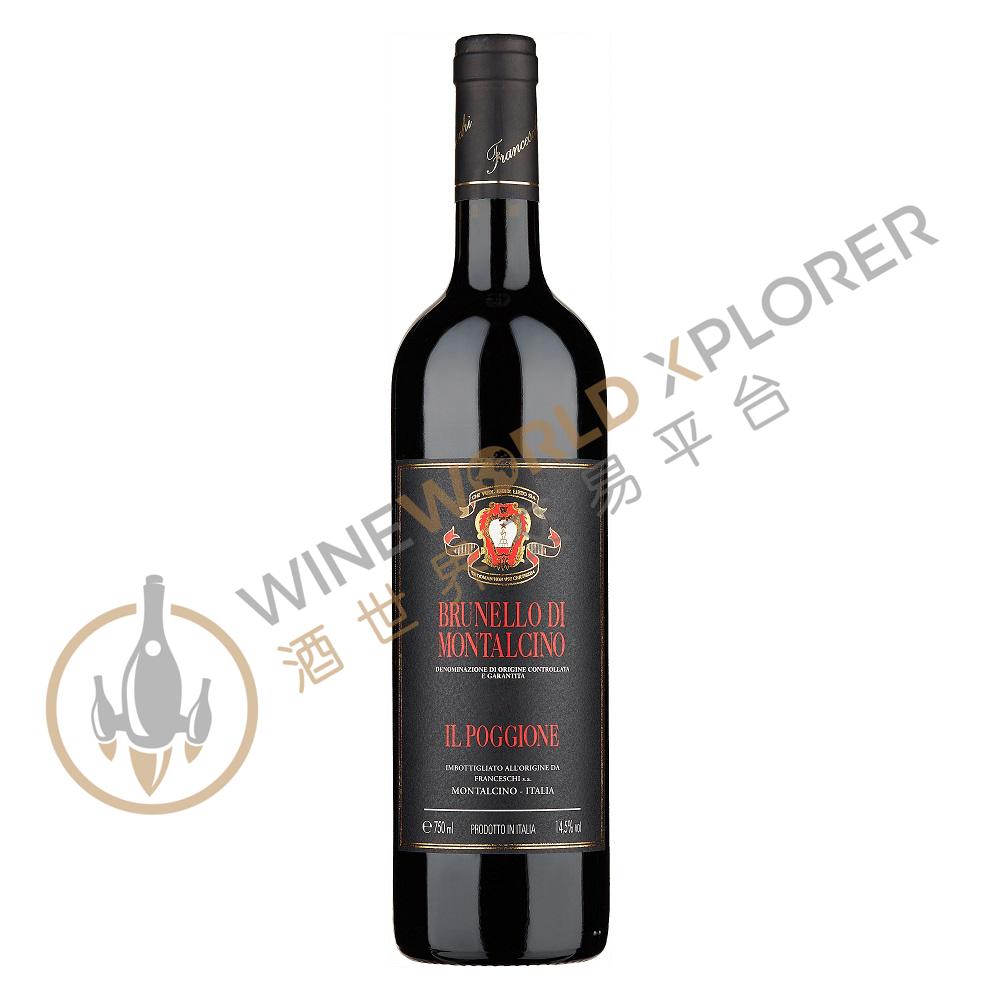
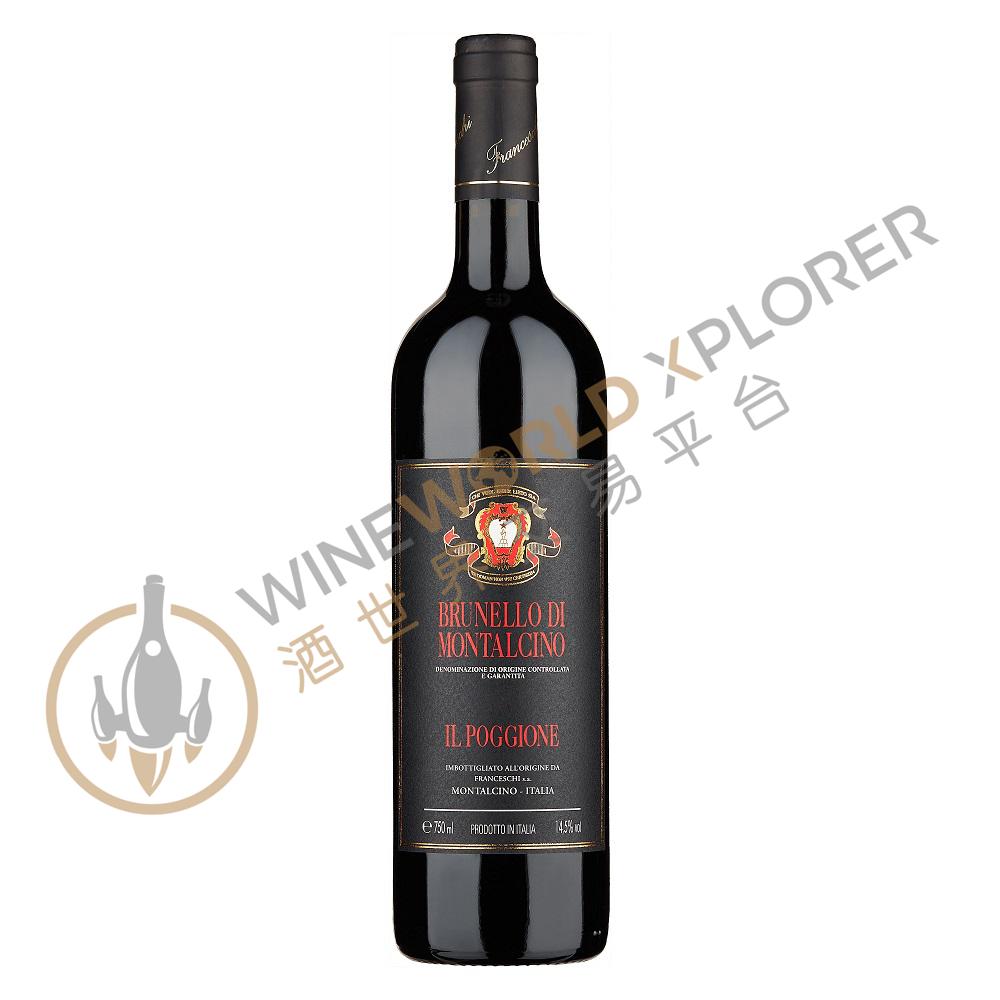
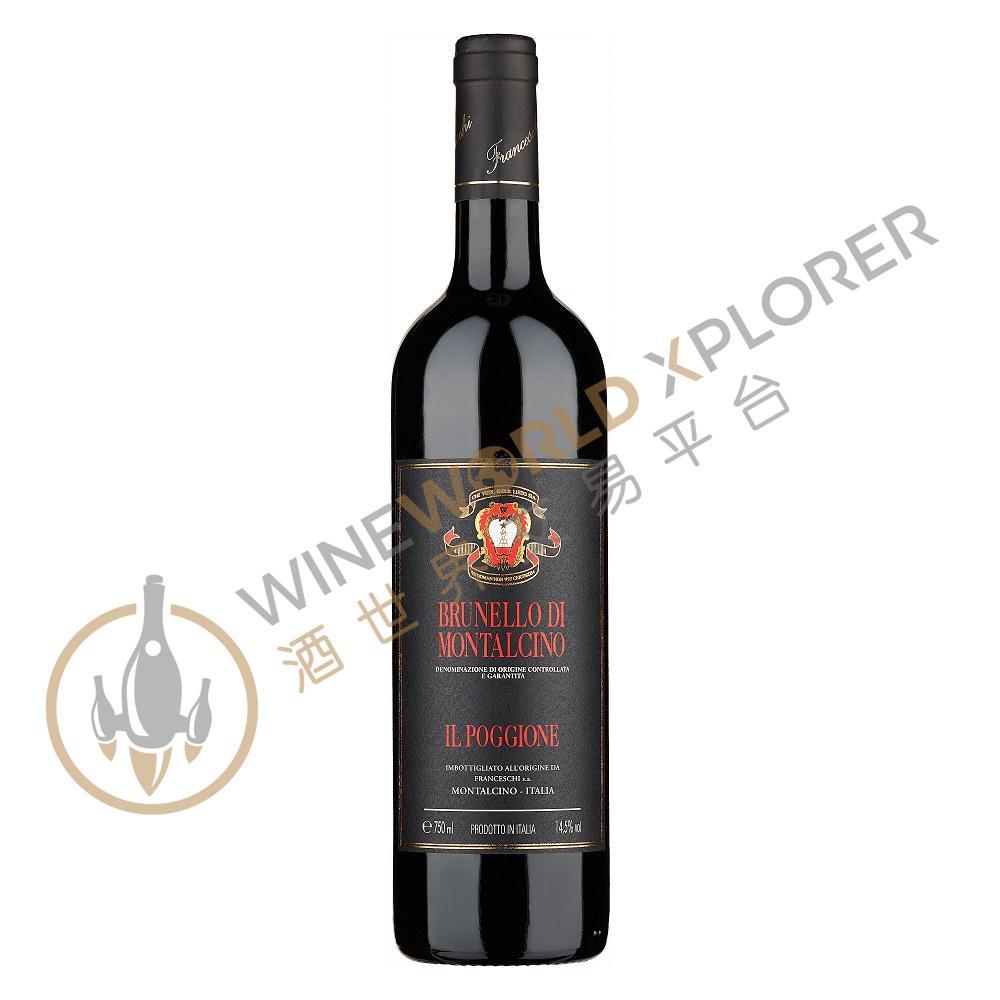
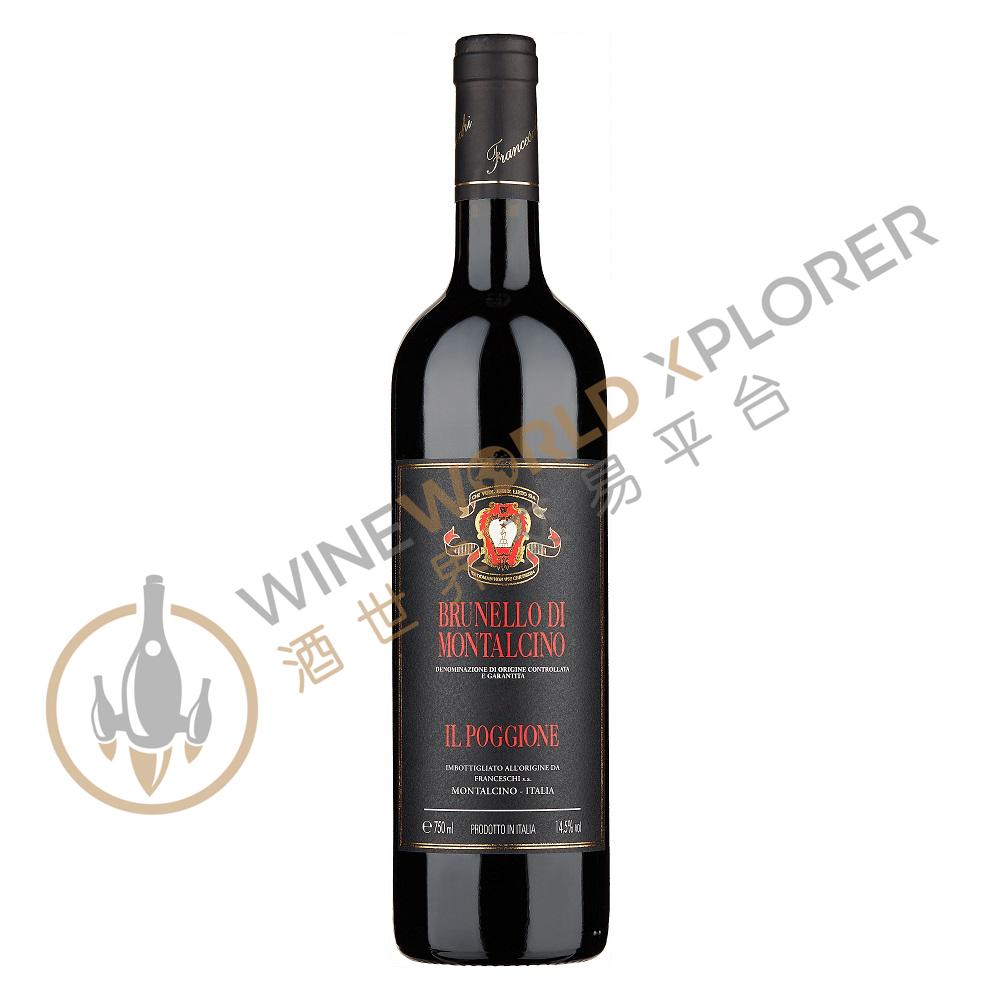
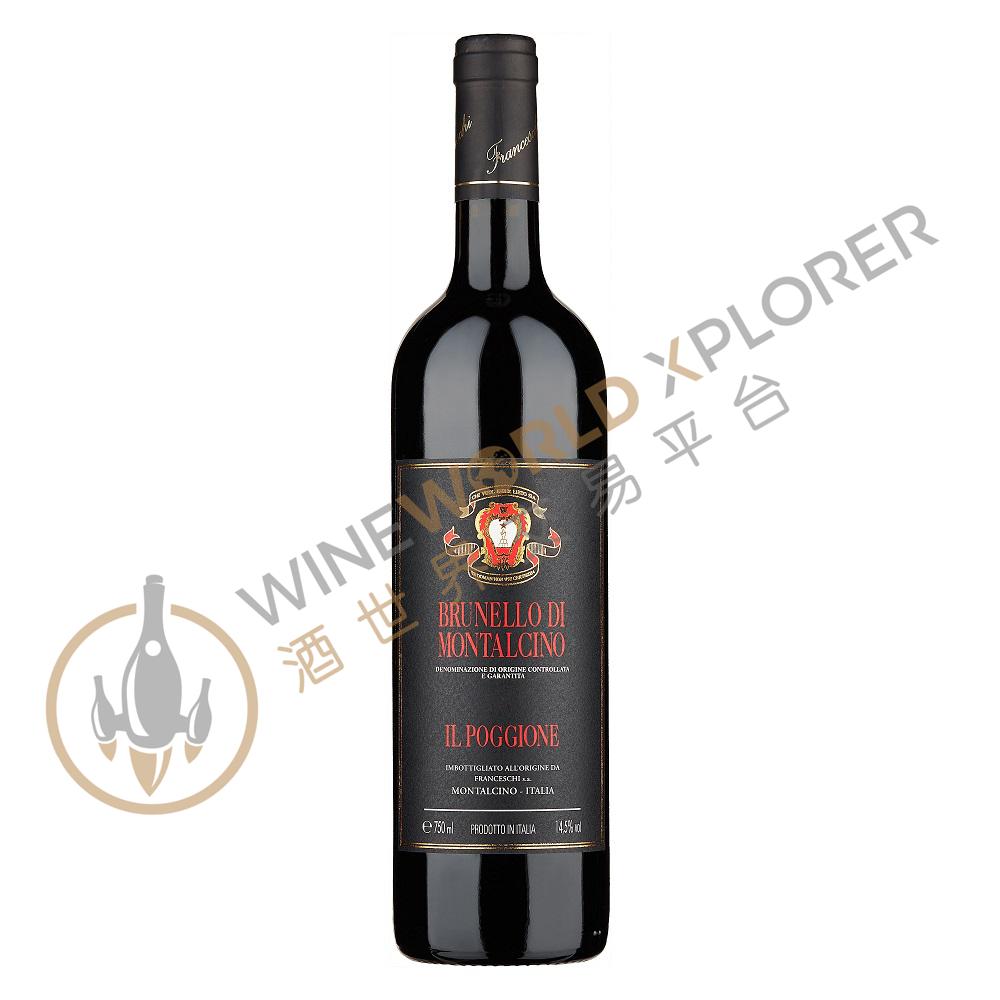
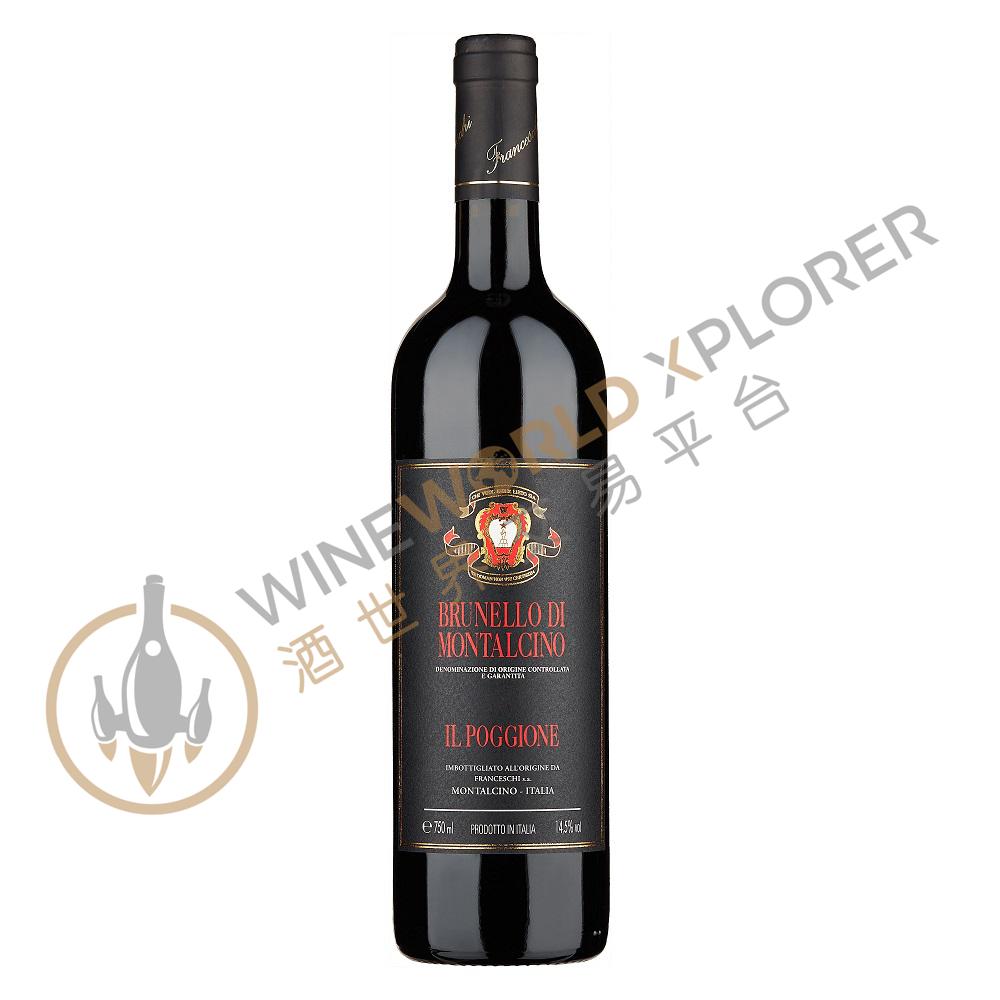
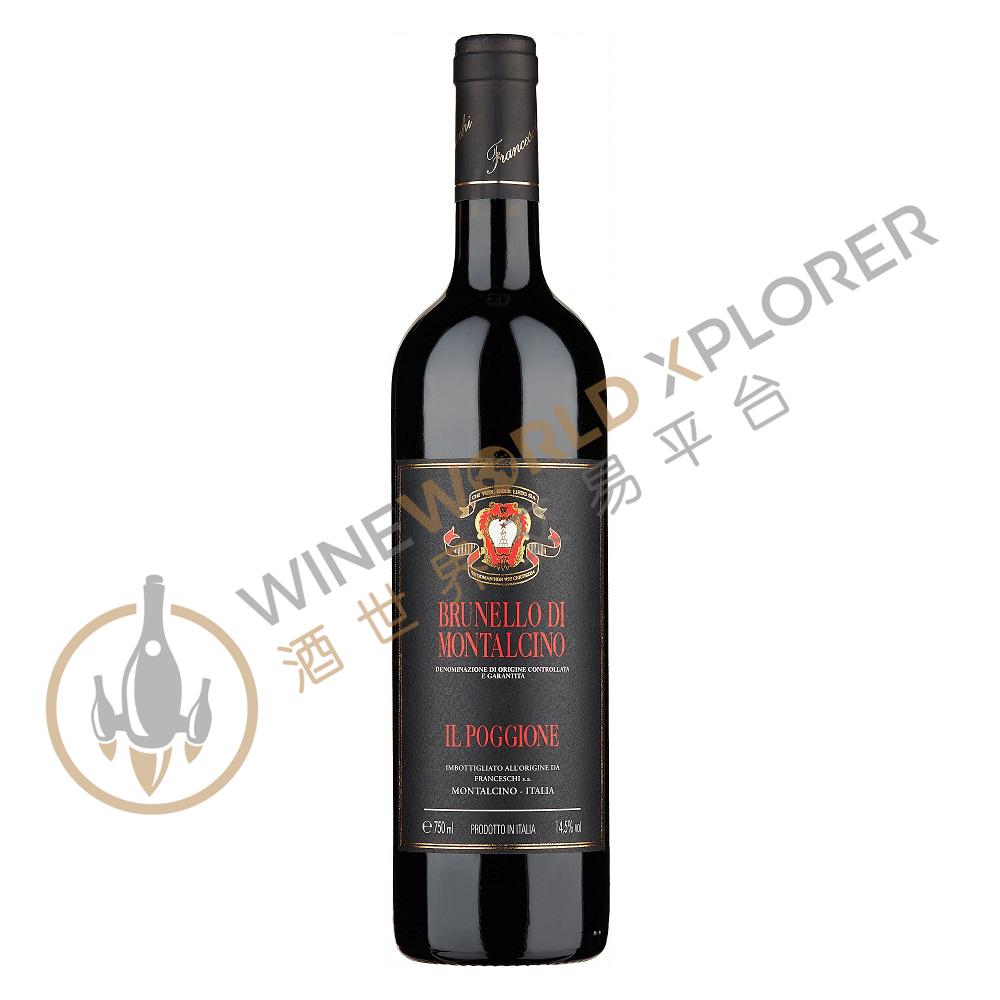
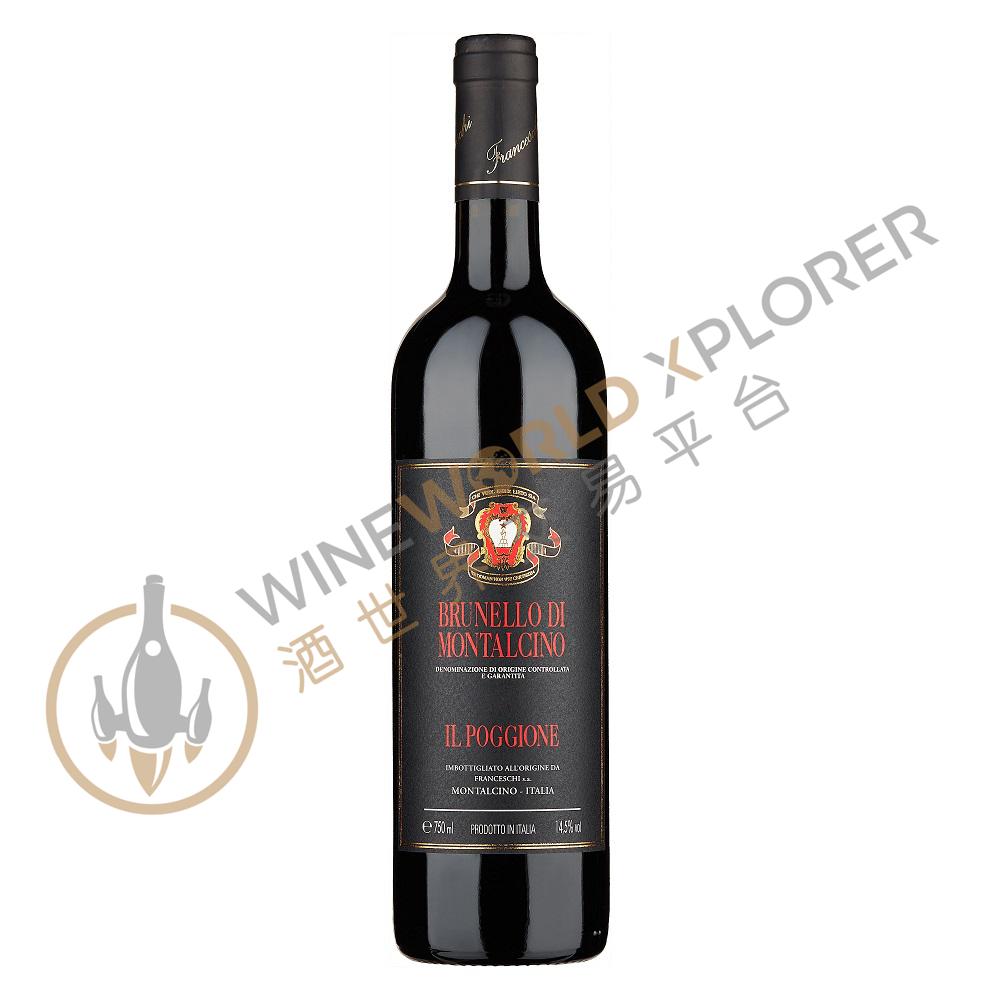
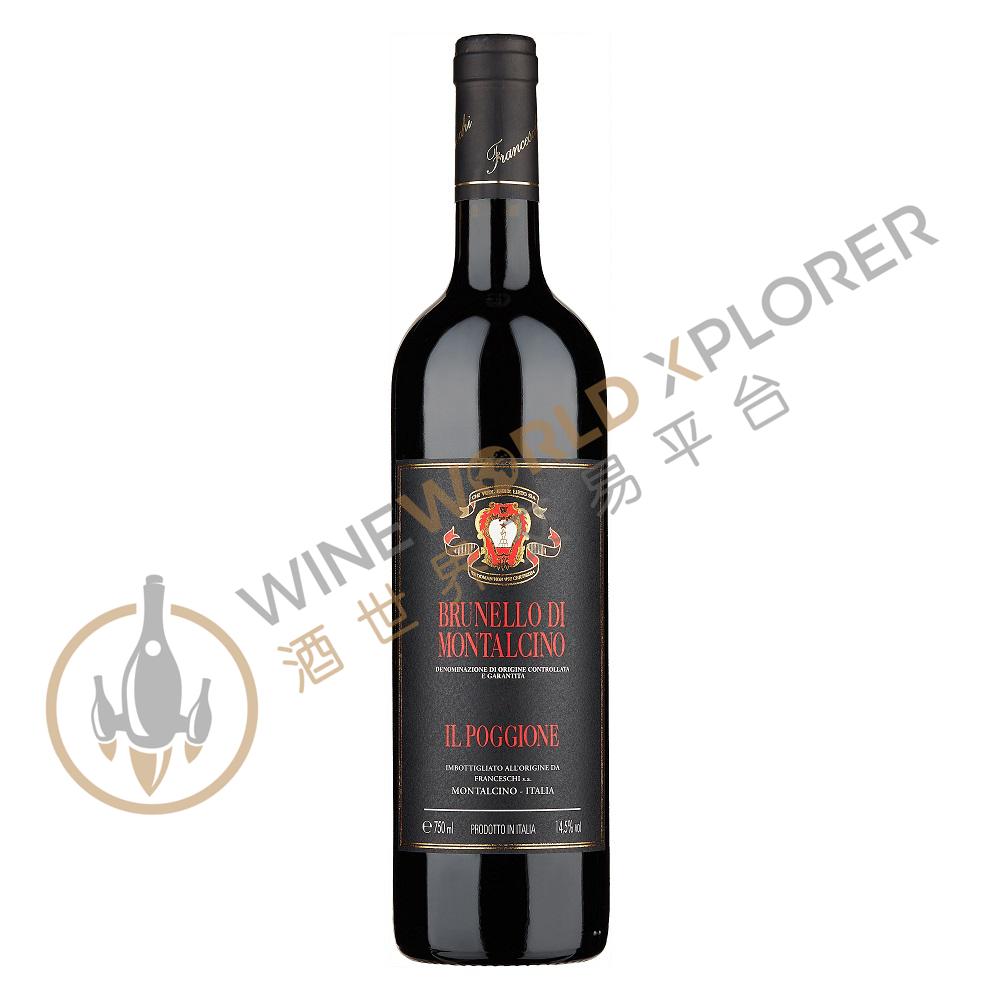
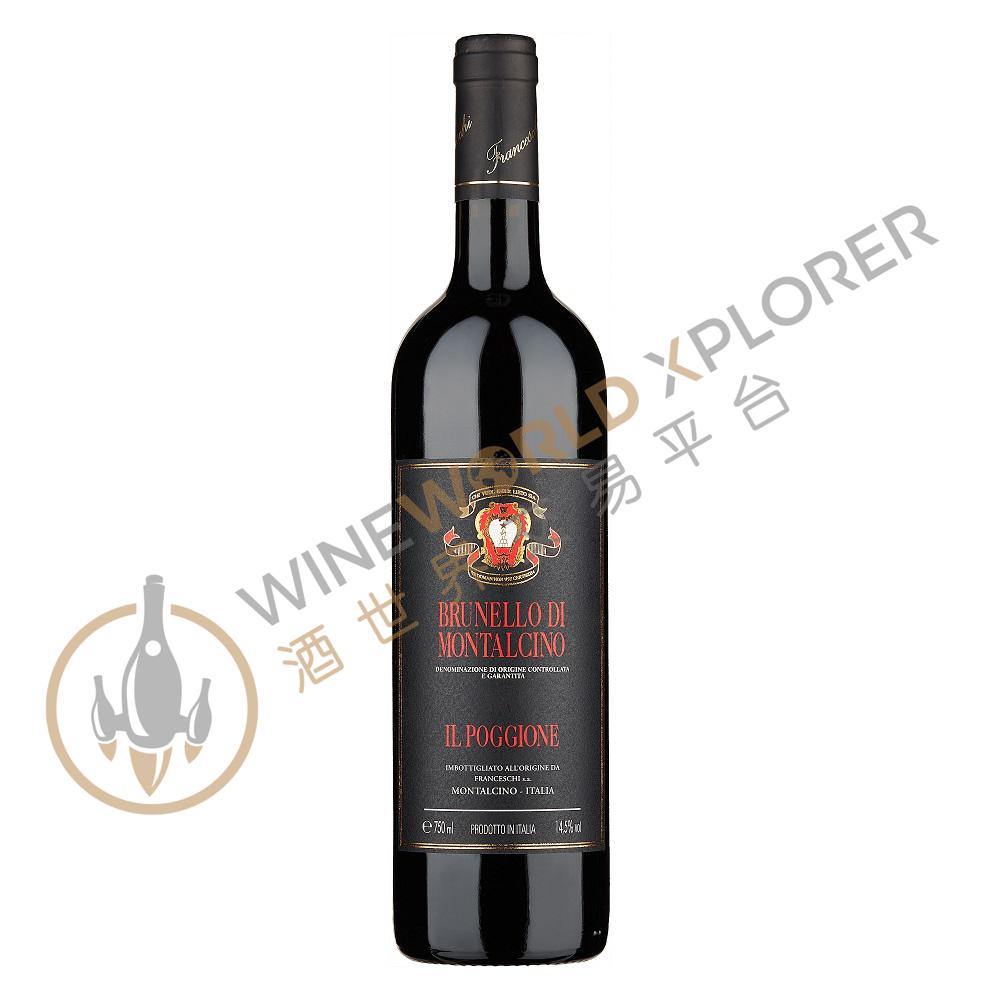
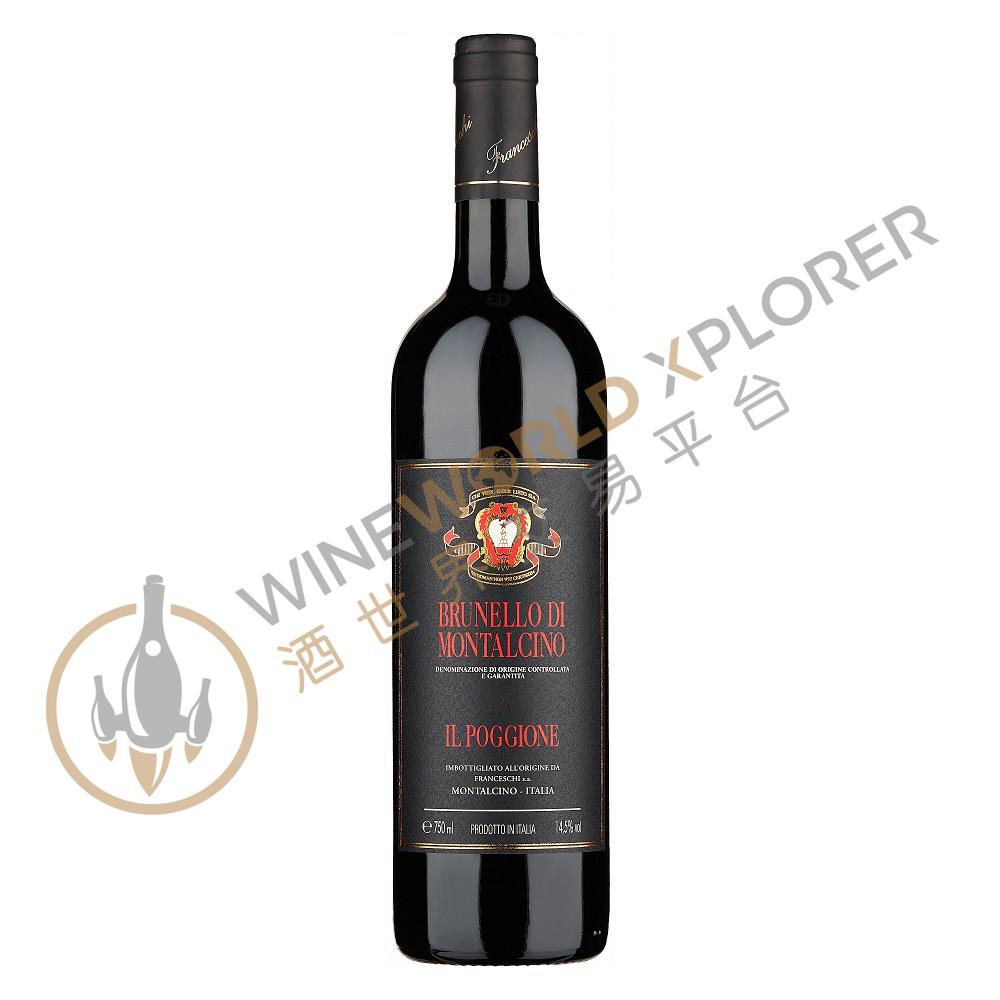
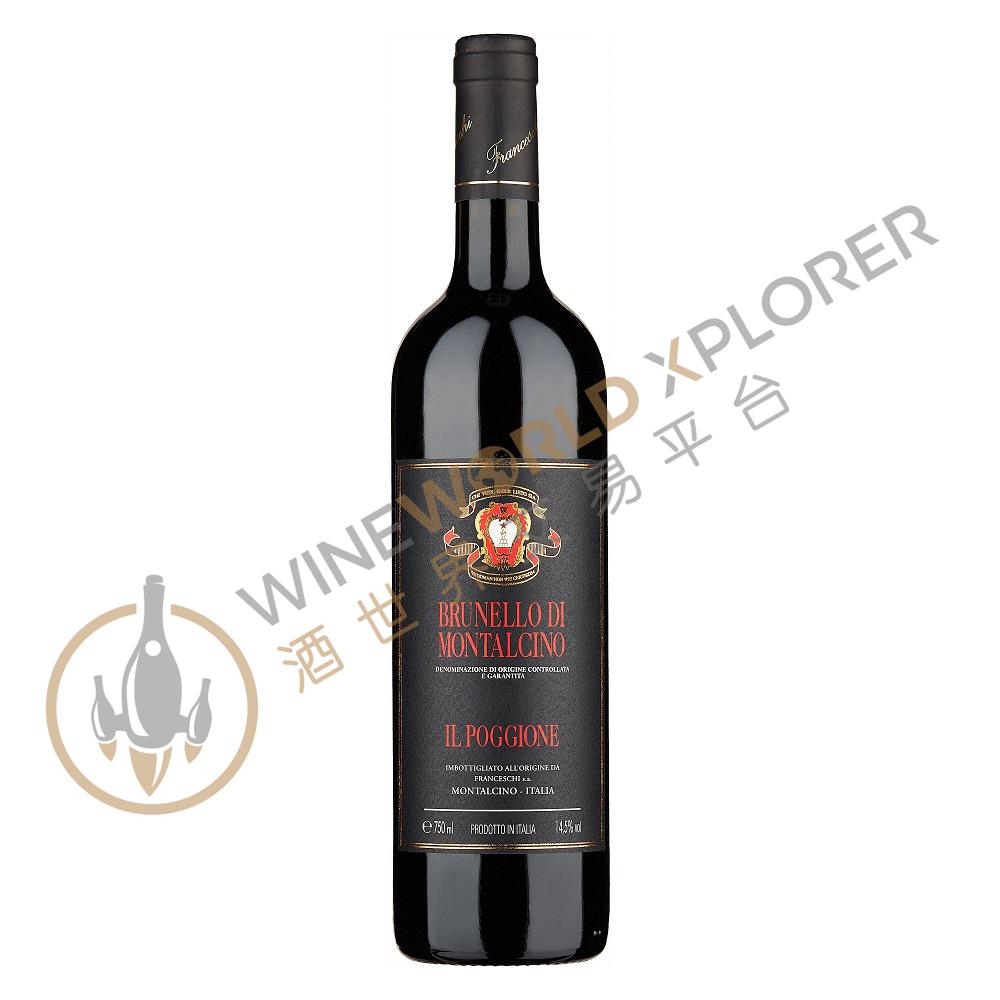
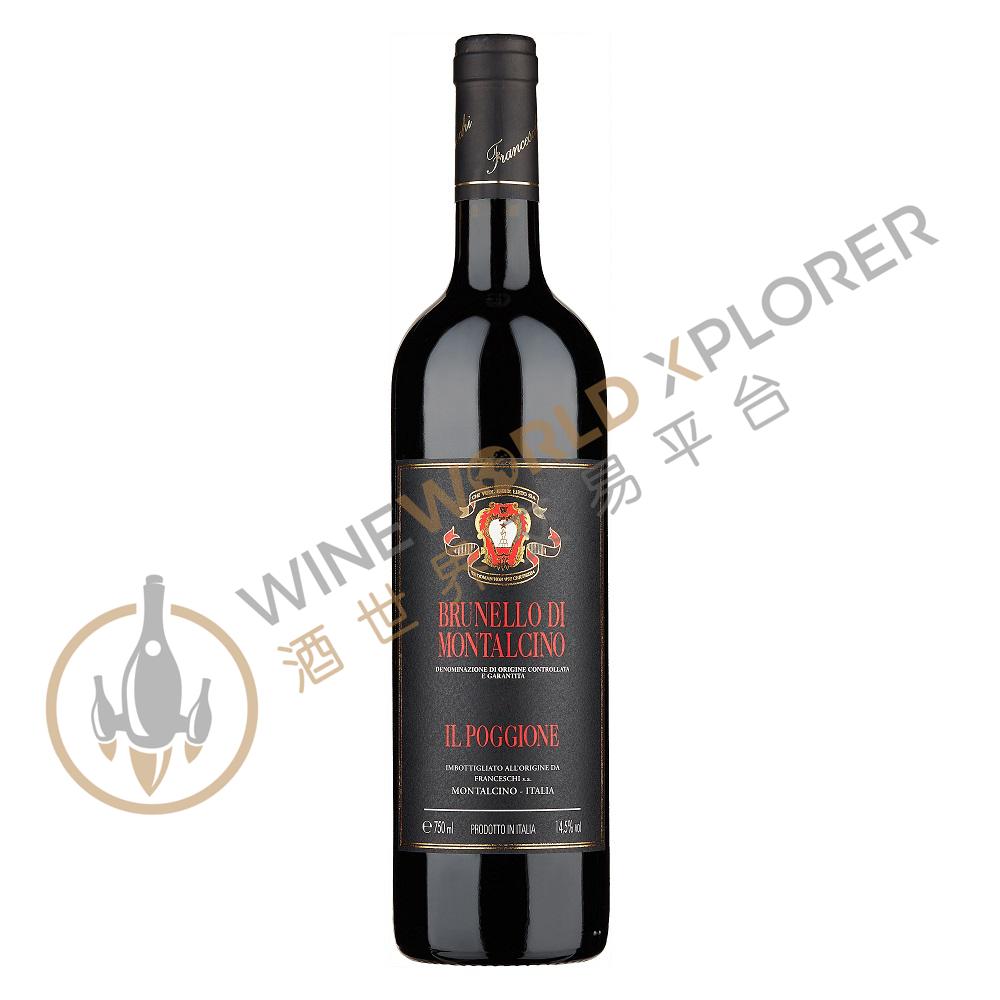
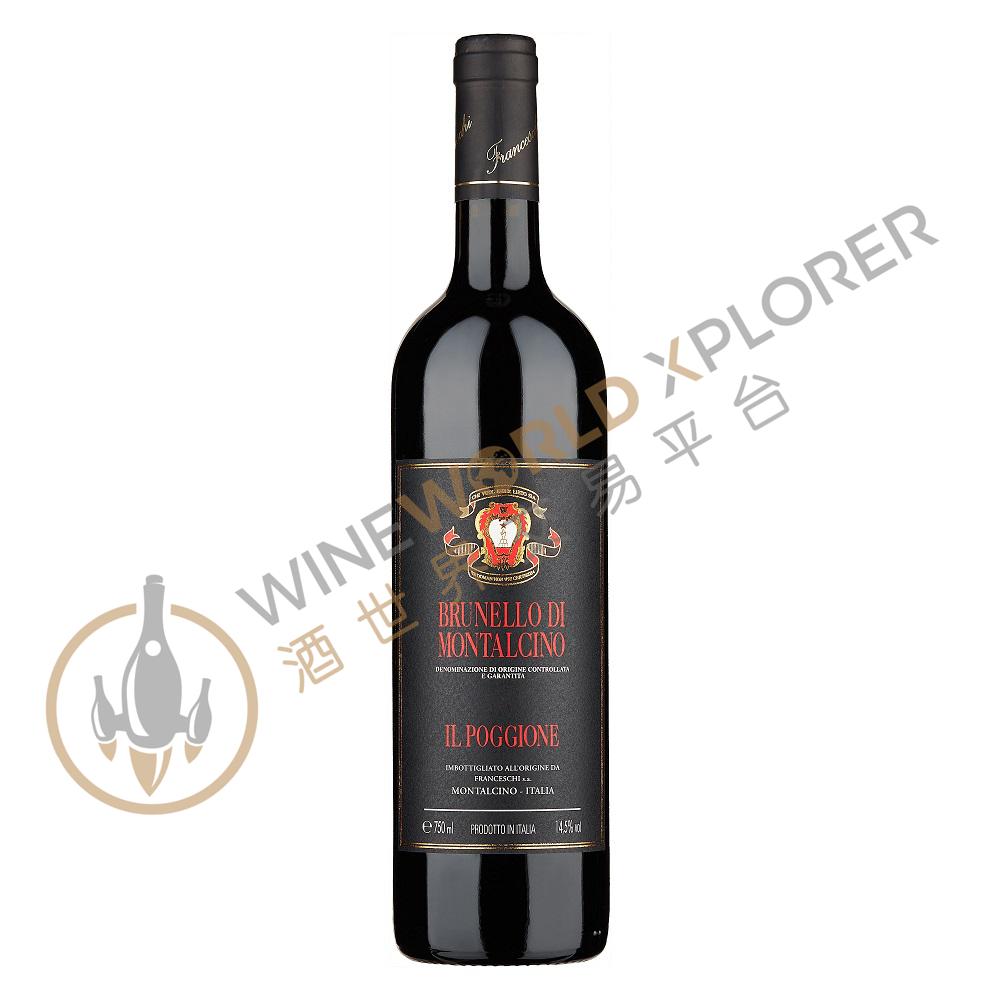
Il Poggione, Brunello di Montalcino 2013
 View analysis


Description
Tasting notes

Reviewed by: Monica Larner
The 2013 Brunello di Montalcino lives up to the impeccable reputation garnered by this estate over the years. This is a profound and beautifully rendered Sangiovese that delivers bold and luscious fruit quality with black cherry and spicy plum at the start. The bouquet follows through with mild oak notes of smoke, tar and toasted nut. There is another aromatic component that includes crushed stone and dried herb or mint. This Brunello shows elegant evolution in the glass and promises a very long aging future ahead. Some 200,000 bottles were made, so it should be easy to locate this excellent wine.
Reviewed by: Ian d'Agata
Bright red. Pure, refined red cherry and wild strawberry aromas and flavors complicated by sweet spices and aromatic herbs. Deep and multilayered, the wine boasts polished tannins and a harmonious acid spine that lifts and extends the red fruit on the long, suave finish. An essence of Sant’Angelo in Colle with bigger body and palate weight than, for example, the Brunellos of Montosoli, but still sleek and refined as the best wines of Sant’Angelo in Colle can be. The cool-climate-styled 2013 vintage is precisely the type of year in which Il Poggione excels: this lovely, focused wine is the best classico Brunello from Il Poggione in years. Superb.
About the Producer
Tenuta il poggione covers an area of 530 hectares (1300 acres), of which 140 hectares (336 acres) are planted with vines and 50 hectares (120 acres) with olive trees; the rest are dedicated to grain fields, forest and livestock. The estate’s guiding principle is to pay great care to the vines, because the secret of producing great red wines lies in the high-quality vineyard work. In the light of a sustainable agriculture, the winery has always planted different crops along the vineyards and limited the use of chemicals. Most recently, it has installed solar panels on the roof of its cellar, with the purpose to reduce the carbon footprint of its wines. The vineyard work is mainly manual, for the harvest and for the other jobs. Thanks to the practice of the green harvest, the monitoring of the vineyards’ health conditions and the soil’s nutritional needs, it is possible to obtain an excellent wine even in more difficult vintages.