Wine Advisor



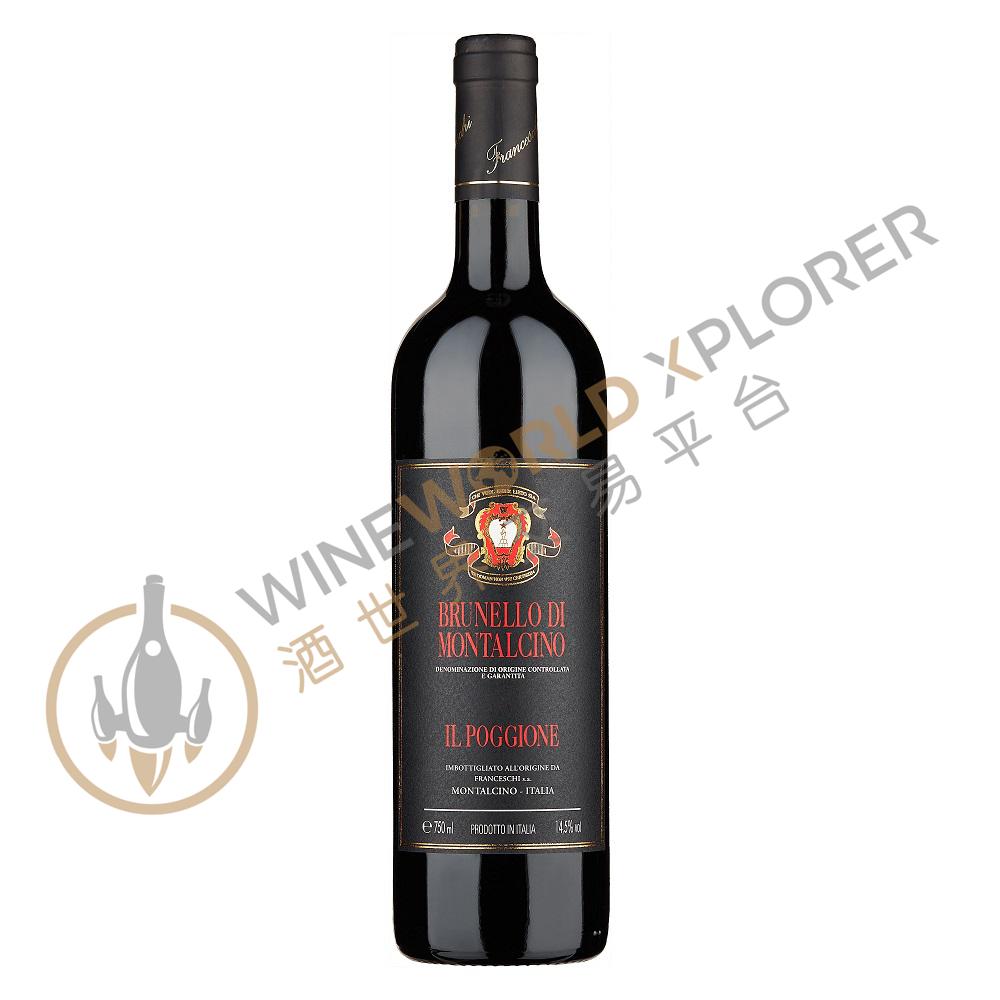
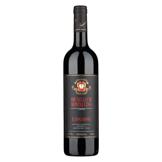
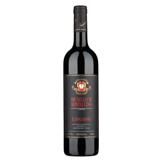
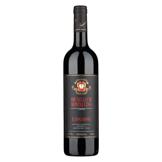
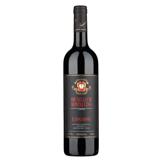
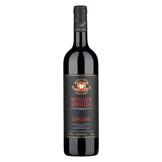
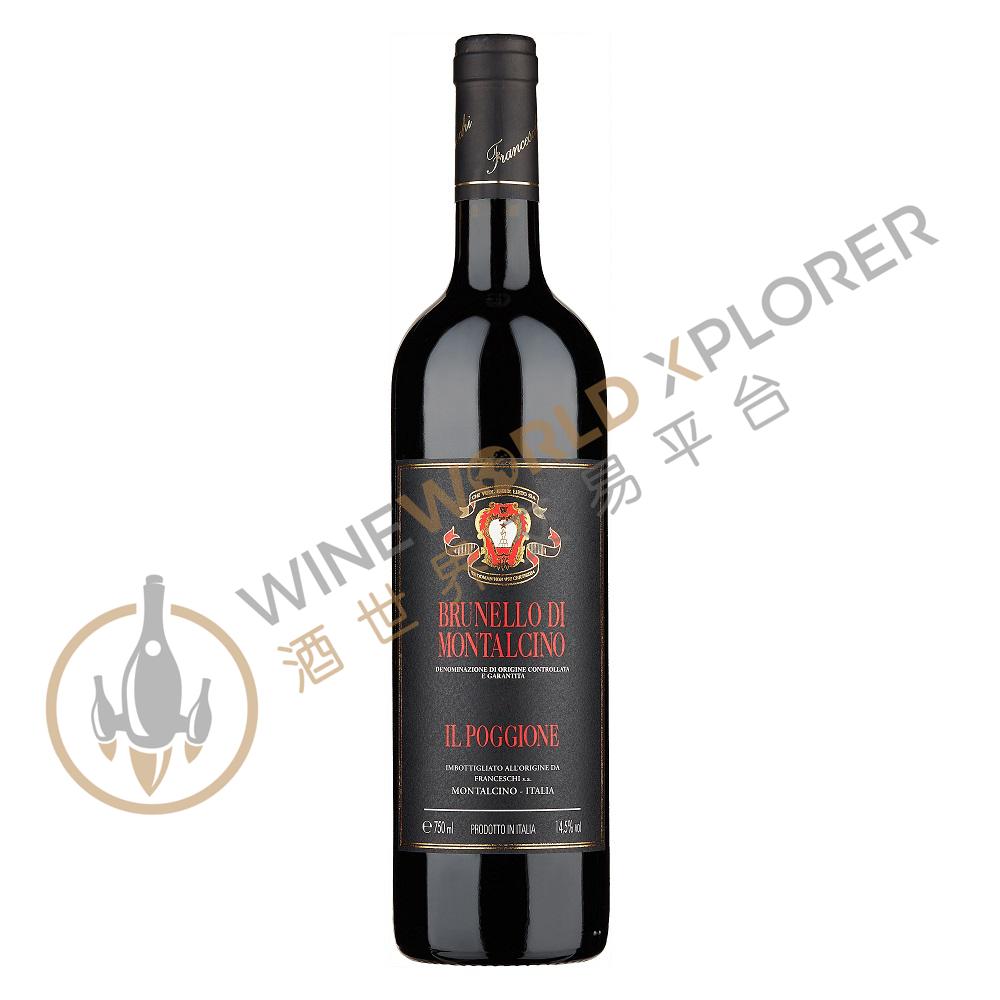
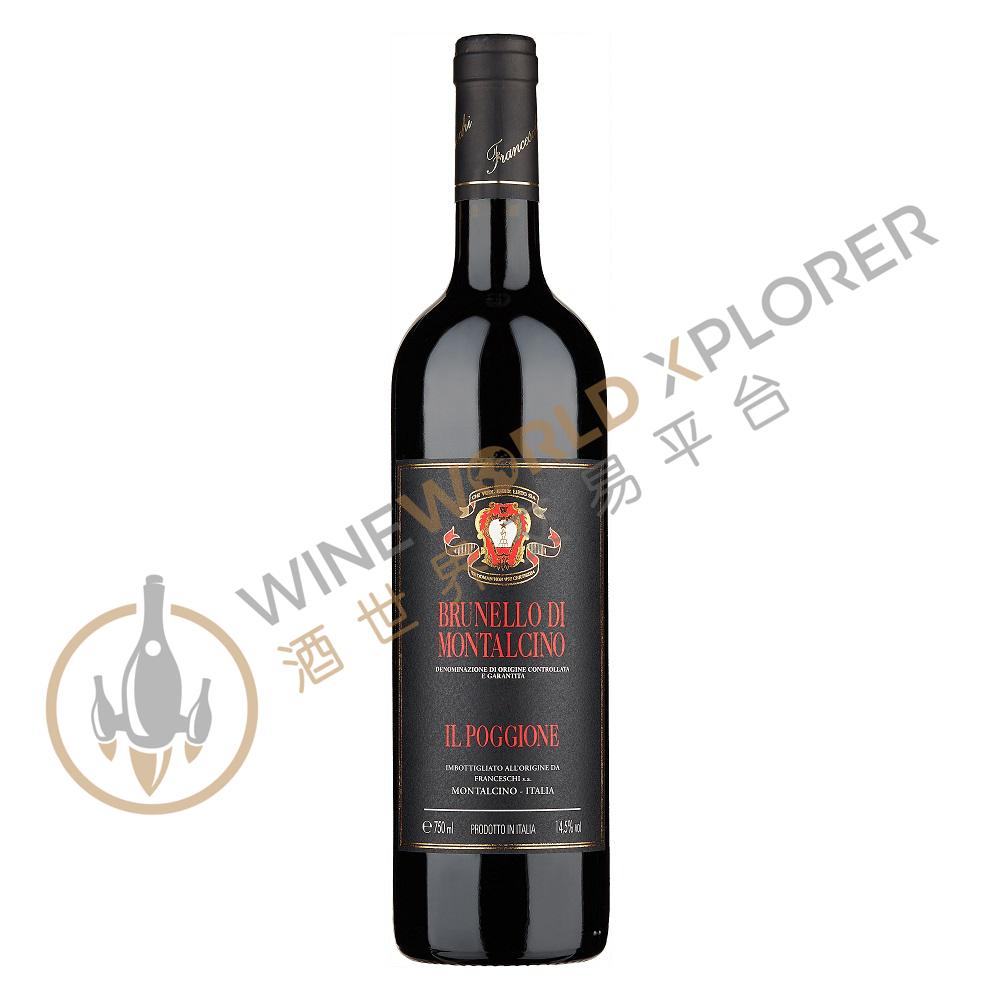
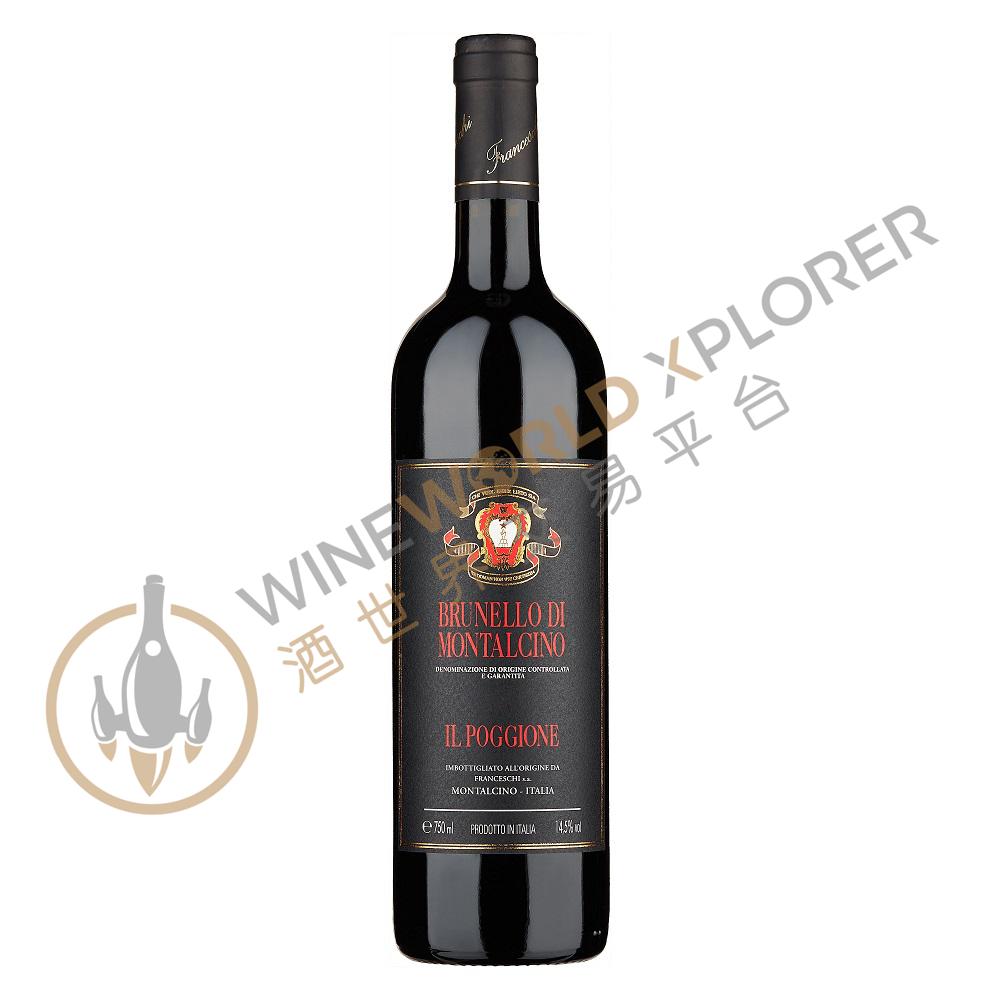
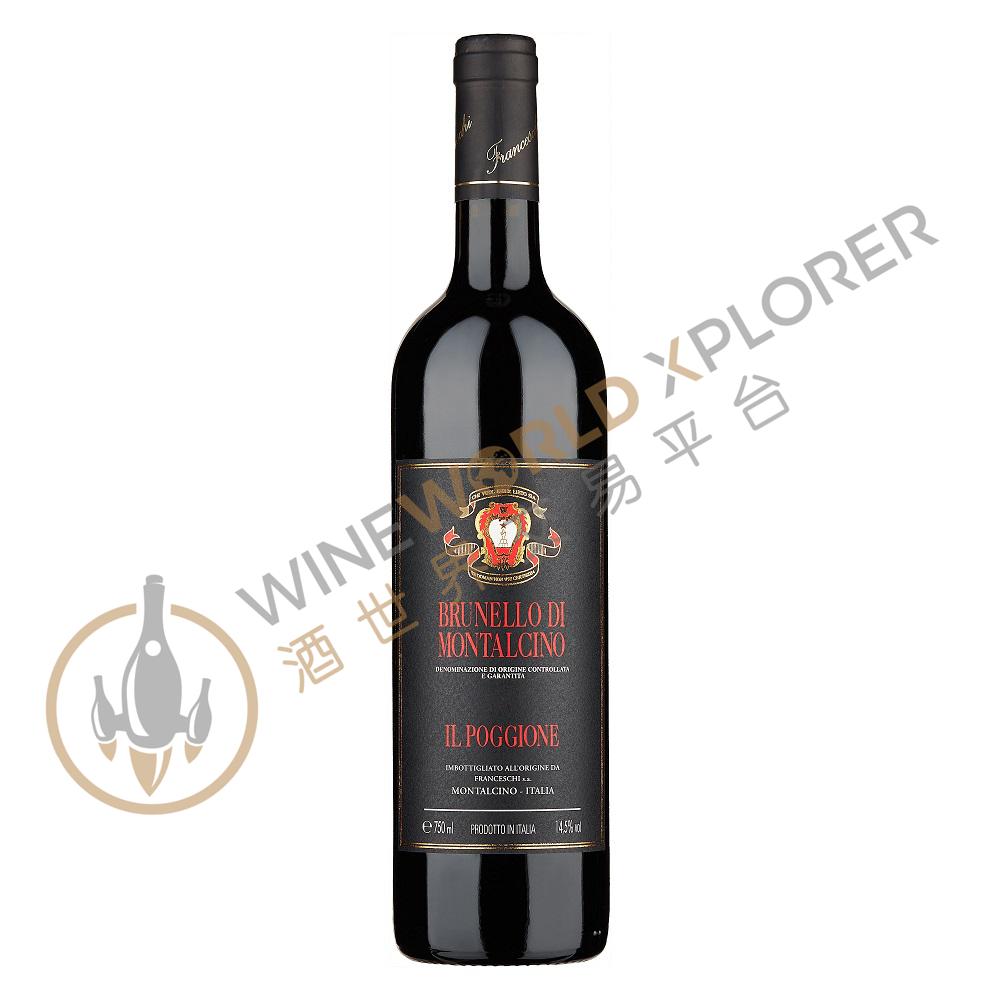
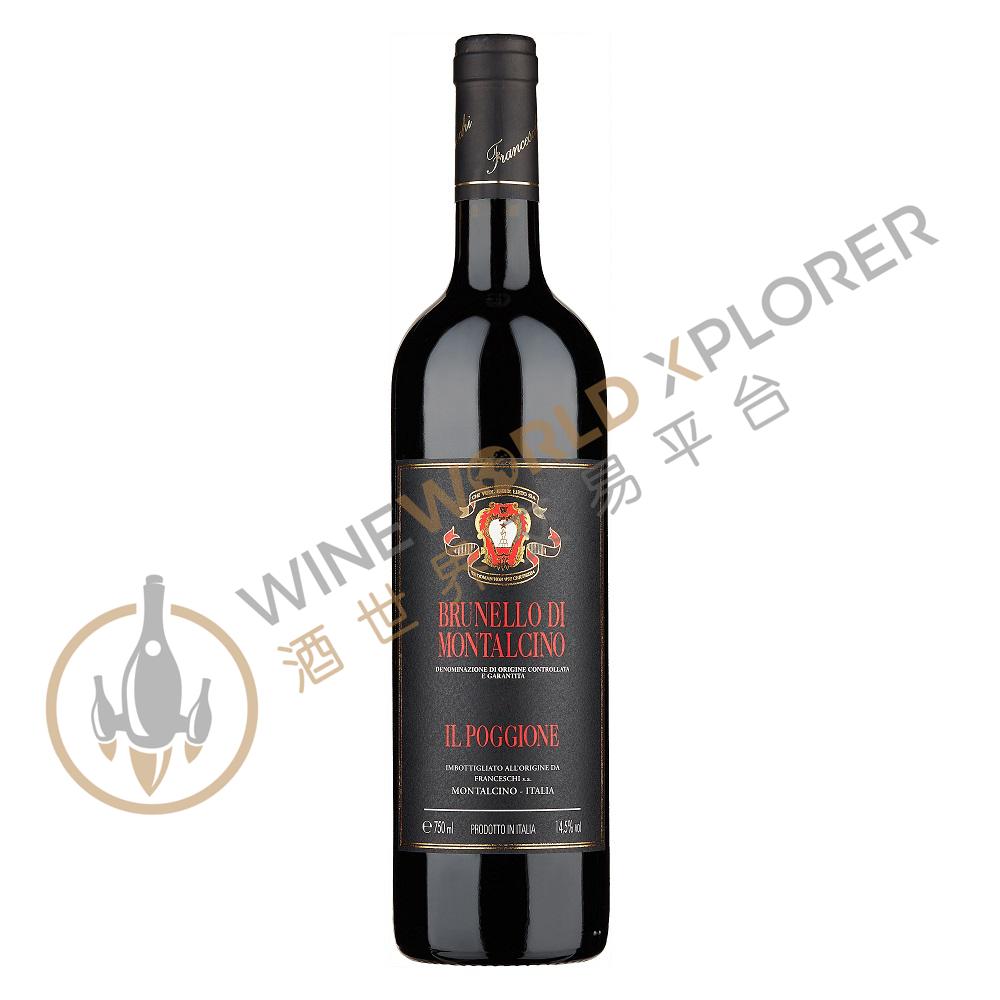
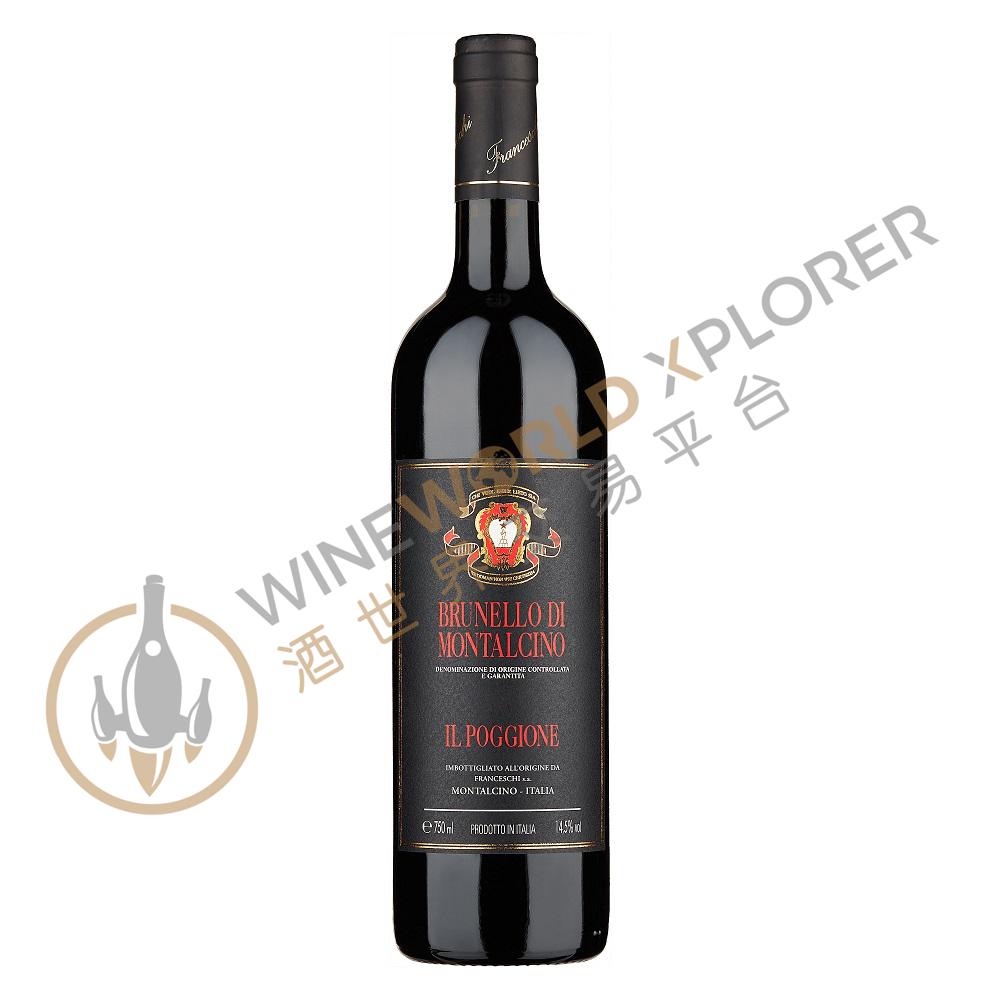
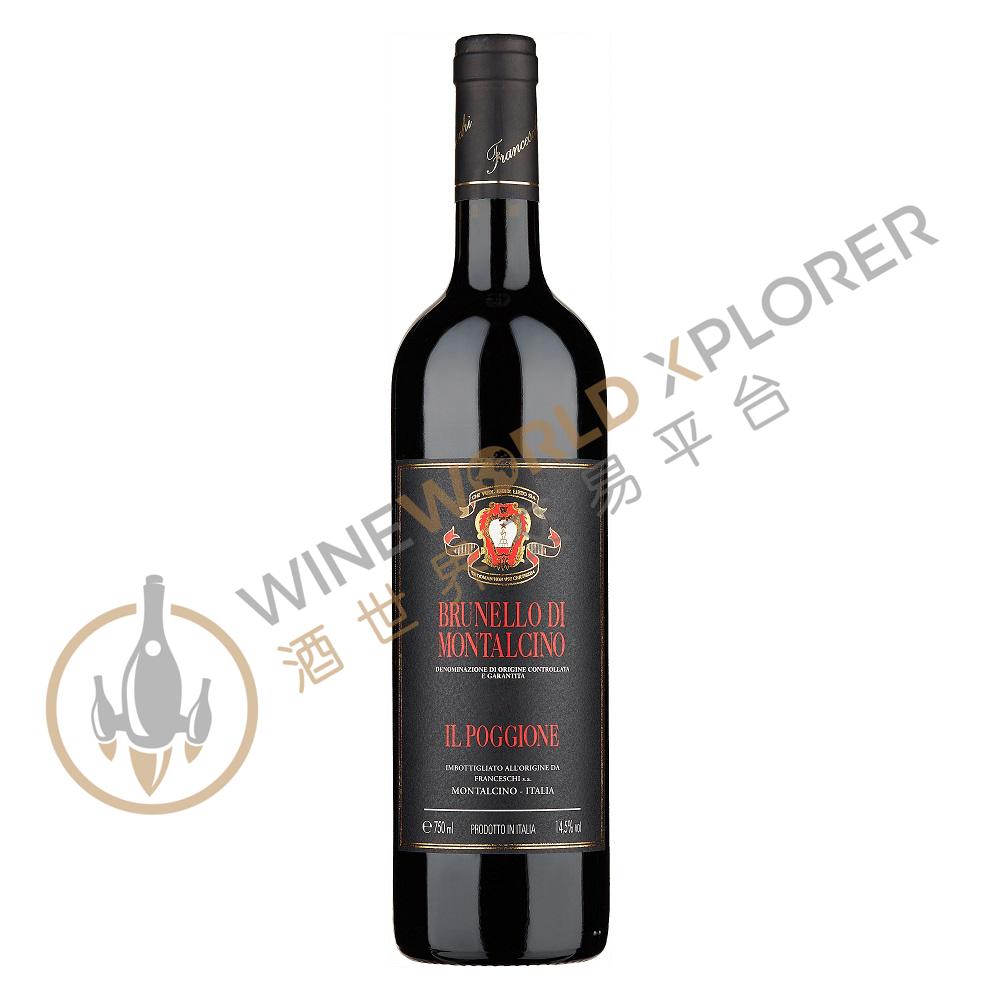
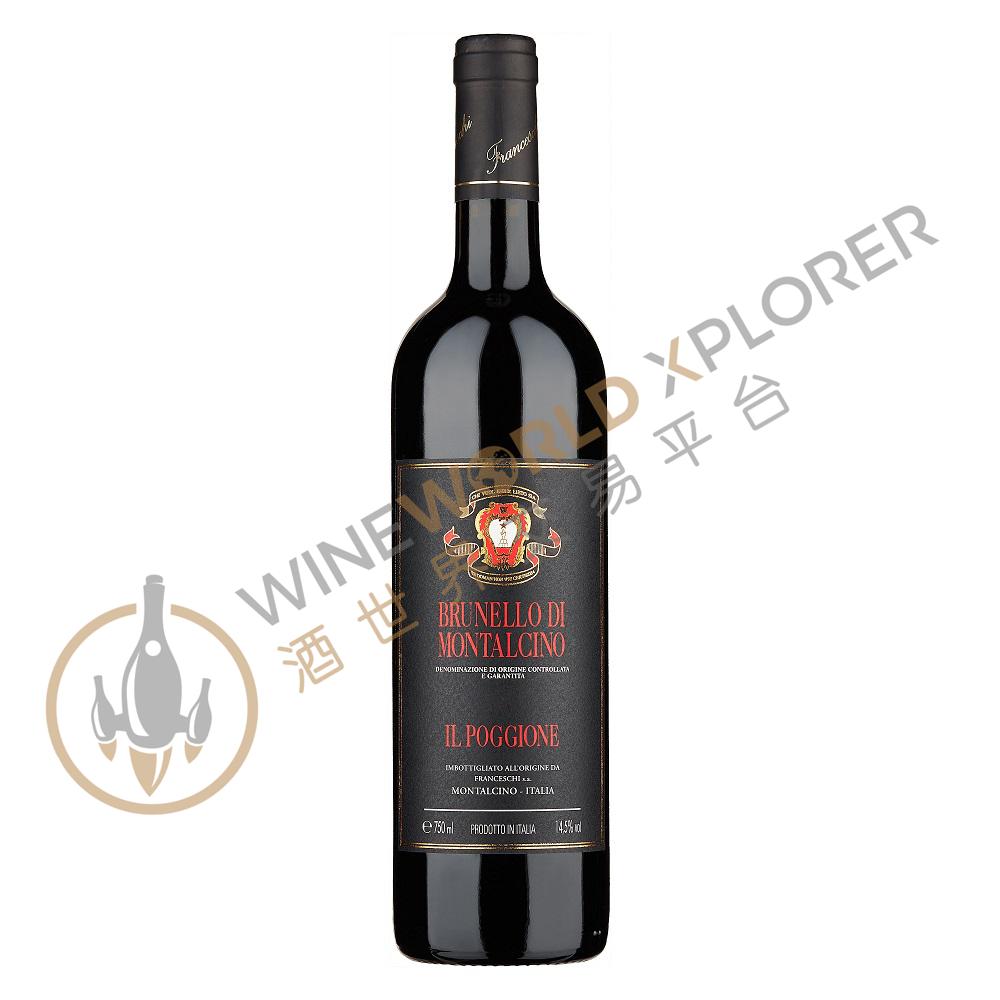
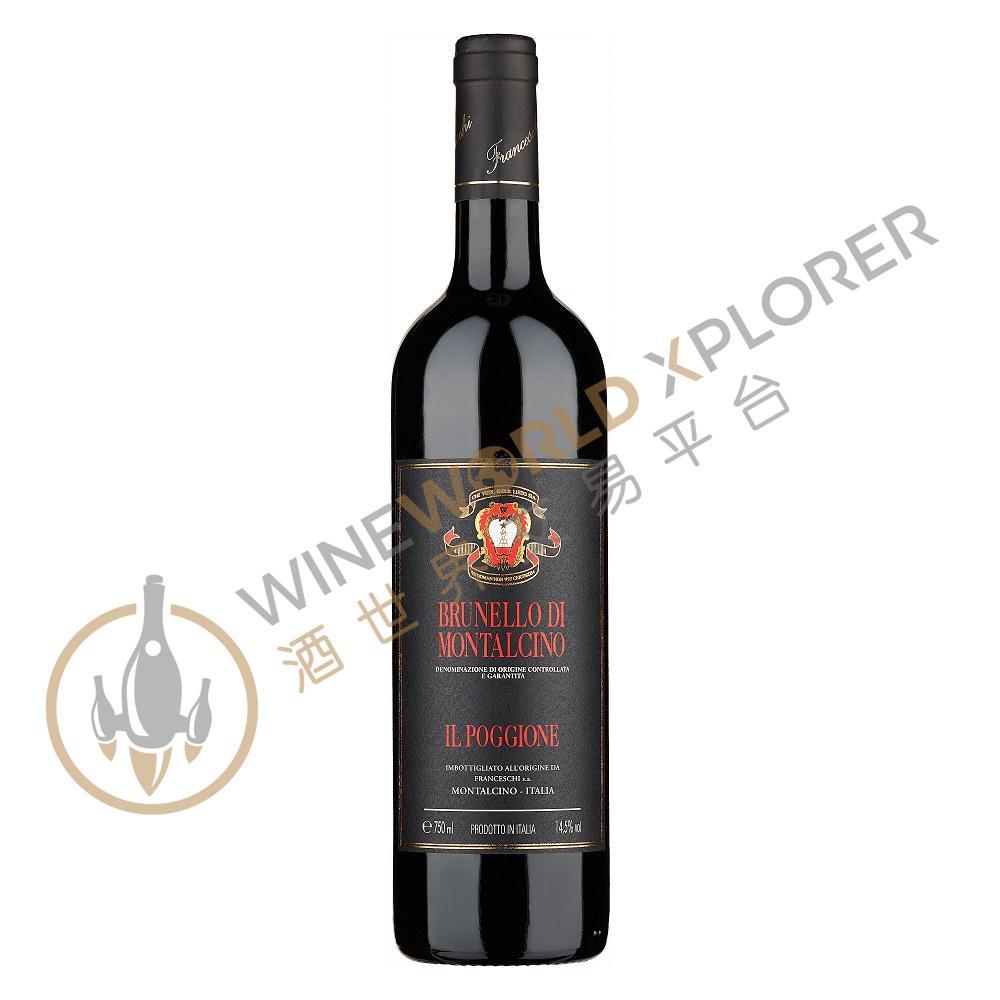
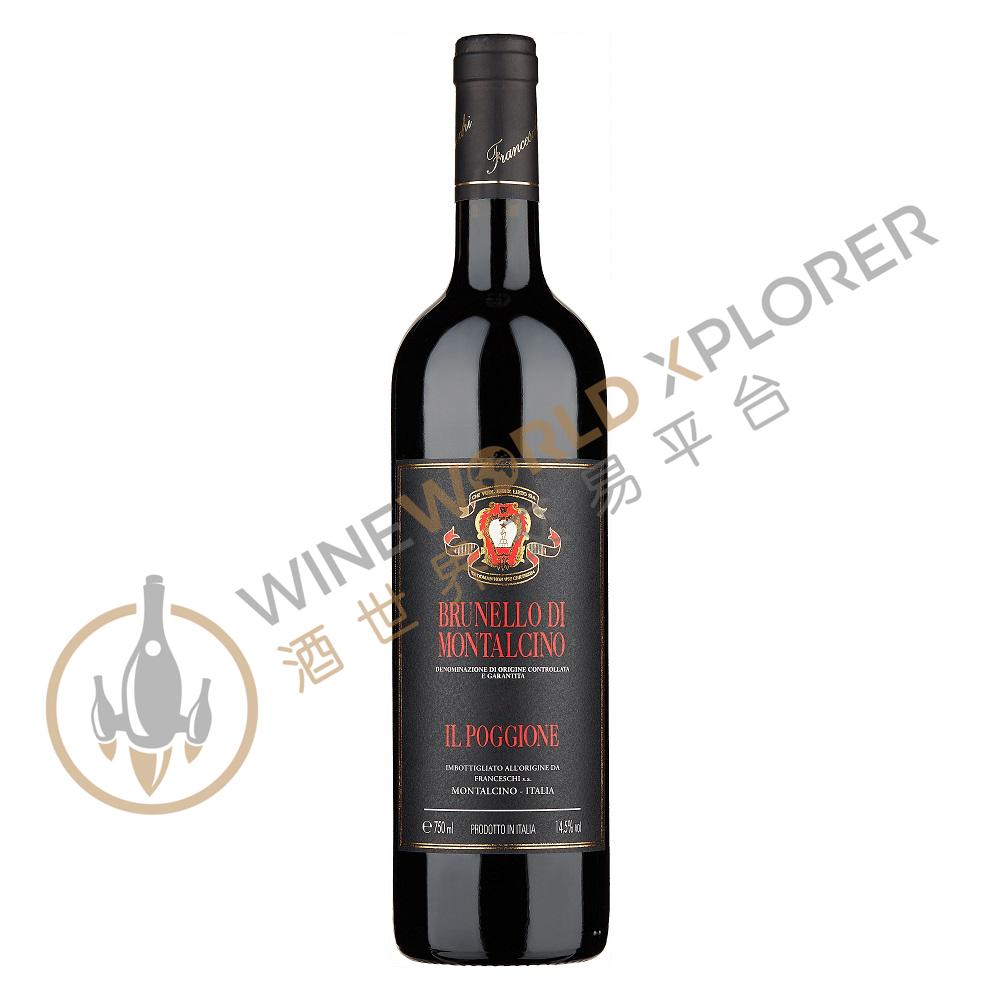
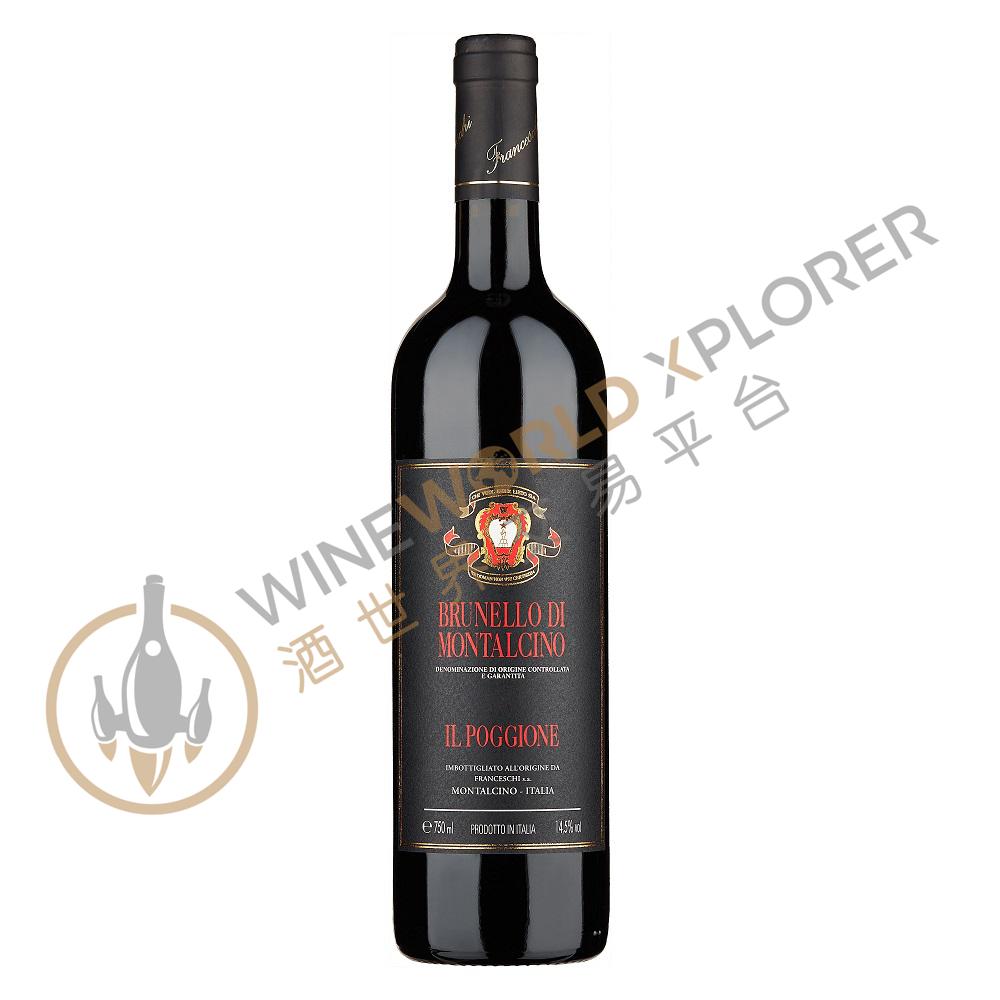
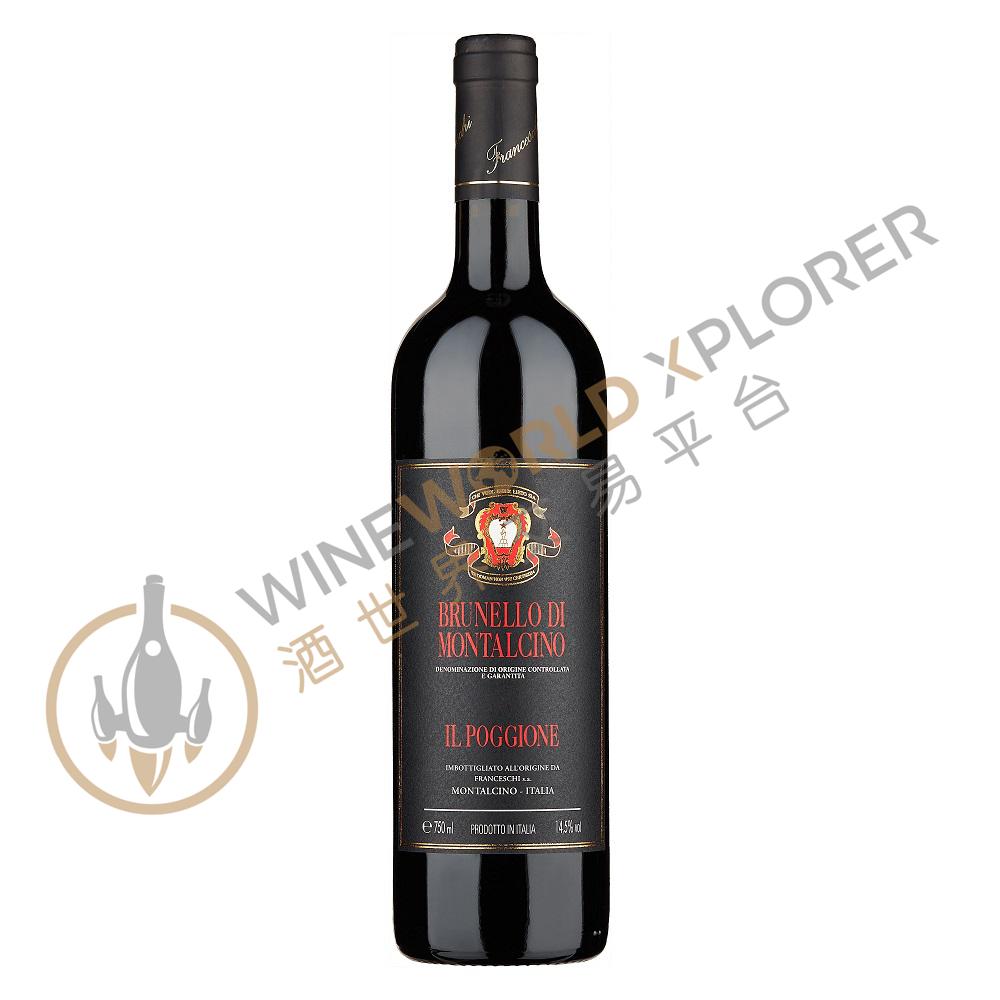
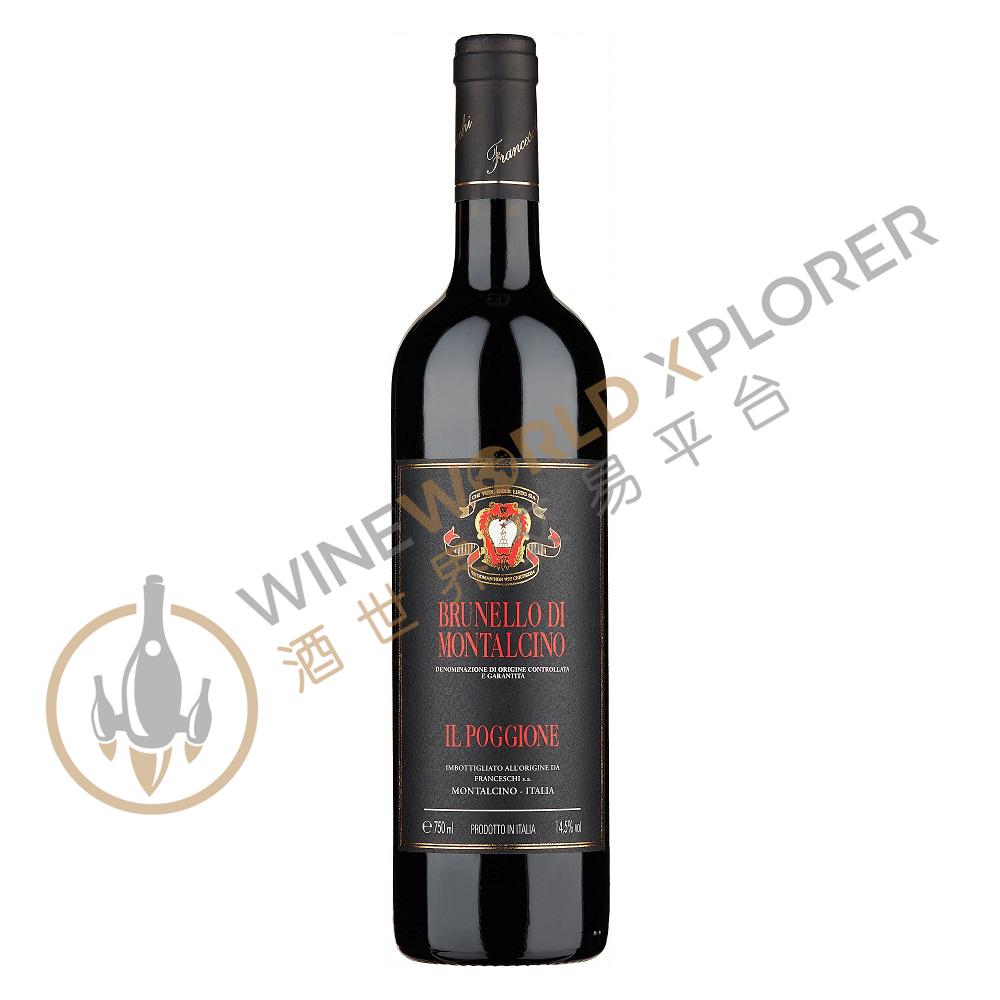
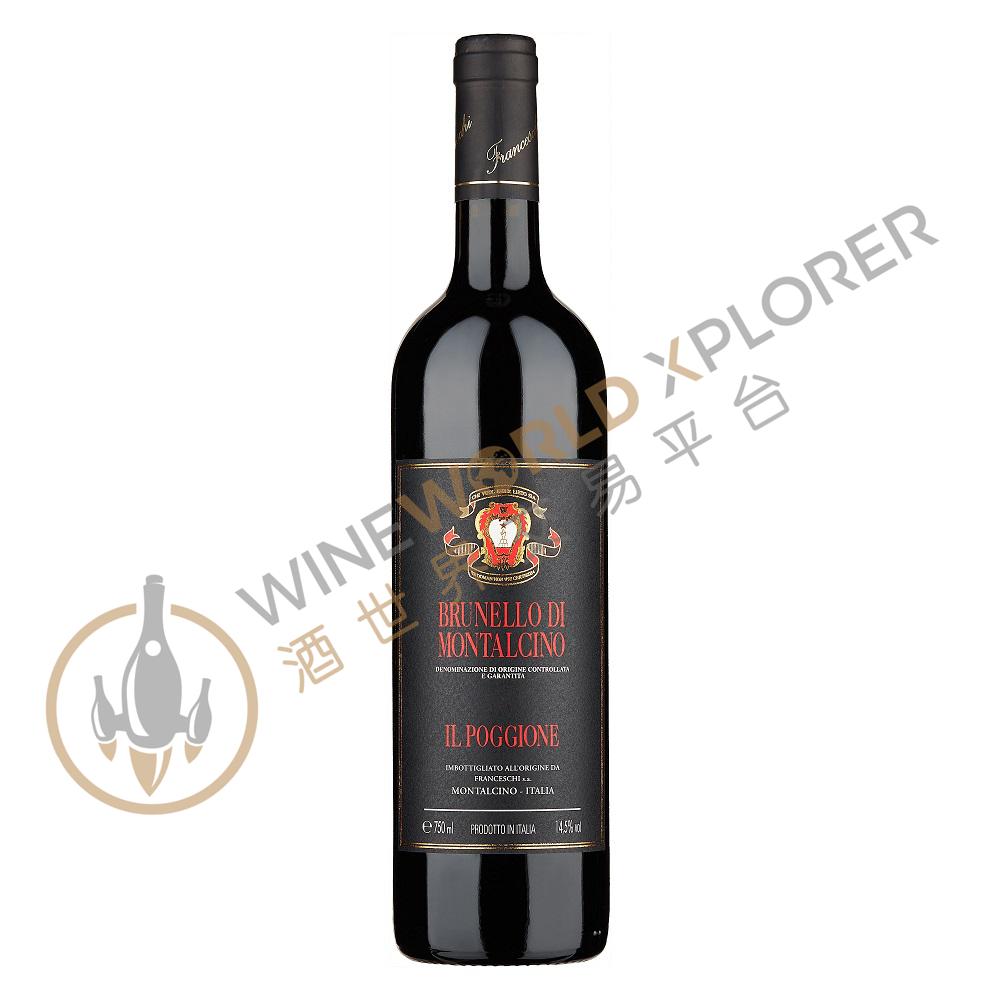
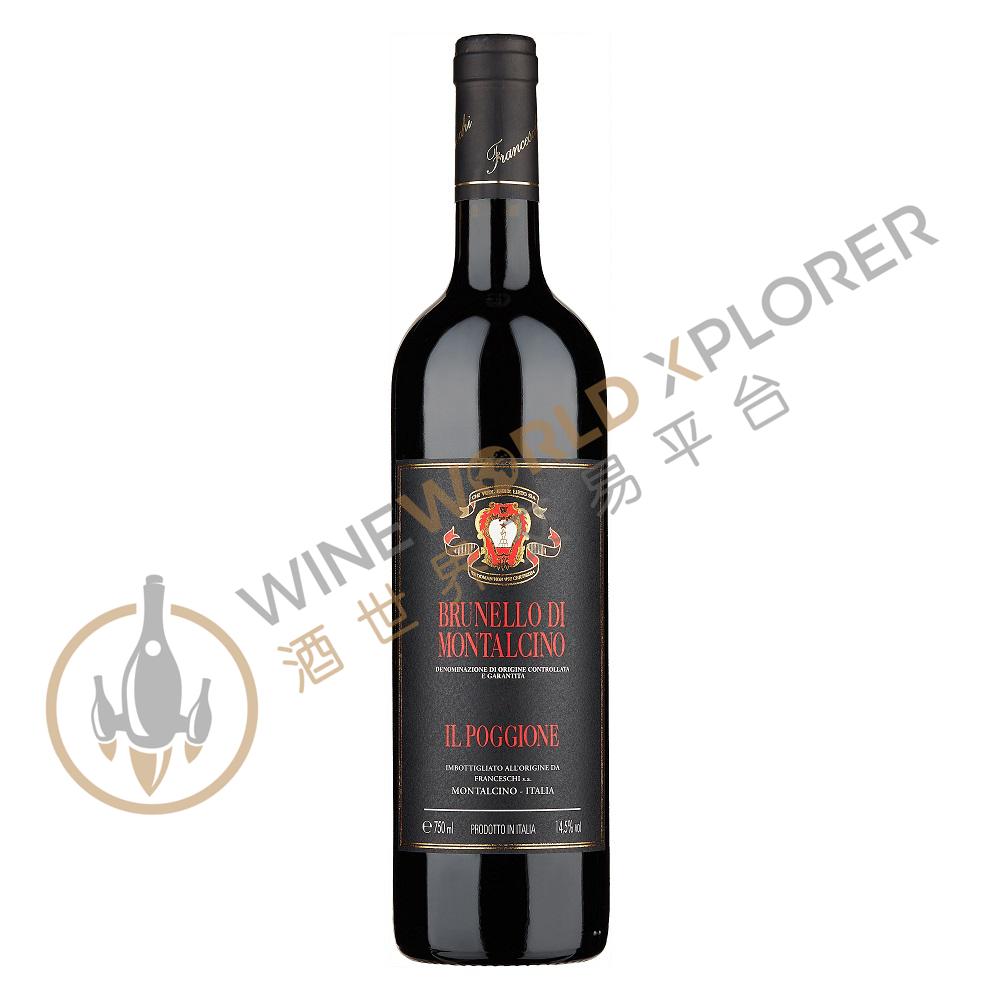
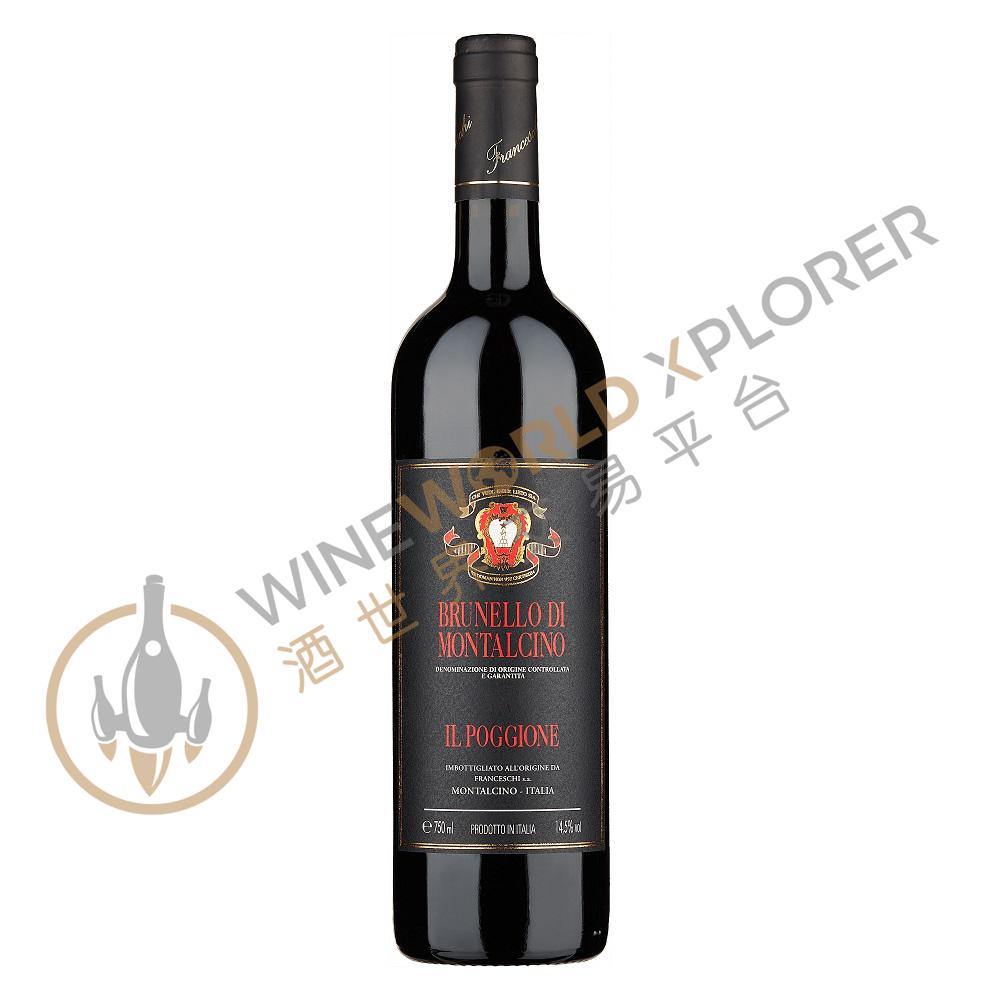
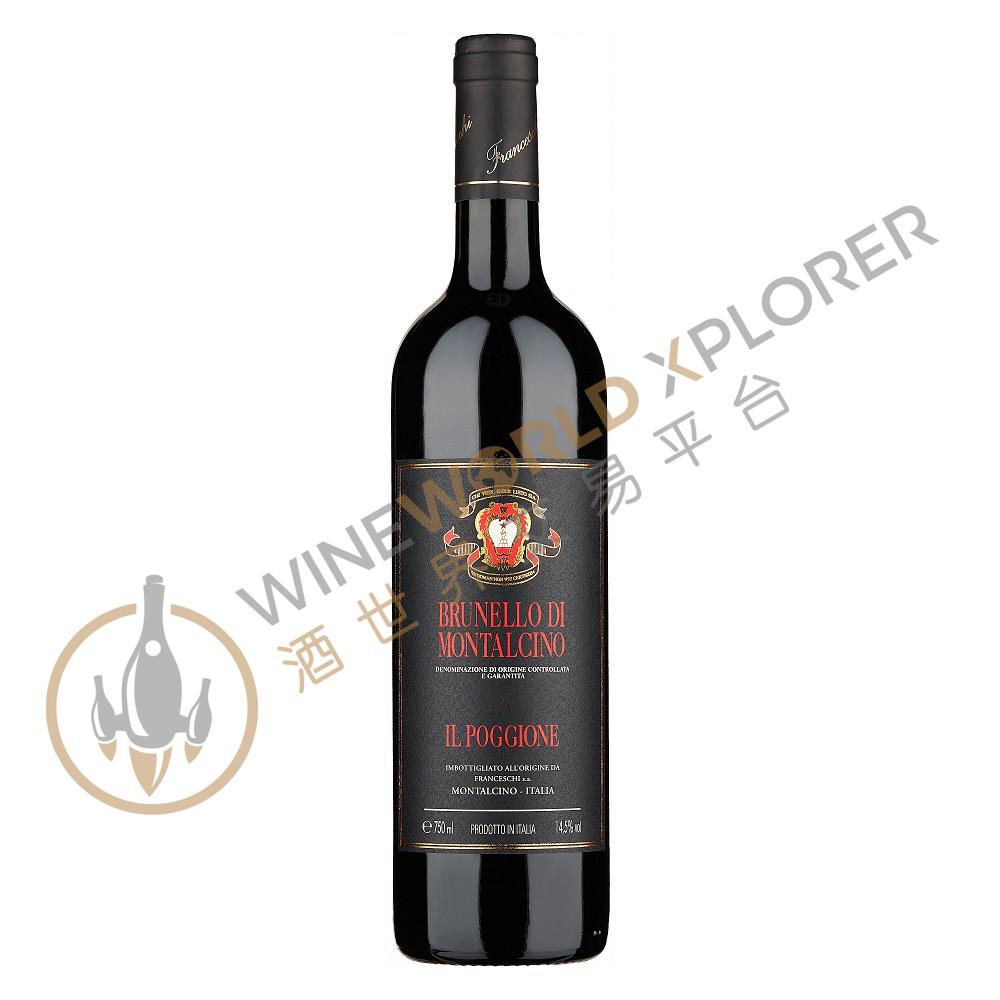
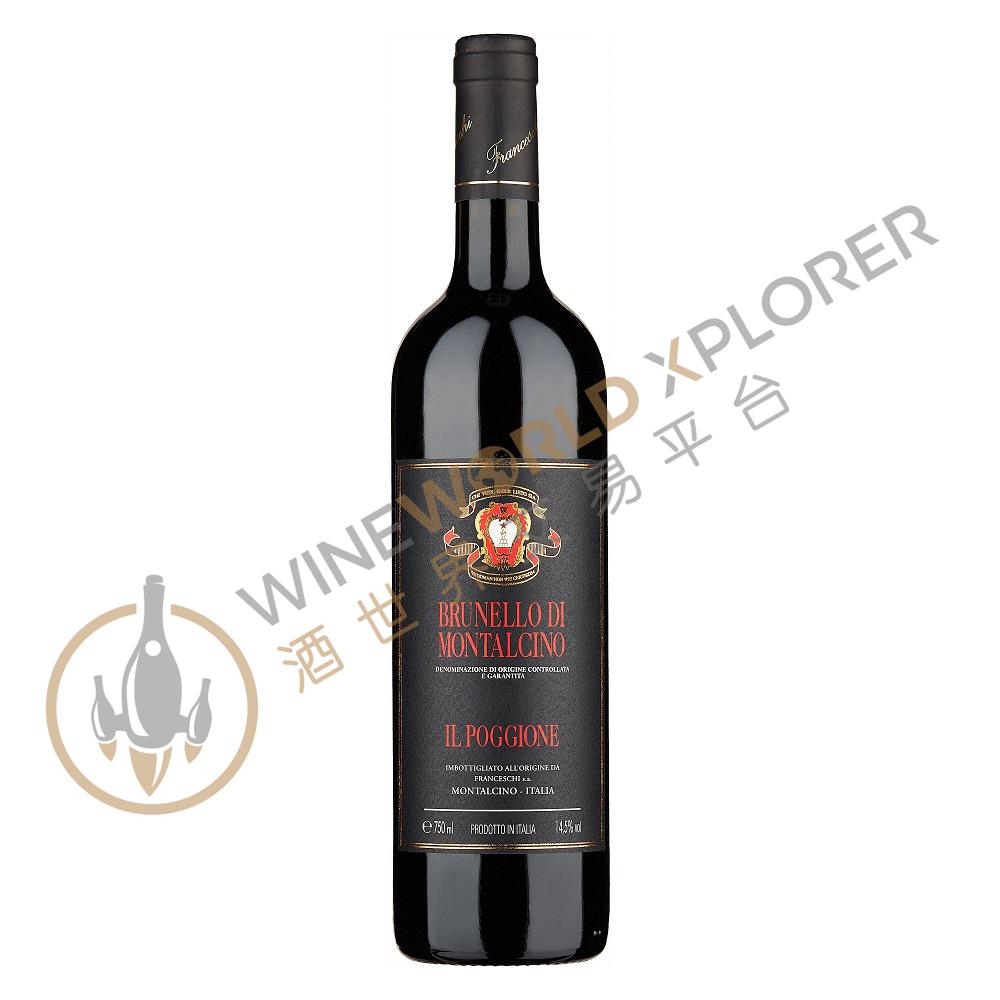
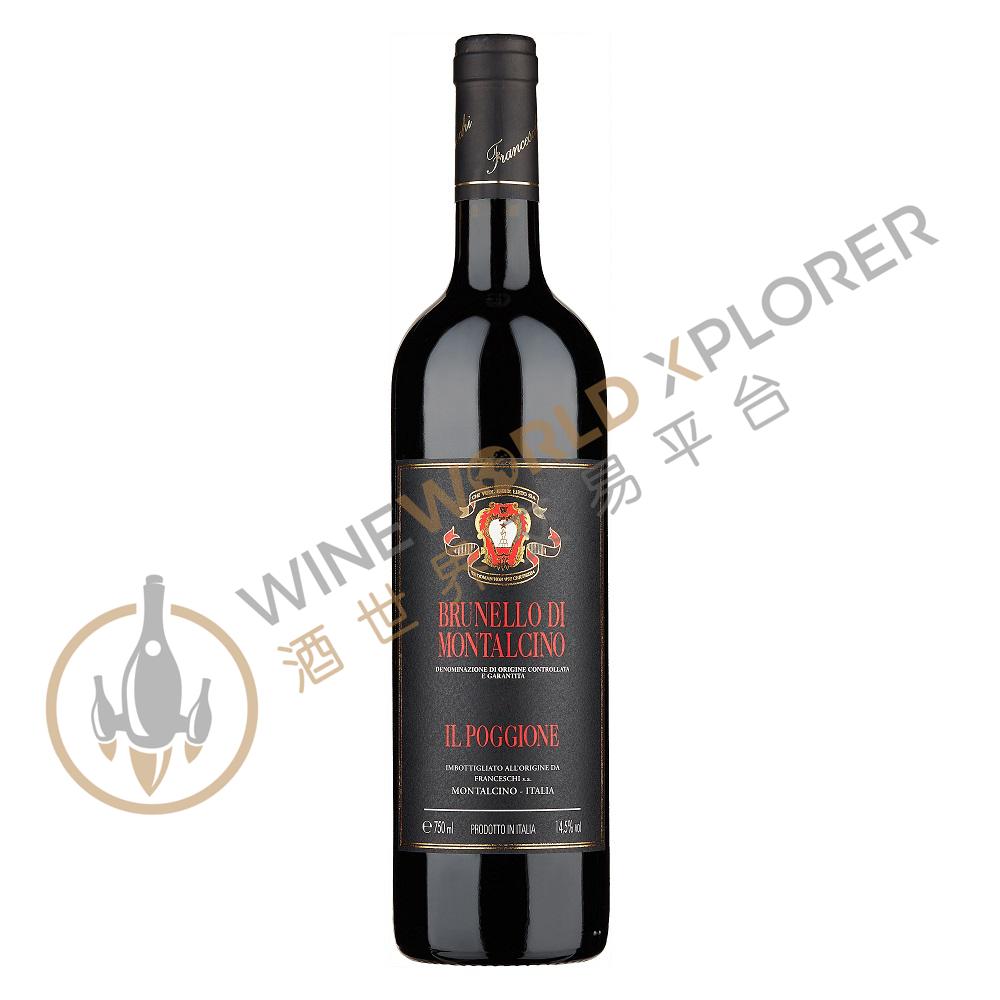
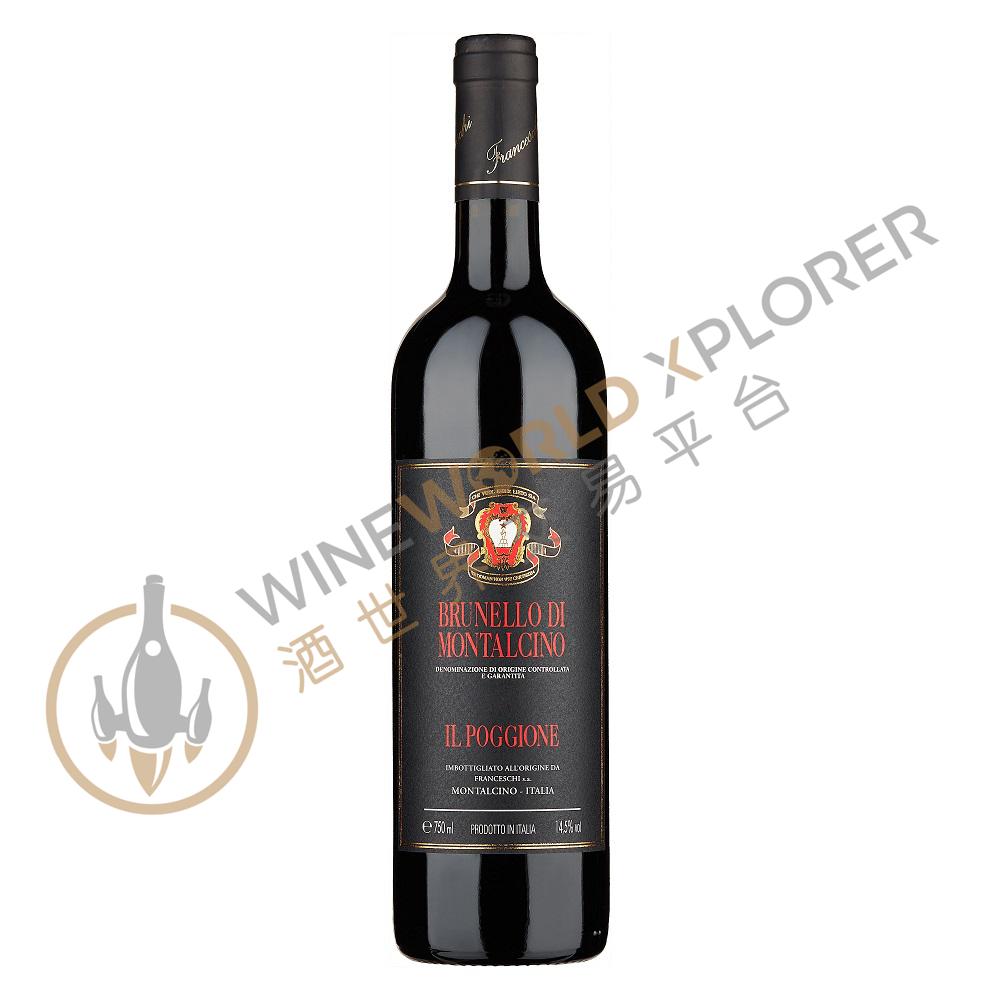
Il Poggione, Brunello di Montalcino 2010
 View analysis


Description
Tasting notes

Reviewed by: Monica Larner
The 2010 Brunello di Montalcino is a stunning creation from an iconic vintage. Sangiovese specifically requires the perfect growing conditions to show its magic, and this vintage delivers those special qualities in troves. You are aware of the deep inner power and integrity of the fruit, yet the wine opens softly on the bouquet with elegance and grace. This bottle shows stunning complexity with a bouquet that peels back to reveal dark cherry, spice, balsam herb and dried violets. The mouthfeel has yielded to a greater sense of inner softness and mellowness since I last tasted this gorgeous wine upon its commercial release.
Reviewed by: Monica Larner
The 2010 Brunello di Montalcino is a striking wine that shows uncompromising varietal pureness, albeit in a most concentrated and elaborate form. This is what great Sangiovese is all about. There's so much happening on the nose and the wine brings you to cherry, spice, licorice, cured meat, pressed rose and grilled meat in equal measure. No one element overpowers the next. The mouthfeel is also tight and bright with the kind of fruit intensity that promises long cellar aging. This Brunello is only at the beginning of a long road ahead. The longer the wine stays in the glass, the more it offers in terms of complexity and intensity. This is a true standout that can be enjoyed for up to 20 years ahead.
Reviewed by: Monica Larner
The Il Poggione 2010 Brunello di Montalcino is not showing as well as expected. Whereas the challenging 2012 vintage exceeds expectations, the celebrated 2010 edition is not especially expressive. We opened two bottles from the cellar to compare, and although there was variation, with the second bottle outperforming the first, they both felt closed. These notes are based on the second bottle that showed an overall cleaner bouquet with dried fruit, dusty mineral and dry clay. The wine delivers ample textural heft, and the tannins are upright and precise. However, the overall delivery is muted and shallow. You are left wanting more from the wine, and I wonder if it is going through an awkward phase at this moment with the potential to extend and open in the coming years.
Reviewed by: Antonio Galloni
Il Poggione’s 2010 Brunello di Montalcino is the single best value in top-flight Brunello di Montalcino. If there was any doubt about that, this tasting makes it clear that Il Poggione belongs right up there along with the best of them. A towering, massively endowed wine, the Poggione is simply marvelous.
Reviewed by: Antonio Galloni
Il Poggione's 2010 Brunello di Montalcino is a remarkably beautiful wine. Rose petal, mint, cinnamon, sweet dark cherries and smoke lift from the glass in a translucent, wiry Brunello built on energy and power. This is an especially lifted, precise and nuanced Brunello from Il Poggione, with more emphasis on length and mid-weight structure rather than overt volume. In many ways, the 2010 comes across as a modern-day version of the 1982 Riserva. Readers who have tasted that wine know just how special that is. For the money, there is not a single better wine being made in Montalcino than Il Poggione's Brunello. Truth is, it is also better than many far more expensive offerings. There are two Brunellos I would buy confidently in any vintage. This is one of them.
About the Producer
Tenuta il poggione covers an area of 530 hectares (1300 acres), of which 140 hectares (336 acres) are planted with vines and 50 hectares (120 acres) with olive trees; the rest are dedicated to grain fields, forest and livestock. The estate’s guiding principle is to pay great care to the vines, because the secret of producing great red wines lies in the high-quality vineyard work. In the light of a sustainable agriculture, the winery has always planted different crops along the vineyards and limited the use of chemicals. Most recently, it has installed solar panels on the roof of its cellar, with the purpose to reduce the carbon footprint of its wines. The vineyard work is mainly manual, for the harvest and for the other jobs. Thanks to the practice of the green harvest, the monitoring of the vineyards’ health conditions and the soil’s nutritional needs, it is possible to obtain an excellent wine even in more difficult vintages.