
 Wine Advisor



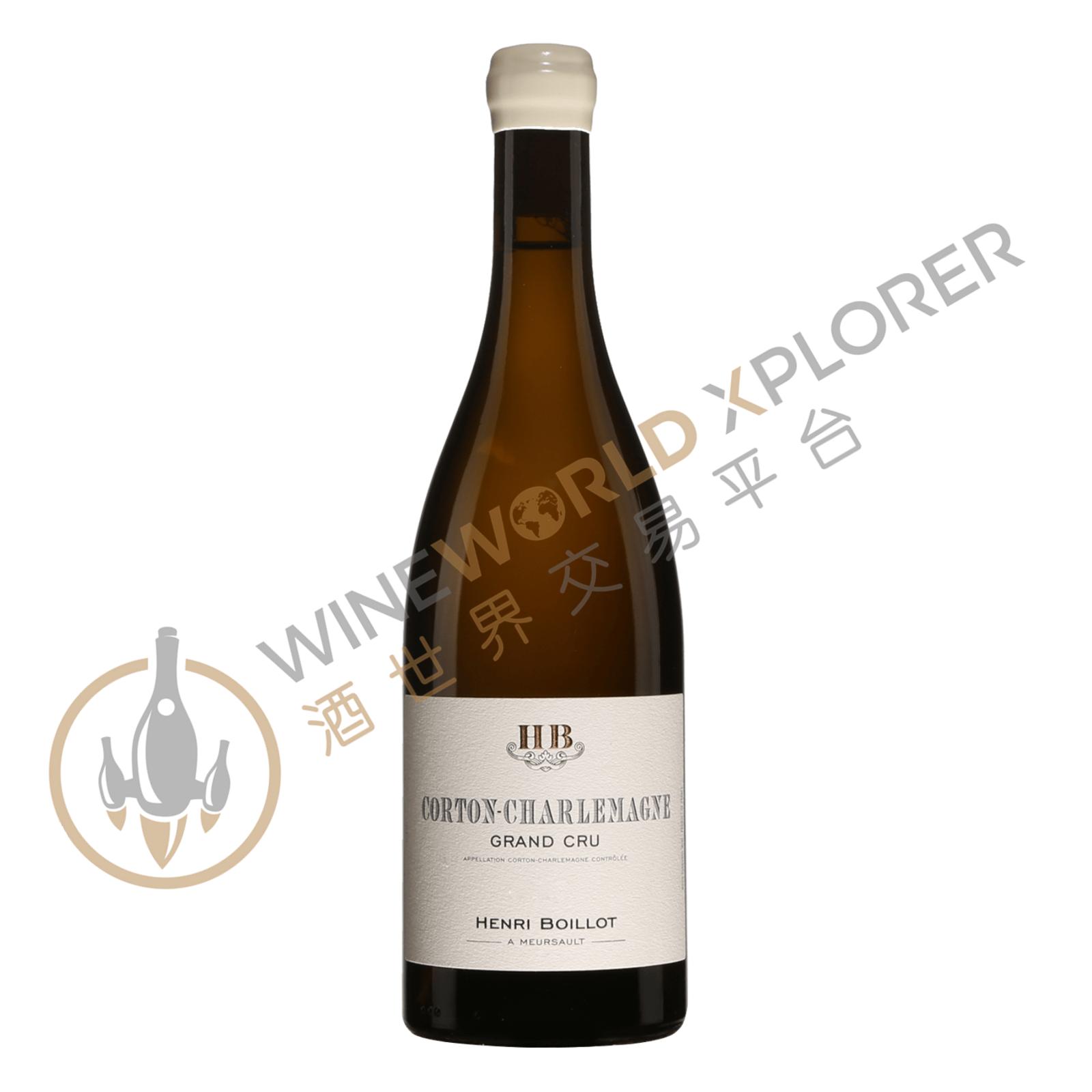
Henri Boillot, Corton Charlemagne Grand Cru 2016
 View analysis


Description
Tasting notes

Reviewed by: Stephen Tanzer
(75% new oak; 4.4 grams per liter acidity; from vines in Aloxe, which Boillot picked last in 2016 before starting on Pinot Noir): Bright light-medium yellow. Subtly complex, musky aromas of peach, caraway seed, nutmeg, mace and hazelnutty lees. At once densely packed and penetrating, with a stony citric pungency giving precision to the seamless middle palate and cutting through the wine's texture. Wonderfully pure and energetic for this cuvée, finishing tactile and unflagging, with terrific citrus lift. This has the palate-staining length and structure for a slow and graceful evolution in bottle; it's also the only 2016 here that struck me as tannic, but then classic Corton-Charlemagne typically shows structure more like a red wine.
Reviewed by: Stephen Tanzer
(75% new oak; 4.4 grams per liter acidity; from vines in Aloxe, which Boillot picked last in 2016 before starting on Pinot Noir): Bright light-medium yellow. Subtly complex, musky aromas of peach, caraway seed, nutmeg, mace and hazelnutty lees. At once densely packed and penetrating, with a stony citric pungency giving precision to the seamless middle palate and cutting through the wine's texture. Wonderfully pure and energetic for this cuvée, finishing tactile and unflagging, with terrific citrus lift. This has the palate-staining length and structure for a slow and graceful evolution in bottle; it's also the only 2016 here that struck me as tannic, but then classic Corton-Charlemagne typically shows structure more like a red wine.
About the Producer
Domaine Henri Boillot, located in the wine-producing village of Meursault in the Cote de Beaune, Burgundy, France, is a winery with a long history of quality. The vineyards of Château Boileau are located in the Côtes de Bern and Cote de Nuits appellations. The grapes for the white wines are mainly produced in the Grand Cru and Premier Cru of Prigny-Montrachet, where the soil is mainly brown limestone with occasional limestone clay soils, giving the white wines a complex and elegant taste. The grapes for the red wines come mainly from the first growths of the Volnay appellation, where the soils are mainly schist and limestone, giving the wines aromatic intensity and finesse. Château Boisrot follows traditional winemaking techniques. When the grapes reach optimum ripeness, they are picked by hand and transported to the winery. In the winery, the grapes are carefully selected and destemmed by the winery workers in order to select the best quality fruit. For the white wines, the grapes are pressed after breaking their skins and the must is then poured into fermenters where it is partially fermented and transferred to new French oak barrels for maturation. Unlike white wines, red wines are made by placing the broken skins of the grapes directly into the fermenters, allowing the skins to come into contact with the juice to extract the right amount of pigments, tannins and flavours. After fermentation, all red wines are matured in new French oak barrels, allowing oxygen to penetrate through the grain and soften the tannins, giving the wine a smooth texture and complex aromas. Currently, all of Château Boisrot's white wines are made from Chardonnay, a fresh and fruity wine that has been described as the 'star of white wines' in Burgundy. The red wines are all made from Pinot Noir, a rich and powerful wine that has received a great deal of praise from wine critics and wine reviewers.
