
 Wine Advisor



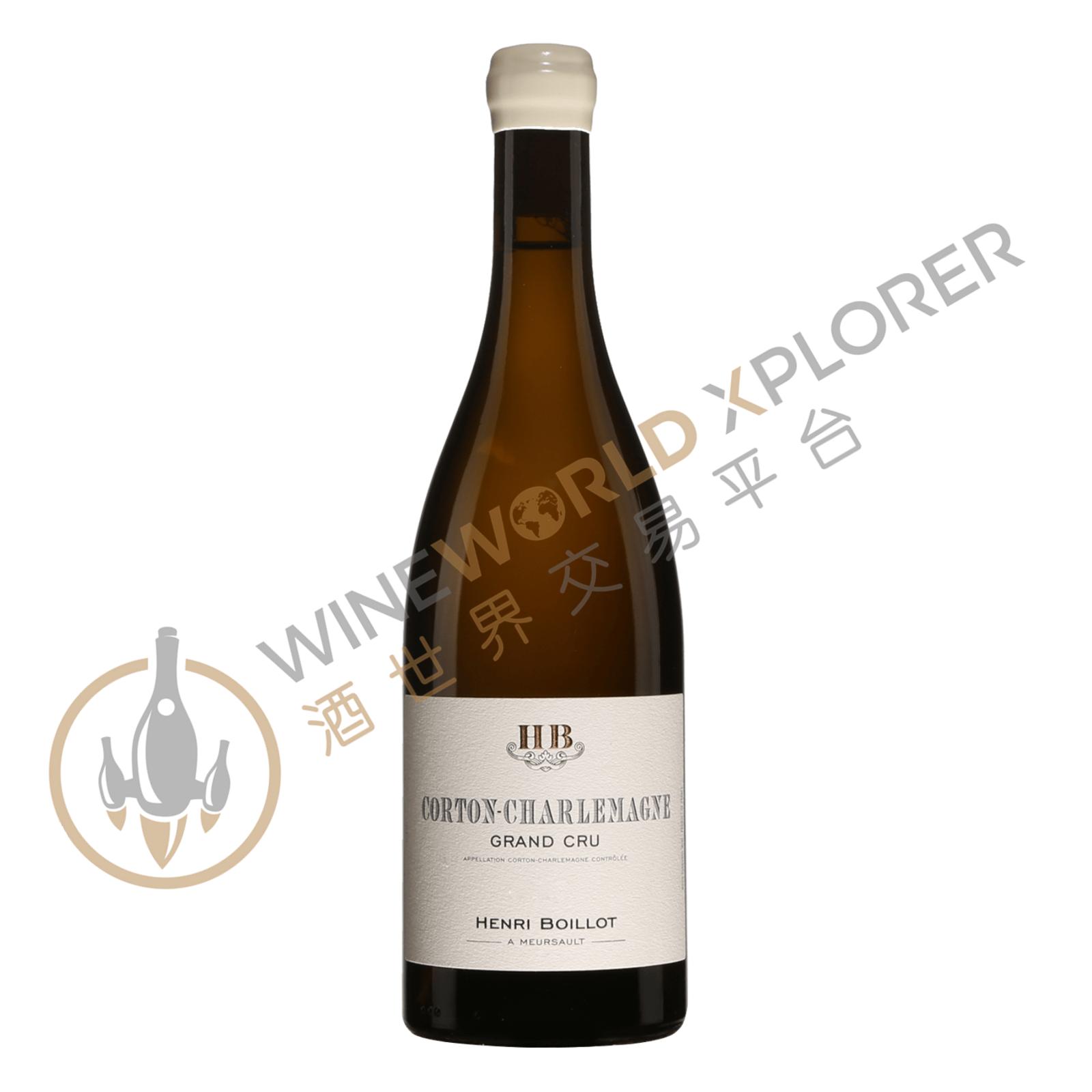
Henri Boillot, Corton Charlemagne Grand Cru 2014
 View analysis


Description
Tasting notes

Reviewed by: Neal Martin
The 2014 Corton-Charlemagne Grand Cru has a clean, well defined bouquet with hints of almond and white chocolate, although I was seeking a little more personality to come through. The palate shows the nose how it's done and it is probably more indicative: spice, ginger, almond, citrus fruit and a touch of white peach. This is very complex and the more you remain in its presence, the more it wins you over. Cellar this for 4-5 years and you should have a very fine Corton Charlemagne on your hands, but it covets its secrets for now.
Reviewed by: Stephen Tanzer
(from vines on the Aloxe side, which suffered only minor hail damage): Pale yellow. Musky, reduced nose suggests a tannic wine, offering hints of flint and petrol. Then superconcentrated and tactile but bone-dry, conveying a powerful impression of dry extract. Boasts terrific inner-mouth energy but this wine is very tightly coiled today, with its fruit totally hidden. The very long, slowly building finish is lifted by a spicy perfume. Should make a superb vin de terroir.
About the Producer
Domaine Henri Boillot, located in the wine-producing village of Meursault in the Cote de Beaune, Burgundy, France, is a winery with a long history of quality. The vineyards of Château Boileau are located in the Côtes de Bern and Cote de Nuits appellations. The grapes for the white wines are mainly produced in the Grand Cru and Premier Cru of Prigny-Montrachet, where the soil is mainly brown limestone with occasional limestone clay soils, giving the white wines a complex and elegant taste. The grapes for the red wines come mainly from the first growths of the Volnay appellation, where the soils are mainly schist and limestone, giving the wines aromatic intensity and finesse. Château Boisrot follows traditional winemaking techniques. When the grapes reach optimum ripeness, they are picked by hand and transported to the winery. In the winery, the grapes are carefully selected and destemmed by the winery workers in order to select the best quality fruit. For the white wines, the grapes are pressed after breaking their skins and the must is then poured into fermenters where it is partially fermented and transferred to new French oak barrels for maturation. Unlike white wines, red wines are made by placing the broken skins of the grapes directly into the fermenters, allowing the skins to come into contact with the juice to extract the right amount of pigments, tannins and flavours. After fermentation, all red wines are matured in new French oak barrels, allowing oxygen to penetrate through the grain and soften the tannins, giving the wine a smooth texture and complex aromas. Currently, all of Château Boisrot's white wines are made from Chardonnay, a fresh and fruity wine that has been described as the 'star of white wines' in Burgundy. The red wines are all made from Pinot Noir, a rich and powerful wine that has received a great deal of praise from wine critics and wine reviewers.
