
 Wine Advisor



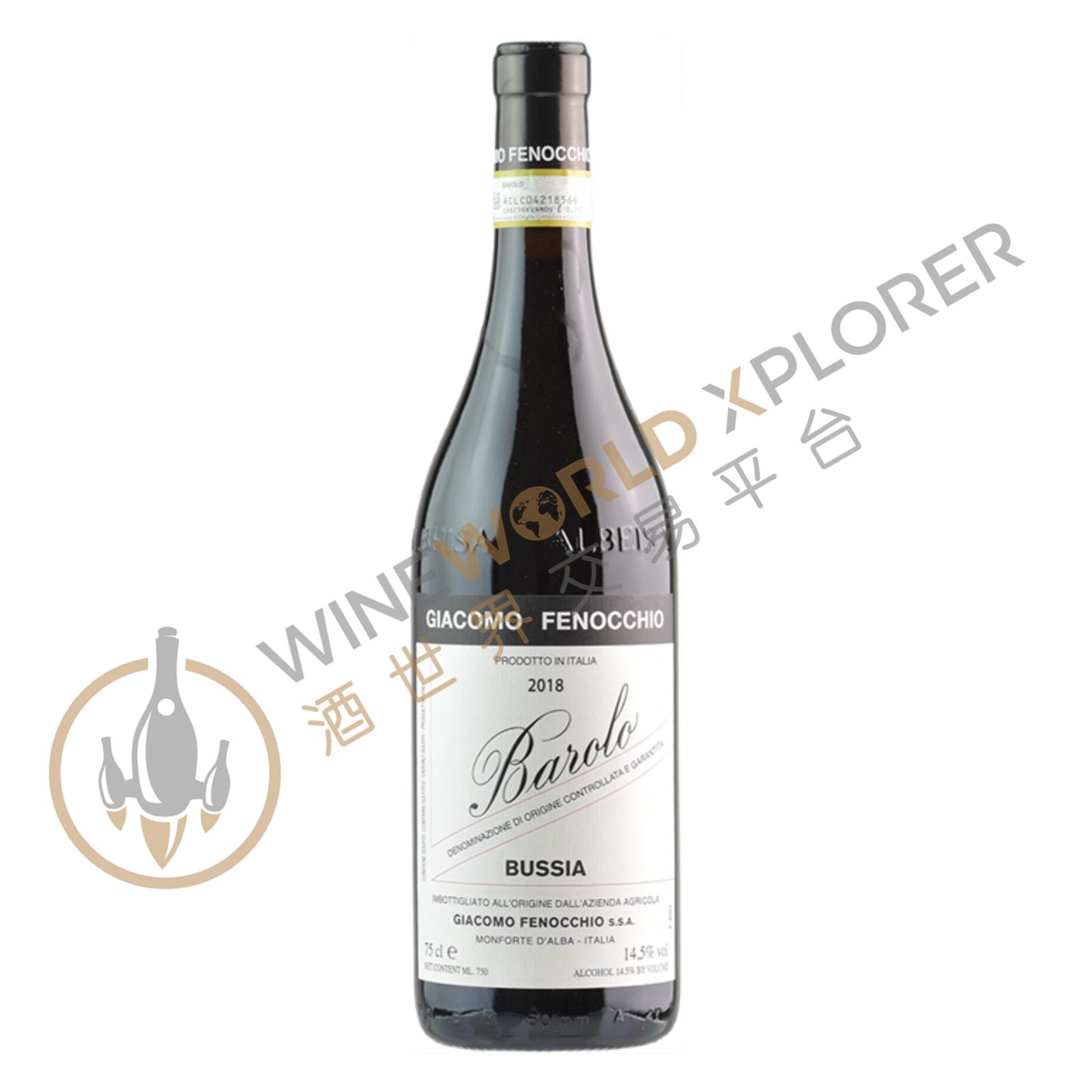
Giacomo Fenocchio, Barolo Bussia 2021
 View analysis


Description
Tasting notes

Reviewed by: Jacobo Garcia-Andrade Llamas
Blackberries with sweet spices, as well as plums and a touch of cedar. The palate is medium- to full-bodied with polished yet firm tannins that stick to the palate. Lovely, juicy fruit profile. This should evolve nicely, but needs some time. Better from 2026.
Reviewed by: Antonio Galloni
The 2021 Barolo Bussia is an absolute delight. Aromatic, graceful and light on its feet, the 2021 is pure seduction. Pine, mint, cloves, new leather, licorice, wild cherry and sage are some of the many notes that are laced together in this exquisite, haunting Barolo from Claudio Fenocchio.
About the Producer
Five generations of Fenocchios have been producing wine from their holdings in Monforte d’Alba since 1894. Most of the production was sold locally up until 1964, when the ambitious and energetic Giacomo Fenocchio took over the estate. In his quest to make the finest wines in all of Barolo, he purchased prime parcels in Cannubi and nearby Castellero, but his focus was always on what he liked to call the heart of the Barolo area, the Bussia. In April of 1989, Giacomo passed away, leaving his young son Claudio to take over all farming and winemaking duties for the estate. As Claudio explains it, it was a challenging time for Barolo. Many producers were pushing a “new way” to make Barolo, and having great commercial success; but Claudio never strayed from the path of tradition. He continued producing his wines with the time honored techniques of the classic style: organic farming, with long fermentations on the skins and aging only in large Slavonian oak casks. Today Claudio’s wines exhibit a level of terroir clarity that is only found in the top echelon of producers. If you’re looking for the next star winemaker in Italy, look no further. In October of 2014, The New York Times rated Fenocchio in second position in a tasting of 2010 Barolos – coming behind only Elio Altare and ahead of Elio Grasso, Massolino, and Vietti. Claudio now manages 14 hectares of vineyards in Barolo, Castiglione Falletto and of course, the Bussia of Monforte. Total average annual production is about 8,000 cases.
