
 Wine Advisor



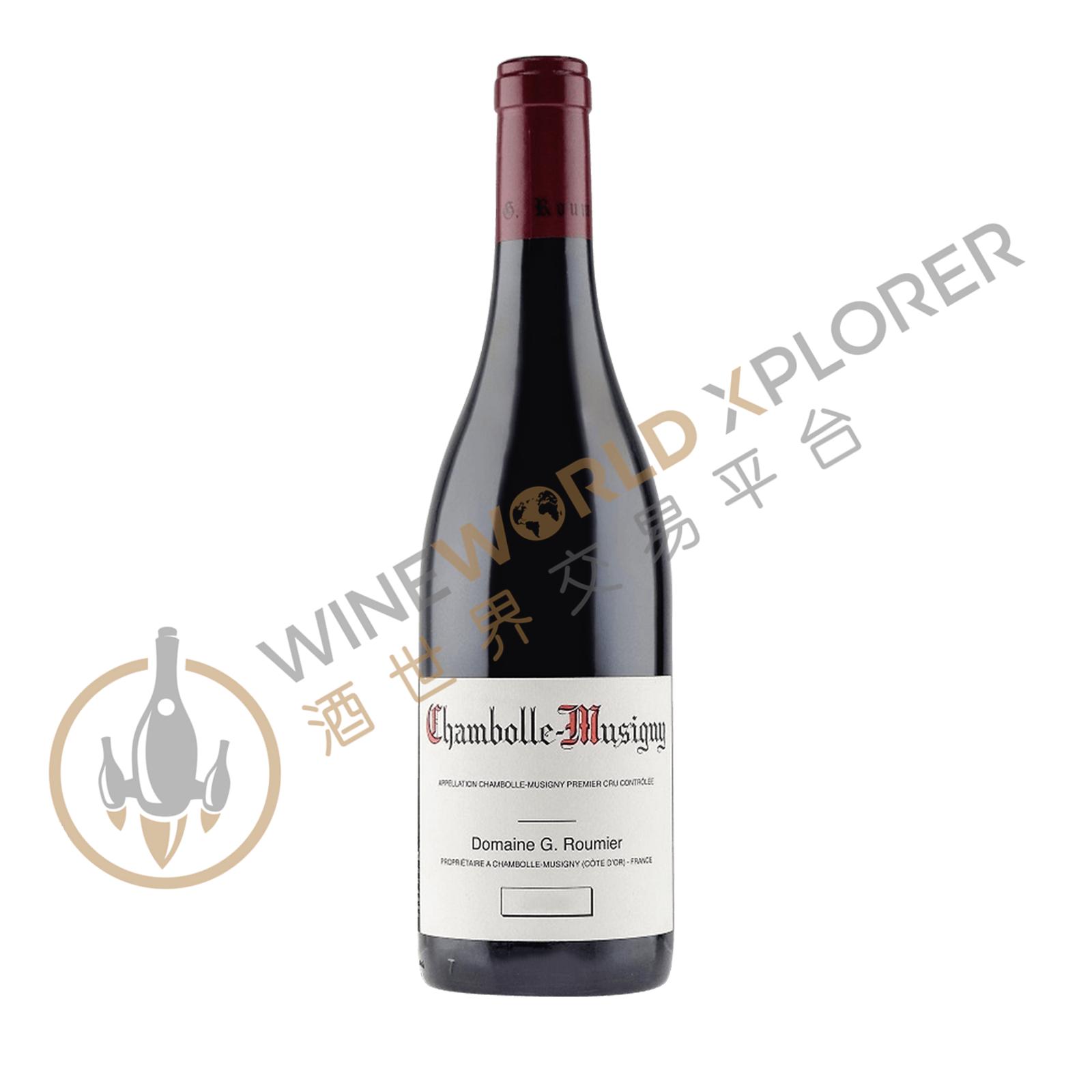
Georges Roumier, Chambolle Musigny 1er Cru Les Amoureuses 2005
 View analysis


Description
Tasting notes

Reviewed by: David Schildknecht
The order in which Roumier elects to pour surely reflects not just Chambolle chauvinism, but a belief in the Grand Cru quality of his 2005 Chambolle-Musigny Les Amoureuses. There are certainly indications of this in the glass, but the wine is suffering from a slight, temporary reduction. This enhances the gamey and smoky side of the nose, but there is ample concentration of black raspberry along with narcissus and iris florality as well. In the mouth, one is rewarded with prodigious, persistent, fascinatingly complex animality and floral perfume, pointed ripe-yet-tart black fruits, a fine-grained structure, and palpable mineral extract. The finish is strikingly energetic and penetrating, even though one senses a slight reductive corset on the fruit. This will certainly become a profound wine, best revisited only after a decade in bottle. One senses that Christophe Roumier considers 2005 a high point of his career, and my visit with him was among the high points of my recent trip. He describes this as “a classic vintage lending itself to very calm, classic vinification,” which given the opportunities afforded by perfectly healthy, firm, dry, ripe fruit involved triage almost solely to remove ladybugs, and included around 25% whole clusters in the fermenters at the Premier Cru level and 50% at that of Grand Cru. Importer: Diageo Chateau and Estate Wines Company, New York, NY; tel. (212) 419-1400.
About the Producer
The domaine was founded in 1924 by Georges Roumier, who began domaine bottling in 1945. He was succeeded in 1957 by his son Jean-Marie and now grandson Christophe, who joined his father in 1982 and took over completely in 1992. Most of the wines are rented (en fermage) from family members although Ruchottes Chambertin is held on a share cropping deal with an external proprietor, Michel Bonnefond. The wines are seductively fruity in their youth yet with excellent ageing potential. The grapes are sorted in the vineyard, with a table de tri at the winery since 2003. They are mostly destemmed, albeit depending on vineyard and vintage, with a few more stems being used recently – then placed in wooden fermenters. The juice is given a cool soak at 15° then allowed to start naturally. The juice is punched down twice a day and temperature controlled so as not to exceed 32°C. There is no great reliance on new wood in the maturation cellar, with 15-25% being used for village wines, 25-40% for premiers crus and no more than 50% for Bonnes Mares. In recent years Christophe has been searching for, and achieving, a greater sense of precision in his wines.
1987(1)1990(1)1999(1)2001(1)2002(1)2003(1)2004(2)
Package Size
