Wine Advisor



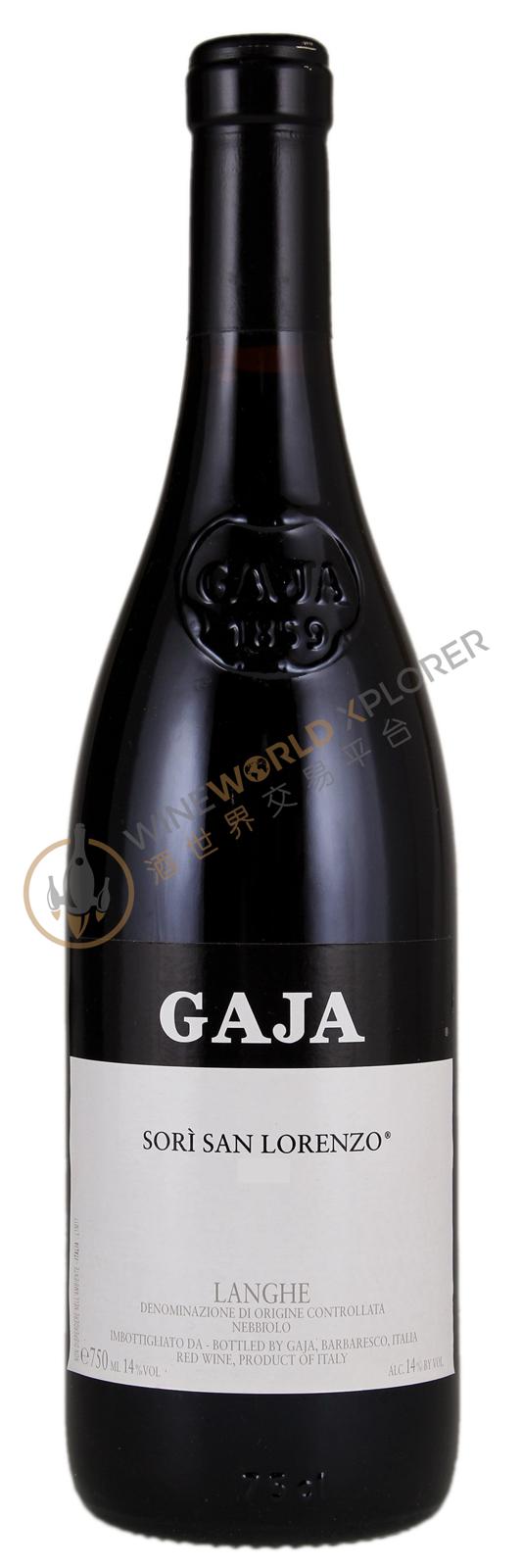
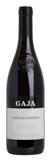
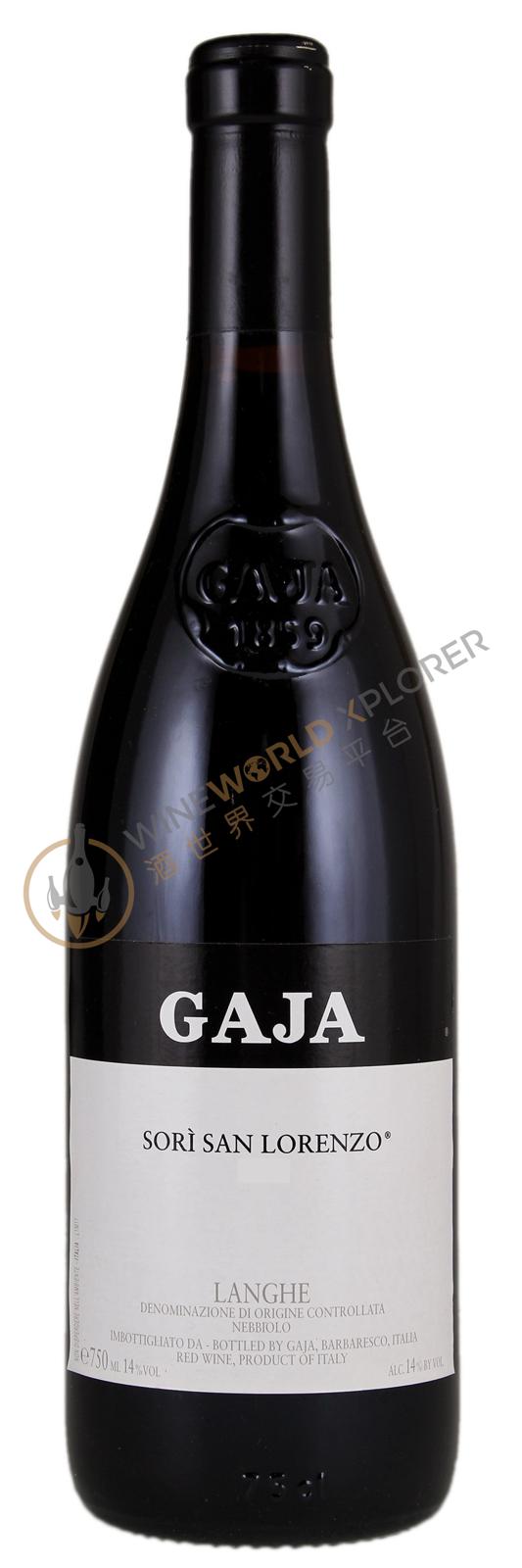
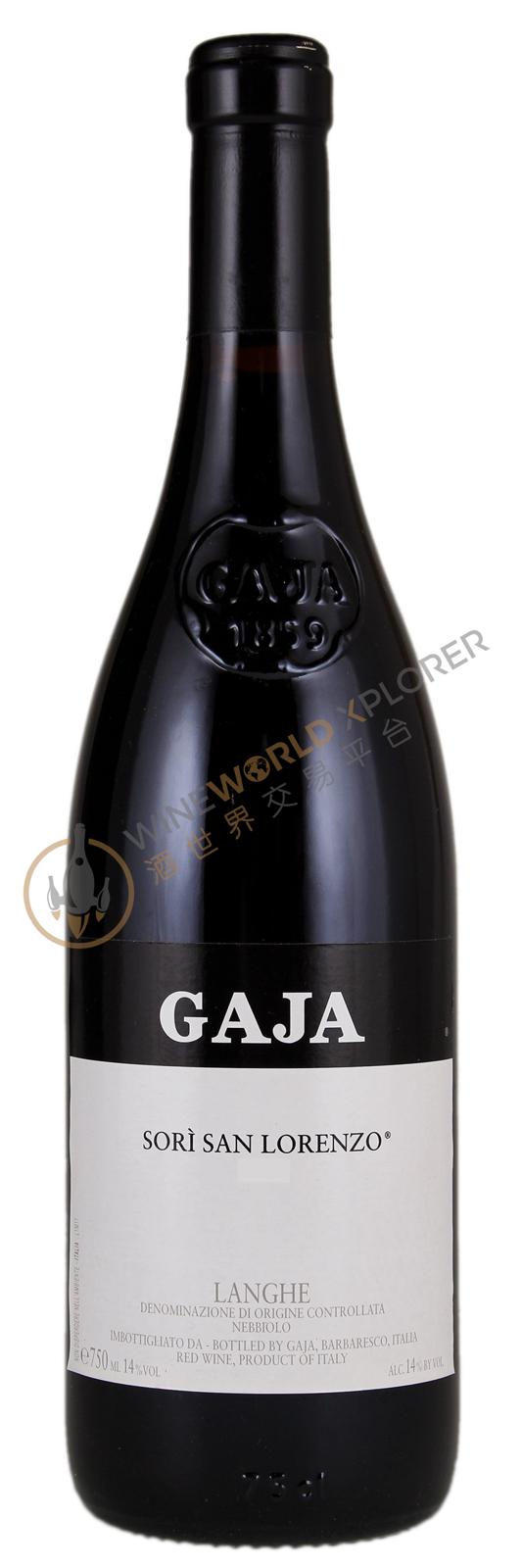
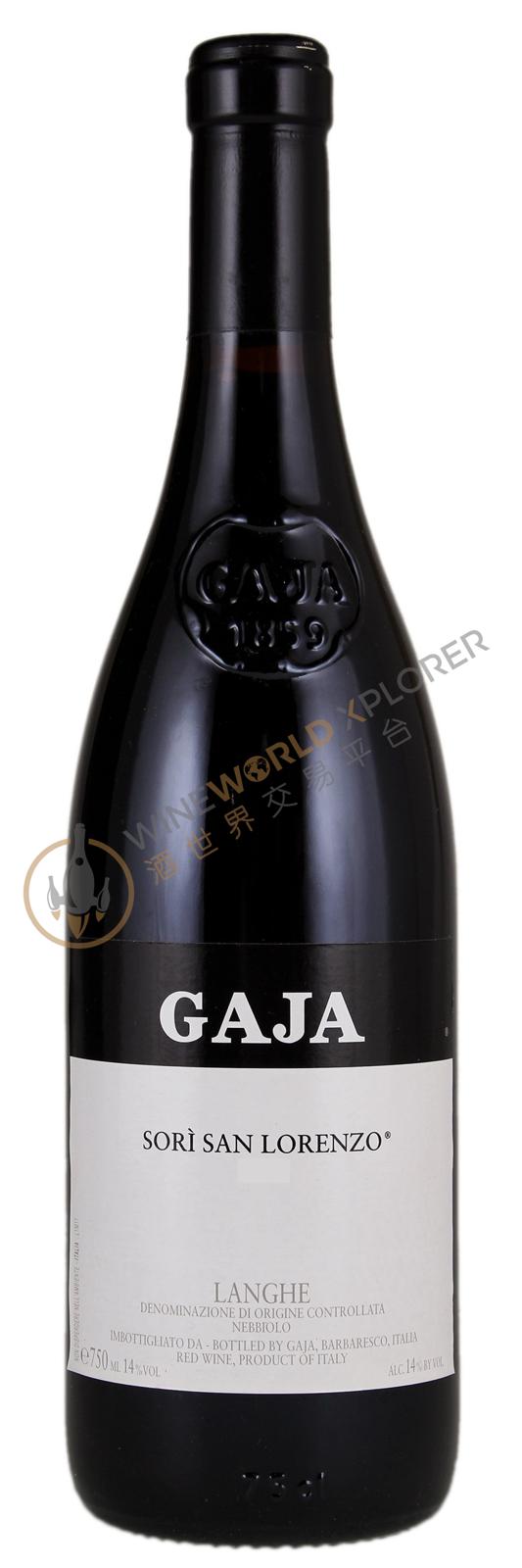
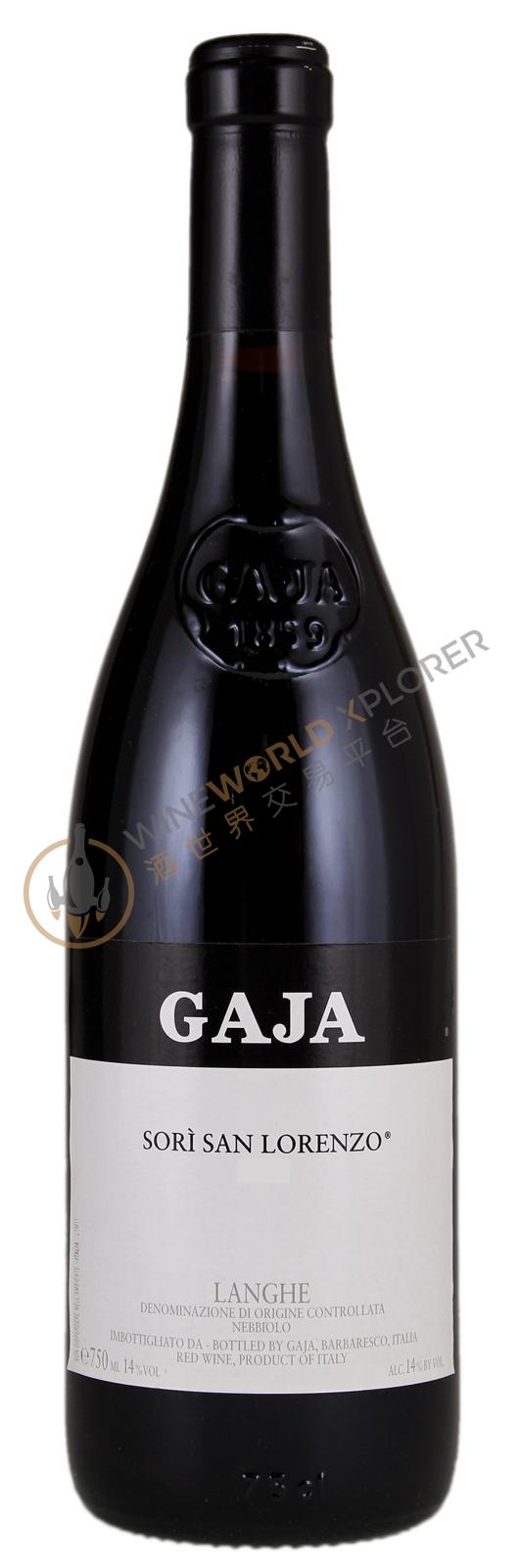
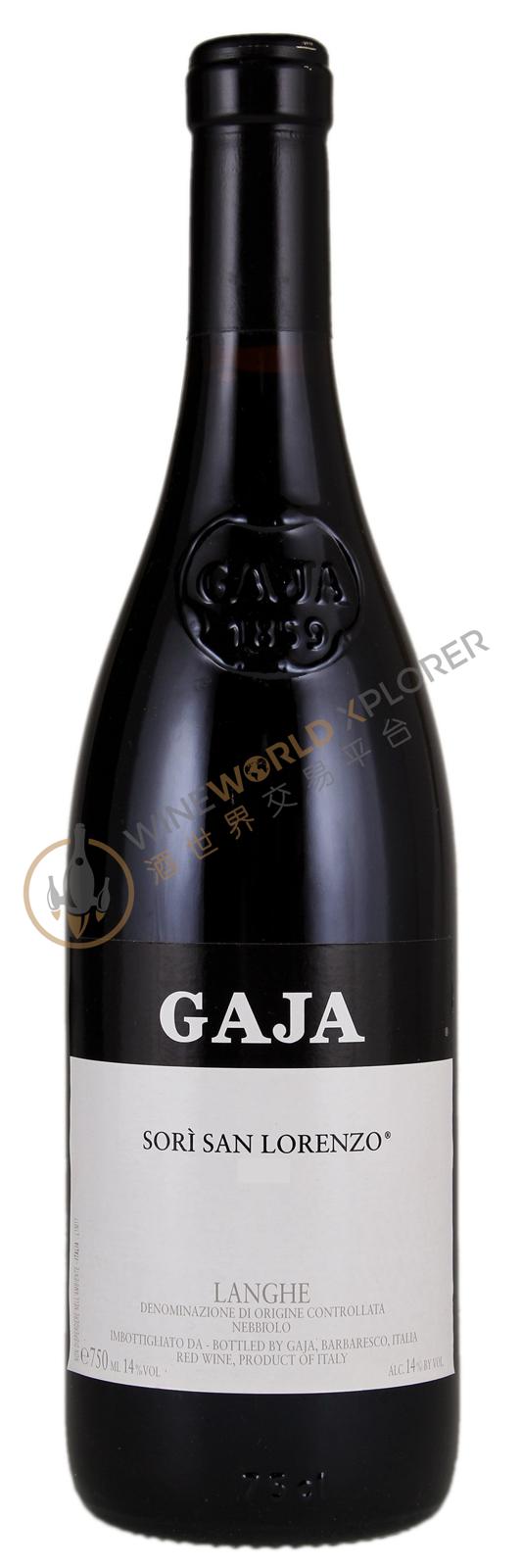
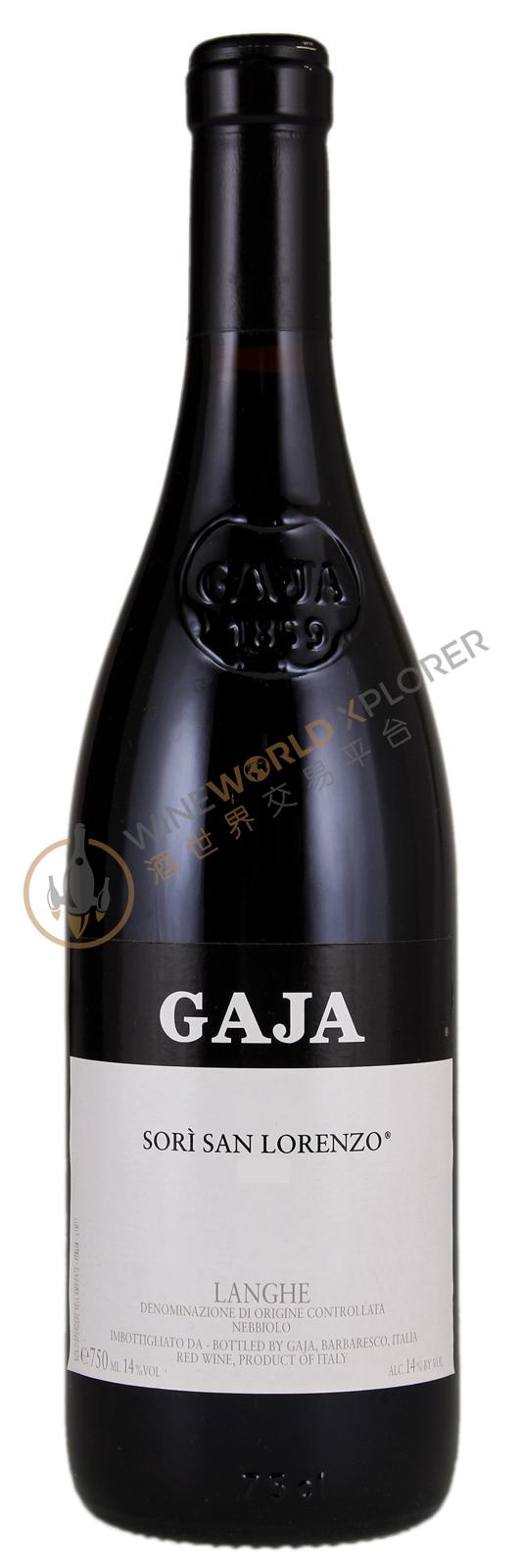
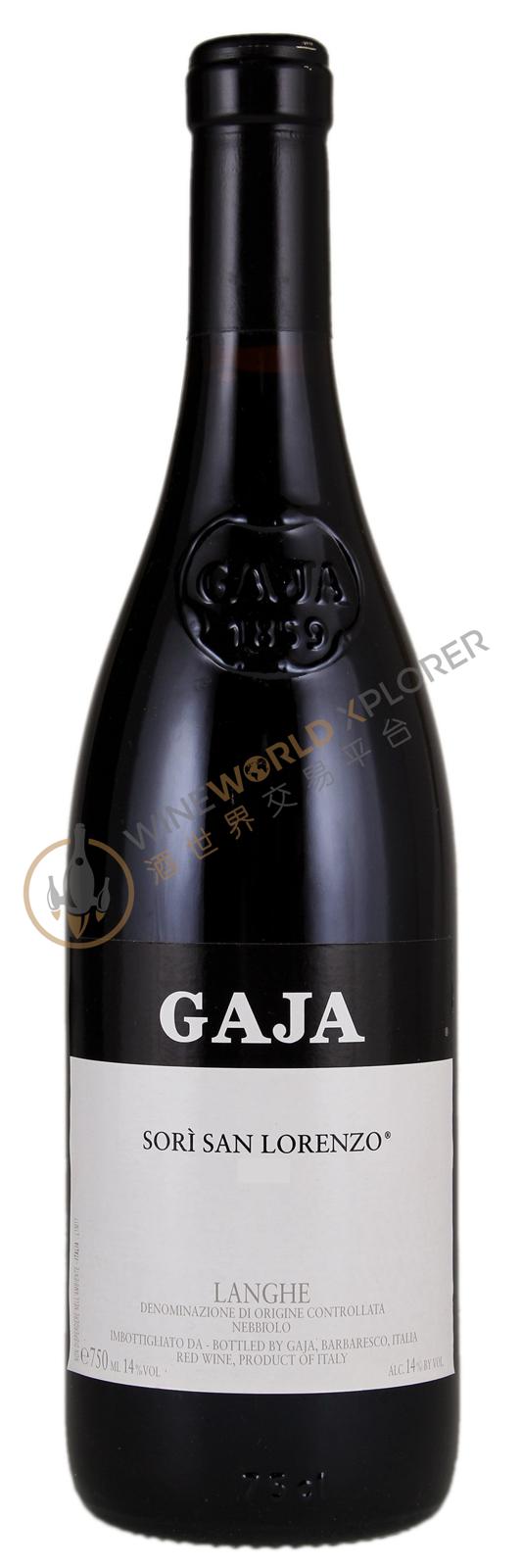
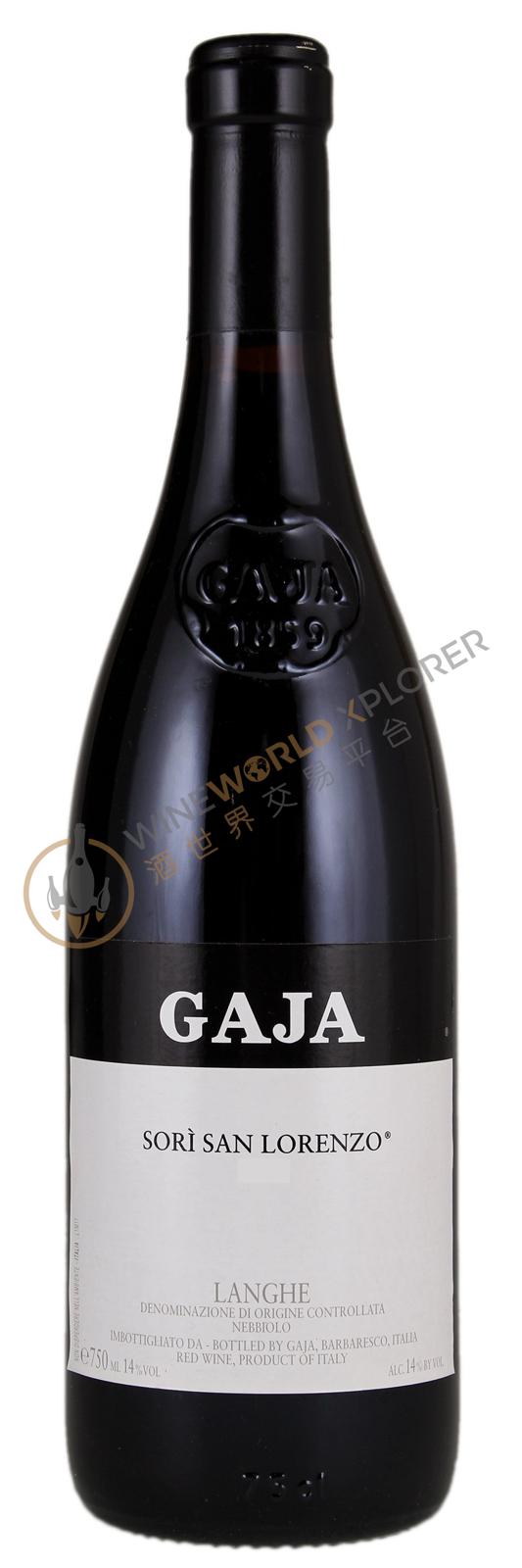
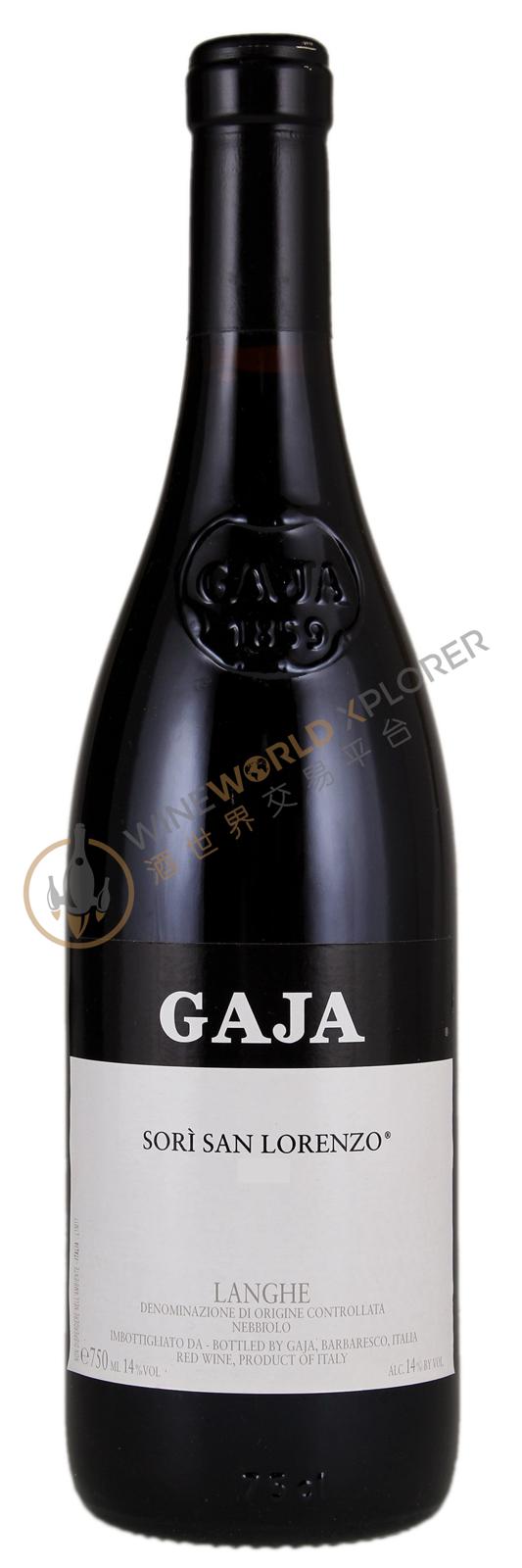
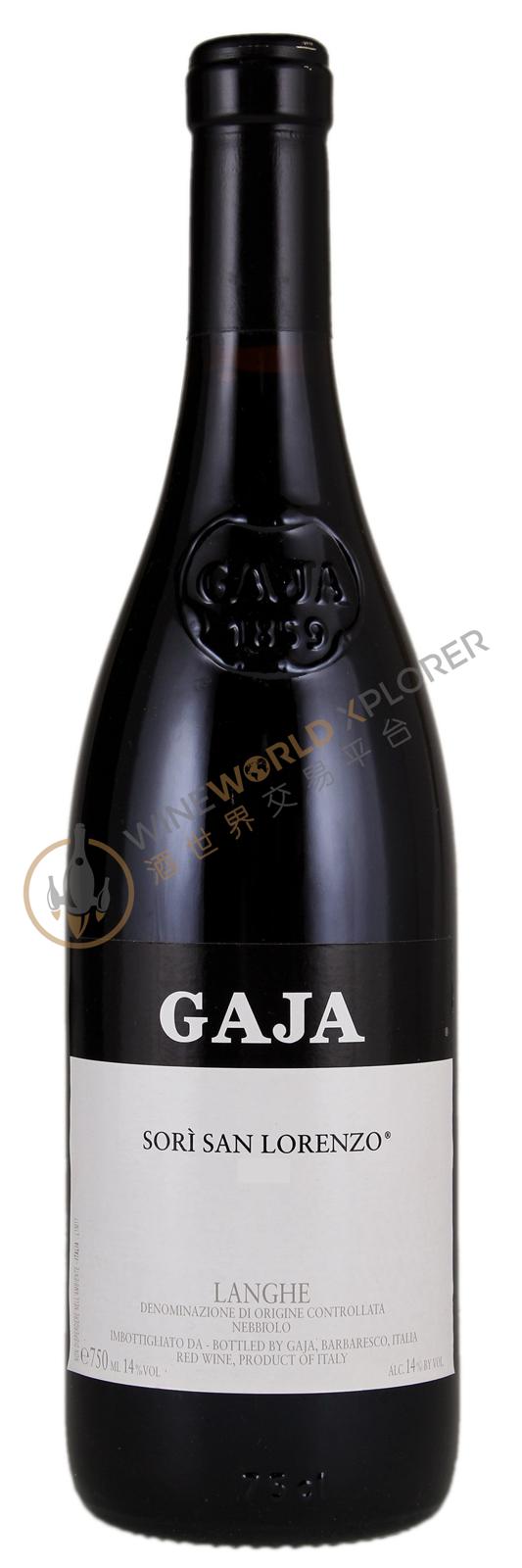
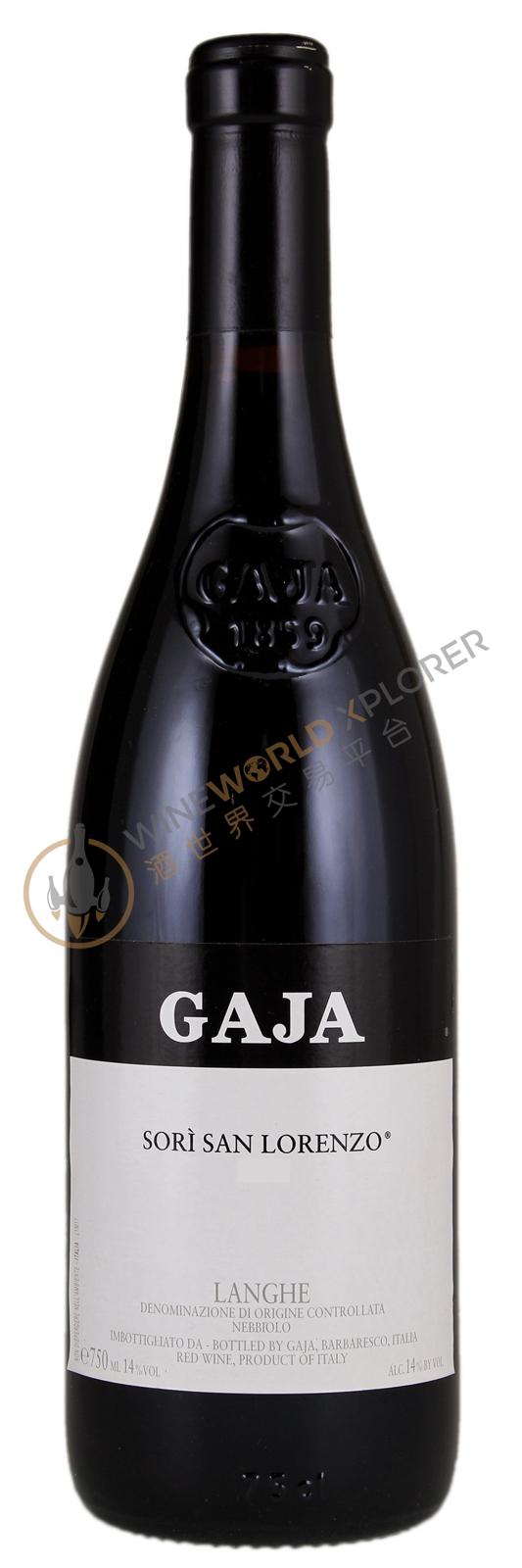
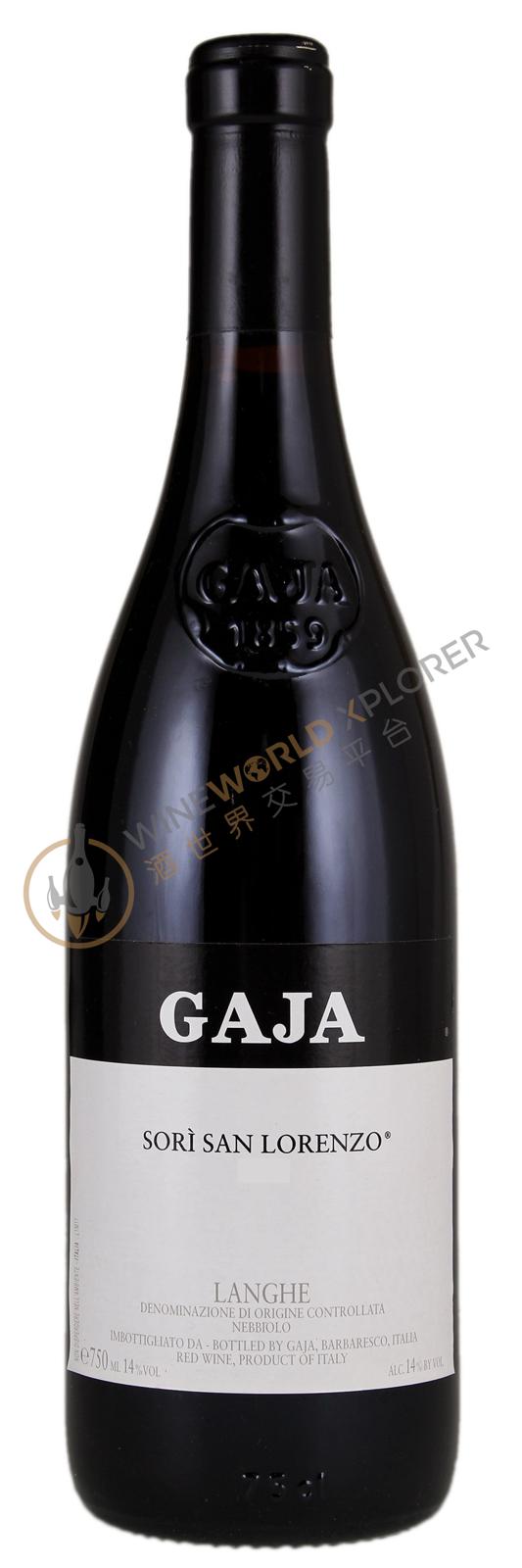
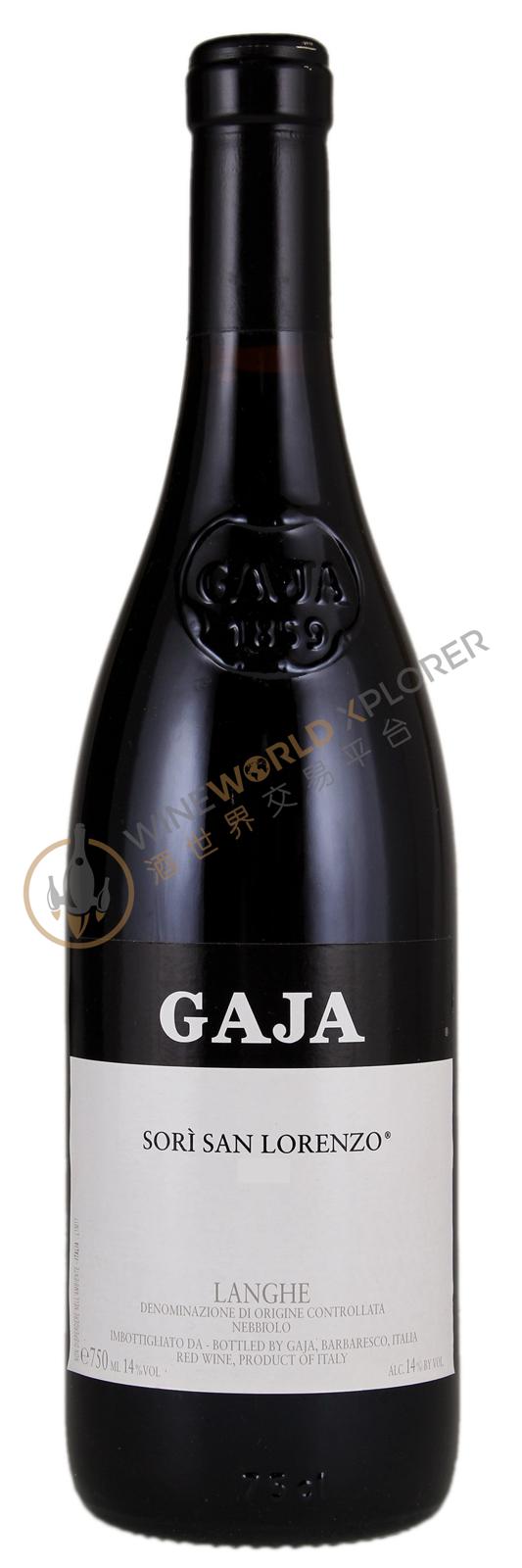
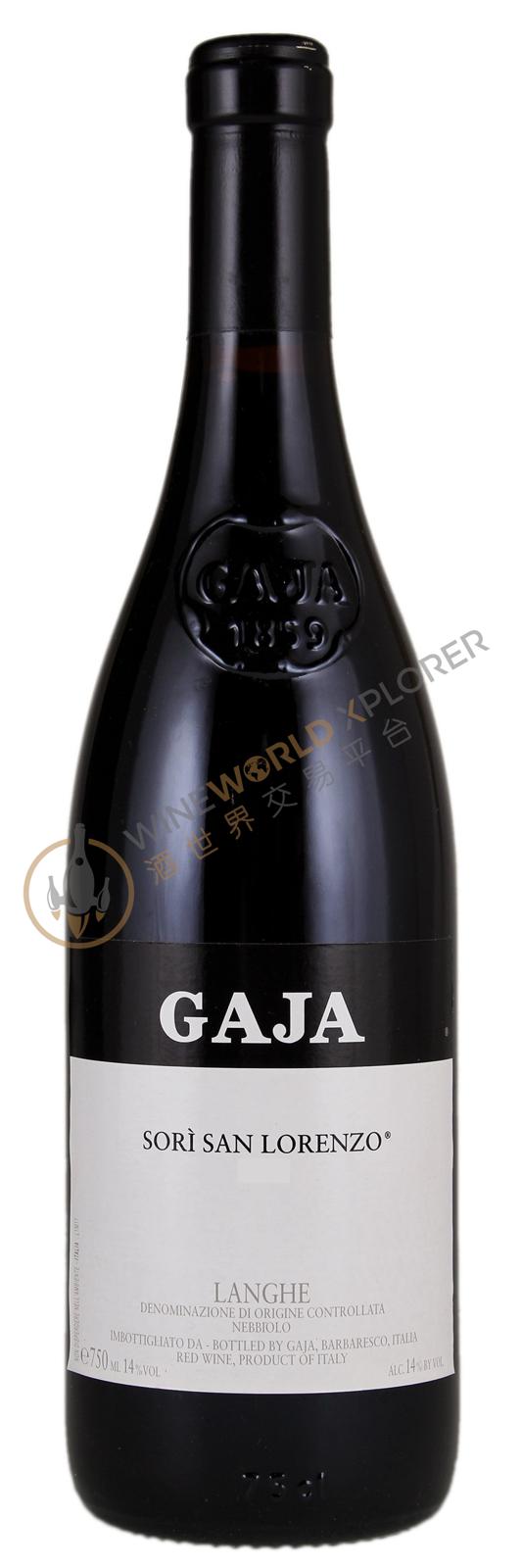
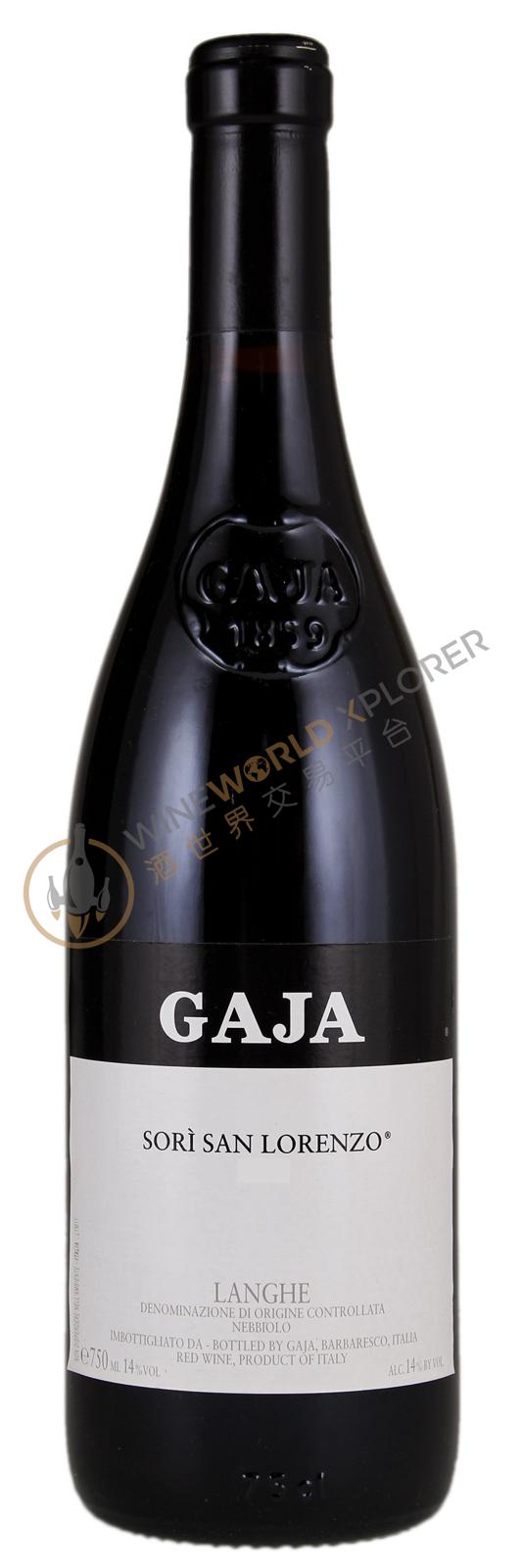
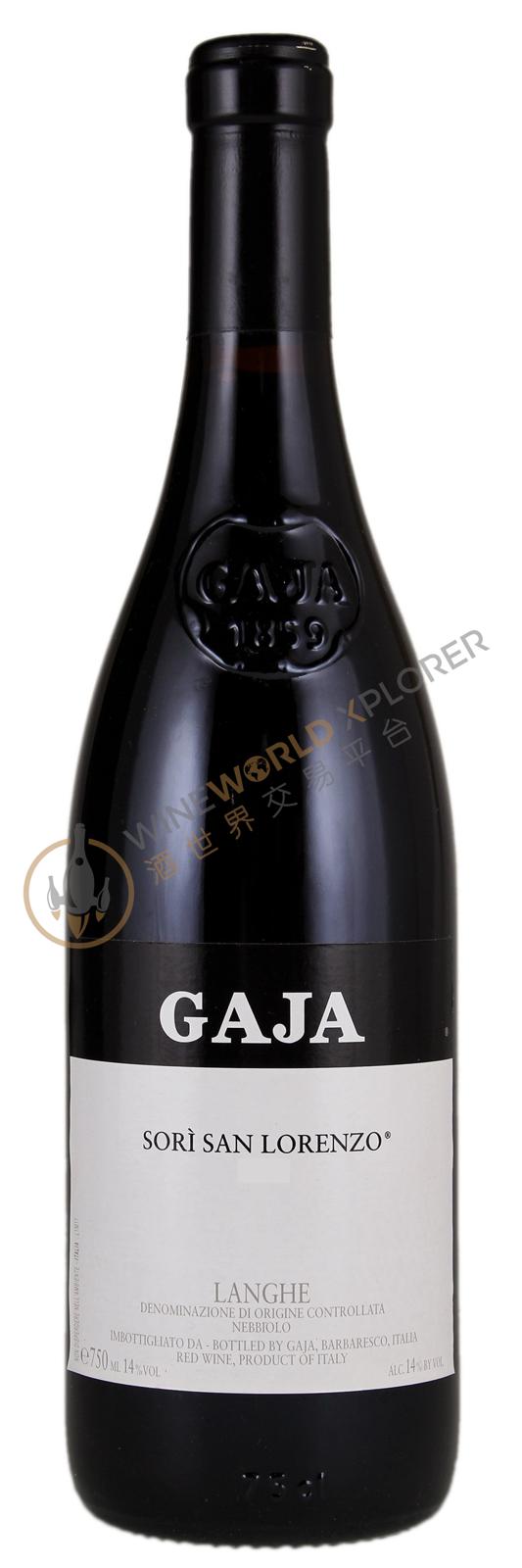
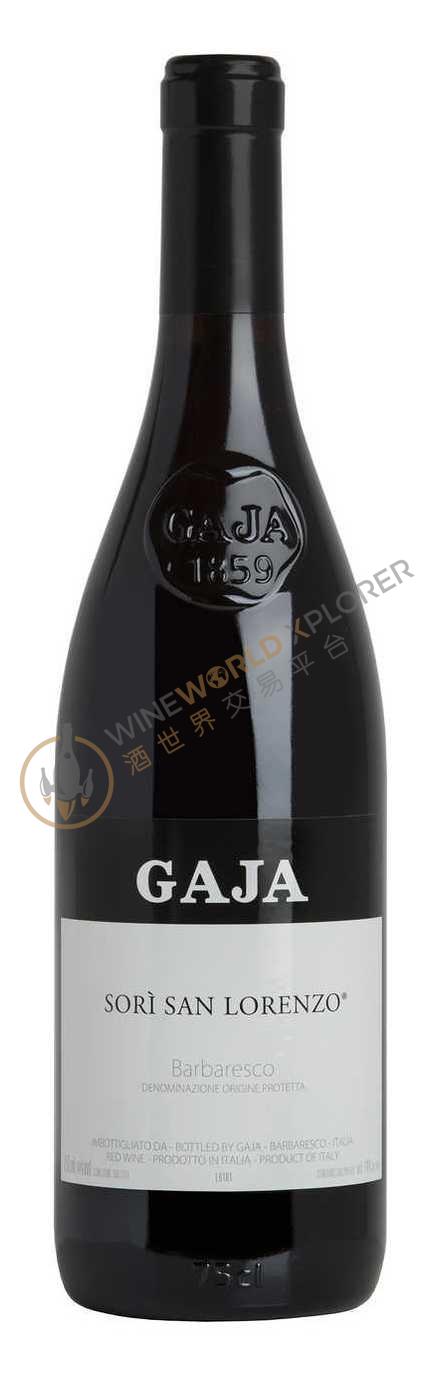
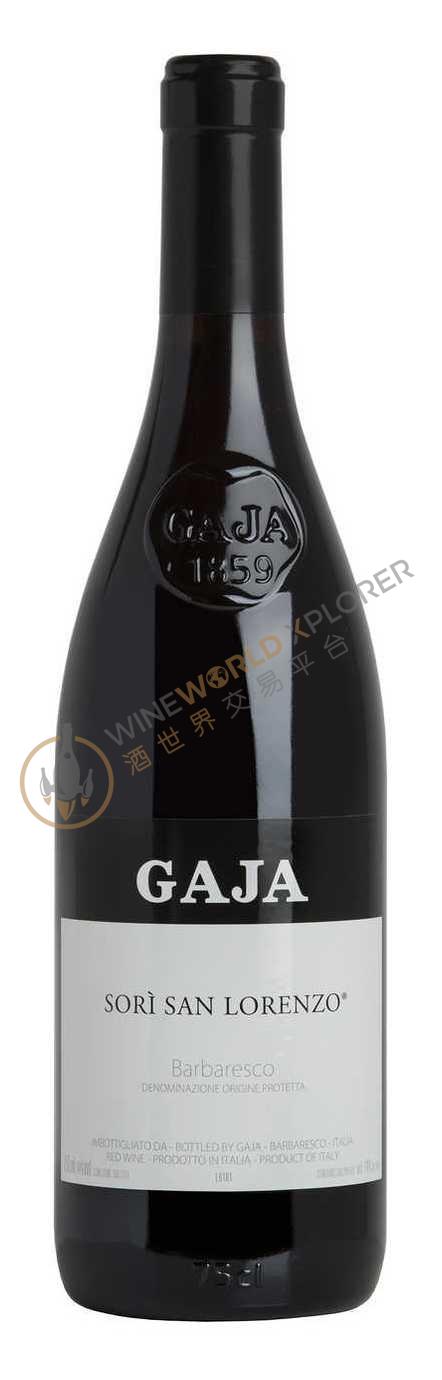
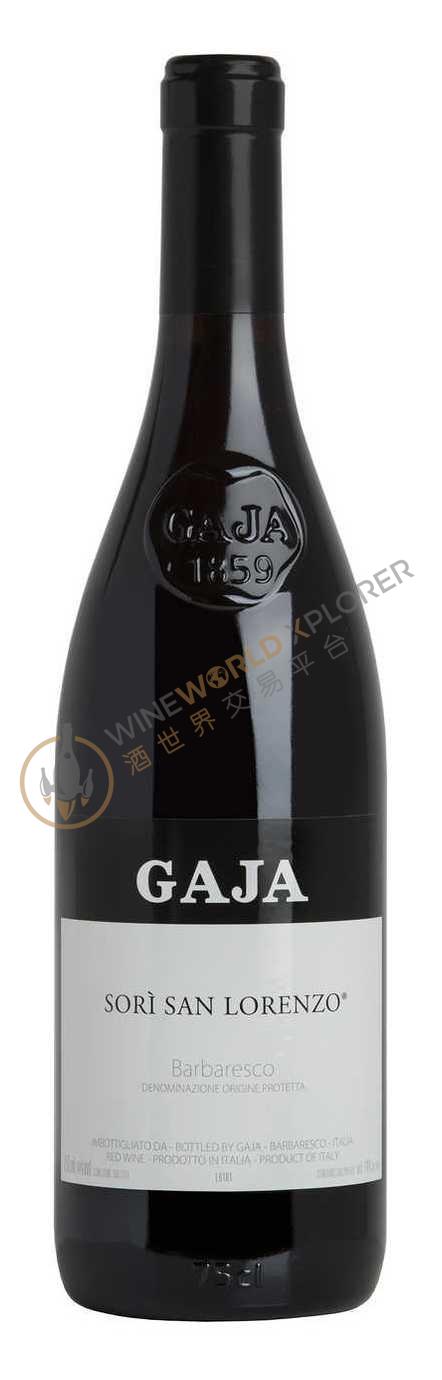
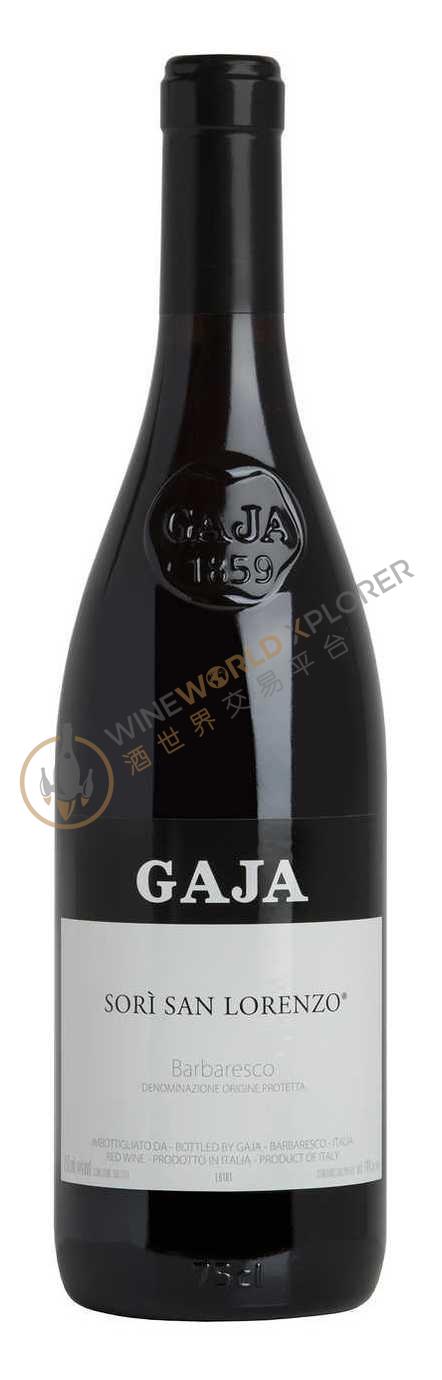
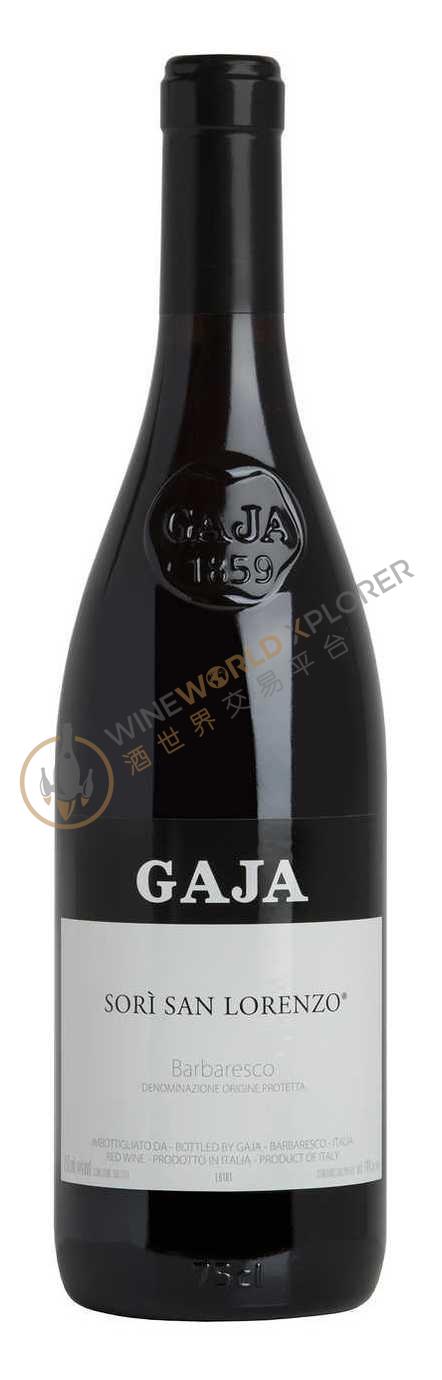
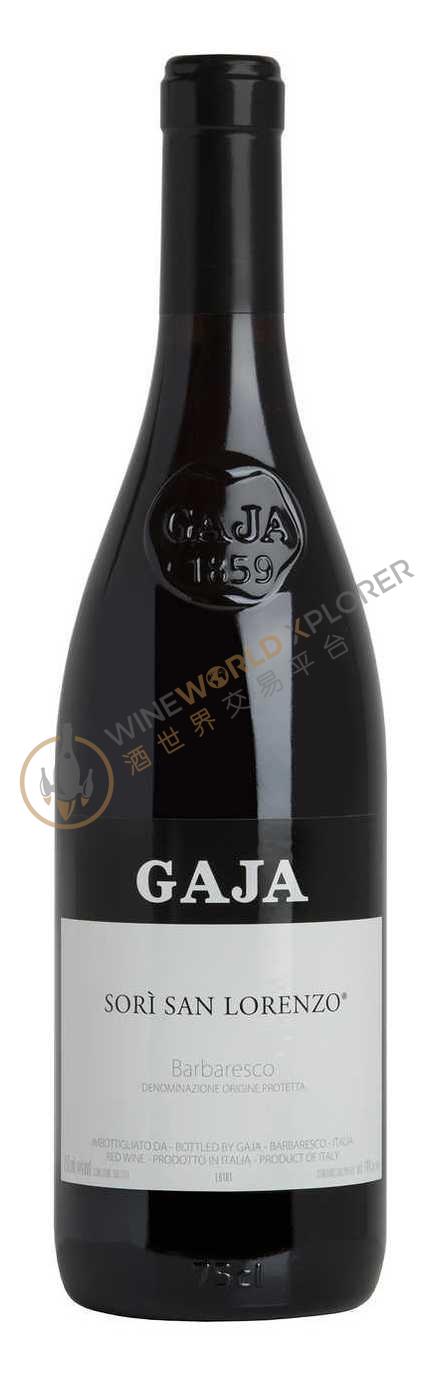
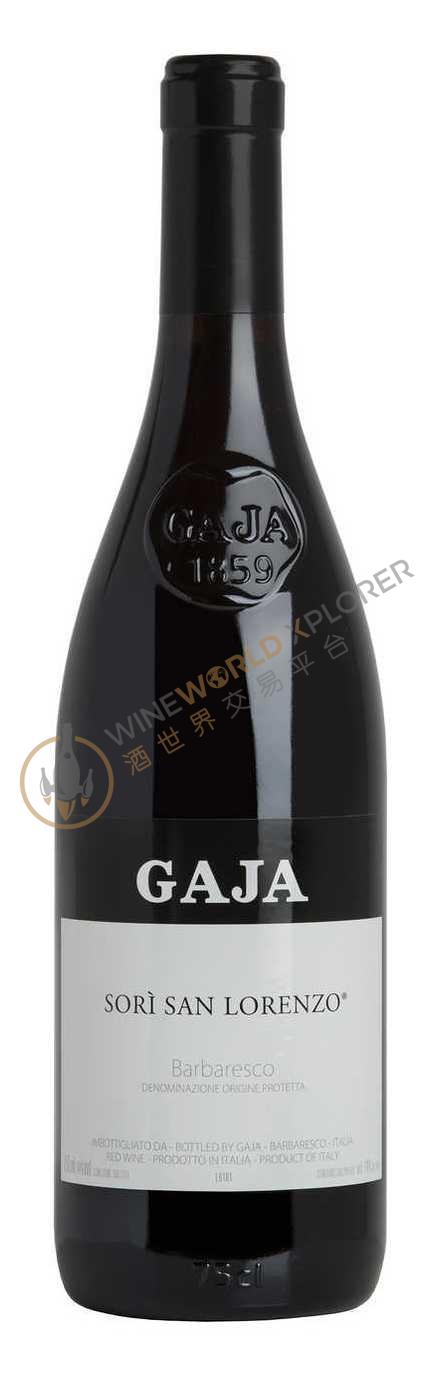
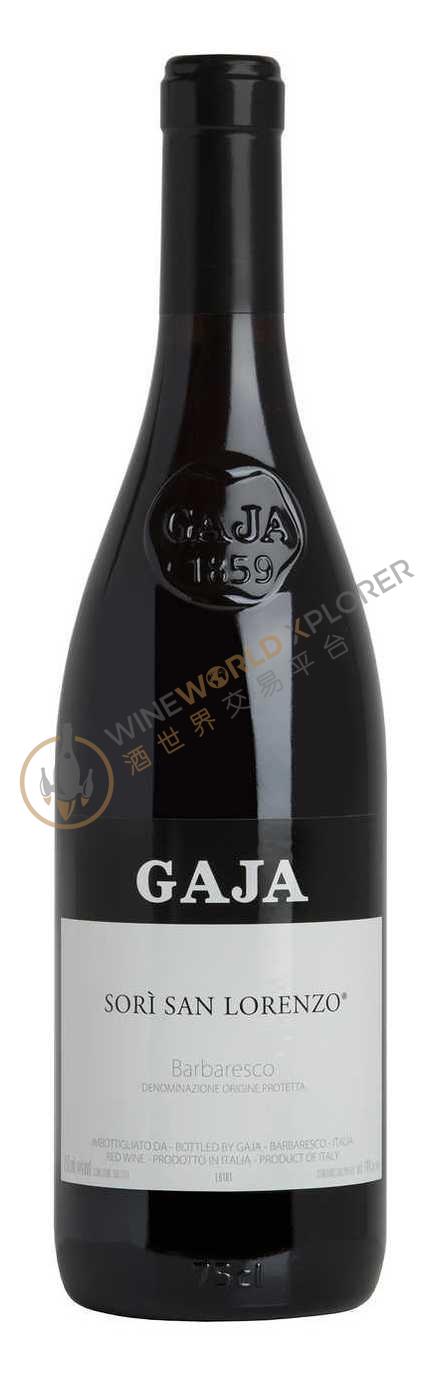
Gaja, Barbaresco Sori San Lorenzo 2017
 View analysis


Description
Tasting notes

Reviewed by: Monica Larner
The 2017 growing season saw a couple of violent hail events in the Barbaresco appellation, and this celebrated vineyard suffered some damage during a storm that hit on July 19th. Yields were reduced, but the wine holds its own thanks to the careful fruit selection process put in place by the Gaja family. Their 2017 Barbaresco Sorì San Lorenzo is a shade richer in terms of flavor concentration, as is always the case with fruit from this slightly warmer growing site. However, like the other two single-vineyard Barbaresco expressions, this wine reveals a thin, sharp and nervous personality that is driven in large part by tannic firmness and acidity. Sorì San Lorenzo adds lots of dark mineral definition to cassis, wild cherry, rose and Provence herbs. Like the other wines, it needs extra cellar aging time.
Reviewed by: Antonio Galloni
The 2017 Barbaresco Sorì San Lorenzo shows its typical darkness and brooding character, but it is a bit light in body and structure. Time in the glass brigs out some of the wine’s natural breadth, but the 2017 is decidedly on the lighter side, as all these wines are. Dark plum, spice, smoke, licorice and tar begin to emerge, but they only do it with reluctance. The Sorì San Lorenzo signatures are present, and yet they aren’t fully expressed.
Reviewed by: Antonio Galloni
A rich, heady wine, the 2017 Barbaresco Sorì San Lorenzo packs a serious punch. Macerated dark cherry, plum, espresso, licorice, dried herbs and spice all build in a potent, rich Barbaresco endowed with tremendous depth and brooding power.
Reviewed by: James Suckling
The aromas of fresh rose petals are amazing with strawberries and citrus underneath. Full-bodied and layered with a complete, very linear and long finish. It turns tight and very serious at the end. Please give this at least five years to show it’s potential. Better after 2025.
Reviewed by: Antonio Galloni
The 2017 Barbaresco Sorì San Lorenzo shows its typical darkness and brooding character, but it is a bit light in body and structure. Time in the glass brigs out some of the wine’s natural breadth, but the 2017 is decidedly on the lighter side, as all these wines are. Dark plum, spice, smoke, licorice and tar begin to emerge, but they only do it with reluctance. The Sorì San Lorenzo signatures are present, and yet they aren’t fully expressed.
About the Producer
Located in the Barbaresco region of Piedmont, Italy, Gaja was founded in 1859 by Giovanni Gaja and is still owned by the Gaja family. For generations, the Gaja family has worked tirelessly to achieve the five-star rating in the 2013 Vini d'Italia. In 1961, Angelo Gaja, Giovanni's son, gradually took over the winery's affairs from his father. Angelo studied winemaking at university and obtained a doctorate in economics. Since taking charge of the estate, Angelo has travelled extensively to France (particularly the great Burgundy estates) and has been inspired to make bold changes to the estate. Not only did he emphasise Green Harvest and yield control in the management of the vineyards to achieve high quality wines, but he also pioneered the introduction of Bordeaux grape varieties and advanced winemaking equipment such as temperature-controlled fermenters and French oak barrels, as well as the creative introduction of single-vineyard wines, and is therefore considered to be a pioneer of the modern Italian style of wine, and has made an indelible contribution to the international reputation of Piedmont and indeed Italy. He is also regarded as a pioneer of modern Italian wines and has made an indelible contribution to the international reputation of Piedmont and Italy. The winery has a number of vineyards, including three of the better known single vineyards in Barbaresco - Sori San Lorenzo, Sori Tildin and Costa Russi - where the most popular Piedmontese grape variety, Nebbiolo, is grown. Nebbiolo, the most popular red grape variety in Piedmont. Sori San Lorenzo is a vineyard bought from the parish of Alba and named after the patron saint of the Alba Cathedral, while Russi is the nickname of the former owner. The vineyards were expanded and in 1988 the winery acquired Marenca & Rivette in the Barolo appellation and began producing Barolo wines; in 1994 it acquired Pieve Santa Restituta in the Montalcino appellation of Tuscany; and in 1996 it acquired the Pieve Santa Restituta in the Tuscany appellation. In 2000, Angelo Gaja broke with tradition by blending a small portion of Barbera with Nebbiolo to make Barbaresco, a controversial move at the time. 2016 On 1 July, Gaia Gaja, the eldest daughter of Angelo, announced to the public that the three single vineyards of the Gaja estate - Surrey San Lorenzo, Surrey Tintin and Ross Coast - would be used as specific appellations for the Gaja Barbaresco wines, which must The Barbaresco wines will be made from 100% Nebbiolo. This initiative ushers in a new era for Château Gaja. The wines produced by Château Gaja are of different styles and of outstanding quality. The Gaja Barbaresco DOCG (Piedmont, Italy) is the best of the Barbaresco wines and has developed into one of Italy's famous "Four Jasons". In addition, Gaja has produced three single-vineyard Barbaresco wines using grapes from the Surrey San Lorenzo, Surrey Tintin and Costa Rossa vineyards, which have also received high marks from many renowned wine critics. The Gaja Sori San Lorenzo Barbaresco DOCG, Piedmont, Italy, the first single-vineyard wine to be released, is the most powerful of the estate's single-vineyard wines, receiving full marks for the 2013 vintage from James Suckling. The 2013 vintage received a perfect score from James Suckling.