Wine Advisor



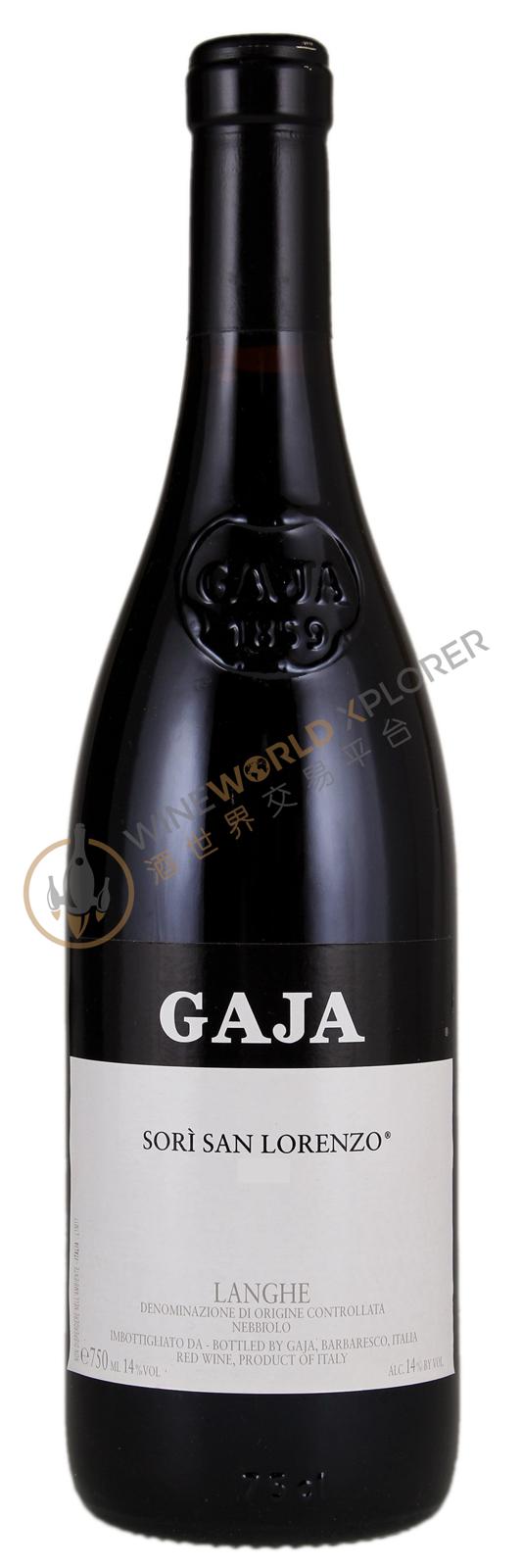
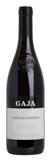
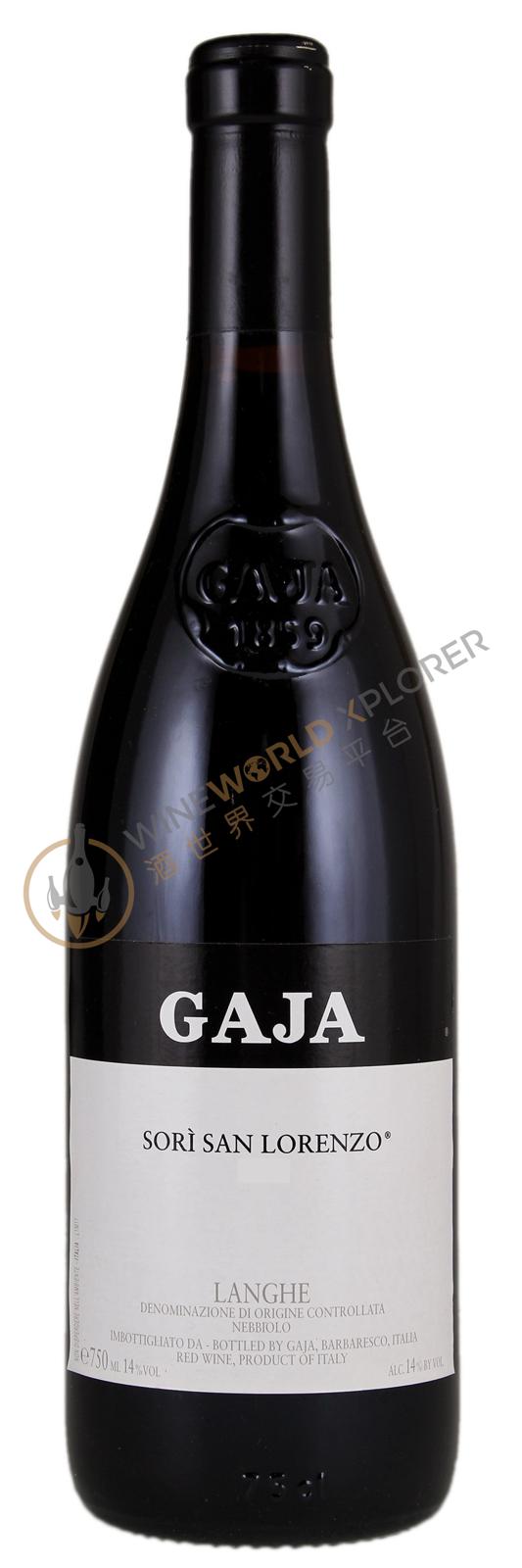
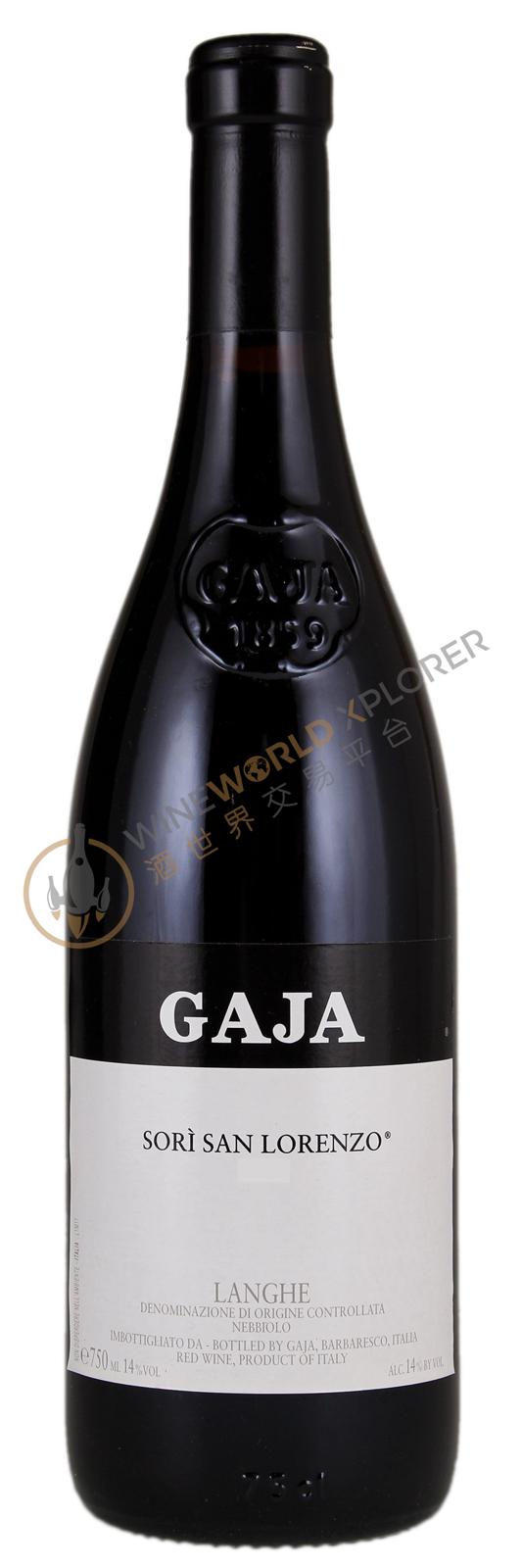
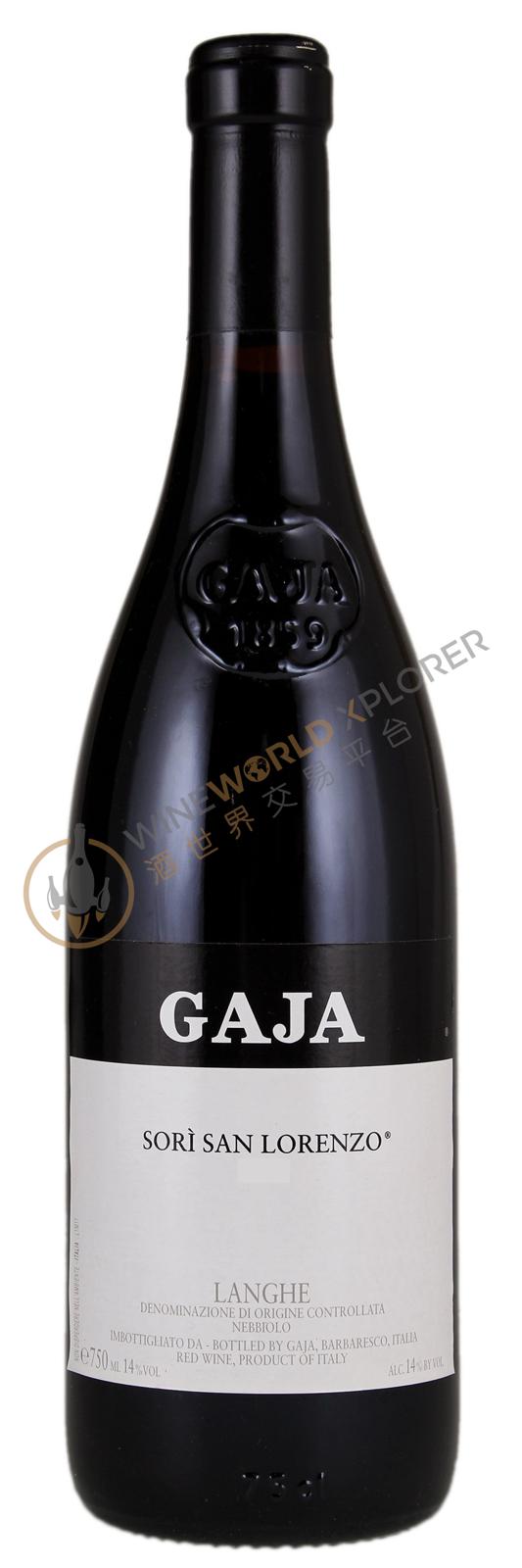
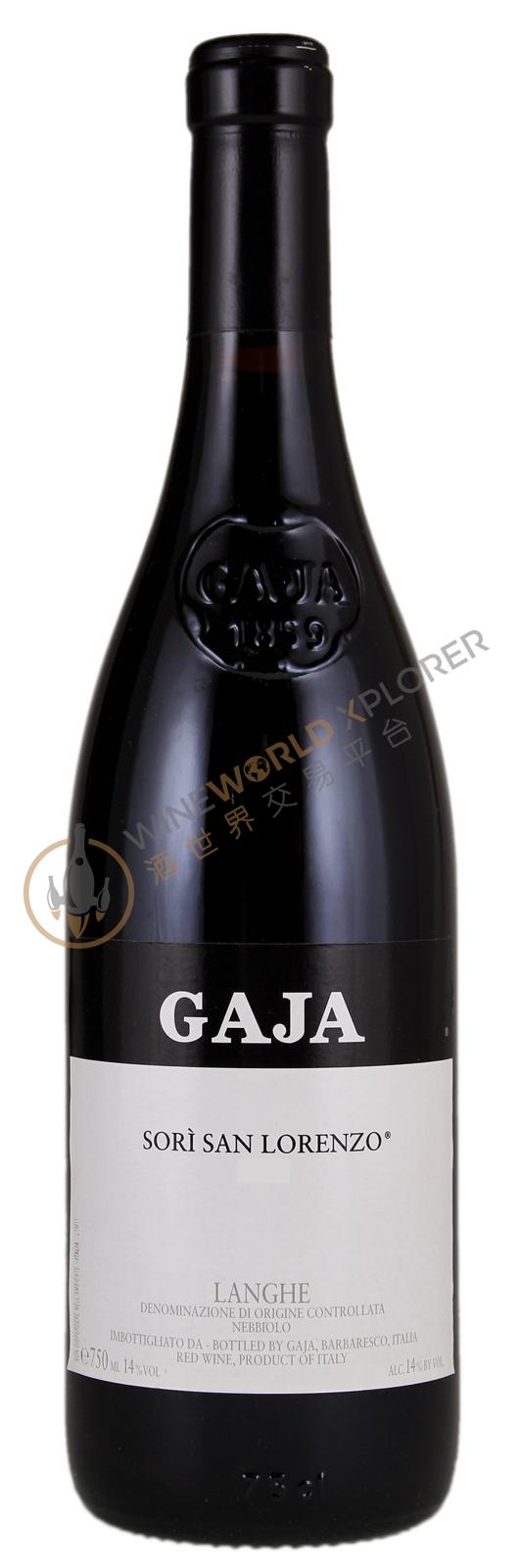
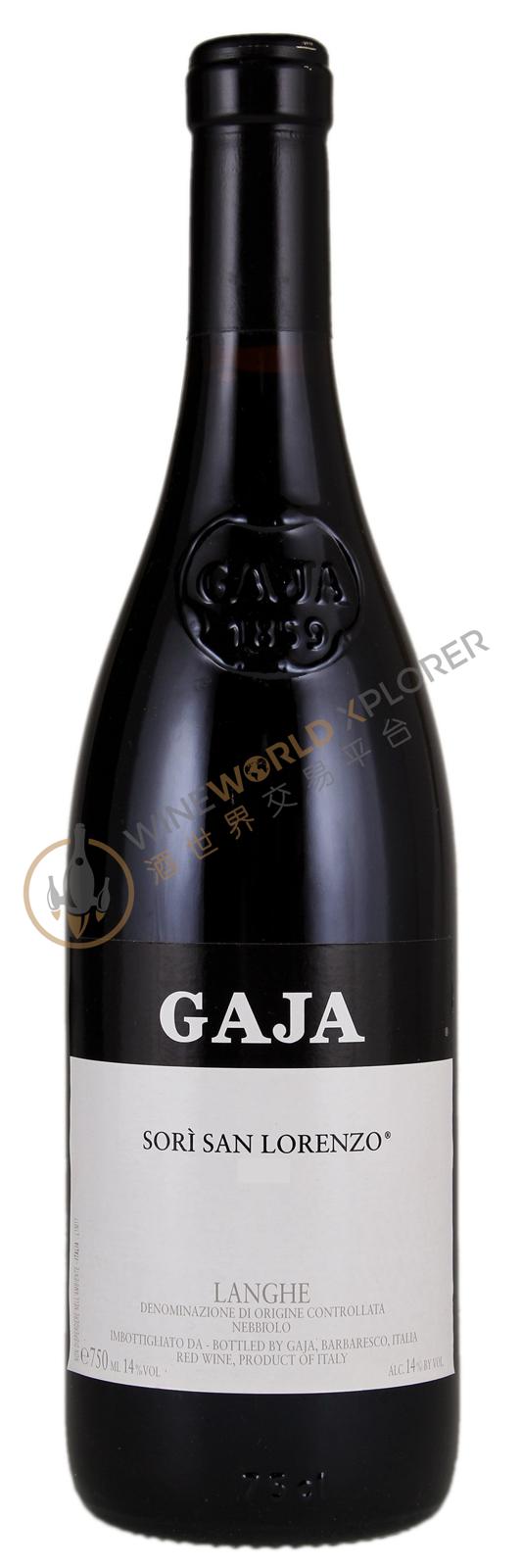
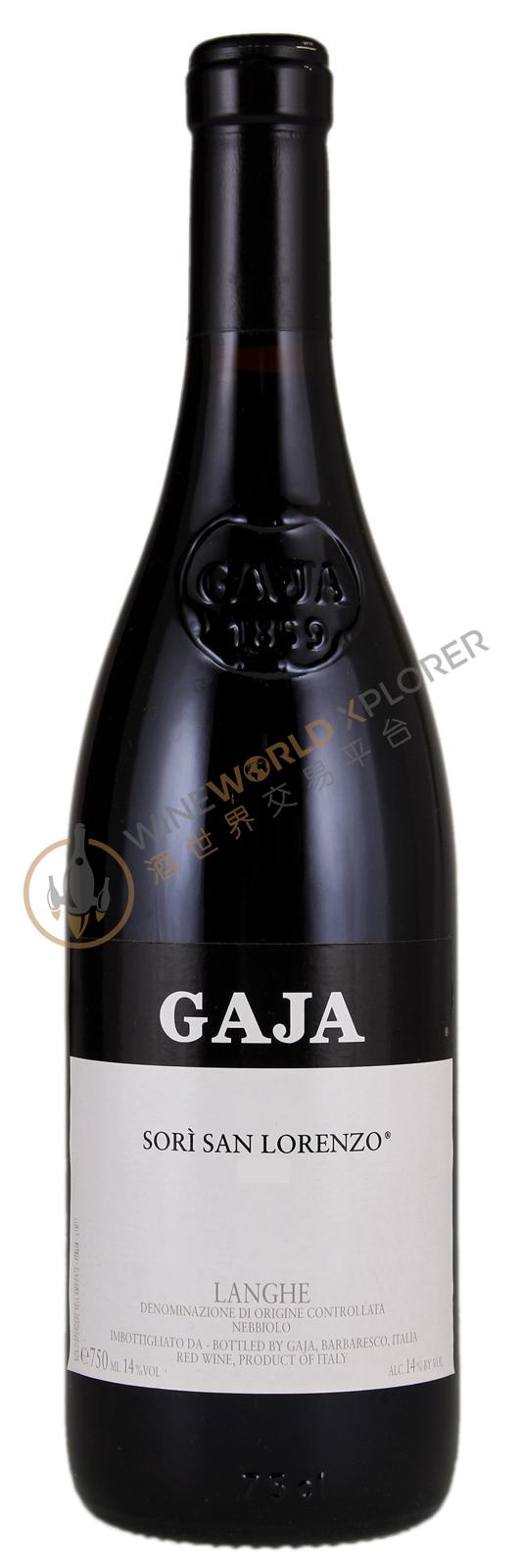
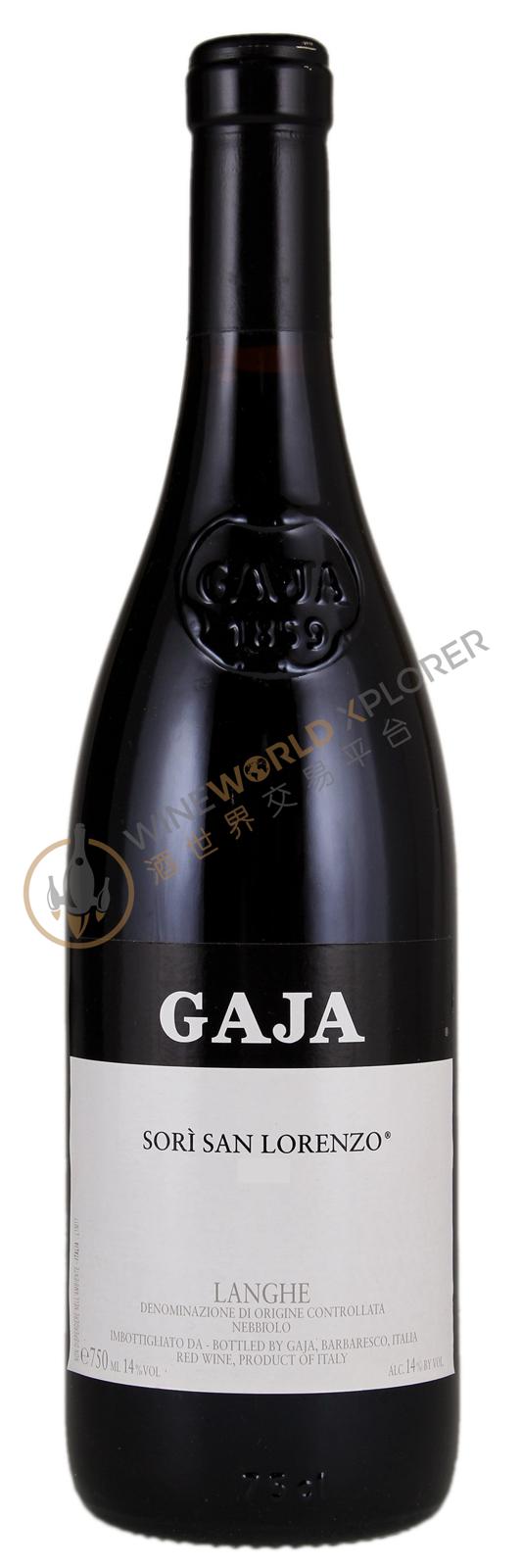
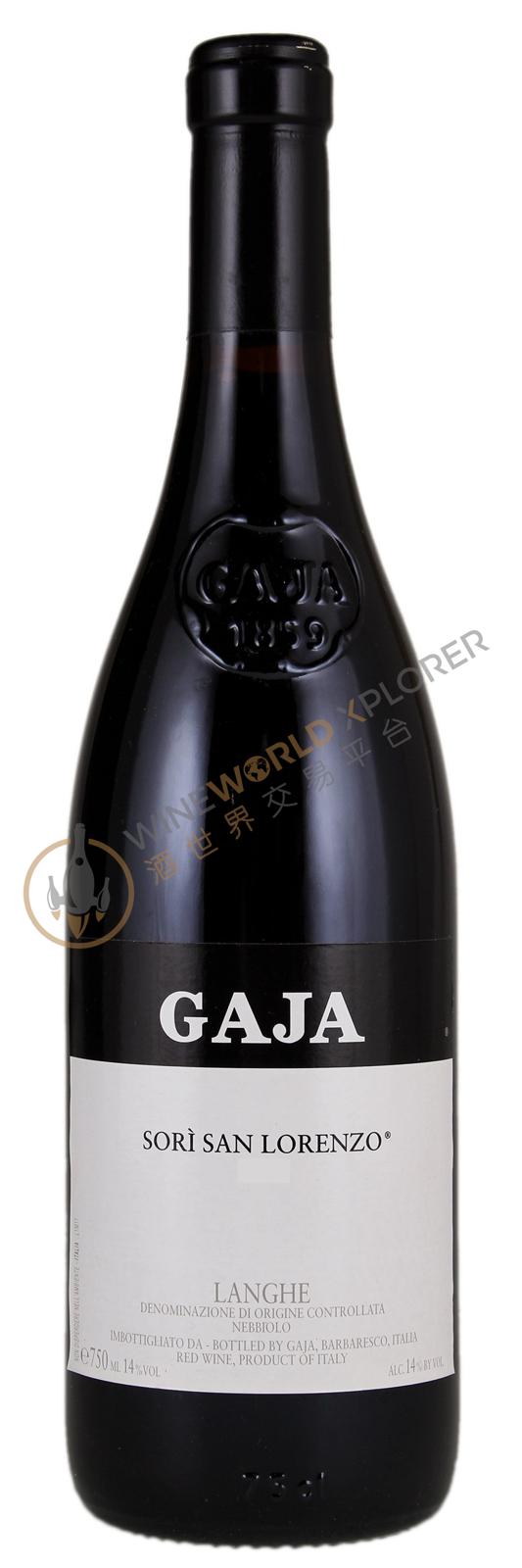
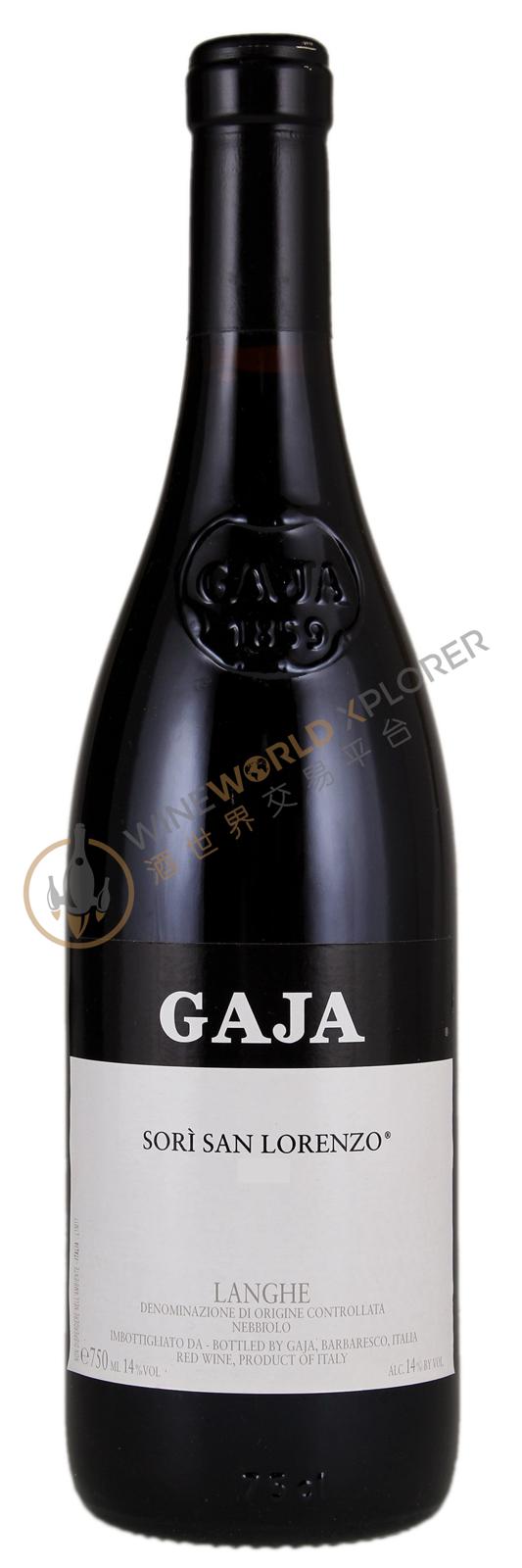
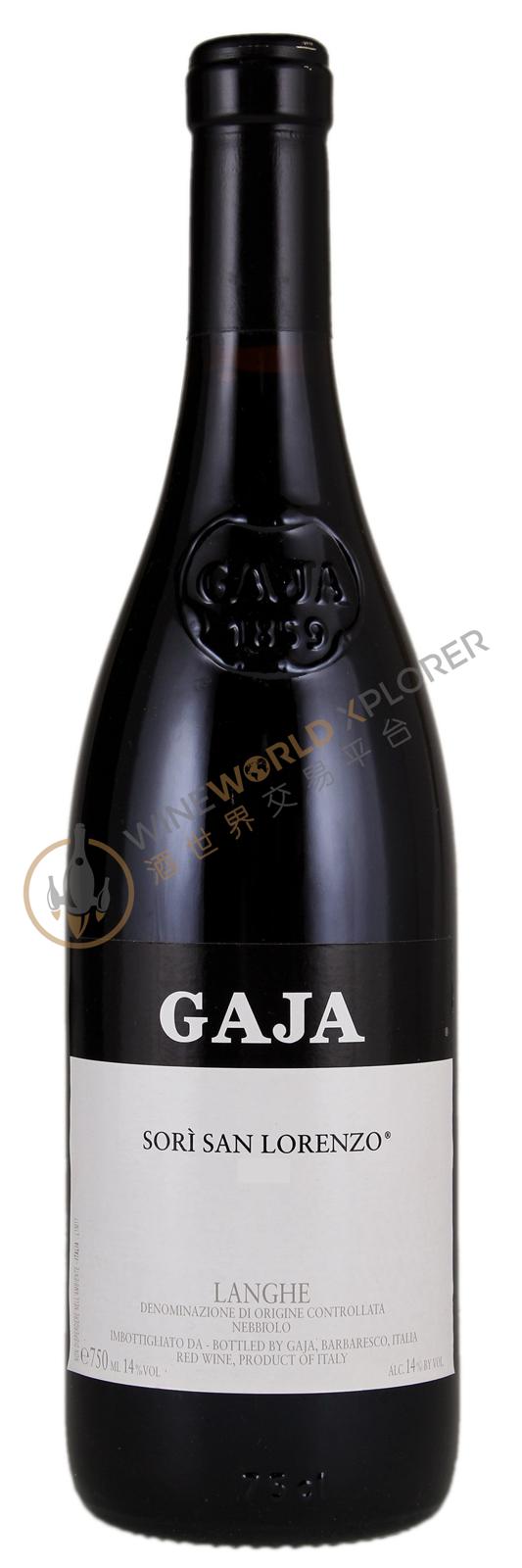
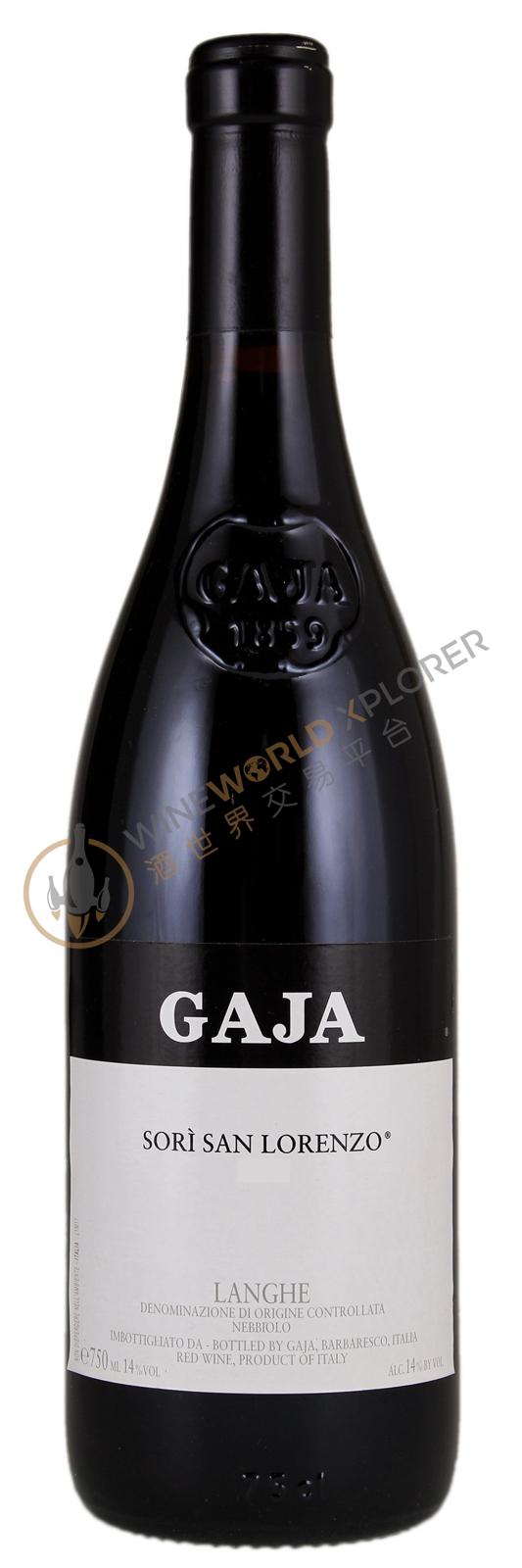
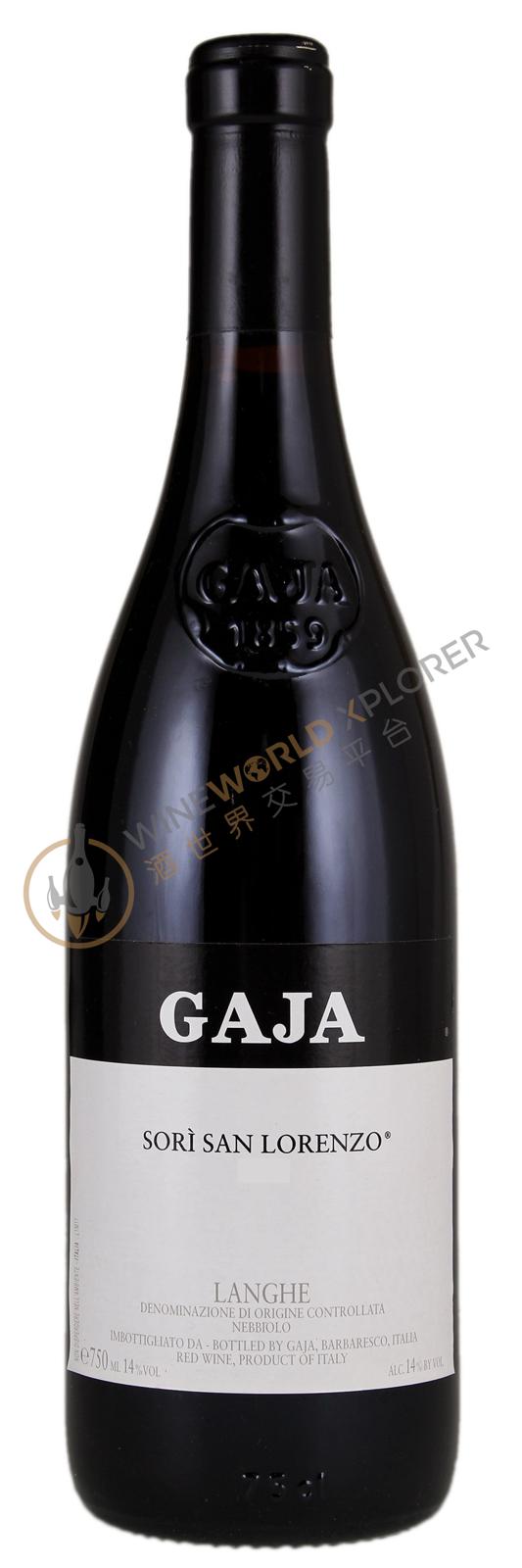
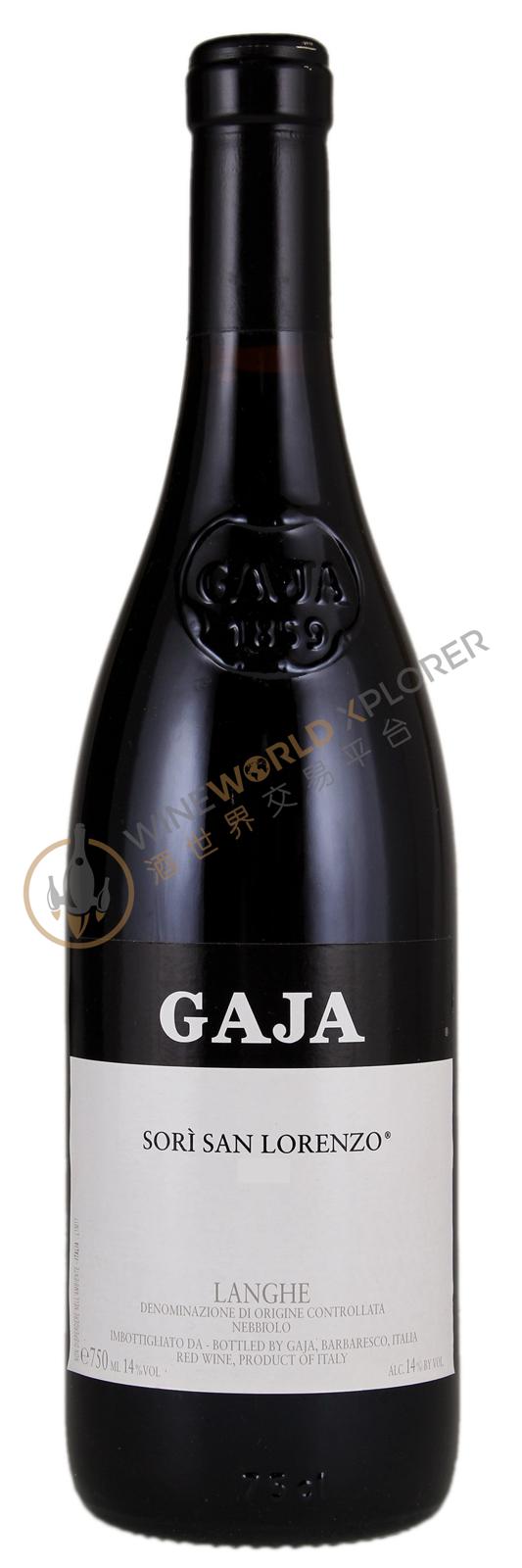
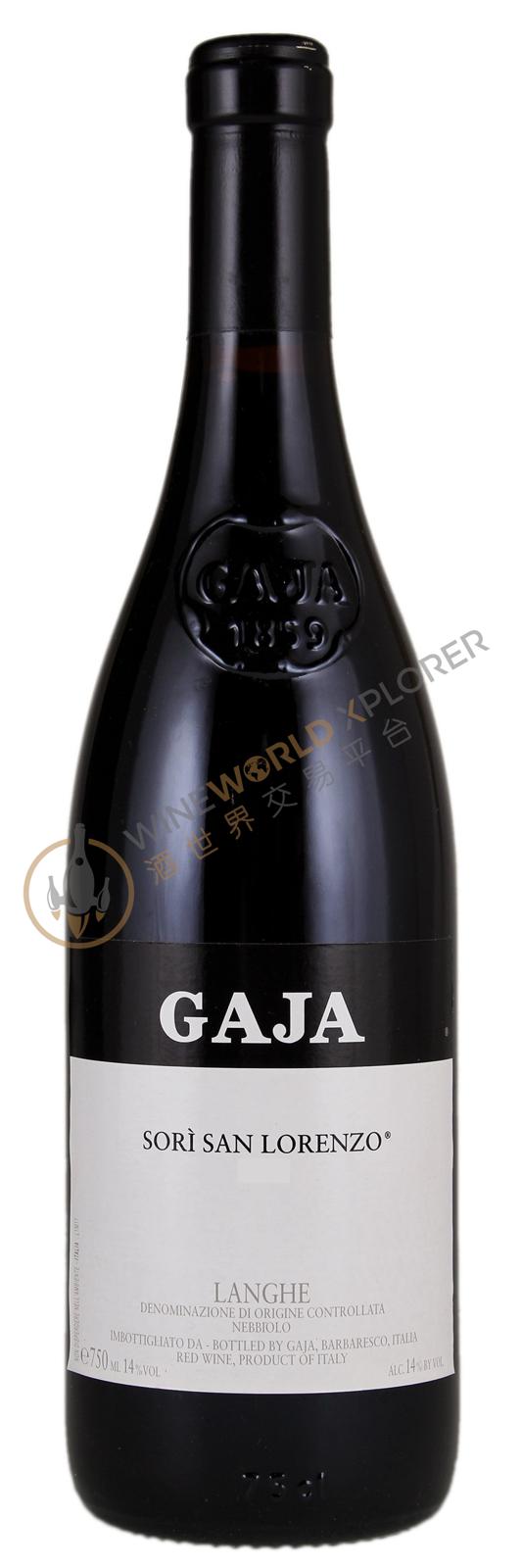
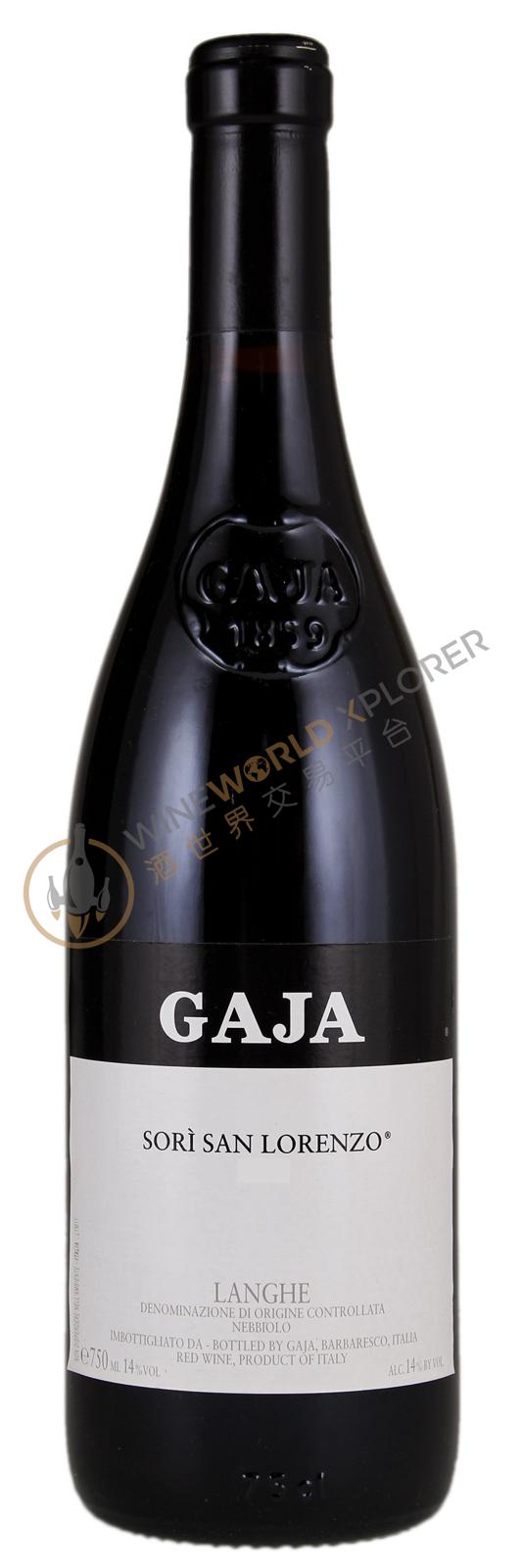
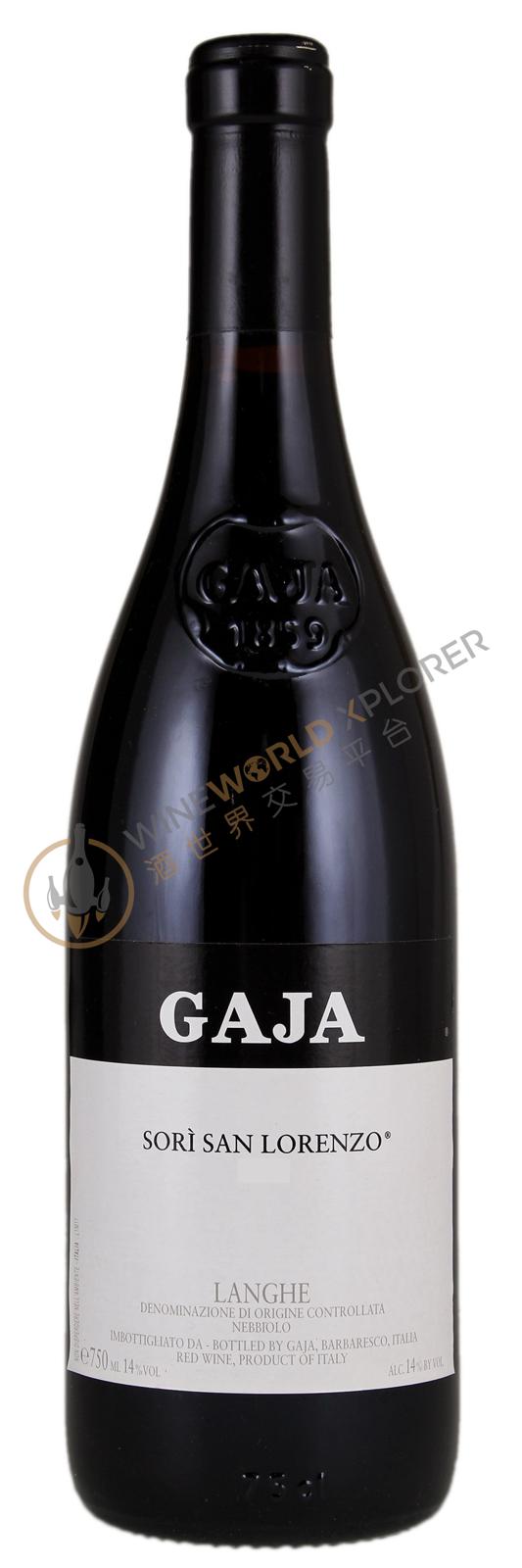
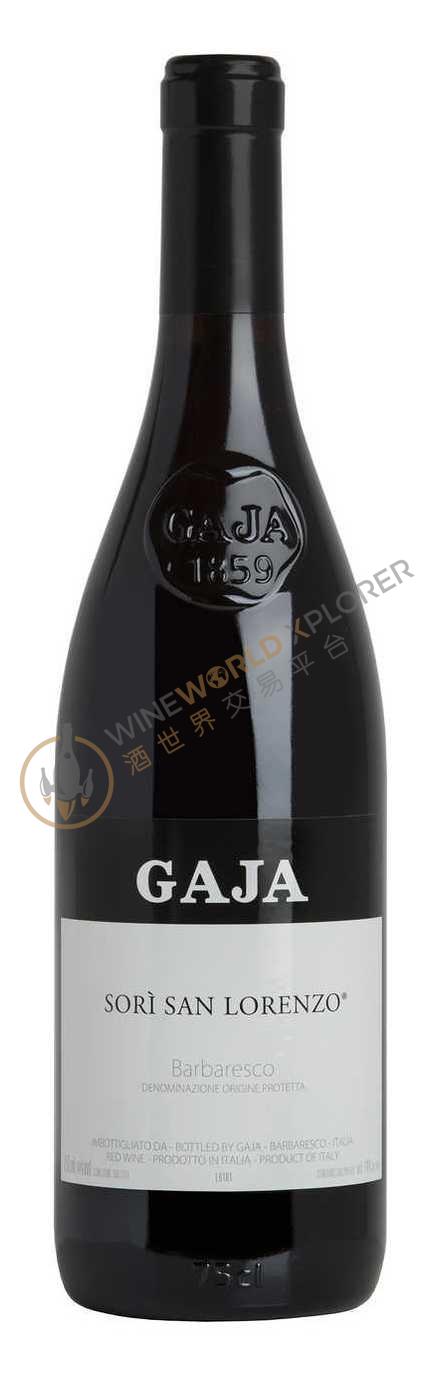
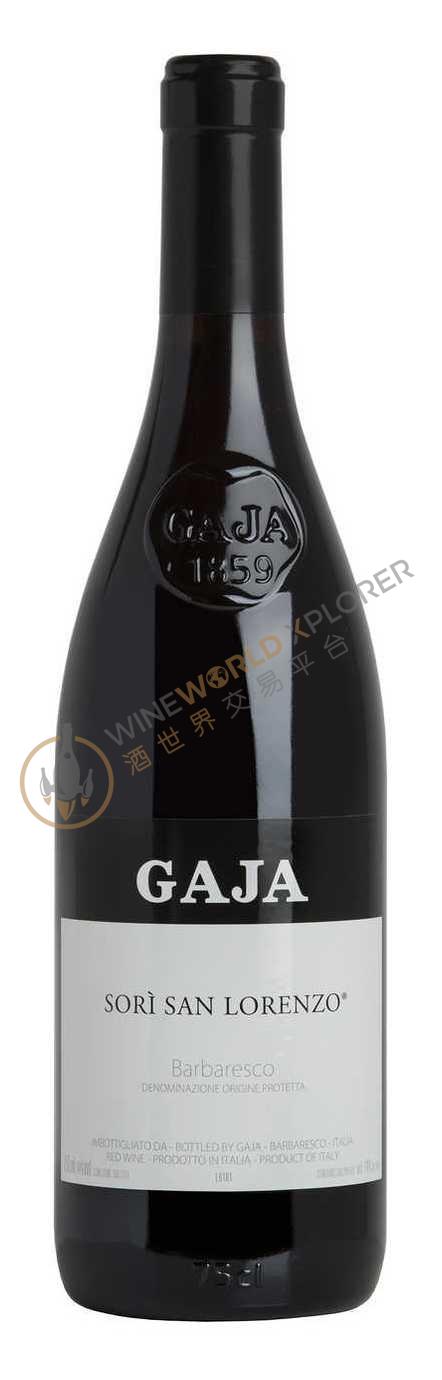
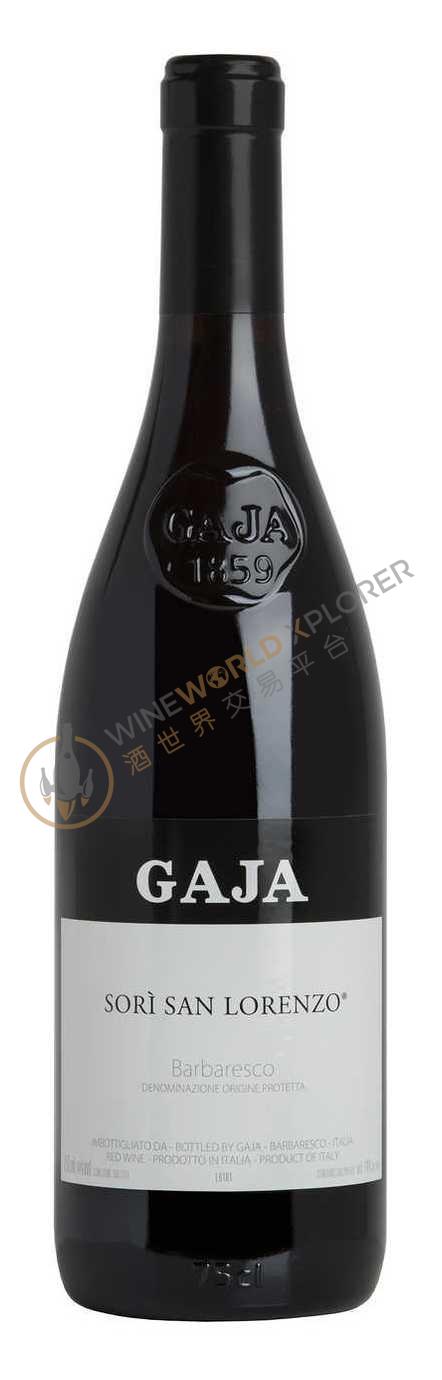
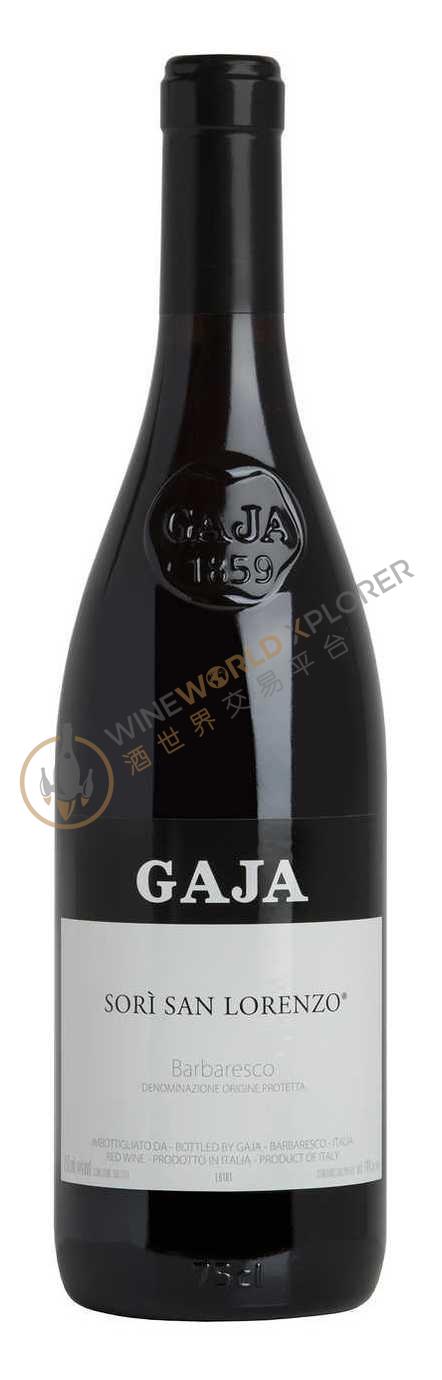
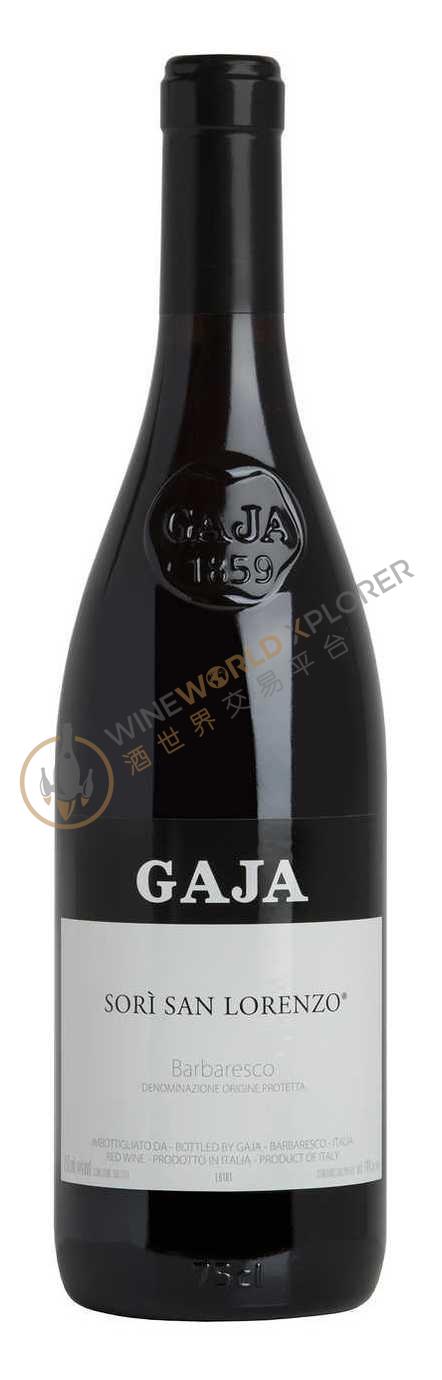
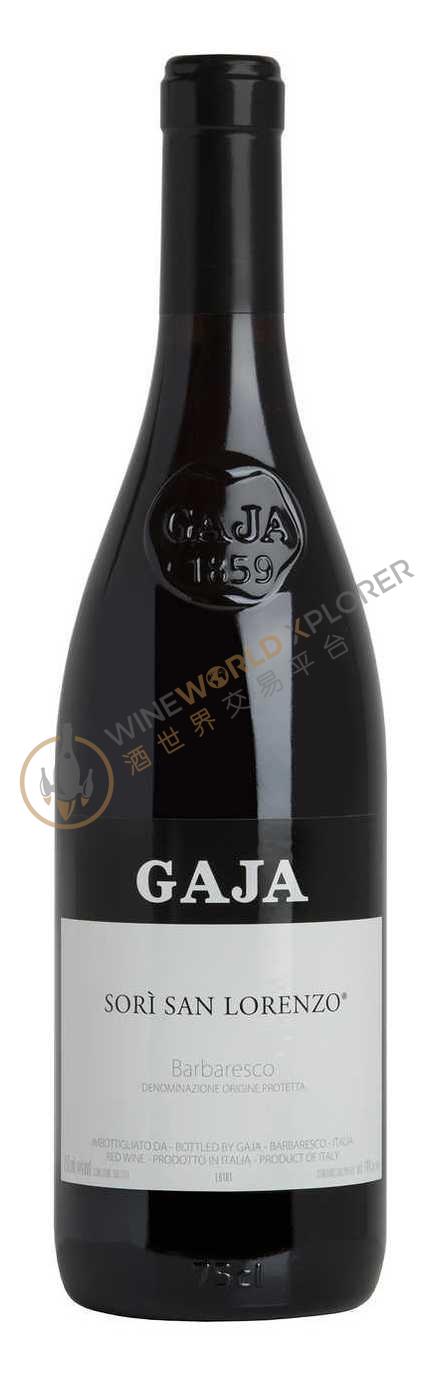
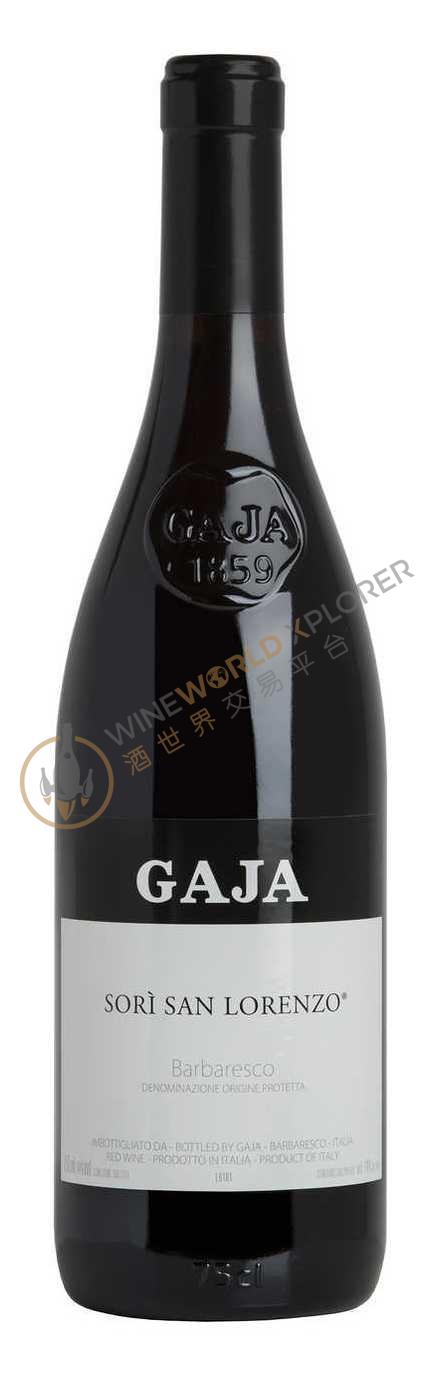
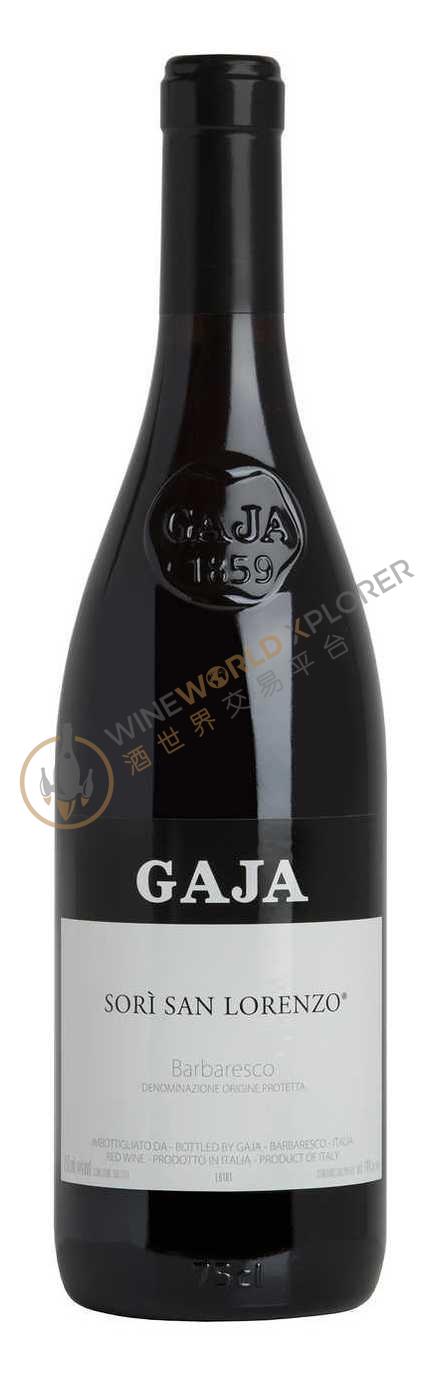
Gaja, Barbaresco Sori San Lorenzo 1990
 View analysis


Description
Tasting notes

Reviewed by: Robert M. Parker, Jr.
Among Gaja's three single vineyard Barbarescos, the most compelling is the Sori San Lorenzo. The 1990 is a massive wine with a staggering yet unevolved nose of herbs, hickory, smoked meats, cedar, and red and black fruits. Spectacularly concentrated, with layers of flavor, this dense, blockbuster wine should be cellared for 4-6 years and drunk through the first two or more decades of the next century. Admirers of great wine will no doubt be debating the merits of Gaja's 1989s and 1990s for the next two or three decades. Both are spectacular vintages. When I tasted them side by side in March, the 1990s possessed a slight edge in terms of concentration and power. That does not mean they will ultimately turn out better, but they are fabulously impressive wines of unprecedented complexity, stature, and richness. For all his success, the admirable Angelo Gaja remains fanatically committed to excellence, and because of that he is Piedmont's reference point, as well as an inspiration to many of the young growers just beginning to estate bottle their wines. Importer: Vinifera Imports, Ronkonkoma, NY.
Reviewed by: Antonio Galloni
The 1990 Barbaresco Sori San Lorenzo is a dark, hulking wine boasting masses of dark fruit, scorched earth and herbs. Initially somewhat rustic, the wine becomes rounder and more generous with time in the glass. Still, this remains a bit of a wild, unrestrained wine from Gaja that lacks the elegance that informs the very finest Sori San Lorenzos. Anticipated maturity: 2010- 2030. Angelo Gaja’s 1989s and 1990s are simply glorious. Gaja is frequently criticized, especially in Italy, a country that has an uneasy relationship with success of any kind. To be sure, Gaja likes to mix things up with views that are at times perhaps unnecessarily provocative. Prices have always been a point of contention among the estate’s detractors, as even Gaja’s father Giovanni sold his own wines at prices considered to be astronomical more than 50 years ago. At the end of the day, though, the only thing that counts is what is in the glass, and the simple truth is that these wines are utterly mind-blowing. Angelo Gaja had at least one big advantage vis-a-vis his neighbors. Gaja began working full-time at his family’s winery in 1969, and was followed a year later in 1970 by oenologist Guido Rivella. By the time 1989 came around Gaja and Rivella had been working together for nearly 20 years, and were perfectly positioned to make the most of these two historic harvests, which they certainly did. Gaja was so far ahead of his time that there are plenty of producers in Piedmont (and Italy) that still haven’t caught up to the groundbreaking wines he made 20 years ago. I have had many of Gaja’s 1989s and 1990s recently in less formal settings and have never been anything less than deeply impressed. Readers fortunate to own these bottles should be thrilled. For his 1989s and 1990s, Gaja carried out the malolactic fermentations in stainless steel and aged the wines for a year in French oak followed by a year in cask, an approach he employs today. Although Gaja’s wines are often flashy upon release, these bottles attest rather eloquently to the glacial aging that is the hallmark of the house style. One of the very few critiques I can make is that Sori San Lorenzo and Sperss were far less consistently profound twenty years ago than they are today. If there is one truism with Gaja, it is that one only needs to taste the Barbaresco to understand the quality of the vintage. When the Barbaresco is truly great (as it is in 1997, 2001, 2004 and 2007) all of the other wines will almost certainly be profound.
Reviewed by: Antonio Galloni
The 1990 Barbaresco Sorì San Lorenzo is a fabulous wine to drink now and over the next 10-15 years. The tannins remain a bit firm, but the aromas are already starting to show the first signs of maturity. Today, the 1990 comes across as a slightly younger version of the 1985. With time in the glass the 1990 freshens is up a bit, but the tannins remain intense.
About the Producer
Located in the Barbaresco region of Piedmont, Italy, Gaja was founded in 1859 by Giovanni Gaja and is still owned by the Gaja family. For generations, the Gaja family has worked tirelessly to achieve the five-star rating in the 2013 Vini d'Italia. In 1961, Angelo Gaja, Giovanni's son, gradually took over the winery's affairs from his father. Angelo studied winemaking at university and obtained a doctorate in economics. Since taking charge of the estate, Angelo has travelled extensively to France (particularly the great Burgundy estates) and has been inspired to make bold changes to the estate. Not only did he emphasise Green Harvest and yield control in the management of the vineyards to achieve high quality wines, but he also pioneered the introduction of Bordeaux grape varieties and advanced winemaking equipment such as temperature-controlled fermenters and French oak barrels, as well as the creative introduction of single-vineyard wines, and is therefore considered to be a pioneer of the modern Italian style of wine, and has made an indelible contribution to the international reputation of Piedmont and indeed Italy. He is also regarded as a pioneer of modern Italian wines and has made an indelible contribution to the international reputation of Piedmont and Italy. The winery has a number of vineyards, including three of the better known single vineyards in Barbaresco - Sori San Lorenzo, Sori Tildin and Costa Russi - where the most popular Piedmontese grape variety, Nebbiolo, is grown. Nebbiolo, the most popular red grape variety in Piedmont. Sori San Lorenzo is a vineyard bought from the parish of Alba and named after the patron saint of the Alba Cathedral, while Russi is the nickname of the former owner. The vineyards were expanded and in 1988 the winery acquired Marenca & Rivette in the Barolo appellation and began producing Barolo wines; in 1994 it acquired Pieve Santa Restituta in the Montalcino appellation of Tuscany; and in 1996 it acquired the Pieve Santa Restituta in the Tuscany appellation. In 2000, Angelo Gaja broke with tradition by blending a small portion of Barbera with Nebbiolo to make Barbaresco, a controversial move at the time. 2016 On 1 July, Gaia Gaja, the eldest daughter of Angelo, announced to the public that the three single vineyards of the Gaja estate - Surrey San Lorenzo, Surrey Tintin and Ross Coast - would be used as specific appellations for the Gaja Barbaresco wines, which must The Barbaresco wines will be made from 100% Nebbiolo. This initiative ushers in a new era for Château Gaja. The wines produced by Château Gaja are of different styles and of outstanding quality. The Gaja Barbaresco DOCG (Piedmont, Italy) is the best of the Barbaresco wines and has developed into one of Italy's famous "Four Jasons". In addition, Gaja has produced three single-vineyard Barbaresco wines using grapes from the Surrey San Lorenzo, Surrey Tintin and Costa Rossa vineyards, which have also received high marks from many renowned wine critics. The Gaja Sori San Lorenzo Barbaresco DOCG, Piedmont, Italy, the first single-vineyard wine to be released, is the most powerful of the estate's single-vineyard wines, receiving full marks for the 2013 vintage from James Suckling. The 2013 vintage received a perfect score from James Suckling.