
 Wine Advisor



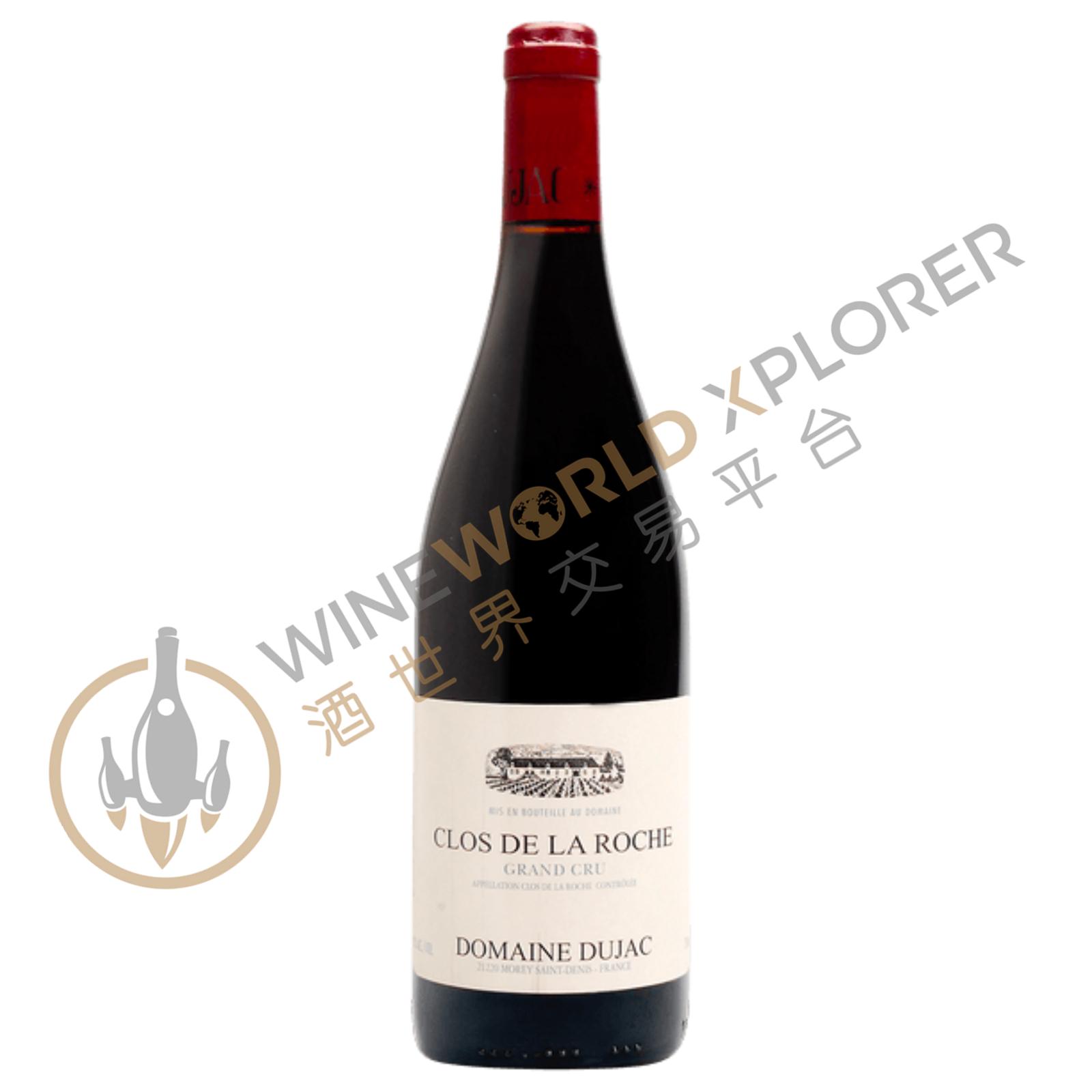
Domaine Dujac, Clos de la Roche Grand Cru 2017
 View analysis


Description
Tasting notes

Reviewed by: Neal Martin
The 2017 Clos de la Roche Grand Cru shows some charry oak barrel on the nose, just a slight hickory scent that feels out of place. It becomes smokier with aeration. The palate is medium-bodied with a lot of stem addition that dominates the terroir expression and fruit at the moment. Well-defined and well-crafted, and it may ultimately turn into a brilliant Clos de la Roche, but that depends on how those stems are assimilated. Tasted blind at the Burgfest 2017 tasting.
Reviewed by: Neal Martin
The 2017 Clos de la Roche Grand Cru has a precise, beguiling bouquet of raspberry and wild strawberry fruit, cold stone and sea spray scents, plus a touch of dried blood. The medium-bodied palate displays slightly chewy tannin on the entry and good depth. This is quite masculine in style, leading to a potent, saline finish, yet I would aver it does not quite have the depth or penetration of the previous two vintages. That said, it is still a finely crafted Clos de la Roche, though I find the Clos Saint-Denis romping ahead (at least in barrel).
Reviewed by: William Kelley
The 2017 Clos de la Roche Grand Cru is an excellent wine in the making, offering up a complex bouquet of orange rind, warm spices, red cherries, rose petals, espresso roast and rich soil tones. On the palate, the wine is medium to full-bodied with excellent depth and dimension, velvety textured after the satin of the Clos Saint-Denis but similarly supple and elegant, with juicy balancing acids and a sapid finish. While this remains a charming, giving vintage, there's enough structural tension here to suggest the wine will be sneakily long lived.
Reviewed by: William Kelley
Dujac's 2017 Clos de la Roche Grand Cru is more reserved that the Clos Saint-Denis, unwinding in the glass with scents of red berries, plums, orange rind, cinnamon, peonies and sweet soil tones. On the palate, the wine is medium to full-bodied, serious and layered, with muscular structure, lively acids and a long, perfumed finish. While this remains a comparatively accessible, finesse-driven Clos de la Roche, at least a decade's patience will be required to see this begin to realize its potential.
About the Producer
Domaine Dujac is managed by the Seysses family. It was founded in 1967 by Jacque Seyesses. At the beginning, Château Dujac had only 4.5 hectares of vineyards in Morey-Saint-Denis. The vineyards were expanded with the purchase of Echezeaux, Bonnes MaresChambertin, Romanee St Vivant and Vosene-Romanee. The estate also owns 1.95 hectares of vineyards in the Clos de la Roche, where the vines are on average 45 to 50 years old. The estate also has 1.45 hectares of vineyards in Clos Saint-Denis, with vines of an average age of 45 to 50 years. In 2005, Château Dujac, together with Chateau de Puligny-Montrachet, acquired Domaine Charles Thomas, acquiring Charles Thomas' shares in the vineyards of Chambertin, Vosne- Romanee and other vineyards. However, the estate sold some of its vineyards after the purchase in order to finance the purchase. However, this acquisition allowed the estate to expand to around 15.5 hectares. Under Jacques' leadership, Château Dujac has developed very well. The grapes were pressed whole and the must was fermented in new oak barrels, and in 1999, when Jacques handed over the running of the estate to his son, the way the estate was made changed dramatically: the grapes were sometimes destemmed and the barrels used for fermentation were probably only 25% new oak. However, the estate's Grand Cru wines are still matured in new oak barrels, while the Grand Cru wines are matured in 60% to 80% new oak barrels. Bottling usually takes place in February or March of the following year. The estate produces around 4,650 bottles/hectare of wine.
1989(1)1995(1)1999(2)2001(1)2003(1)2004(1)2005(2)2006(4)2007(1)2008(3)2009(1)2010(2)2011(5)2012(3)2013(4)2014(4)2015(1)2016(7)
Package Size
1 x 75cl
