
 Wine Advisor



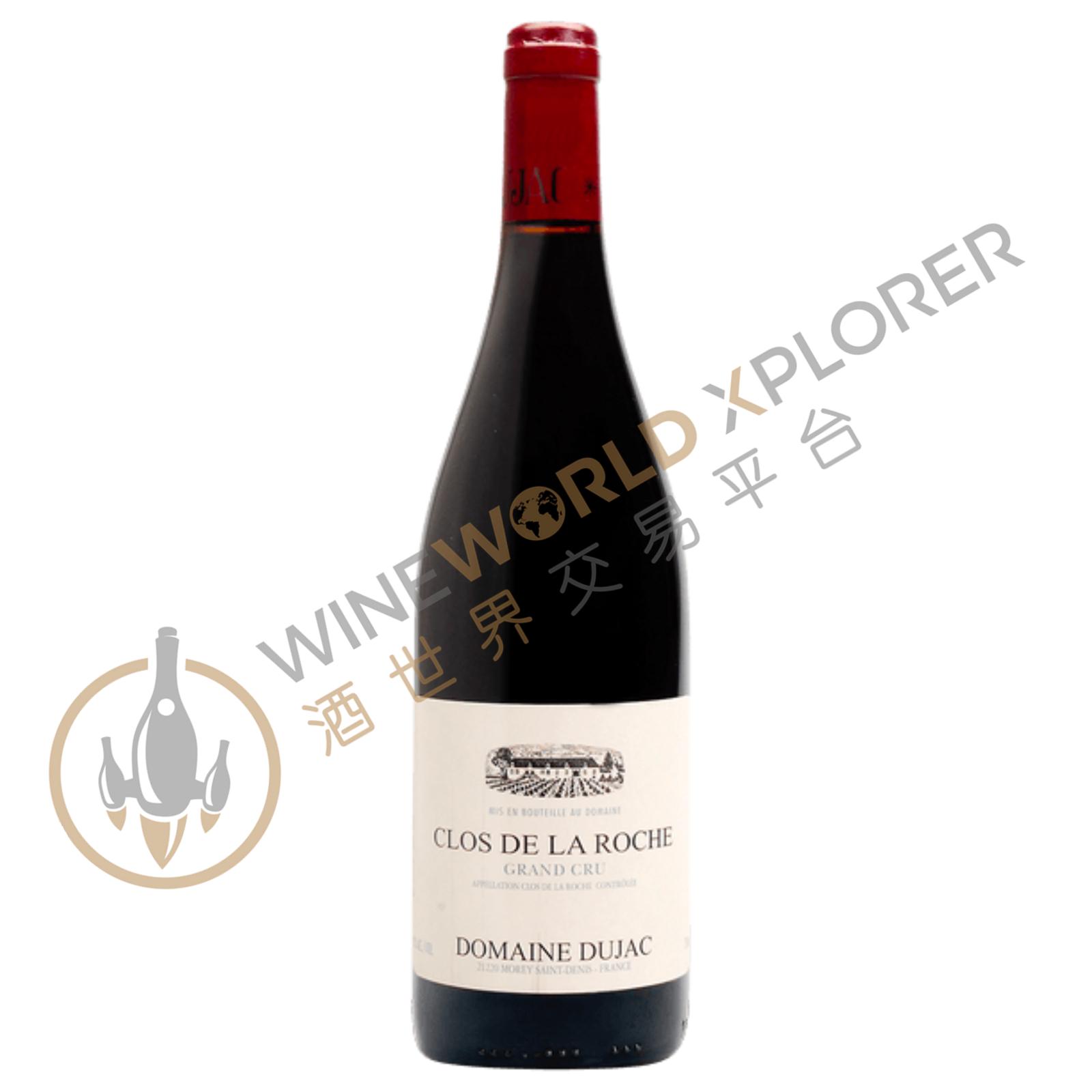
Domaine Dujac, Clos de la Roche Grand Cru 2009
 View analysis


Description
Tasting notes

Reviewed by: Antonio Galloni
The 2009 Clos de la Roche shows the darker, earthier and more ferrous side of Morey. It is a dark, brooding wine packed with fruit. The tannins are more virile and substantial than the Clos St. Denis, which adds to the wine’s imposing personality. Anticipated maturity: 2024-2039. This is a beautiful set of wines from Dujac. The harvest started on September 10 and ended on the 17th. Jeremy Seysses told me he wanted to pick on the early side in order to preserve freshness. In a similar vein, Seysses kept the fermentations short and gentle to avoid over-extracting. I also tasted a handful of 2008s, which are beautiful wines that are true to type and site. In 2008 the estate finished its conversion to fully organic farming originally started in 2001. Dujac fans have a lot to look forward to in these two vintages. Importers: The Sorting Table, Napa, CA; tel. (415) 491-4724; Martin Scott Wines, Little Neck, NY; tel. (516) 327-0808; Chambers & Chambers, San Francisco, CA; tel. (415) 642-5500
Reviewed by: Neal Martin
Tasted out of barrel at the Domaine. More backward on the nose than the Clos-Saint-Denis, this has a deep, broody nose that despite coaxing, does not want to come out and play. The palate is medium-bodied with firm tannins, quite masculine and structured with a tight, earthy finish. Good potential, but will require patience. Tasted November 2010.
Reviewed by: Antonio Galloni
The 2009 Clos de la Roche wafts from the glass with hints of tobacco, wild flowers and cherries. This is an elegant, refined Clos de la Roche long on finesse and pure sensuality. The gorgeous, finely-knit finish leaves a lasting impression. Anticipated maturity: 2019-2039. My tasting at Dujac was one of the highlights of the two weeks I spent in Burgundy in late November/early December 2011. I tasted through all the 2010s in barrel and 2009s in bottle. The domaine’s 2009s are among the wines of the vintage. Importers: The Sorting Table, Napa, CA; tel. (415) 491-4724; Martin Scott Wines, Little Neck, NY; tel. (516) 327-0808; Chambers & Chambers, San Francisco, CA; tel. (415) 642-5500
About the Producer
Domaine Dujac is managed by the Seysses family. It was founded in 1967 by Jacque Seyesses. At the beginning, Château Dujac had only 4.5 hectares of vineyards in Morey-Saint-Denis. The vineyards were expanded with the purchase of Echezeaux, Bonnes MaresChambertin, Romanee St Vivant and Vosene-Romanee. The estate also owns 1.95 hectares of vineyards in the Clos de la Roche, where the vines are on average 45 to 50 years old. The estate also has 1.45 hectares of vineyards in Clos Saint-Denis, with vines of an average age of 45 to 50 years. In 2005, Château Dujac, together with Chateau de Puligny-Montrachet, acquired Domaine Charles Thomas, acquiring Charles Thomas' shares in the vineyards of Chambertin, Vosne- Romanee and other vineyards. However, the estate sold some of its vineyards after the purchase in order to finance the purchase. However, this acquisition allowed the estate to expand to around 15.5 hectares. Under Jacques' leadership, Château Dujac has developed very well. The grapes were pressed whole and the must was fermented in new oak barrels, and in 1999, when Jacques handed over the running of the estate to his son, the way the estate was made changed dramatically: the grapes were sometimes destemmed and the barrels used for fermentation were probably only 25% new oak. However, the estate's Grand Cru wines are still matured in new oak barrels, while the Grand Cru wines are matured in 60% to 80% new oak barrels. Bottling usually takes place in February or March of the following year. The estate produces around 4,650 bottles/hectare of wine.
1989(1)1995(1)1999(2)2001(1)2003(1)2004(1)2005(2)2006(4)2007(1)2008(3)
Package Size
