Wine Advisor



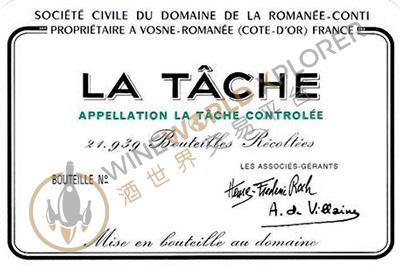
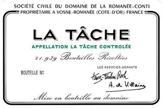
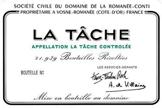
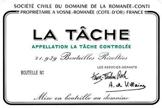
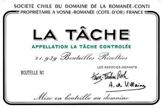
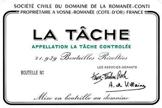
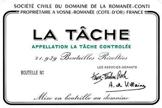
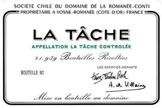
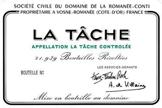
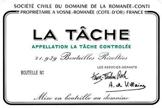
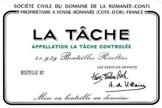
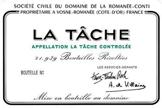
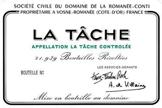
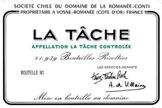
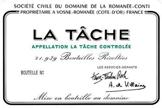
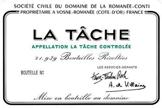
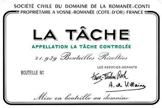
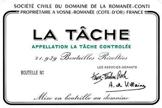
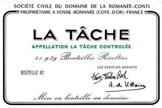
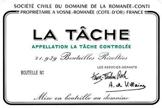
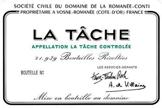
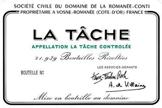
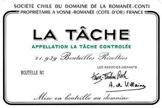
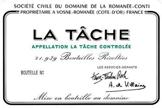
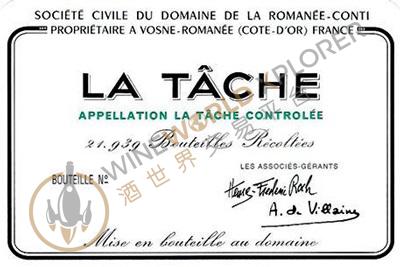
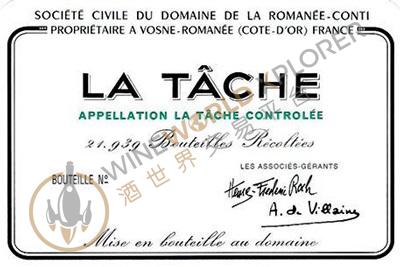
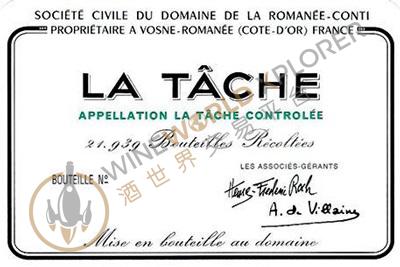
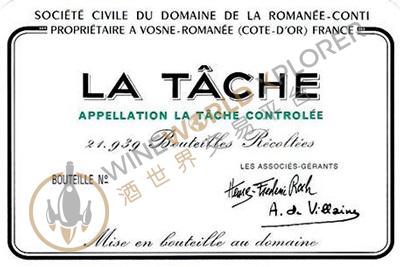
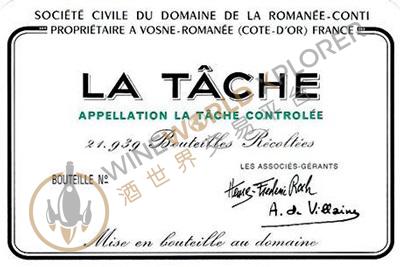
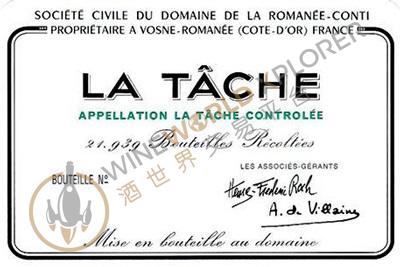
Domaine de la Romanée Conti, La Tache Grand Cru 2017
 View analysis


Description
Tasting notes

Reviewed by: William Kelley
While the 2017 La Tâche Grand Cru is one of the most approachable recent vintages of this great monopole, it's still really too soon to be opening bottles. However, these things happen, and it's certainly a striking wine, unwinding in the glass with detailed aromas of wild berries, plums, exotic spices, orange, rose petals, peony and coniferous forest floor. Full-bodied, satiny and seamless, its beautifully refined tannins and succulent acids are cloaked in an ample core of fruit. Like many of the best 2017s, its charm is deceptive, as there's a lot waiting in reserve here, and even a few years' patience will bear dividends.
Reviewed by: William Kelley
The 2017 La Tâche Grand Cru is beautiful, unfurling in the glass with aromas of raspberries, sweet spices, rose petal, dark chocolate and cinnamon. On the palate, it's medium to full-bodied, ample and layered, with succulent acids and richer structuring tannins than the any of the wines that preceded it. More multidimensional and complete, it's an appreciable step up.
Reviewed by: William Kelley
The 2017 La Tâche Grand Cru soars from the glass with a captivating and beautifully integrated bouquet of exotic spices, rose petals, raspberries, cherries and blood orange mingled with notions of cinnamon and coniferous forest floor. On the palate, the wine is full-bodied, deep and multidimensional, with a deep and tightly coiled core that marks it out as the most muscular wine in the cellar, displaying considerable concentration and largely concealed structure. While this is a dramatic young La Tâche, there's evidently plenty held in reserve, too, and it simply has appreciably more presence than any of the other wines that preceded it in this tasting.
Reviewed by: Antonio Galloni
The 2017 La Tâche Grand Cru is another of the more expressive wines in the range. It opens with striking mid-palate pliancy and also possesses a level of inner sweetness the other wines don’t have, and yet there is plenty of the tannic clout that defines the Richebourg as well. Time in the glass allows all of those elements to emerge fully, especially the aromatics that are such a La Tâche signature. Creamy, ample and wonderfully expressive, 2017 is superb today. I would cellar the 2017 for at least a few years, even if it is incredibly alluring right now. Harvest took place on September 6 and 7.
Reviewed by: Neal Martin
The 2017 La Tâche Grand Cru was picked on September 6 and 7 at 34hl/ha and bottled between March 25 and April 24. As Aubert de Villaine had noted earlier, this is a more introverted La Tâche that bided its time in the glass. The fruit is slightly darker than the Romanée-Saint-Vivant, with the addition of a little blueberry and violet and background scents of moorland, though they needed 10–15 minutes in the glass before they revealed themselves. The medium-bodied palate delivers lithe tannins matched with a very fine line of acidity. This displays more body and grip than the Richebourg or Romanée-Saint-Vivant, and wondrous piquancy on the loamy finish. What it does not possess, unlike the previous two vintages, is a never-ending aftertaste. This La Tâche does its job but prefers not to hang around. Afford this four to five years. 2,082 cases produced. Tasted at Corney & Barrow’s annual in-bottle tasting in London.
Reviewed by: Neal Martin
The 2017 La Tâche Grand Cru was picked over two days on September 6 and 7. It has a haunting bouquet that demands a long time in the glass to reveal itself, or at least, those parts it wants you to see: dark berry fruit, crushed stone, a salty tang of cold sea and autumnal leaves. This is unquestionably the most discreet and understated La Tâche I have encountered from barrel. The palate is medium-bodied with a fine lattice of tannin. There is a tangible marine influence here: sea cave and Scottish peat moorland. It is not powerful but beautifully balanced, transparent and yet at this stage, playing in a minor key.
Reviewed by: Neal Martin
The 2017 La Tâche Grand Cru is another of the more expressive wines in the range. It opens with striking mid-palate pliancy and also possesses a level of inner sweetness the other wines don’t have, and yet there is plenty of the tannic clout that defines the Richebourg as well. Time in the glass allows all of those elements to emerge fully, especially the aromatics that are such a La Tâche signature. Creamy, ample and wonderfully expressive, 2017 is superb today. I would cellar the 2017 for at least a few years, even if it is incredibly alluring right now. Harvest took place on September 6 and 7.
About the Producer
The Domaine de la Romanée-Conti or DRC is one of the most prestigious wine estates in the world with 25.5 hectares mostly in Vosne-Romanée on the route des Grands Crus in the vineyards of the Côte de Nuits of the Burgundy vineyards (named after the 1.8 hectare Clos de la Romanée-Conti, one of the most prestigious mythical grands crus in the world). The civil company of the same name was founded in 1942 by Edmond Gaudin de Villaine. It is now co-managed for their heir family by the winegrowers Aubert de Villaine and Perrine Fenal.
1966(1)1971(1)1972(1)1976(1)1979(1)1981(1)1982(2)1984(2)1985(2)1986(1)1988(3)1989(1)1990(5)1991(1)1992(1)1993(3)1994(1)1995(5)1996(4)1997(1)1998(2)1999(2)2000(3)2001(3)2002(5)2003(8)2004(5)2005(10)2006(8)2007(6)2008(5)2009(11)2010(7)2011(9)2012(7)2013(10)2014(10)2015(9)2016(8)
Package Size