Wine Advisor



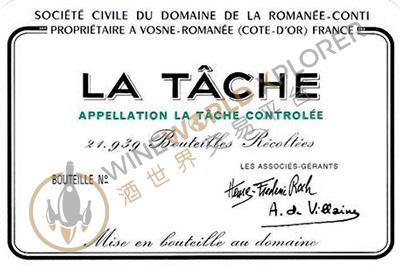
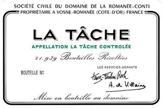
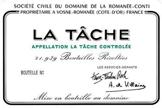
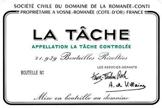
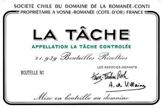
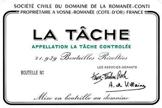
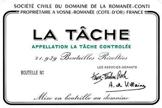
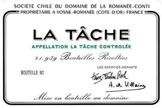
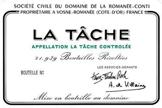
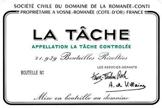
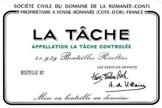
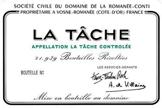
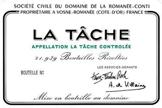
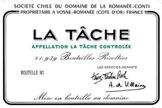
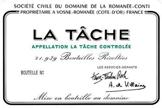
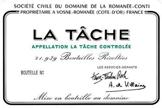
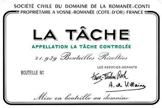
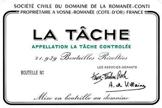
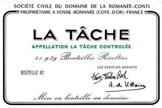
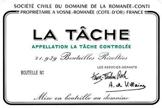
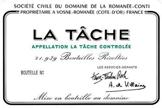
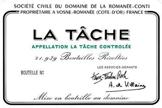
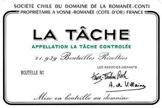
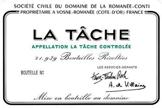
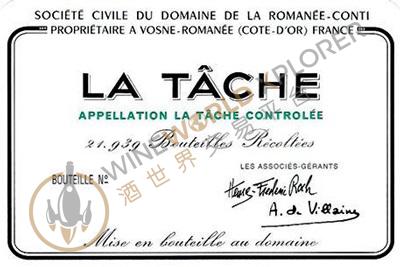
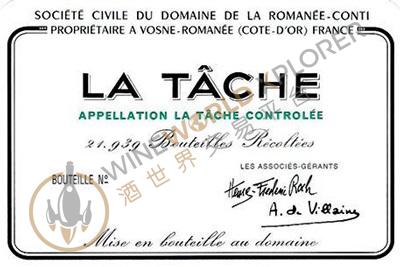
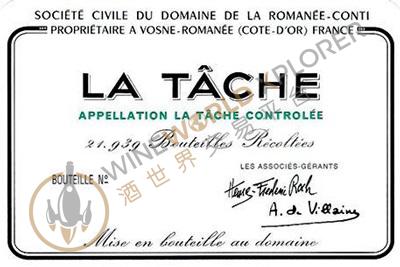
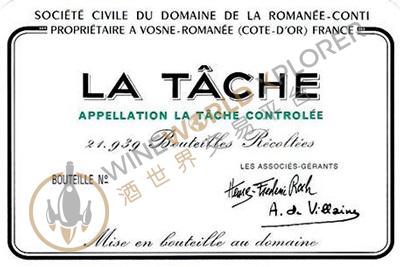
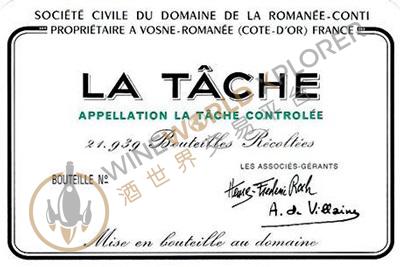
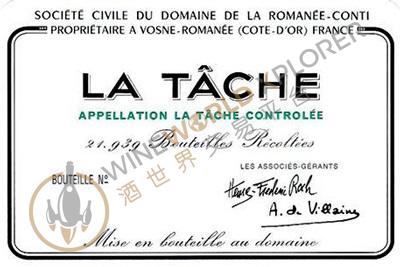
Domaine de la Romanée Conti, La Tache Grand Cru 1990
 View analysis


Description
Tasting notes

Reviewed by: Neal Martin
This glass proffered by Gary Boom’s table whilst dining at St. John and it did nothing to dispel my indifference to ostensibly is a very nice Burgundy 1990, but not a significant La Tache or a profound wine. It has that telltale 1990 nose with warm summer fruits, a touch of cooked meats turning savoury in the glass. Good definition and clean, but not particularly complex. The palate is well-balanced and defined, slightly meaty, retaining the warmth of the vintage with an attractive, bittersweet, savoury finish with a hint of roasted chestnut. Moderate length. A very fine Burgundy, that is all. Drink now. Tasted May 2008.
Reviewed by: Neal Martin
A similar appearance to the 1990 Echezeaux, the nose is far more broody and introverted with dark cherries, hints of spice and black truffle. The bouquet is inanimate for the first twenty minutes but begins to unfurl at an excruciatingly slow pace, evolving just a subtle note of wild fennel. The palate is very powerful, earthier than the Echezeaux ’90, hints of roasted herbs and dried spices. But the finish does not quite deliver; there is no crescendo, no climax or fanfare. I am uncertain how representative this bottle is, although it comes directly from the cellars in Vosne. An incomplete great wine. Tasted February 2008
Reviewed by: Robert M. Parker, Jr.
PRODUCTION: 2,006 cases. This gets my vote as the greatest La Tache after the 1978, and, hopefully, an even longer-lived and more complete wine. It is a candidate for the "wine of the vintage" in this highly esteemed Burgundy vintage. The saturated dark ruby/purple color is followed by a developing bouquet that only hints at what will eventually emerge. There is an extraordinary amount of black fruits in the nose, as well as a floral component, and that exotic, Asian spice/smoky scent that the DRC routinely obtains. The new oak takes a back seat to the exceptional quantity of fruit. Full-bodied, with noticeable ripe, sweet tannin, this expansive wine represents an extraordinary expression of Pinot Noir. In spite of the wine's structure, it is hard to resist drinking. The high extraction of flavor and structure suggest this wine will hit its apogee in 2-5 years and last for 15-20 years.
Reviewed by: Robert M. Parker, Jr.
I cannot think of a more profound, young red Burgundy tasted than DRC's 1990 La Tache. Although it still requires another 3-4 years of cellaring, it is incredibly endowed, with an extraordinary perfume of Asian spices as well as jammy black raspberries, cherries, and blackberries infused with smoke, toast, and dried herbs. Full-bodied, but ethereal, with layers of flavor, as well as mind-boggling delicacy and complexity, this youthful La Tache will be at its finest between 2004-2015.
Reviewed by: Robert M. Parker, Jr.
The DRC believes their 1990 La Tache resembles a hypothetical blend of the 1985 and 1988. It possesses the dramatic, rich, opulent, black fruit character of the 1985, as well as the backbone and tannic structure of the 1988. This expansive, broad-shouldered wine exhibits an impressive dark ruby color, the tell-tale DRC fragrance of minerals, spices, black fruits, and toasty new oak, full-body, outstanding richness, multi-dimensional flavors, a layered texture, and, importantly, a smashingly long, intense finish. The new oak and tannin levels are noticeable, so plan to cellar this wine for 5-6 years. Anticipated maturity: 1997-2015+ . The DRC 1990s, all of which were bottled in April/May, are among the deepest colored wines from this domaine that I have tasted in the last decade. Moreover, they are firmly structured, with significant tannins from both the vintage and from the aging in 100% new oak barrels. For the fortunate few who have had the discretionary income to afford the other great vintages of the DRC from the eighties, 1980, 1983, 1985, 1988, and 1989, the question is - are the 1990s superior? I am not sure they are any better than the 1980s, 1985, and 1988s, but they undoubtedly represent a classic, concentrated, long-lived style of wine. Moreover, all of these wines should have a more graceful evolution and broader window of drinkability than the tannic 1988s, as well as potentially greater longevity than the succulent and opulent 1985s. All of these offerings are outstanding, with that tell-tale complex, exotic fragrance that the DRC routinely achieves. NOTE: Prices had not been released (the wines will arrive in early 1993). I have inserted the same prices asked for the 1989 vintage as an approximation of what these wines will fetch. Importer: Wilson-Daniels, St. Helena, CA.
Reviewed by: Neal Martin
Tasted at the La Tâche vertical at The Square. The La Tâche 1990 sports a deep garnet core with brick rim. The palate is obviously from a relatively warm Burgundy vintage and delivers a surfeit of ripe, juicy and powerful red fruit infused with black truffle, leather and mint, with time a touch of rose petals. It gains more and more delineation with time, though never quite achieves the clinical precision of the 1991. The palate is full-bodied and for La Tâche, quite sinewy with layers of intense, rounded, svelte red berry fruit with just a touch of piquancy. It has an enormous structure and undeniable presence, yet this bottle could not hold a torch to either the 1991 or the 1999 La Tâche. Aubert de Villaine himself commented that he prefers the 1991 La Tâche to the 1990 and I concur. This is a great La Tâche but now with 25-years on the clock, one wonders whether it is past its peak?
Reviewed by: Antonio Galloni
The 1990 La Tâche was monumental. A dense, powerful wine, this spectacular Burgundy blossomed on the palate with masses of fruit. Still very primary, this bottle was just as fresh as a bottle I had tasted at the domaine about a year before. Wow.
Reviewed by: Neal Martin
The 1990 La Tâche Grand Cru has long been a darling among the critics, but every bottle I have encountered in recent years has been marked by overripe qualities. Offering up a rich, chocolaty bouquet of prunes, preserved figs, earth and spices, along with some more ethereal hints of rose petals and potpourri, it's full-bodied, deep and chunky, with plenty of structuring tannin that asserts itself on the somewhat drying finish. Sadly, that's far from uncommon with red Burgundies from this highly touted vintage.
About the Producer
The Domaine de la Romanée-Conti or DRC is one of the most prestigious wine estates in the world with 25.5 hectares mostly in Vosne-Romanée on the route des Grands Crus in the vineyards of the Côte de Nuits of the Burgundy vineyards (named after the 1.8 hectare Clos de la Romanée-Conti, one of the most prestigious mythical grands crus in the world). The civil company of the same name was founded in 1942 by Edmond Gaudin de Villaine. It is now co-managed for their heir family by the winegrowers Aubert de Villaine and Perrine Fenal.
1966(1)1971(1)1972(1)1976(1)1979(1)1981(1)1982(2)1984(2)1985(2)1986(1)1988(3)1989(1)
Package Size