
 Wine Advisor



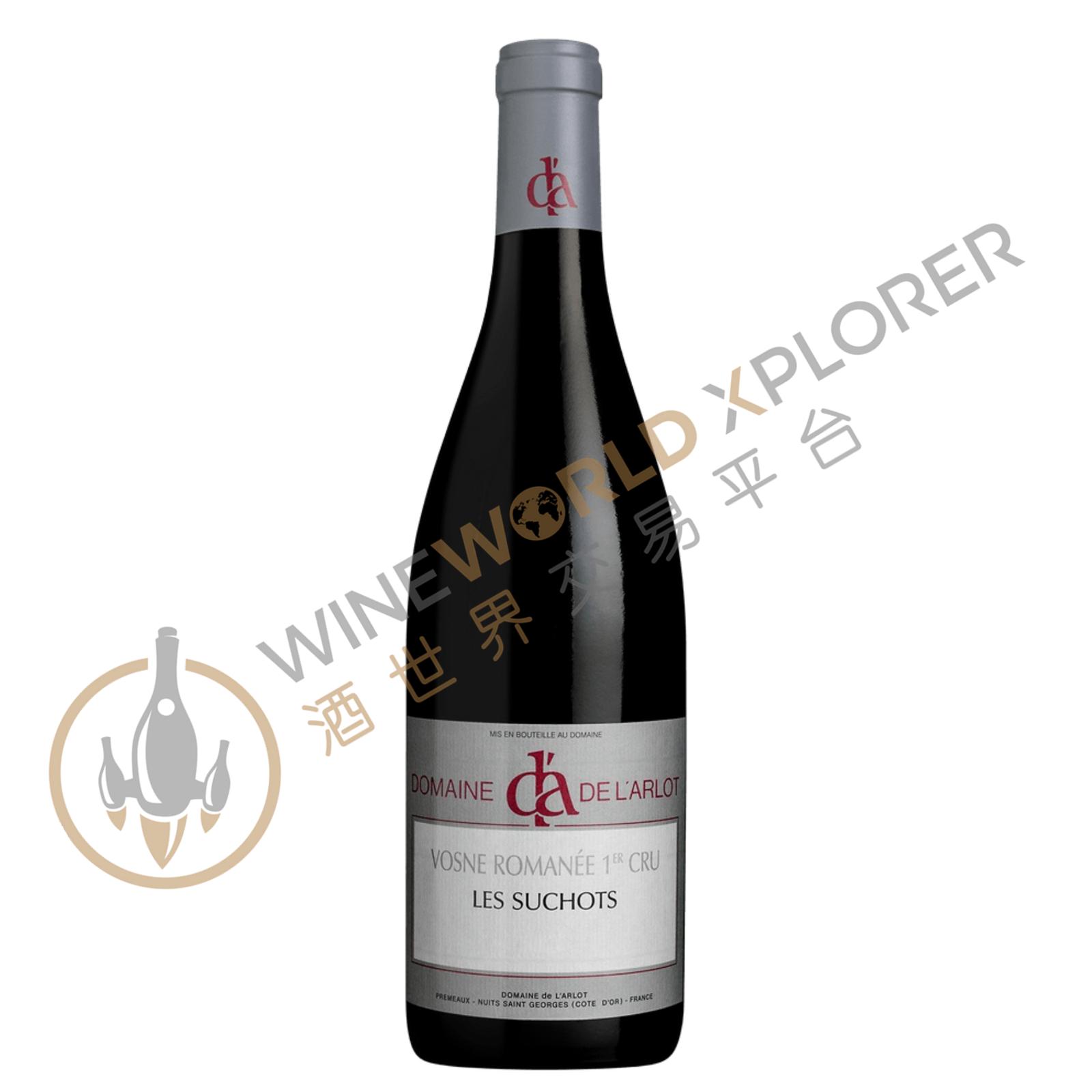
Domaine de L'Arlot, Vosne Romanee 1er Cru Les Suchots 2019
 View analysis


Description
Tasting notes

Reviewed by: William Kelley
Aromas of rose hips, cinnamon, red berries, plums and sweet soil tones introduce the 2019 Vosne-Romanée 1er Cru Les Suchots, a medium to full-bodied, lively and delicate wine that's fine-boned and precise, with a pretty core of fruit and gently chalky structuring tannins.
Reviewed by: Neal Martin
The 2019 Vosne-Romanée Les Suchots 1er Cru, which contains two-thirds whole bunches, is a vintage that I never tasted from barrel as the wine was reduced at the time. It has a well-defined nose, a mélange of red and black fruit, pressed iris flowers and a touch of crushed stone. The palate has more precision and delineation than the 2018. More red fruit here, slightly chalky in texture with an underlying bitter cherry note lending some frisson towards the finish. Tasted at the Domaine de L’Arlot tasting at La Cabotte in London.
About the Producer
Domaine d'Arlot is a new winery founded in 1987, but it has a long history of vineyards and owns three exclusive plots (a monopole, which means that a vineyard is the exclusive property of a single winery or winemaker): Clos du Chapeau, Clos de l'Arlot, Clos des Forets St Georges. 'Arlot, and Clos des Forets St Georges. In 1991, a small plot of Romanee St. Vivant was bought, and the following year a plot of Vosne Romanee Les Suchots was bought, bringing the vineyard to 14 hectares. The Domaine d'Arlot is one of the few exceptions to the rule of grandeur in Bourgogne. Around the end of the eighteenth century, Jean Charles Vienot, the owner of the place, built a stone wall around the vineyard, and the vineyard was named Domaine de l'Arlot. The Domaine de l'Arlot began to use organic farming methods in 2000 and was certified in 2014. The vineyards have been rebalanced and rejuvenated to produce healthier and riper grapes. The philosophy of the winery is: the less intervention the better. The grapes are hand-harvested, selected twice, only the best grapes are used, natural yeasts are used for fermentation, and the lees are pressed by hand, without using pumps as much as possible, to reflect the "terroir" of each field and lot, and to give the wine its personality.
