
 Wine Advisor



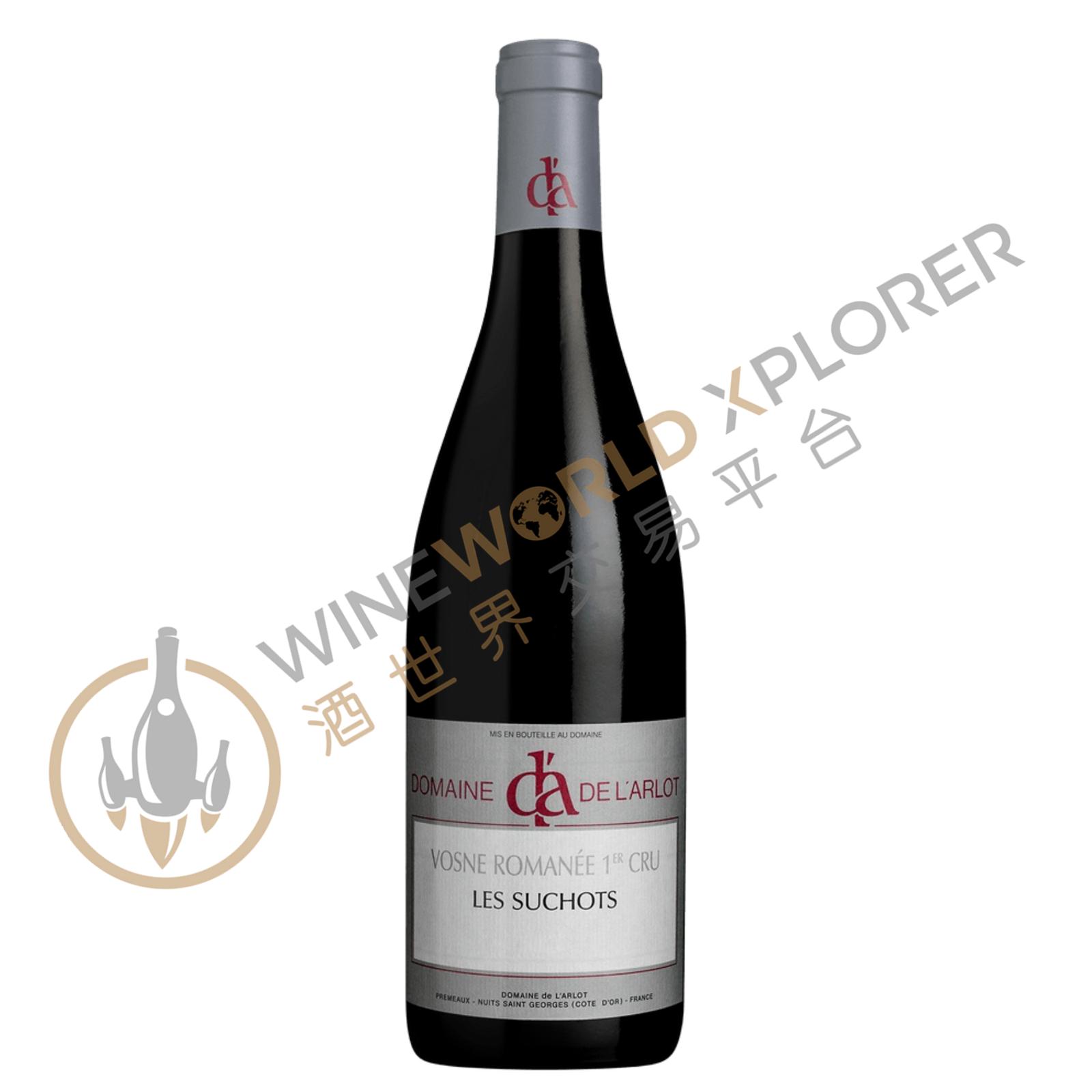
Domaine de L'Arlot, Vosne Romanee 1er Cru Les Suchots 2015
 View analysis


Description
Tasting notes

Reviewed by: Neal Martin
The 2015 Vosne-Romanée Les Suchots 1er Cru is very reduced on the nose, offering powerful black rather than red fruit. The palate is sweet and candied on the entry, then quite stolid and unyielding, with a punchy finish. The reduction makes this difficult to assess, so I reserve judgment for now. Tasted blind at the annual Burgfest tasting.
Reviewed by: Stephen Tanzer
(100% vendange entier): Good deep red. Sexy scents of dark raspberry, blueberry, coffee and spices are distinctly darker than those of the Clos de l'Arlot. Very rich, sappy and deep but youthfully tight, offering intense flavors of slightly tart cranberry and pomegranate. Very elegantly styled but also quite penetrating and long, finishing with horizontal tannins that gently dust the front teeth. A bit less fleshy in the early going than the Clos de l'Arlot, this wine too will require patience and should evolve gracefully.
Reviewed by: Stephen Tanzer
(lightly acidified; vinified entirely with whole clusters and aged in 60% new barrels): Bright ruby-red. Classic Suchots aromas of blackberry, violet, licorice and bitter chocolate. Very tightly wound; showing less early sweetness than the 2014 version but still has the essential suppleness of 2015. Less aromatic in the middle palate, but still with some spicy lift to its dark berry and bitter chocolate flavors. This sappy, backward wine finishes with a firm spine of building tannins. Should be a slow developer and will merit a score at the top end of my projected range if it develops more sweetness and give.
Reviewed by: Neal Martin
The 2015 Vosne-Romanée 1er Cru Les Suchots is 100% whole bunch this year, the first time that this has been done and it was raised in two-thirds new oak. Frankly, I was concerned that might be too much, but on the contrary it is actually quite difficult to discern and it allows the mineralité to really shine through, tempering the usual opulence of this vineyard and offering something very focused and energetic. The palate is medium-bodied with very fine tension and poise, well-judged acidity, razor-sharp precision with a very long, saline aftertaste. This is one of the best Les Suchots that I have encountered in the 2015 vintage, though it deserves several years in bottle.
Reviewed by: Stephen Tanzer
The 2015 Vosne-Romanée Les Suchots 1er Cru, 100% whole bunches, is a wine that I found difficult to assess after bottling. With two or three more years in bottle, the aromatics have certainly blossomed with wild strawberry, pressed rose petal and allspice, gaining intensity with aeration. The palate is medium-bodied with supple tannins, a fine bead of acidity, quite harmonious with moderate depth. There is impressive weight towards the spicy finish, with just a splash of balsamic lending some edginess. This is showing very well but it will continue to improve in bottle. Tasted at the Domaine de L’Arlot tasting at La Cabotte in London.
About the Producer
Domaine d'Arlot is a new winery founded in 1987, but it has a long history of vineyards and owns three exclusive plots (a monopole, which means that a vineyard is the exclusive property of a single winery or winemaker): Clos du Chapeau, Clos de l'Arlot, Clos des Forets St Georges. 'Arlot, and Clos des Forets St Georges. In 1991, a small plot of Romanee St. Vivant was bought, and the following year a plot of Vosne Romanee Les Suchots was bought, bringing the vineyard to 14 hectares. The Domaine d'Arlot is one of the few exceptions to the rule of grandeur in Bourgogne. Around the end of the eighteenth century, Jean Charles Vienot, the owner of the place, built a stone wall around the vineyard, and the vineyard was named Domaine de l'Arlot. The Domaine de l'Arlot began to use organic farming methods in 2000 and was certified in 2014. The vineyards have been rebalanced and rejuvenated to produce healthier and riper grapes. The philosophy of the winery is: the less intervention the better. The grapes are hand-harvested, selected twice, only the best grapes are used, natural yeasts are used for fermentation, and the lees are pressed by hand, without using pumps as much as possible, to reflect the "terroir" of each field and lot, and to give the wine its personality.
