
 Wine Advisor



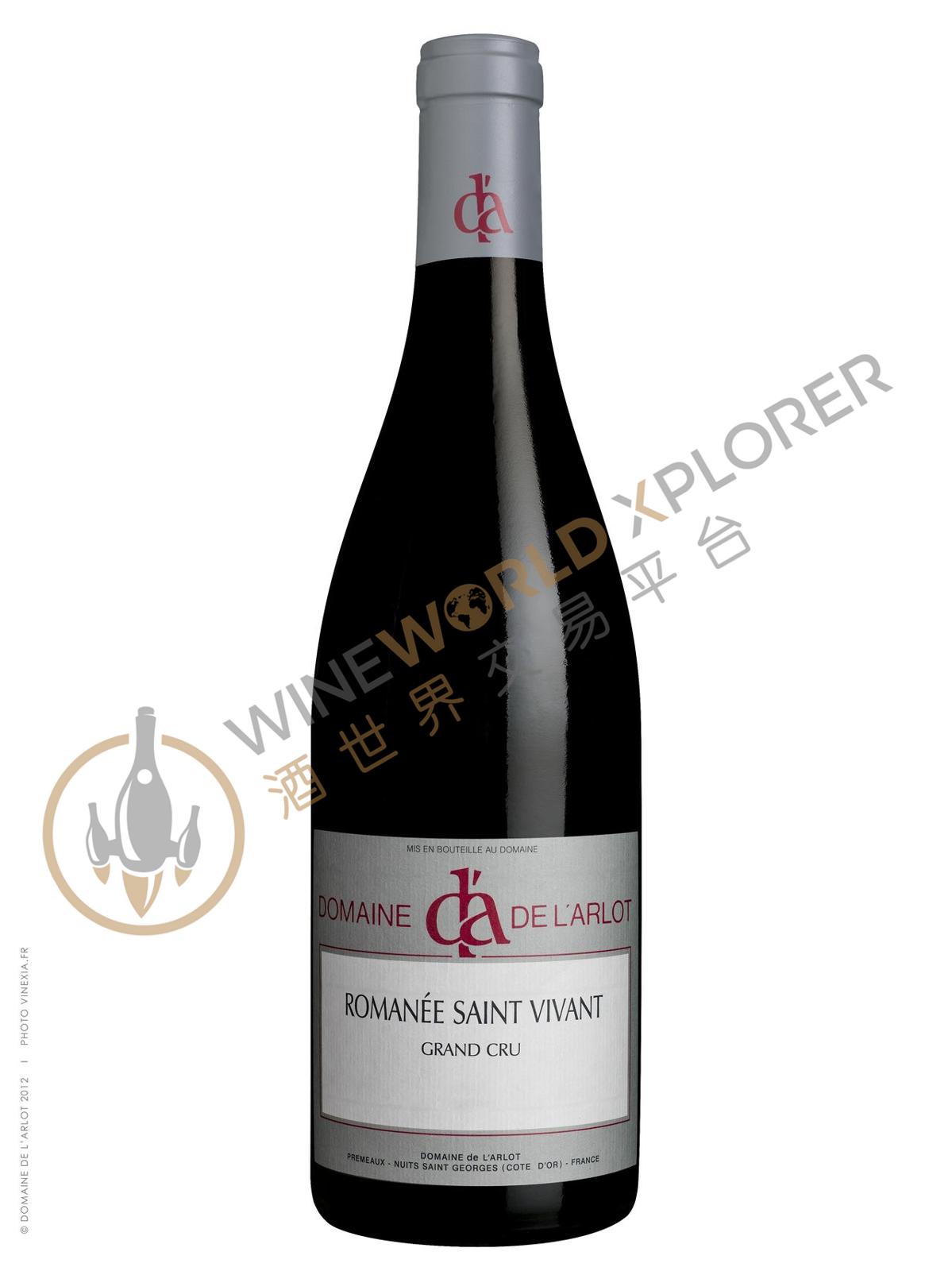
Domaine de L'Arlot, Romanee St Vivant Grand Cru 2010
 View analysis


Description
Tasting notes

Reviewed by: Antonio Galloni
The 2010 Romanée St. Vivant is a hard wine to fully evaluate at this stage. It was the last wine to finish its malolactic fermentation and is therefore developing at a slower pace than the other wines in the lineup. Currently it is the wine's intensity, energy and drive that come through loud and clear. Given the exceptional level of the estate's 2010s, there is every reason to be optimistic about the Richebourg. I look forward to re-tasting this wine in a few months, at which time my rating may need to be revised upward.
Reviewed by: Antonio Galloni
The 2010 Romanee St. Vivant is a hard wine to fully evaluate at this stage. It was the last wine to finish its malolactic fermentation and is therefore developing at a slower pace than the other wines in the lineup. Currently it is the wine’s intensity, energy and drive that come through loud and clear. Given the exceptional level of the estate’s 2010s, there is every reason to be optimistic about the Richebourg. I look forward to re-tasting this wine in a few months, at which time my rating may need to be revised upward. Anticipated maturity: 2022-2035. I was struck by the sheer beauty of the wines I tasted at Domaine de l’Arlot. The 2010s are stunning, while the 2009s are among the most structured wines of that year. Notes on the domaine’s 2009s will be published in the April issue. The 2010s are also the last wines made by Olivier Leriche, who left the domaine after the 2011 harvest. Leriche was replaced by Jacques Devauges, whose previous experience includes time at Frederic Magnien and Domaine de la Vougeraie. As is the case throughout the region, 2010 is a vintage marked by the devastating December frost, an irregular flowering caused by poor weather and continuing bad weather throughout the summer. Yields were down 30-40% across the board. The wines, however, are stunning, and I urge readers to check them out. Various American importers, including: A Daniel Johnnes Selection imported by Michael Skurnik Wines, Syosset, NY, tel. (516) 677-9300; Classic Wine Imports, Norwood, MA; tel. (781) 278-2000; Triage Wines Inc., Seattle, WA; tel. (503) 236-6262; Chambers & Chambers, San Francisco, CA; tel. (415) 642-5500; Ansonia Wines, Washington D.C.; tel. (202) 506-4215; USA Wine Imports, New York, NY; tel. (212) 941-7133
About the Producer
Domaine d'Arlot is a new winery founded in 1987, but it has a long history of vineyards and owns three exclusive plots (a monopole, which means that a vineyard is the exclusive property of a single winery or winemaker): Clos du Chapeau, Clos de l'Arlot, Clos des Forets St Georges. 'Arlot, and Clos des Forets St Georges. In 1991, a small plot of Romanee St. Vivant was bought, and the following year a plot of Vosne Romanee Les Suchots was bought, bringing the vineyard to 14 hectares. The Domaine d'Arlot is one of the few exceptions to the rule of grandeur in Bourgogne. Around the end of the eighteenth century, Jean Charles Vienot, the owner of the place, built a stone wall around the vineyard, and the vineyard was named Domaine de l'Arlot. The Domaine de l'Arlot began to use organic farming methods in 2000 and was certified in 2014. The vineyards have been rebalanced and rejuvenated to produce healthier and riper grapes. The philosophy of the winery is: the less intervention the better. The grapes are hand-harvested, selected twice, only the best grapes are used, natural yeasts are used for fermentation, and the lees are pressed by hand, without using pumps as much as possible, to reflect the "terroir" of each field and lot, and to give the wine its personality.
