
 Wine Advisor



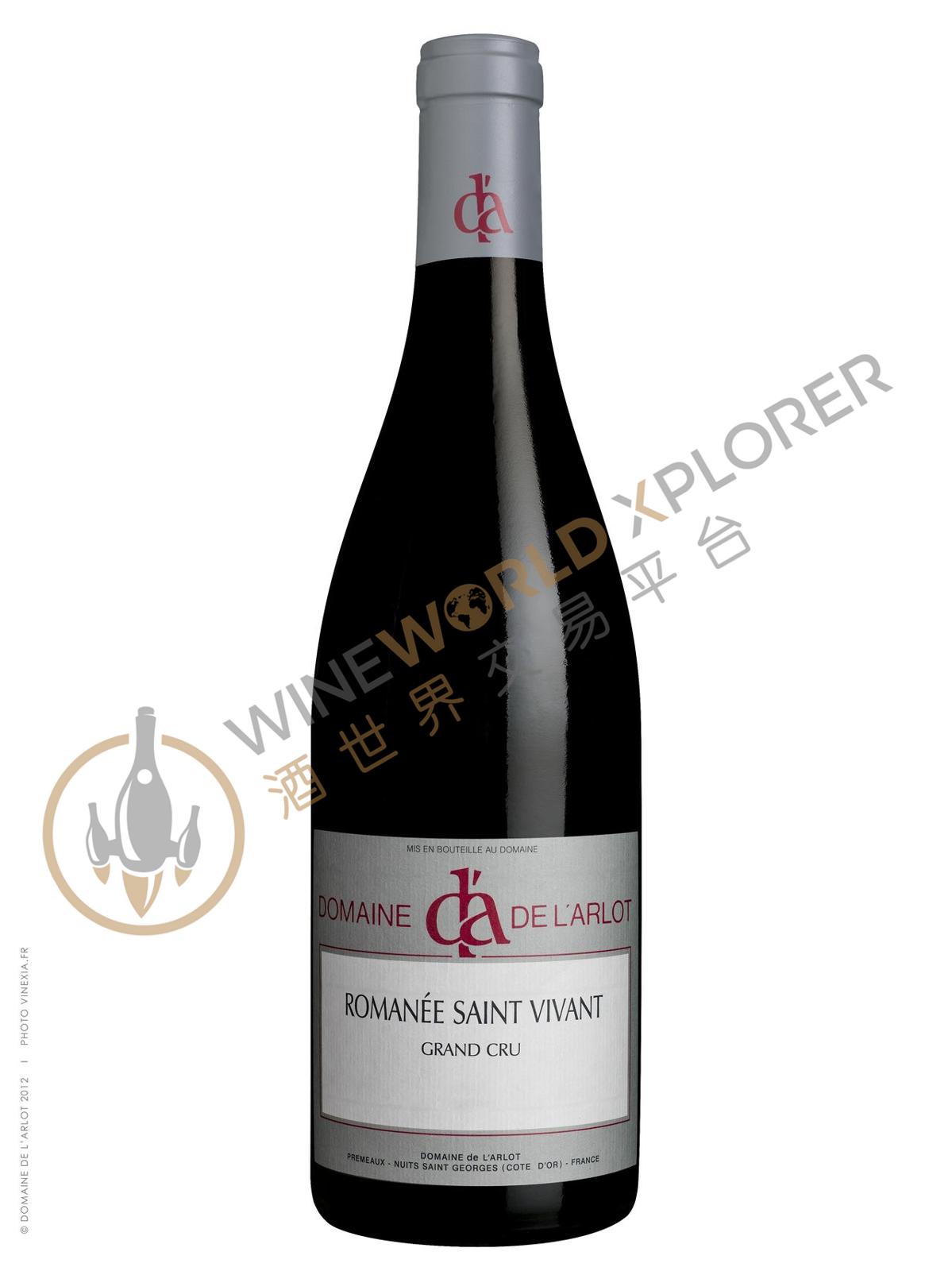
Domaine de L'Arlot, Romanee St Vivant Grand Cru 2018
 View analysis


Description
Tasting notes

Reviewed by: Neal Martin
The 2018 Romanée-Saint-Vivant Grand Cru has a delicate and understated bouquet, a little subdued at first, opening with brambly red fruit, sous-bois and desiccated orange peel scents. The aromatics are pretty, elegant and almost unassuming. The palate is medium-bodied with sappy red fruit, quite strict and surprisingly linear. A bit of chewiness and it has a very tight-fisted finish that maybe time will unclench? I hope so. Tasted blind at the Burgfest 2018 red tasting.
Reviewed by: Neal Martin
The 2018 Romanée-Saint-Vivant Grand Cru is matured in 20% new oak. It has a very intense bouquet of bright red currant, wild strawberry, pomegranate and rose petal aromas that feels sensual and seductive. The medium-bodied palate offers succulent, fleshy, quite grippy tannins that lend this Romanée-Saint-Vivant volume and mass. It is very well balanced and pure, and feels structured, almost Richebourg-like, toward the persistent finish. This is a very serious Grand Cru that will offer 20 to 30 years of drinking pleasure.
Reviewed by: William Kelley
The most backward cuvée in the cellar when I visited was the 2018 Romanée-Saint-Vivant Grand Cru, a rich and muscular wine that unwinds to reveal notions of cherries, cassis and berries mingled with nuances of exotic spice and new oak. On the palate, it's full-bodied, fleshy and structured, with refined but youthfully assertive tannins. A wine of considerable presence, this will need its remaining élevage to round out, but it's very promising.
About the Producer
Domaine d'Arlot is a new winery founded in 1987, but it has a long history of vineyards and owns three exclusive plots (a monopole, which means that a vineyard is the exclusive property of a single winery or winemaker): Clos du Chapeau, Clos de l'Arlot, Clos des Forets St Georges. 'Arlot, and Clos des Forets St Georges. In 1991, a small plot of Romanee St. Vivant was bought, and the following year a plot of Vosne Romanee Les Suchots was bought, bringing the vineyard to 14 hectares. The Domaine d'Arlot is one of the few exceptions to the rule of grandeur in Bourgogne. Around the end of the eighteenth century, Jean Charles Vienot, the owner of the place, built a stone wall around the vineyard, and the vineyard was named Domaine de l'Arlot. The Domaine de l'Arlot began to use organic farming methods in 2000 and was certified in 2014. The vineyards have been rebalanced and rejuvenated to produce healthier and riper grapes. The philosophy of the winery is: the less intervention the better. The grapes are hand-harvested, selected twice, only the best grapes are used, natural yeasts are used for fermentation, and the lees are pressed by hand, without using pumps as much as possible, to reflect the "terroir" of each field and lot, and to give the wine its personality.
