
 Wine Advisor



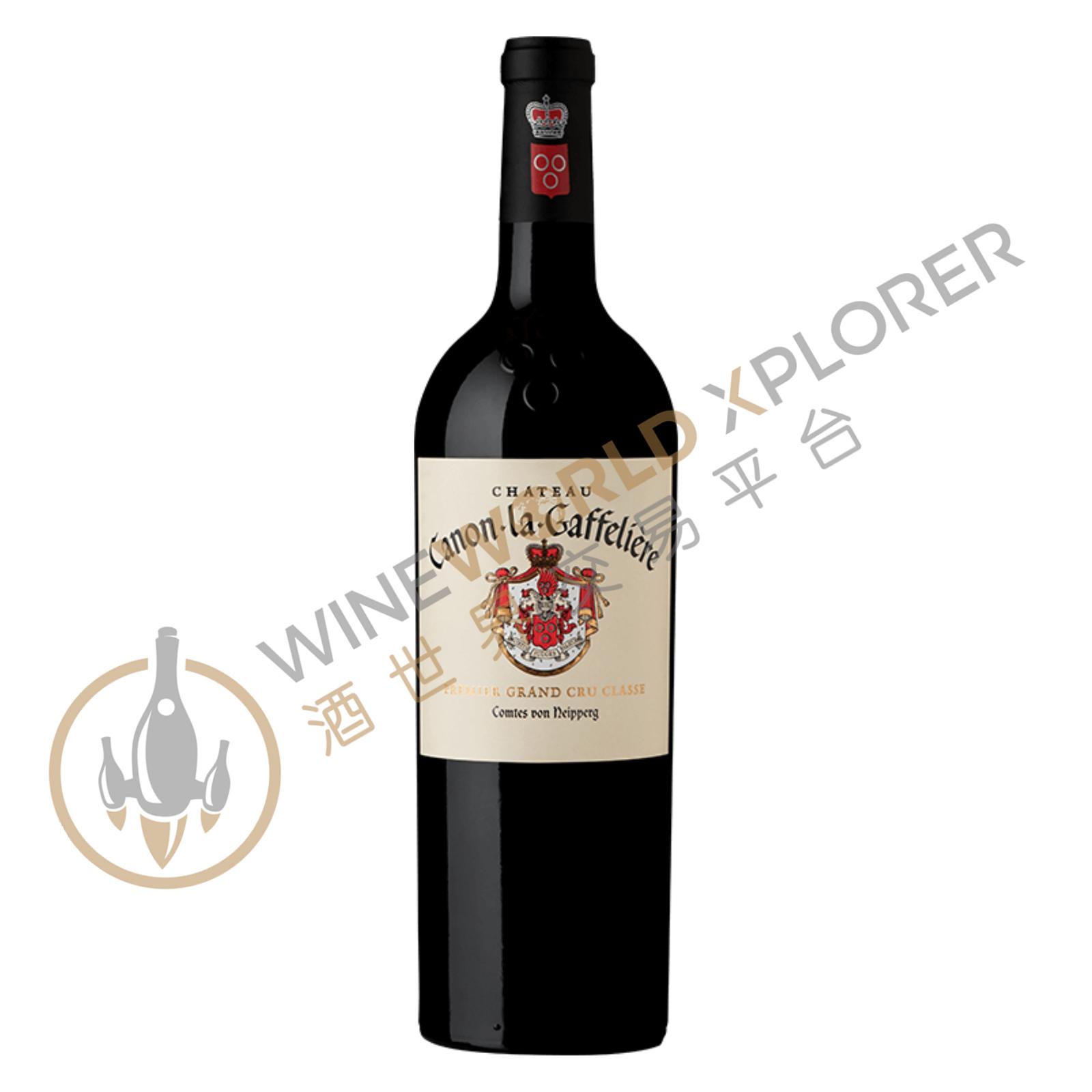
Canon La Gaffeliere 2001
 View analysis


Description
Tasting notes

Reviewed by: Neal Martin
Tasted at Chateau Branaire-Ducru. That rich, “Priorat-like nose” has matured nicely over the last couple of years with notes of blackberry, smoked meats, mocha, dark chocolate and a woodland note hitherto unnoticed. Just a little more muted but I think it would open up if I had more time in its company. The palate is assertive on the entry with chewy blackberry, cassis and blueberry, leading to and spicy, almost Rhone-like finish that is drier than I would have preferred. Drink now-2018. Tasted April 2009.
Reviewed by: Neal Martin
A very rich, Priorat-style nose with black cherries, mocha and dark chocolate. Needs a little more delineation and vivacity. I prefer the palate with chewy red-berried fruits, cassis and a touch of blueberry. Nice acidity leaving a refreshing tang on the finish. Not complex but good length: standard good quality, if rather soulless winemaking. Tasted October 2007.
Reviewed by: Robert M. Parker, Jr.
For over a decade, this has been one of St.-Emilion's most consistent wines. A brilliant effort for the vintage, this saturated purple-colored 2001 exhibits a sweet nose of roasted nuts, blackberries, creme de cassis, licorice, smoke, and graphite. Medium to full-bodied, layered, and well-textured, with sweet tannin, low acidity, and a 35-second finish, this impressive, precocious St.-Emilion should drink well young, and evolve for 14-15 years.
Reviewed by: Neal Martin
Tasted blind at Bordeaux Index’s 10-Year On horizontal. Now this has a lovely bouquet, quite generous with dark plum, Hoi Sin, raspberry leaf and a touch of leather. This is now firmly moving into its secondary aroma stage. Very fine delineation, fresh and enticing. The palate is medium-bodied with a Burgundian texture on the entry. This has very fine tannins, a feminine Saint Emilion with tart red cherries, sage and thyme, then the structure makes its presence felt towards the finish with notes of sandalwood and mocha. This is definitely the finest bottle of Canon-la-Gaffeliere that I have met. Tasted March 2011.
Reviewed by: Neal Martin
First tasted in April 2004 when the nose was gorgeous, but lacked some delineation. Then at the MW horizontal in November 2005. That distinct high-toned, exotic, slightly pruney nose to the fore (hoi sin sauce this time.) A very smooth entry on the palate that is dominated by new oak and lacking some typicity. Layers of glycerin and plum. Is it Bordeaux? A pleasant wine but it is lacking personality. Tasted April 2005.
Reviewed by: Robert M. Parker, Jr.
This saturated purple-colored 2001 exhibits a sweet nose of roasted nuts, blackberries, creme de cassis, licorice, smoke, and graphite. It is medium to full-bodied, layered, and well-textured, with sweet tannin, low acidity, and a 25-second finish. It is a brilliant effort for the vintage. This impressive, precocious St.-Emilion should drink well young, and evolve for 14-15 years.
Reviewed by: Robert M. Parker, Jr.
Made in a structured, tannic, restrained style (representative of the vintage’s overall personality), this medium to full-bodied 2001 exhibits scents of espresso roast, cedar, chocolate, black currants, and cherries. With sweet but noticeable tannin, exceptional multilayered flavors, and excellent texture, elegance as well as purity, it will be at its finest between 2005-2013.
About the Producer
Château Canon La Gaffelière is a well-regarded Premier Grand Cru Classé wine estate in the Saint-Émilion region of northeastern Bordeaux. The château is known for the elegance and finesse of its wines as much as it is for its owner: Count Stephan von Neipperg. The estate and château lies just south of Saint-Émilion town and was promoted to Premier Grand Cru Classé 2012. Canon La Gaffelière's 19.5-hectare (48-acre) vineyard is a mix of clay-limestone and clay-sand soils, with predominantly sandy topsoils. These characteristics are well-suited to the grape varieties planted here with the vineyards composed of 55 percent Merlot, 40 percent Cabernet Franc and 5 percent Cabernet Sauvignon. At harvest, the grapes are hand-harvested and destemmed without crushing, then fermented in temperature-controlled wooden vats. They are then aged in mostly new oak barrels for up to 20 months. The Canon La Gaffelière estate began as two separate holdings in the 19th Century: Canon Boitard and La Gaffelière Boitard. They were eventually combined, and then acquired by the Von Neipperg family in 1971. Current proprietor Count Stephan von Neipperg also owns La Mondotte, Clos de L'Oratoire and Château Peyreau in Saint-Émilion, plus a handful of other estates around Bordeaux.
1971(1)1981(1)1982(1)1990(1)1996(1)1999(1)2000(4)
Package Size
