 Wine Advisor




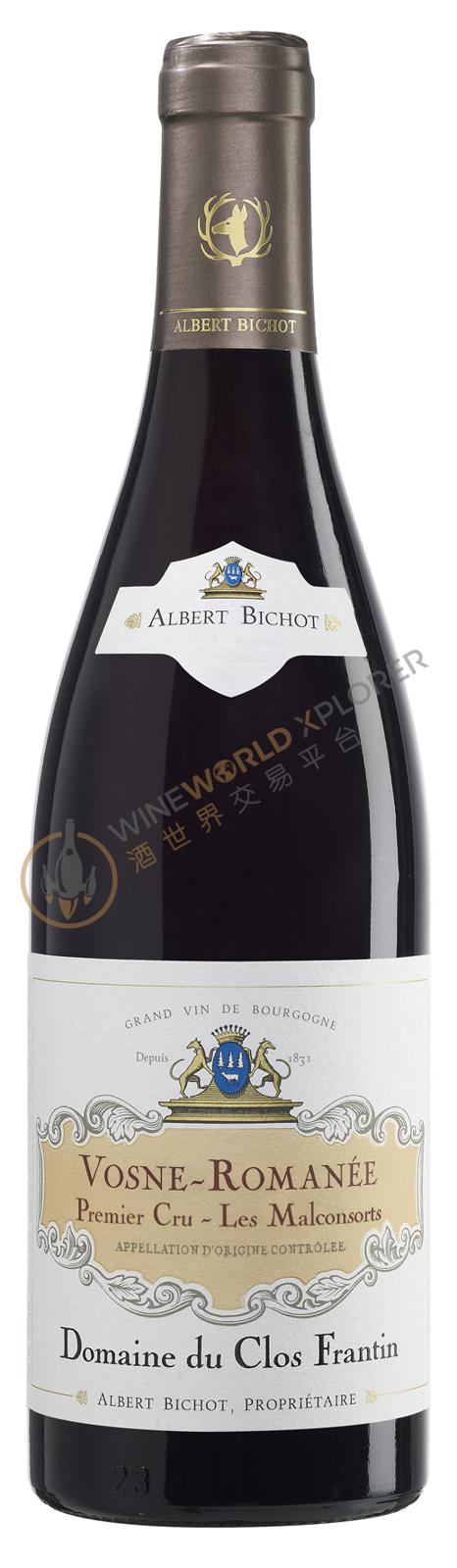
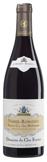
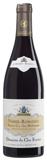
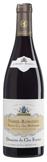
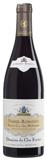
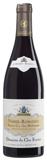
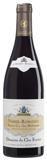
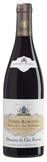
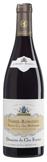
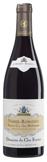
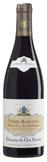
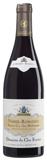
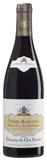
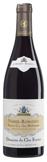
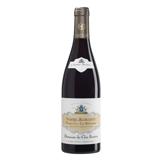
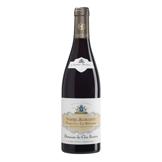


















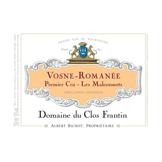
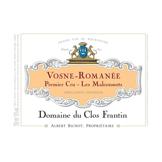
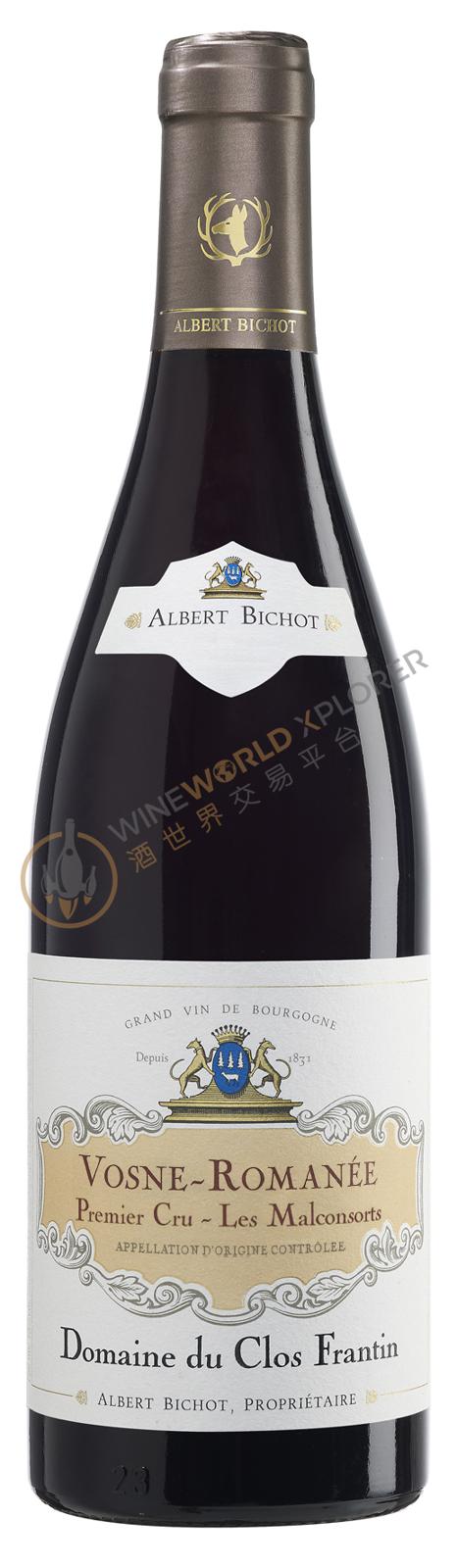
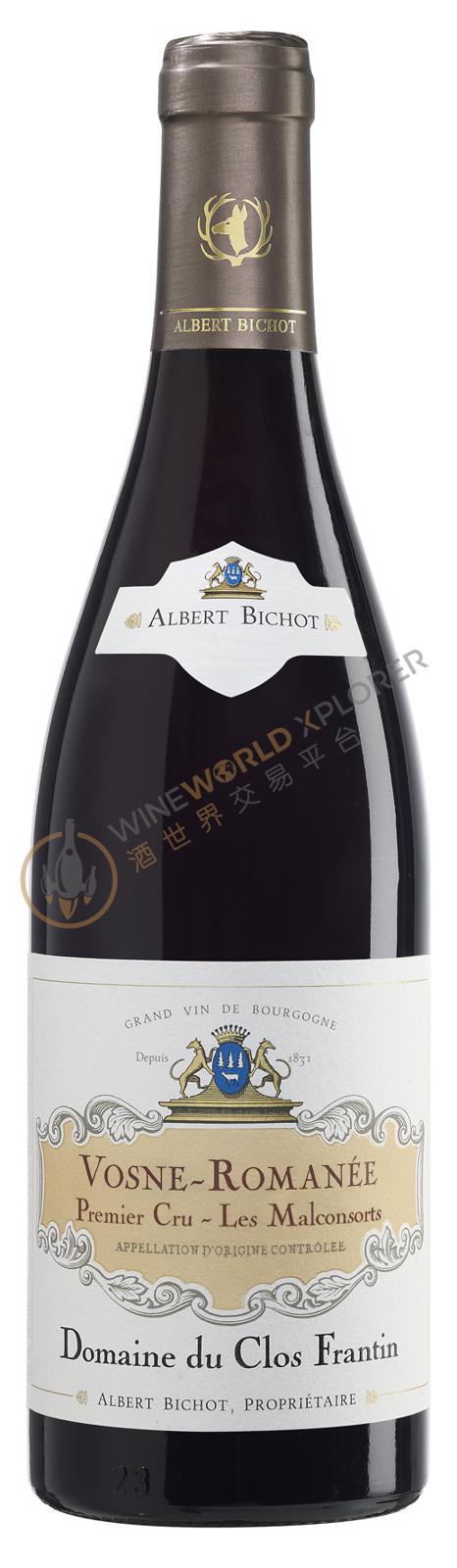
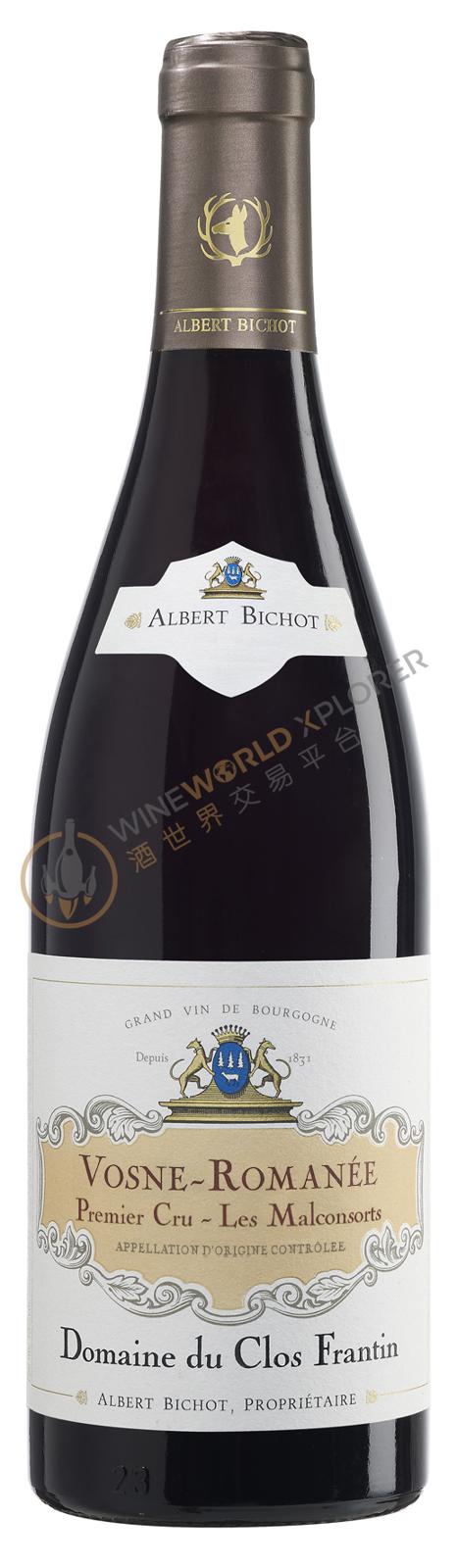
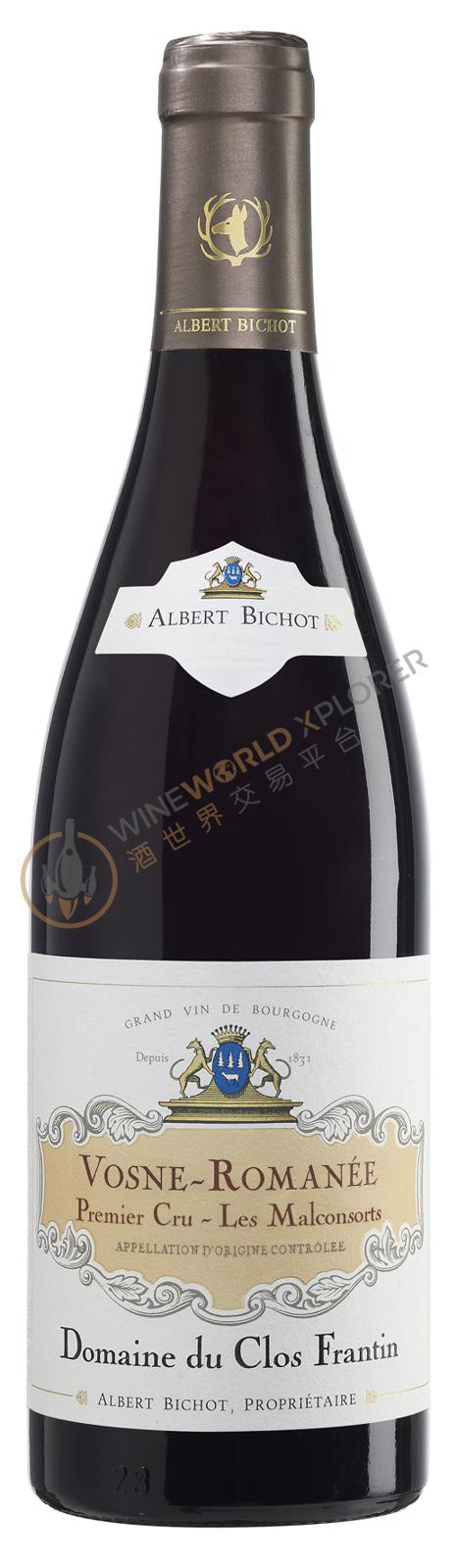
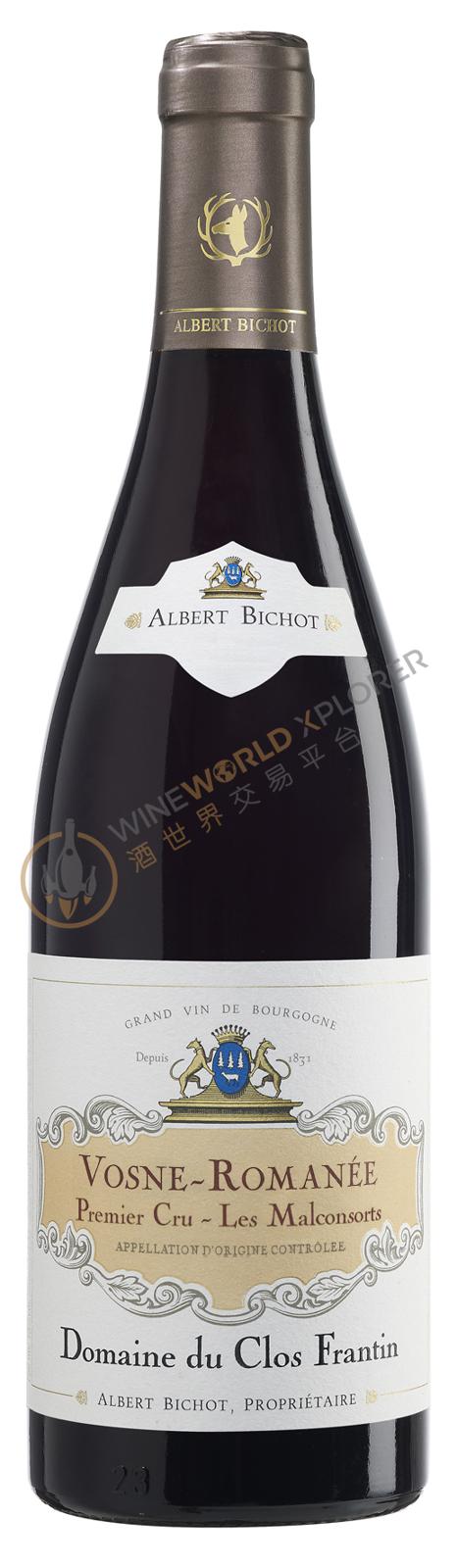
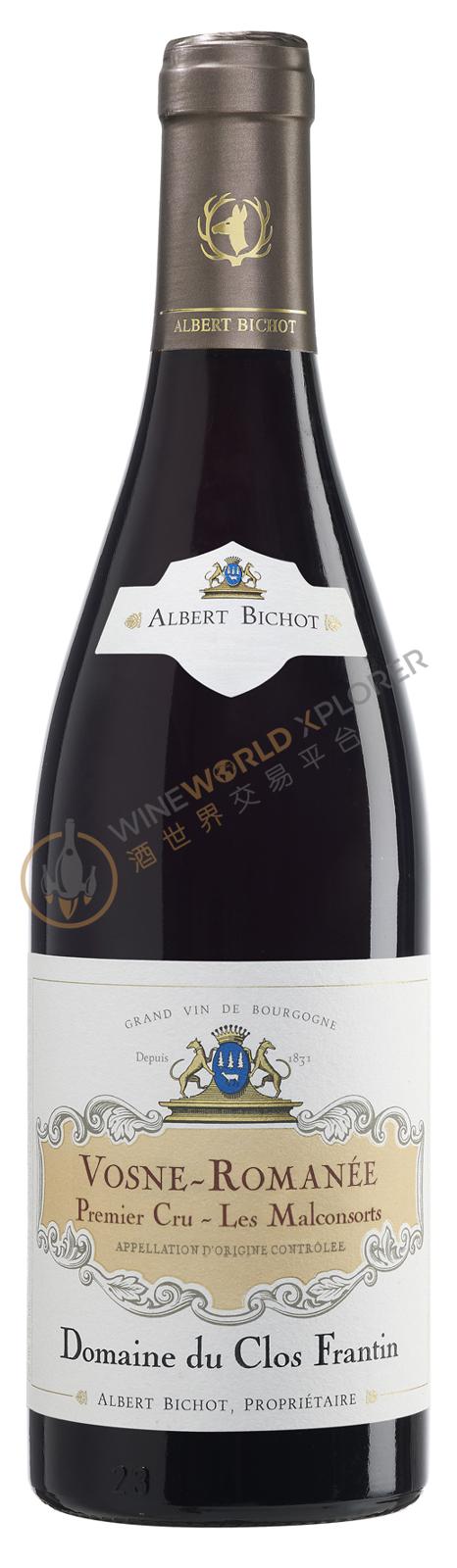
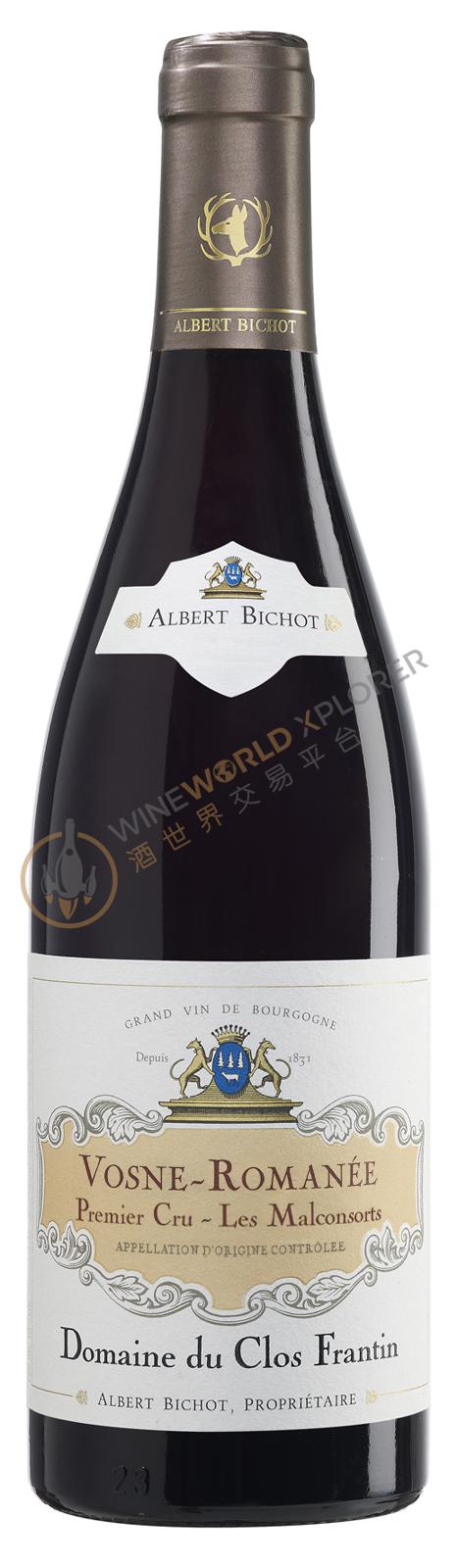
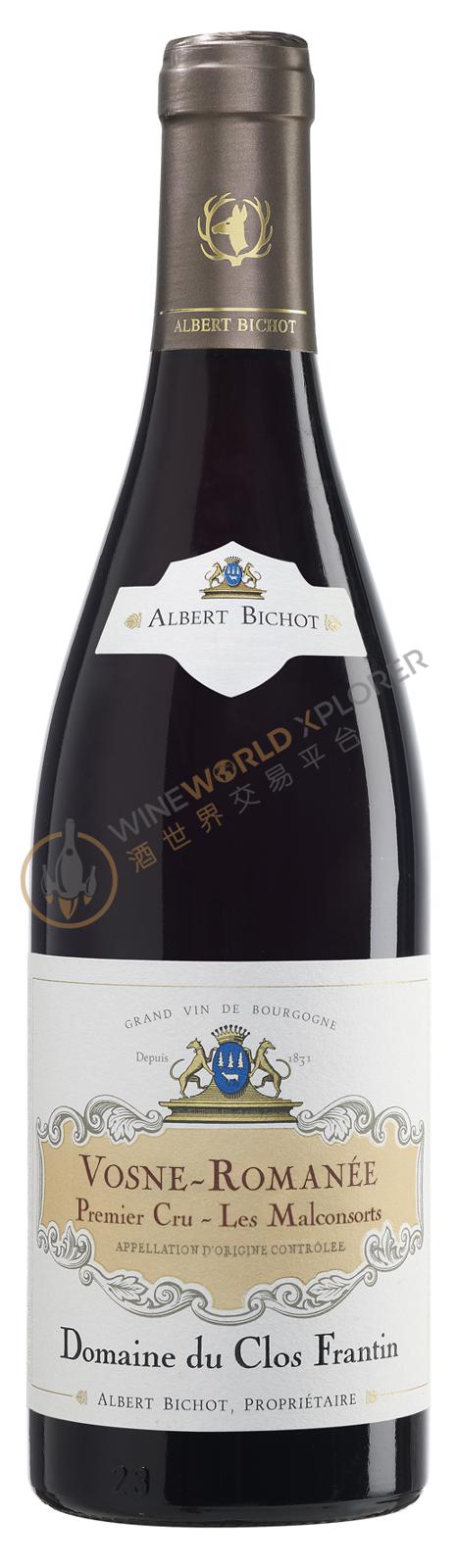
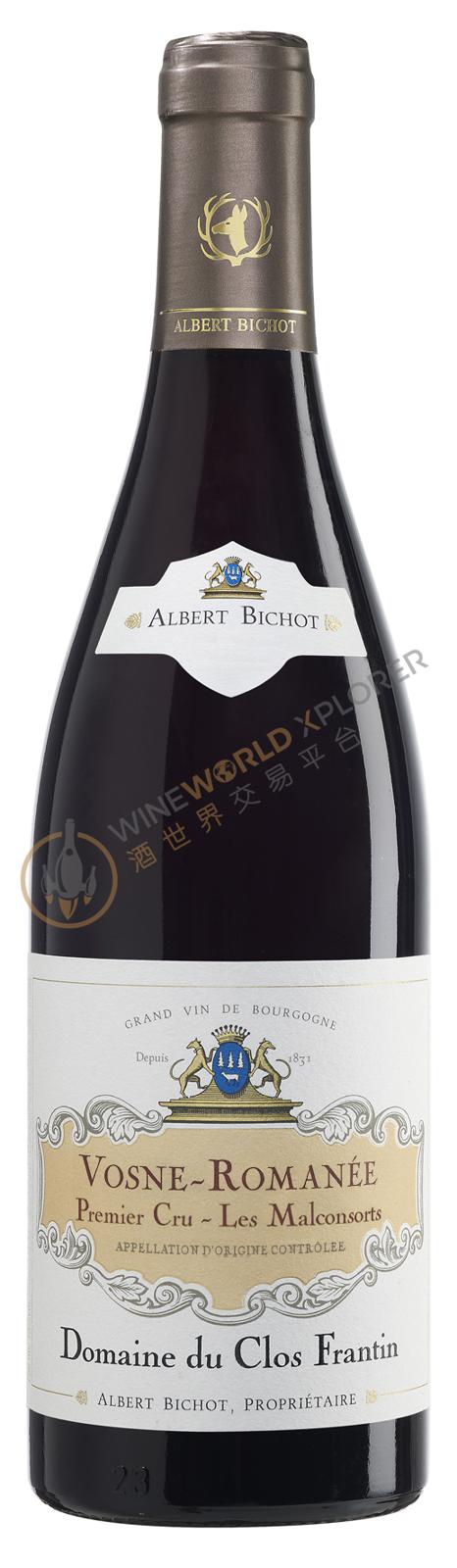
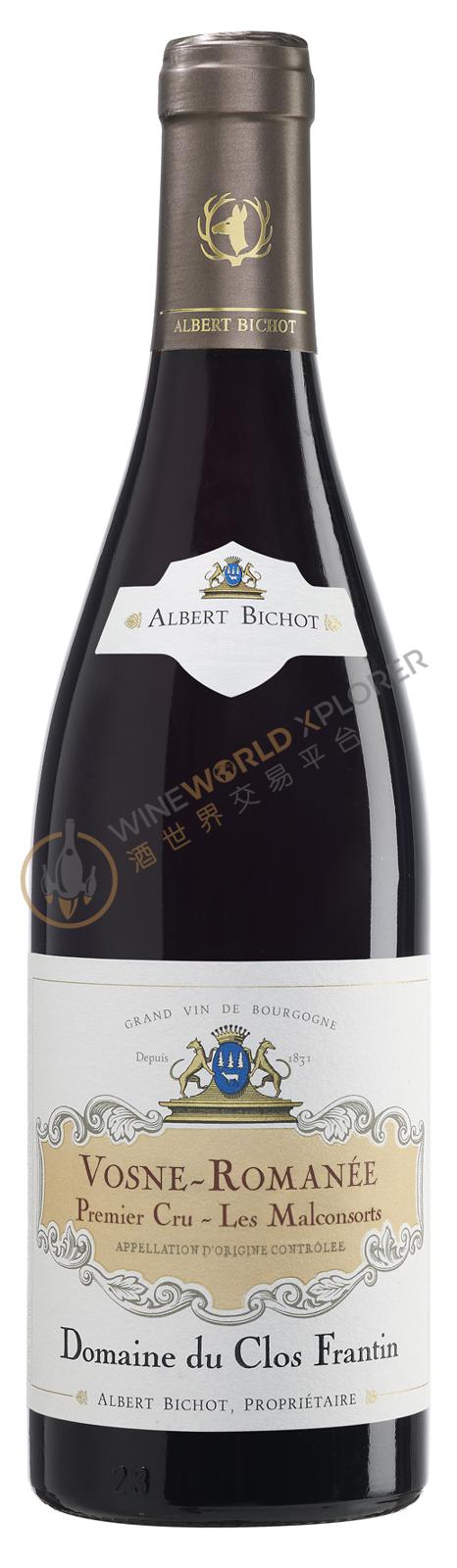
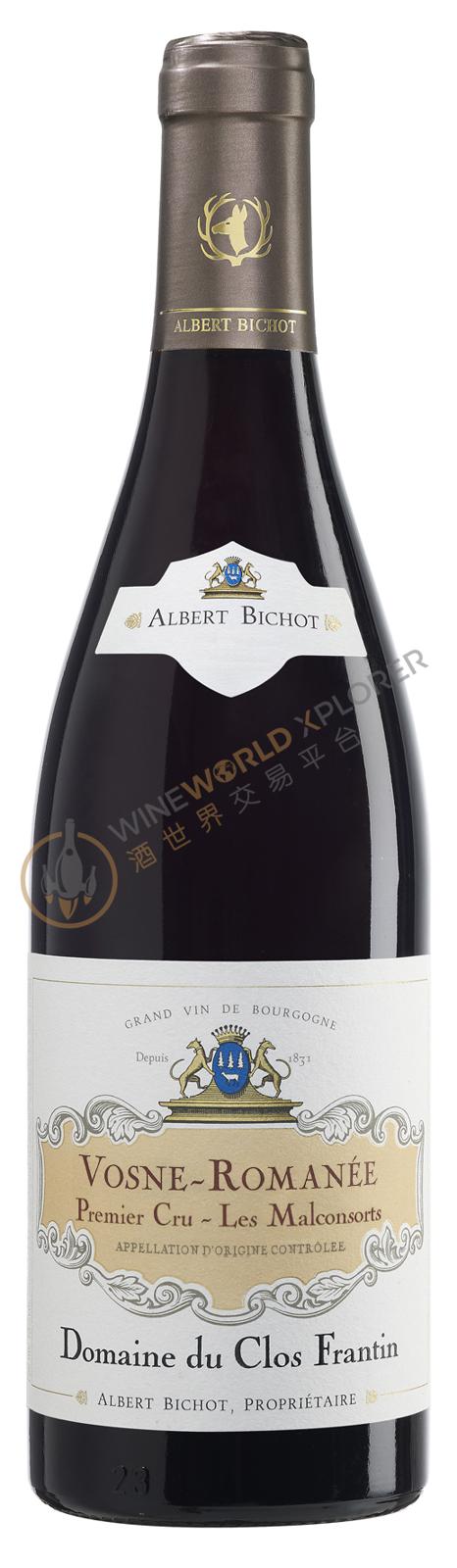
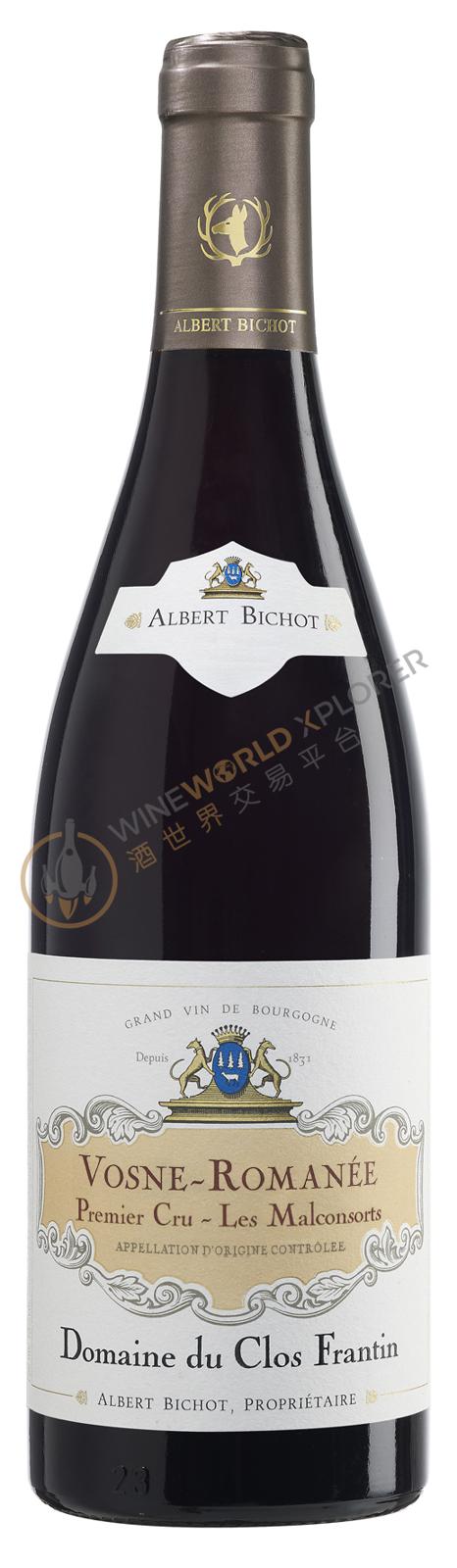
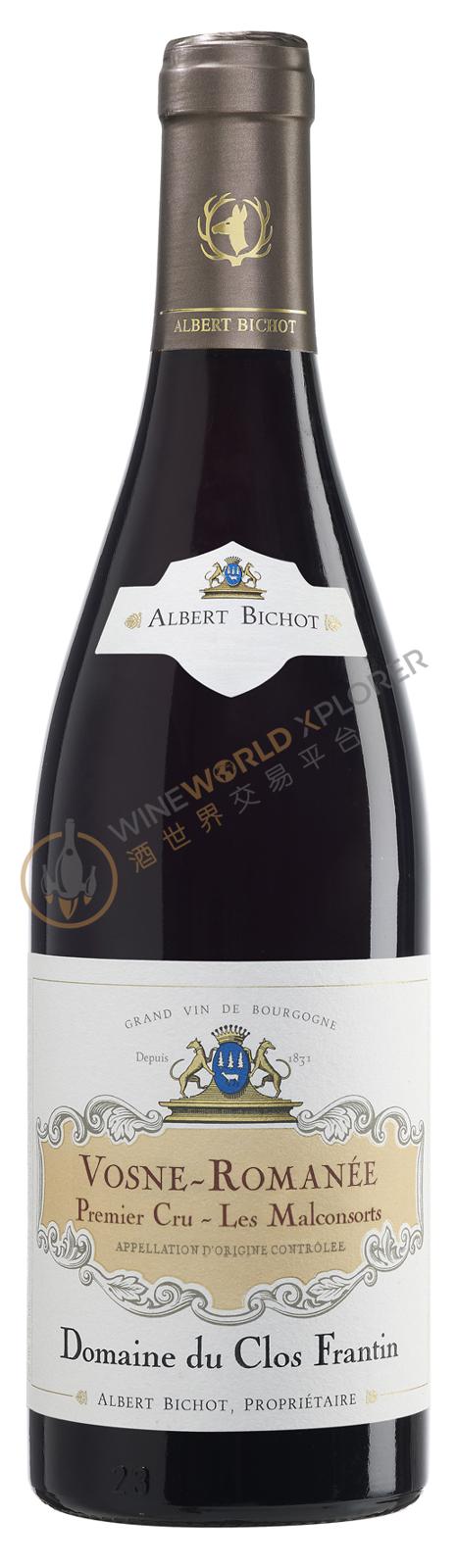
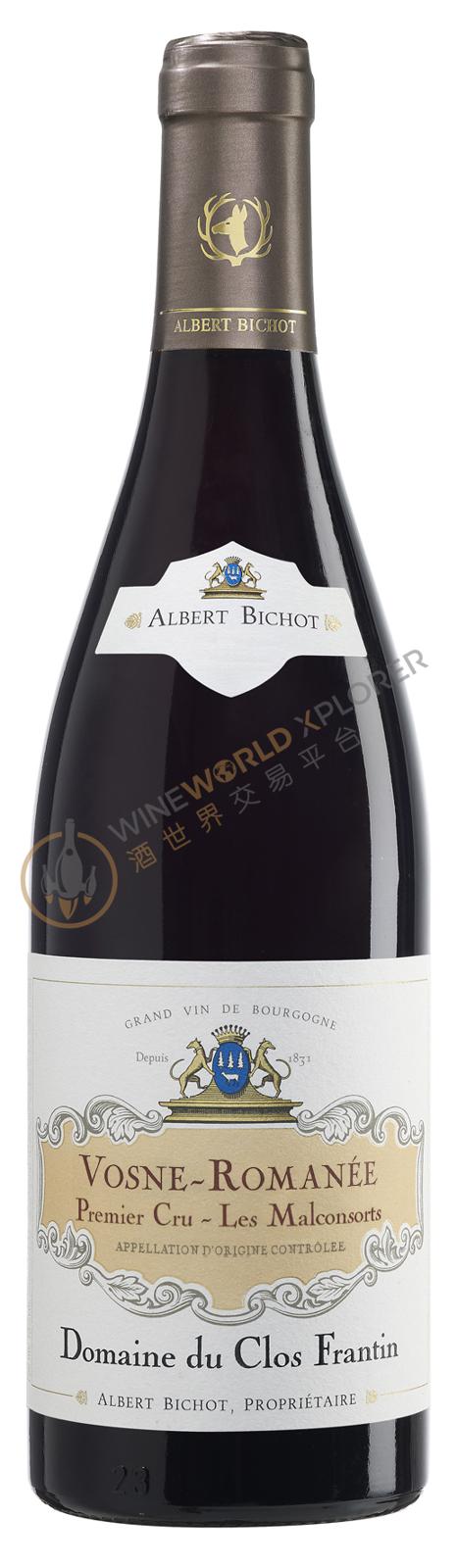
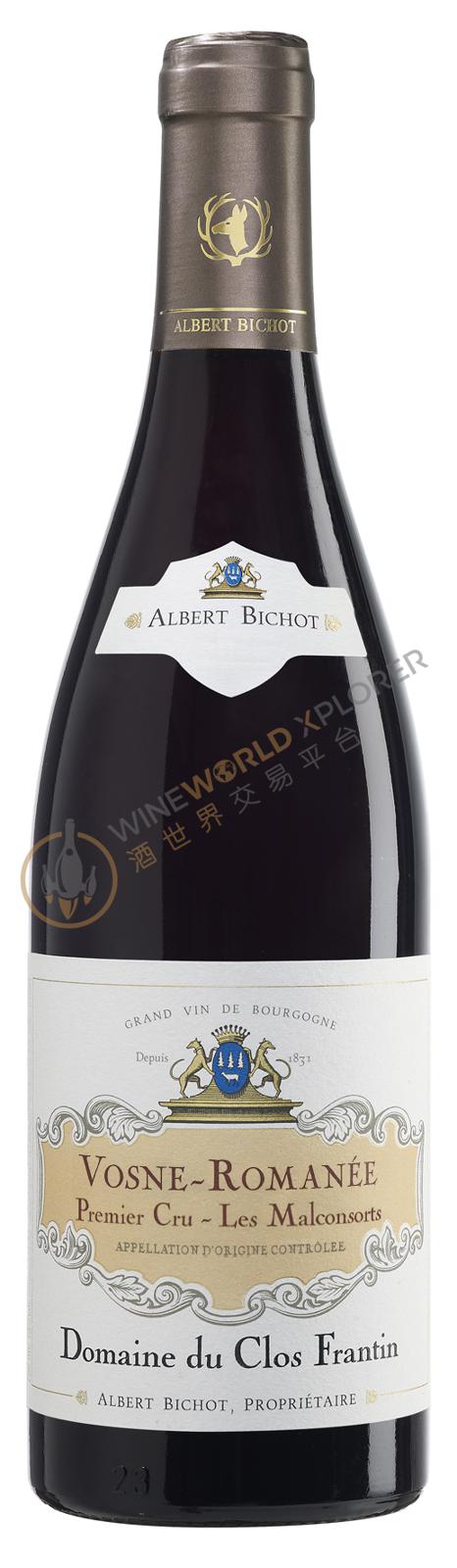
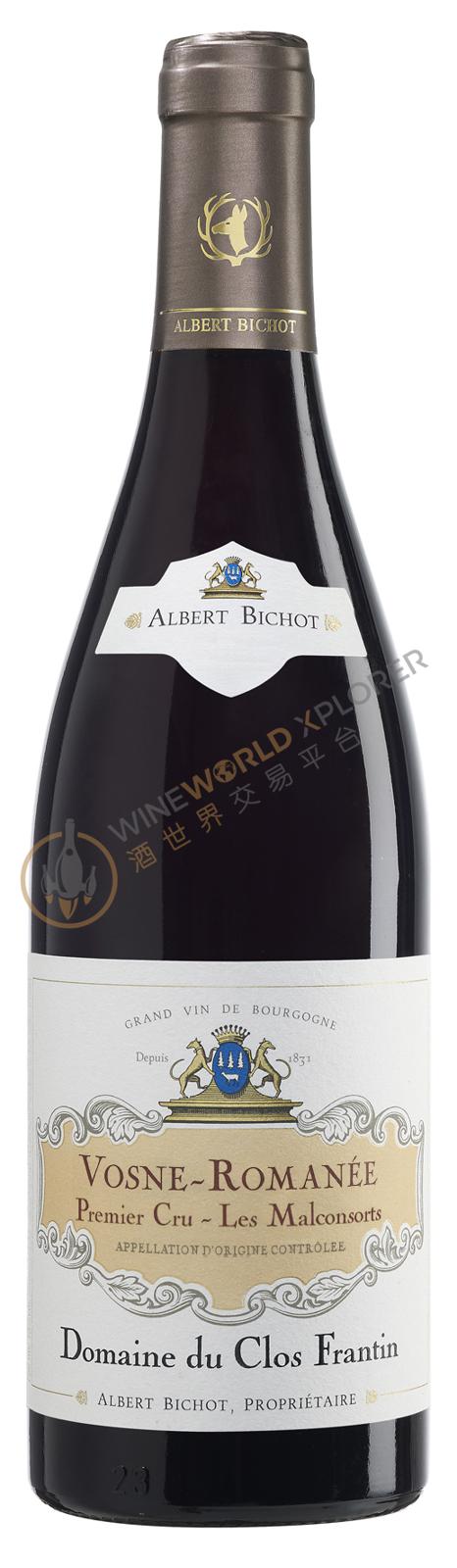
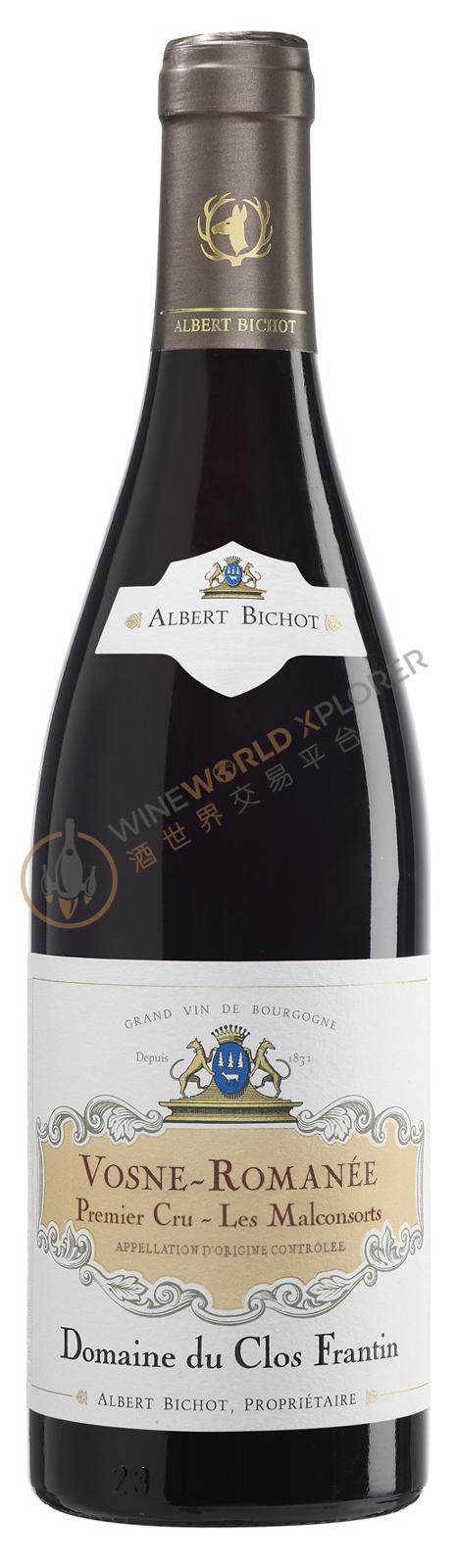
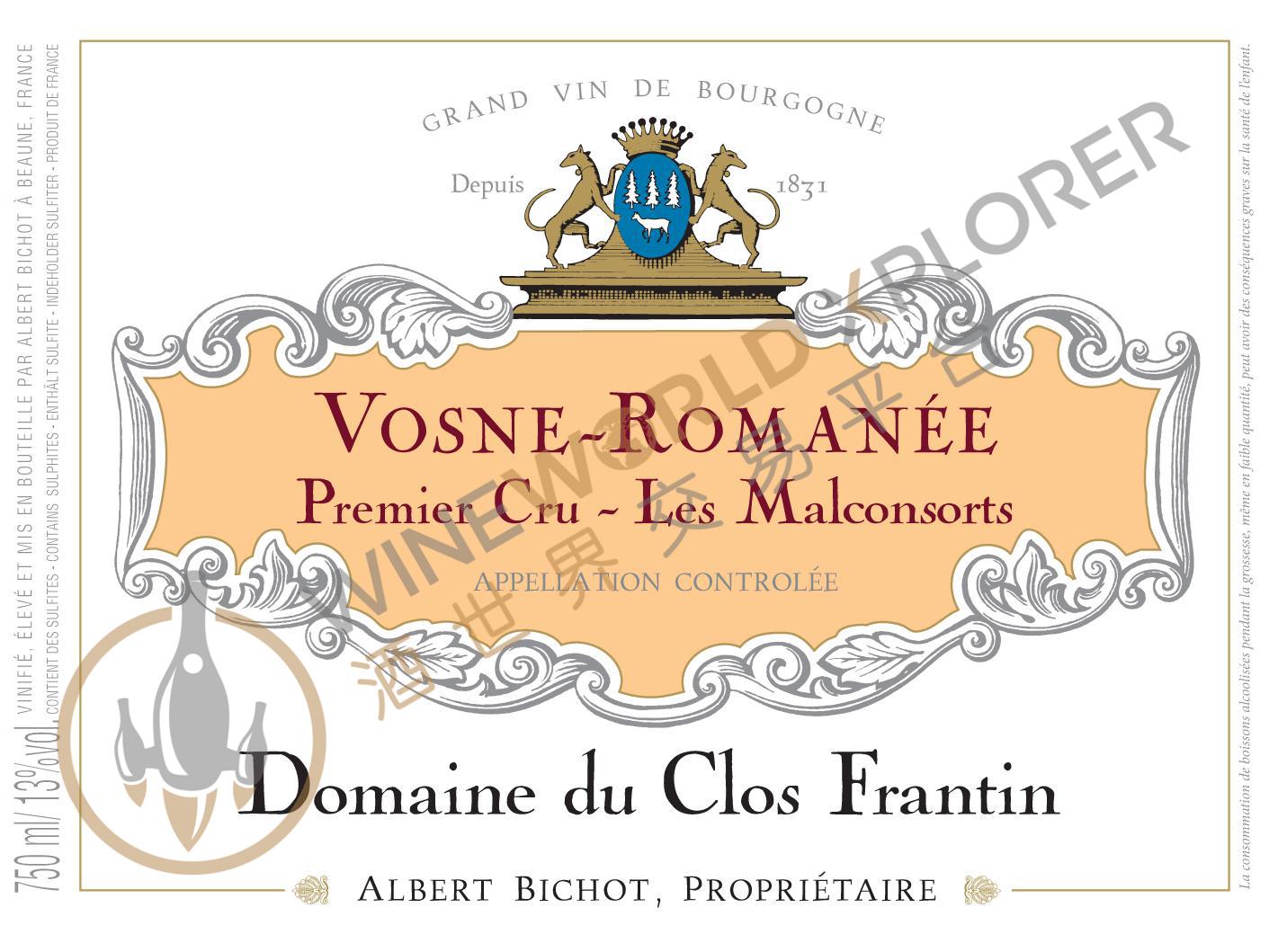
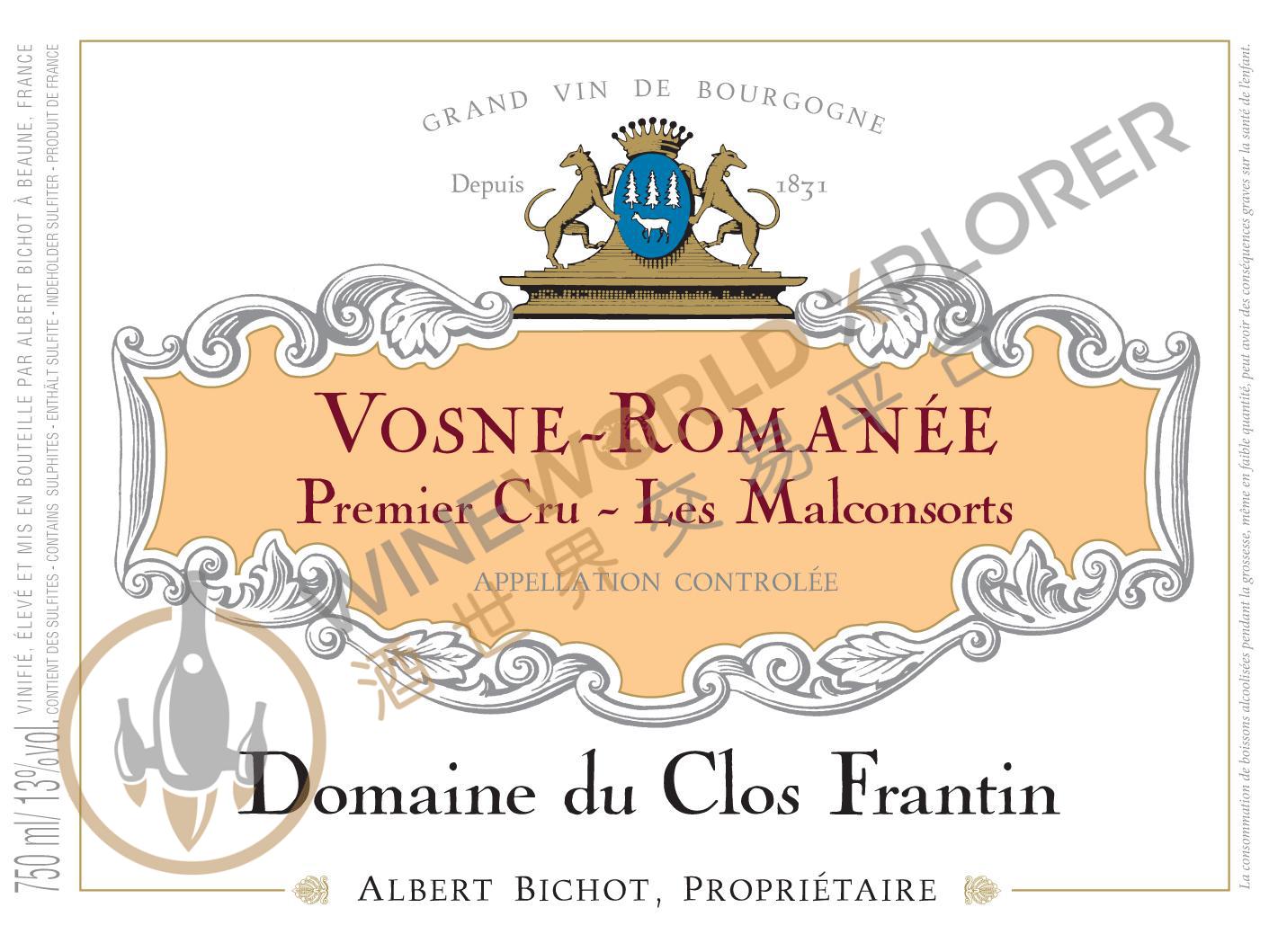
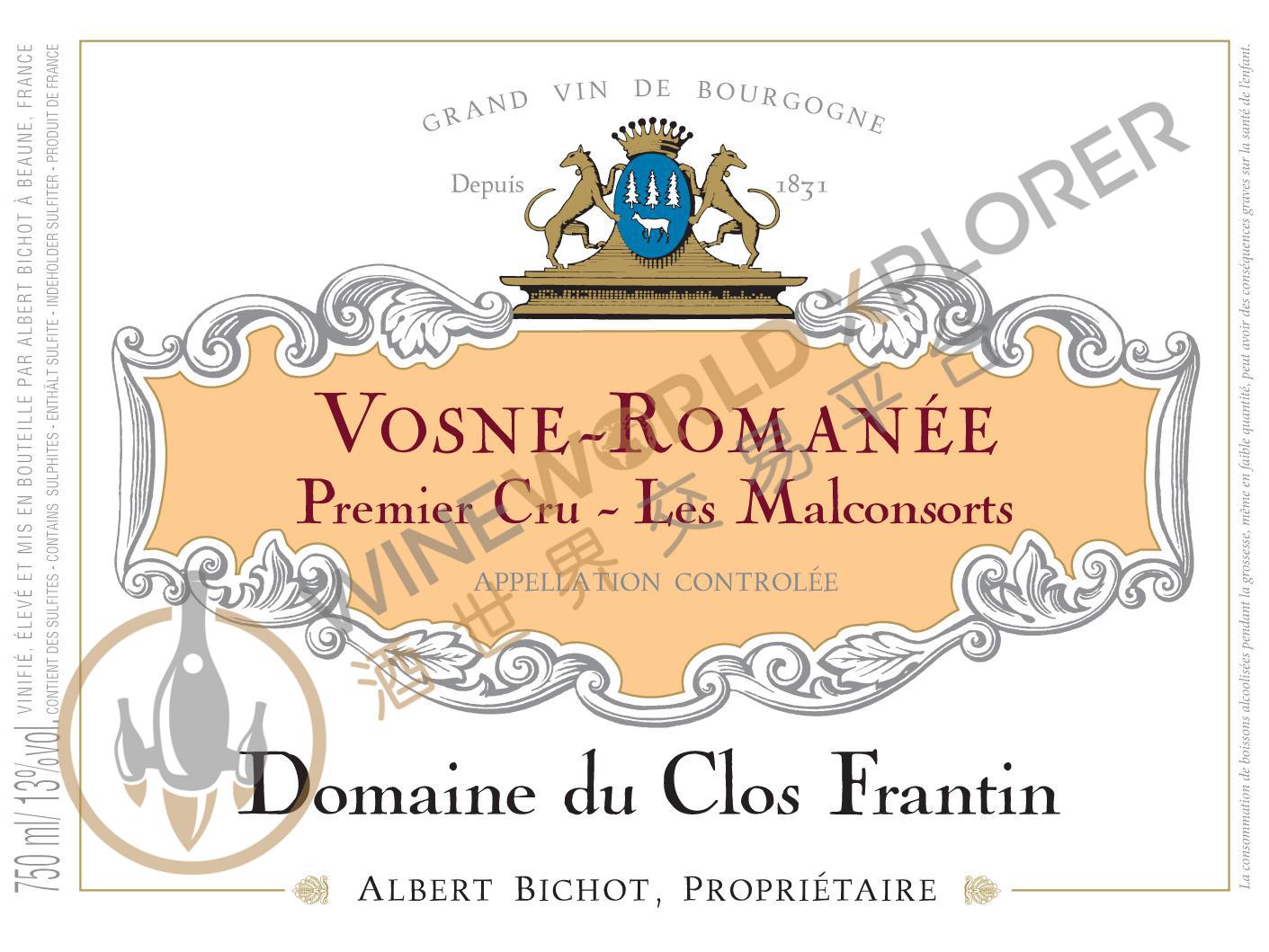
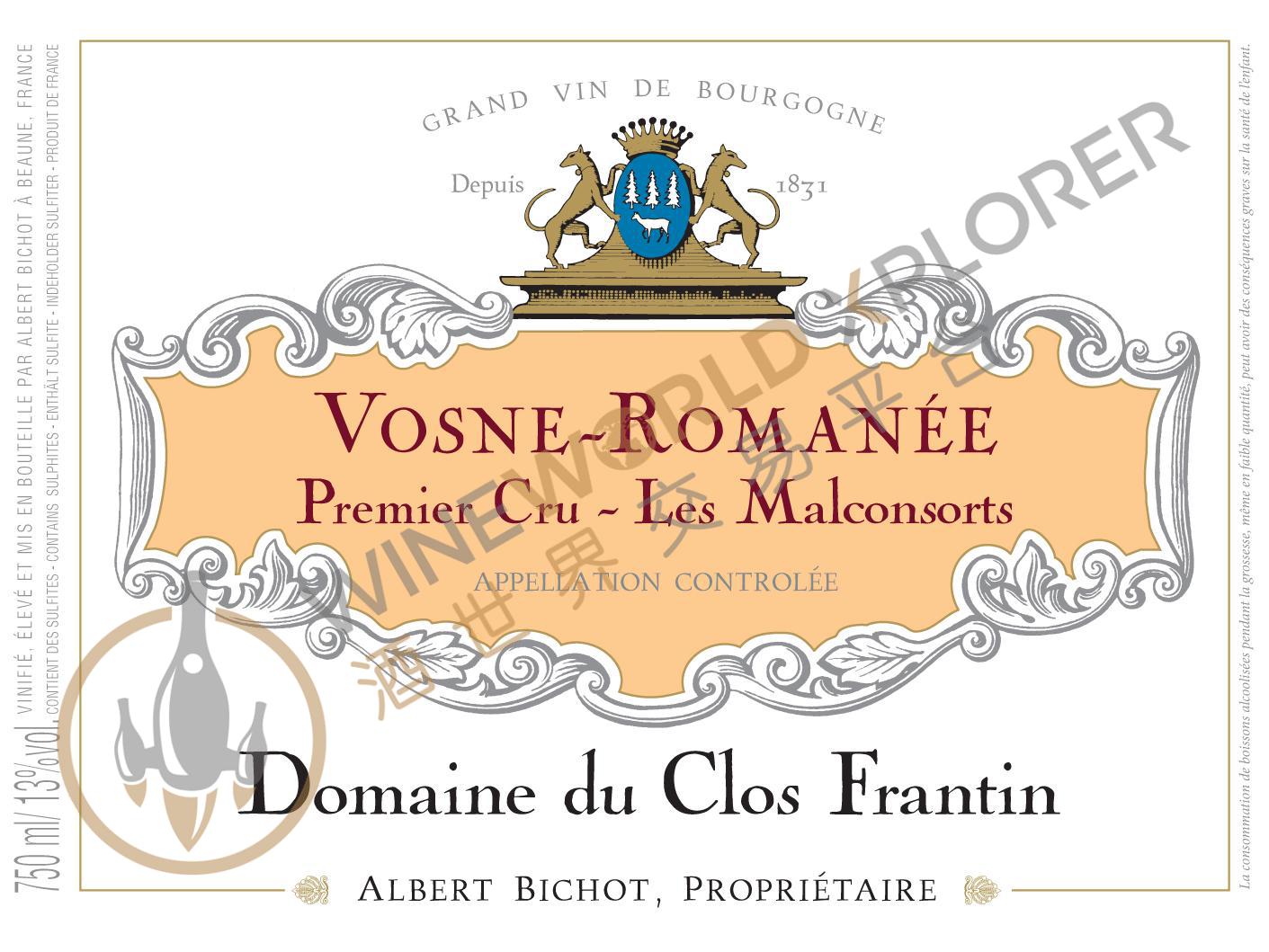
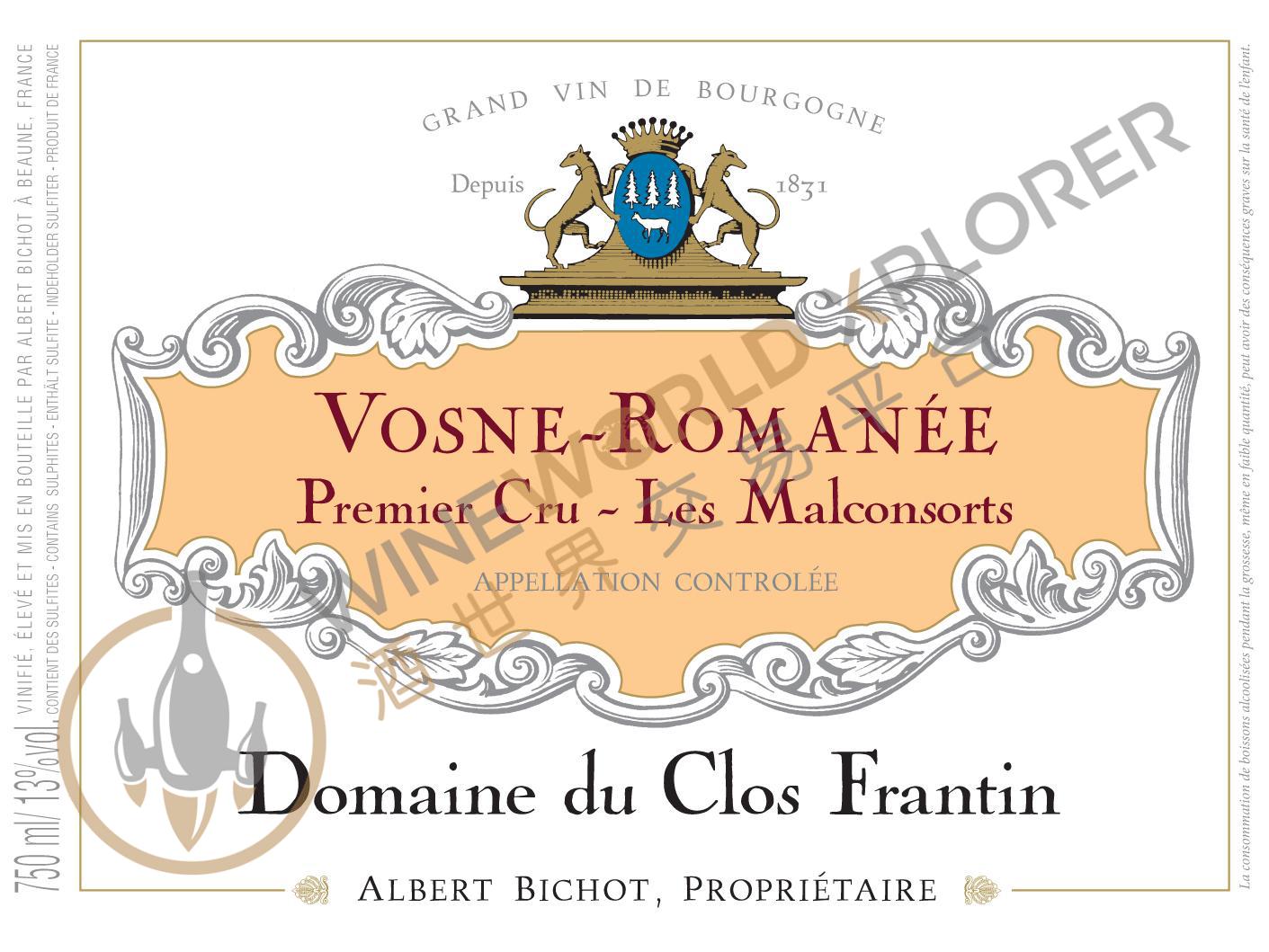
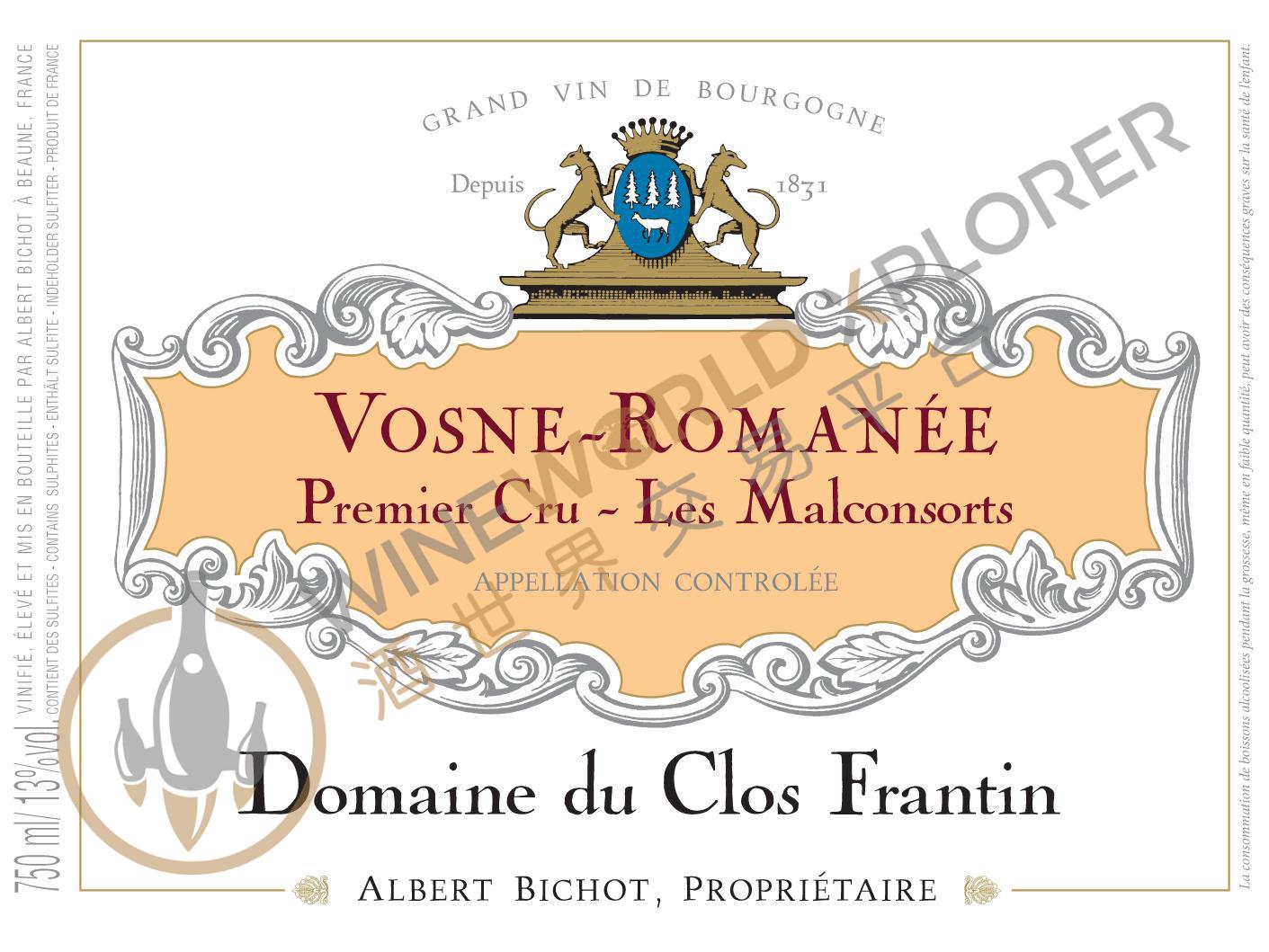
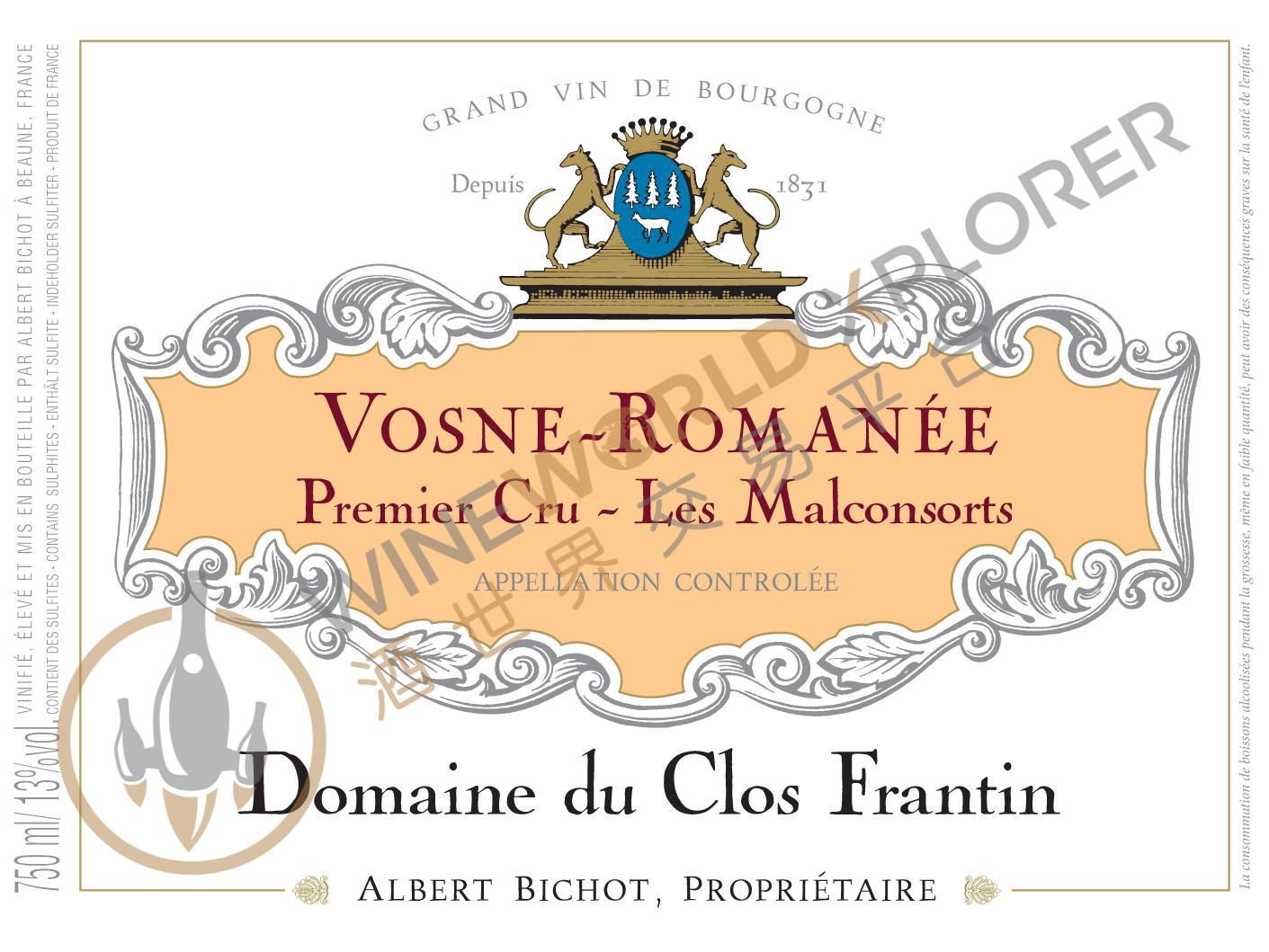
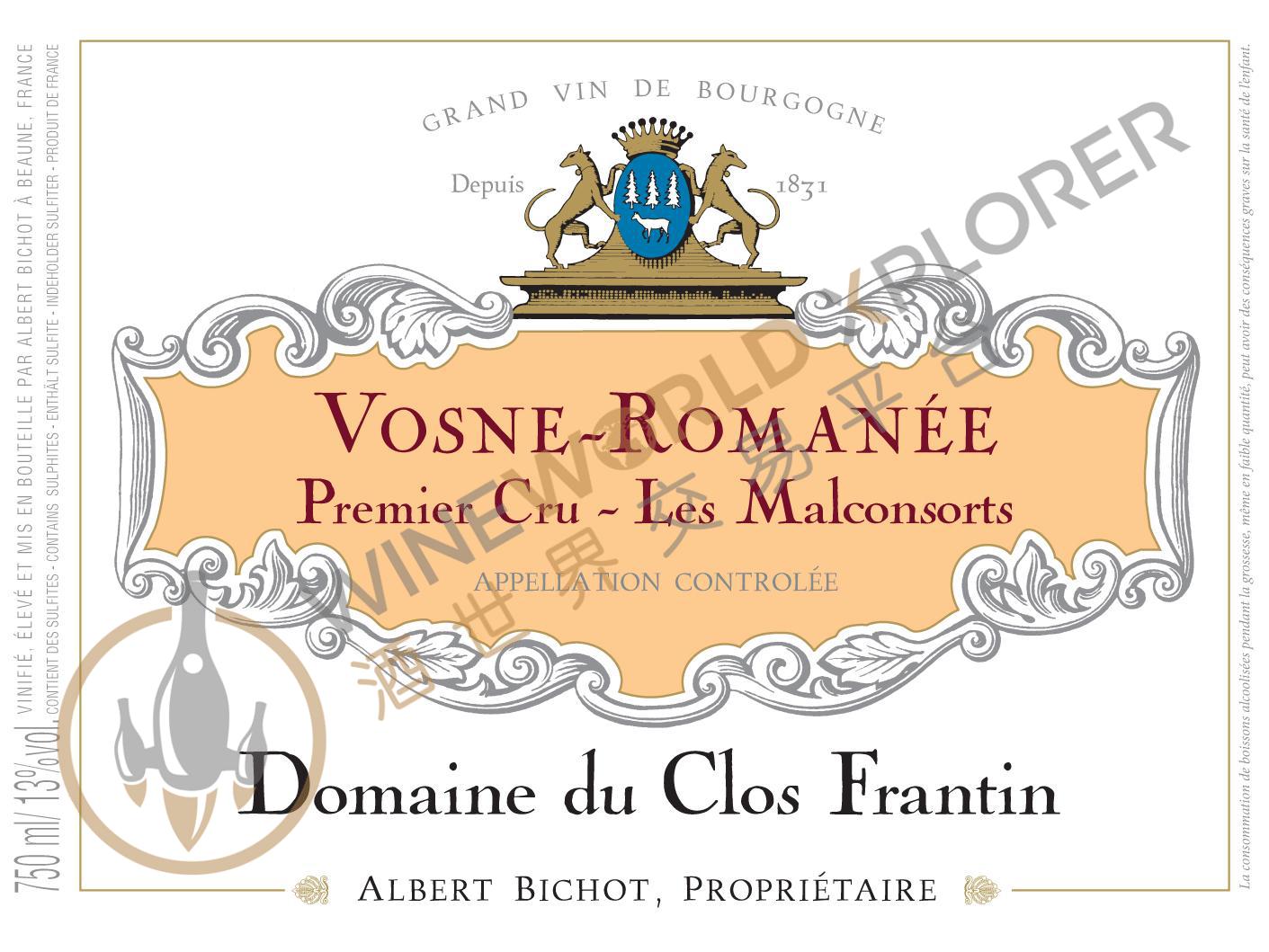
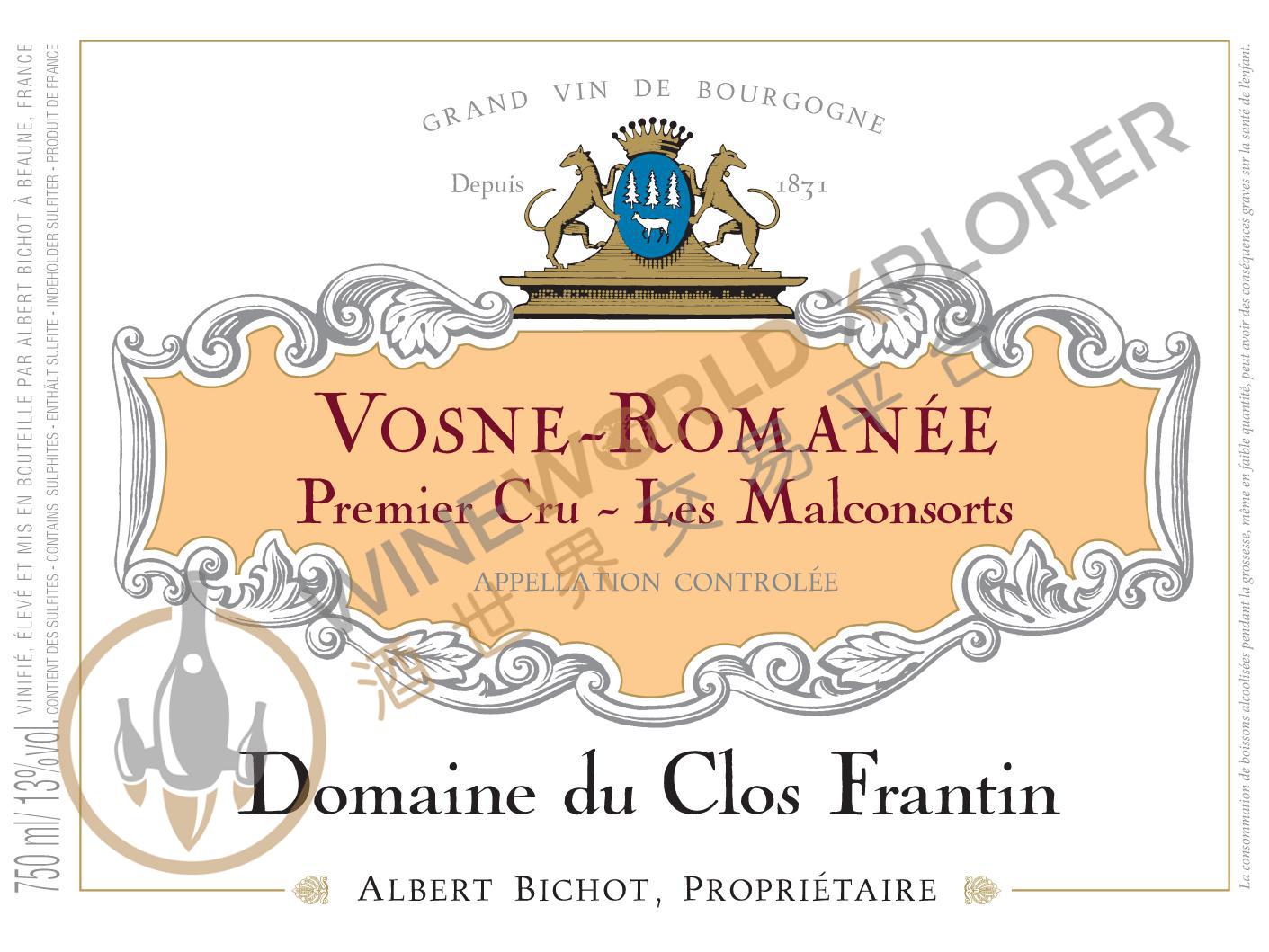
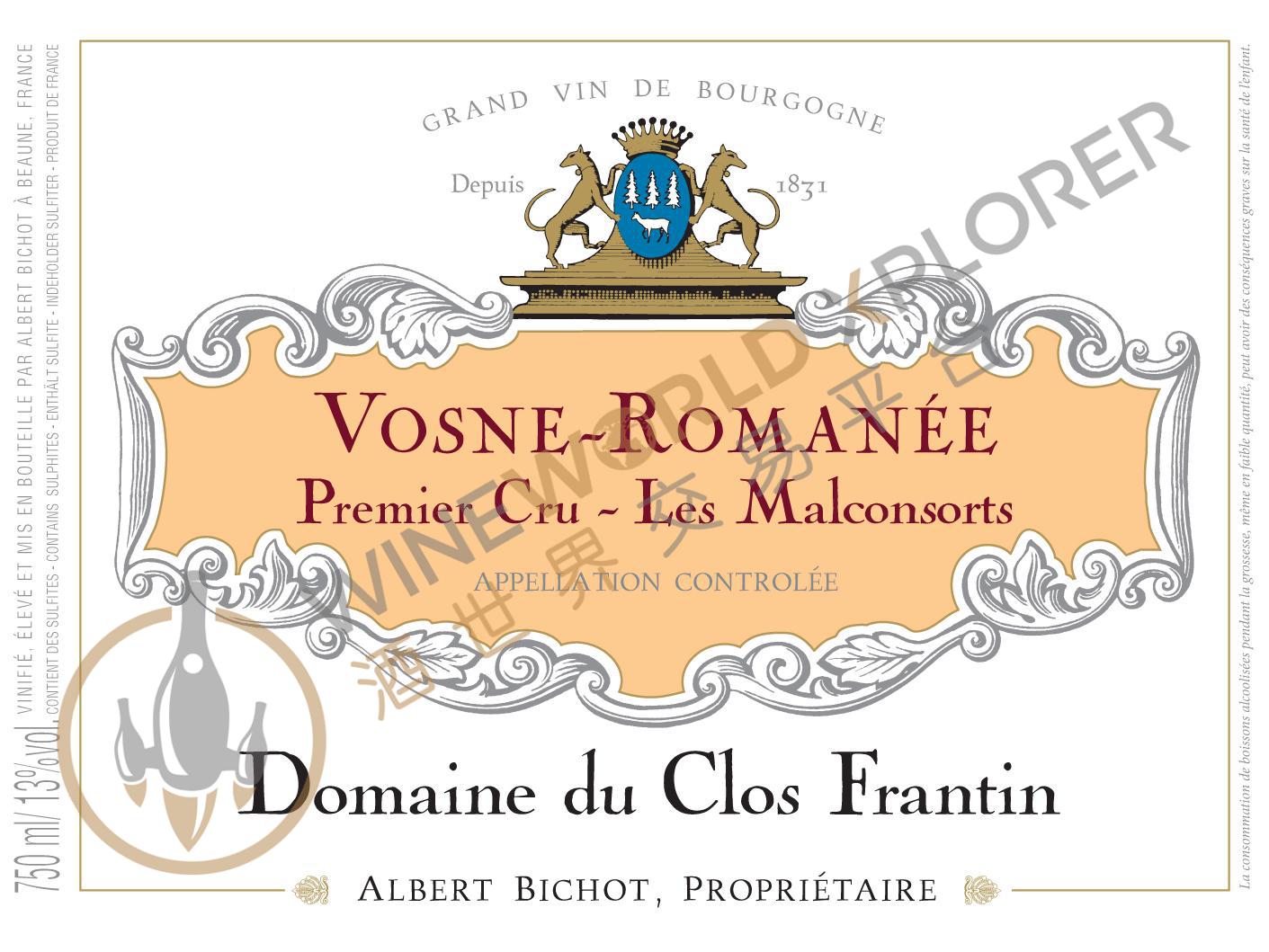
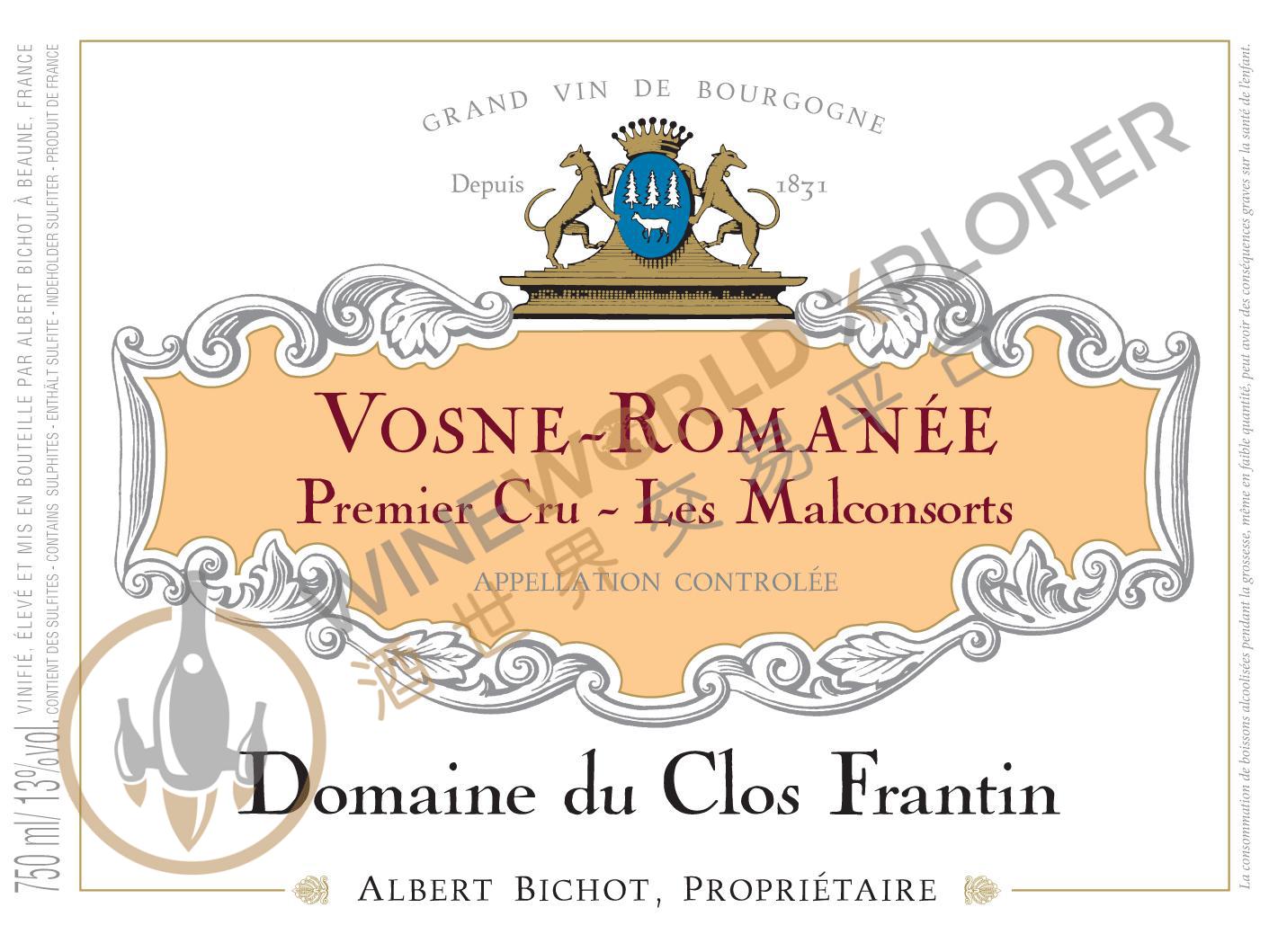
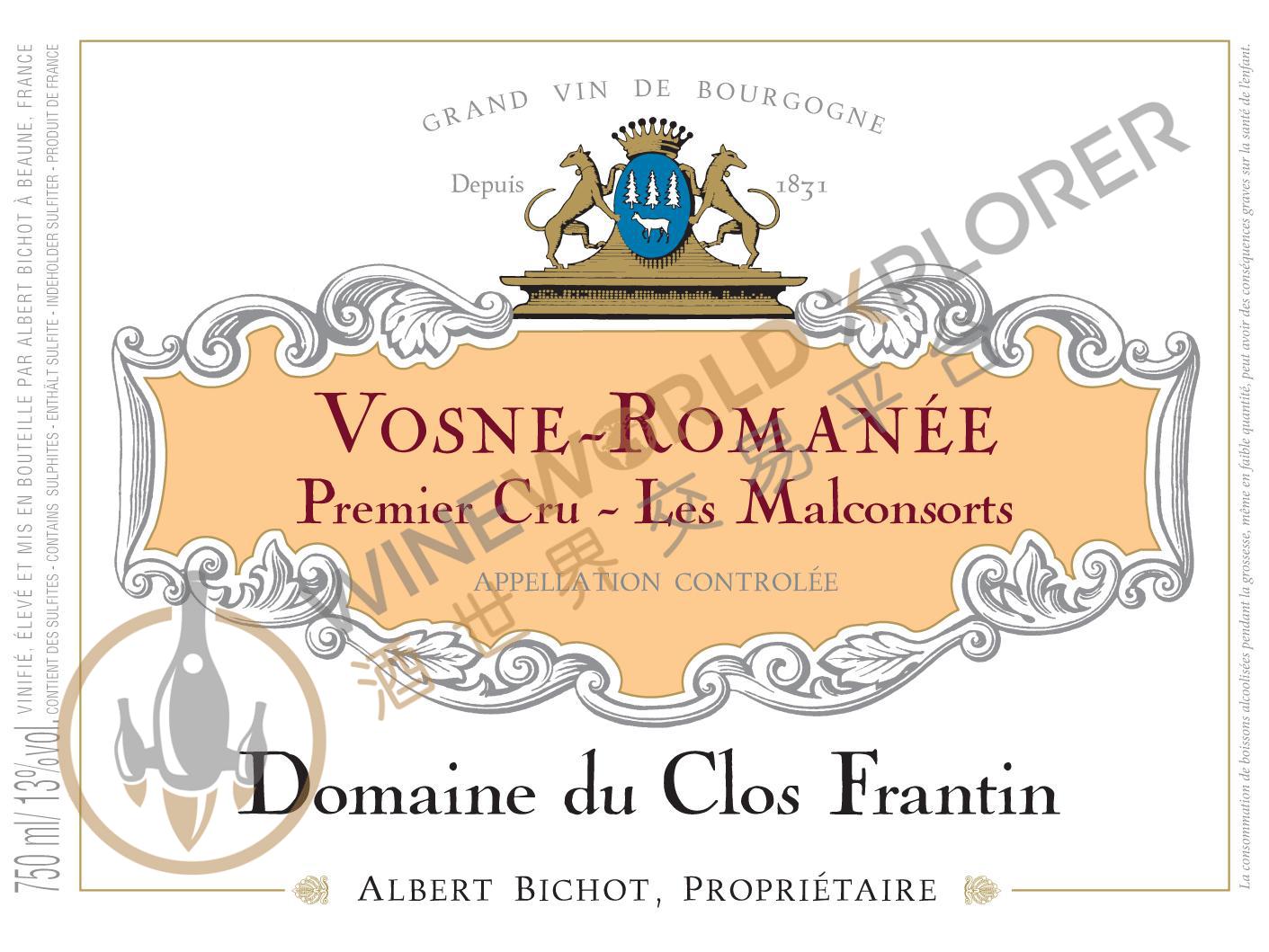
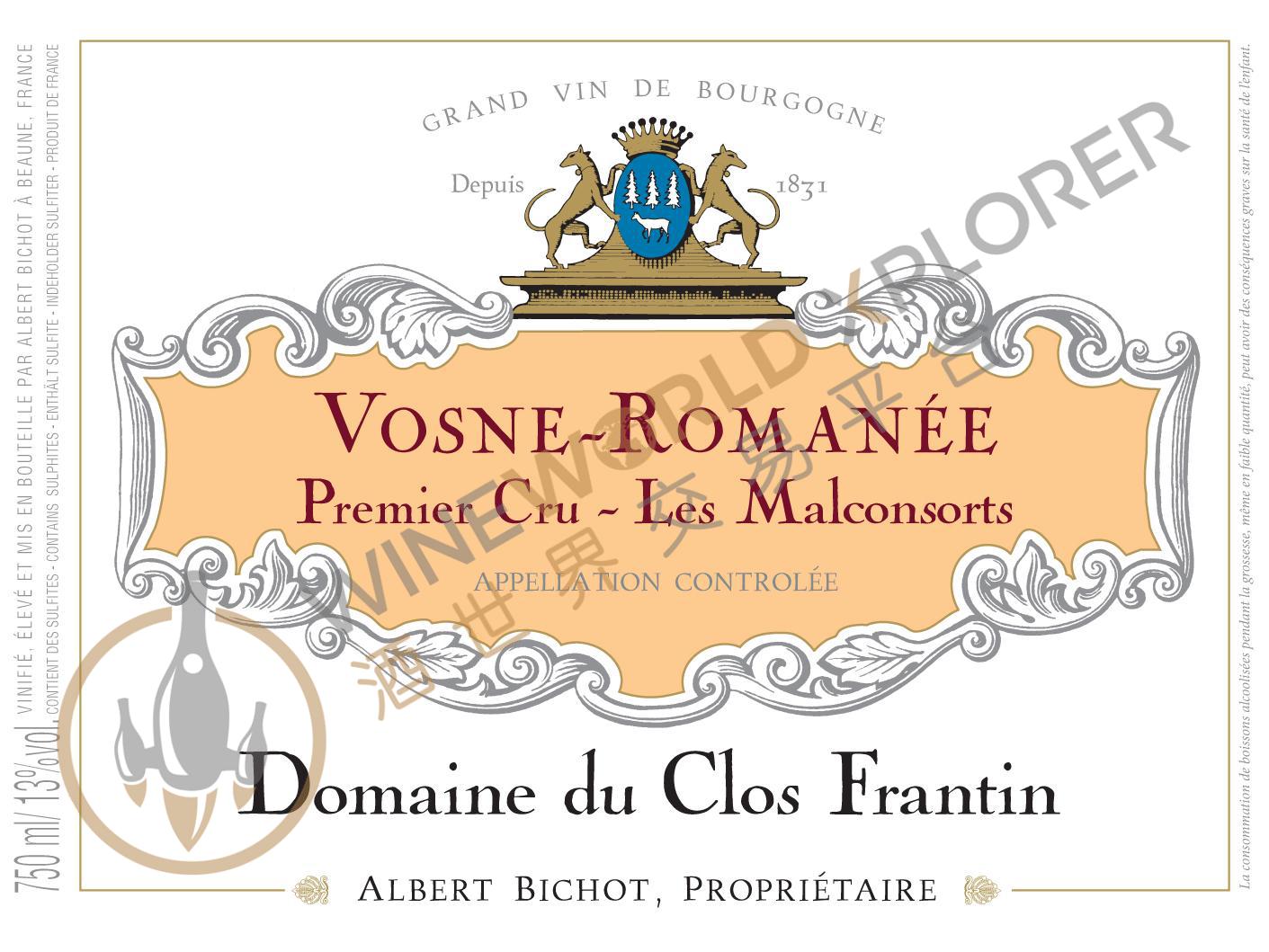
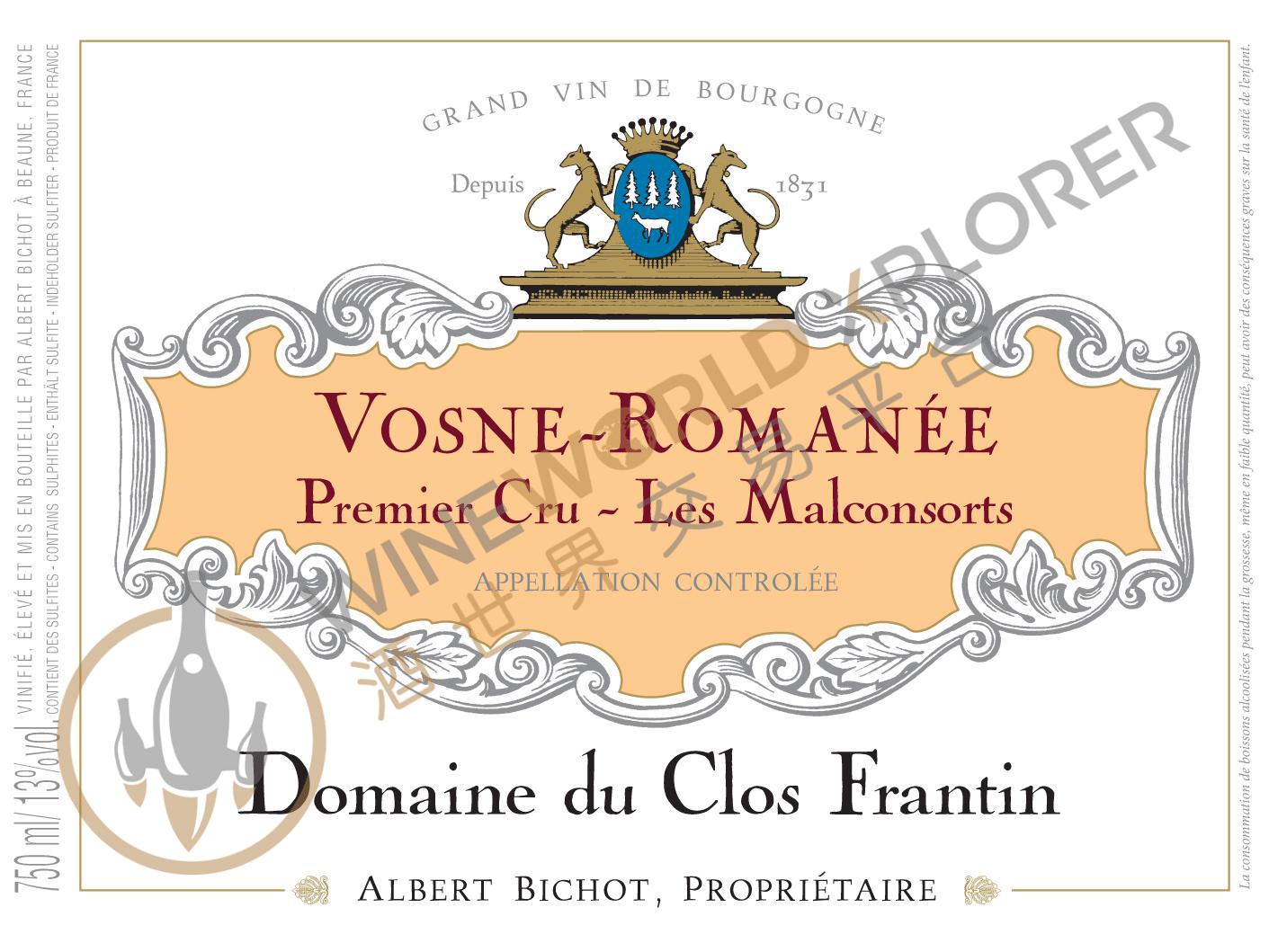
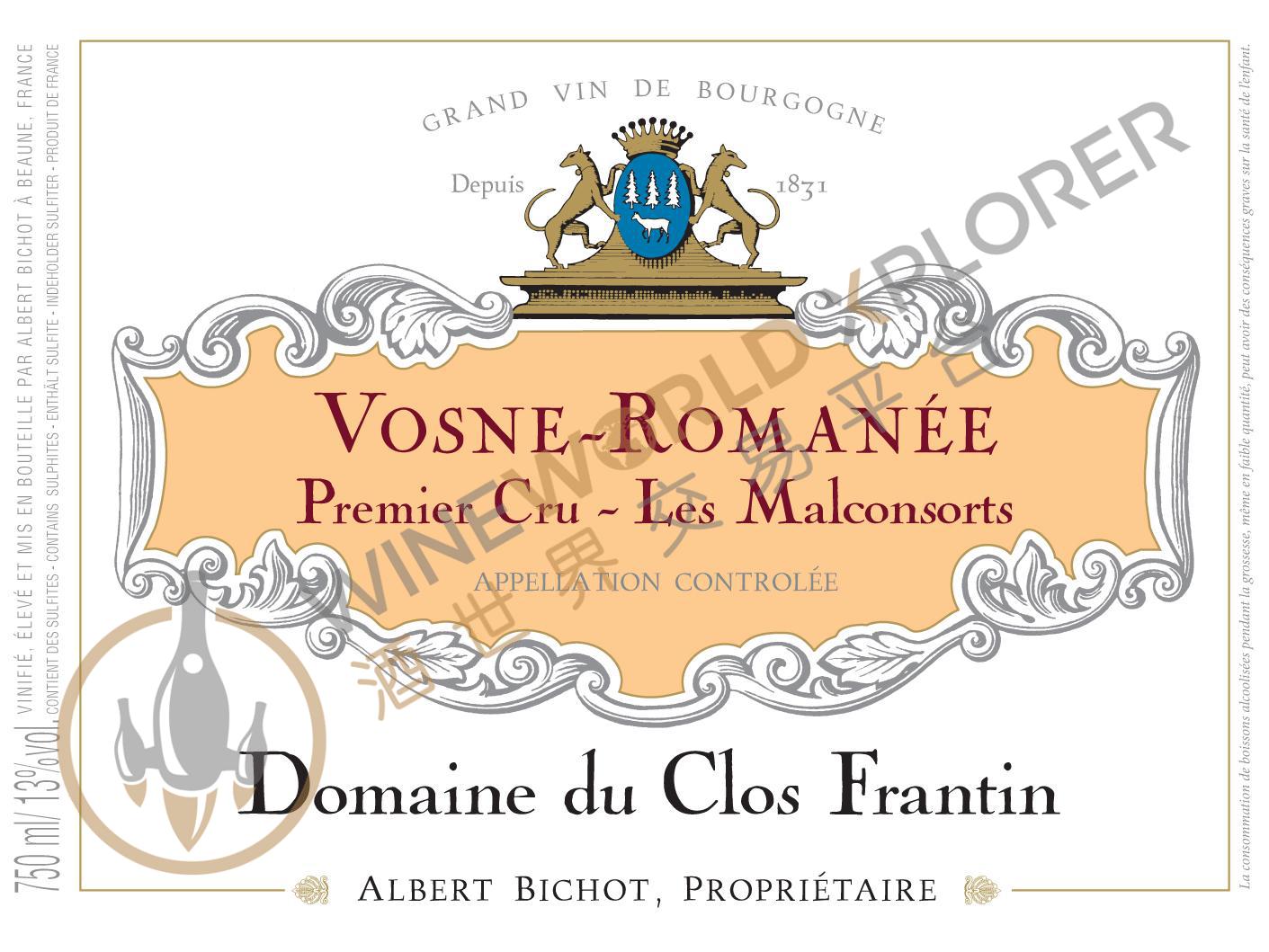
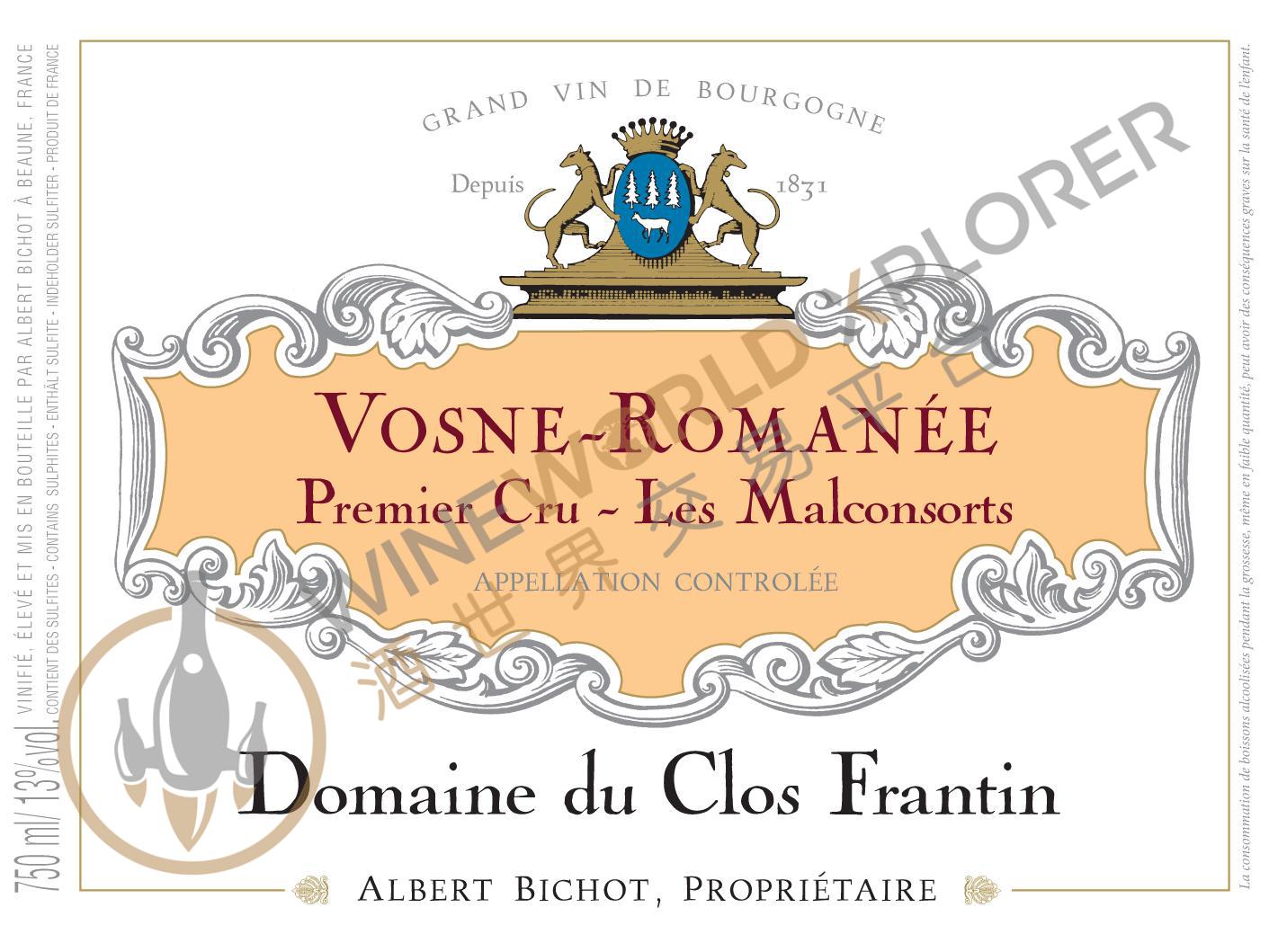
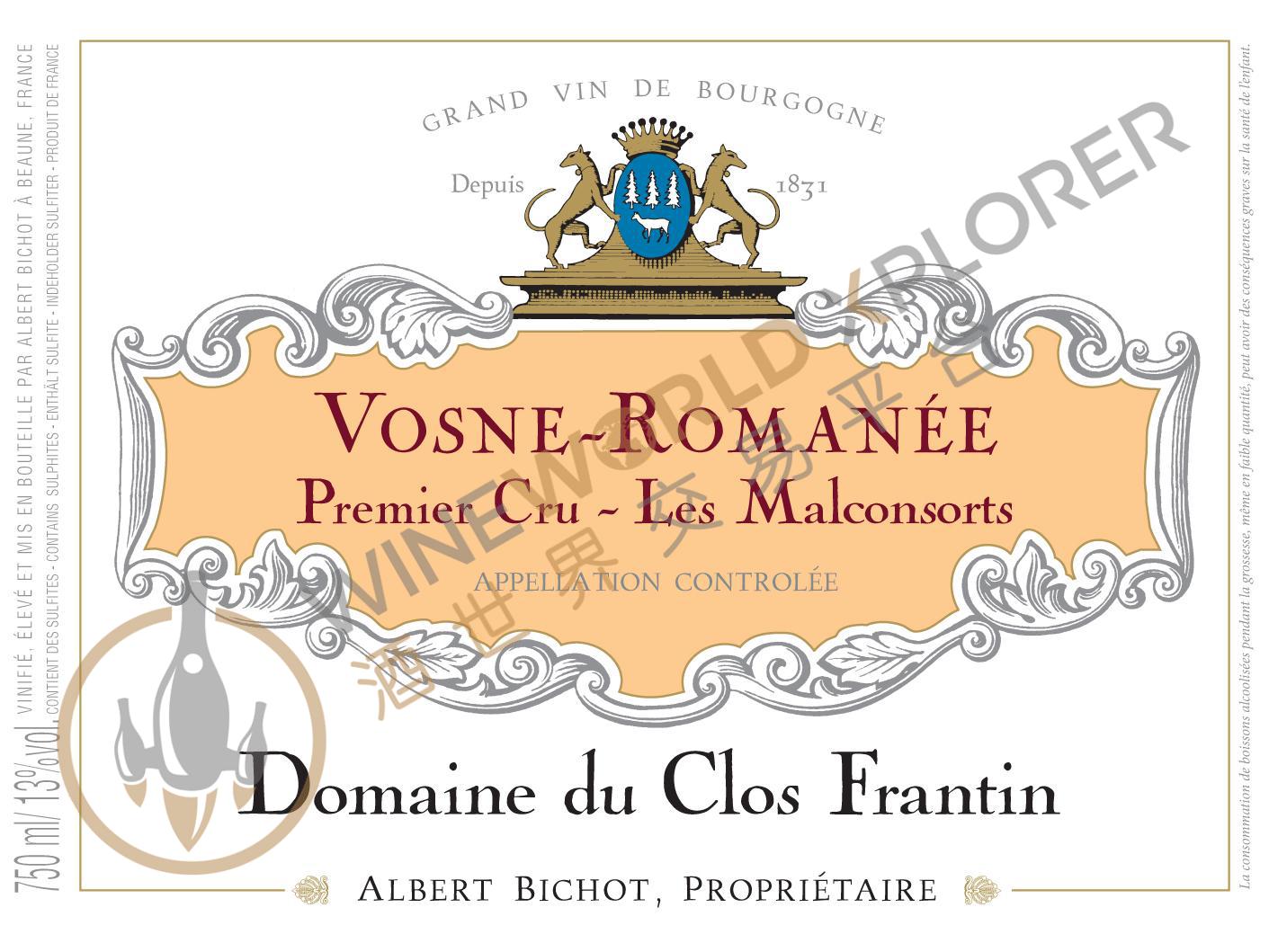
Albert Bichot (Domaine du Clos Frantin), Vosne Romanee 1er Cru Aux Malconsorts 2018
 View analysis


Description
Tasting notes

Reviewed by: Neal Martin
The 2018 Vosne-Romanée Les Malconsorts 1er Cru is showing some reduction on the nose, slightly smudged red fruit, leather and undergrowth. It does seem to gain clarity with modest aeration though. The palate is medium-bodied with fine tannins, taut and crisp, quite linear with fine sapidity on the structure, backward finish. A Premier Cru with a long future ahead. Tasted blind at the Burgfest 2018 red tasting.
Reviewed by: Neal Martin
The 2018 Vosne-Romanée Les Malconsorts 1er Cru comes from Bichot’s substantial 1.75-hectare holding, handpicked on September 11 and made with 40% whole bunch and 45% new oak. This has a high-class bouquet of pure red cherries, cranberry and wild strawberry scents, hints of rose petal and orange blossom emerging with time. The palate is medium-bodied with crisp red berry fruit and a frame of quite firm tannins that should guarantee the longevity of this Malconsorts. It feels a little aloof on the finish, but it just needs time to soften its edges.
Reviewed by: James Suckling
A rich, layered red with intense, very ripe fruit that shows dried cherries, smoked oak and some meat. It’s full-bodied and very layered. Solid tannins give depth to the wine. Try after 2023.
About the Producer
Domaine du Clos Frantin, a beautiful 18th century estate, is located in Nuits-Saint-Georges at the heart of the Côte de Nuits, home to the world's most rare and prestigious appellations where the Pinot Noir grape flourishes. The vines cover a surface area of 7.3 hectares , of which 3.9 are Premier and Grand Crus. The use of fertilizers and herbicides has been replaced by compost and ploughing. Respect for the soil, severe pruning and performing green harvest if needed allow us to obtain low volumes of high-quality grapes. Our vineyards are organic certified since 2012 and starting with the 2018 vintage, all the wines from the estate will bear the certified “organic wine” label. The winery is equipped with modern vinification equipment that nevertheless allows us to respect traditional methods. Working with gravity has replaced mechanical operations to better respect the quality and aromatic potential of the grapes.