Wine Advisor



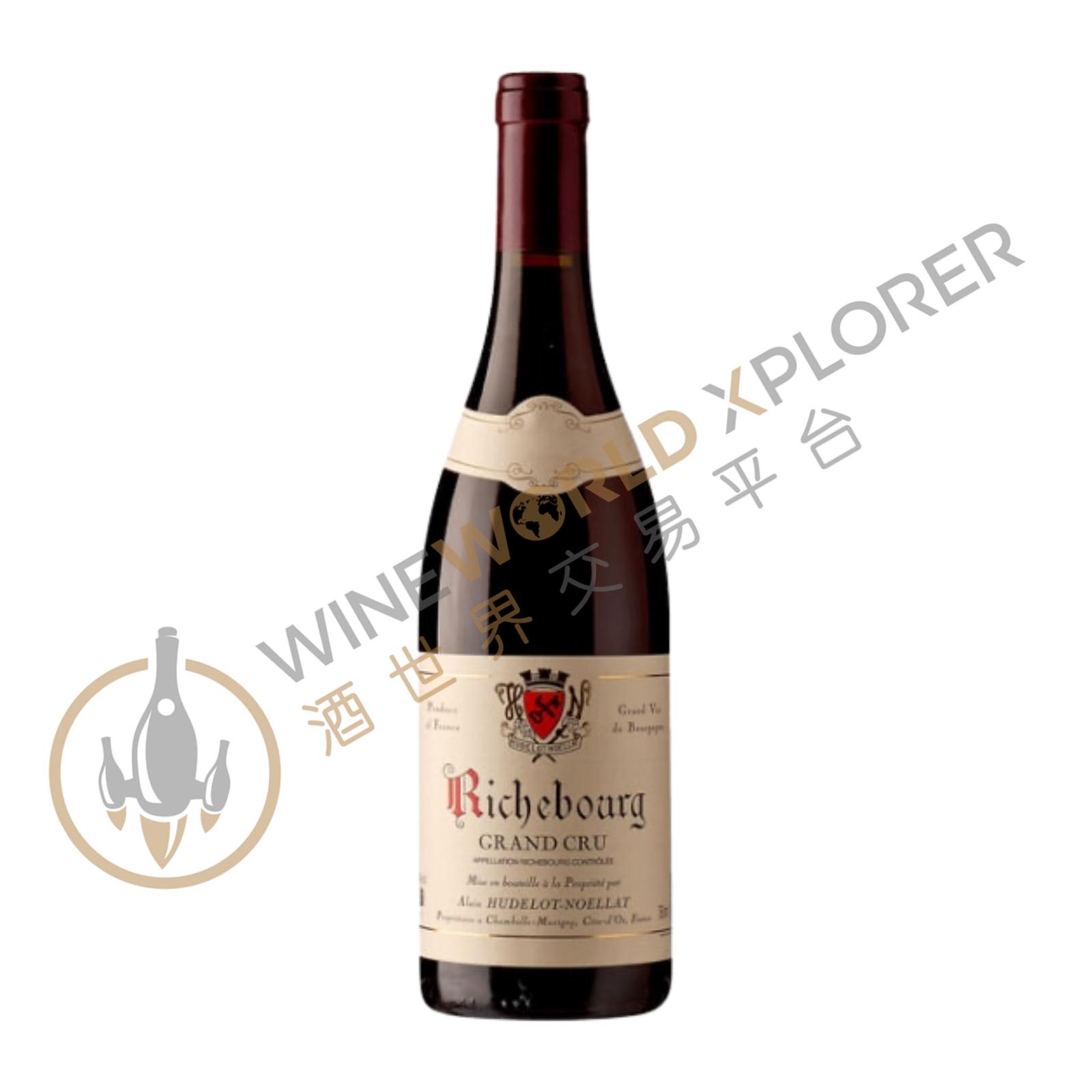
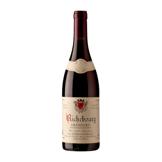
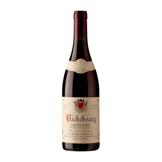
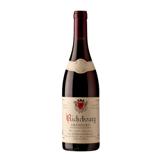
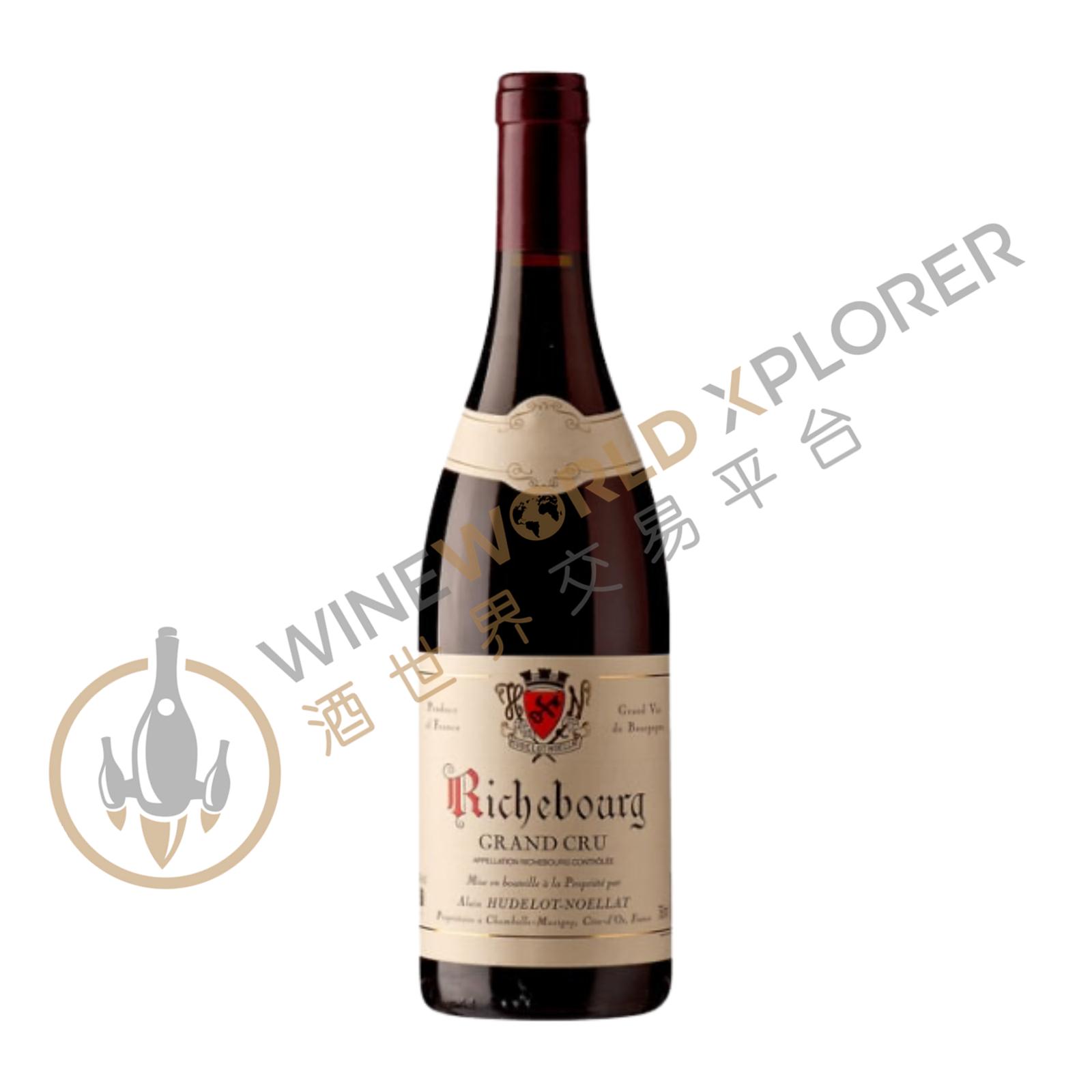
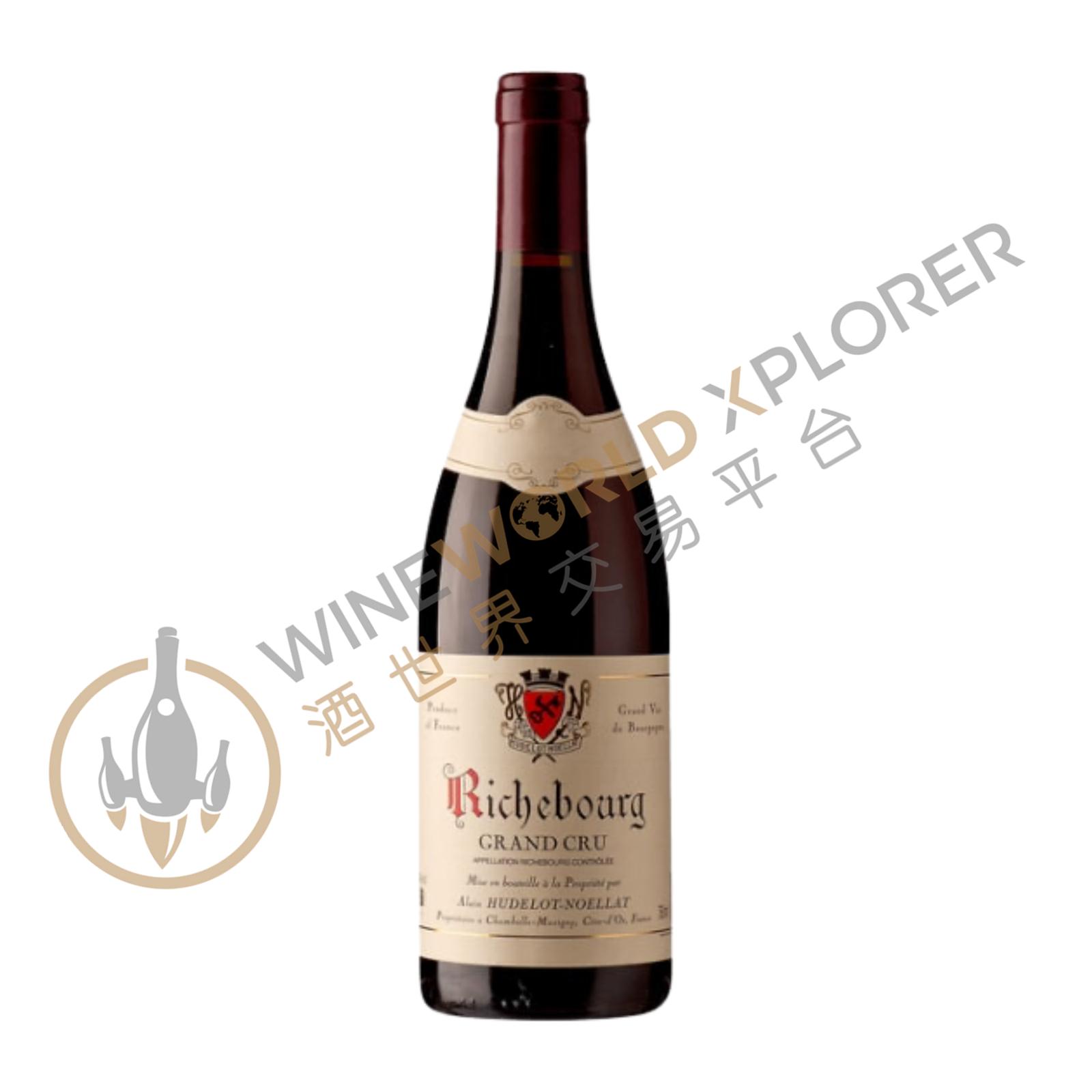
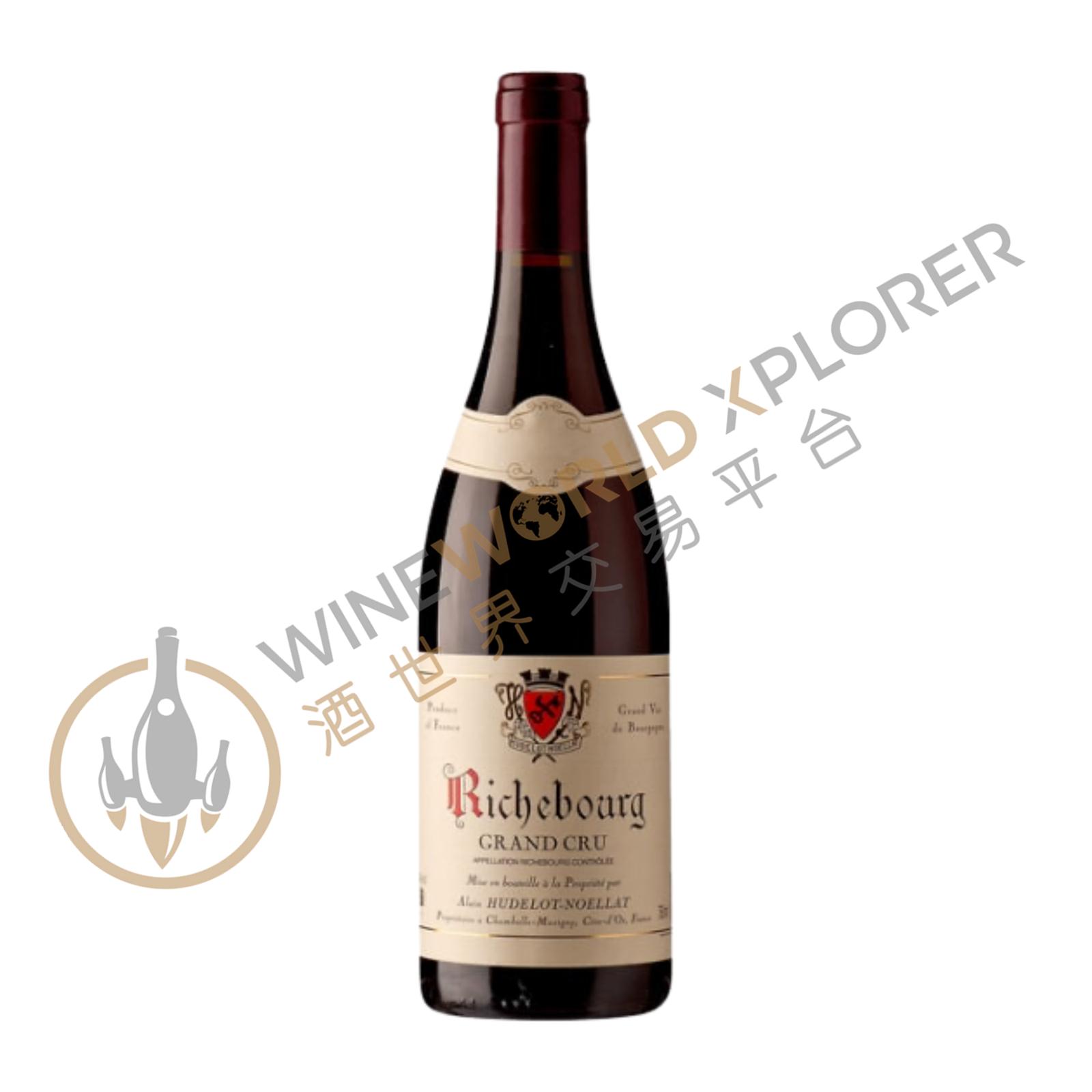
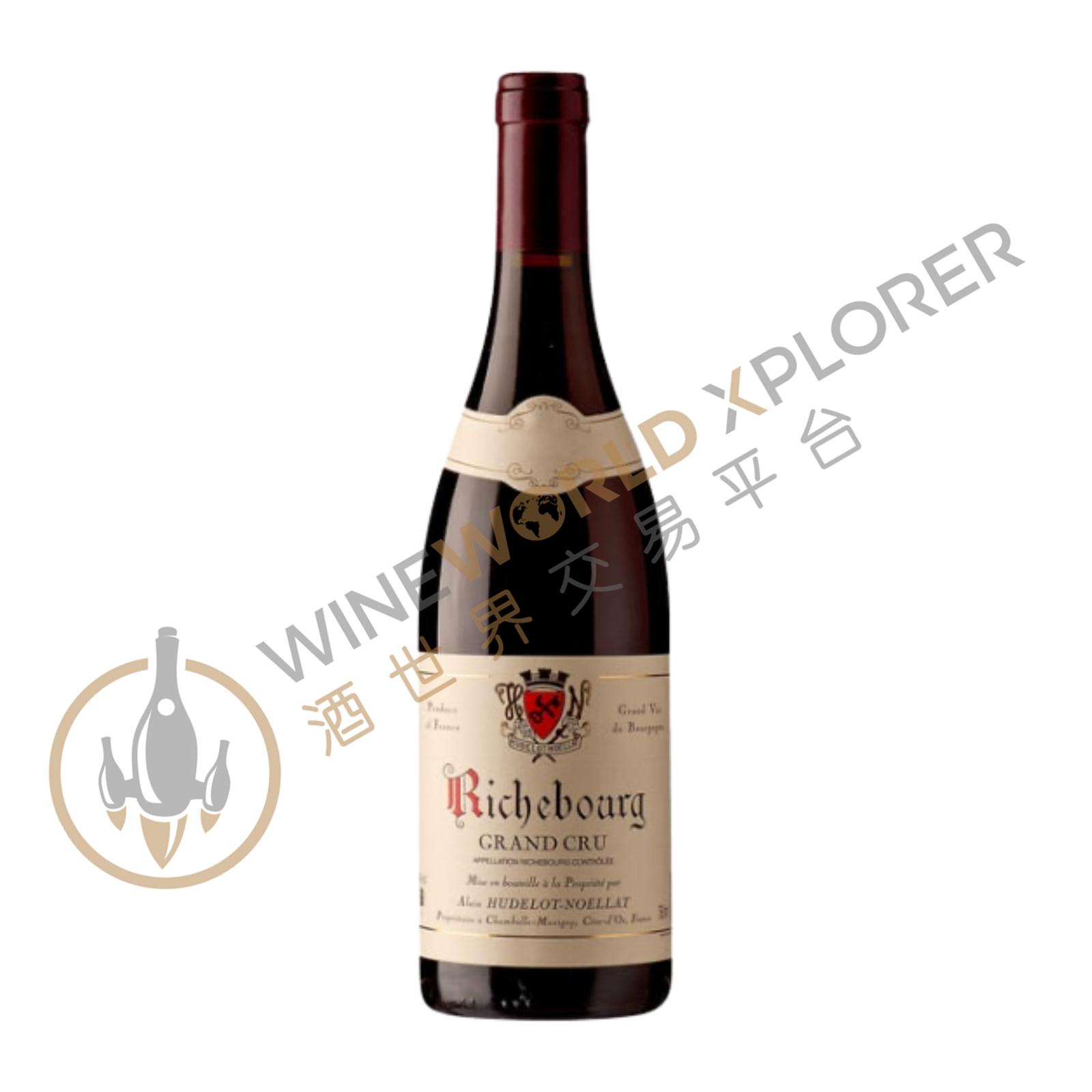
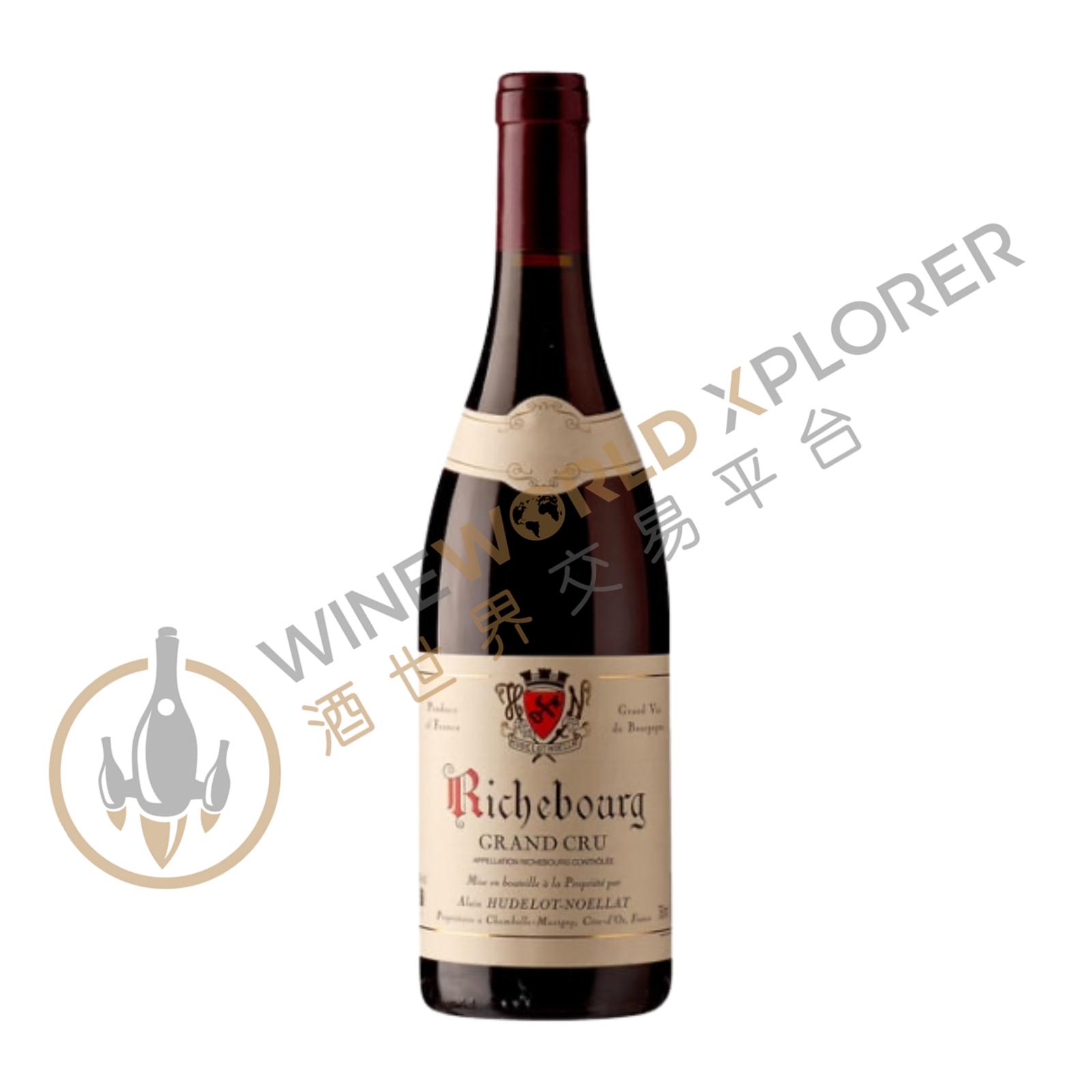
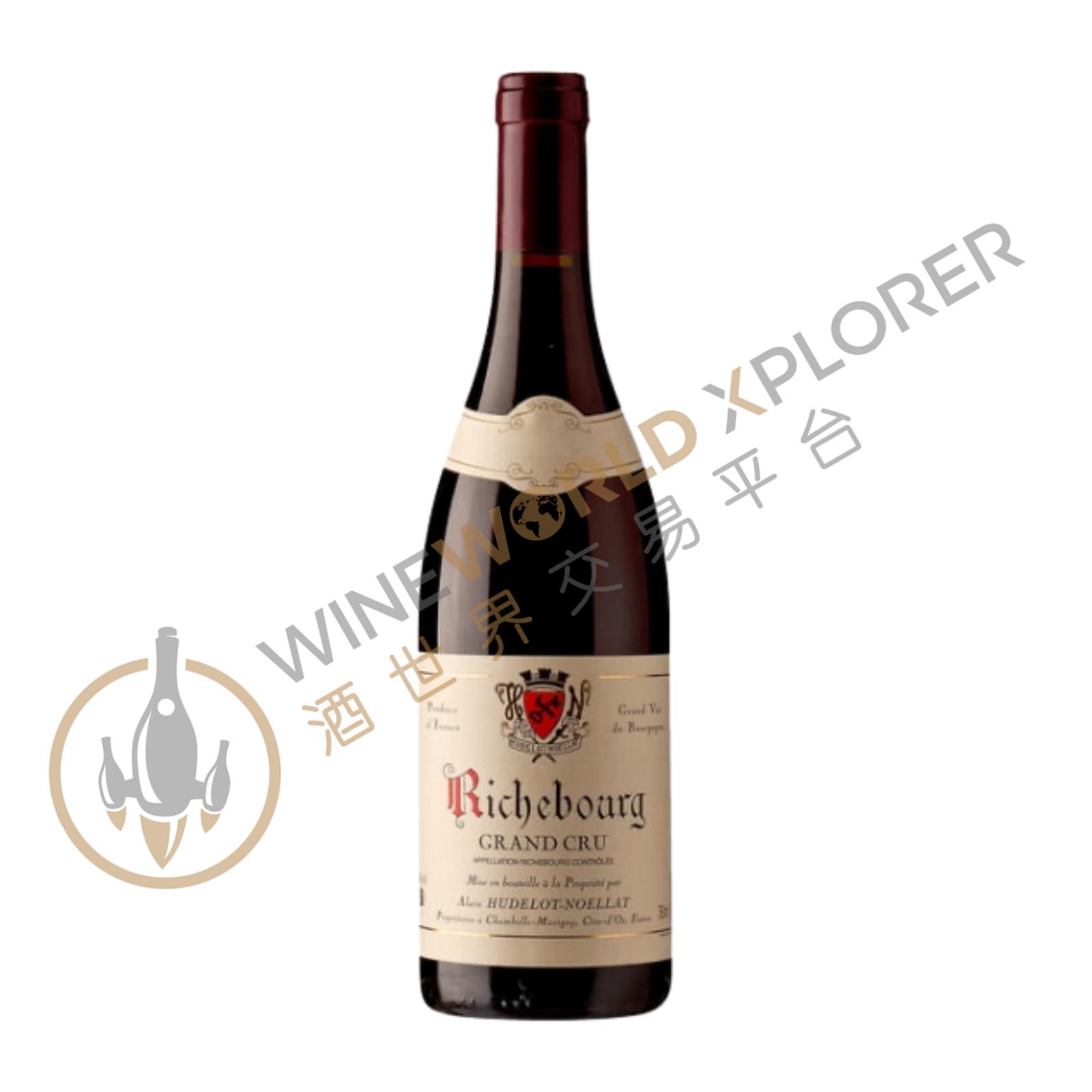
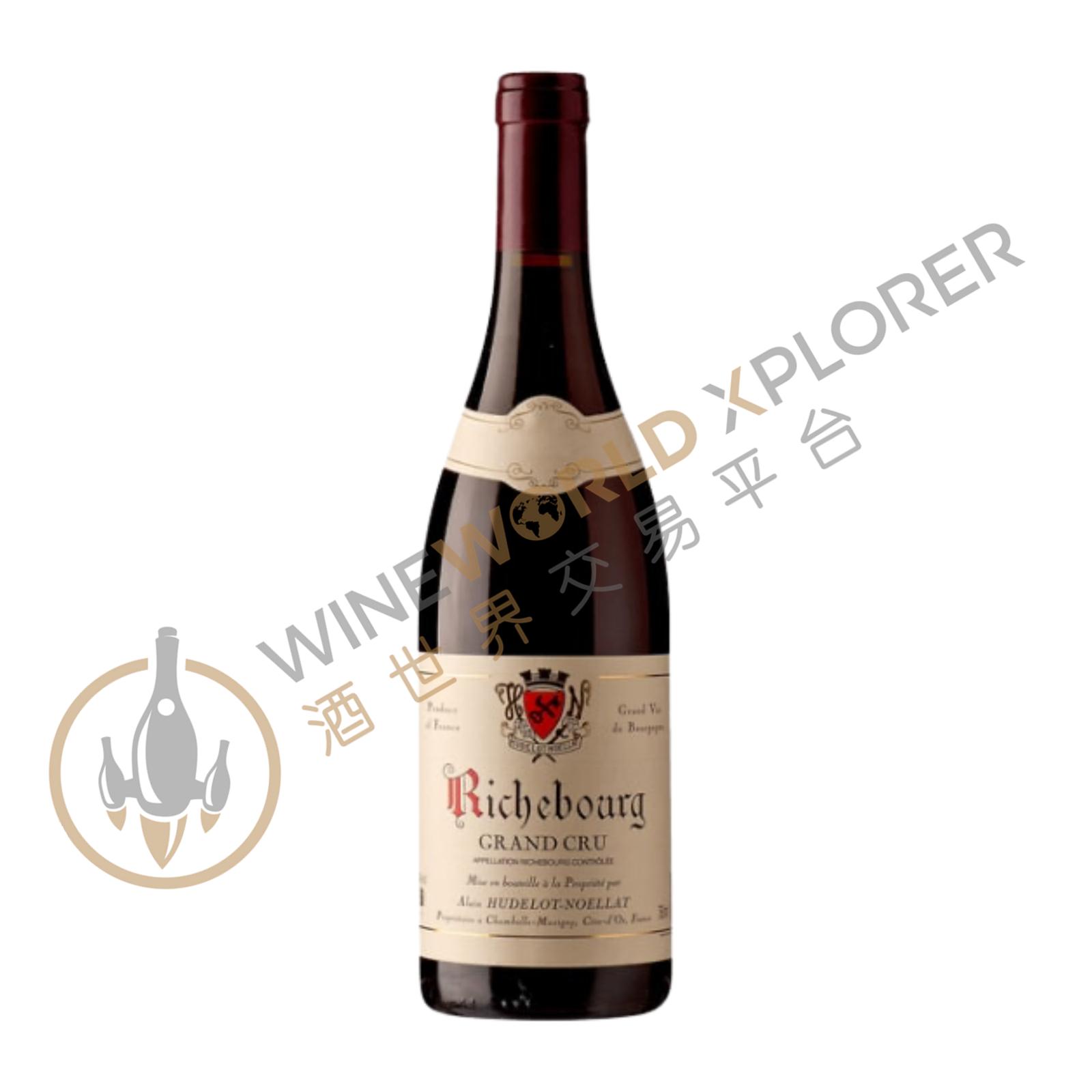
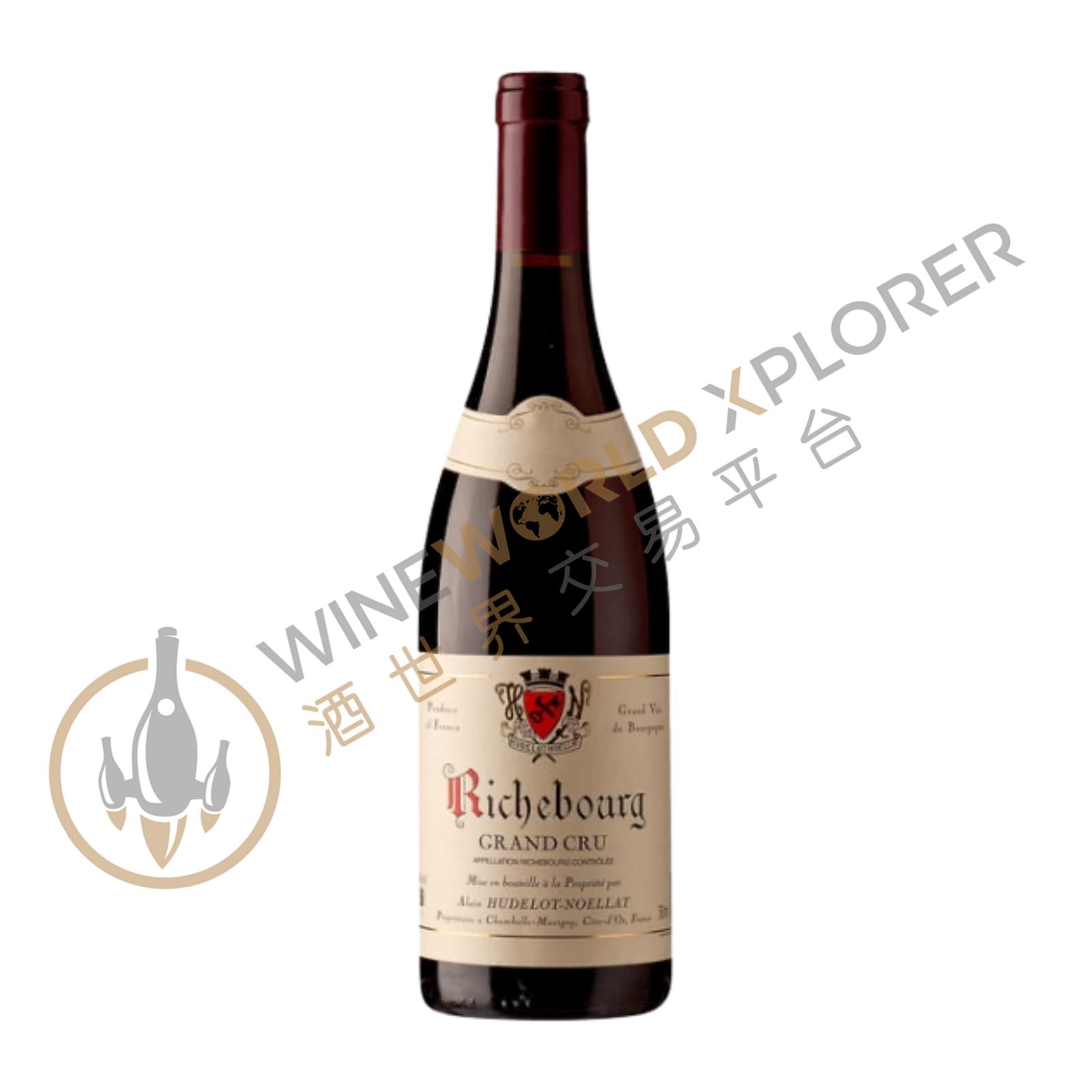
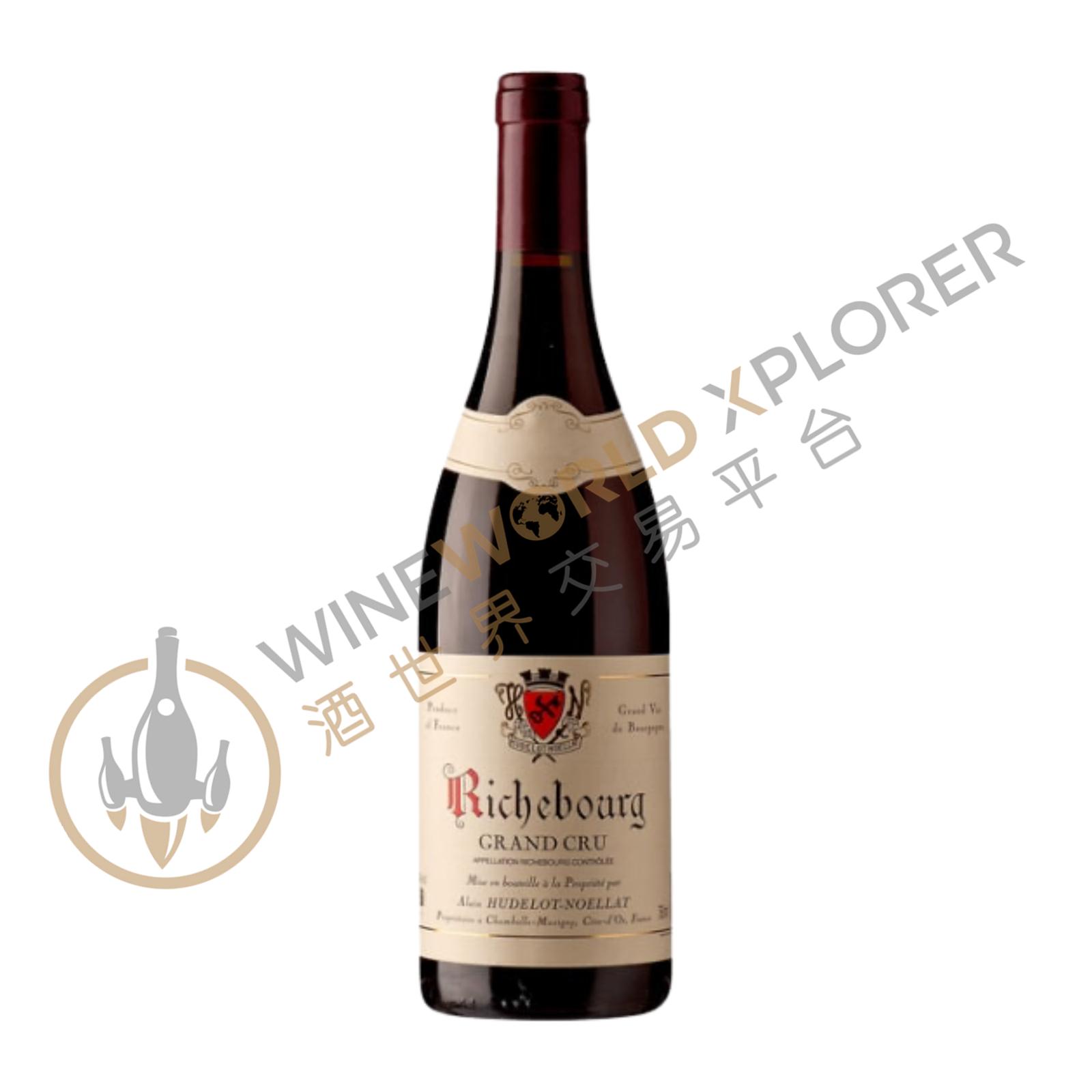
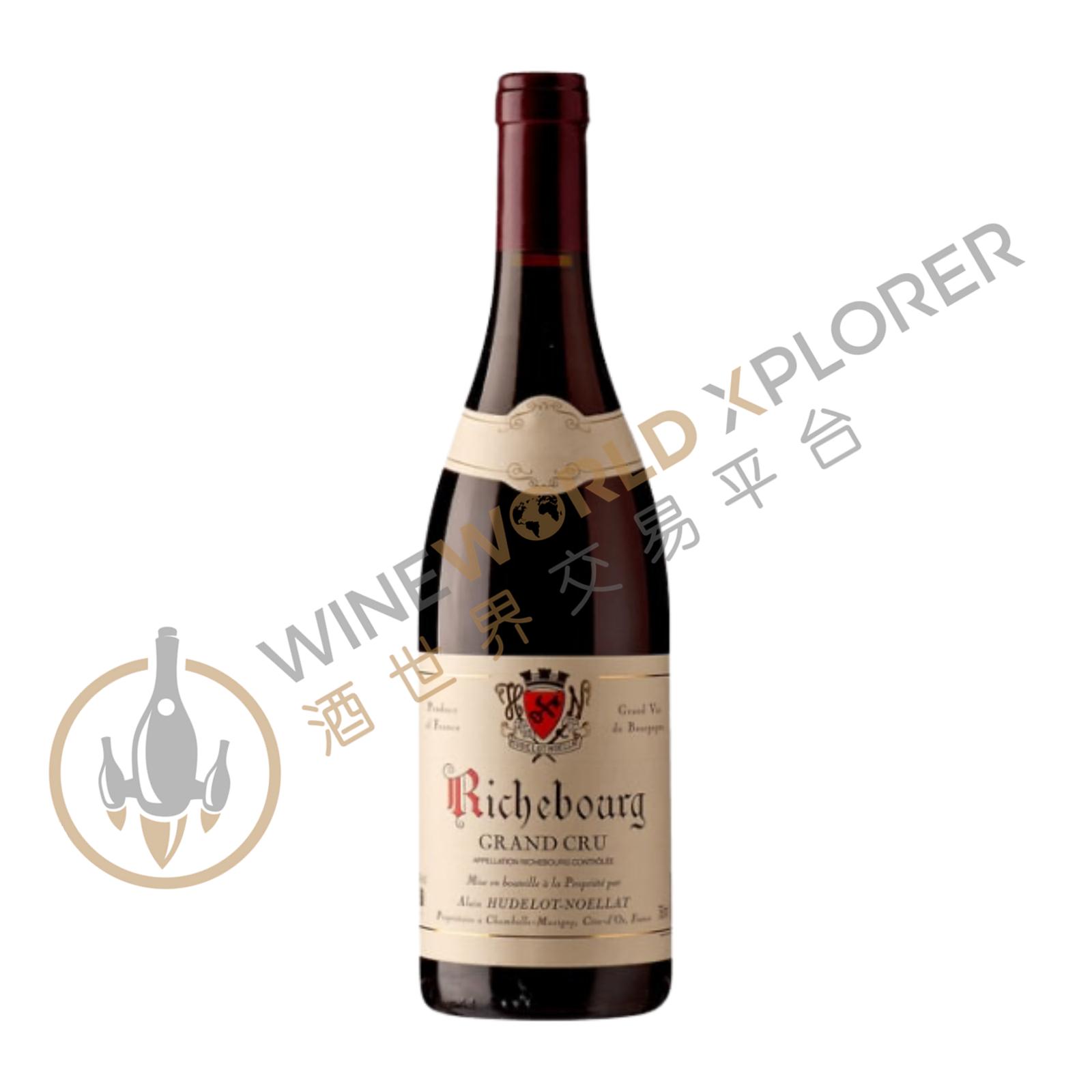
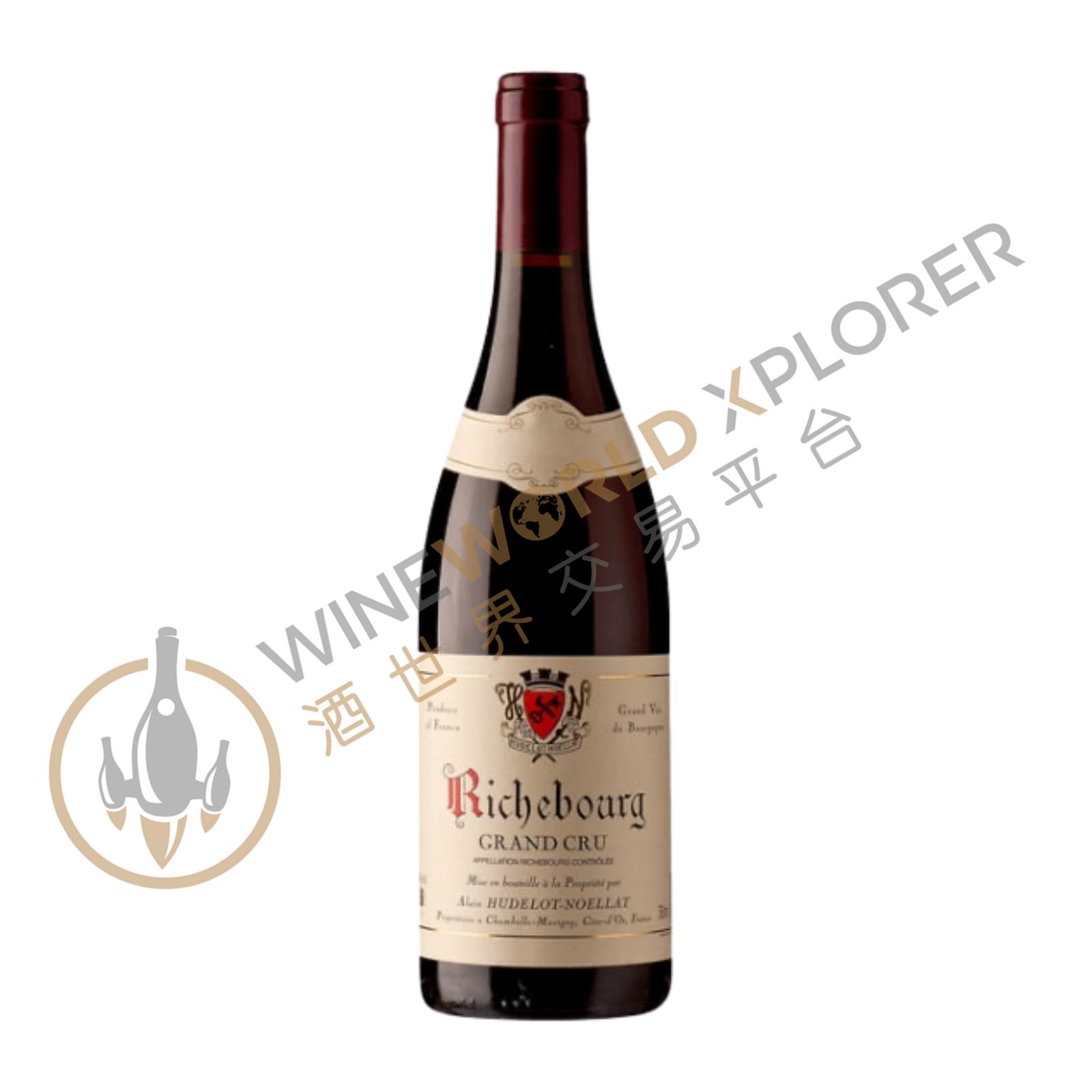
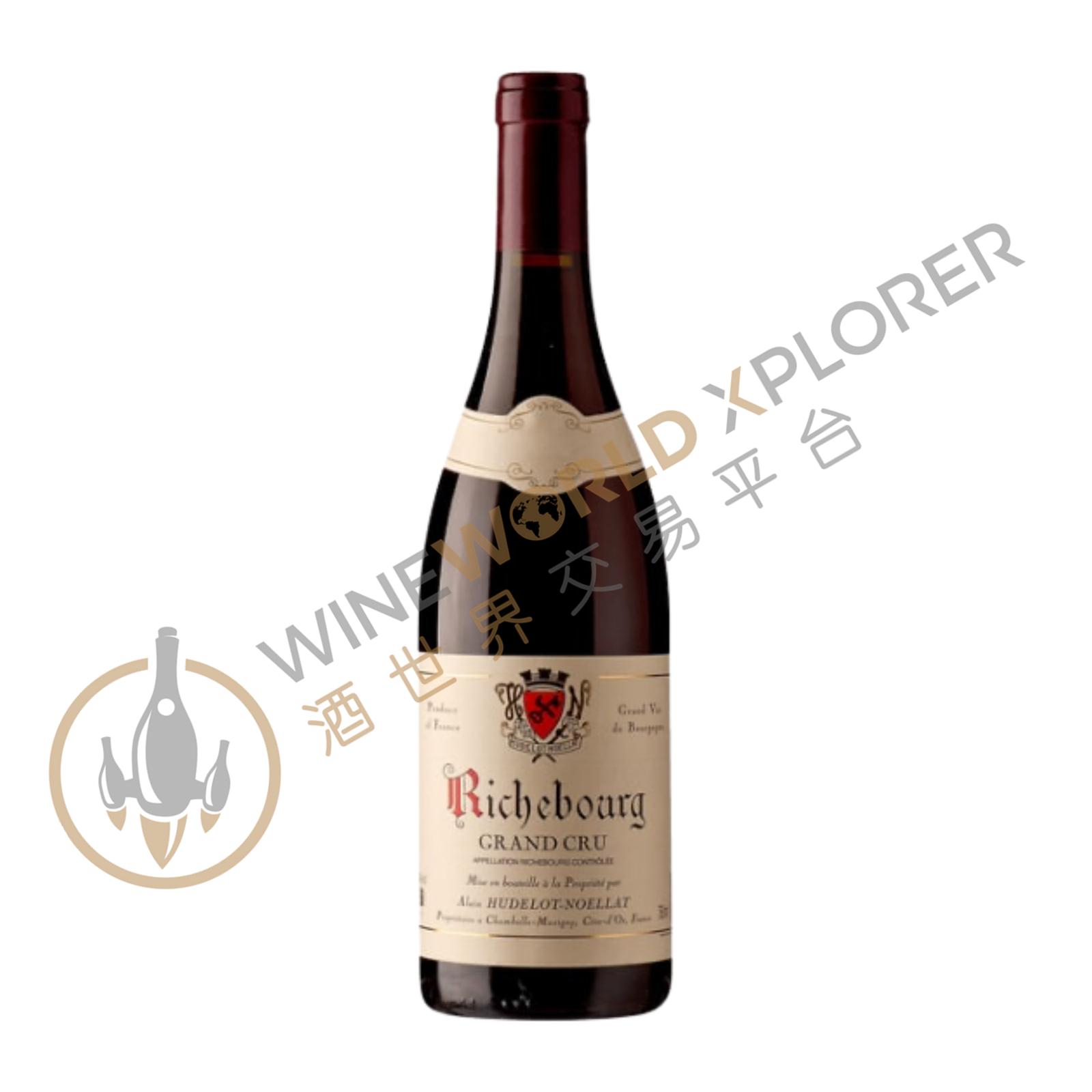
Alain Hudelot Noellat, Richebourg Grand Cru 2017
 View analysis


Description
Tasting notes

Reviewed by: William Kelley
The king of the cellar is the 2017 Richebourg Grand Cru, a brooding wine that unfurls in the glass with notes of raspberries, candied peel, exotic spice, Asian plum sauce, dark chocolate and rose petals. On the palate, the wine is full-bodied, satiny and concentrated, its fine structuring tannins entirely cloaked in fruit, displaying more depth and incipient complexity than the Romanée-Saint-Vivant, concluding with a long, succulent and beautifully delineated finish. This is a very compelling Richebourg from the talented Charles Van Canneyt.
Reviewed by: William Kelley
The 2017 Richebourg Grand Cru soars from the glass with a lovely bouquet of raspberries, black plums and blood orange, mingled with dark chocolate, smoked meats, rose petals and exotic spices. On the palate, it's full-bodied, rich and enveloping, with a fleshy and layered core of ripe, concentrated fruit, lively acids and a long, gourmand finish.
Reviewed by: Neal Martin
The 2017 Richebourg Grand Cru has a beautiful bouquet, very succinct and understated for a Richebourg and oh so precise. The palate is medium-bodied with strict tannin, a pinch of black pepper and bay leaf, and much more vibrant toward the finely structured finish. This is masculine and introspective, a Richebourg that will require considerable aging. At least at this stage, I feel the Romanée-Saint-Vivant has more charm and complexity.
About the Producer
In 1962, Alain inherited two small parcels of his father's Chambolle-Musigny Grand Cru Les Chames, plus several vineyards from his marriage to the great-granddaughter of Charles Noellat, a Vosne-Romanee winery family, and he established Domaine Alain Hudelot Noellat. The winery is now about 10 hectares (24 hectares) in size. The estate now has about 10 hectares (24 acres) of vineyards with an average age of over 50 years, including several dating back to 1920, including the vineyard at Romanée-Saint-Vivant. The winery is known for its lighter wines with nuanced and natural flavors. Now managed by third-generation grandson Charles van Canneyts, Hudelot-Nollat is not so different from its grandfather's time, when it was less visible in the thicker wines, but now it has the advantage of refinement, often with fresh, bright fruit, balanced acidity and silky tannins. The vinification is entirely de-stemmed, using local yeasts that are not comparable to artificial yeasts, with a relatively long pre-fermentation cold soak, mainly with trampled skins, and 18 months in new barrels at 20-60%. In 2012, Charles also started to buy grapes from other winegrowers under his own name to make his wine. Vosne-Romanee is a blend of three first growths, Suchots, Beaumonts and Malconsorts, and as young as it is, the Hudelot-Noellat family owns three first growths that are over 100 years old, so this VR is ostensibly a village wine, but with a first growth heritage. Jasper Morris MW has high praise for Domaine Hudelot-Noëllat. He believes that while Alain Hudelot's management has produced fine style reds, Charles van Canneyt has taken over and given the wines more concentration and backbone, retaining their elegance, but with more ageing potential and balance.