Wine Advisor



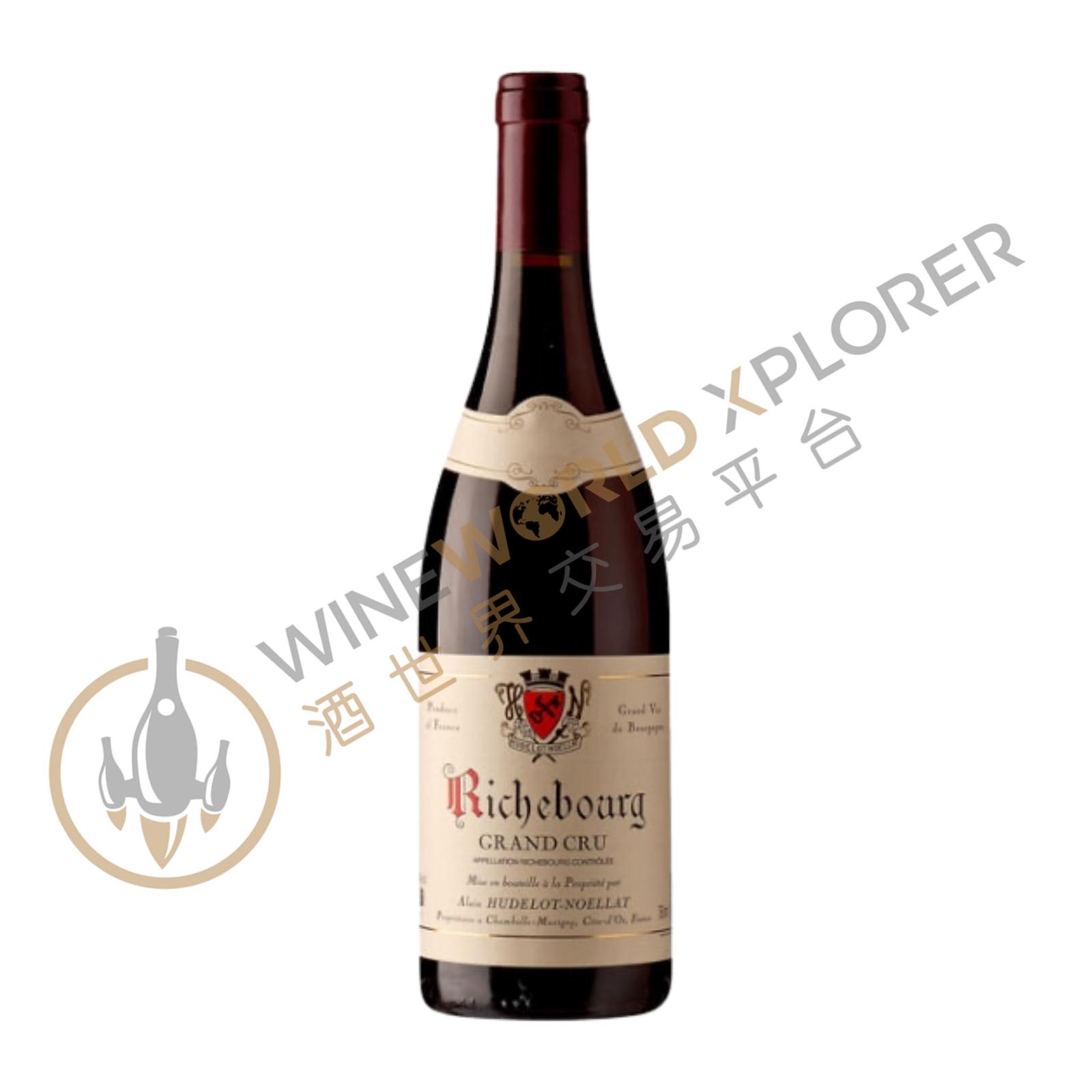
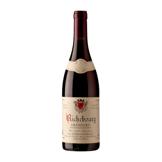
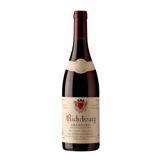
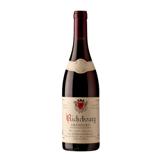
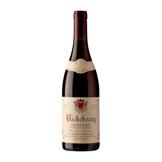
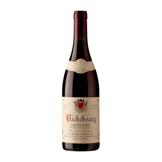
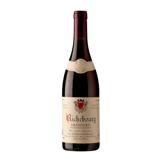
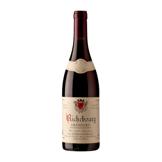
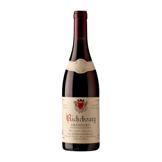
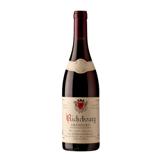
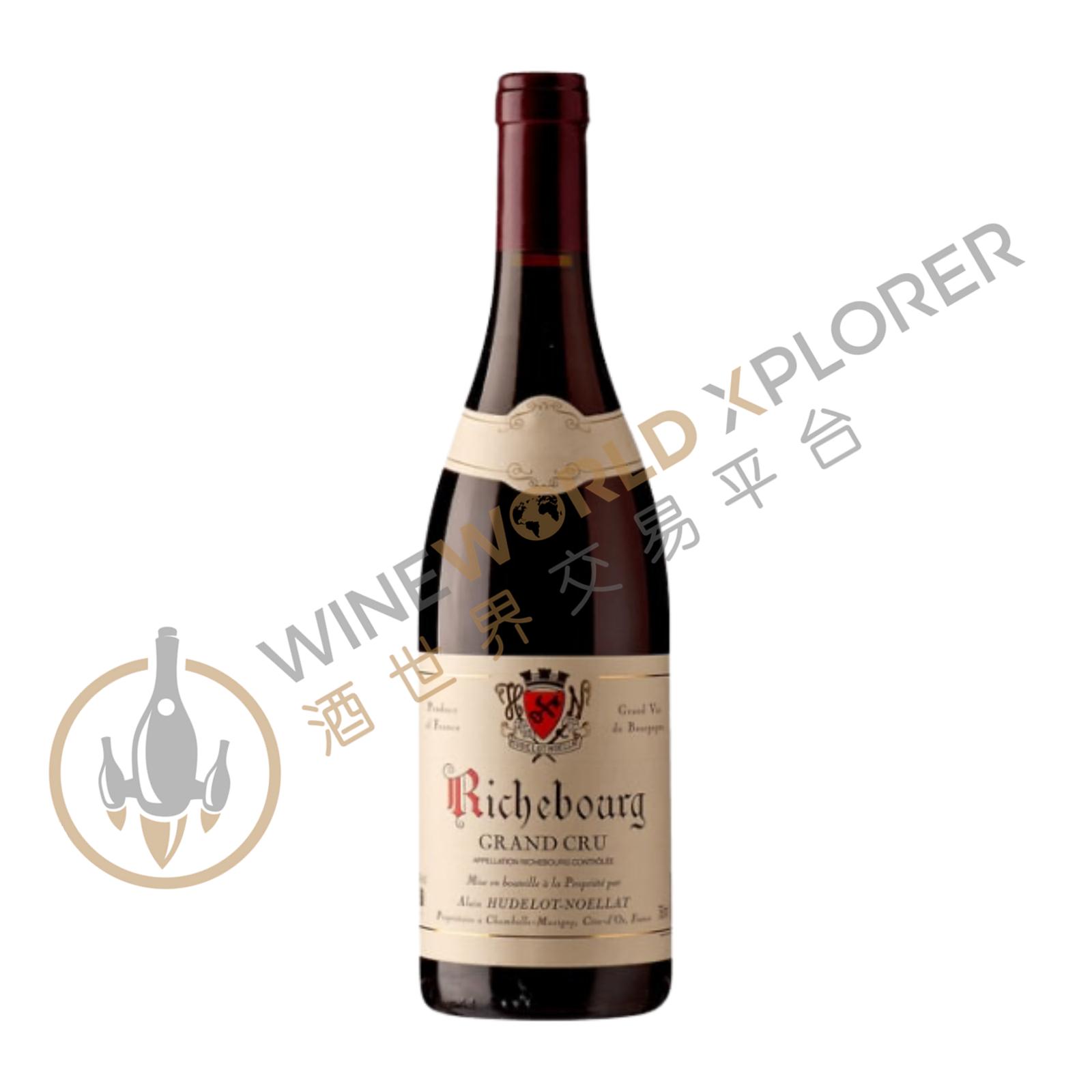
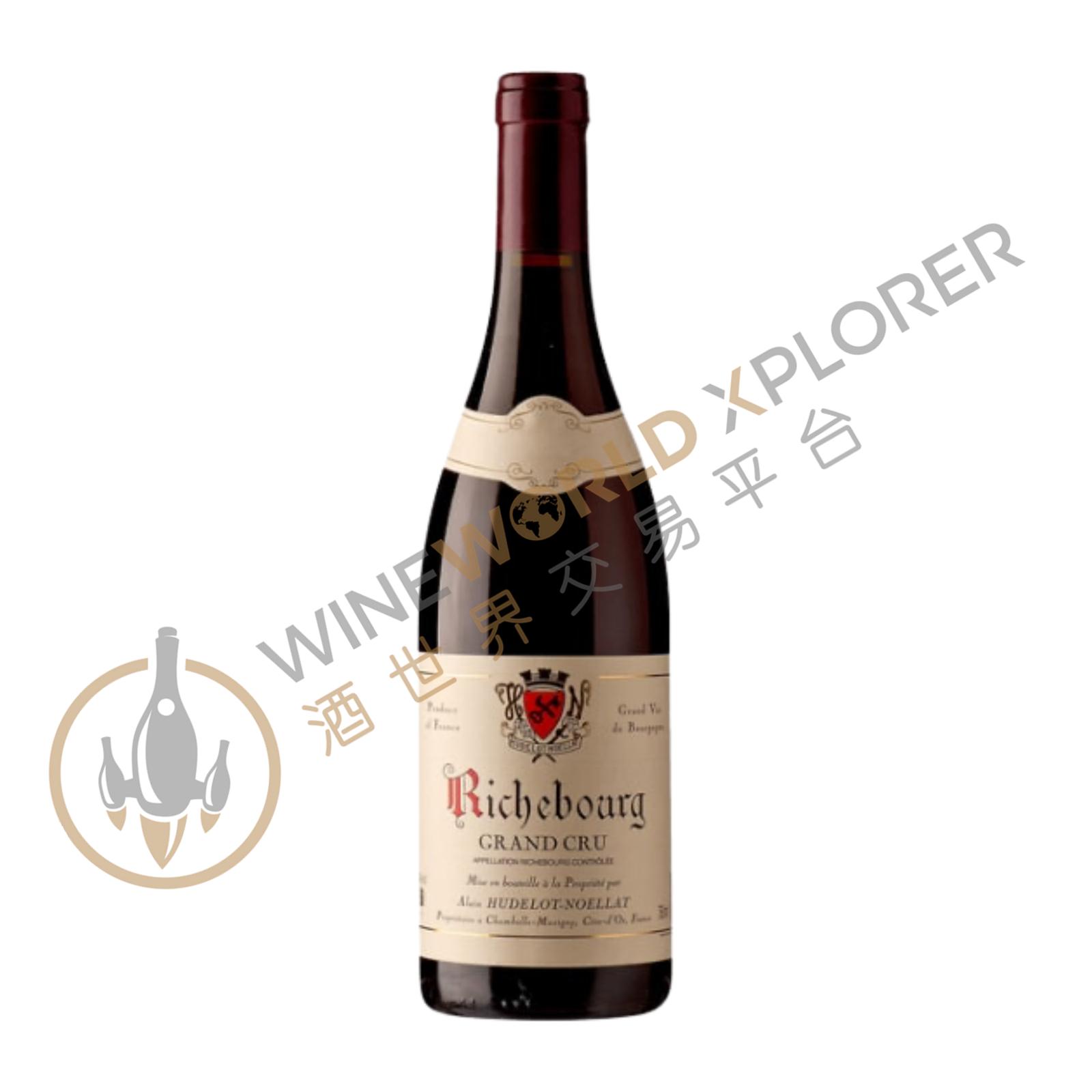
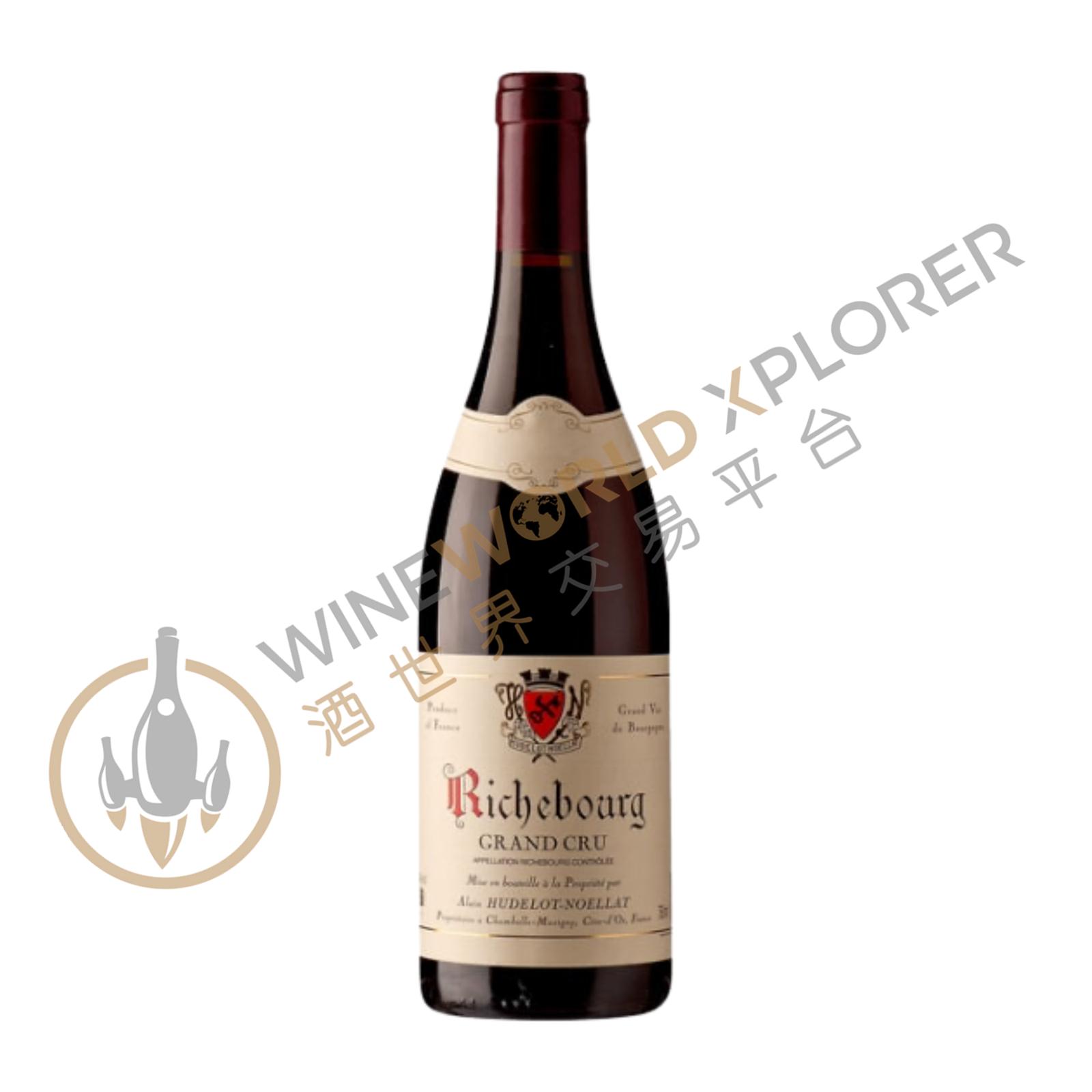
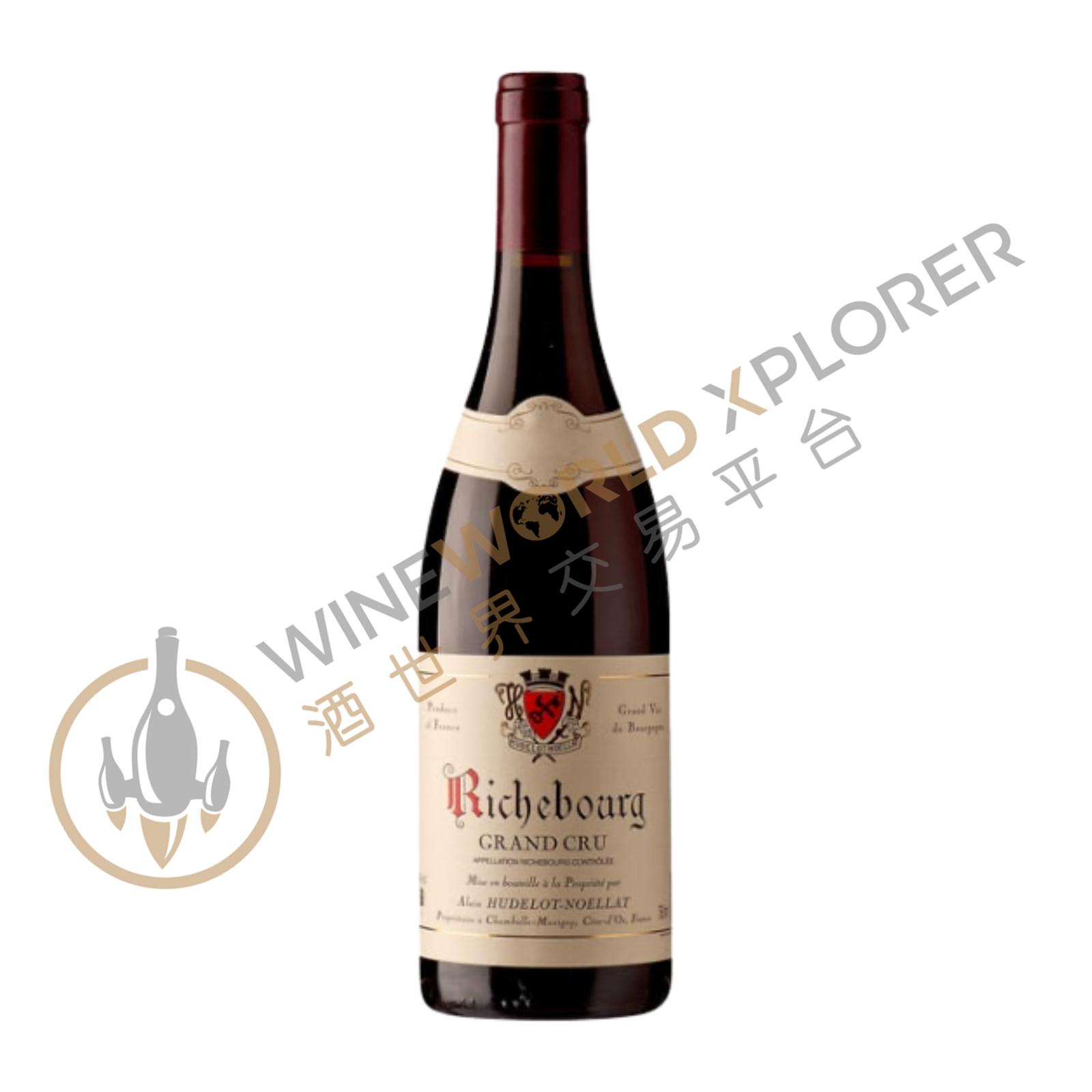
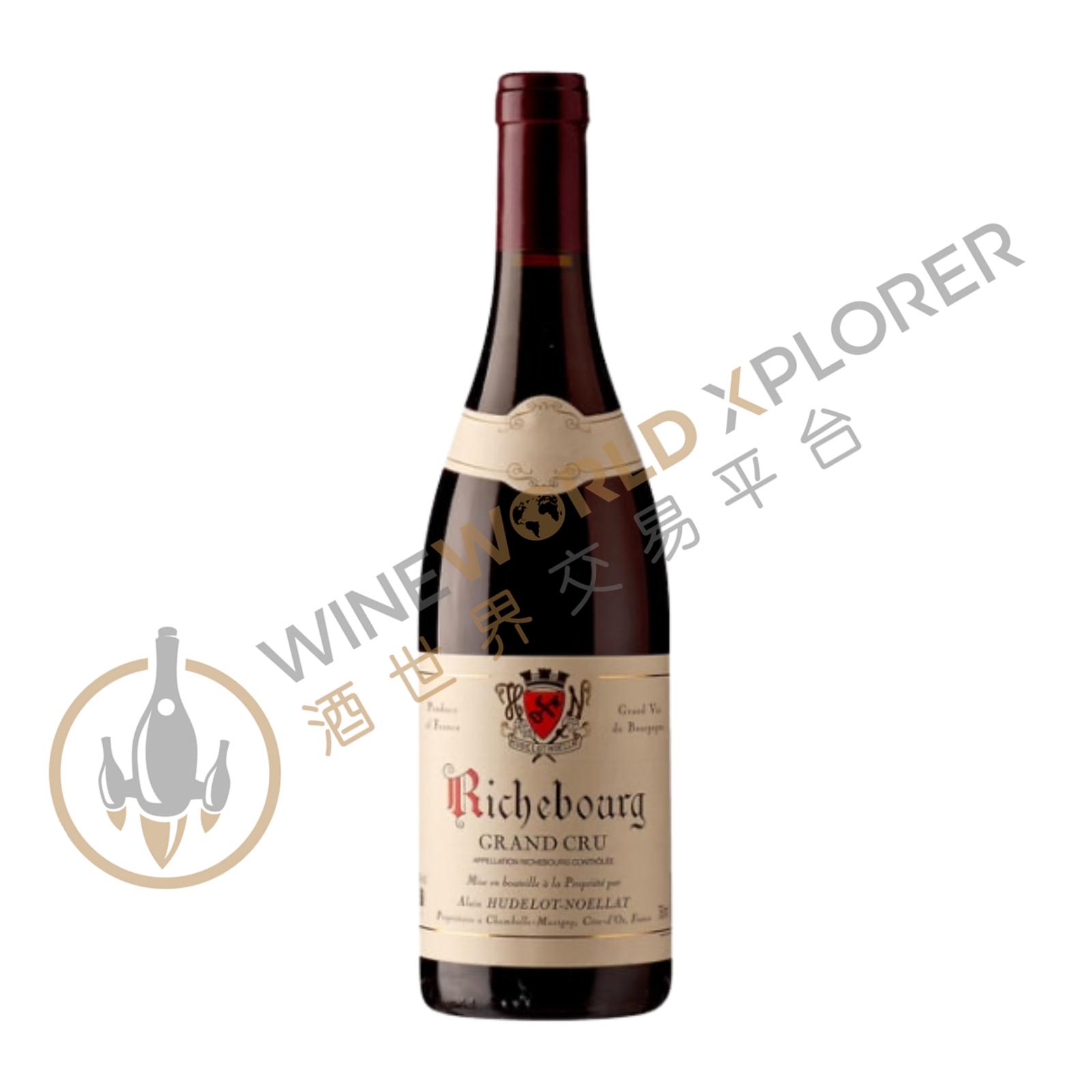
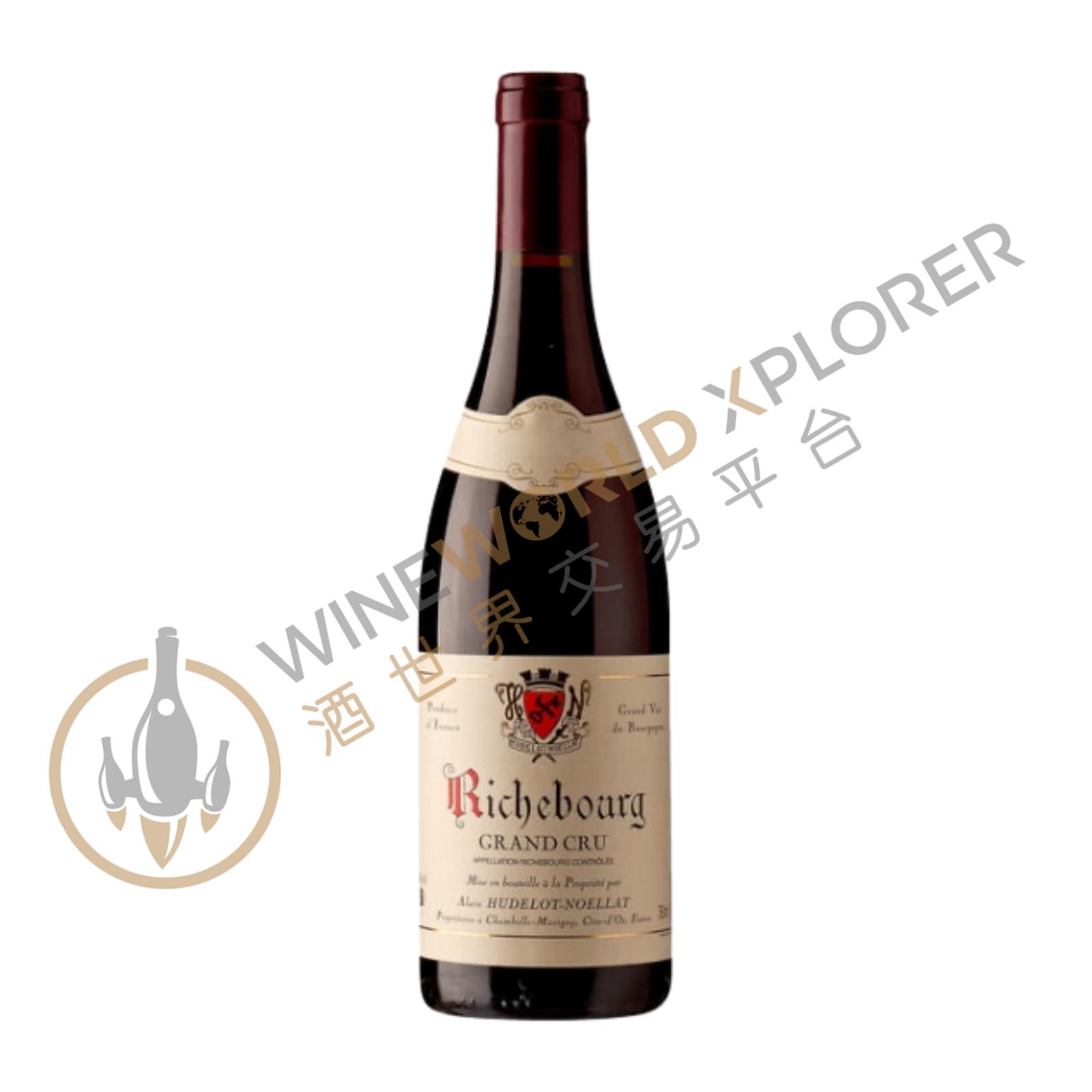
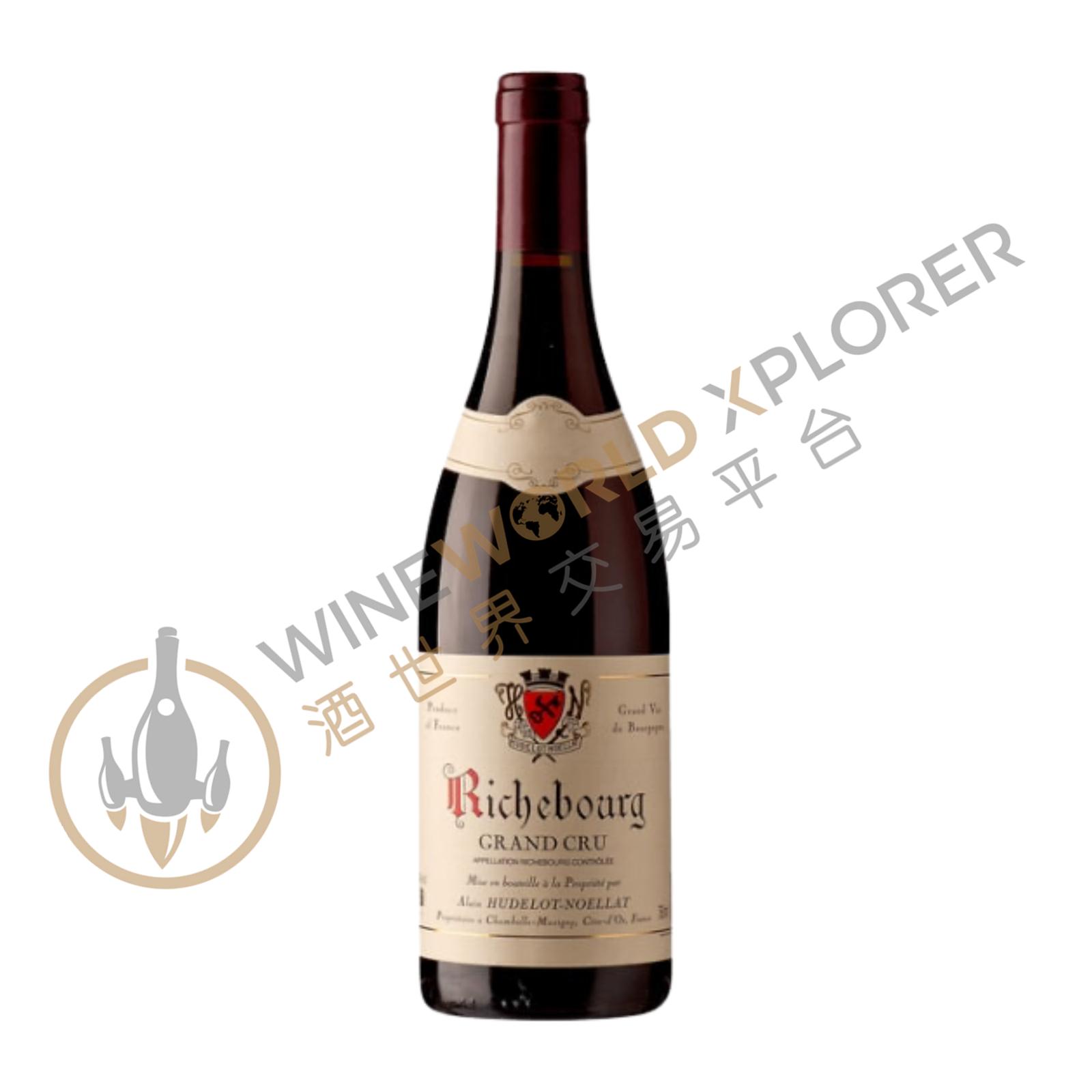
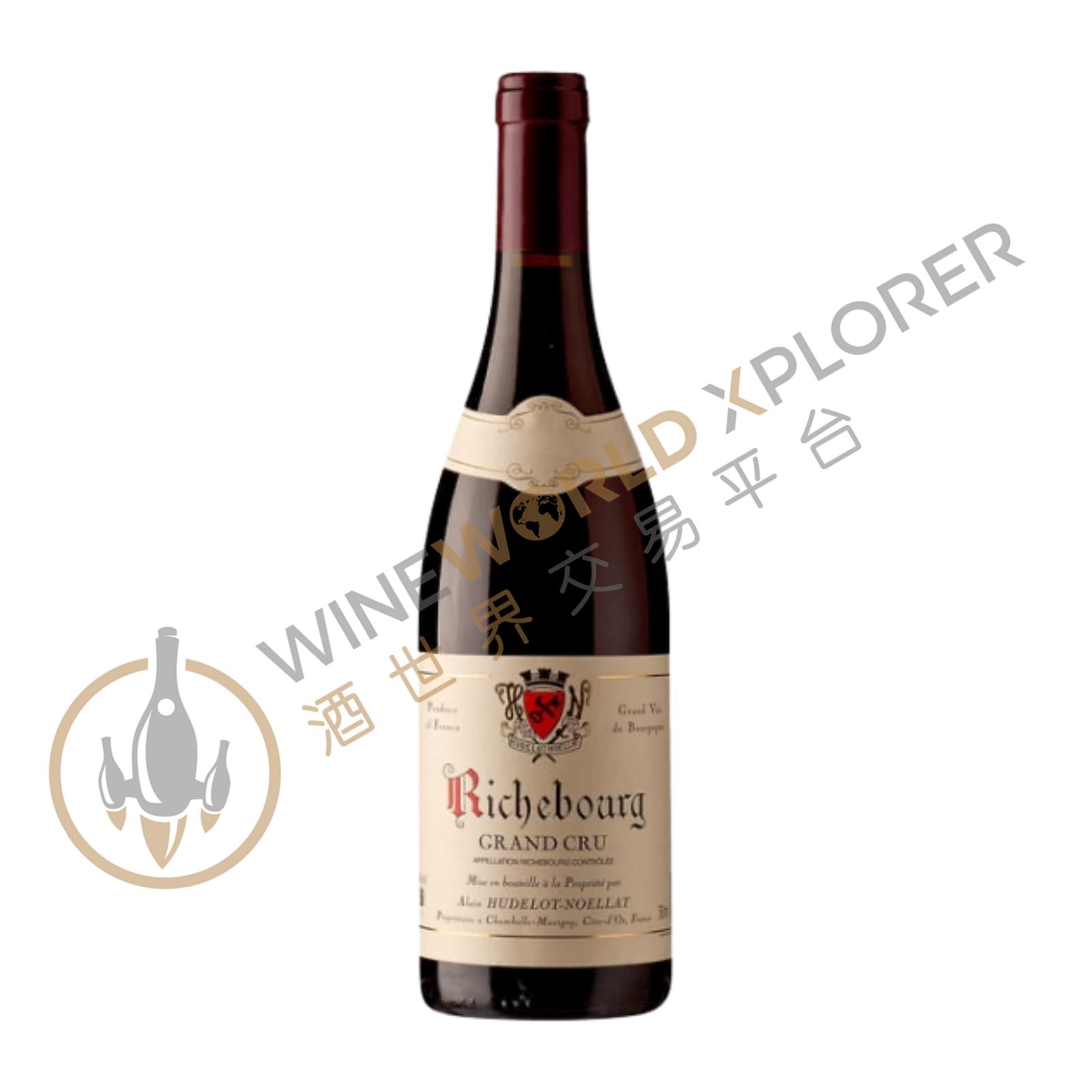
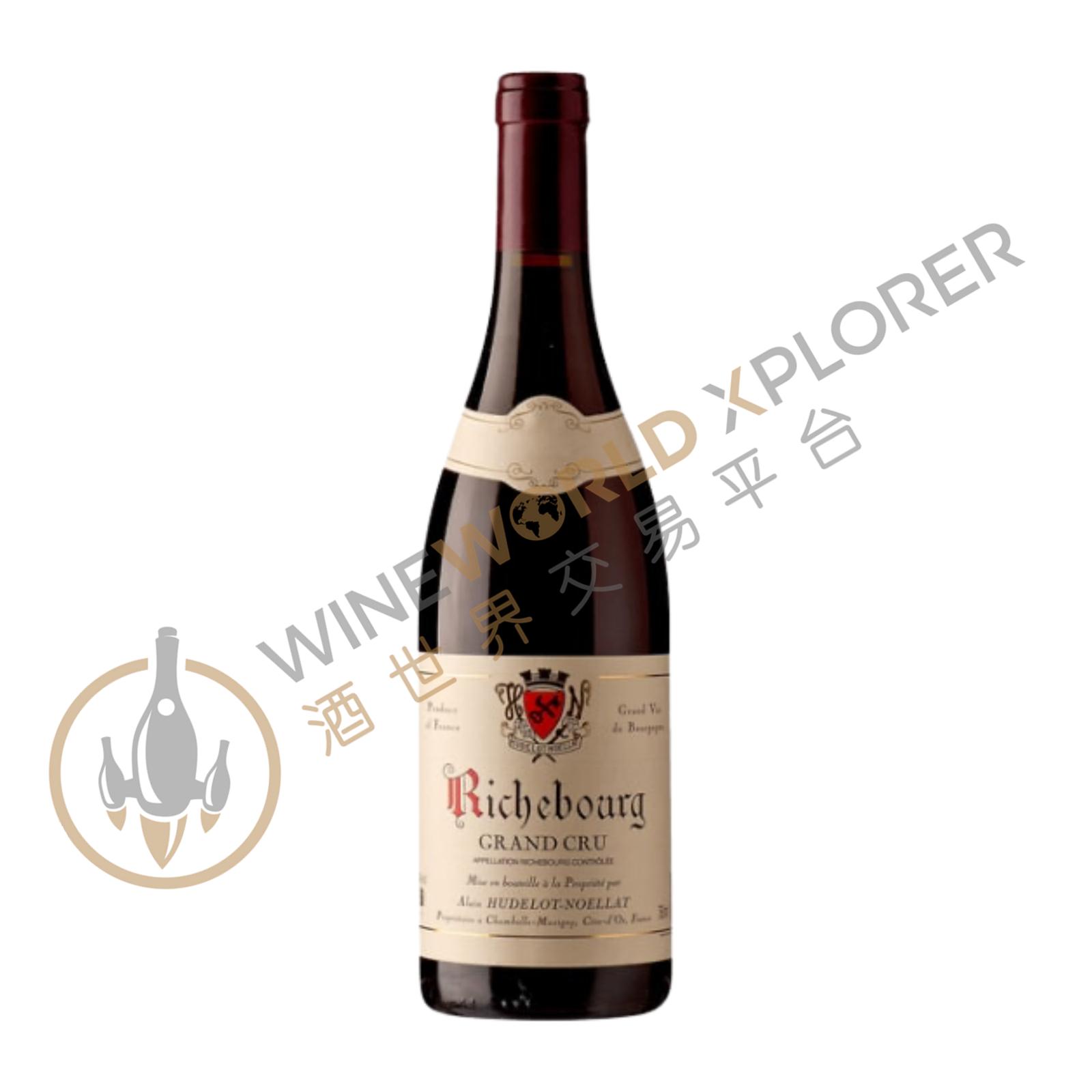
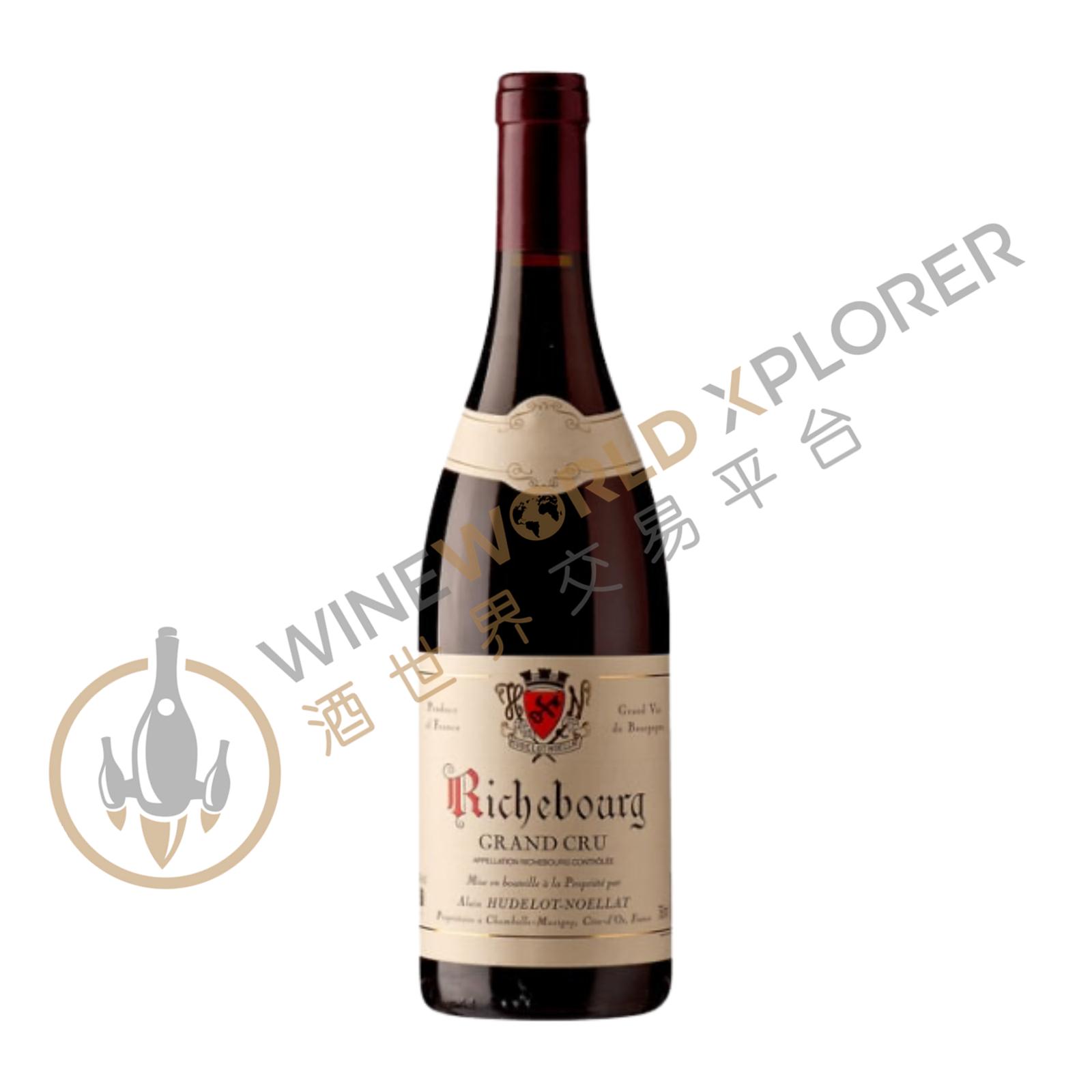
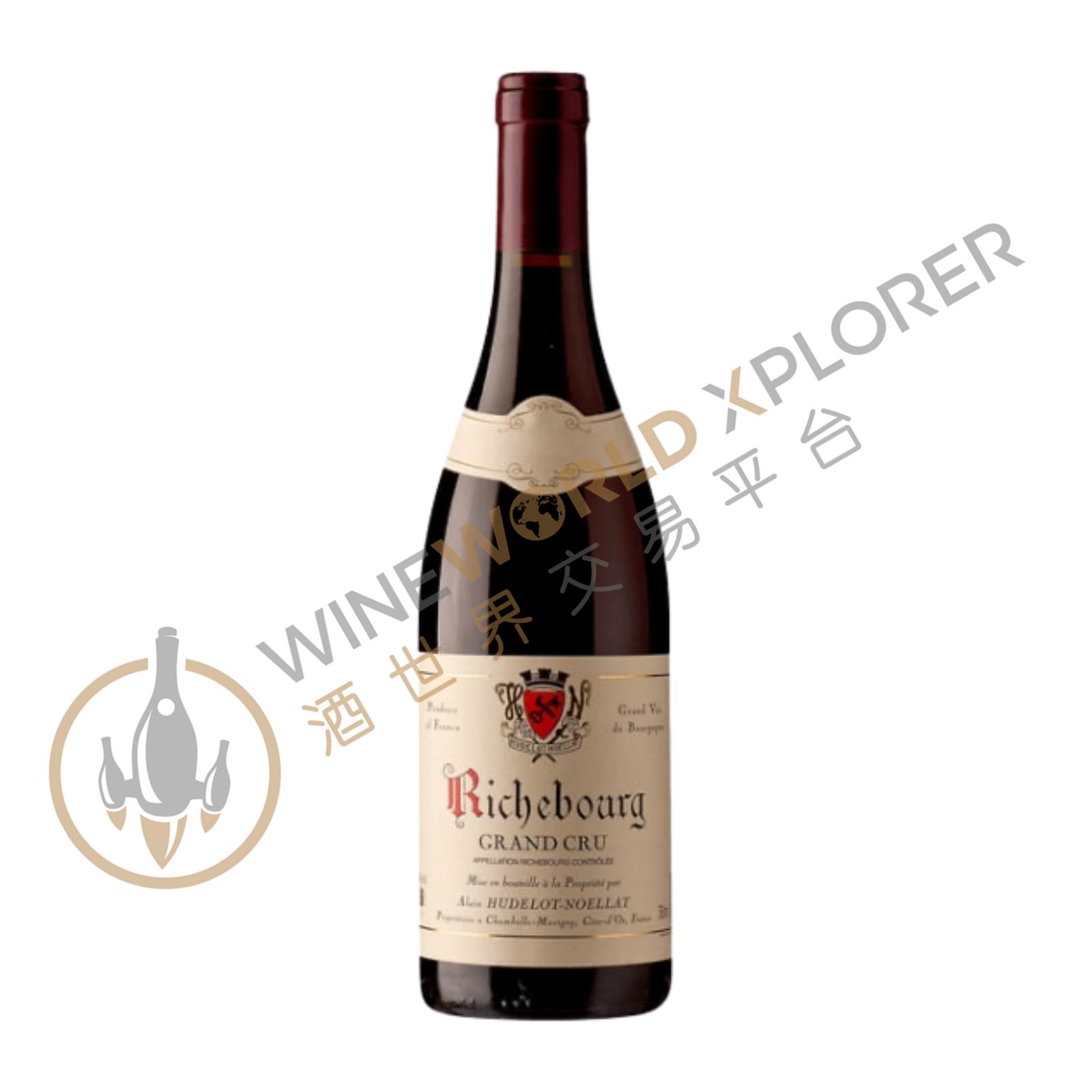
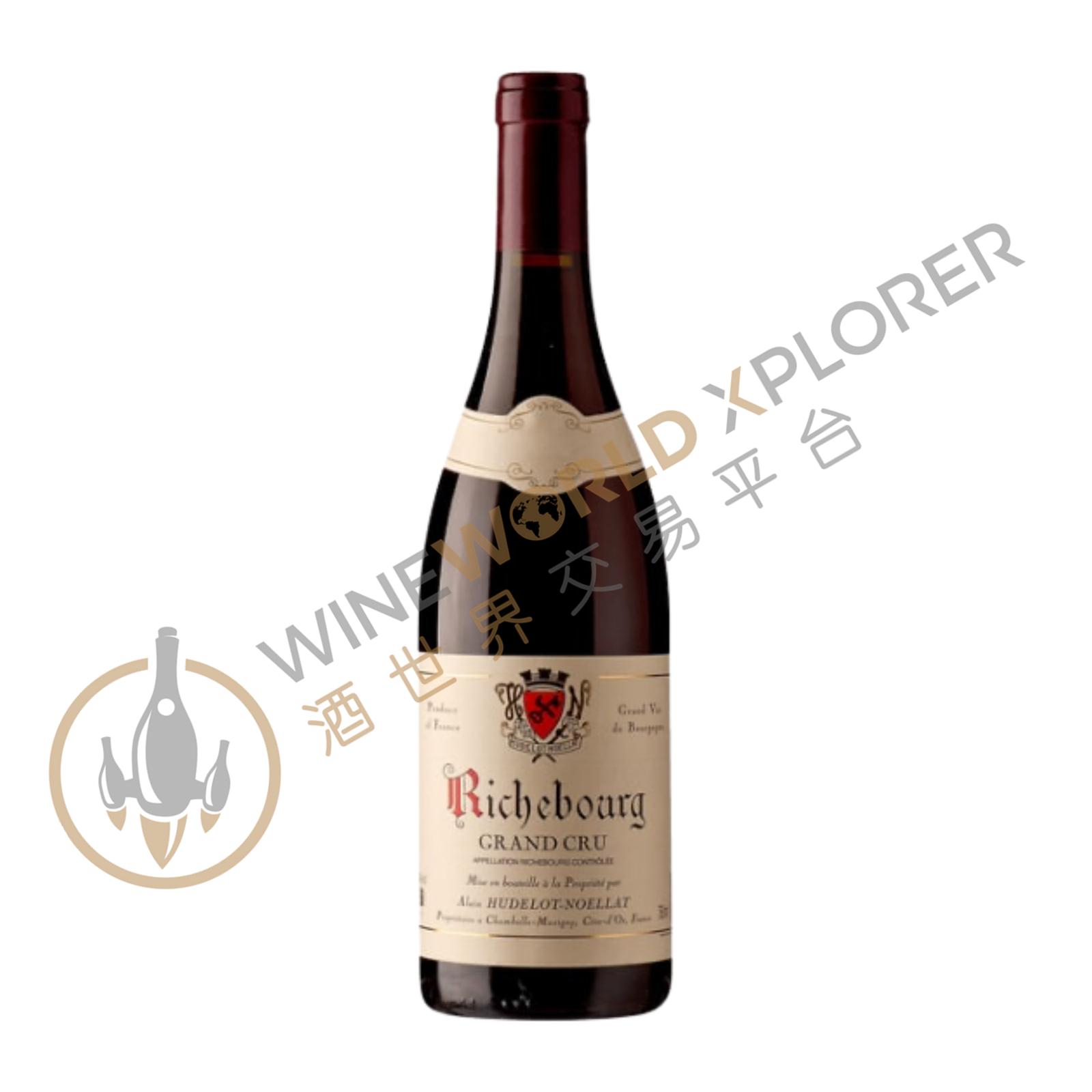
Alain Hudelot Noellat, Richebourg Grand Cru 2012
 View analysis


Description
Tasting notes

Reviewed by: Antonio Galloni
Iron, smoke, black cherries, menthol and dark fruit are some of the many notes that take shape as the 2012 Richebourg opens up. Dark and brooding to the core, the 2012 is built on a serious core of structure, with more than enough intensity in its fruit to fill out its broad shoulders quite nicely. There is little question the 2012 is going to need time to come together, but it is striking today all the same. This is one of the most polished and elegant wines I have ever tasted from Hudelot Noellat.
Reviewed by: Stephen Tanzer
Bright medium red. Darker and more primary on the nose than the RSV, showing lovely lift to the aromas of dark berries, violet and minerals. Quite tight and high-pitched in the mouth, with strong, ripe acidity accentuating the impression of density. The crop level here was a bit higher than that of the RSV, at 30 hectoliters per hectare, but the wine is still wonderfully sappy, taut and concentrated, not to mention beautifully balanced. Lovely lurking saline minerality here. Lay this one down for a decade.
Reviewed by: Stephen Tanzer
(this finished its malolactic fermentation last, as the barrels are in the coldest spot in the cellar, directly beneath a draft from the ground floor, which remained cold in 2013 due to the chilly, rainy spring): Bright medium red. Musky black fruits, game, violet and smoky minerality on the profound nose and palate. Creamy-sweet and uncommonly deep, combining great density and snap. The intense, superconcentrated fruit flavors completely cover the wine's suave tannins today. This saturates every square millimeter of the palate and leaves the mouth glistening on the extremely long, rising finish. I'd give this beauty at least eight to ten years in the cellar. Two thousand twelve is the first vintage I've made where I'm content, said van Canneyt after we sampled this wine. (He has vinified on his own since 2008.) When I happened to mention to him how much I enjoyed the 1988 Romanee-Saint-Vivant, he told me he was born that year! Never mind.
Reviewed by: Neal Martin
The 2012 Richebourg Grand Cru, which comes from a 0.28-hectare parcel planted in 1950, this year contains 20% whole bunches and the domaine were graced with five barrels. It has a very refined and distinctly aristocratic bouquet adorned with beautifully defined black and red fruits, perhaps leaning towards the former with aeration. Touches of seaweed and tilled earth emerge with time. The palate is medium-bodied with very fine tannins. It does not have the charm of the RSV at the moment, but there is beguiling structure and symmetry with a long mineral laden finish. Superb. Dusk was falling as I pulled up outside Domaine Alain Hudelot-Noellat in Vougeot. It is always good to finish the day with a producer whose wines you admire and this was a fitting denouement to a long day in various cellars. I met Alain’s grandson, 25-year old Charles von Canneyt. After working in New Zealand, hence has superb English, his first vintage at the domaine was in 2008. He comes across as a relaxed, self-effacing winemaker at ease with the enviable cache of holdings, not predisposed to long orations about each wine, but willing to furnish you with everything you need to know. In a short space of time he has endured/experienced the whole gamut of vintages variations. “After 2012, I thought at least I had experienced the most difficult growing season,” he told me. “That was before 2013.” I replied that it was all part of a learning curve. It is just such seasons where you really hone your craft, and it stands you in a good stead for the future. He told me that after successful experimentations with whole cluster fermentation in 2011, he expanded this practice so that all the 2012s were vinified with 20% stem addition. The one anomaly is the Romanee-Saint-Vivant. Charles decided to literally “chuck in” a crate of stems, a little “seasoning” into the vat and he intends to continue the practice henceforth, perhaps in a more premeditated manner and subject to vintage variation. Importer: Atherton Imports, Menlo Park, CA; tel. (650) 328-6639
About the Producer
In 1962, Alain inherited two small parcels of his father's Chambolle-Musigny Grand Cru Les Chames, plus several vineyards from his marriage to the great-granddaughter of Charles Noellat, a Vosne-Romanee winery family, and he established Domaine Alain Hudelot Noellat. The winery is now about 10 hectares (24 hectares) in size. The estate now has about 10 hectares (24 acres) of vineyards with an average age of over 50 years, including several dating back to 1920, including the vineyard at Romanée-Saint-Vivant. The winery is known for its lighter wines with nuanced and natural flavors. Now managed by third-generation grandson Charles van Canneyts, Hudelot-Nollat is not so different from its grandfather's time, when it was less visible in the thicker wines, but now it has the advantage of refinement, often with fresh, bright fruit, balanced acidity and silky tannins. The vinification is entirely de-stemmed, using local yeasts that are not comparable to artificial yeasts, with a relatively long pre-fermentation cold soak, mainly with trampled skins, and 18 months in new barrels at 20-60%. In 2012, Charles also started to buy grapes from other winegrowers under his own name to make his wine. Vosne-Romanee is a blend of three first growths, Suchots, Beaumonts and Malconsorts, and as young as it is, the Hudelot-Noellat family owns three first growths that are over 100 years old, so this VR is ostensibly a village wine, but with a first growth heritage. Jasper Morris MW has high praise for Domaine Hudelot-Noëllat. He believes that while Alain Hudelot's management has produced fine style reds, Charles van Canneyt has taken over and given the wines more concentration and backbone, retaining their elegance, but with more ageing potential and balance.