Wine Advisor



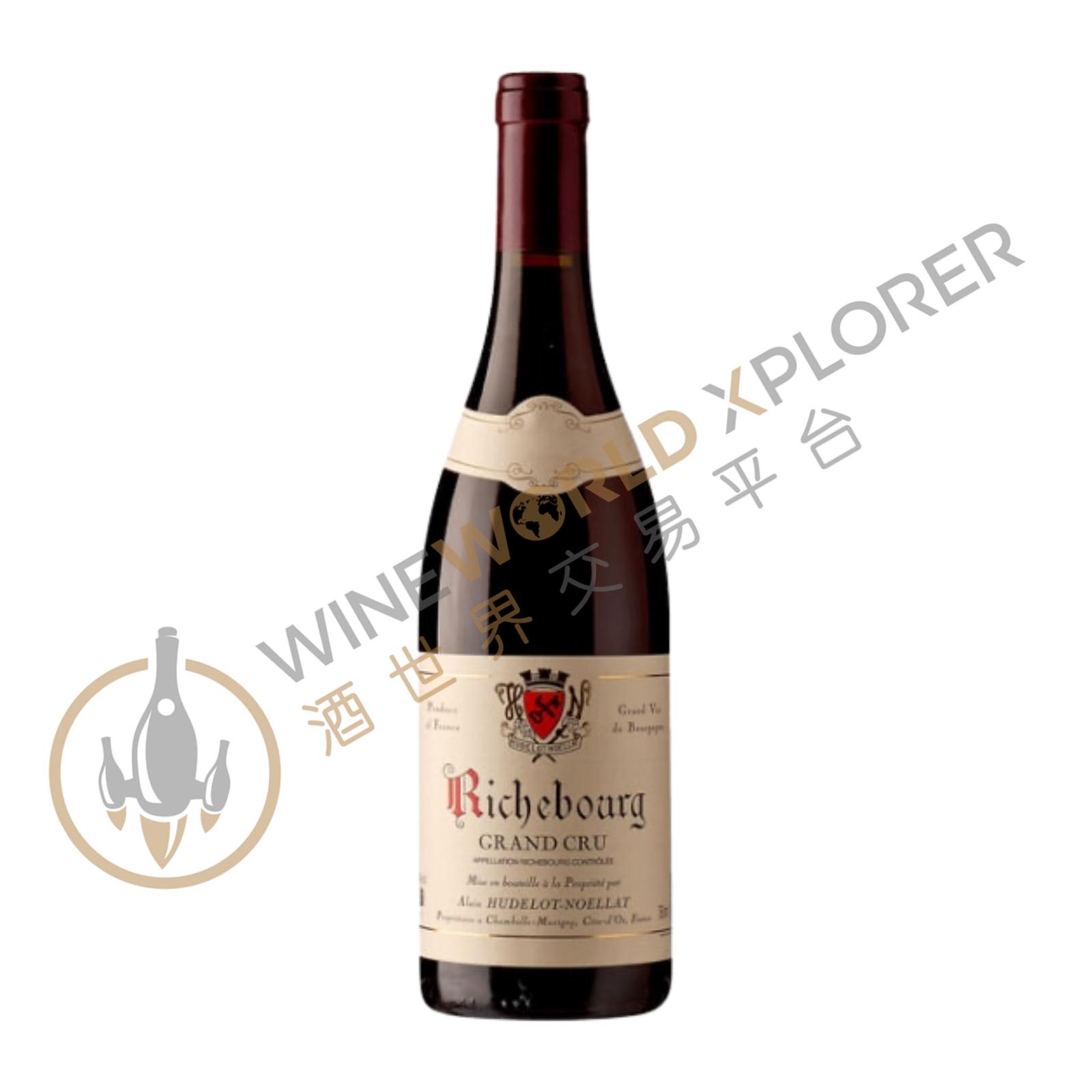
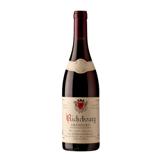
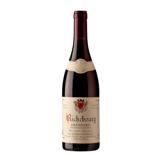
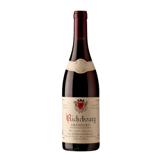
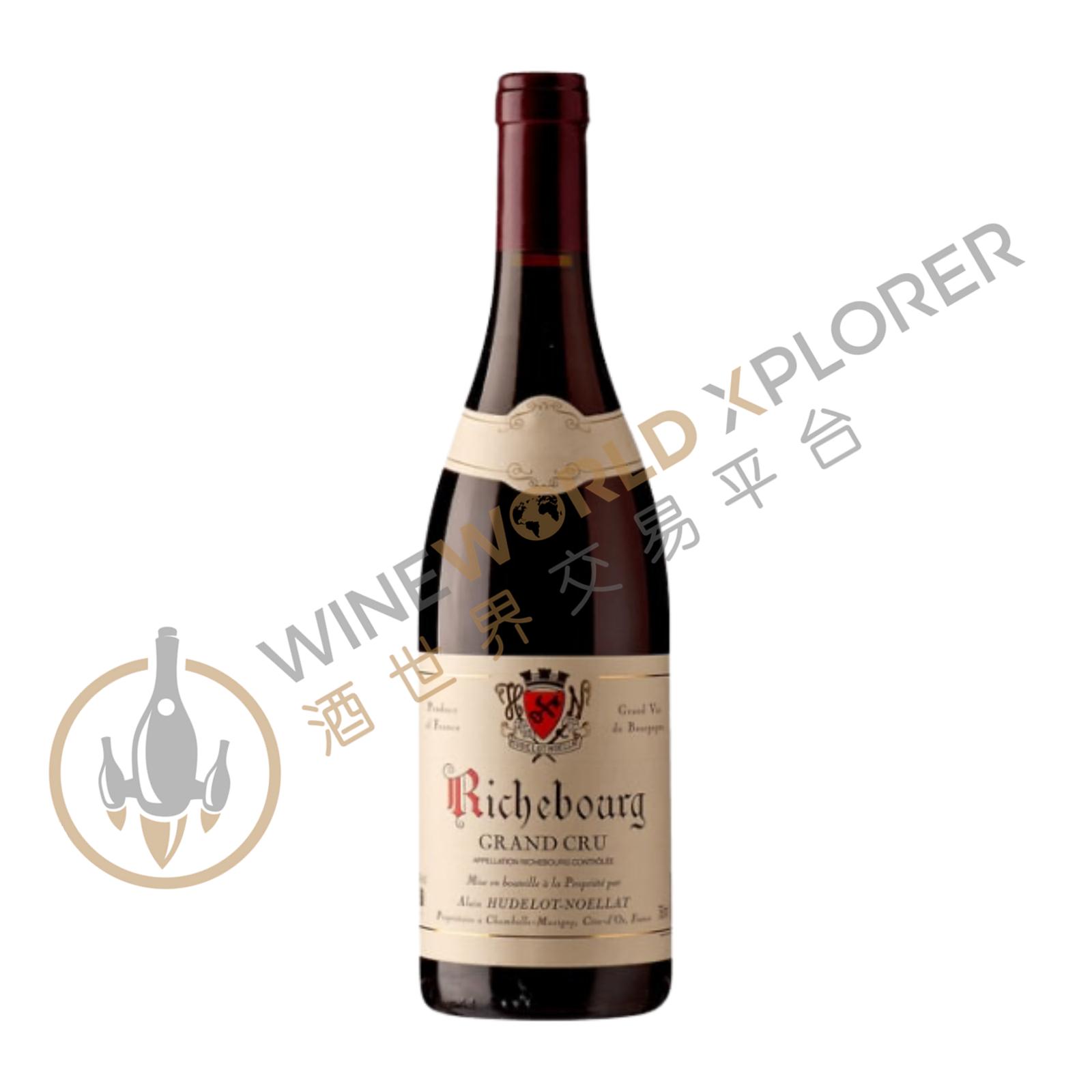
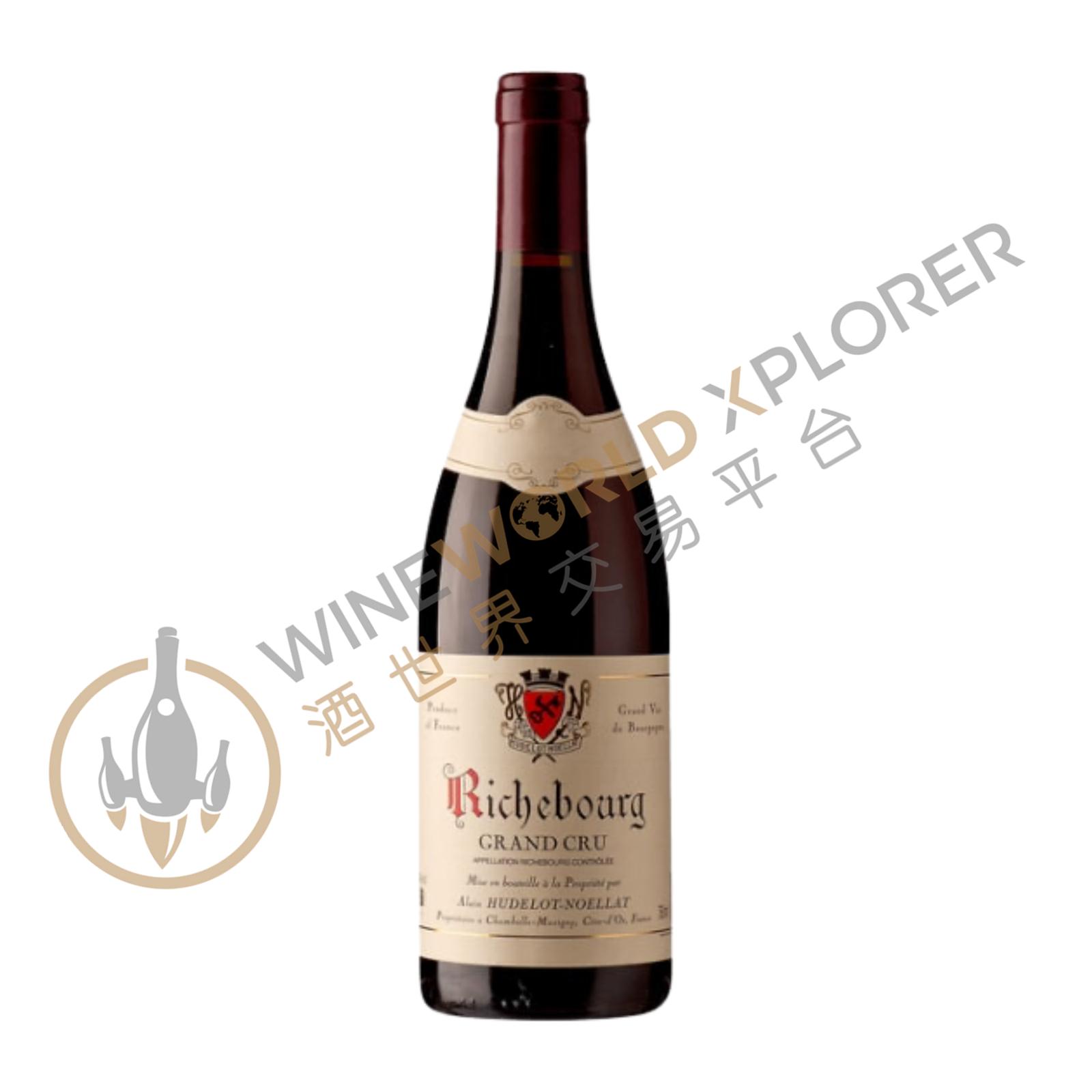
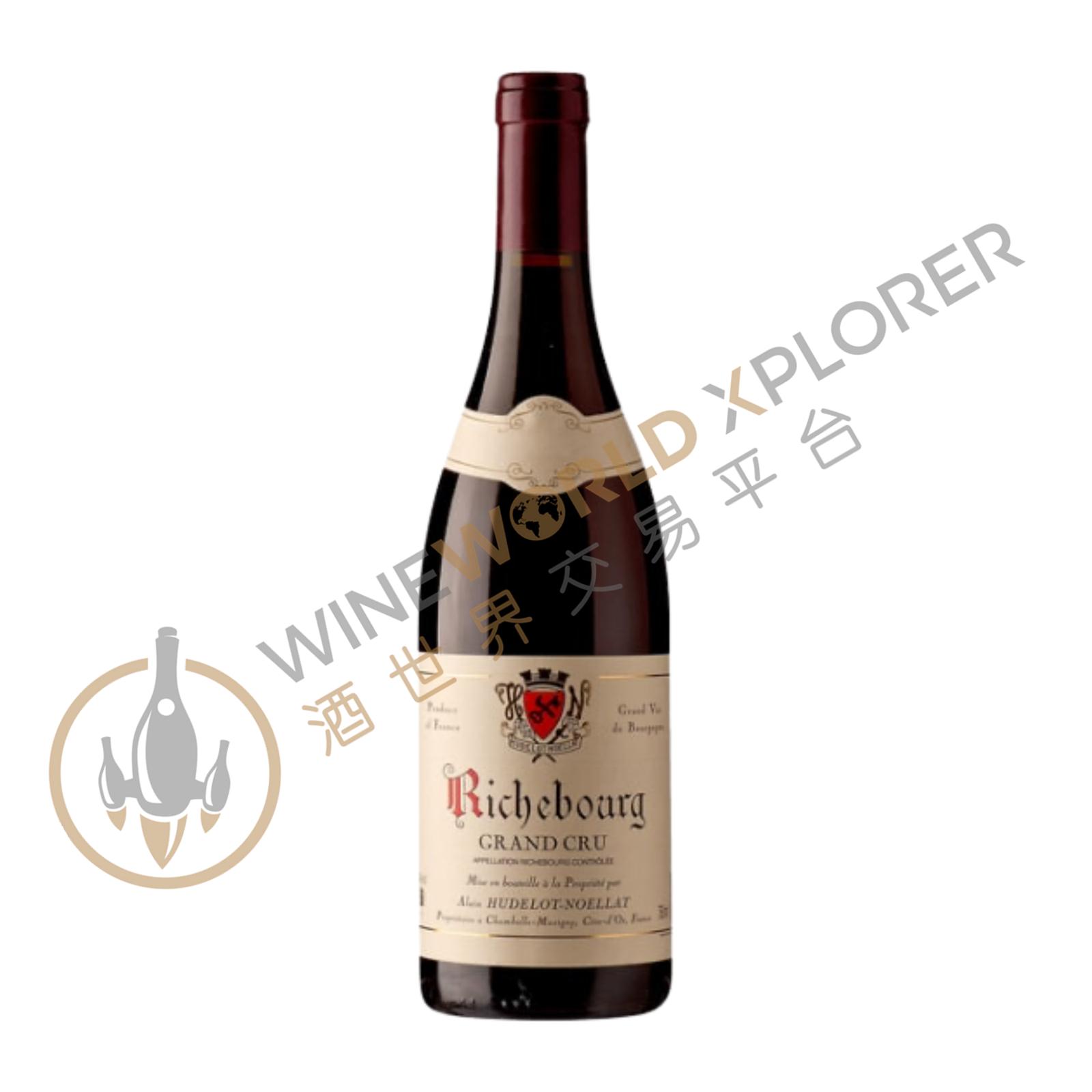
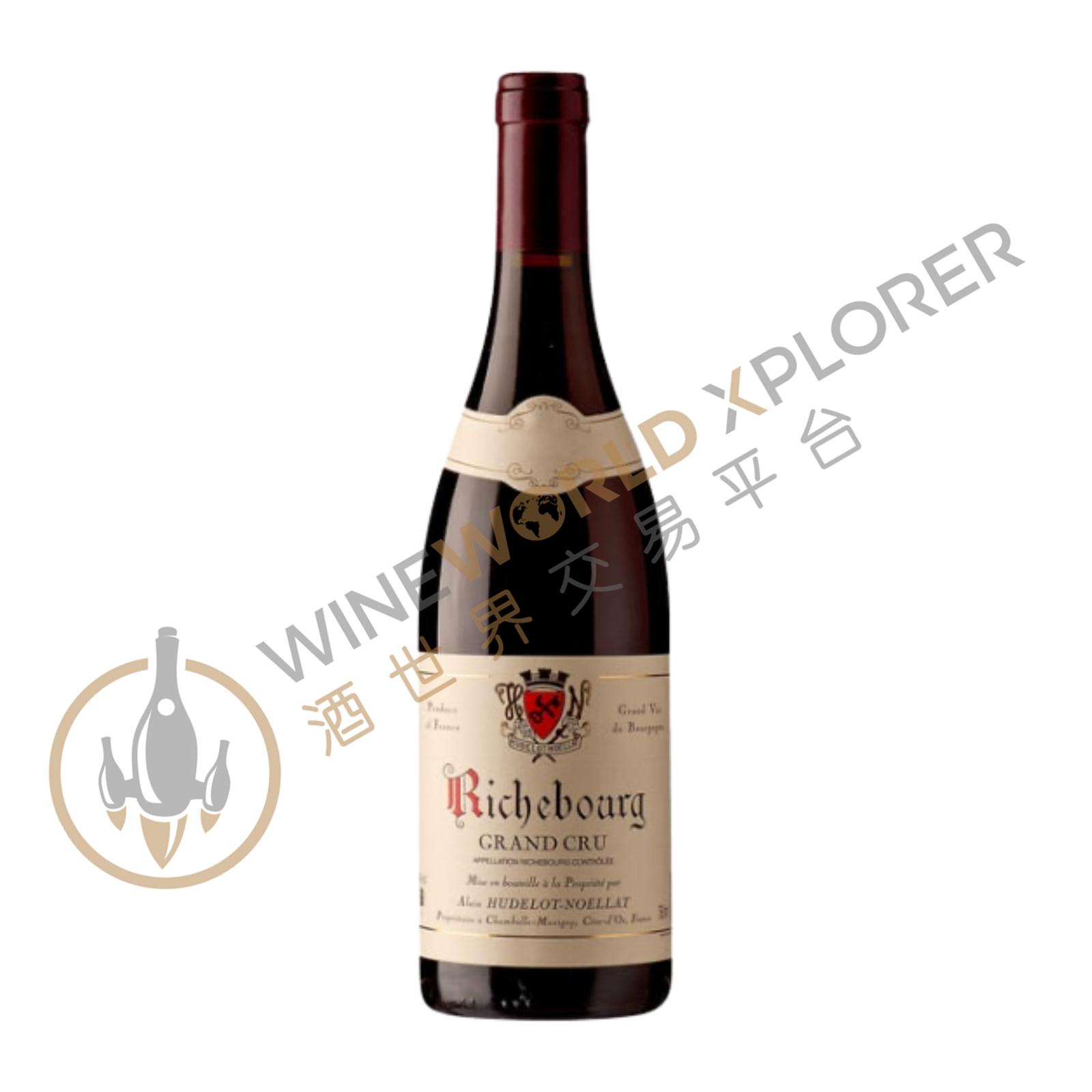
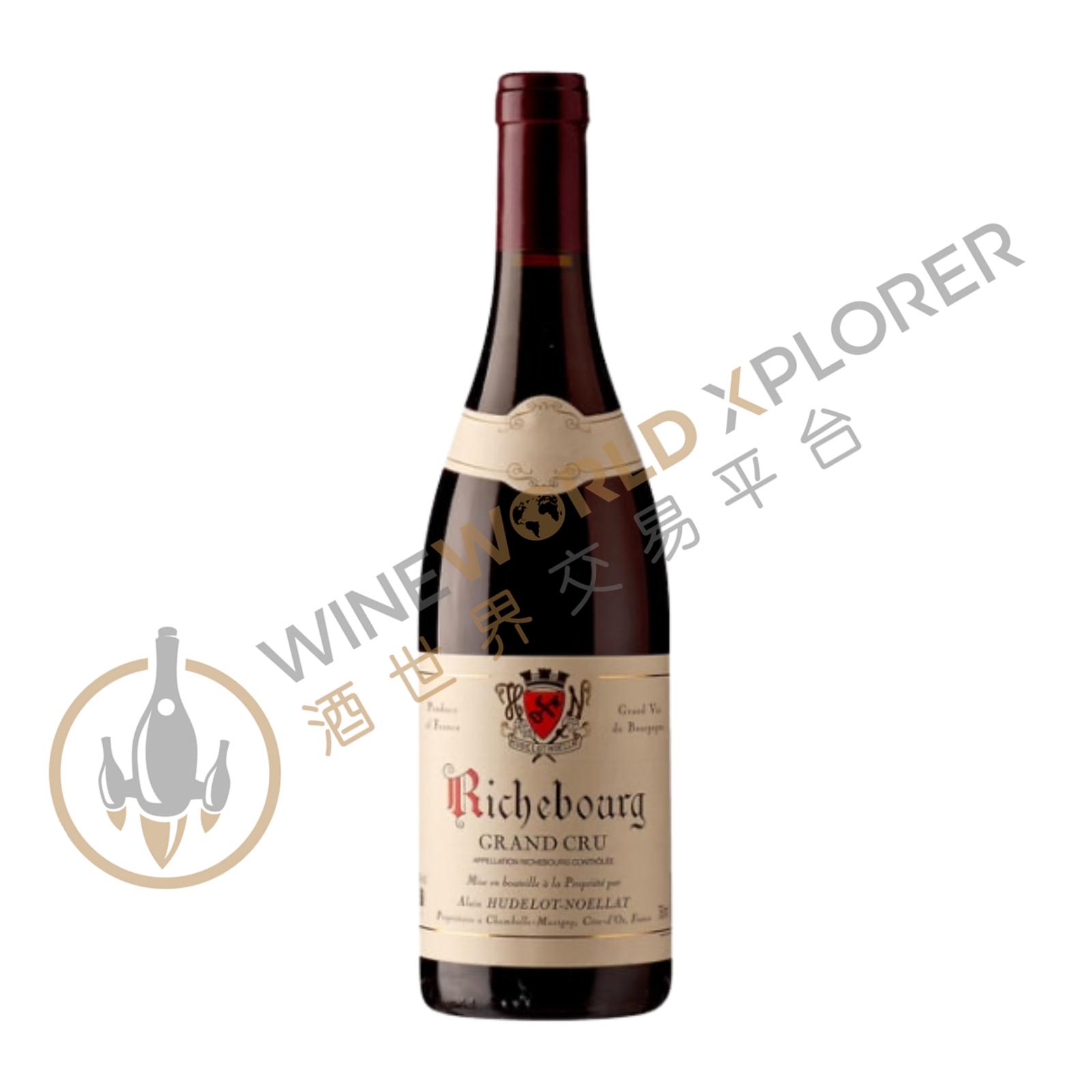
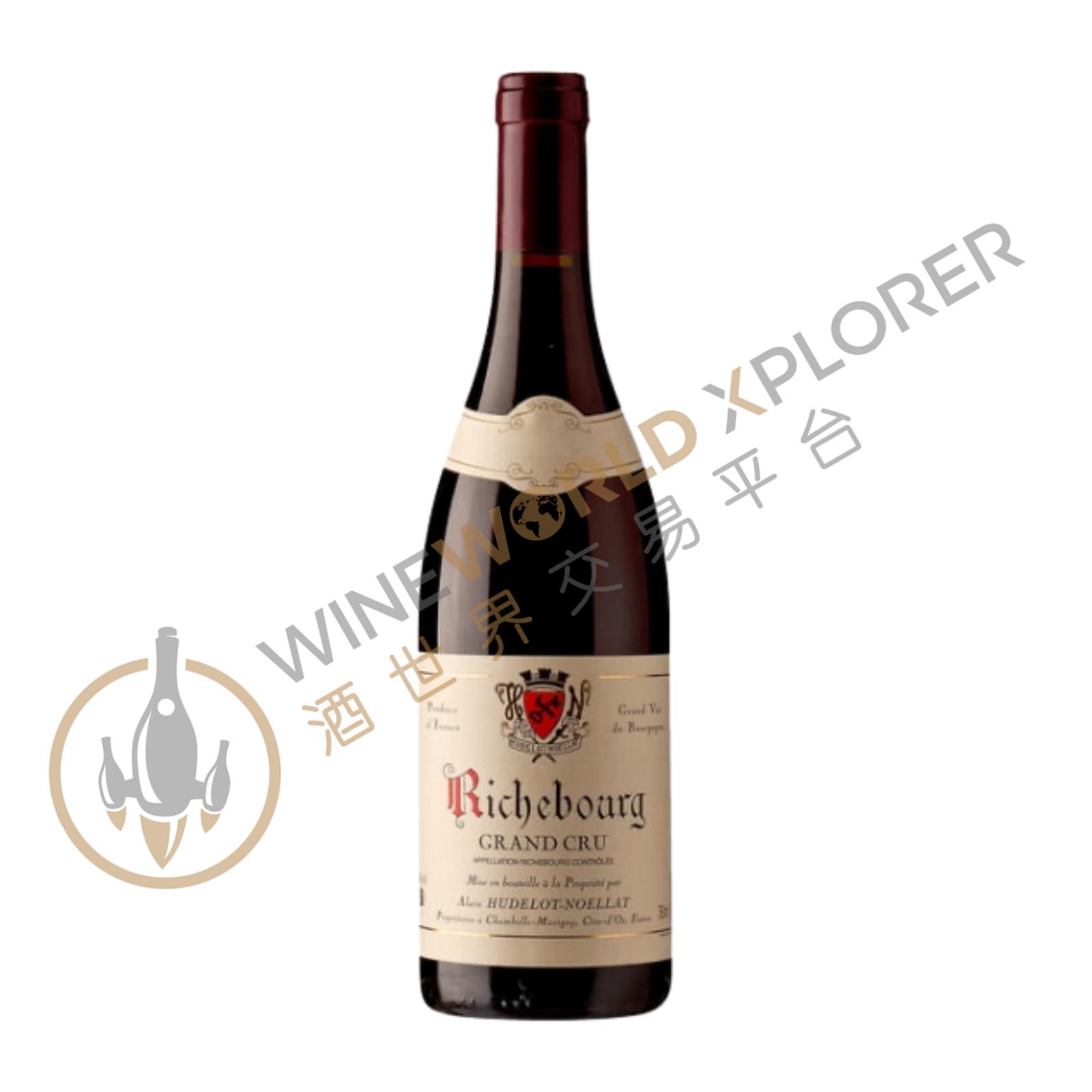
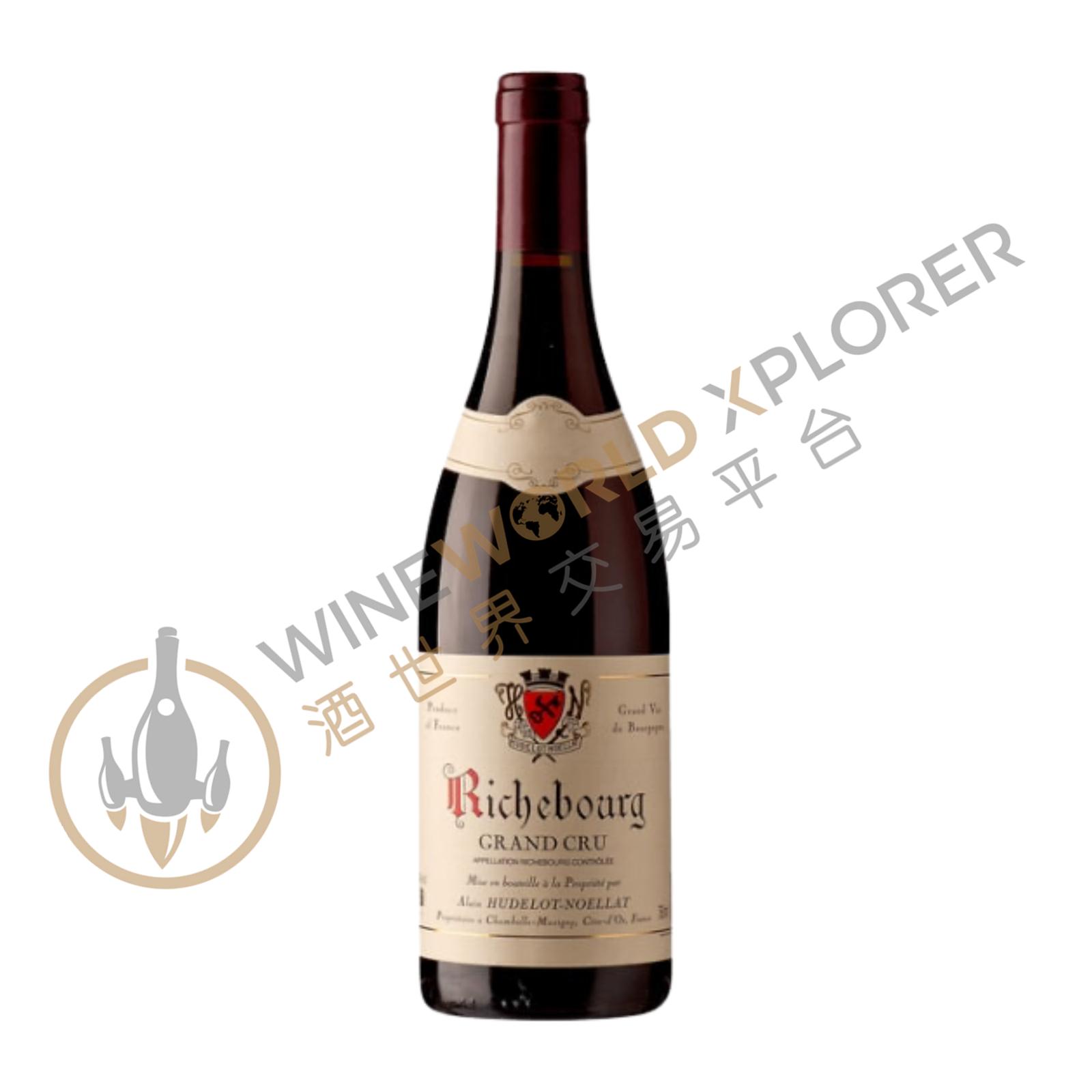
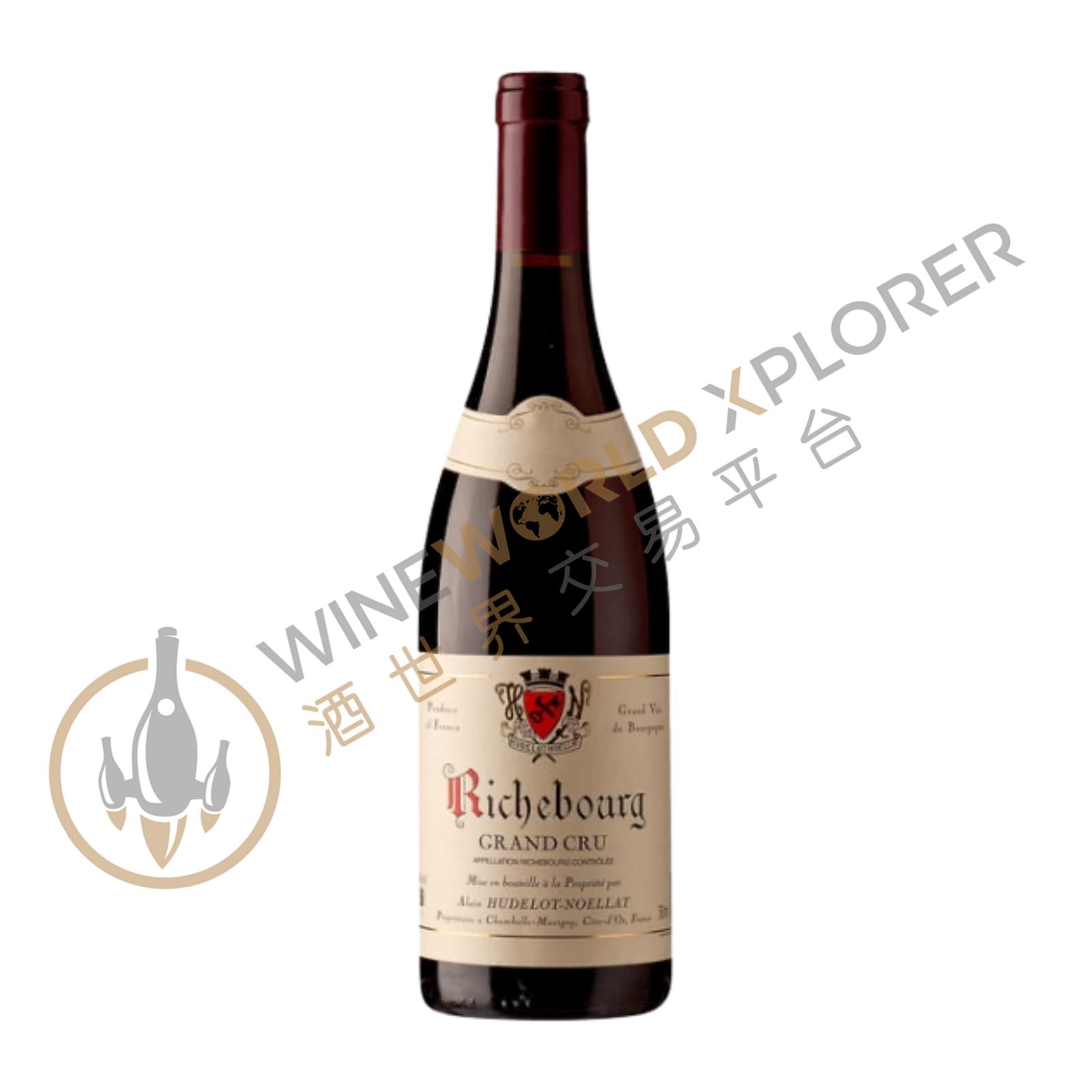
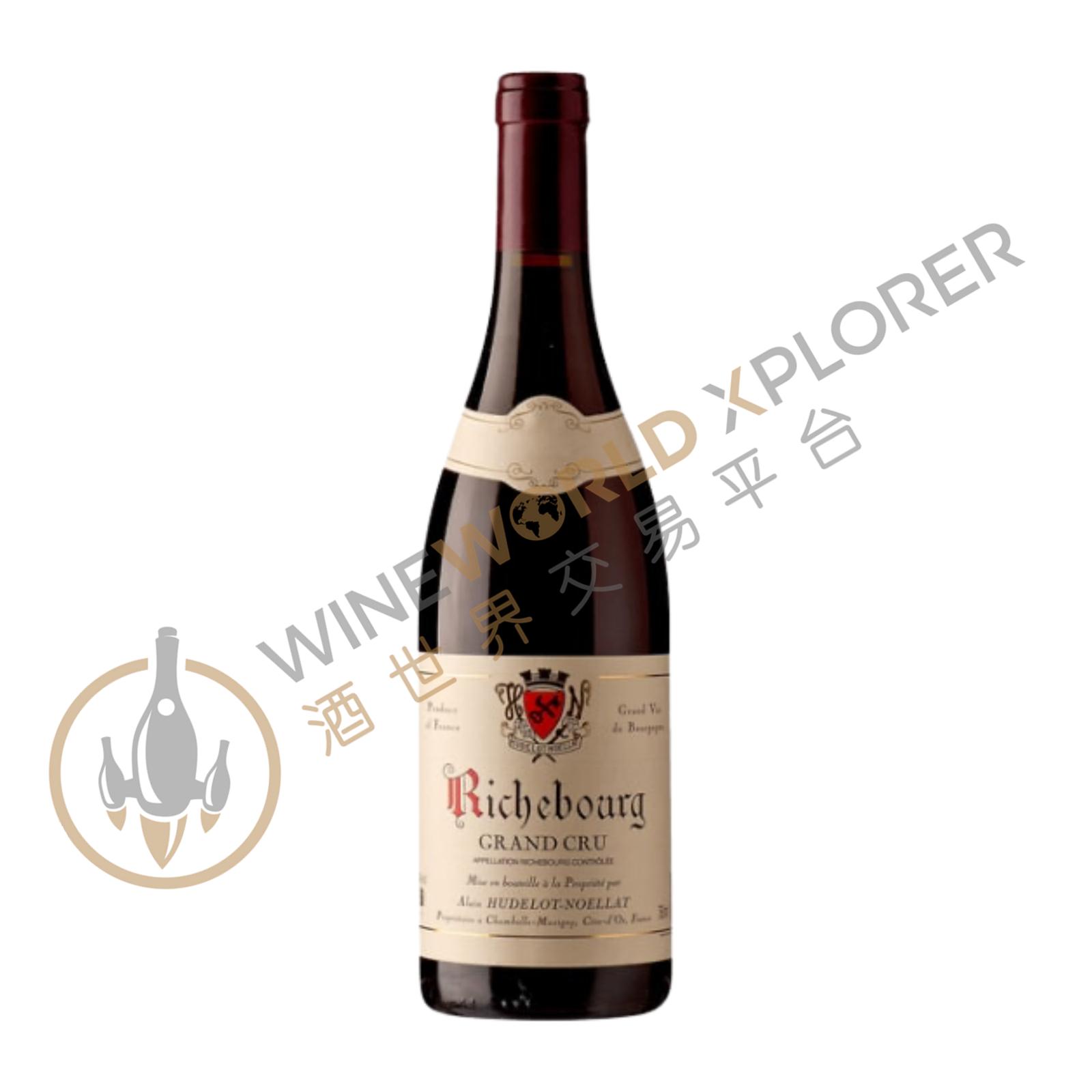
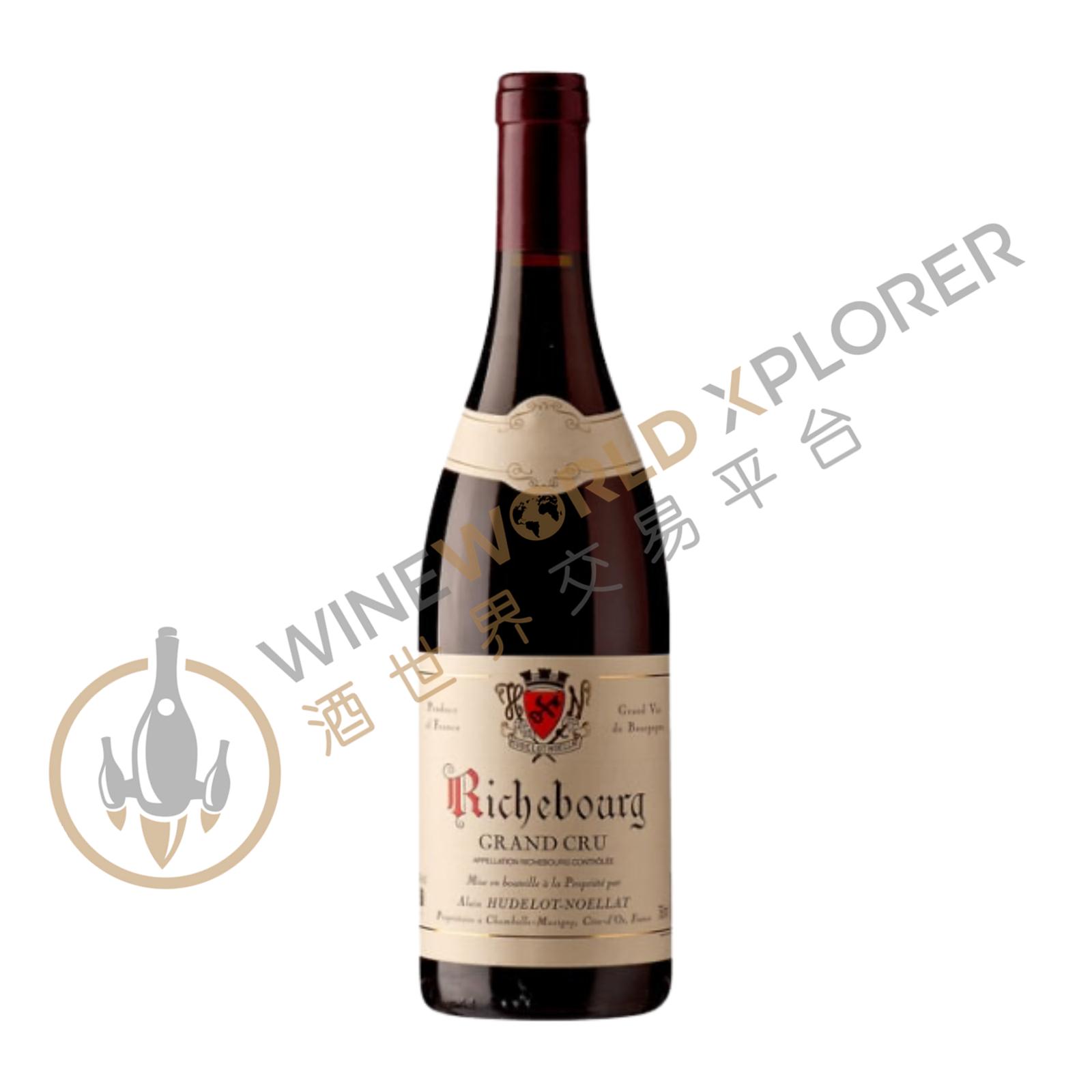
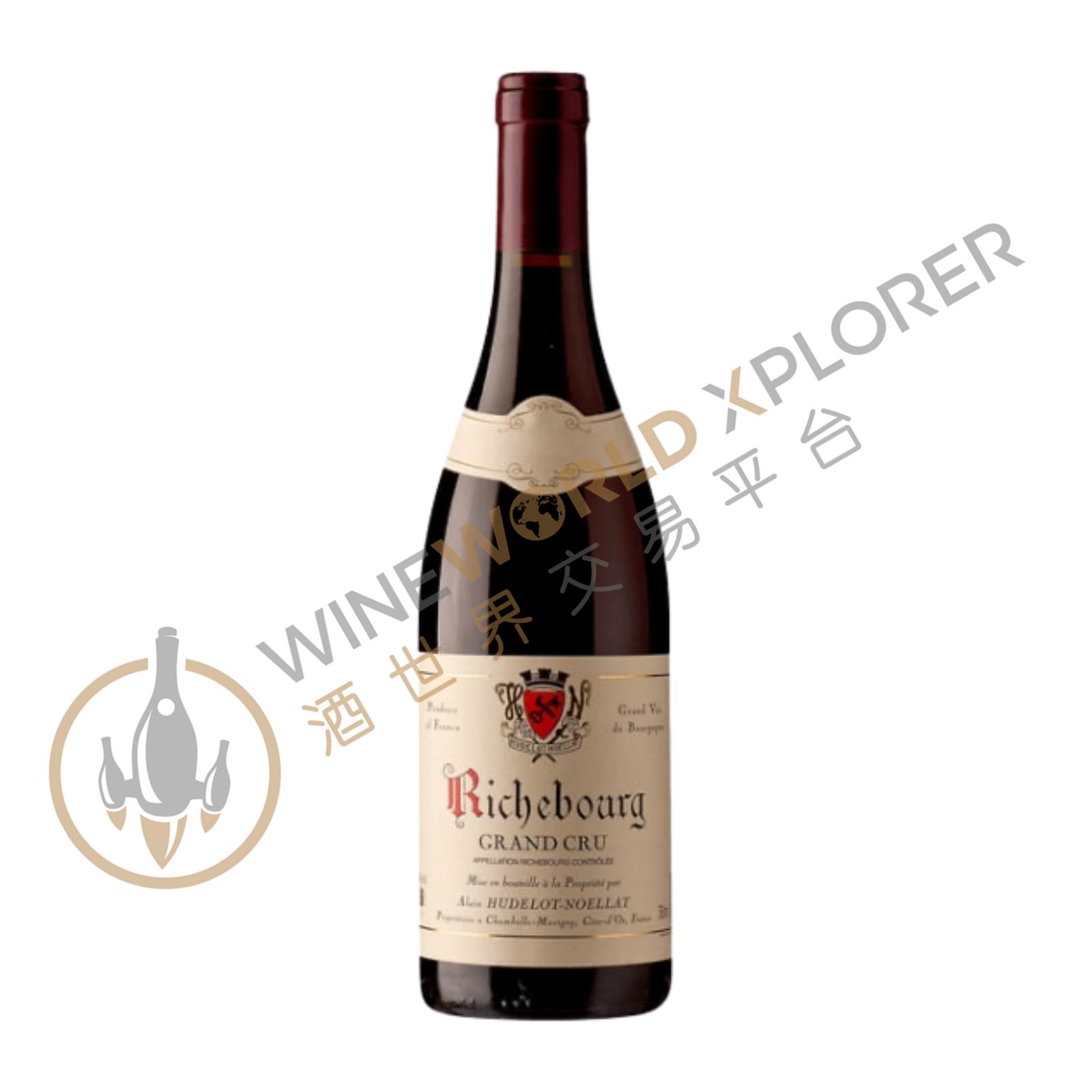
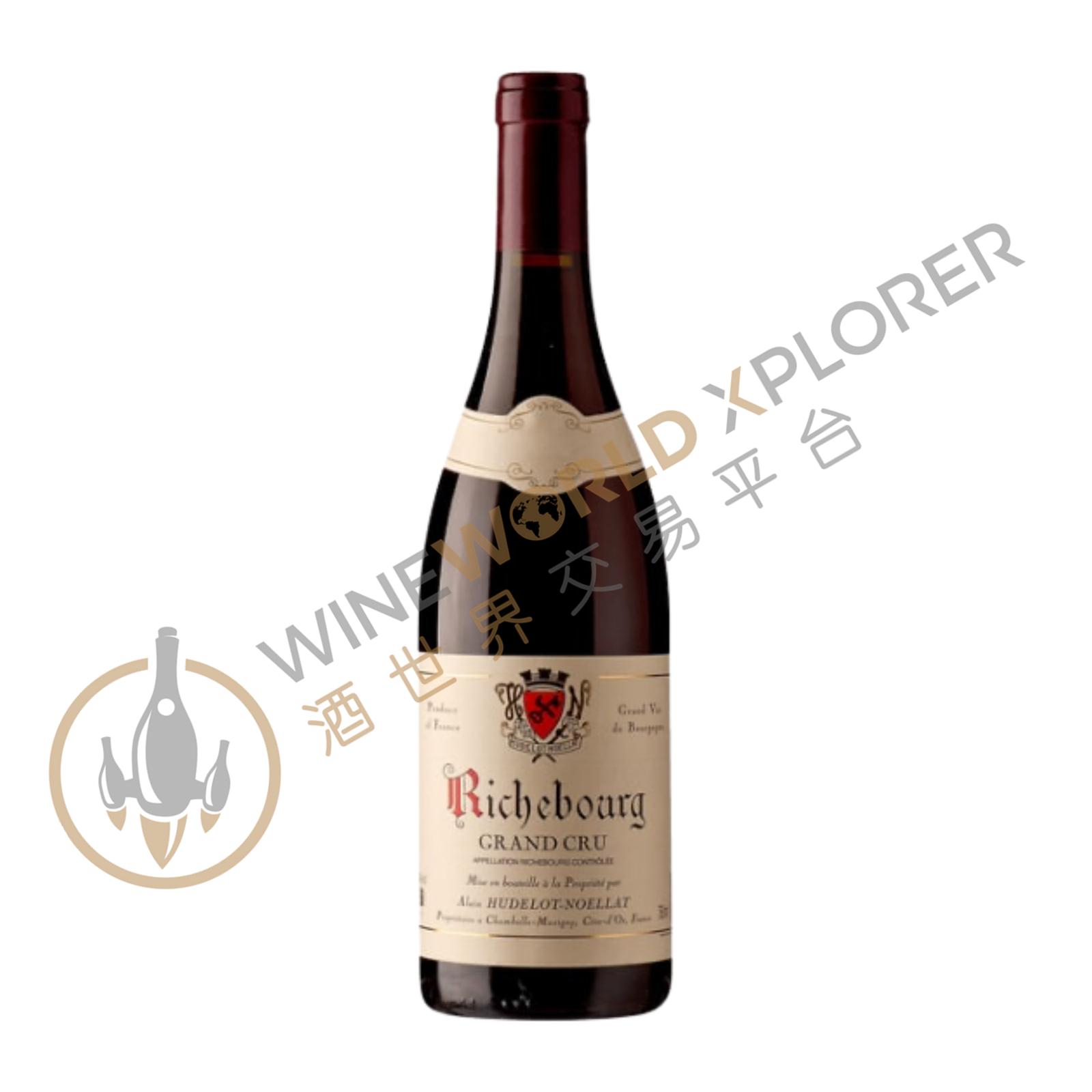
Alain Hudelot Noellat, Richebourg Grand Cru 2011
 View analysis


Description
Tasting notes

Reviewed by: Stephen Tanzer
(totally destemmed): Bright medium red. Pure but subdued aromas of strawberry and crushed stone lifted by an exotic floral note; like a number of these 2011s, this shows some very ripe notes. Sappy, dense and saline, showing surprising energy for its level of ripeness. Finishes very long, with noble tannins and more spine than the RSV. Charles van Canneyt, who prefers the estate's 2012s to the 2011s, noted that he has been changing his style by vinifying with a portion of whole clusters, which he thinks contributes more life and verve. He started doing some vendange entier in 2011 but moved more seriously in that direction in 2012.
Reviewed by: Stephen Tanzer
(vinified with some whole clusters, but a lower percentage than was used to make the RSV and Clos Vougeot): Medium red, a bit less saturated than the RSV. Reticent but rather wild aromas of red berries, smoky underbrush and caraway seed. Sweet and smooth in the mouth; larger than the RSV but less demonstrative and complex today in spite of possessing very good energy. Most impressive today on the rising, palate-staining finish, which features terrific grip and serious spine for two or three decades of aging. Fairly powerful for a wine from this producer, particularly given the essentially gentle style of the year.
About the Producer
In 1962, Alain inherited two small parcels of his father's Chambolle-Musigny Grand Cru Les Chames, plus several vineyards from his marriage to the great-granddaughter of Charles Noellat, a Vosne-Romanee winery family, and he established Domaine Alain Hudelot Noellat. The winery is now about 10 hectares (24 hectares) in size. The estate now has about 10 hectares (24 acres) of vineyards with an average age of over 50 years, including several dating back to 1920, including the vineyard at Romanée-Saint-Vivant. The winery is known for its lighter wines with nuanced and natural flavors. Now managed by third-generation grandson Charles van Canneyts, Hudelot-Nollat is not so different from its grandfather's time, when it was less visible in the thicker wines, but now it has the advantage of refinement, often with fresh, bright fruit, balanced acidity and silky tannins. The vinification is entirely de-stemmed, using local yeasts that are not comparable to artificial yeasts, with a relatively long pre-fermentation cold soak, mainly with trampled skins, and 18 months in new barrels at 20-60%. In 2012, Charles also started to buy grapes from other winegrowers under his own name to make his wine. Vosne-Romanee is a blend of three first growths, Suchots, Beaumonts and Malconsorts, and as young as it is, the Hudelot-Noellat family owns three first growths that are over 100 years old, so this VR is ostensibly a village wine, but with a first growth heritage. Jasper Morris MW has high praise for Domaine Hudelot-Noëllat. He believes that while Alain Hudelot's management has produced fine style reds, Charles van Canneyt has taken over and given the wines more concentration and backbone, retaining their elegance, but with more ageing potential and balance.