Wine Advisor



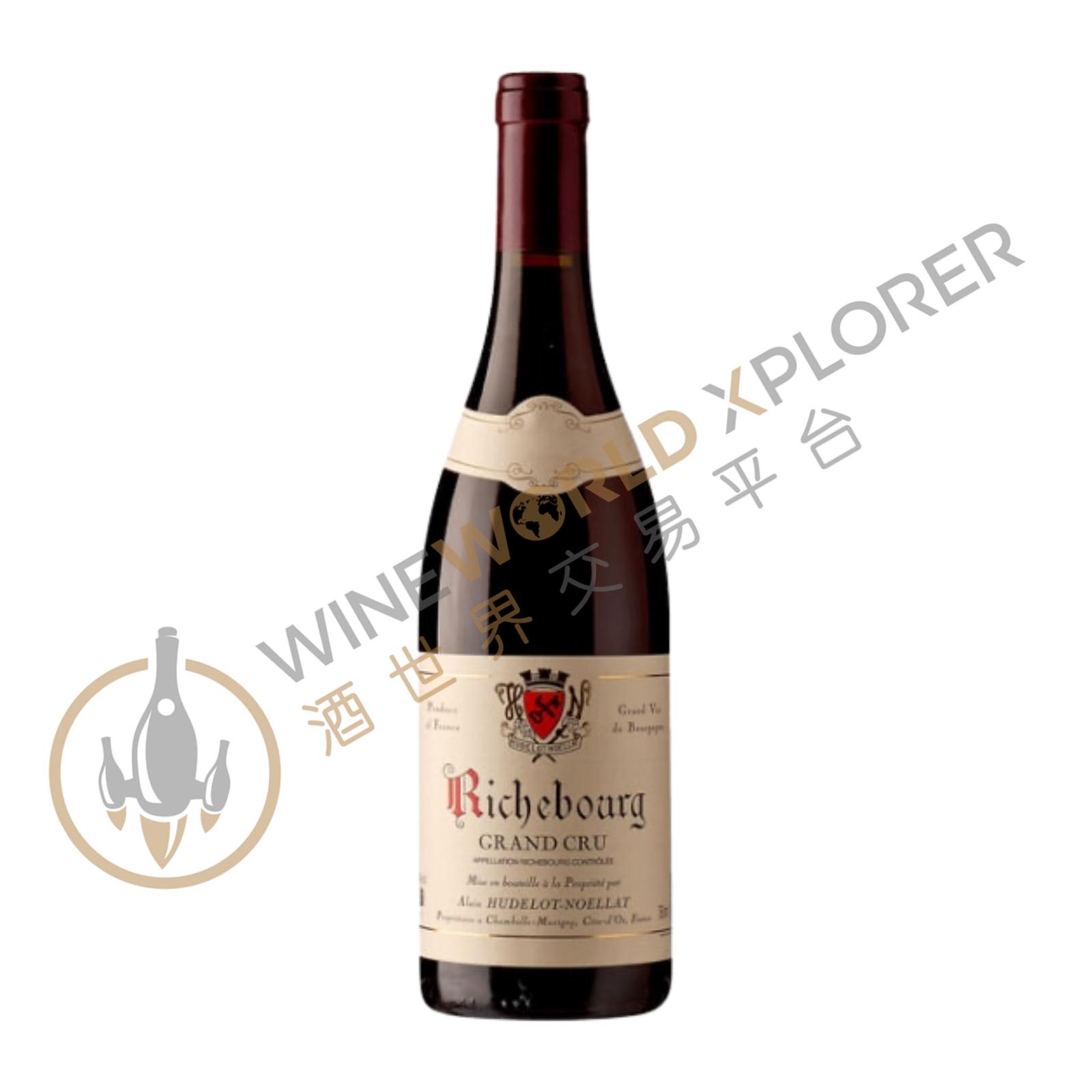
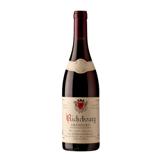
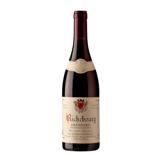
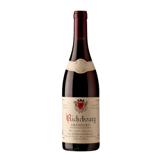
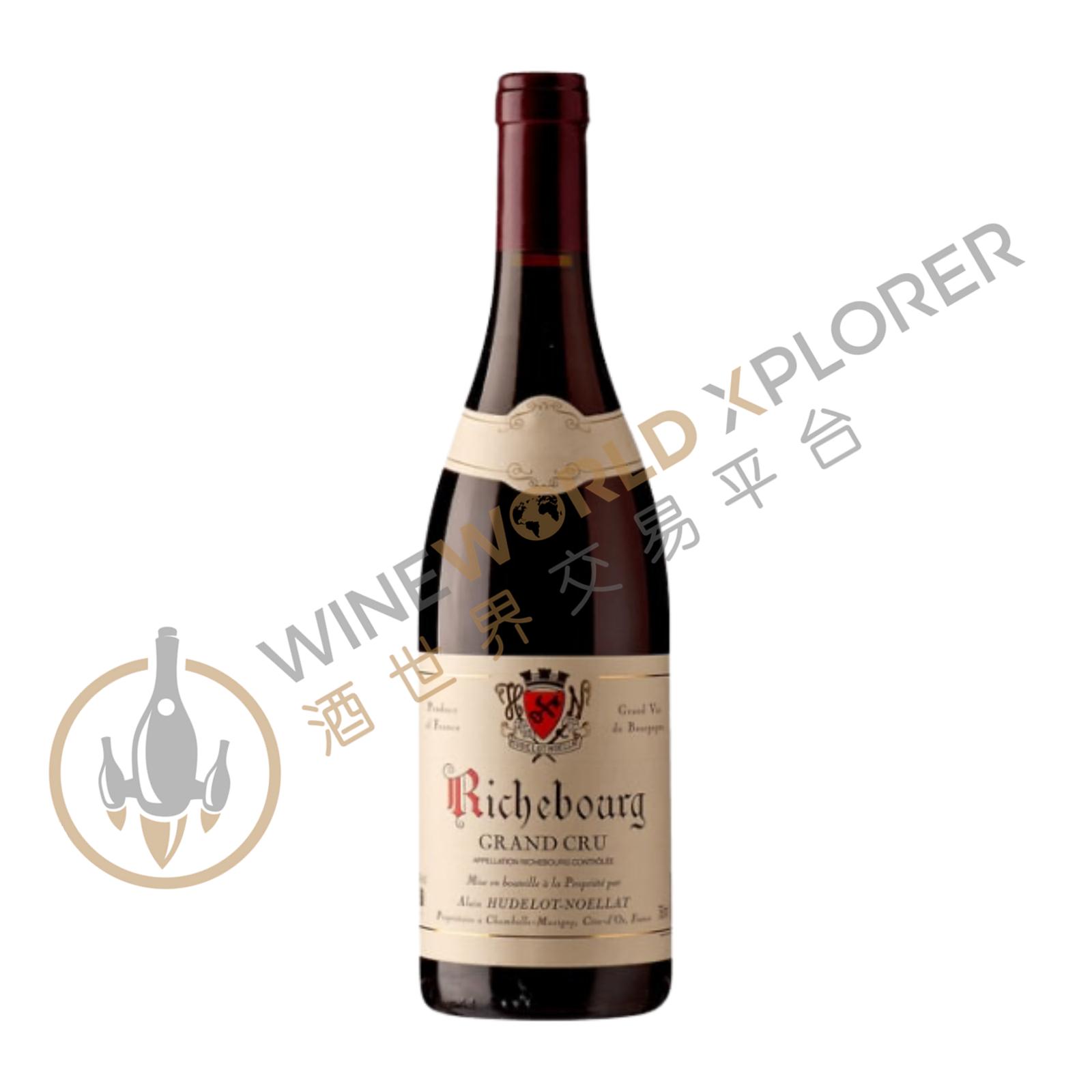
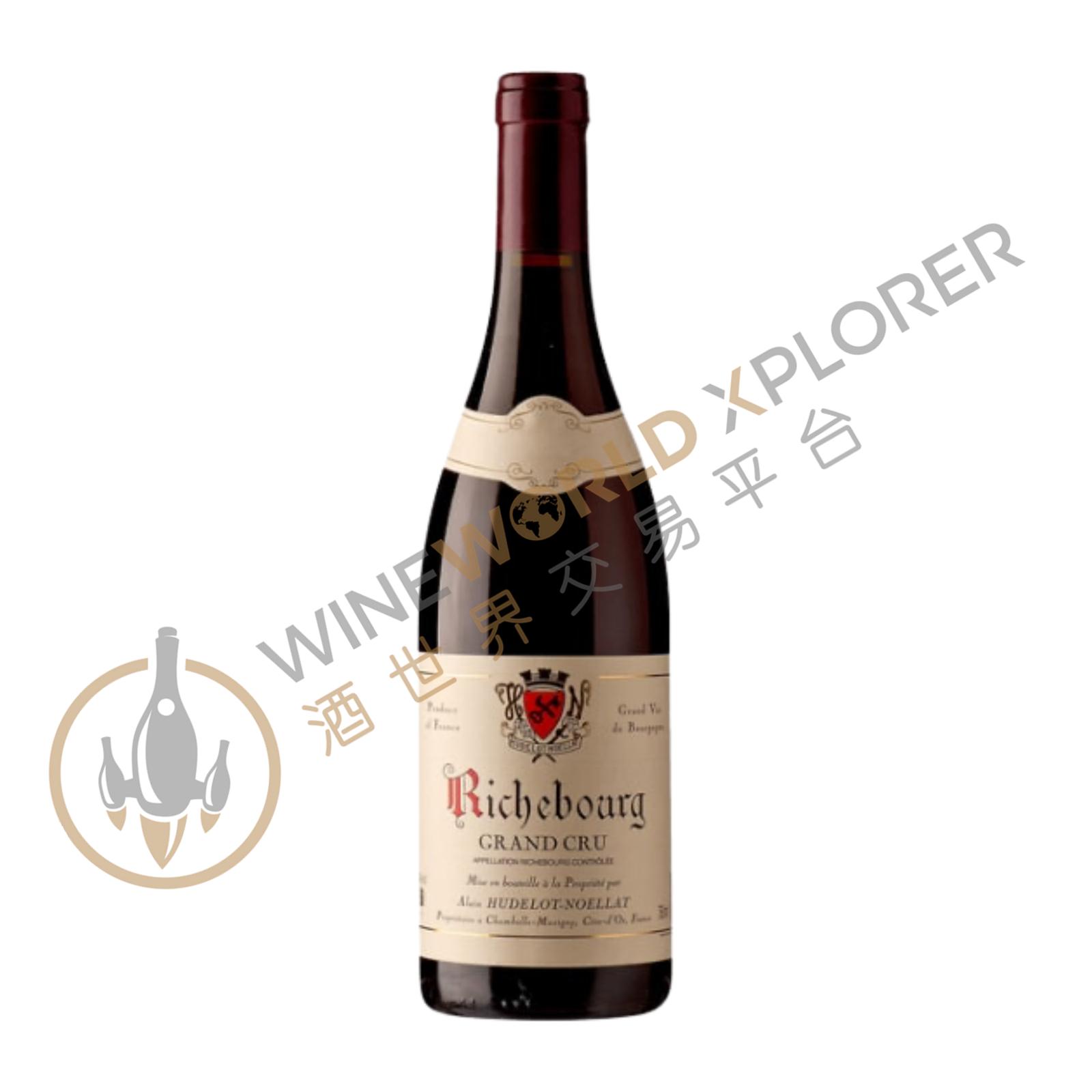
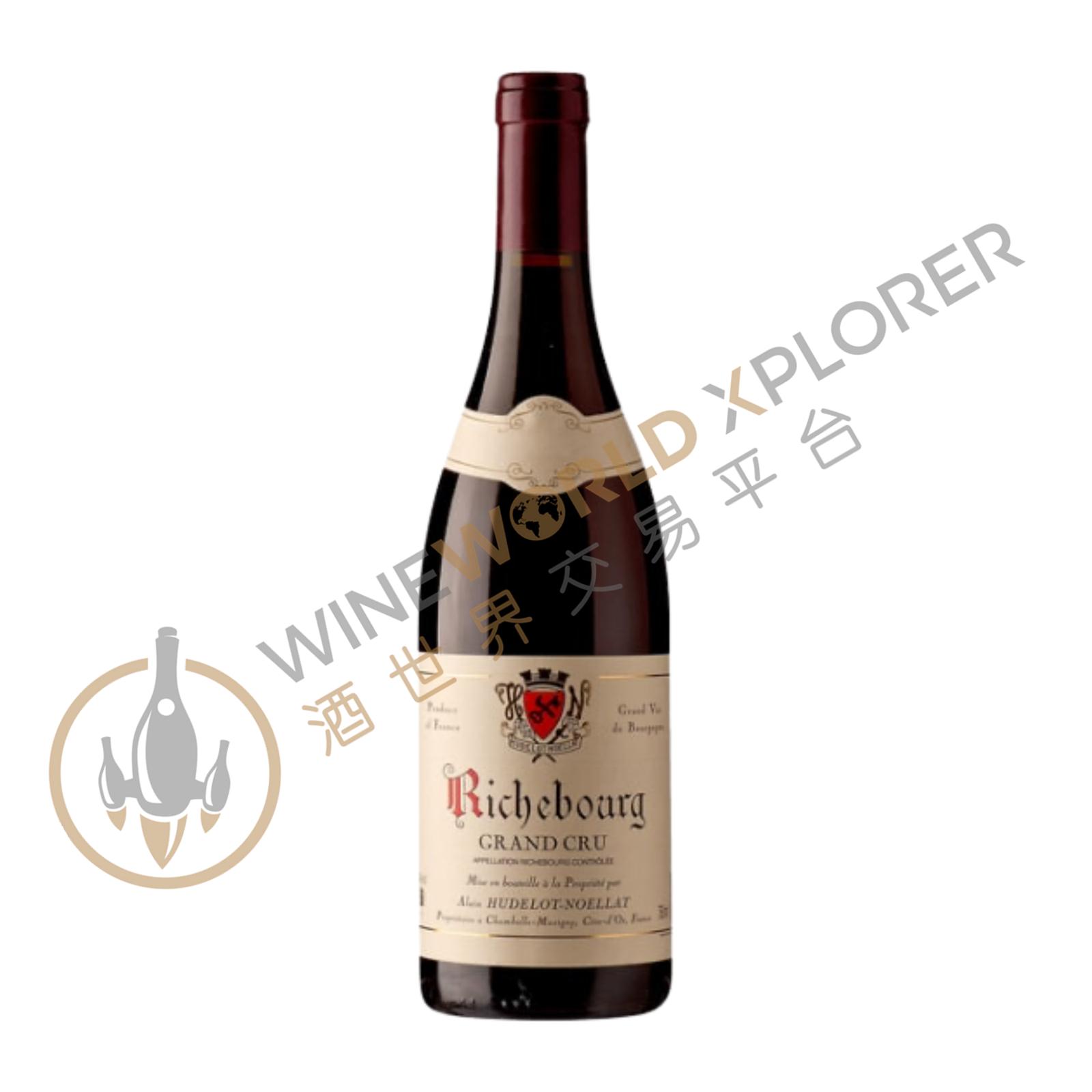
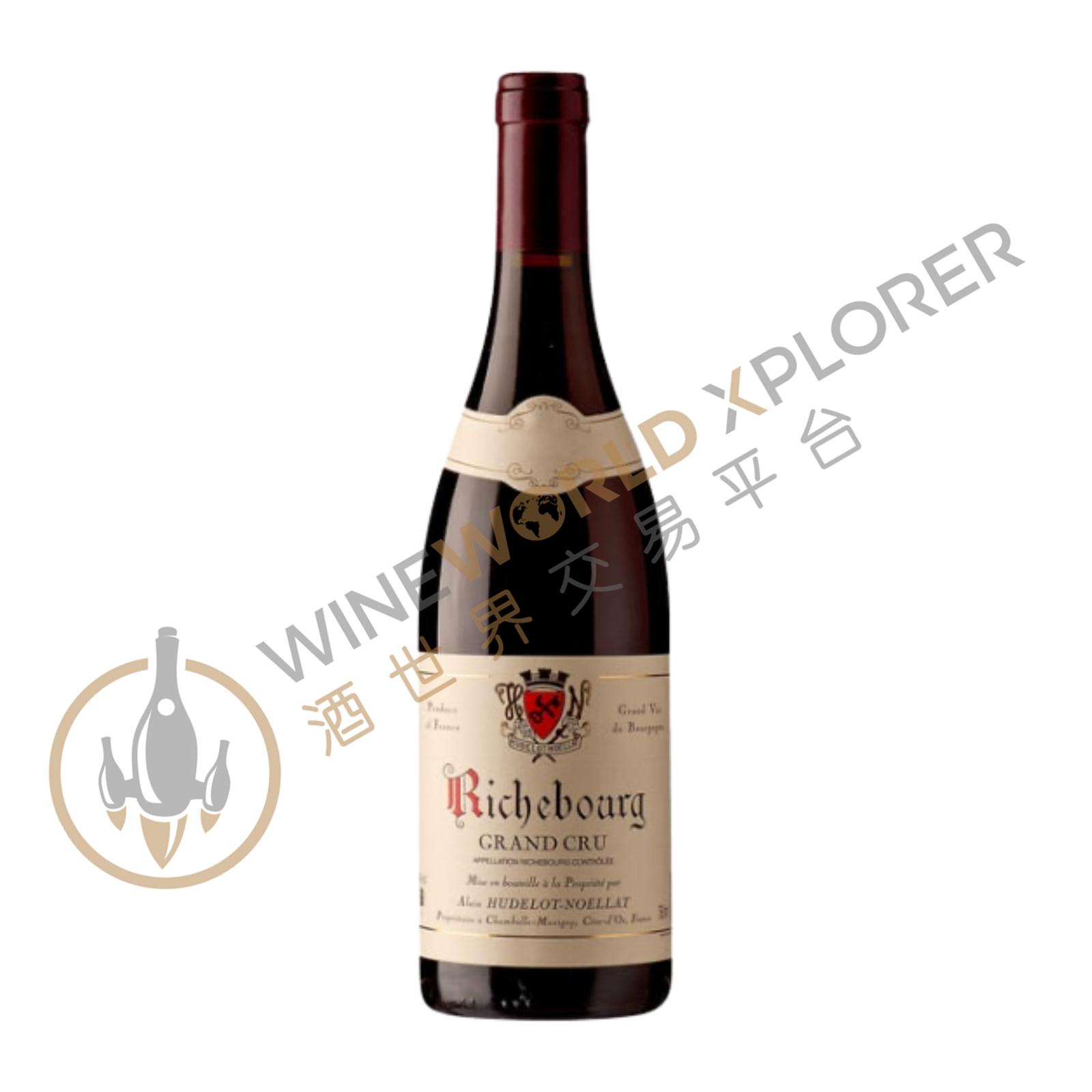
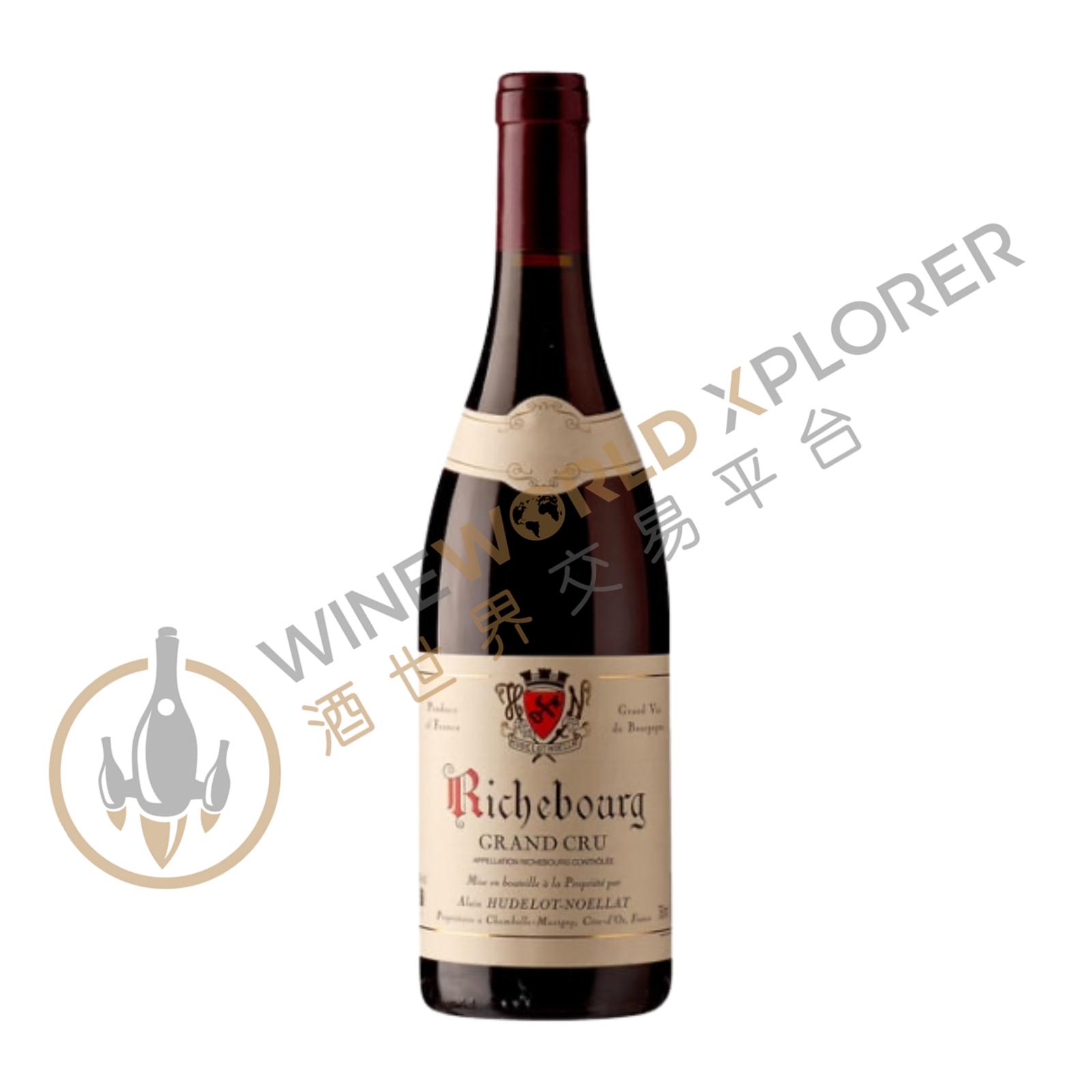
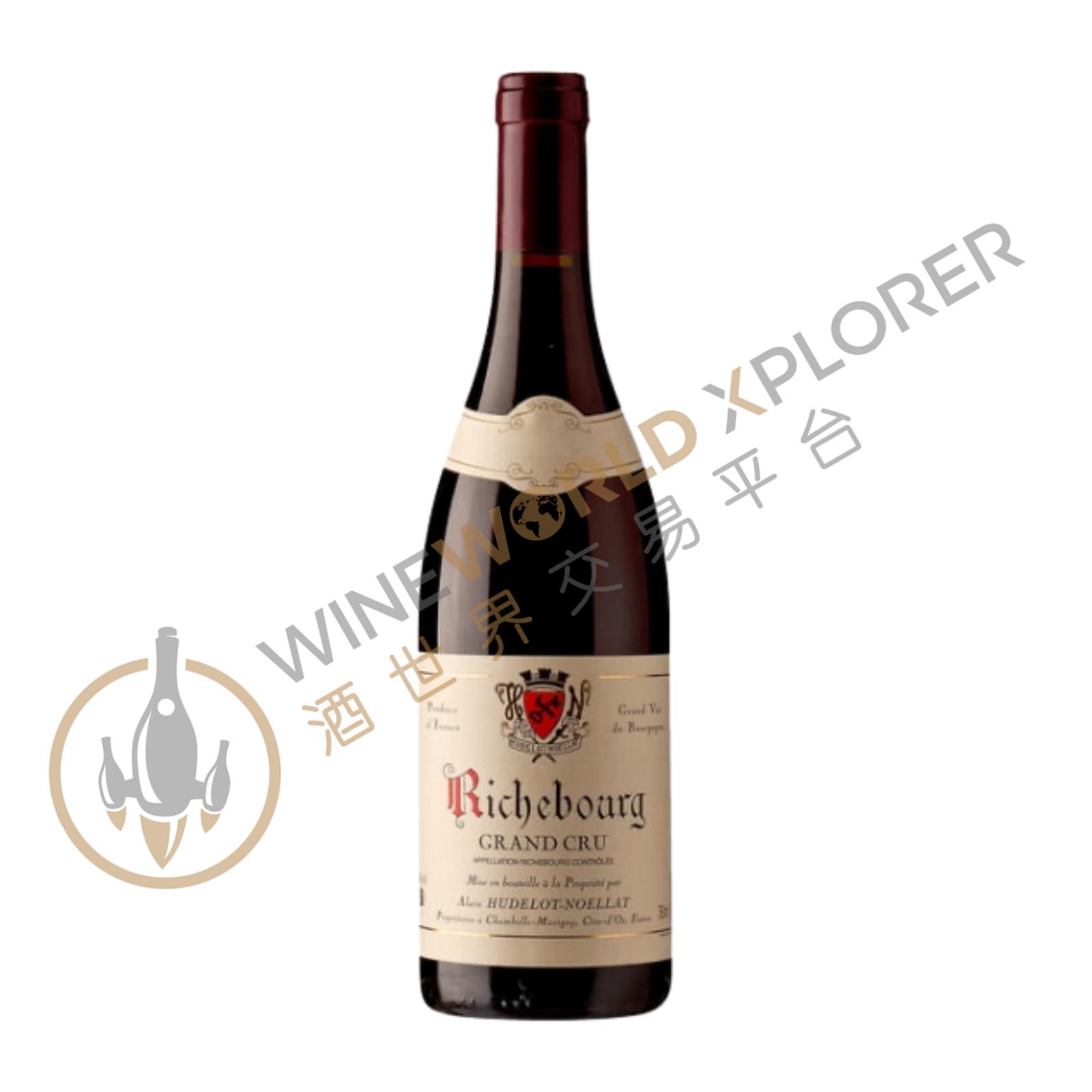
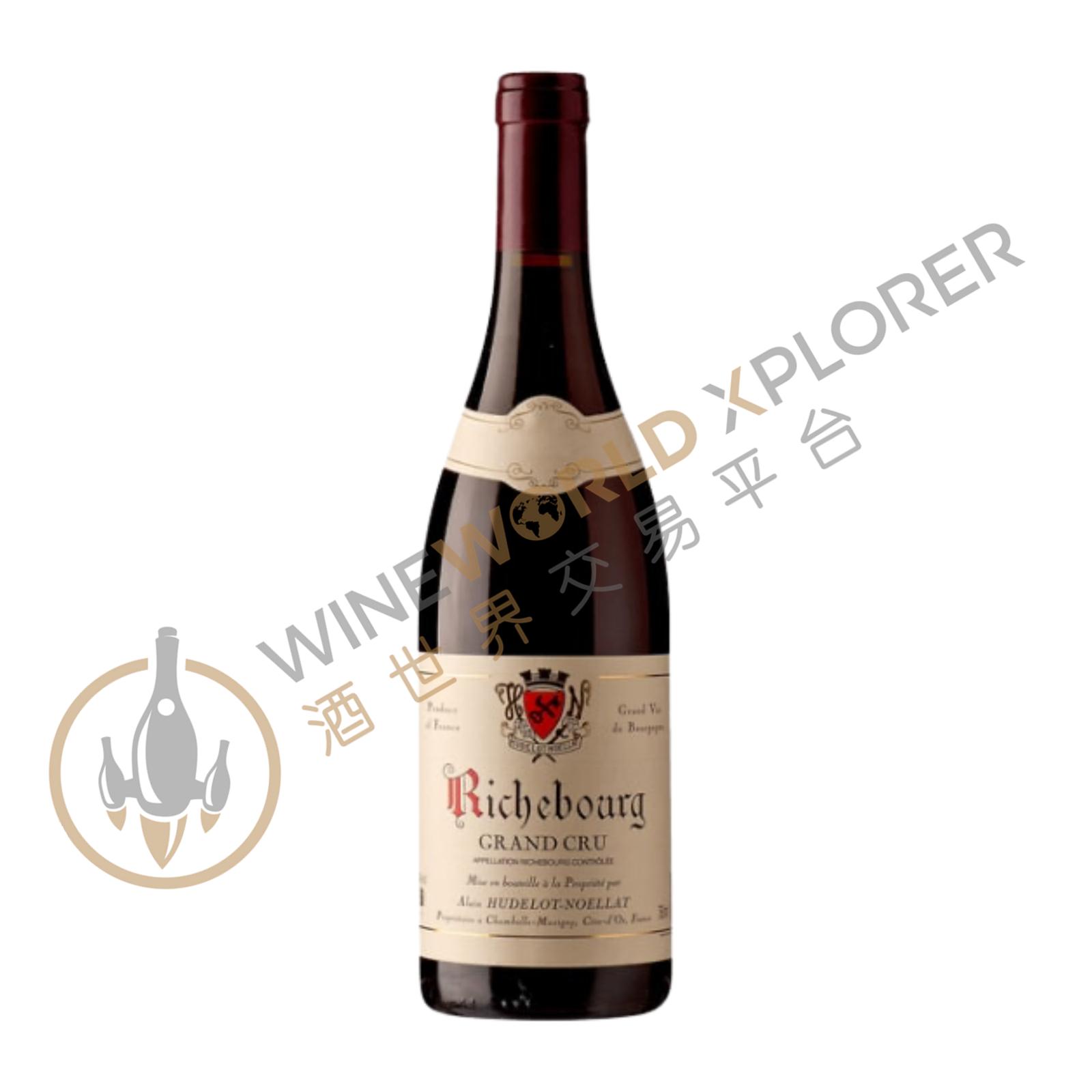
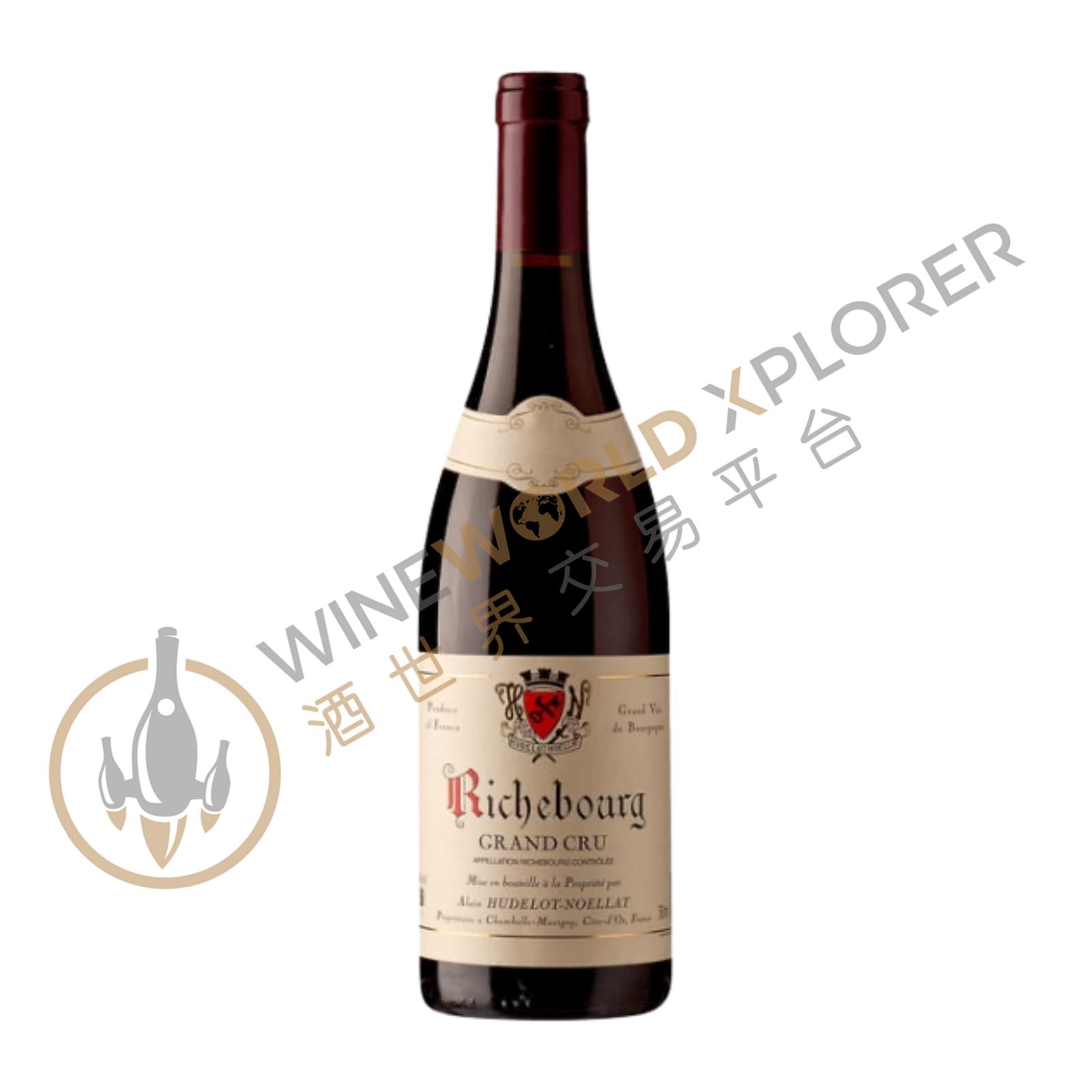
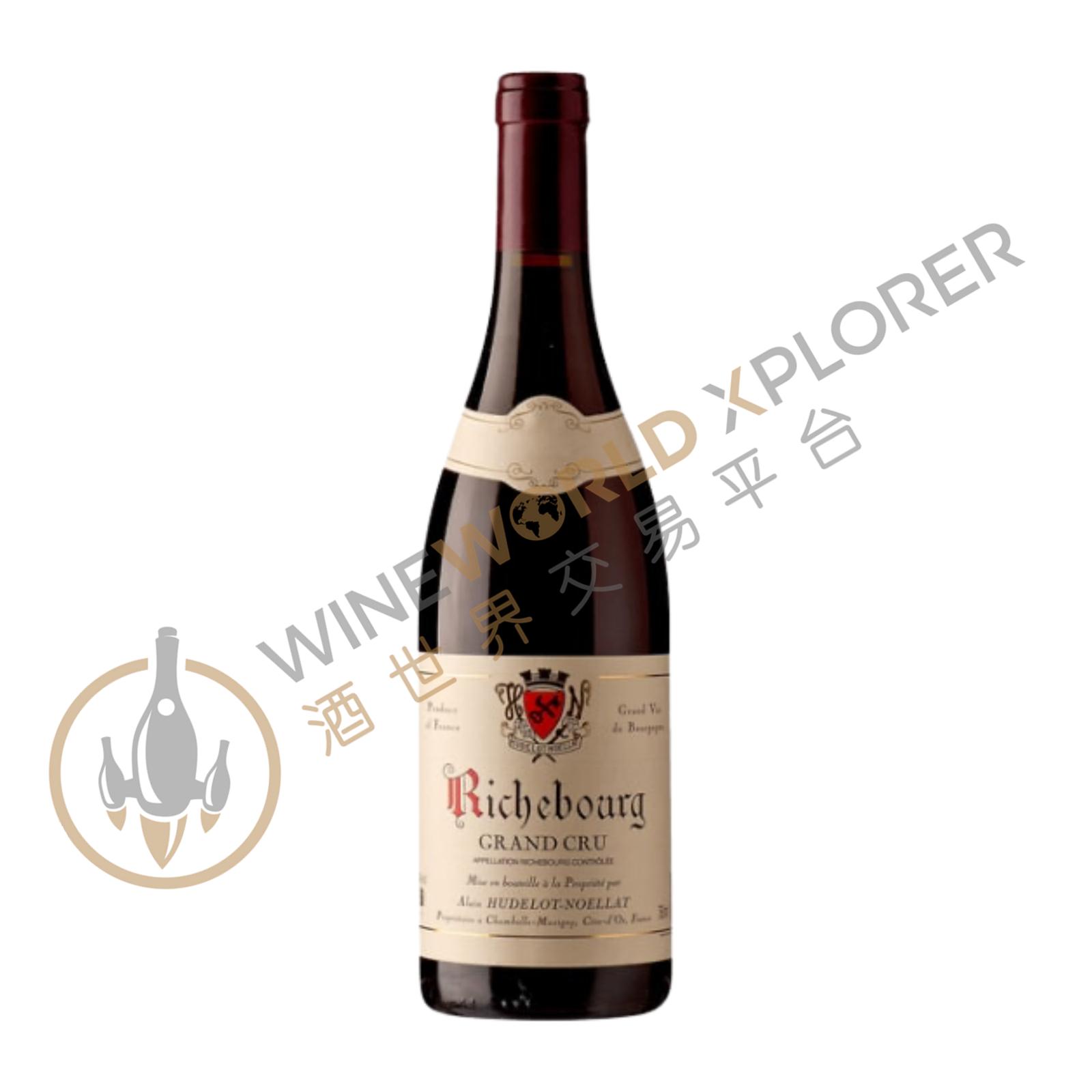
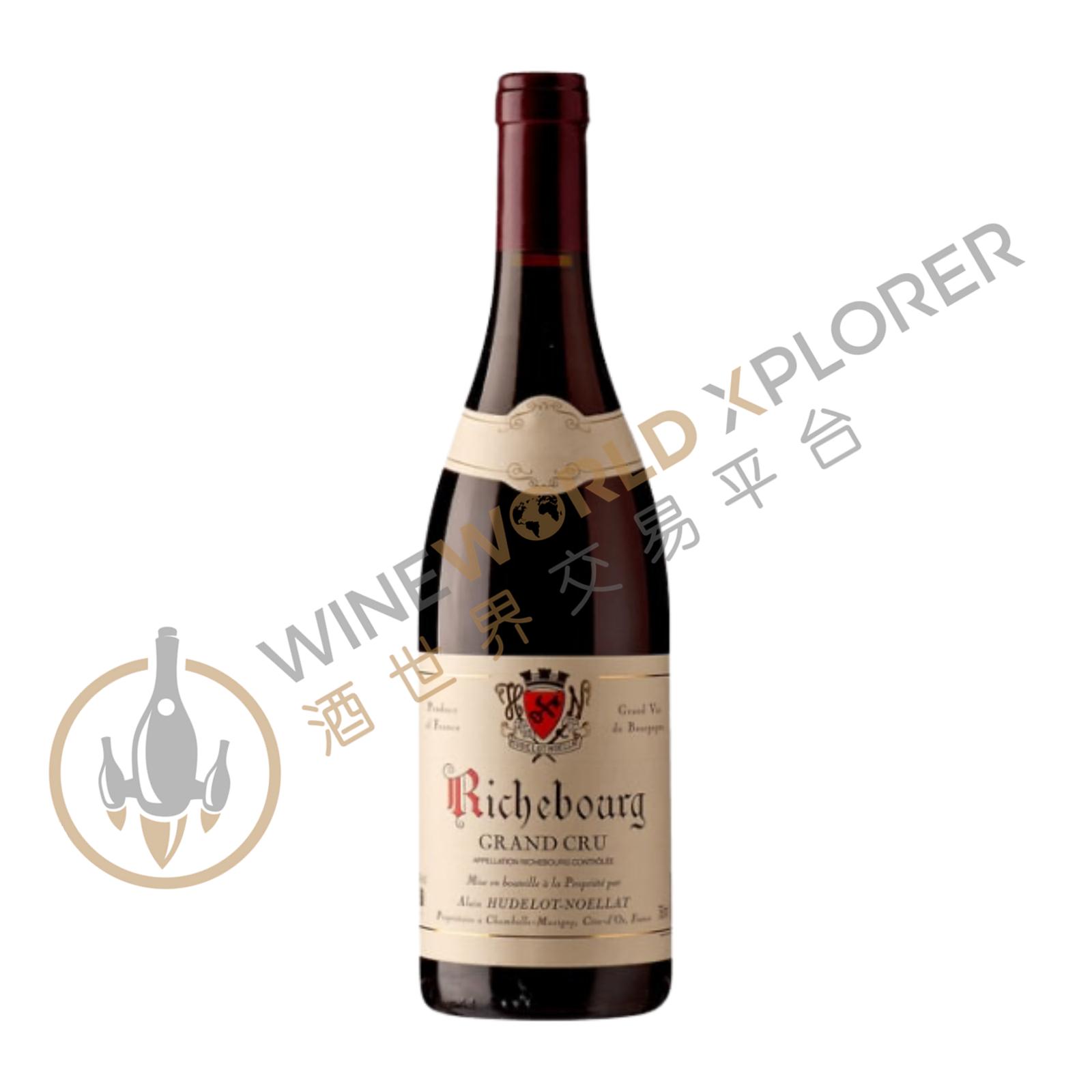
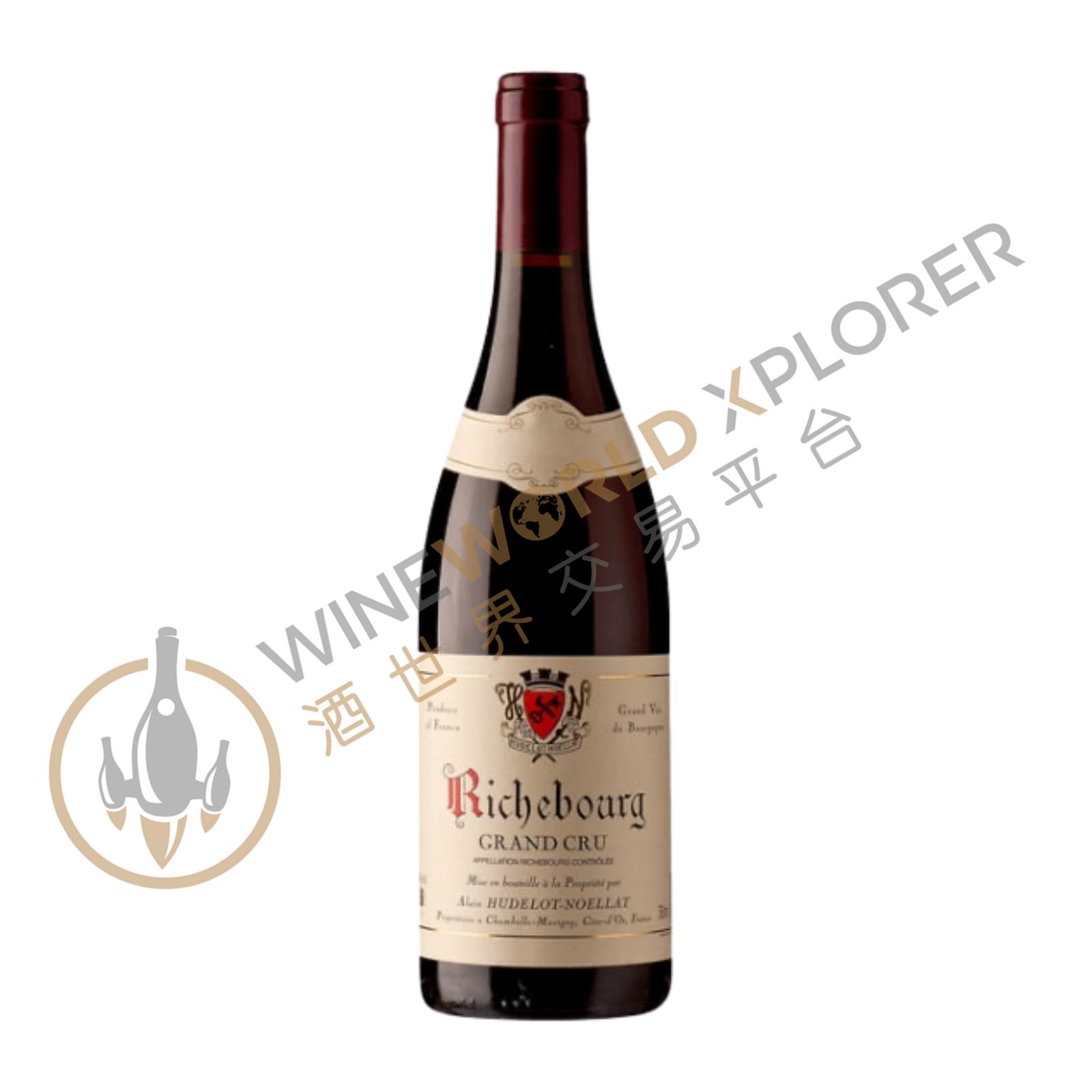
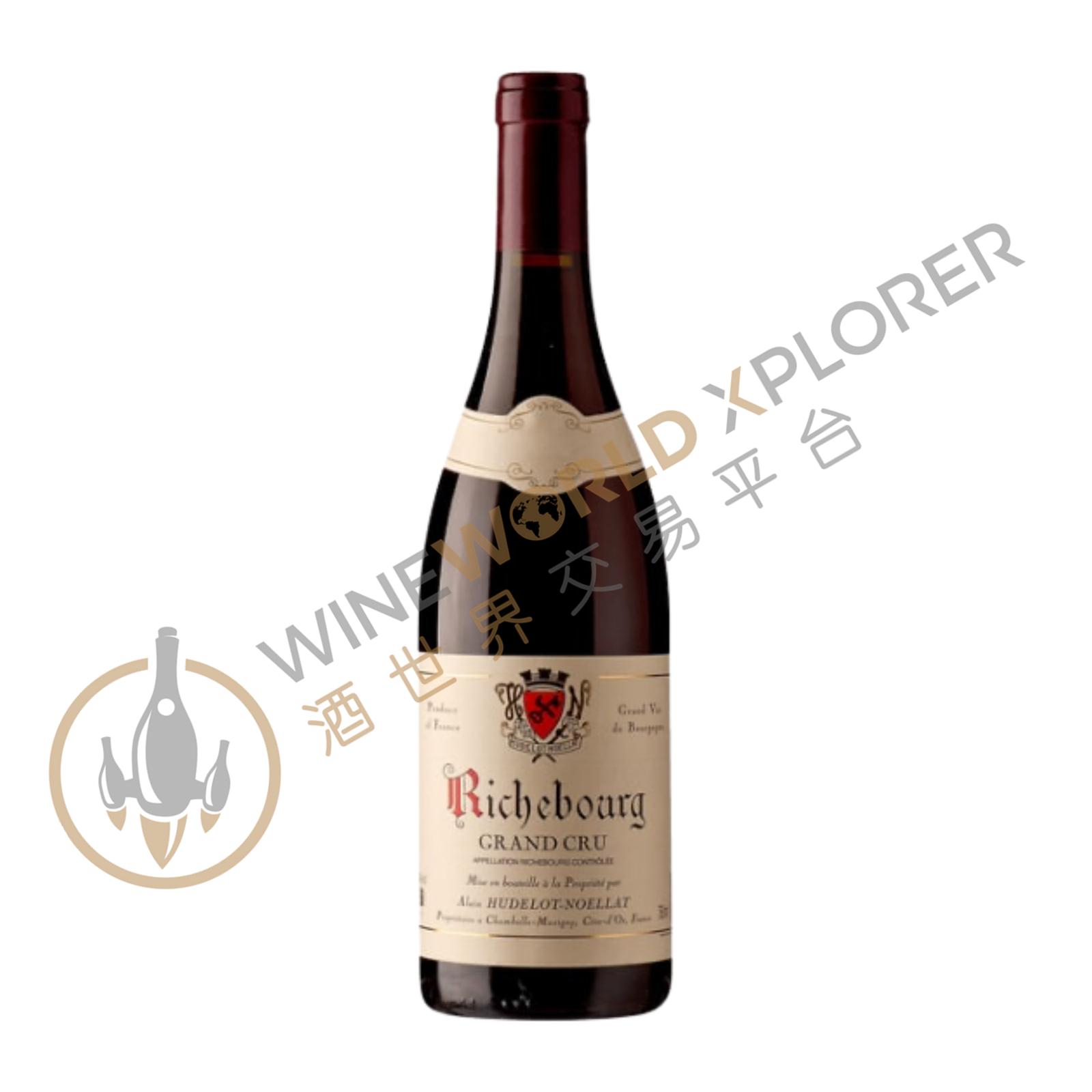
Alain Hudelot Noellat, Richebourg Grand Cru 2016
 View analysis


Description
Tasting notes

Reviewed by: Stephen Tanzer
Bright ruby-red. More brooding on the nose than the Romanée-Saint-Vivant, conveying a medicinal cast to its aromas of dark berries, licorice pastille and violet. Boasts outstanding density and power but this penetrating wine shows a magically light touch and comes across as distinctly airy today. Not fleshy but delivers superb energy and cut. Quite different in style from the Romanée-Saint-Vivant but then these two grand crus typically go through phases during their élevage, so predicting their final shape and fruit/mineral balance is far more difficult than assessing their quality in the early going.
Reviewed by: Neal Martin
The 2016 Richebourg Grand Cru has a very harmonious bouquet, a mixture of red and black fruit with hints of crushed violet and freshly shucked oyster shell, later a touch of flint. It is extremely well defined and focused, conveying the sense of aristocracy one seeks from a Richebourg. The palate is medium-bodied with filigreed tannin. There is real density and presence here and it is certainly more expressive than the Romanée-Saint-Vivant at the moment, with palpable tension on the finish. Outstanding.
About the Producer
In 1962, Alain inherited two small parcels of his father's Chambolle-Musigny Grand Cru Les Chames, plus several vineyards from his marriage to the great-granddaughter of Charles Noellat, a Vosne-Romanee winery family, and he established Domaine Alain Hudelot Noellat. The winery is now about 10 hectares (24 hectares) in size. The estate now has about 10 hectares (24 acres) of vineyards with an average age of over 50 years, including several dating back to 1920, including the vineyard at Romanée-Saint-Vivant. The winery is known for its lighter wines with nuanced and natural flavors. Now managed by third-generation grandson Charles van Canneyts, Hudelot-Nollat is not so different from its grandfather's time, when it was less visible in the thicker wines, but now it has the advantage of refinement, often with fresh, bright fruit, balanced acidity and silky tannins. The vinification is entirely de-stemmed, using local yeasts that are not comparable to artificial yeasts, with a relatively long pre-fermentation cold soak, mainly with trampled skins, and 18 months in new barrels at 20-60%. In 2012, Charles also started to buy grapes from other winegrowers under his own name to make his wine. Vosne-Romanee is a blend of three first growths, Suchots, Beaumonts and Malconsorts, and as young as it is, the Hudelot-Noellat family owns three first growths that are over 100 years old, so this VR is ostensibly a village wine, but with a first growth heritage. Jasper Morris MW has high praise for Domaine Hudelot-Noëllat. He believes that while Alain Hudelot's management has produced fine style reds, Charles van Canneyt has taken over and given the wines more concentration and backbone, retaining their elegance, but with more ageing potential and balance.