Wine Advisor



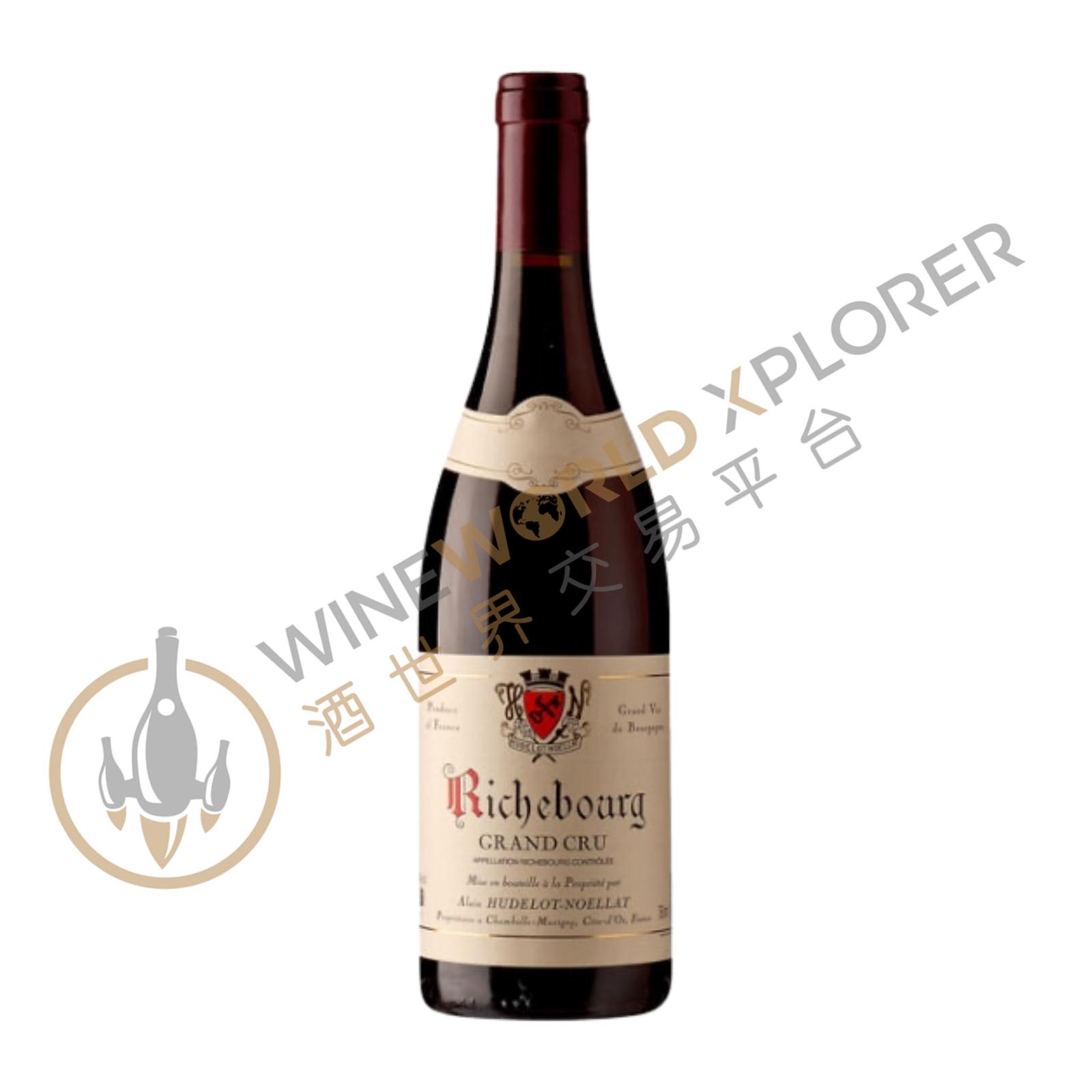
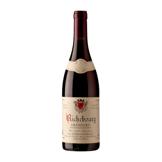
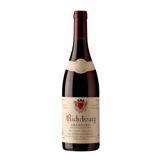
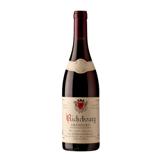
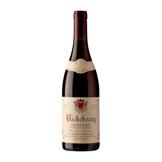
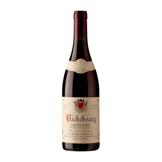
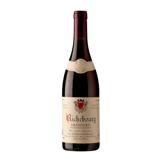
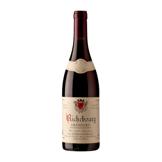
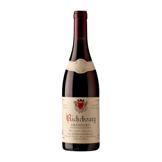
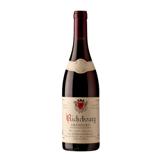
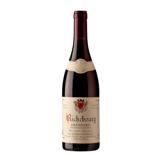
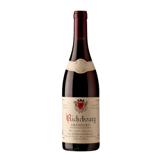
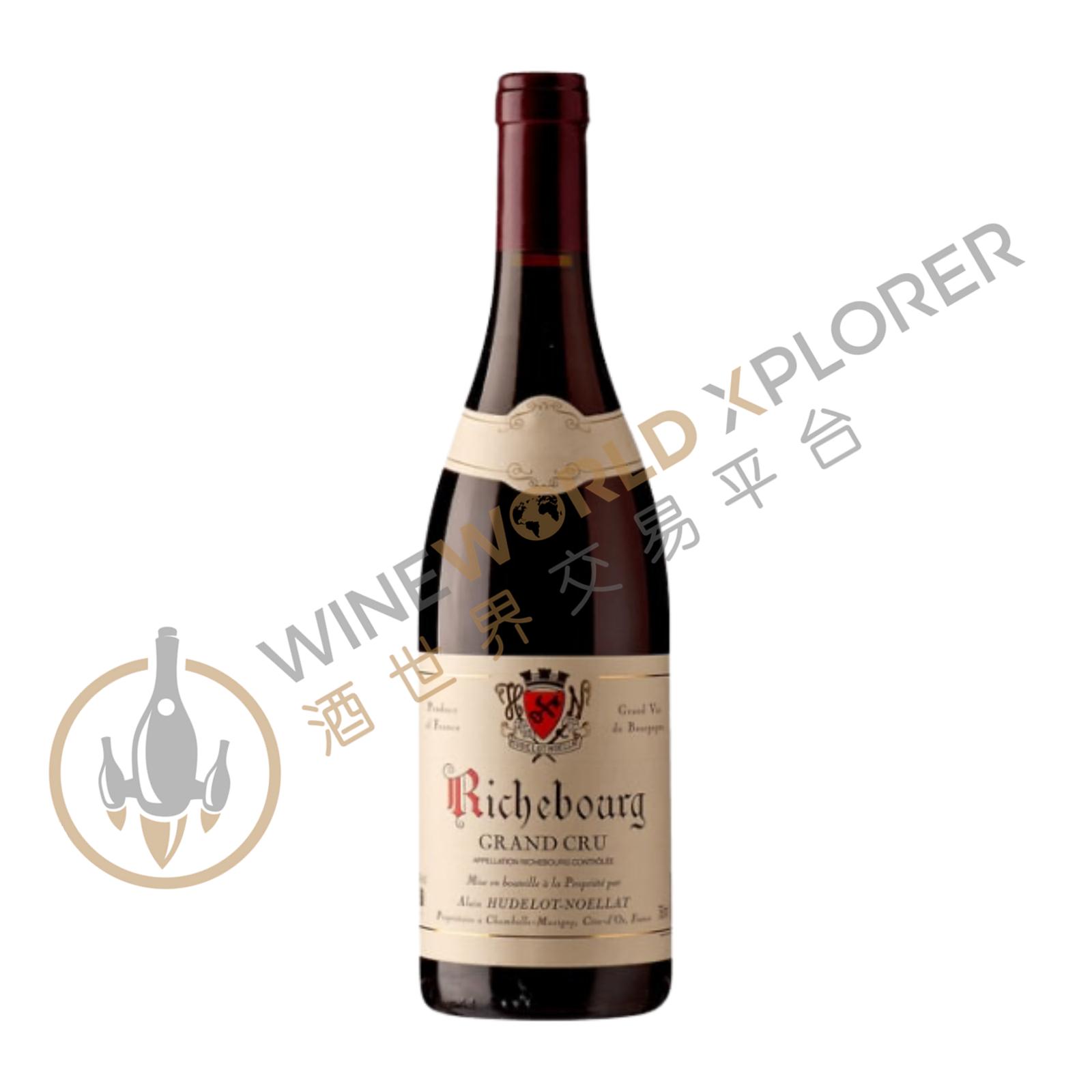
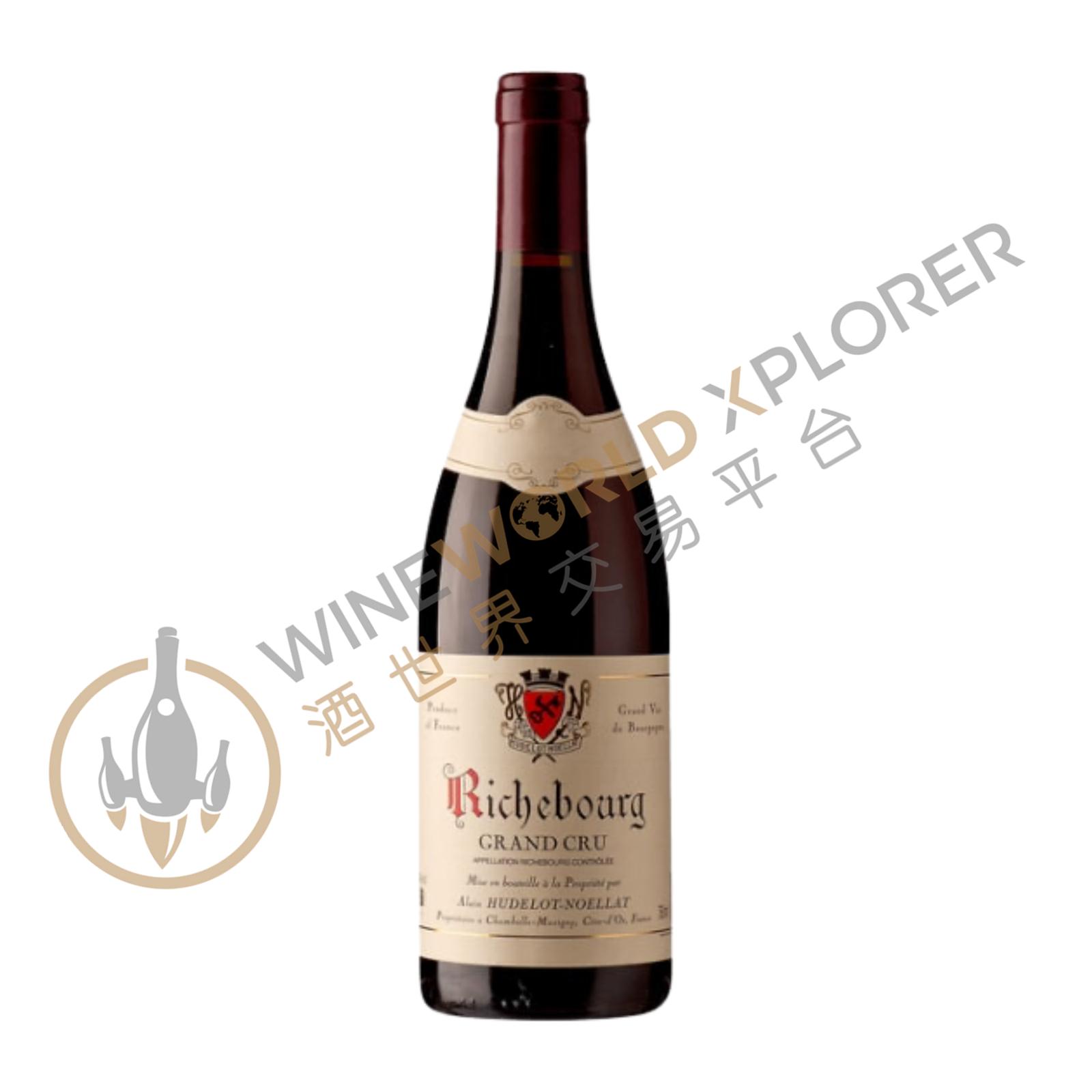
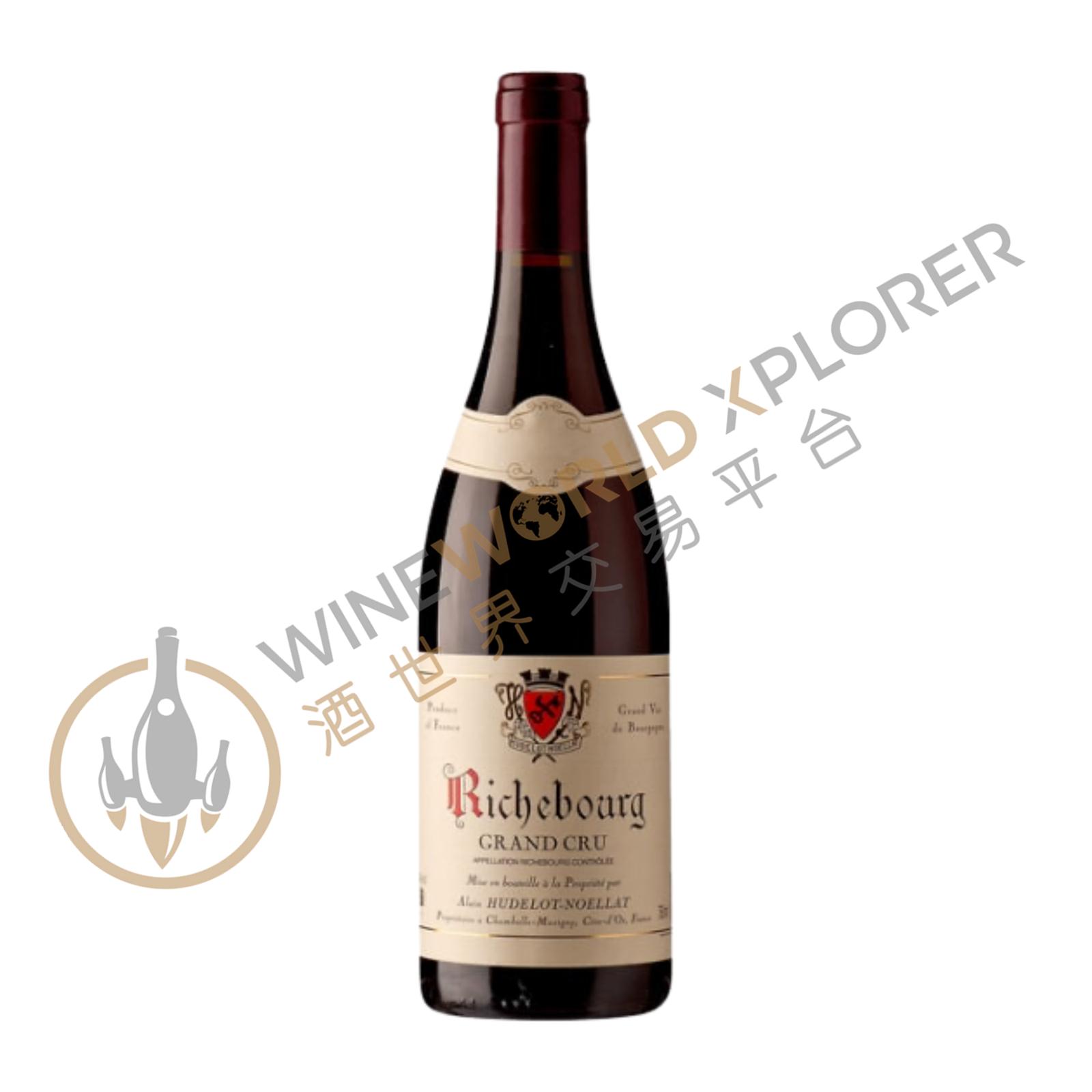
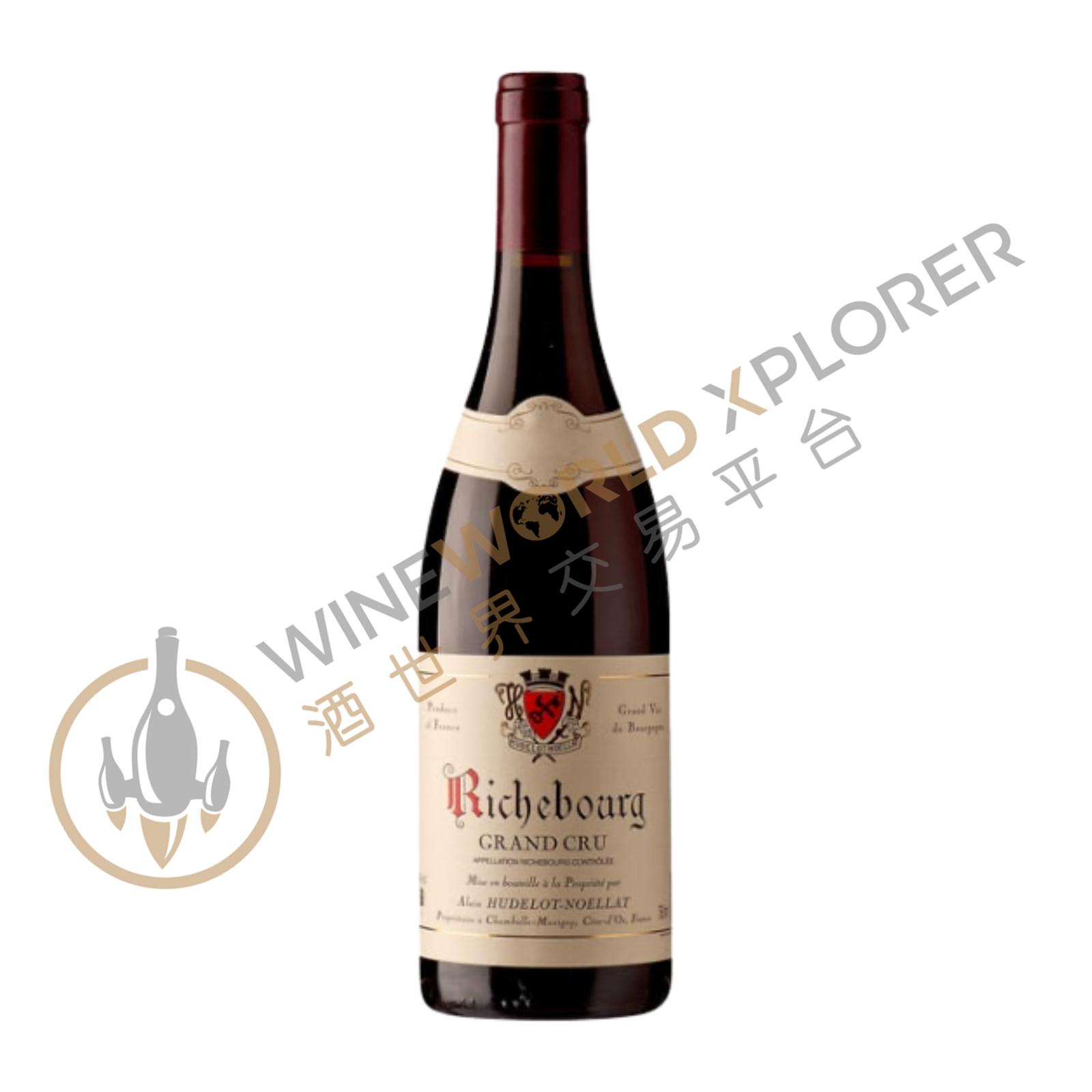
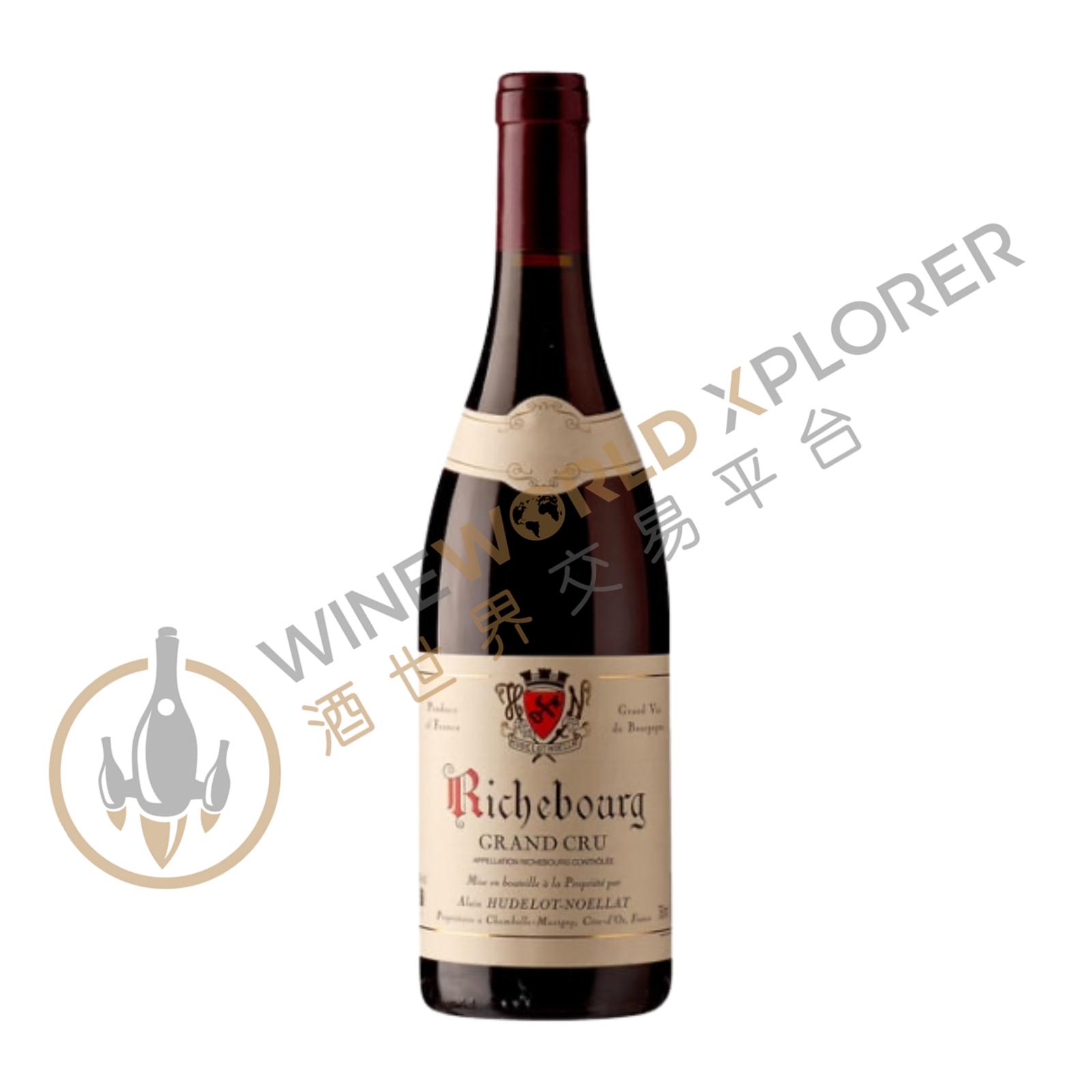
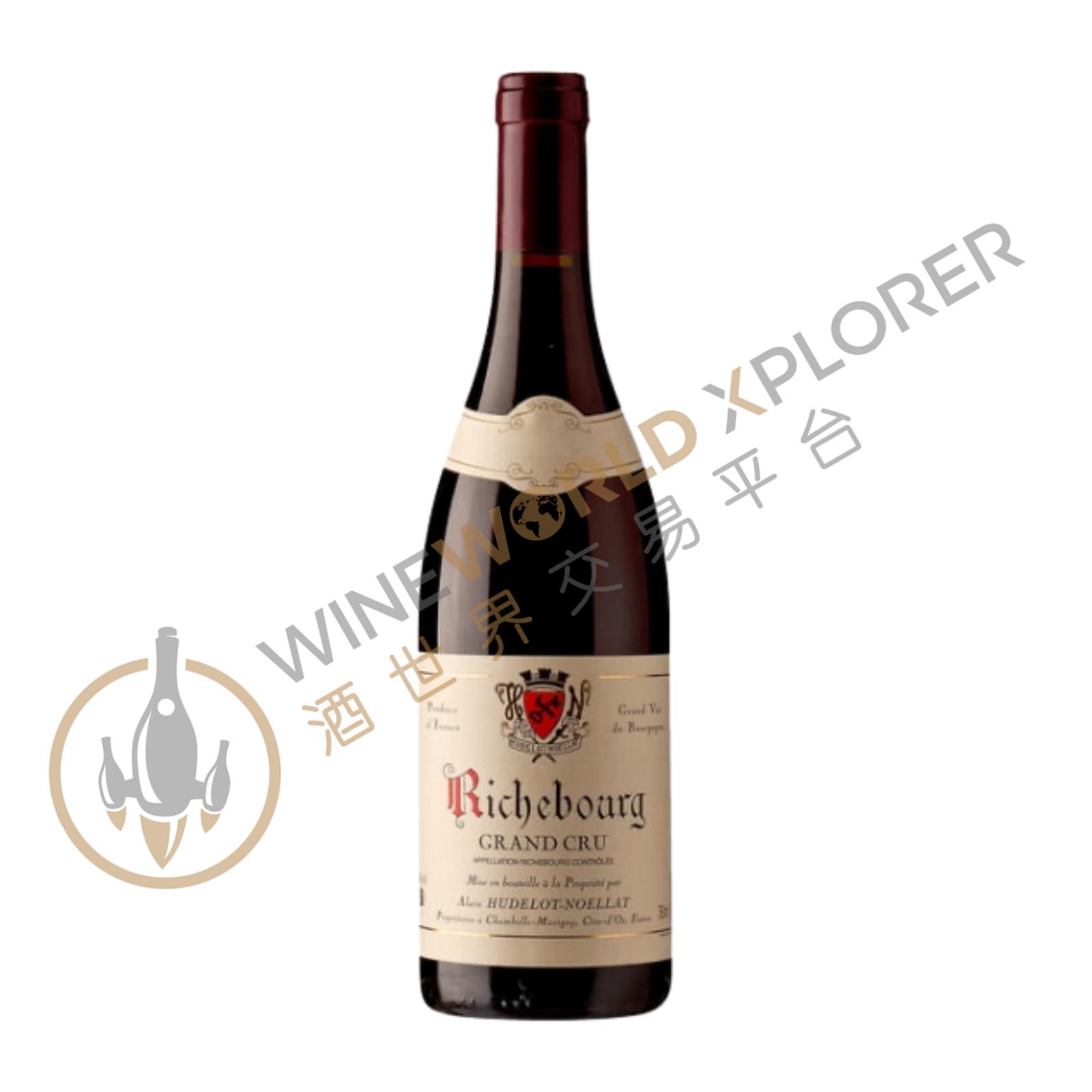
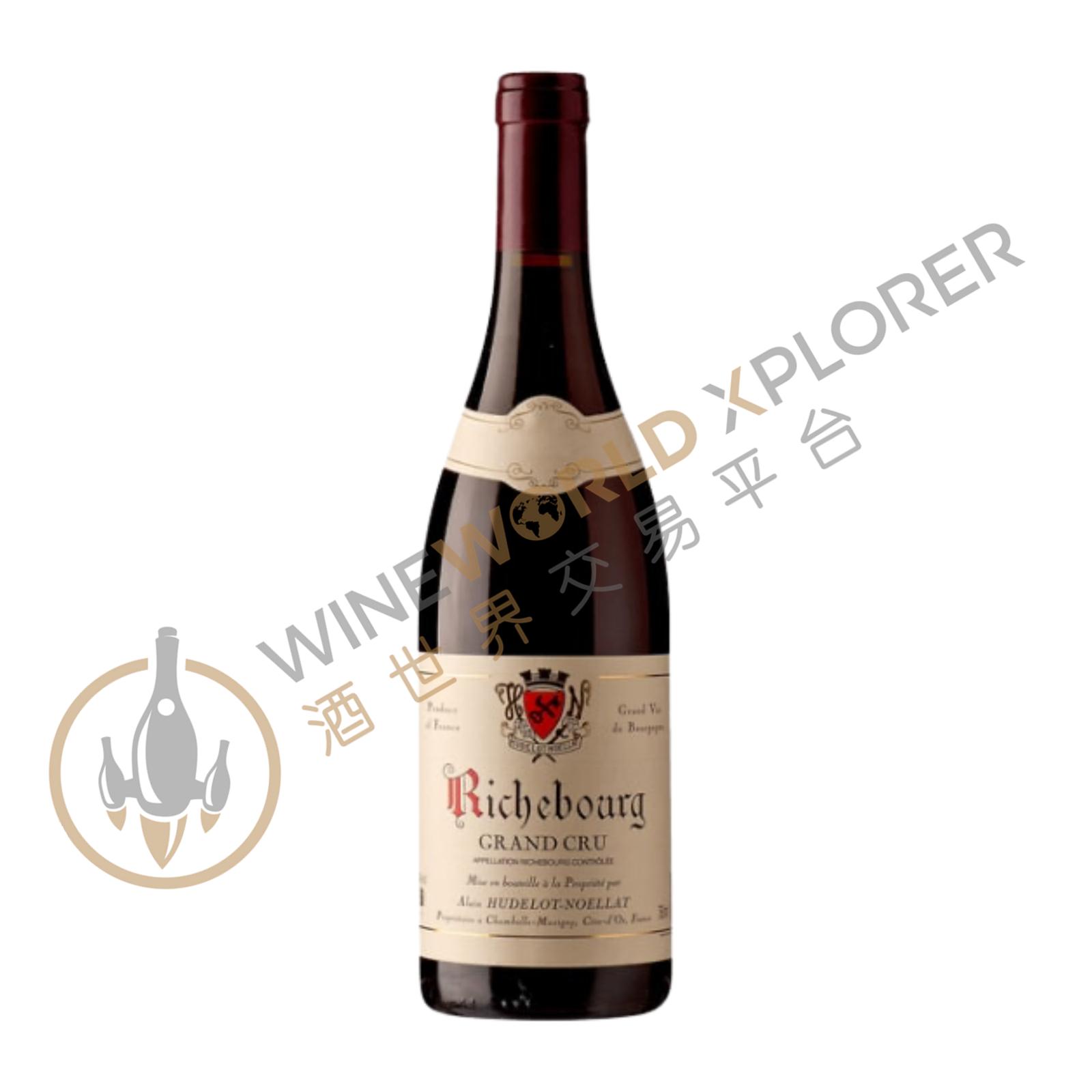
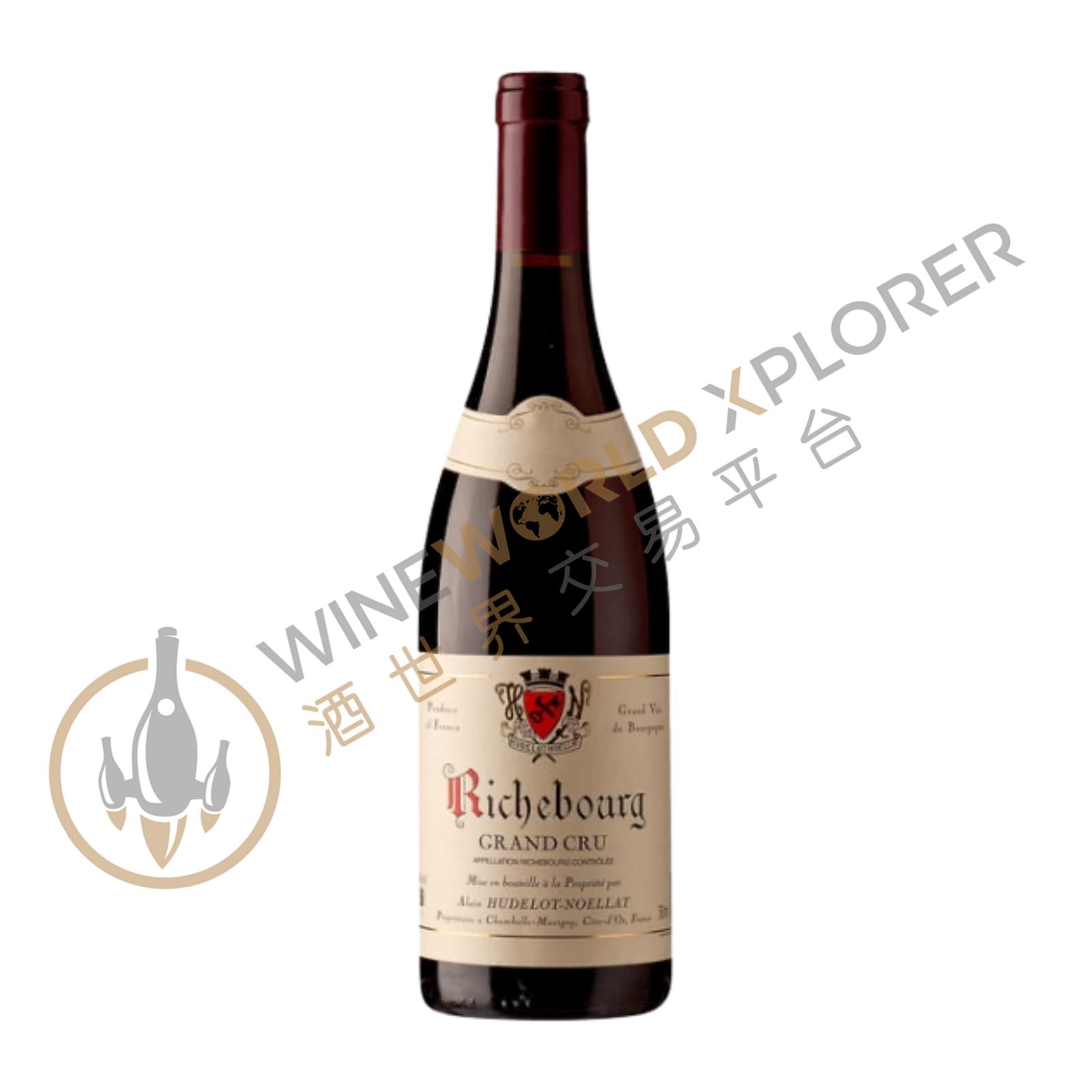
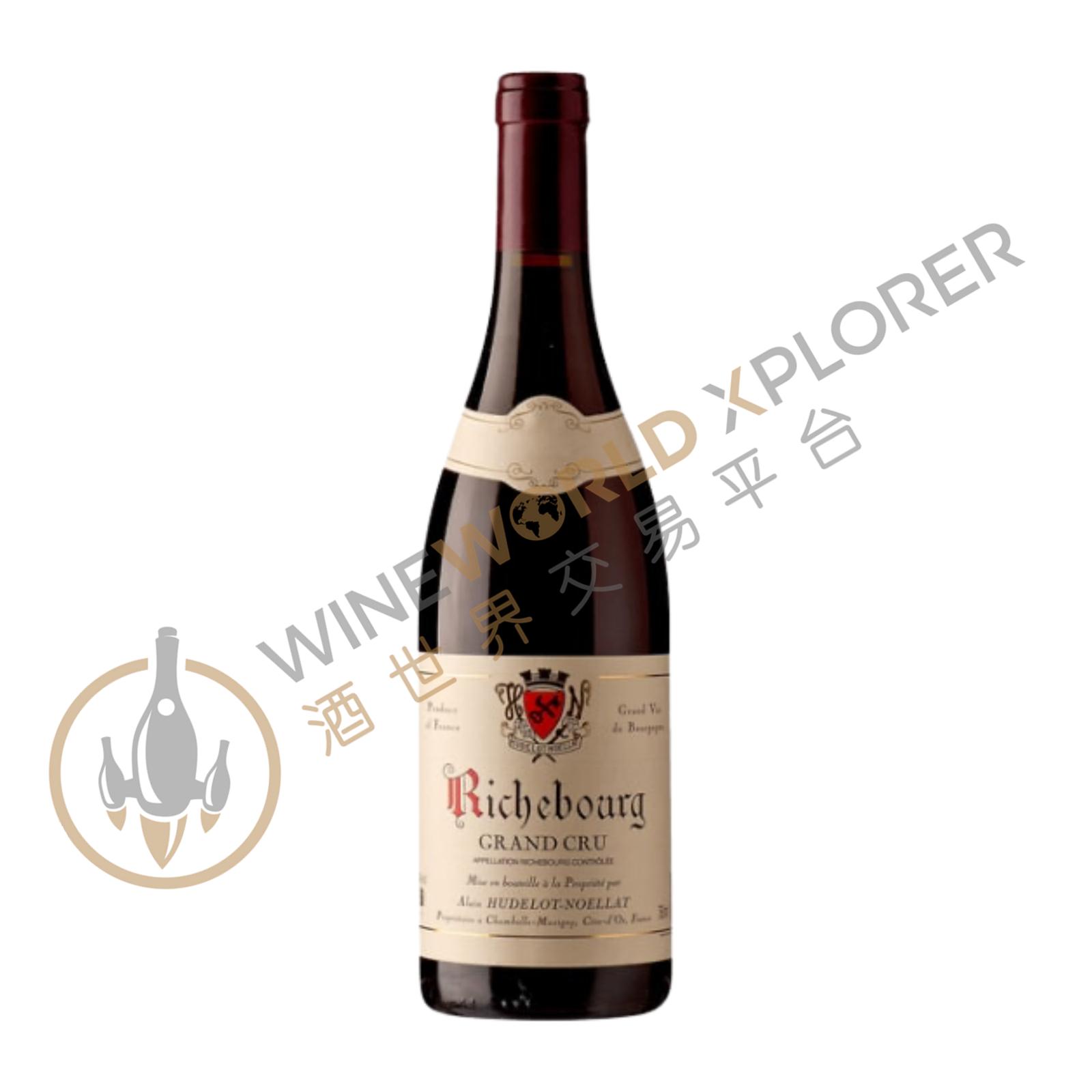
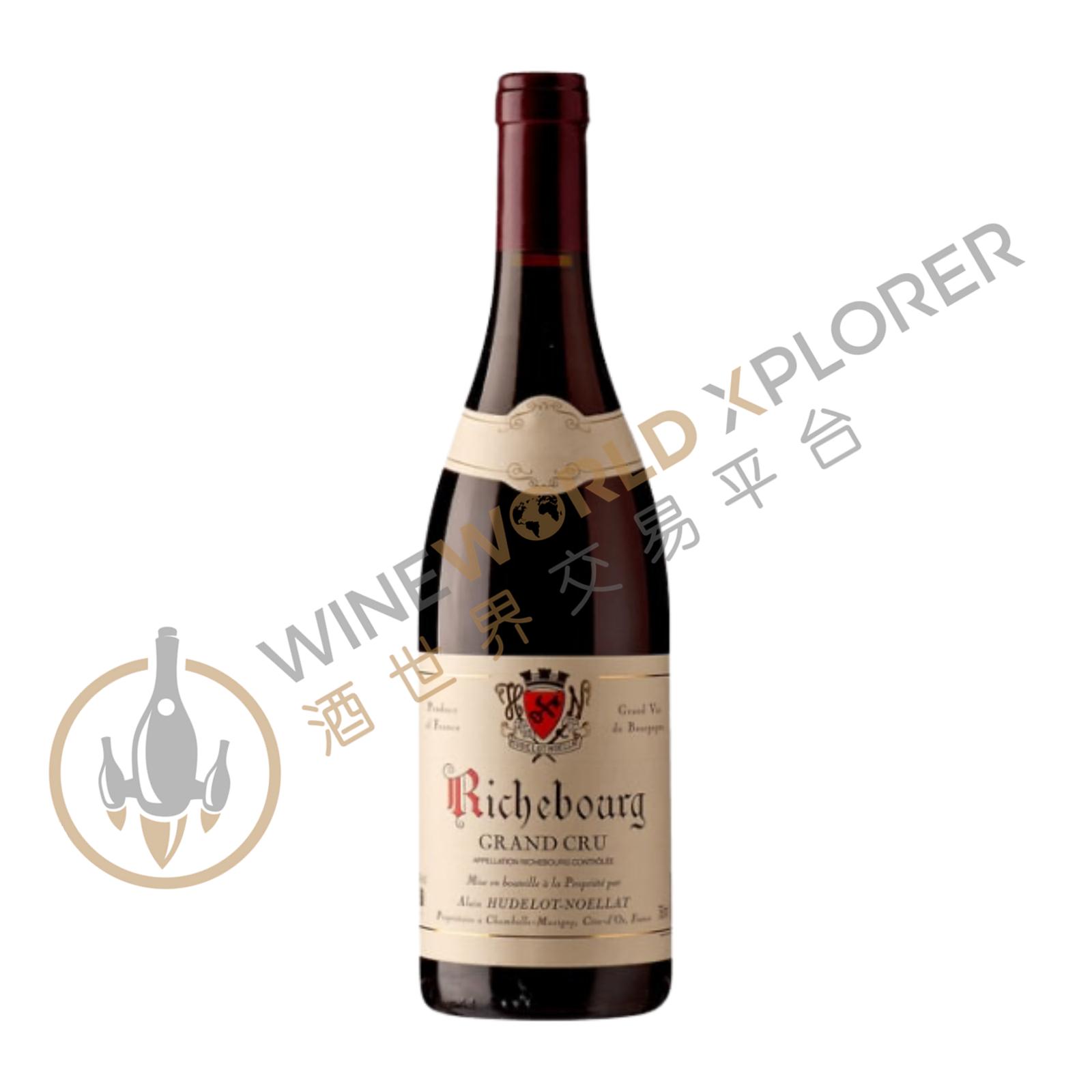
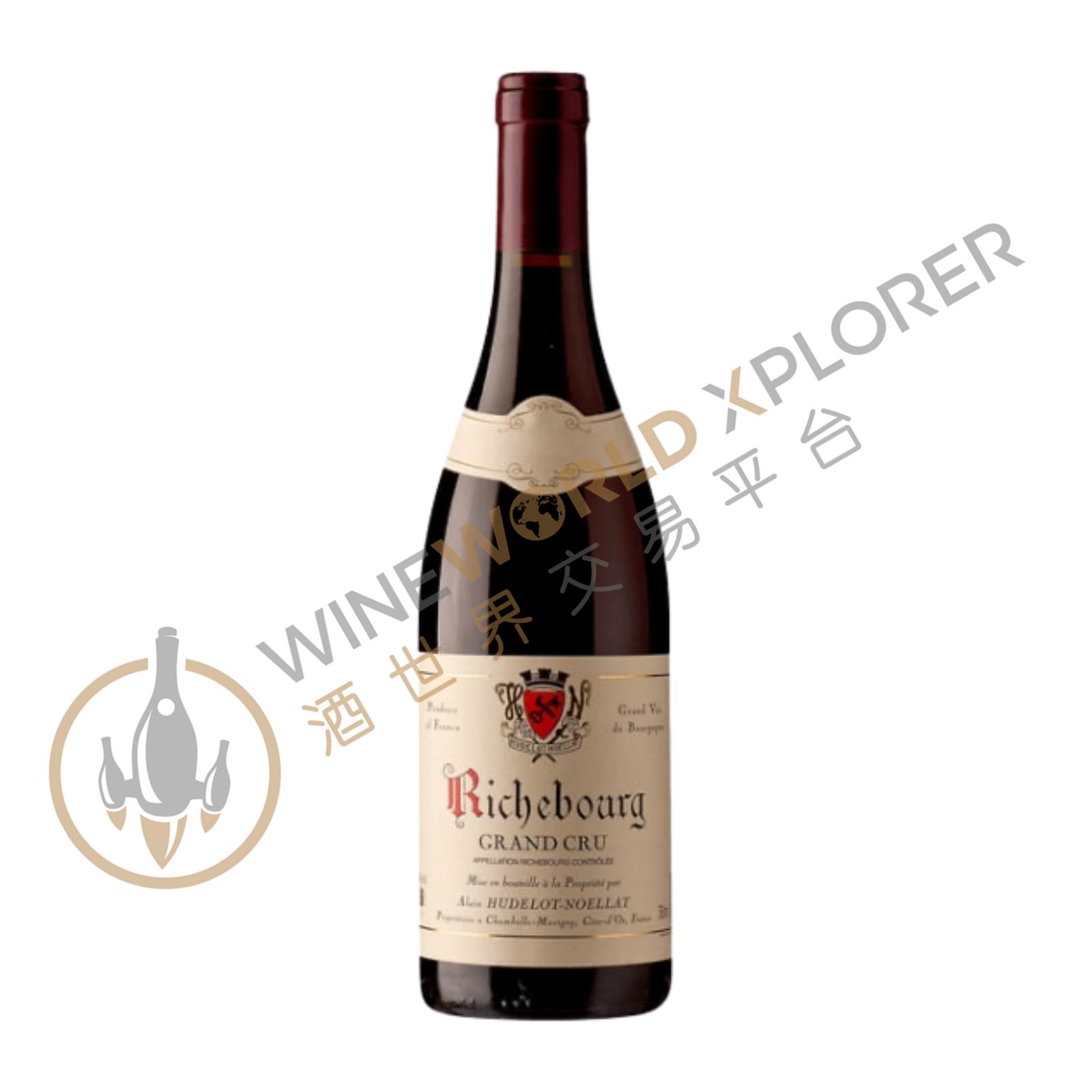
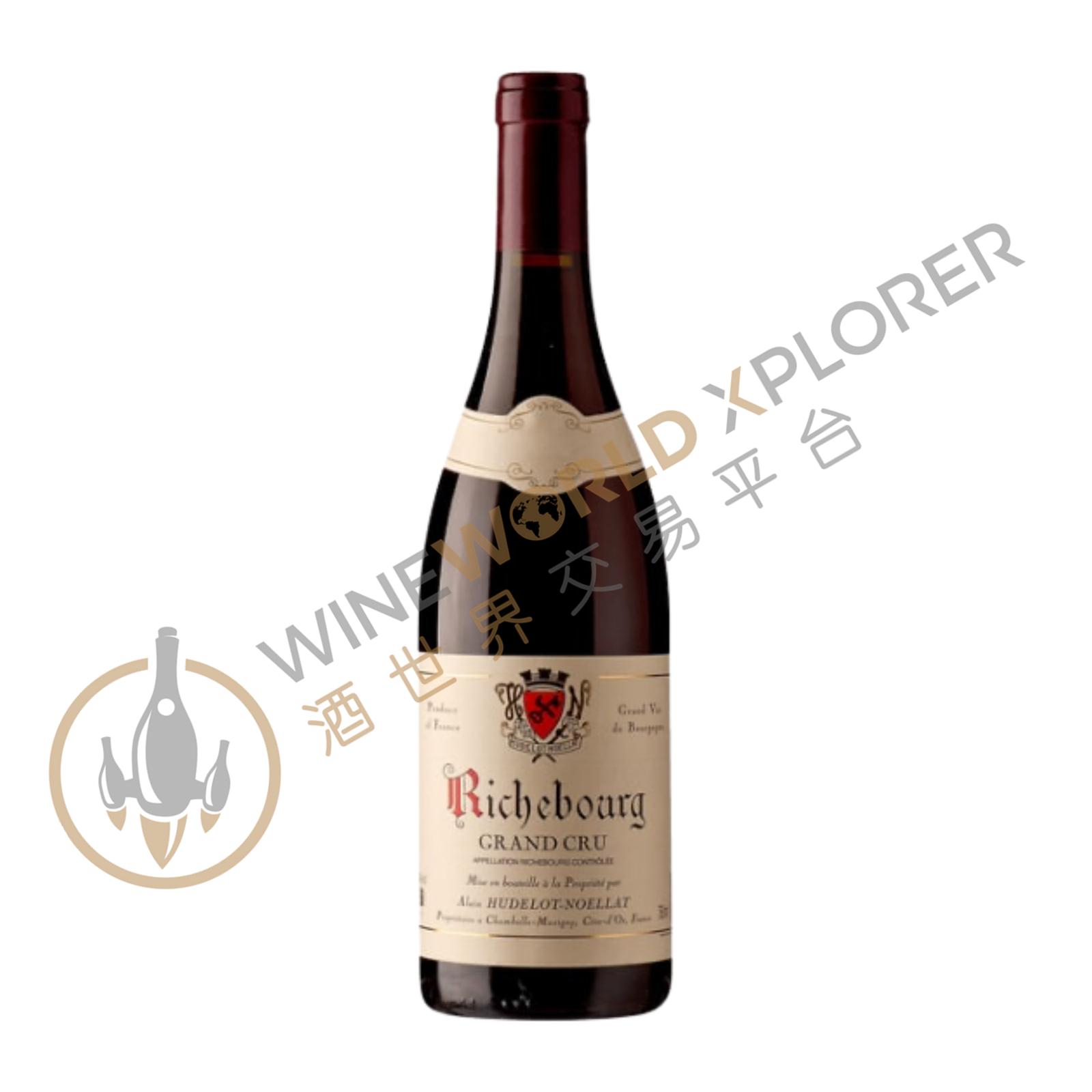
Alain Hudelot Noellat, Richebourg Grand Cru 2015
 View analysis


Description
Tasting notes

Reviewed by: Stephen Tanzer
Good dark red. At once darker, more restrained and less exotic on the nose than the Romanée-Saint-Vivant, offering scents of dark cherry, menthol and minerals. Boasts terrific thickness of texture but this is much tighter today than the RSV and showing less obvious early sweetness; Charles van Canneyt noted that this wine was more accessible in barrel than the RSV but not today. Still, this very long, sappy wine possesses the creamy depth to support its considerable tannic power and I would not be at all surprised if it eventually surpassed the RSV.
Reviewed by: Stephen Tanzer
Bright, dark red with ruby highlights. Inviting perfume of raspberry, cola, menthol and coffee. Densely packed and creamy; not necessarily more powerful today than the RSV but deeper and sweeter. The sappy black cherry and black raspberry fruit flavors are complicated by saline minerality. Finishes with big but well-supported tannins and outstanding sappy, slowly mounting length. Leaves behind a note of licorice in the empty glass. Van Canneyt noted that his Romanée-Saint-Vivant is always easier to taste and understand early on than the Richebourg, but this wine is showing spectacularly today.
Reviewed by: Neal Martin
The 2015 Richebourg Grand Cru comes from a parcel sandwiched in between Domaine de la Romanée-Conti (ask a winemaker and their vines are always located next to Domaine de la Romanée-Conti, though in this case it is true.) The bouquet takes five to ten minutes to unfurl, more powerful than the Romanée Saint Vivant, the fruit a little darker with a subtle floral aspect. The palate is medium-bodied with supple tannin, layers of pure red and black fruit, outstanding mineralité and tension with a crescendo towards its regal finish that lingers long in the mouth. It will not be as approachable as the Romanée-Saint-Vivant, but it will easily give 30+ years of untrammeled drinking pleasure.
Reviewed by: William Kelley
The 2015 Richebourg Grand Cru is a prodigious wine in the making, opening in the glass with a deep bouquet of black raspberry, cherry, licorice, orange rind, incense and strawberry, subtly framed by new oak. On the palate, the wine is full-bodied, multidimensional and complete, its flavors superbly concentrated and pure, its acids succulent and its tannins velvety and ample. More expansive than the Romanée Saint-Vivant, this Richebourg is also more backward and appears to possess the greater potential. "When I first arrived at the domaine, I tended to prefer the Romanée Saint-Vivant," confided winemaker Charles Van Canneyt, "but as my experience with the wines—old and young—grew, I have come to almost invariably favor the Richebourg."
Reviewed by: Neal Martin
The 2015 Richebourg Grand Cru is a prodigious wine in the making, opening in the glass with a deep bouquet of black raspberry, cherry, licorice, orange rind, incense and strawberry, subtly framed by new oak. On the palate, the wine is full-bodied, multidimensional and complete, its flavors superbly concentrated and pure, its acids succulent and its tannins velvety and ample. More expansive than the Romanée Saint-Vivant, this Richebourg is also more backward and appears to possess the greater potential. "When I first arrived at the domaine, I tended to prefer the Romanée Saint-Vivant," confided winemaker Charles Van Canneyt, "but as my experience with the wines—old and young—grew, I have come to almost invariably favor the Richebourg."
About the Producer
In 1962, Alain inherited two small parcels of his father's Chambolle-Musigny Grand Cru Les Chames, plus several vineyards from his marriage to the great-granddaughter of Charles Noellat, a Vosne-Romanee winery family, and he established Domaine Alain Hudelot Noellat. The winery is now about 10 hectares (24 hectares) in size. The estate now has about 10 hectares (24 acres) of vineyards with an average age of over 50 years, including several dating back to 1920, including the vineyard at Romanée-Saint-Vivant. The winery is known for its lighter wines with nuanced and natural flavors. Now managed by third-generation grandson Charles van Canneyts, Hudelot-Nollat is not so different from its grandfather's time, when it was less visible in the thicker wines, but now it has the advantage of refinement, often with fresh, bright fruit, balanced acidity and silky tannins. The vinification is entirely de-stemmed, using local yeasts that are not comparable to artificial yeasts, with a relatively long pre-fermentation cold soak, mainly with trampled skins, and 18 months in new barrels at 20-60%. In 2012, Charles also started to buy grapes from other winegrowers under his own name to make his wine. Vosne-Romanee is a blend of three first growths, Suchots, Beaumonts and Malconsorts, and as young as it is, the Hudelot-Noellat family owns three first growths that are over 100 years old, so this VR is ostensibly a village wine, but with a first growth heritage. Jasper Morris MW has high praise for Domaine Hudelot-Noëllat. He believes that while Alain Hudelot's management has produced fine style reds, Charles van Canneyt has taken over and given the wines more concentration and backbone, retaining their elegance, but with more ageing potential and balance.