Wine Advisor



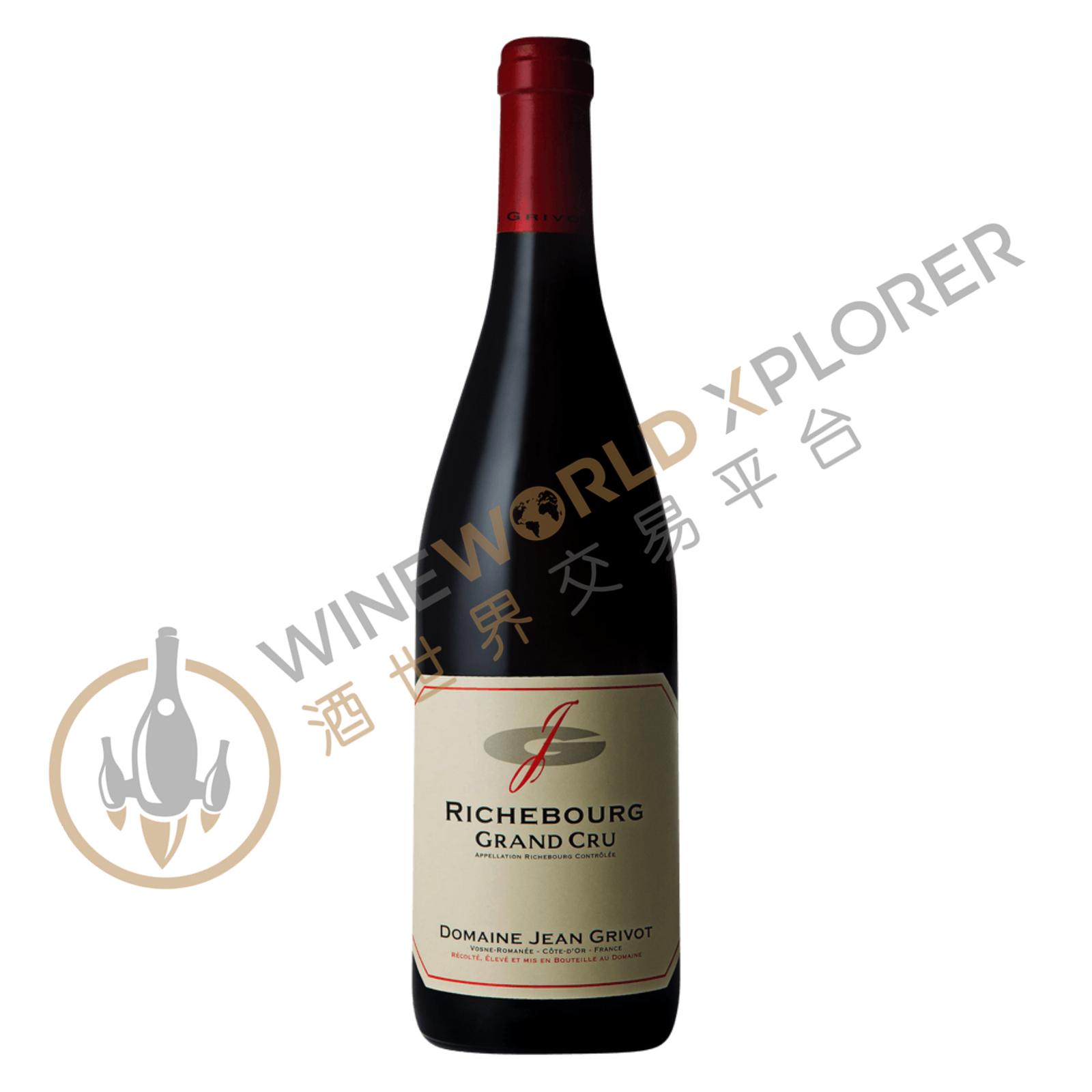
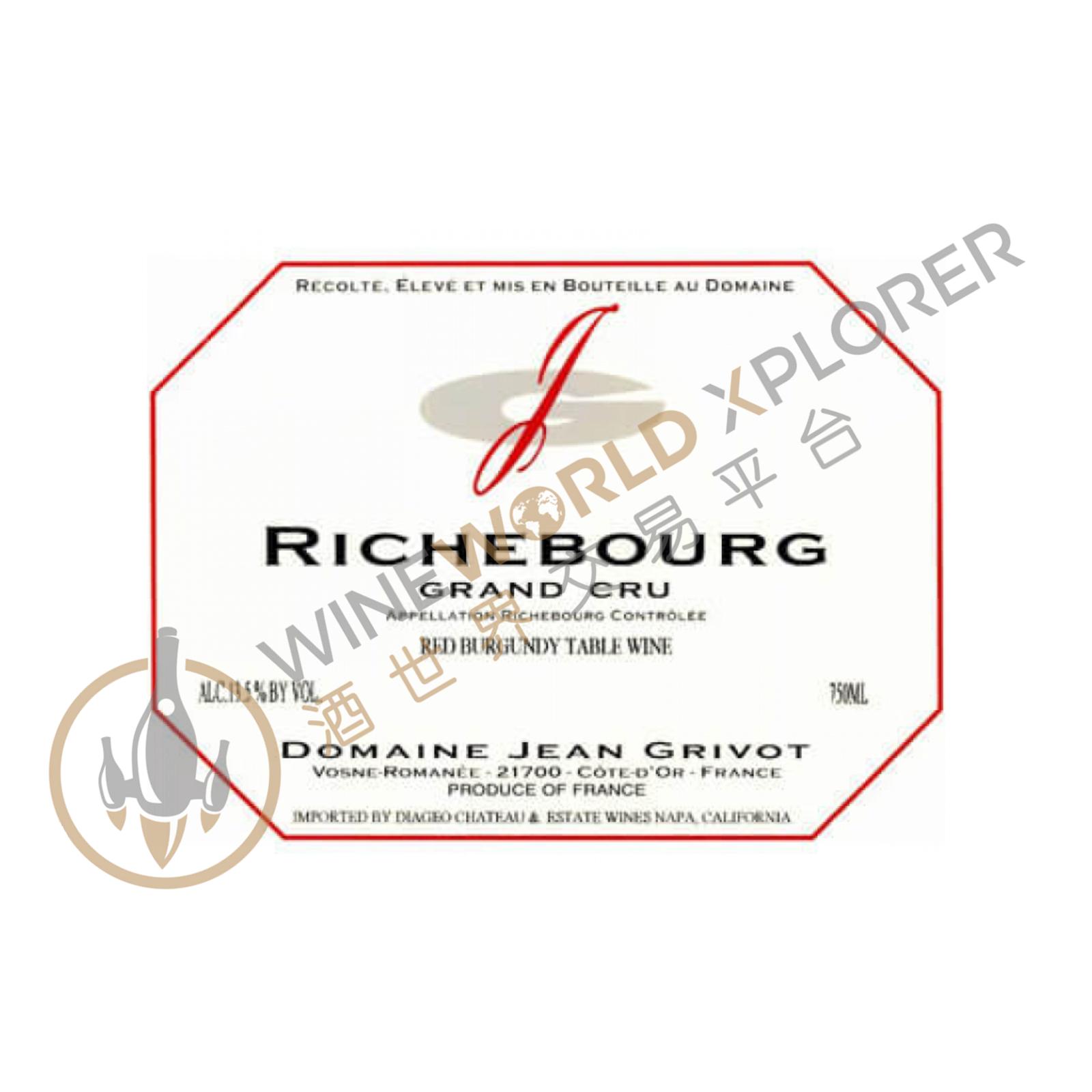
Jean Grivot, Richebourg Grand Cru 2013
 View analysis


Description
Tasting notes

Reviewed by: Neal Martin
The 2013 Richebourg Grand Cru has a gorgeous bouquet with wonderful definition, a Grand Cru determine to put distance between itself and the over-achieving Echézeaux. This is very fragrant and gains intensity in the glass with luxuriant and very pure red berry fruit. The palate is suffused with a sorbet-like freshness: orange zest permeating the red cherry and strawberry fruit and it fans out on the enormously long finish. Divine...almost as good as the imperious 2012 last year.
Reviewed by: Neal Martin
Tasted blind at the Burgfest tasting in Beaune, the 2013 Richebourg Grand Cru has a slightly smudged bouquet at the moment, though there is impressive purity here and it gains delineation in the glass: red cherries, wild strawberry and a touch of orange rind. The palate is medium-bodied with sappy black fruit. There is a fine line of acidity that lends this the tension it needs to offset the concentration. Tightly coiled and backward on the structured finish, give this 5-7 years to mellow into what will surely be an outstanding Richebourg. Tasted September 2016.
Reviewed by: Neal Martin
Tasted blind at the Burgfest tasting in Beaune, the 2013 Richebourg Grand Cru has a slightly smudged bouquet at the moment, though there is impressive purity here and it gains delineation in the glass: red cherries, wild strawberry and a touch of orange rind. The palate is medium-bodied with sappy black fruit. There is a fine line of acidity that lends this the tension it needs to offset the concentration. Tightly coiled and backward on the structured finish, give this 5-7 years to mellow into what will surely be an outstanding Richebourg. Tasted September 2016.
Reviewed by: Stephen Tanzer
Bright dark red. Precise, high-pitched aromas of red cherry, raspberry, licorice and mint. Utterly spherical, fine-grained wine with outstanding intensity; conveys a powerful impression of force but without any hardness or brutality. The pungent red berry flavors are complicated by suggestions of leather and game and given further punch by strong underlying minerality. Finishes with big, broad, building tannins that will require patience. Boasts outstanding inner-mouth tension and energy, but the sensuality of Vosne-Romanée is also on display here. A great showing.
Reviewed by: Stephen Tanzer
Good bright, dark, cherry-red. Deep, brooding nose combines dark berries, roasted herbs, smoked meat and dried flowers. Enters the mouth thick but this wine's outstanding sappy verve makes it almost painful in the mid-palate. A real high-wire act of sensuality and pure energy, with sweet flavors of black raspberry, smoke, Oriental spices and dried meat buffered by saline minerality. The powerful, reverberating back end leaves the palate vibrating. This will be bottled at around 13% alcohol following chaptalization, said Grivot, adding that his 2013s have the acidity of a great year.
About the Producer
Domaine Jean Grivot is among the great names in Burgundian wine. Étienne Grivot and his wife Marielle (Patrick Bize's sister) took over from Étienne’s father Jean Grivot in 1987. The Grivot family believes in generational change and in 2017, Étienne and Marielle’s daughter, Mathilde, took over for her parents. Mathilde brings a fresh approach while maintaining the longtime traditions of the Grivot family. The recently renovated winery and cellar is in Vosne-Romanée where most of the Grivot vineyards are located. The domaine has been assembled over several generations to its current size of 15.5 hectares and includes holdings in three grand crus: Clos de Vougeot, Echézeaux, and Richebourg. Mathilde believes in getting quality first thanks to meticulous vineyard work throughout the year. The result of this hard work is healthy, ripe (both phenolic and sugar levels) and depth of concentration and flavor of the fruit. Today, the vineyards are densely planted and farmed organically “sans certification,” while the aim in the cellar is for balance and clear expression of terroir. The grapes are entirely destemmed and maceration à froid usually lasts just a day or two. The fermentation starts naturally, with a little punching down before this fermentation begins. There is no more pigeage after fermentation begins, “I don’t like to mix the physical (punching down) with the spiritual (fermentation),” said Étienne. After fermentation, the wines are pumped over once a day before aging in barrel for 15 months. Depending on the vintage, the proportion of new oak is around 25% for the villages appellations, 30-40% for the premier crus and 40-45% percent for the grands crus.