Wine Advisor



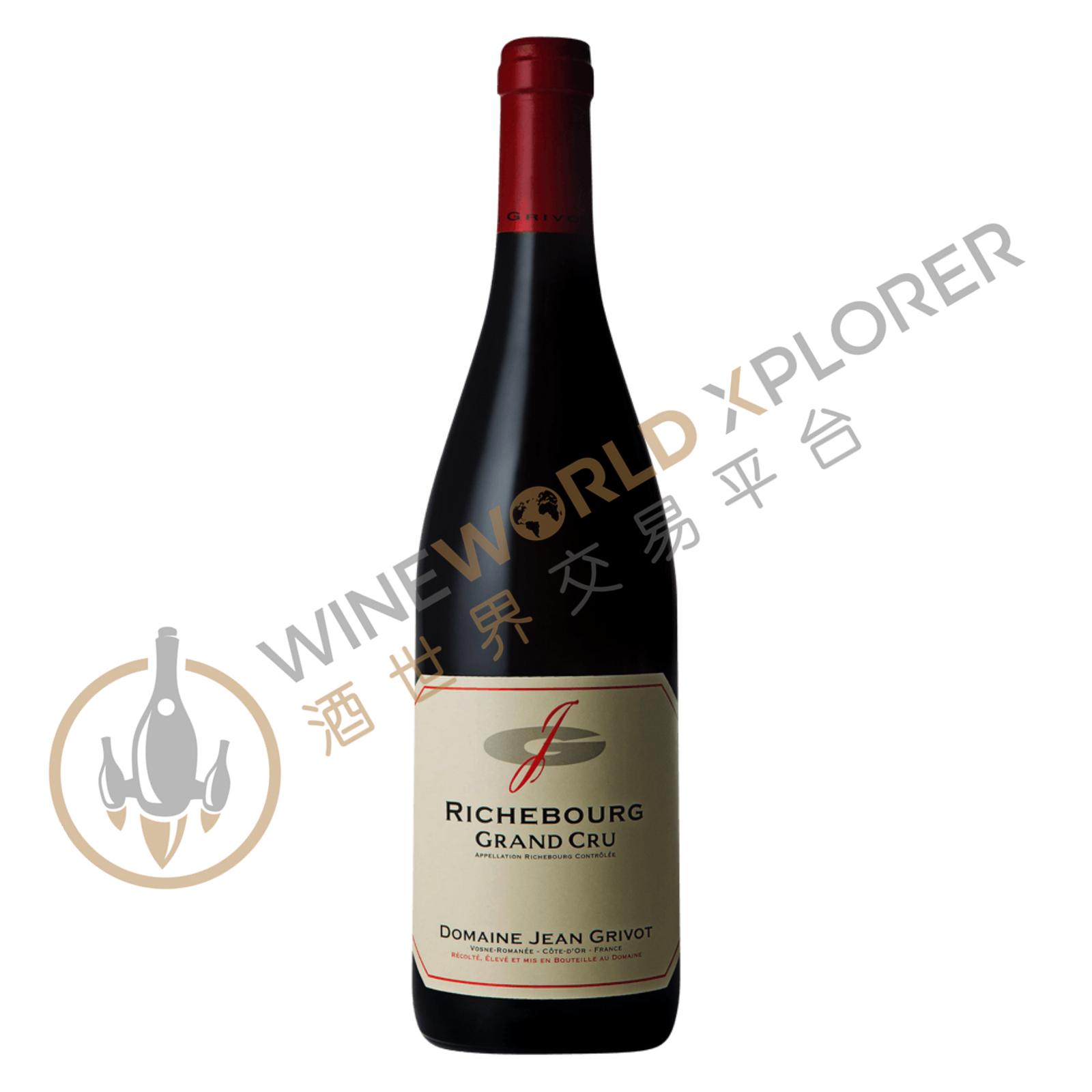
Jean Grivot, Richebourg Grand Cru 2010
 View analysis


Description
Tasting notes

Reviewed by: Antonio Galloni
The 2010 Richebourg impresses for its depth and sheer power. Seemingly endless layers of fruit flow from this sensual, layered wine. There are virtually no hard edges. The 2010 is flat-out dazzling. It captivates all of the senses with an exotic melange of dark berry fruit and piercing floral notes. All of the aromas and flavors build towards an effortless crescendo of rare and thrilling pedigree. This is a stunning Richebourg from Grivot. Anticipated maturity: 2020-2035. I was blown away by the wines I tasted with Etienne Grivot on what turned out to be one of the most thrilling visits of my fall trip. Readers should do whatever they can to latch onto a few bottles of these exquisite Burgundies. Grivot talked about a roller coaster vintage which was saved by 3-4 days of good weather. The estate lost fruit from 3,000 plants and yields were down 40% across the board because of the poor weather during the flowering. The most dramatic proof of the loss in production was seeing some of rooms in the cellar with far fewer barrels than is the norm. The domaine’s 2009s are equally exciting. I will have notes on those wines in the April issue. Importer: Diageo Chateau & Estate Wines, Napa CA; tel. (707) 299-2600
Reviewed by: Antonio Galloni
The 2010 Richebourg impresses for its depth and sheer power. Seemingly endless layers of fruit flow from this sensual, layered wine. There are virtually no hard edges. The 2010 is flat-out dazzling. It captivates all of the senses with an exotic melange of dark berry fruit and piercing floral notes. All of the aromas and flavors build towards an effortless crescendo of rare and thrilling pedigree. This is a stunning Richebourg from Grivot. Anticipated maturity: 2020-2035. I was blown away by the wines I tasted with Etienne Grivot on what turned out to be one of the most thrilling visits of my fall trip. Readers should do whatever they can to latch onto a few bottles of these exquisite Burgundies. Grivot talked about a roller coaster vintage which was saved by 3-4 days of good weather. The estate lost fruit from 3,000 plants and yields were down 40% across the board because of the poor weather during the flowering. The most dramatic proof of the loss in production was seeing some of rooms in the cellar with far fewer barrels than is the norm. The domaine’s 2009s are equally exciting. I will have notes on those wines in the April issue. Importer: Diageo Chateau & Estate Wines, Napa CA; tel. (707) 299-2600
About the Producer
Domaine Jean Grivot is among the great names in Burgundian wine. Étienne Grivot and his wife Marielle (Patrick Bize's sister) took over from Étienne’s father Jean Grivot in 1987. The Grivot family believes in generational change and in 2017, Étienne and Marielle’s daughter, Mathilde, took over for her parents. Mathilde brings a fresh approach while maintaining the longtime traditions of the Grivot family. The recently renovated winery and cellar is in Vosne-Romanée where most of the Grivot vineyards are located. The domaine has been assembled over several generations to its current size of 15.5 hectares and includes holdings in three grand crus: Clos de Vougeot, Echézeaux, and Richebourg. Mathilde believes in getting quality first thanks to meticulous vineyard work throughout the year. The result of this hard work is healthy, ripe (both phenolic and sugar levels) and depth of concentration and flavor of the fruit. Today, the vineyards are densely planted and farmed organically “sans certification,” while the aim in the cellar is for balance and clear expression of terroir. The grapes are entirely destemmed and maceration à froid usually lasts just a day or two. The fermentation starts naturally, with a little punching down before this fermentation begins. There is no more pigeage after fermentation begins, “I don’t like to mix the physical (punching down) with the spiritual (fermentation),” said Étienne. After fermentation, the wines are pumped over once a day before aging in barrel for 15 months. Depending on the vintage, the proportion of new oak is around 25% for the villages appellations, 30-40% for the premier crus and 40-45% percent for the grands crus.
1994(1)1999(1)2001(1)2002(1)2005(1)2006(1)2008(2)2009(4)
Package Size