Wine Advisor



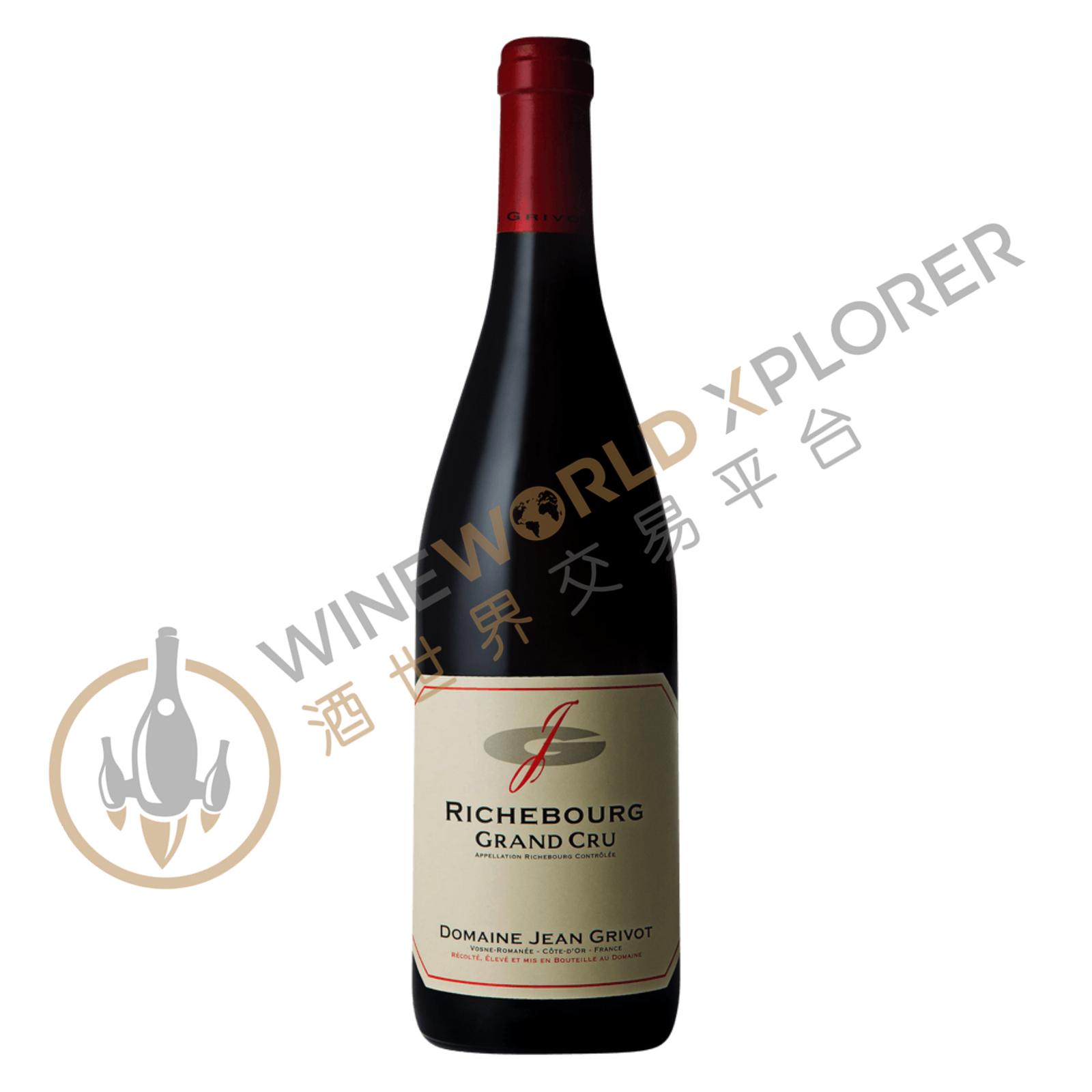
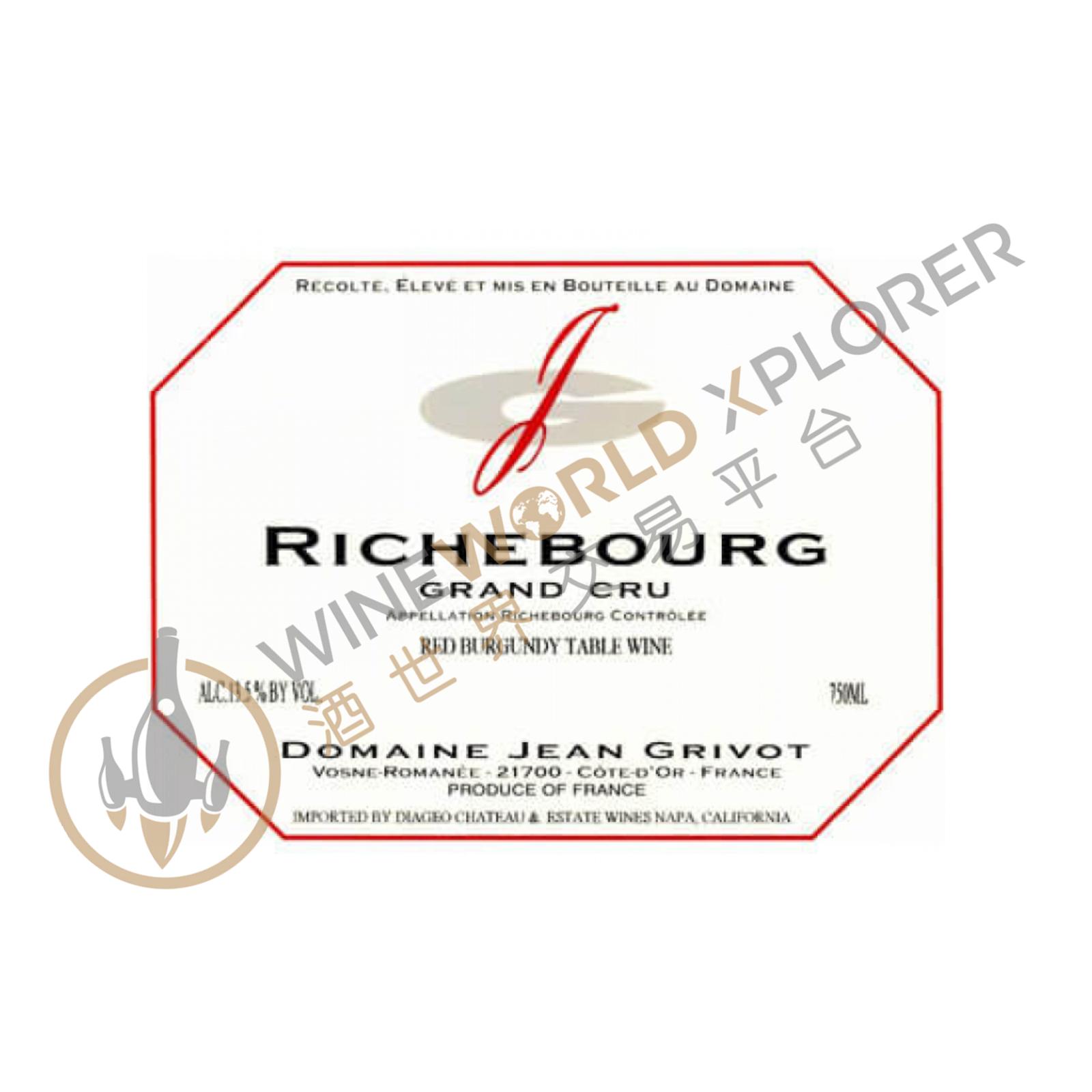
Jean Grivot, Richebourg Grand Cru 1999
 View analysis


Description
Tasting notes

Reviewed by: Neal Martin
The 1999 Richebourg Grand Cru from Grivot is a long-term wine. Even after 16 years the nose is deep, broody and has a sign outside saying "come back later." I would say around five years. But I think there is great potential here (incidentally, not a view shared by others present at this tasting). With aeration, it reluctantly reveals sage and light Japanese nori (seaweed) aromas that I believe will become more prominent with time. The palate is well balanced, quite dense and perhaps "stocky," but hey, this is Richebourg not RSV! Give this burly Richebourg several years and you will have a serious wine.
Reviewed by: Pierre Rovani
The medium to dark ruby-colored 1999 Richebourg is compelling. Its aromatics display great ripeness in their roasted dark berry, fresh herb, talcum, and plum scents. It is medium to full-bodied, broad, and full-flavored. This is an elegant wine with loads of spicy, in-your-face fruit whose flavors last throughout its unbelievably long finish. It magnificently balances extroverted sweet fruit with refinement, precision, and delineation. This is not a dense, chewy wine, but one that is extraordinarily detailed and profound. Projected maturity: 2004-2012+. Importer: Seagram Chateau and Estate Wines Company, New York, NY; tel. (212) 572-7725.
About the Producer
Domaine Jean Grivot is among the great names in Burgundian wine. Étienne Grivot and his wife Marielle (Patrick Bize's sister) took over from Étienne’s father Jean Grivot in 1987. The Grivot family believes in generational change and in 2017, Étienne and Marielle’s daughter, Mathilde, took over for her parents. Mathilde brings a fresh approach while maintaining the longtime traditions of the Grivot family. The recently renovated winery and cellar is in Vosne-Romanée where most of the Grivot vineyards are located. The domaine has been assembled over several generations to its current size of 15.5 hectares and includes holdings in three grand crus: Clos de Vougeot, Echézeaux, and Richebourg. Mathilde believes in getting quality first thanks to meticulous vineyard work throughout the year. The result of this hard work is healthy, ripe (both phenolic and sugar levels) and depth of concentration and flavor of the fruit. Today, the vineyards are densely planted and farmed organically “sans certification,” while the aim in the cellar is for balance and clear expression of terroir. The grapes are entirely destemmed and maceration à froid usually lasts just a day or two. The fermentation starts naturally, with a little punching down before this fermentation begins. There is no more pigeage after fermentation begins, “I don’t like to mix the physical (punching down) with the spiritual (fermentation),” said Étienne. After fermentation, the wines are pumped over once a day before aging in barrel for 15 months. Depending on the vintage, the proportion of new oak is around 25% for the villages appellations, 30-40% for the premier crus and 40-45% percent for the grands crus.