
 Wine Advisor



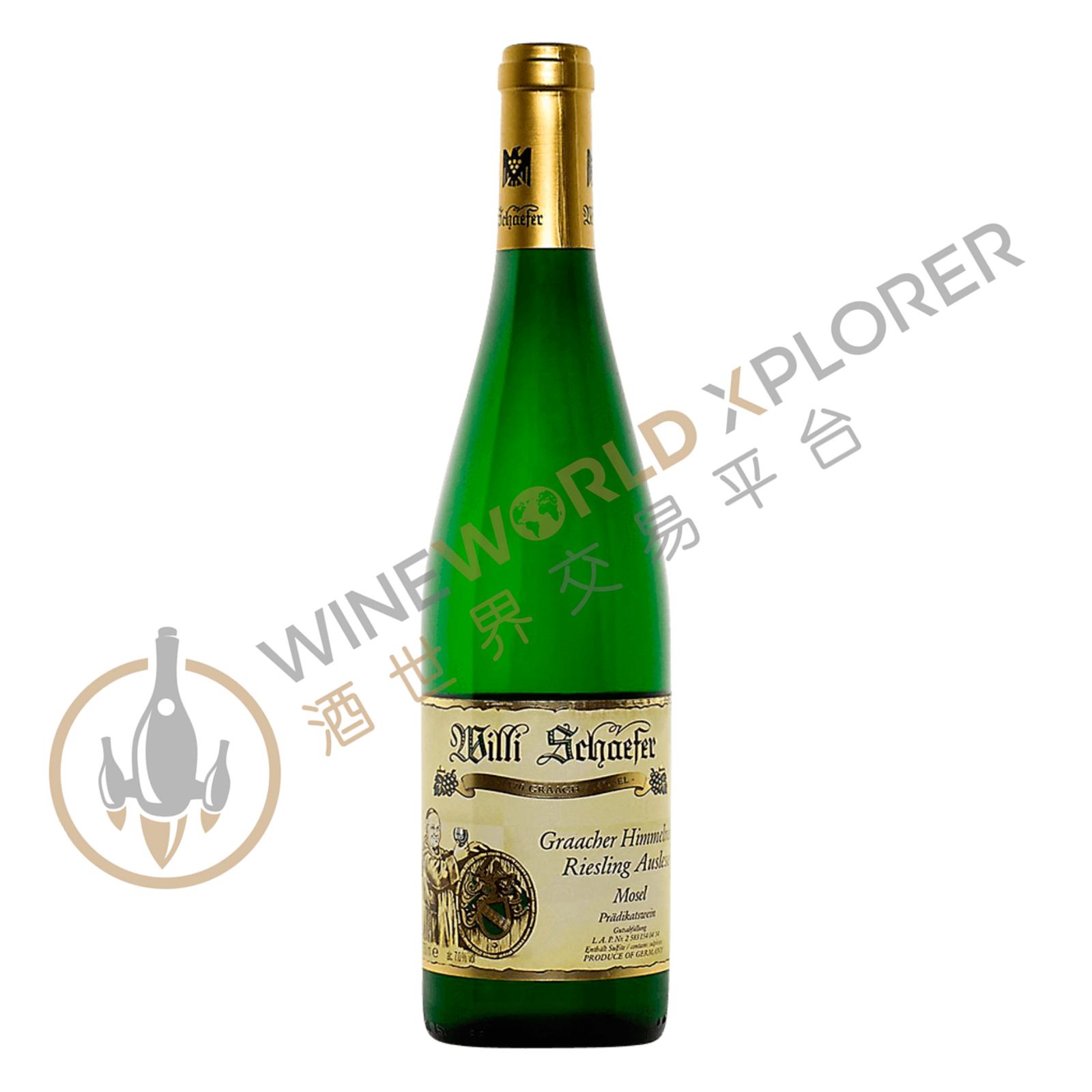
Willi Schaefer, Graacher Himmelreich Riesling Spatlese 2017
 View analysis


Description
Tasting notes

Reviewed by: Stephan Reinhardt
The 2017 Graacher Himmelreich Riesling Spätlese is still discreet and yeasty on the elegant, intense, well-balanced and promising nose. Lush and generous on the palate, it has almost exuberant fruit but fine and persistent mineral acidity that takes it to a long, promising finish. This is another rather food-friendly Spätlese whose sweetness is reduced or beautifully balanced by the excessive mineral terroir character. The 2017 is still a baby straight from the bottle, but it's worthy of cellaring with pride for two or three decades. Tasted in March 2019.
Reviewed by: David Schildknecht
Scents of apple, pineapple and Meyer lemon anticipate the tart-edged and brightly citric impression subsequently conveyed on a buoyant, silken, subtly glossy palate. Hyacinth perfume adds quite seductive inner-mouth appeal. The finish is vibrantly tingling and animating, delivering infectious juiciness and suggesting a shower of stone crystals.
About the Producer
The estate is all of 4.2 hectares with no desire to grow. Part of is the wines themselves; they’re silly delicious. You cannot be unhappy drinking these perfect ur-Mosel Rieslings. And as crystalline as they are, as ethereally complex and limpidly clear, they have a quality of calm; they don’t fuss at you with how amazing they are. Since 2015, Christoph Schaefer and his wife Andrea run this storied family winery in Graach, the pair met while studying enology at Geisenheim. Their winemaking philosophy is not much different than that of Christoph’s father or grandfather. The focus is not on numbers or analytics, but on how the grapes taste. From harvesting each plot to the fermentations with natural yeast, all the way through bottling, everything is done by taste and feel. In the village of Graach, with south-to-southwest exposition, the vines have great sun exposure all day as well as natural spring that runs through the hillside, guaranteeing good water supply even in warm vintages. The Romans already knew the benefits of Graach’s sites and cultivated vines here. In the Prussian classification of the Mosel vineyards from 1816 to 1832, Graach’s vineyards had the highest ratings. Compared to the wines just slightly northwest in Zeltingen, the wines from Graach show cooler green and white tones rather Wehlen and Zeltingen’s more orange and red flavors. These wines perfectly reflect this unique terroir and show the distinct differences between these two sites right next to each other. Domprobst is more mineral, smokier, shadowy, and takes longer to emerge while Himmelreich is buoyant, more floral, lighter in texture, and is open from day one.
