
 Wine Advisor



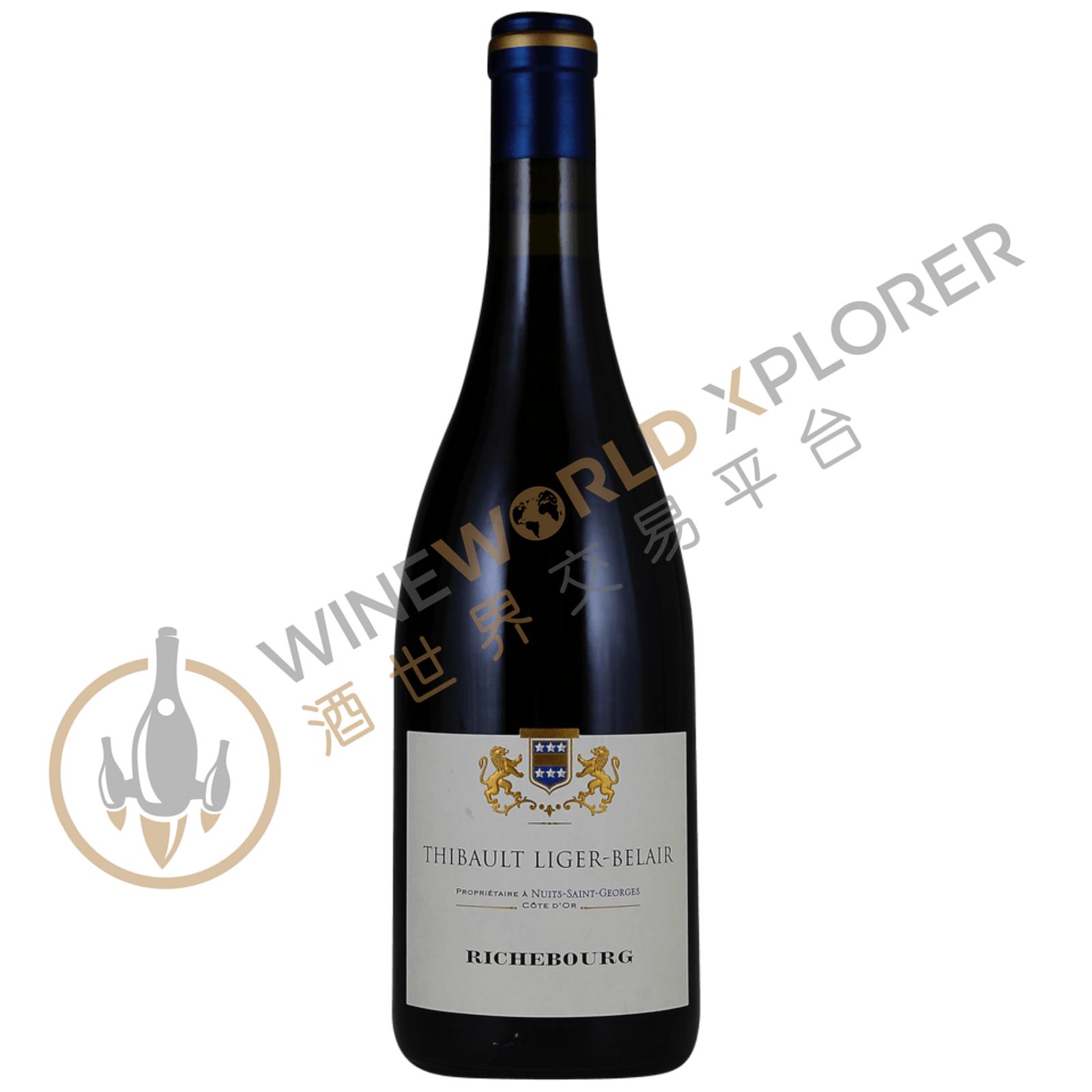
Thibault Liger Belair, Richebourg Grand Cru 2010
 View analysis


Description
Tasting notes

Reviewed by: Antonio Galloni
The 2010 Richebourg possesses stunning depth and power. Despite the wine's considerable tannic heft, there is more than enough radiance and sheer brilliance in the fruit to balance the structural elements. A fabulous, energetic finish rounds things off in grand style. This is a stunning effort, but it will require patience, and lots of it.
Reviewed by: Stephen Tanzer
Bright full red. Wild, expressive aromas of raspberry, flinty minerality and pungent spices. Delivers outstanding power and palate-staining richness, with intense, sweet berry and dark cherry fruit complicated by saline, soil-driven minerality. This complex and complete, if youthfully strict, wine is the total package. With its noble, harmonious tannins and echoing fruits and minerals, this great grand cru saturates every square millimeter of the palate.
Reviewed by: Stephen Tanzer
(20% vendange entier): Bright red-ruby. Crushed cherry, spices, minerals and iodine on the nose, lifted by high notes of cumin and coriander. Painfully closed today, even brutal, but conveys a strong impression of energy. This totally unformed Richebourg is an infant at present, but Liger-Belair did not intend to rack it until April. Finishes very long, primary and dry, with granular tannins and youthful toughness. I could be underrating this.
Reviewed by: Antonio Galloni
The 2010 Richebourg possesses stunning depth and power. Despite the wine’s considerable tannic heft, there is more than enough radiance and sheer brilliance in the fruit to balance the structural elements. A fabulous, energetic finish rounds things off in grand style. This is a stunning effort, but it will require patience, and lots of it. Anticipated maturity: 2030-2050. I was deeply impressed with the wines I tasted with Thibault Liger-Belair. Thibault’s core holdings are the remaining vestiges of his family’s portion of the original Liger-Belair estate that was sold in the early 1930s. In recent years, Liger-Belair has added a few negociant wines to augment his range. Thibault Liger-Belair is the largest owner of the Nuits St. Georges 1er Cru Les St. Georges and the leading proponent of the movement to have the vineyard classified as a Grand Cru. Liger-Belair’s decision to taste his Les St. Georges in between the Clos de Vougeot and Richebourg makes an eloquent case. In fact, words are pretty much superfluous at that point. I will report on Liger-Belair’s 2009s in the April issue. Importer: Vineyard Brands, Birmingham, AL; tel. (205) 980-8802
About the Producer
Domaine Thibault Liger-Belair is located in Nuits-Saint-Georges, a sub-appellation of the Cote de Nuits in Burgundy, France, and is a historic boutique estate within the appellation. Château Thibaud has 7.25 hectares of vineyards in five wine-producing villages, including Vaughan-Romanée, Vougeot, Nuits-Saint-Georges and Gevrey Chambertin. Château Thibaud is a natural winery, and its organic farming methods have been recognised by ECOCERT. In order to cultivate the best grapes through biodynamic practices, Château Thibaud closely monitors the vine's growth cycle and creates the ideal conditions for the grapes to grow, taking into account the changes in weather, the seasons and planetary movements. Each year, Château Thibaud adapts its winemaking methods and techniques to the ripeness and quality of the grapes. However, the same applies to the selection of the best and healthiest grapes, which are hand-picked and selected by hand each year. To ensure that the original flavour of the wine is not compromised, the winery adheres to the principle of minimum intervention, reducing manual work at all stages, such as the use of less cap pressing or only gentle cap pressing, controlled pumping of unfermented must, etc. In addition, the wines are matured in oak barrels for 12 to 18 months, depending on the village where the grapes are produced and the ripeness of the year. The choice of barrels is made with great care at Château Tibor. Taking into account the texture and origin of the barrels, the barrels are allowed to dry for 3 years before being used to give the wines a more refined and supple tannin profile. To ensure that the flavour of the wine is not disturbed by the oak, Château Thibaud never uses barrels that are more than half new. However, at Château Thibaud, an old barrel has a maximum life expectancy of three years. The wines are not filtered or clarified during the vinification, maturation or bottling stages, in order to preserve their full structure and natural flavours. The first vintage of Château Tippel was released in 2002 and was very well received by consumers and critics alike for its fruity, smooth tannins, fine layers and unique flavour.
