
 Wine Advisor



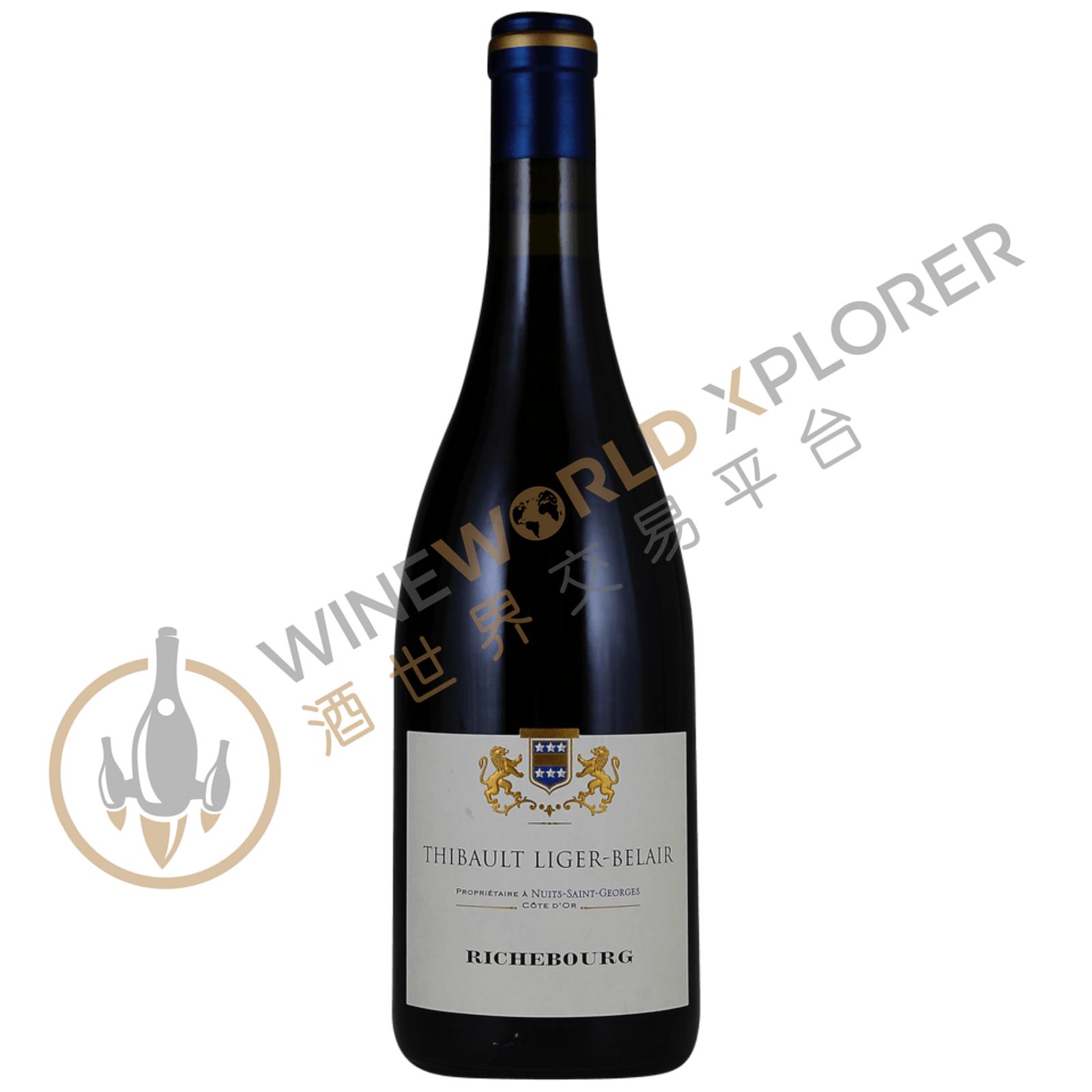
Thibault Liger Belair, Richebourg Grand Cru 2018
 View analysis


Description
Tasting notes

Reviewed by: Neal Martin
The 2018 Richebourg Grand Cru is dark in colour, more so than A.F. Gros's. Dark berry fruit, pressed rose petals, sous-bois and a touch of Indian ink. This seems to expand in the glass, likewise there is certainly some Brettanomyces evident here. The palate is medium-bodied with fleshy ripe, quite saturated tannins, orange zest and hints of marmalade, taut and fresh with real weight and density towards the effervescent finish. There is a palpable sense of grandeur here that I do not find in Gros's, yet the bottom line is that it depends on what happens to the brett. Tasted blind at the Burgfest 2018 red tasting.
Reviewed by: Neal Martin
The 2018 Richebourg Grand Cru has a very intense bouquet, a mélange of red and black fruit, crushed rose petals, baking powder and black truffle aromas; this is very complex. The palate is fresh on the entry with crisp acidity, the 40% whole cluster lending tension and pepperiness, and grippy on the broody, slightly austere finish. This will need several years in bottle. Maybe a bit saturnine at the moment, but it will find more luminosity with bottle age.
Reviewed by: Neal Martin
The 2018 Richebourg Grand Cru is matured in around two-thirds new oak including 30% whole cluster. It has an intense bouquet of beautifully defined raspberry, wild strawberry, undergrowth, peppermint and cola aromas. The medium-bodied palate offers sappy red fruit. There is a firm backbone here, dense and grippy and almost stentorian toward the finish. An impressive Richebourg rather than an outright delicious one at the moment, it will require considerable time in bottle.
Reviewed by: Neal Martin
The 2018 Richebourg Grand Cru has a very intense bouquet, a mélange of red and black fruit, crushed rose petals, baking powder and black truffle aromas; this is very complex. The palate is fresh on the entry with crisp acidity, the 40% whole cluster lending tension and pepperiness, and grippy on the broody, slightly austere finish. This will need several years in bottle. Maybe a bit saturnine at the moment, but it will find more luminosity with bottle age.
About the Producer
Domaine Thibault Liger-Belair is located in Nuits-Saint-Georges, a sub-appellation of the Cote de Nuits in Burgundy, France, and is a historic boutique estate within the appellation. Château Thibaud has 7.25 hectares of vineyards in five wine-producing villages, including Vaughan-Romanée, Vougeot, Nuits-Saint-Georges and Gevrey Chambertin. Château Thibaud is a natural winery, and its organic farming methods have been recognised by ECOCERT. In order to cultivate the best grapes through biodynamic practices, Château Thibaud closely monitors the vine's growth cycle and creates the ideal conditions for the grapes to grow, taking into account the changes in weather, the seasons and planetary movements. Each year, Château Thibaud adapts its winemaking methods and techniques to the ripeness and quality of the grapes. However, the same applies to the selection of the best and healthiest grapes, which are hand-picked and selected by hand each year. To ensure that the original flavour of the wine is not compromised, the winery adheres to the principle of minimum intervention, reducing manual work at all stages, such as the use of less cap pressing or only gentle cap pressing, controlled pumping of unfermented must, etc. In addition, the wines are matured in oak barrels for 12 to 18 months, depending on the village where the grapes are produced and the ripeness of the year. The choice of barrels is made with great care at Château Tibor. Taking into account the texture and origin of the barrels, the barrels are allowed to dry for 3 years before being used to give the wines a more refined and supple tannin profile. To ensure that the flavour of the wine is not disturbed by the oak, Château Thibaud never uses barrels that are more than half new. However, at Château Thibaud, an old barrel has a maximum life expectancy of three years. The wines are not filtered or clarified during the vinification, maturation or bottling stages, in order to preserve their full structure and natural flavours. The first vintage of Château Tippel was released in 2002 and was very well received by consumers and critics alike for its fruity, smooth tannins, fine layers and unique flavour.
