
 Wine Advisor



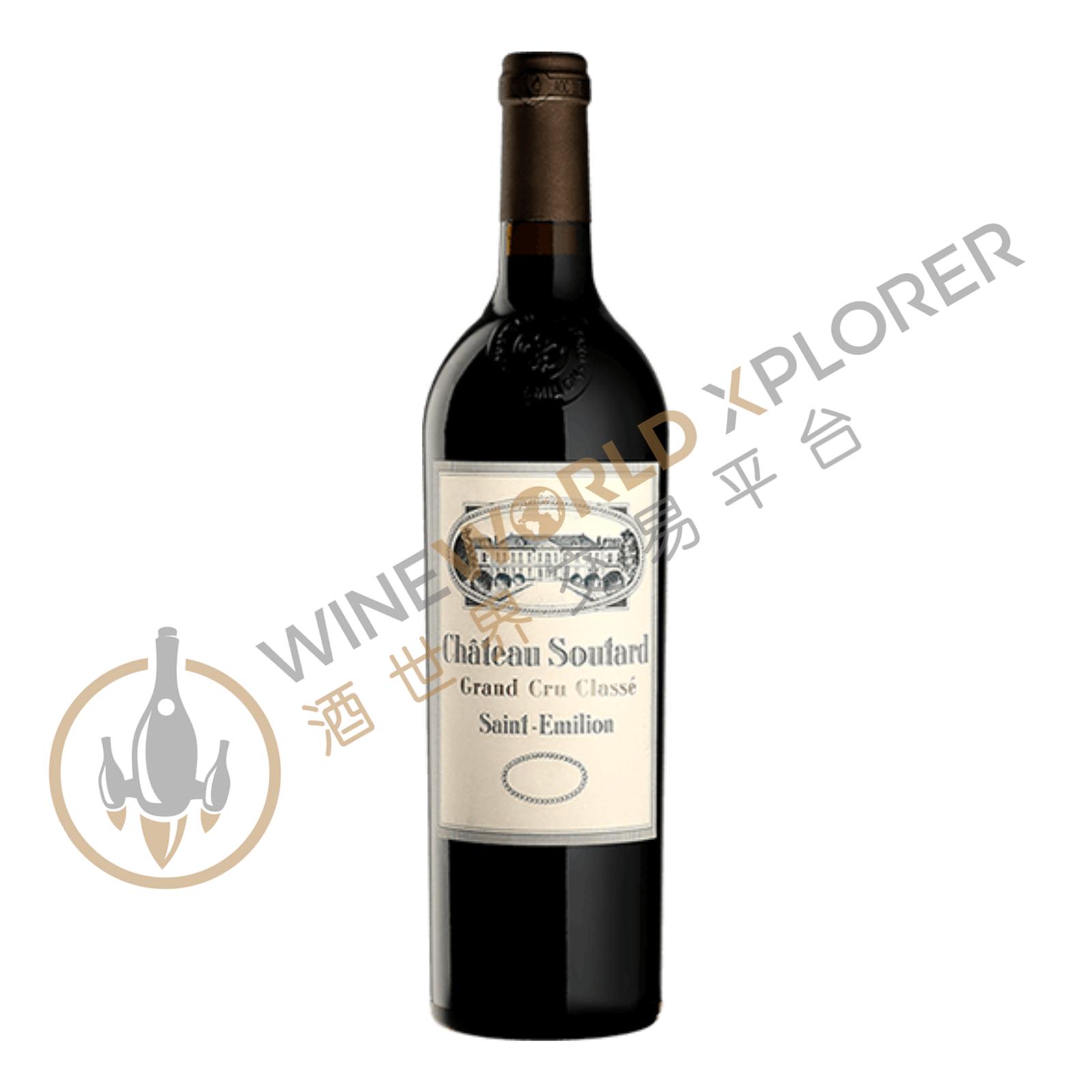
Soutard 2022
 View analysis


Description
Tasting notes

Reviewed by: William Kelley
The 2022 Soutard opens in the glass with aromas of dark berries, cherries and plums mingled with hints of licorice and orange zest. Medium to full-bodied, rich and layered, it's fleshy and enveloping, with a vibrant core of fruit, bright acids and sweet, powdery tannins. This revitalized estate's progress is thrilling to watch.
Reviewed by: William Kelley
The 2022 Soutard has turned out beautifully, unfurling in the glass with aromas of sweet dark berries, licorice mint and bay leaf. Medium to full-bodied, cool and layered, it's velvety and enveloping, with bright acids, sweet tannins and a long, polished finish. This estate on the edge of Saint-Emilion's limestone plateau is enjoying a notable renaissance, and this is a wine to seek out.
About the Producer
Chateau Soutard is located in the Saint-Emilion appellation on the right bank of Bordeaux, France, and is one of the Saint-Emilion Grand Cru Classe. The vineyards of Château Soutar are located in the hinterland of the limestone plateau of Saint-Emilion and cover 30 hectares of limestone, clay and sandy soils. The vineyard is planted with 63% Merlot, 28% Cabernet Franc, 7% Cabernet Sauvignon and 2% Malbec, with an average vine age of 30 years and a planting density of 8,000 vines per hectare. Château Soutar continues the traditional viticultural techniques, respecting the natural terroir of the vineyards and not interfering too much with the vines. For example, the vines are pruned in advance, thus simplifying the Green Harvest process and avoiding additional stress on the vines. Once the grapes have ripened, they are hand-picked by the workers and taken to the chiller, where they are transported to the cellar the following day. In the cellar, the grapes are vibrated and de-stemmed to select the best quality grapes for the wine. The grapes are then placed in small containers and transported by rail to stainless steel tanks and oak barrels for a cold maceration of about 5 days and an alcoholic fermentation of about 10 days. Malolactic fermentation takes place partly in stainless steel tanks and the rest in oak barrels. The finished fermentation is aged for 18 months in French oak barrels, of which 60% are new. Finally, the wine is carefully blended by an oenological consultant to produce a wine with complex and attractive flavours. Typically, 70% of the wine is blended into the main label and the other 30% into the secondary label. The Chateau Soutard, Saint-Emilion Grand Cru Classe, France is the main wine of the estate. With aromas of black fruit, firm tannins and a rounded palate, this wine has been favoured by a host of wine critics and reviewers. For example, the 2018 vintage was awarded 93-95 points by the Robert Parker Team.
