
 Wine Advisor



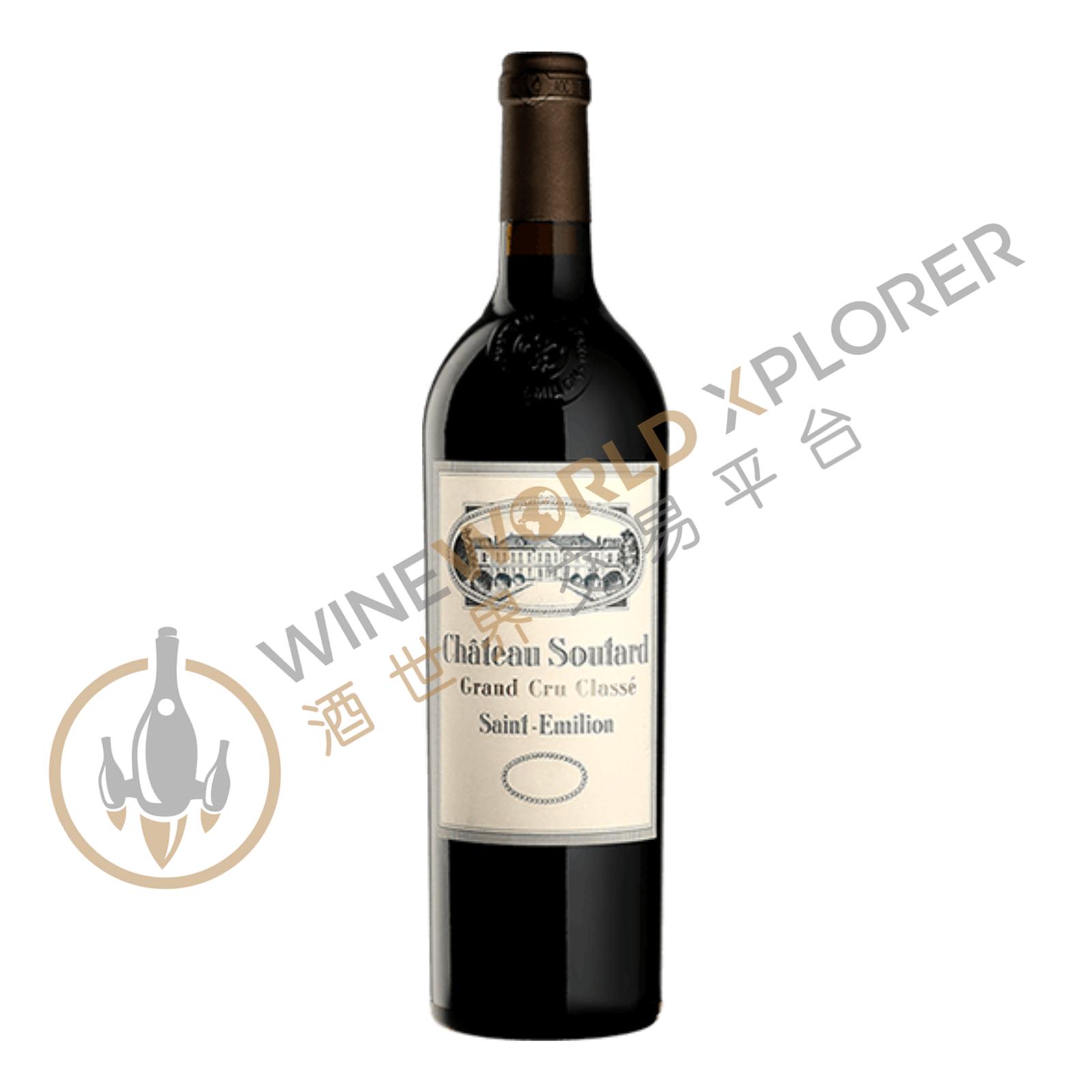
Soutard 2010
 View analysis


Description
Tasting notes

Reviewed by: Neal Martin
Tasted blind at the Southwold Bordeaux 2010 tasting. The Soutard 2010 has a slightly muddled bouquet: dense black fruit with a slight metallic tang. The palate is medium-bodied with a slightly chewy entry. It offers pleasant tarry black fruit with a decent foursquare finish. This is decent Soutard, albeit not quite as charming as 12 months ago. Tasted January 2014.
Reviewed by: Robert M. Parker, Jr.
Excruciatingly tannic, hard, closed and impenetrable when I tasted it, the 2010 Soutard reveals a dark color along with attractive weight and ripeness, but it is puzzling to taste at present.
Reviewed by: Neal Martin
Tasted at the Union de Grand Cru in London. The Soutard 2010 has a lifted bouquet of boysenberry, blackberry, a hint of cooked meat and graphite. Certainly this is far superior to vintages in the 1990s and 2000s. The palate is candied on the entry with forward fleshy red berry fruit. I would have preferred a little more restraint and backbone, although it demonstrates fine purity on the finish. Drink now-2020. Tasted November 2012.
Reviewed by: Robert M. Parker, Jr.
The 2010 is a big, muscular, masculine style of wine with a dense ruby/purple color and loads of blue and black fruits intermixed with vanillin and crushed rock. It is full-bodied and powerful, with lots of tannin. Patience is definitely required, but I suspect this wine will be accessible in 6-7 years, yet capable of lasting a quarter-century or more. There is never a question about the tannic ferocity of most vintages of Soutard, but the new owners seem to be capturing more of the fruit and trying to give the wine more early appeal without sacrificing its legendary longevity.
About the Producer
Chateau Soutard is located in the Saint-Emilion appellation on the right bank of Bordeaux, France, and is one of the Saint-Emilion Grand Cru Classe. The vineyards of Château Soutar are located in the hinterland of the limestone plateau of Saint-Emilion and cover 30 hectares of limestone, clay and sandy soils. The vineyard is planted with 63% Merlot, 28% Cabernet Franc, 7% Cabernet Sauvignon and 2% Malbec, with an average vine age of 30 years and a planting density of 8,000 vines per hectare. Château Soutar continues the traditional viticultural techniques, respecting the natural terroir of the vineyards and not interfering too much with the vines. For example, the vines are pruned in advance, thus simplifying the Green Harvest process and avoiding additional stress on the vines. Once the grapes have ripened, they are hand-picked by the workers and taken to the chiller, where they are transported to the cellar the following day. In the cellar, the grapes are vibrated and de-stemmed to select the best quality grapes for the wine. The grapes are then placed in small containers and transported by rail to stainless steel tanks and oak barrels for a cold maceration of about 5 days and an alcoholic fermentation of about 10 days. Malolactic fermentation takes place partly in stainless steel tanks and the rest in oak barrels. The finished fermentation is aged for 18 months in French oak barrels, of which 60% are new. Finally, the wine is carefully blended by an oenological consultant to produce a wine with complex and attractive flavours. Typically, 70% of the wine is blended into the main label and the other 30% into the secondary label. The Chateau Soutard, Saint-Emilion Grand Cru Classe, France is the main wine of the estate. With aromas of black fruit, firm tannins and a rounded palate, this wine has been favoured by a host of wine critics and reviewers. For example, the 2018 vintage was awarded 93-95 points by the Robert Parker Team.
