Wine Advisor



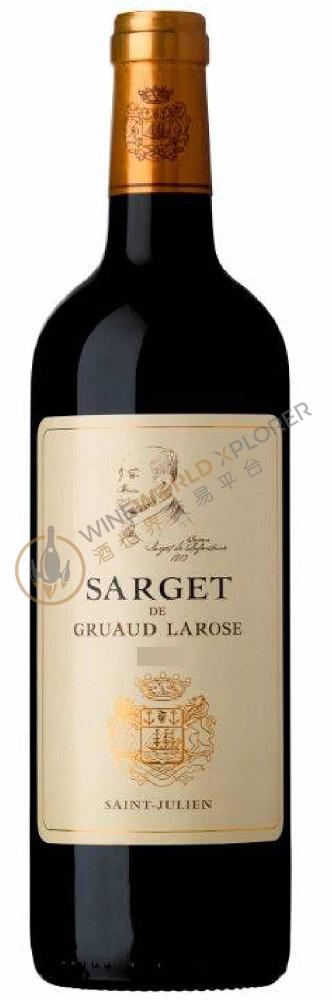
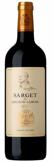
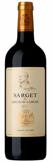
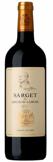
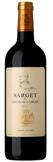
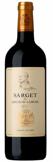
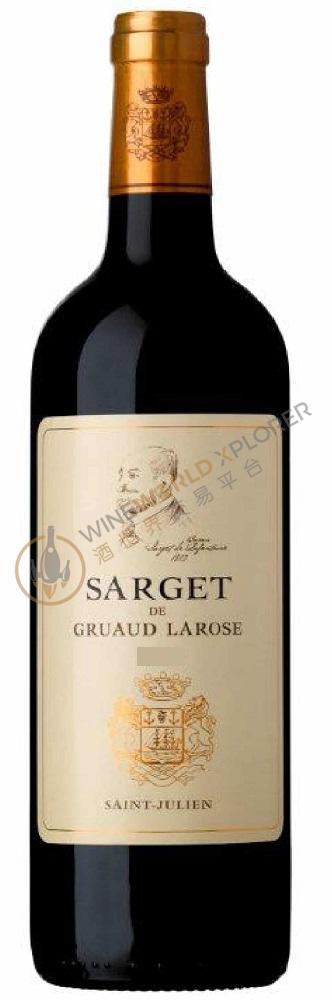
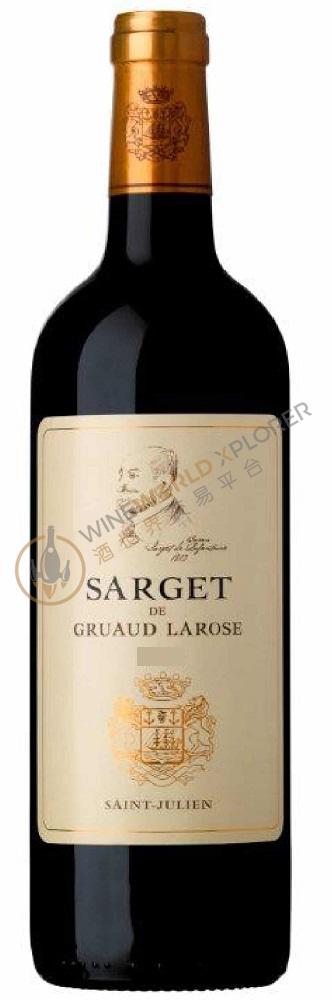
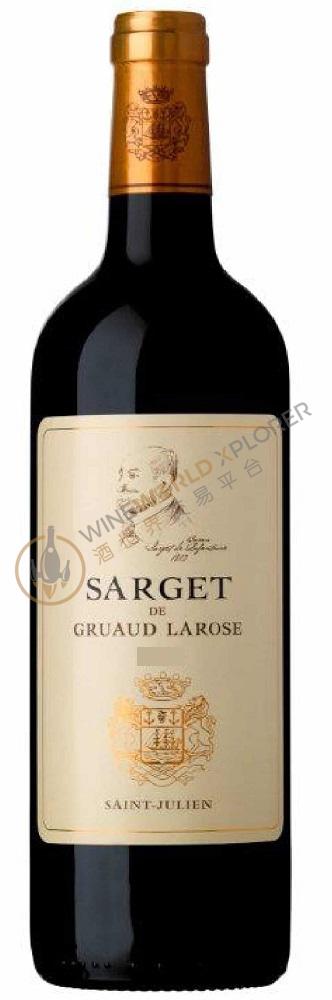
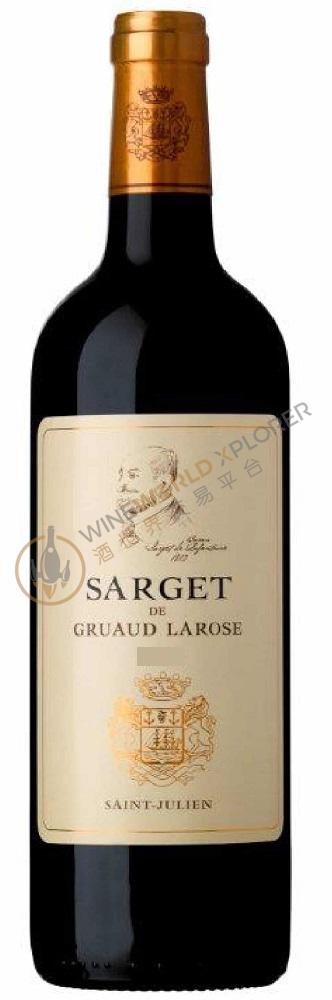
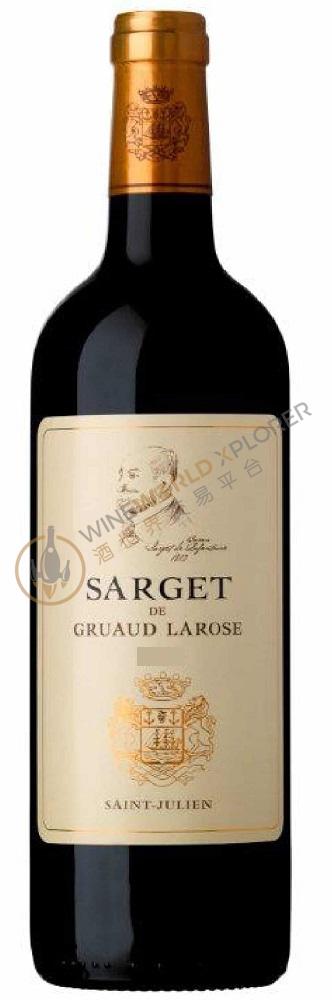
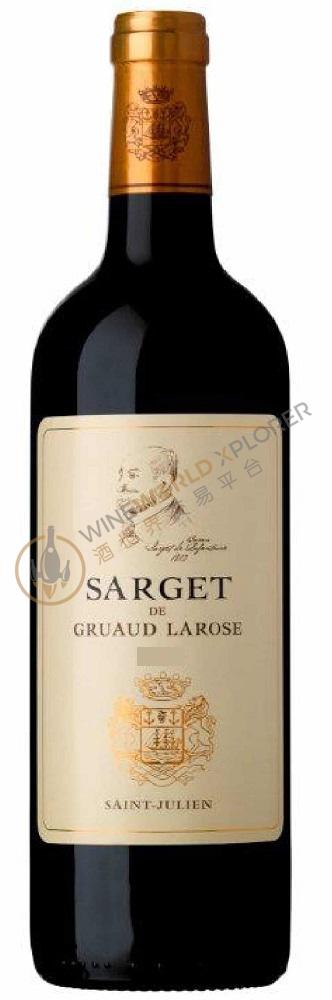
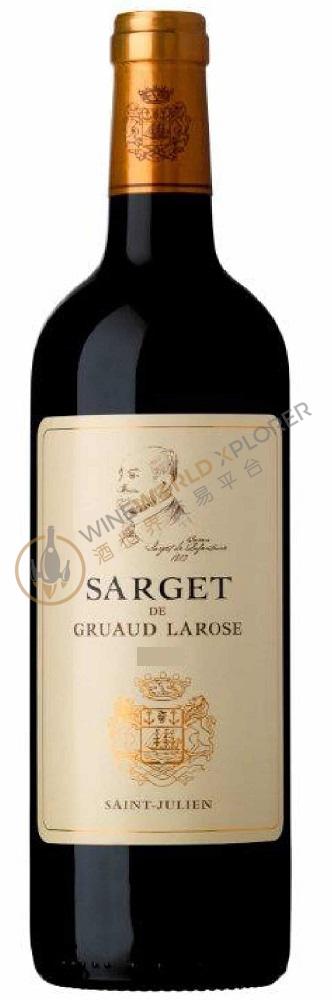
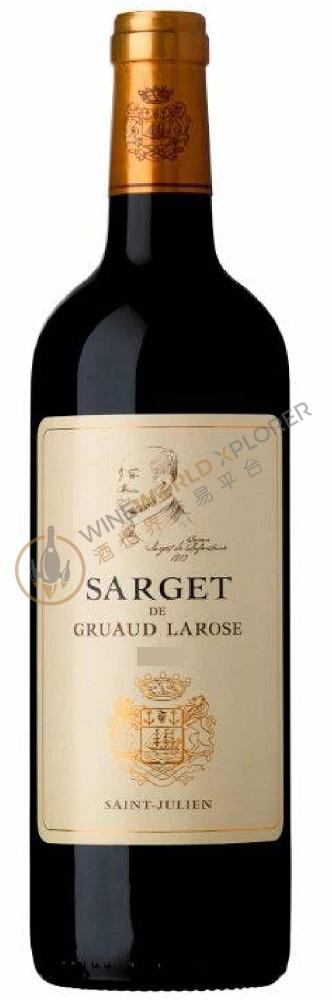
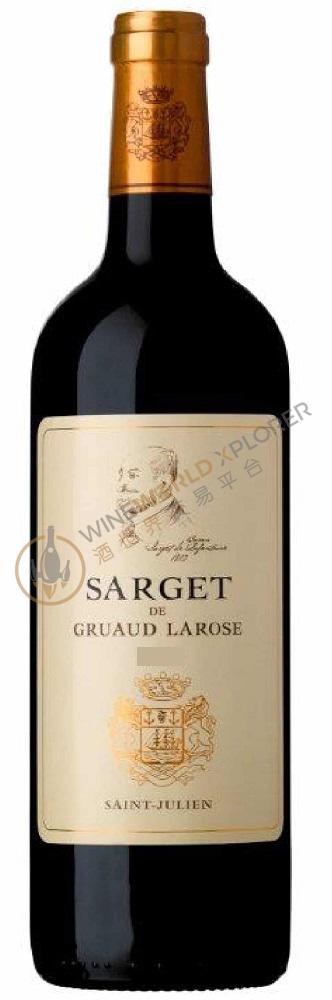
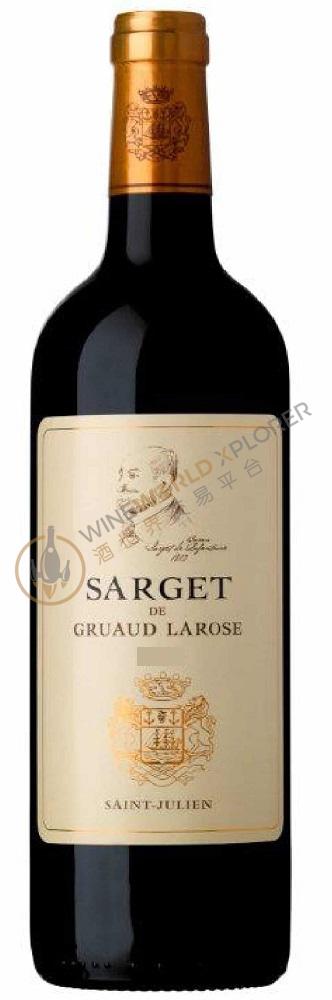
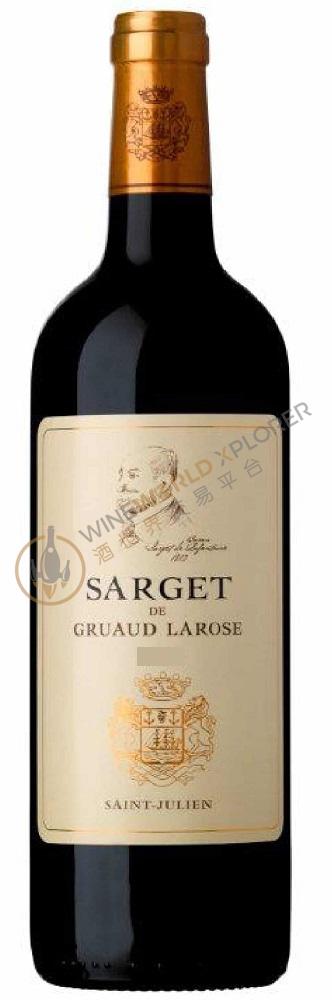
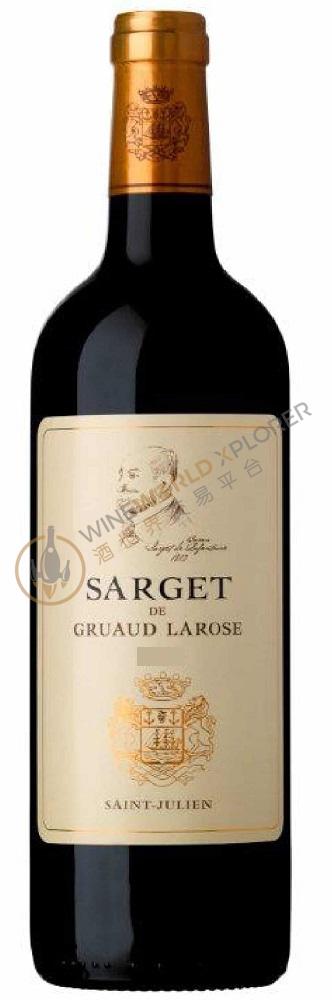
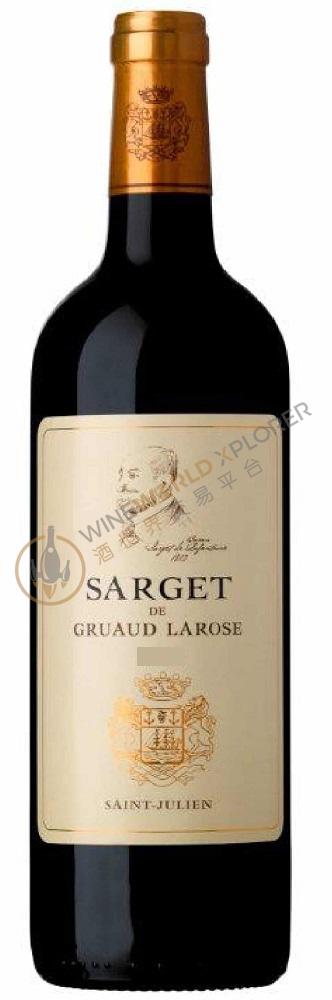
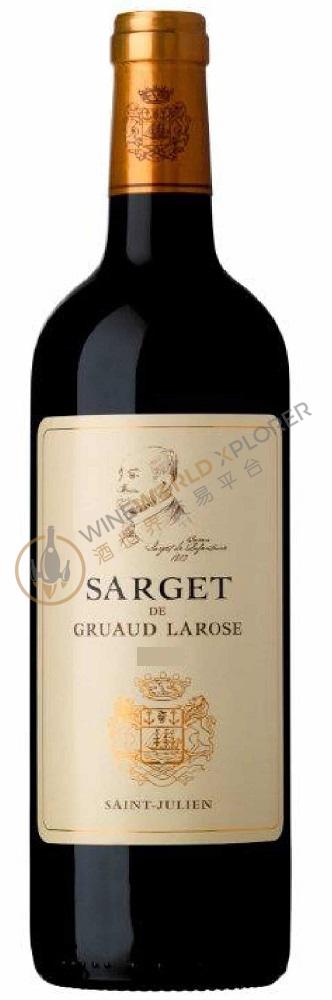
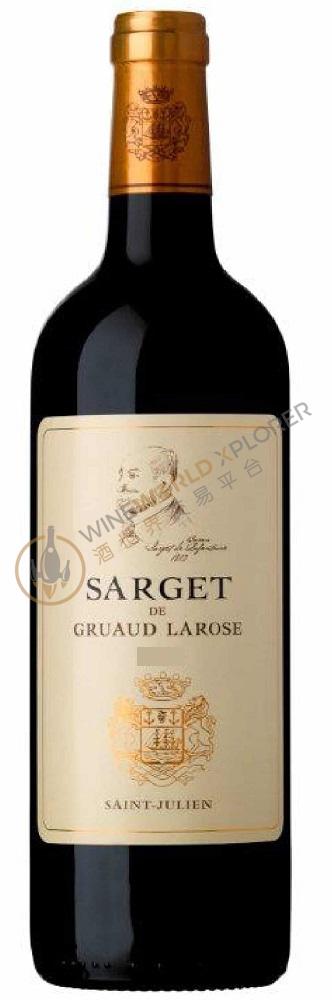
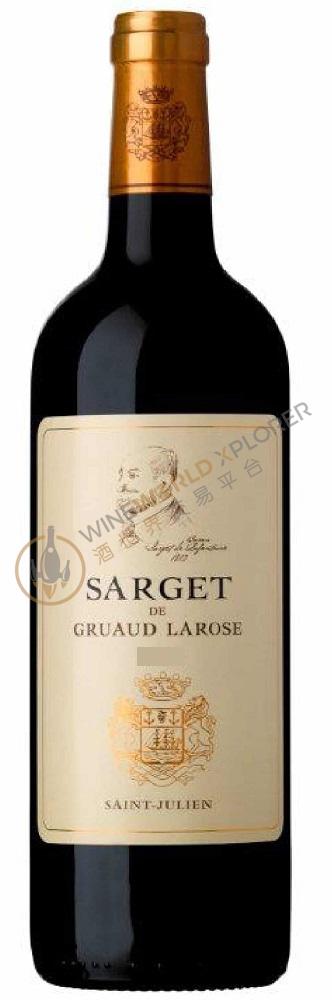
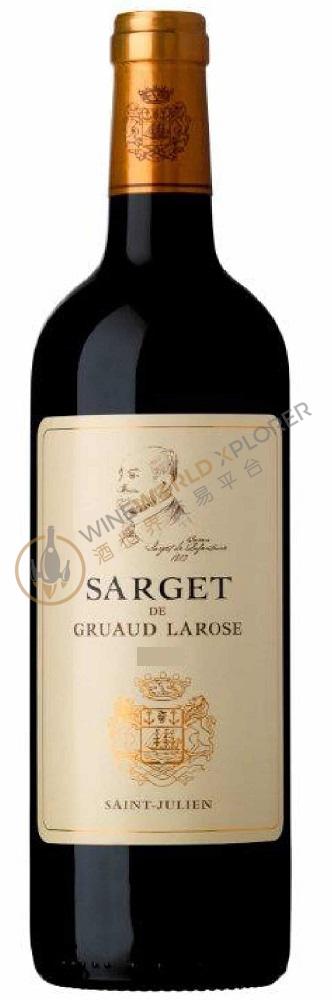
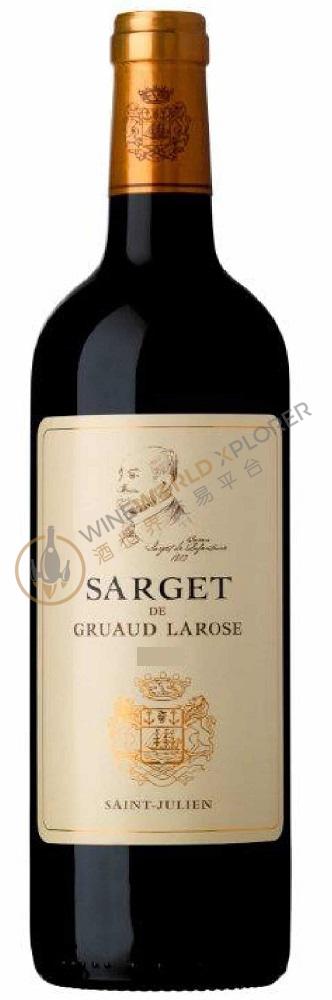
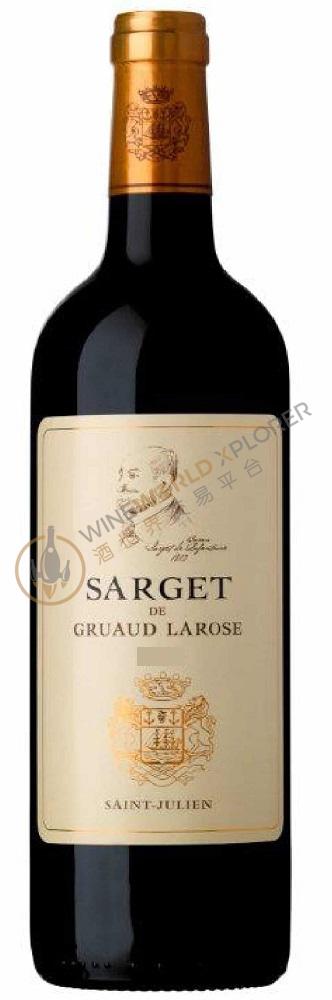
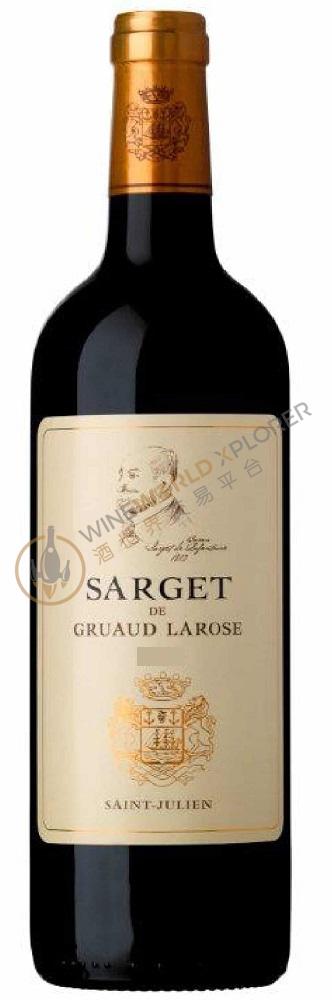
Sarget De Gruaud Larose 2017
 View analysis


Description
Tasting notes

Reviewed by: Antonio Galloni
The 2017 Sarget de Gruaud Larose is a pretty second wine built on floral aromatics and silky red/purplish berry fruit. Given its mid-weight structure, I would prefer to drink the Sarget on the early side.
Reviewed by: Neal Martin
The 2017 Sarget de Gruaud Larose offers light brambly red fruit on the nose mixed with a touch of tobacco, though it is missing some intensity, feels a little loose-knit. The palate is medium-bodied with soft tannins, an easy-drinking, pliant Second Wine that should be consumed over the next four to five years.
Reviewed by: Neal Martin
The 2017 Sarget de Gruaud Larose has a slightly smudged bouquet with blackberry, wild hedgerow and pressed flowers. Maybe because of the awful weather when I tasted this, the aromatics felt suppressed. The palate is medium-bodied with “furry” tannin, moderate depth, broody dark berry fruit with a touch of soy on the finish. I suspect this will be for early drinking.
Reviewed by: Lisa Perrotti-Brown
A barrel sample blended of 61.5% Cabernet Sauvignon, 30% Merlot, 6% Cabernet Franc and 2.5% Petit Verdot, the 2017 Sarget de Gruaud Larose has a medium to deep garnet-purple color and quite an expressive nose of warm plums, black cherries and warm blackcurrants with nuances of tobacco and bay leaves. Medium-bodied, it has a soft texture and just enough juicy fruit, finishing savory.
Reviewed by: Neal Martin
The 2017 Sarget de Gruaud Larose has a slightly smudged bouquet with blackberry, wild hedgerow and pressed flowers. Maybe because of the awful weather when I tasted this, the aromatics felt suppressed. The palate is medium-bodied with “furry” tannin, moderate depth, broody dark berry fruit with a touch of soy on the finish. I suspect this will be for early drinking.
About the Producer
Gruaud Larose has always tried to give value to the role of man in the creation of its elixir; both to his work and to the bond established with the vineyard. The vine stocks and the grapes are nothing without man, without these makers of Crus, from the most modest to the most powerful. Since its creation, in 1725, four families have succeeded one another at the head of Gruaud Larose: the Gruaud & Larose families, the Balguerie and Sarget families, the Cordier family and the Merlaut family. This family attachment has been passed on to the employees who often work at the Château from father to son and from mother to daughter. The notion of terroir binds geology and climate together. The largest concentration of Grand Cru Wines is in the Medoc, an area which benefits from a microclimate that is particularly favorable for the expression of the vine. The soil, by nature, limits water retentivity, and the summer period, very hot and dry from July to September, is a determinant for good ripening, a good maturity, and the satisfactory transfer between the root system and the grape. East and West winds dry the grapes to keep them from perishing. Every year the heavens play a decisive role in winemaking. Their influence on the success of the wine is different each year; no terroir, man, or technique can alter the part they play.