Wine Advisor



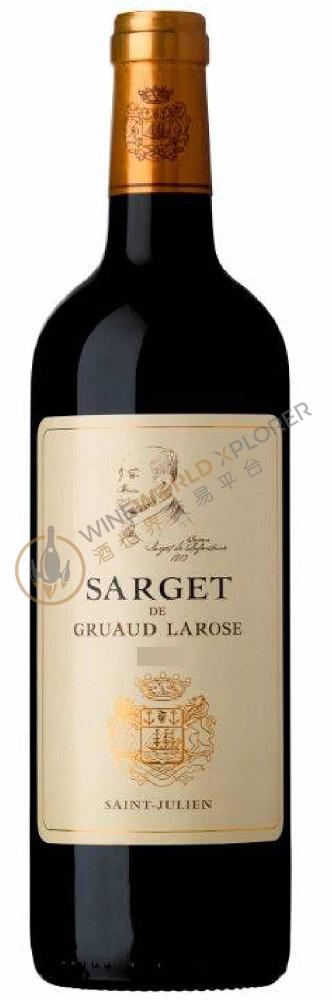
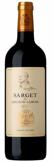
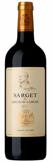
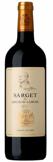
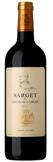
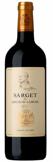
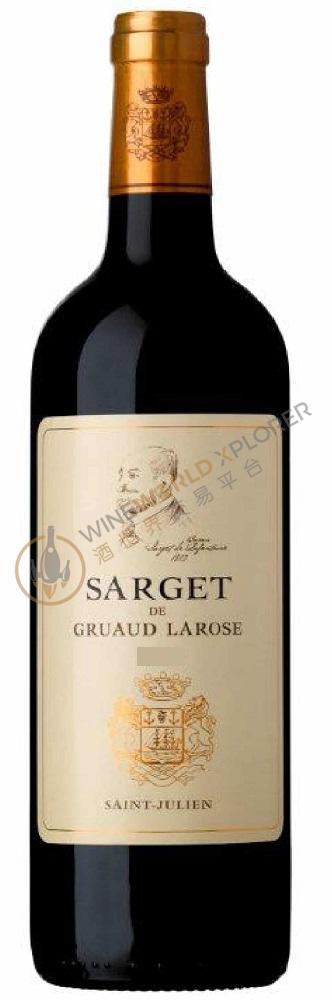
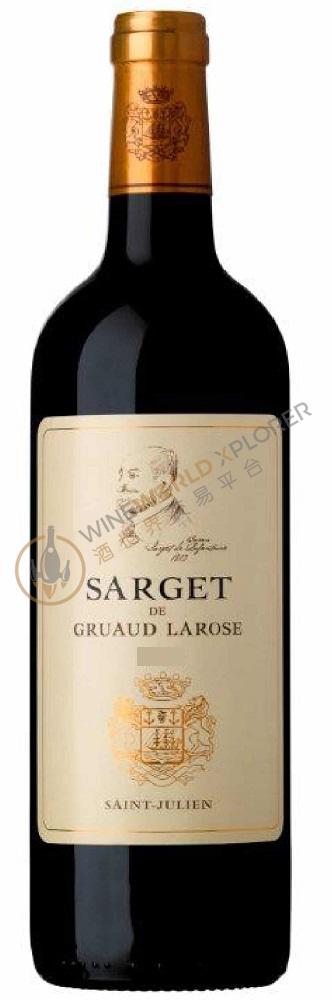
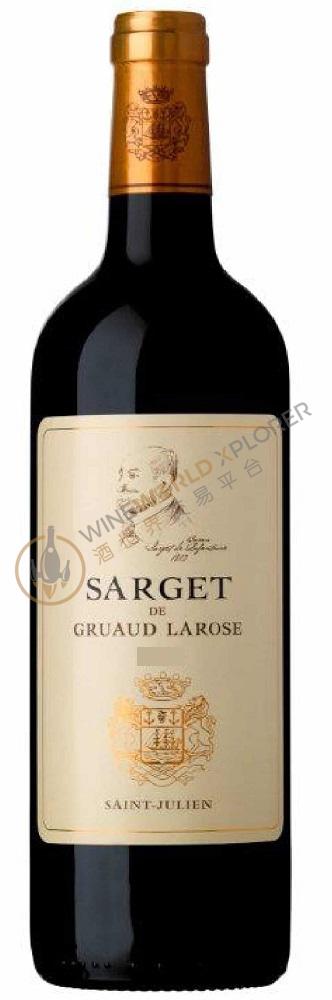
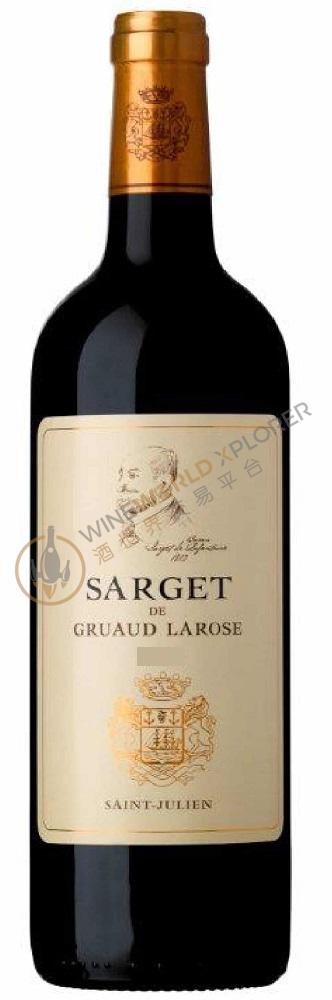
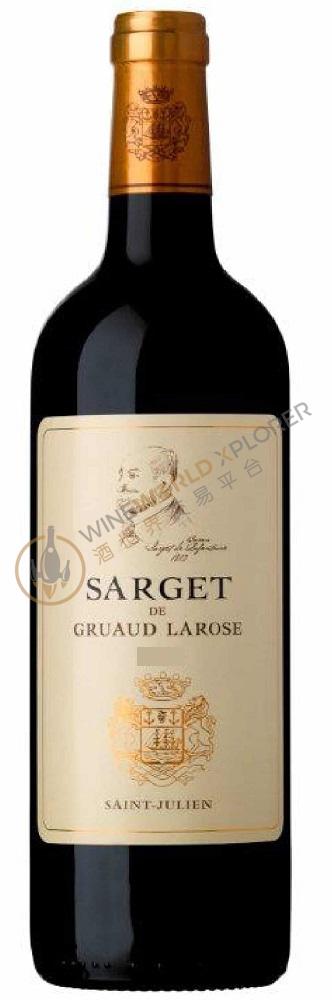
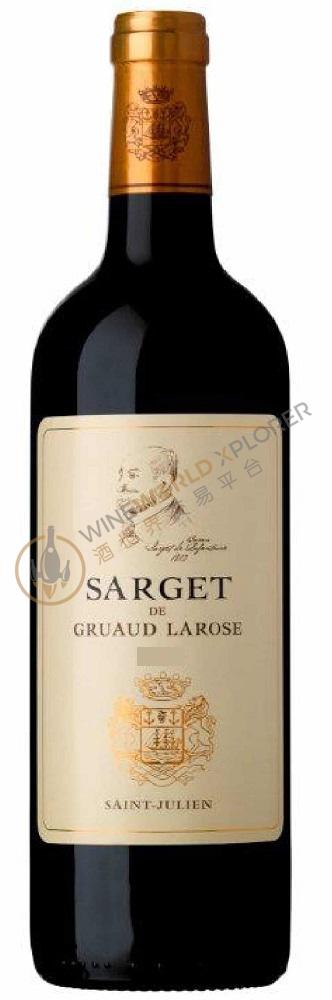
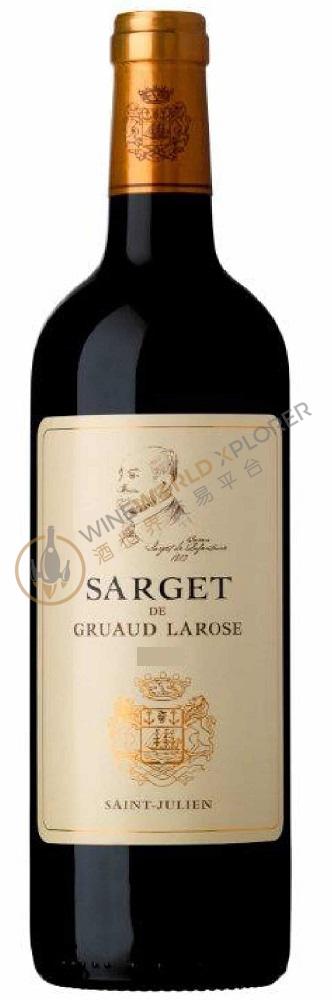
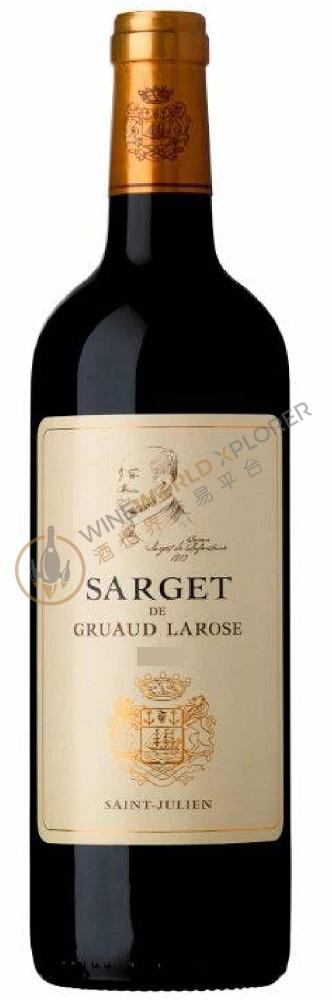
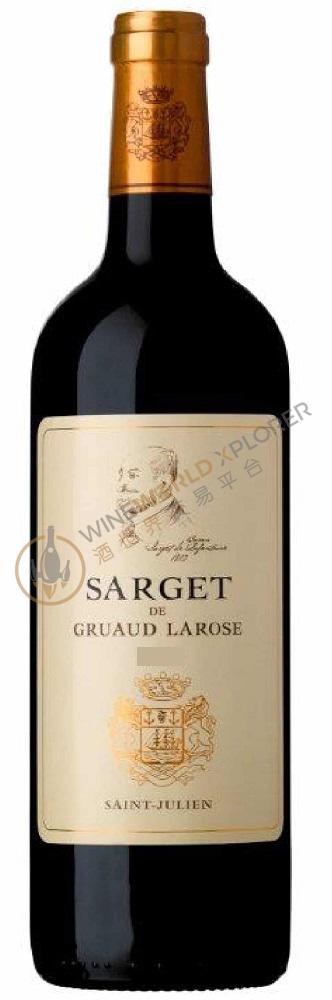
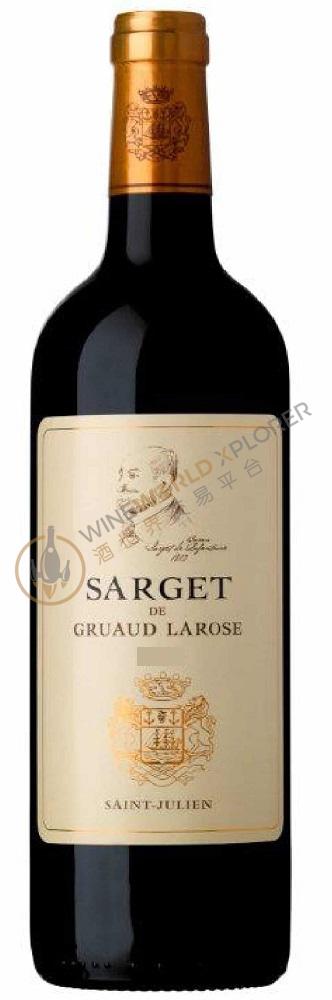
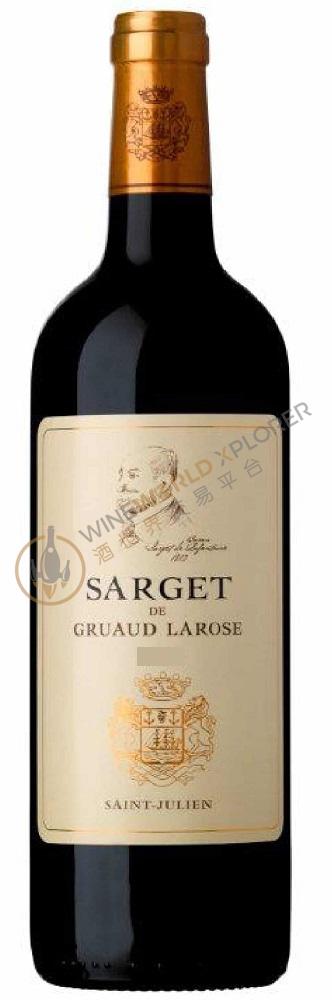
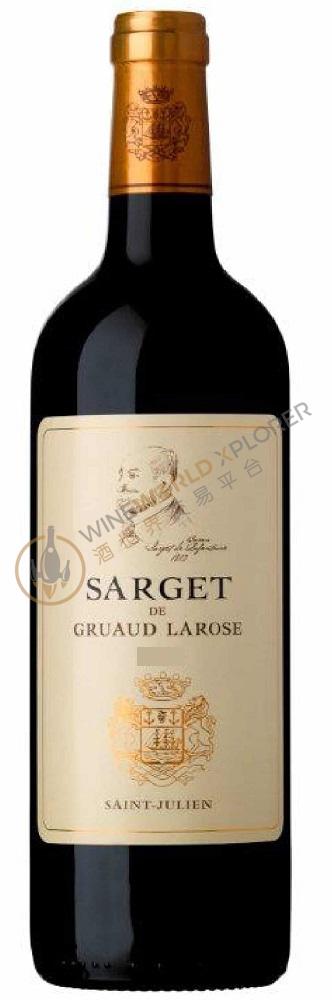
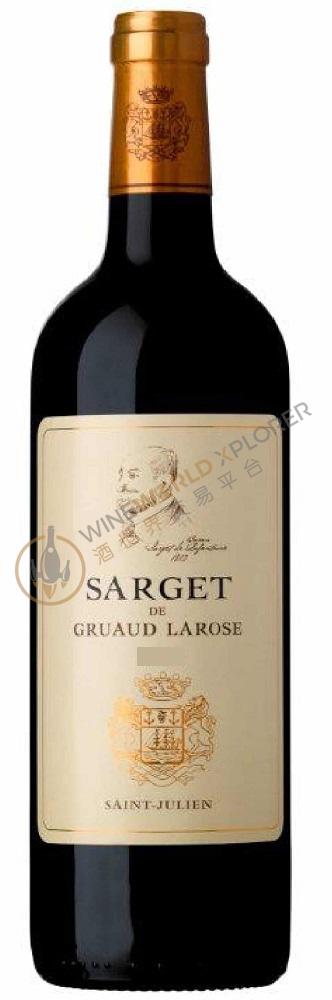
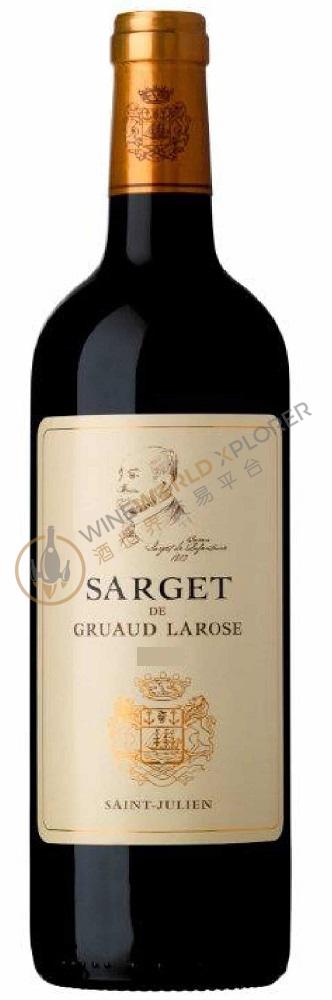
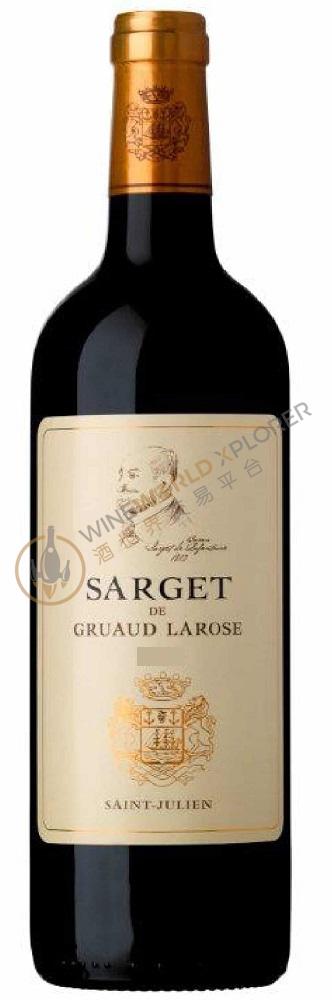
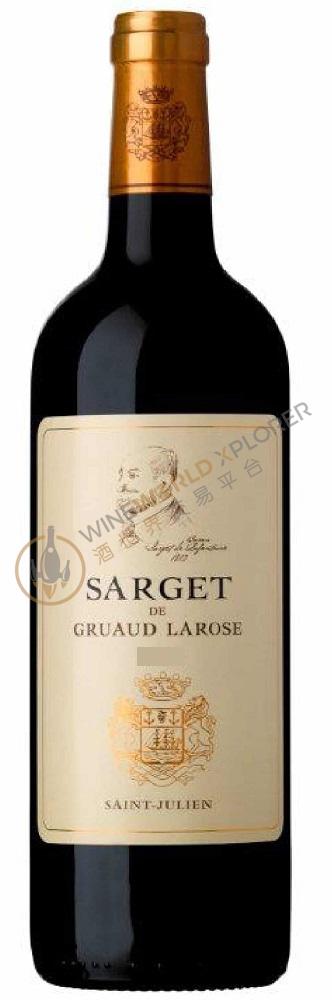
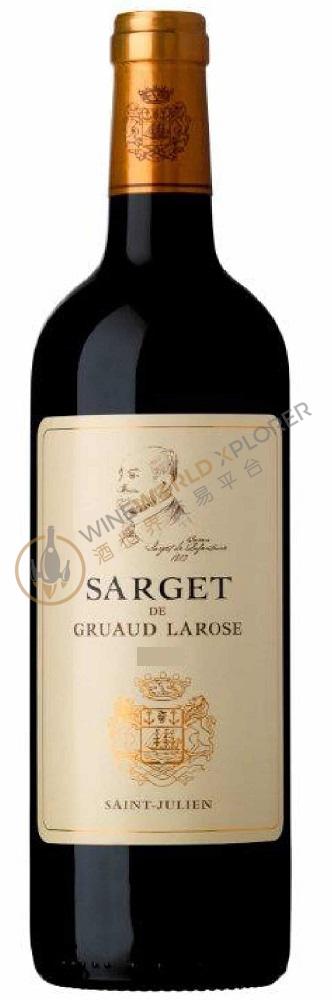
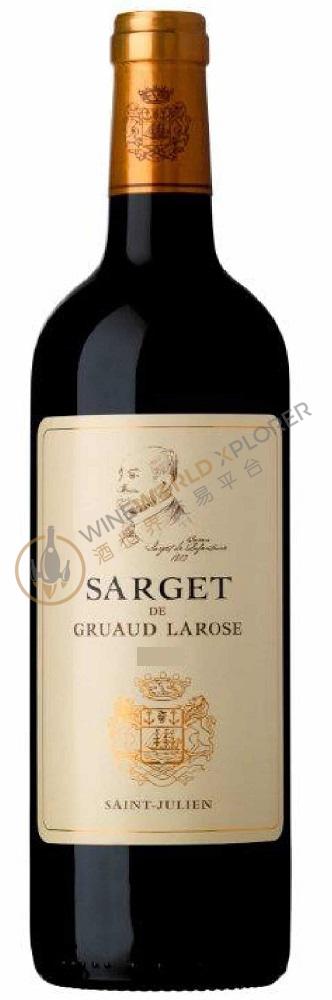
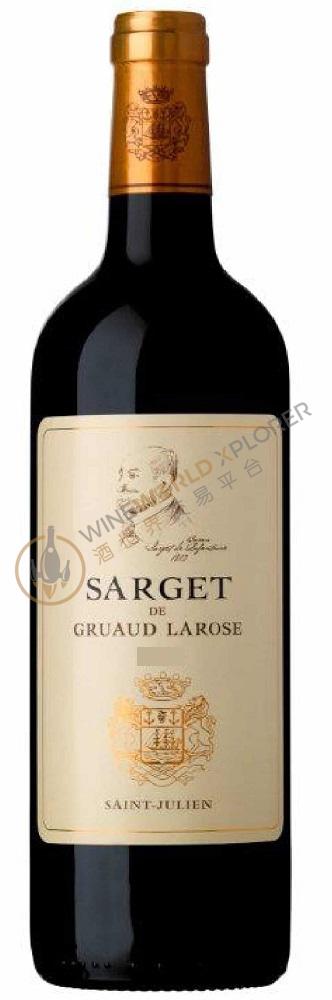
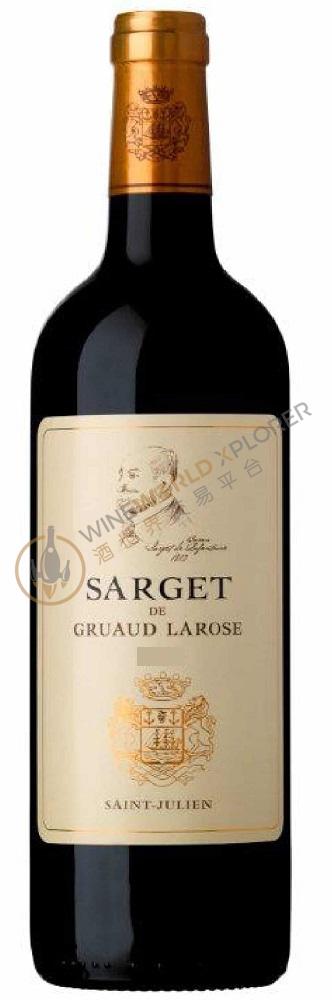
Sarget De Gruaud Larose 2023
 View analysis


Description
Tasting notes

Reviewed by: Neal Martin
The 2023 Sarget de Gruaud Larose, matured in 15% new oak, displays a deep purple hue. The nose is quite "punchy" for a Deuxième Vin, with plenty of black cherries, iodine and light cedar scents. The palate is medium-bodied with a structured, slightly chewy entry, licorice-infused black fruit and firm grip; there is a bullishness about this Sarget, so afford it a couple of years before pulling the cork.
Reviewed by: William Kelley
Bottled in late May 2025, the 2023 Sarget de Gruaud Larose offers up aromas of sweet cherries, berries, plums and petals, followed by a medium- to full-bodied, supple and charming palate that's rich, polished and harmonious. This is an elegant second wine that will drink well on release.
About the Producer
Gruaud Larose has always tried to give value to the role of man in the creation of its elixir; both to his work and to the bond established with the vineyard. The vine stocks and the grapes are nothing without man, without these makers of Crus, from the most modest to the most powerful. Since its creation, in 1725, four families have succeeded one another at the head of Gruaud Larose: the Gruaud & Larose families, the Balguerie and Sarget families, the Cordier family and the Merlaut family. This family attachment has been passed on to the employees who often work at the Château from father to son and from mother to daughter. The notion of terroir binds geology and climate together. The largest concentration of Grand Cru Wines is in the Medoc, an area which benefits from a microclimate that is particularly favorable for the expression of the vine. The soil, by nature, limits water retentivity, and the summer period, very hot and dry from July to September, is a determinant for good ripening, a good maturity, and the satisfactory transfer between the root system and the grape. East and West winds dry the grapes to keep them from perishing. Every year the heavens play a decisive role in winemaking. Their influence on the success of the wine is different each year; no terroir, man, or technique can alter the part they play.