Wine Advisor



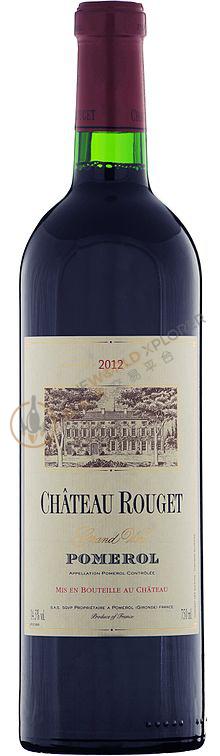
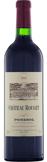
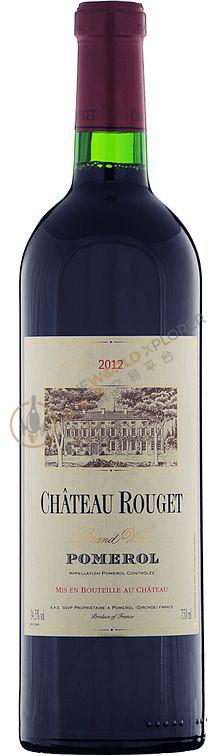
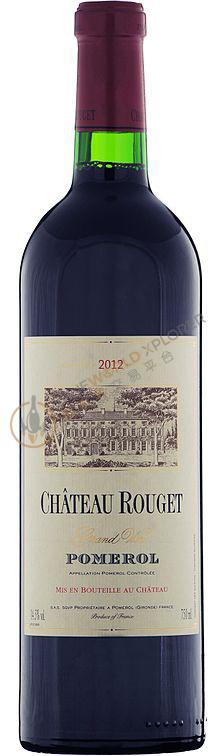
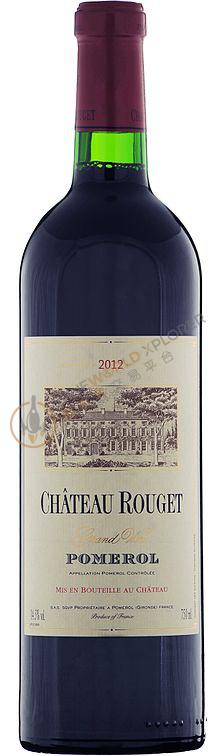
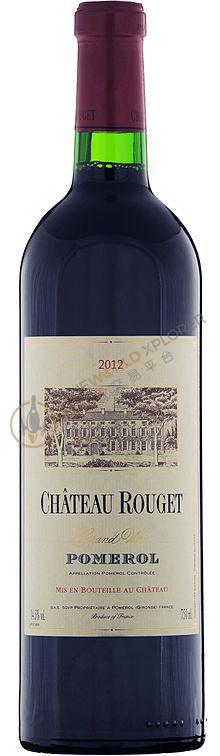
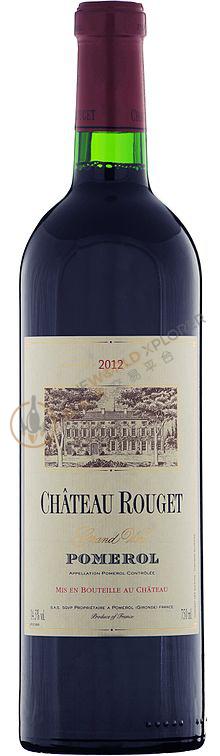
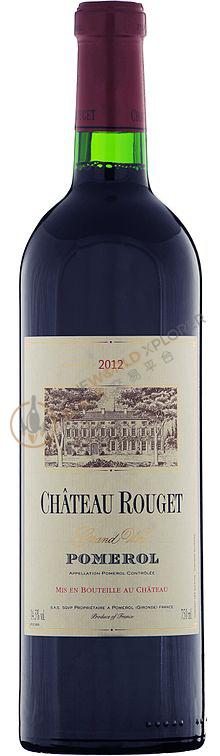
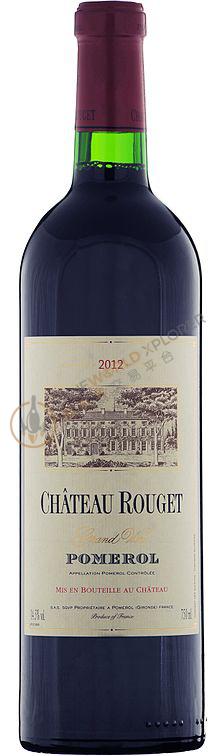
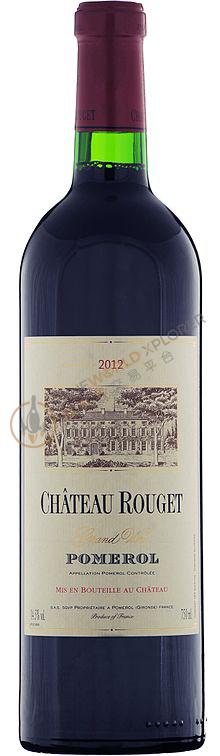
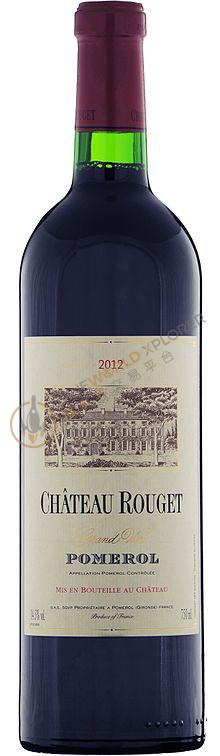
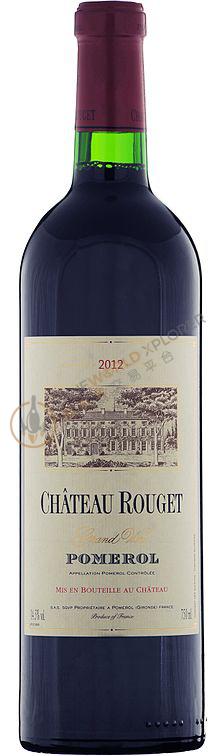
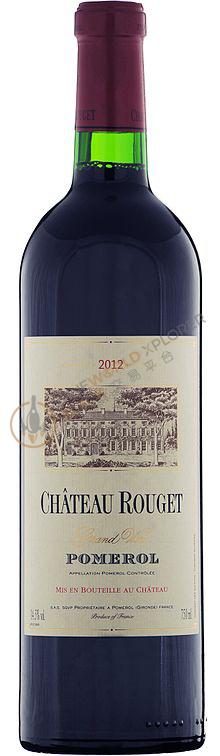
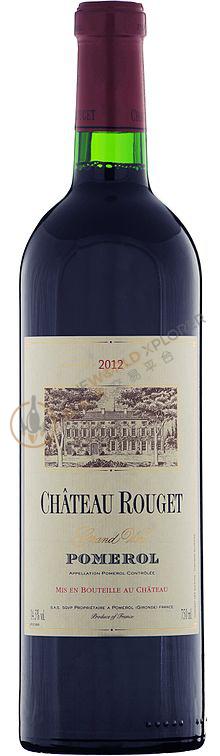
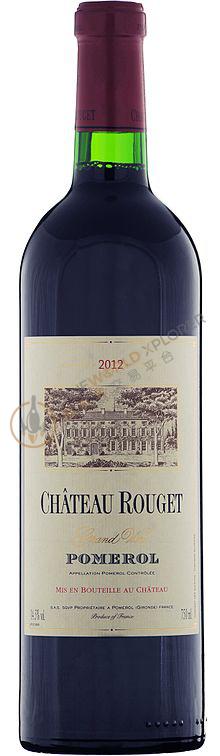
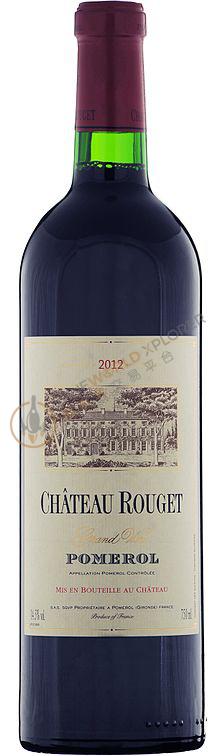
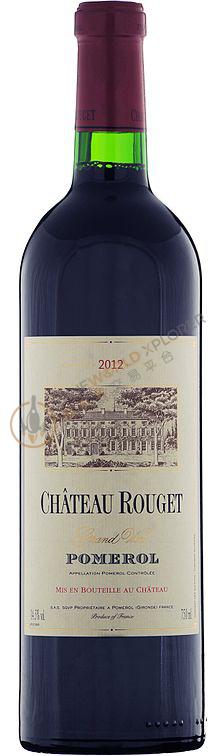
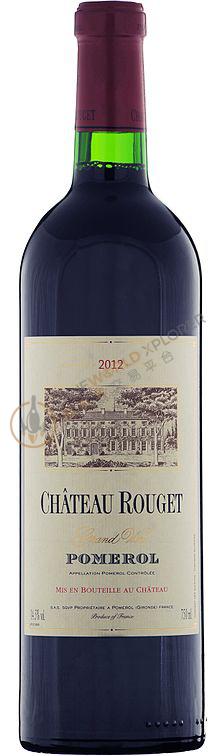
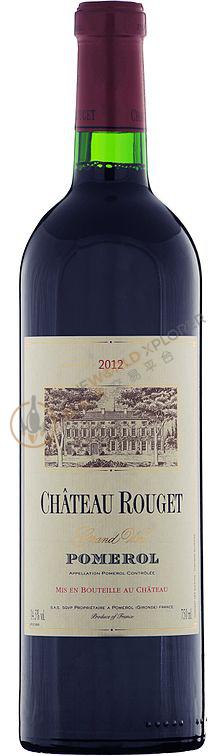
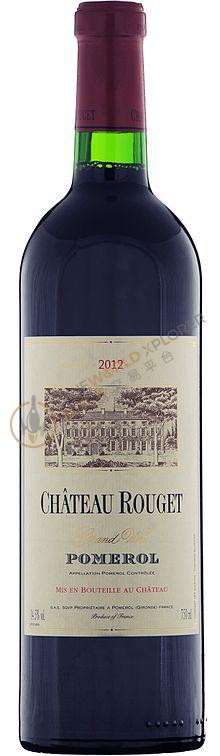
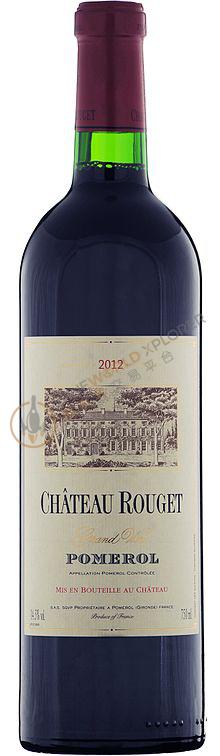
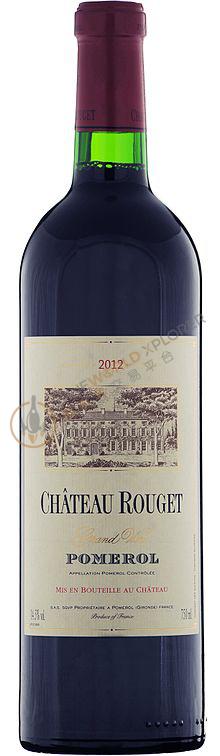
Rouget 2012
 View analysis


Description
Tasting notes

Reviewed by: Robert M. Parker, Jr.
The 2012 boasts a deep blue/purple color along with a big, sweet nose of kirsch liqueur, lavender, balsam wood, truffles and lead pencil shavings. The complex aromatics are followed by a full-bodied, opulently-textured, fleshy wine that has more in common with a 2009 than most 2012s tend to possess. This outstanding sleeper of the vintage should drink well for 10-15 years. Proprietor Jean-Pierre Labruyere has done a magnificent job of resurrecting Rouget despite the fact that this is not one of the best terroirs. Since Labruyere has had control, the wine has gone from strength to strength. It is a large vineyard by Pomerol standards (42 acres), and the final blend for the 2012 is 85% Merlot and 15% Cabernet Franc.
Reviewed by: Neal Martin
Edouard Labruyere is improving Rouget year by year with astute parcel acquisitions. The bouquet is soft and sensual but maintains admirable delineation – ripe blueberry, cassis and blackcurrant that unfurl in the glass. The palate is medium-bodied with good structure on the entry that renders this a more masculine, long-term proposition than the nose suggests. There is a gentle grip with a subtle liquorice note on the saline long-finish. Very fine. Tasted April 2013.
Reviewed by: Robert M. Parker, Jr.
This property has been on the qualitative high road for a number of years, and the 2012 continues that path. Deep ruby/purple, with wonderfully sweet, earthy, black cherry and blackcurrant fruit jumping from the glass, it is broad, opulent, beautifully textured and juicy. This is a sexy, lush, heady Pomerol to drink now and over the next 15 or more years. Full, long and impressive, there is no reason to defer your gratification with this beauty.
About the Producer
Chateau Rouget, located in the Pomerol region of Bordeaux, France, is one of the oldest star wineries in the region. The history of Redfish Winery dates back to the 18th century. At that time, Redfish was owned by the Bayonne family and continued to grow under the management of the Bayonne family. By the 19th century, the winery was known as one of the five most outstanding wineries in the Pomerol region. In 1892, the Dupuy family acquired Redfish, which was subsequently acquired by Marcel Bertrand. After several twists and turns, the development of Red Fish Winery has also experienced slippage and stagnation. By 1992, the direct descendants of Marcel Bertrand had sold Redfish to the Labruyere family, a famous Burgundy winemaking family that also owned The famous Domaine Jacques Prieur. After the Labouille family took over the Redfish family, they spent a lot of energy to improve and renovate the Redfish winery, dedicated to restoring the winery to its former glory and building it into a wine leader on the right bank of Bordeaux. Redfish's vineyards are located in the northern part of the Pomerol appellation, near Chateau L'Eglise Clinet and Chateau La Croix de Gay. After the expansion of the Labouille family, Redfish now has a total of 18 hectares of vineyards and is one of the largest wineries in the Pomerol region. Redfish's vineyards are planted with 85% Merlot and 15% Cabernet Franc, with approximately 6,000 vines per hectare with an average age of 28 years. The soils in the vineyards of Redfish are dominated by gravel and loam, which are rich in iron and are very suitable for the growth of these grape varieties. After taking over Redfish Winery, the Labuille family not only expanded the area of the winery’s vineyards, but also equipped the winery with a series of modern winemaking equipment and established a modern wine cellar; at the same time, Redfish Winery also In 1997, the famous wine master Michel Rolland was hired as the winemaking consultant of the winery, which made Redfish Winery even more powerful and its winemaking ability was greatly improved. In the production of wine, Redfish Winery uses large wooden barrels of 5,000-6,000 liters and temperature-controlled stainless steel barrels. The wine undergoes malolactic fermentation in oak barrels, after which the fermented wine is aged in 50% new French oak barrels for 15-18 months. Currently, Château de la Rouge produces about 6,500 cases of wine per year, mainly including the original Red Fish dry red series and the second red fish dry red series (Vieux Chateau des Templiers, which was sold as Le Clocher de Rouget). These wines are rich in fruit aroma, rich in taste, delicate and silky tannins, and have good cellaring ability.