Wine Advisor



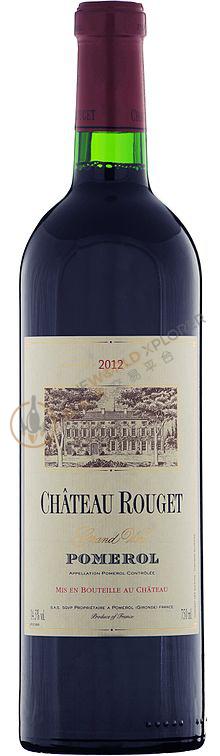
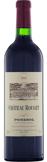
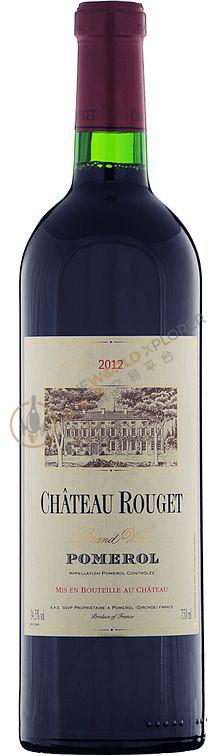
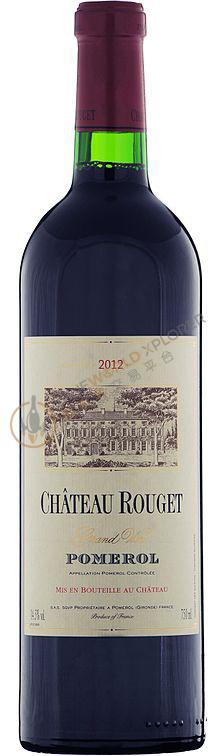
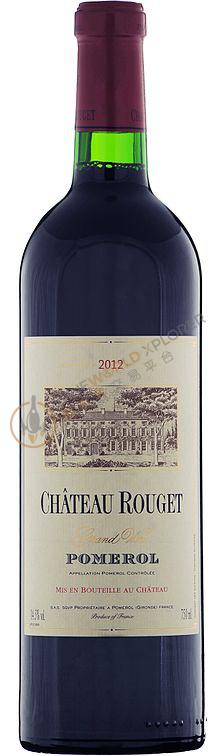
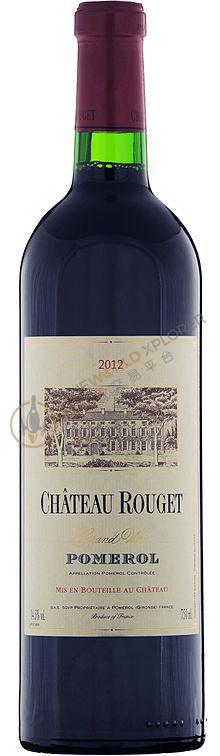
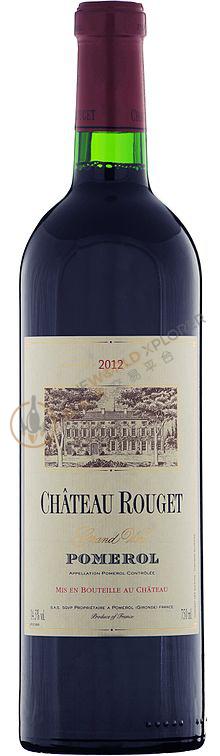
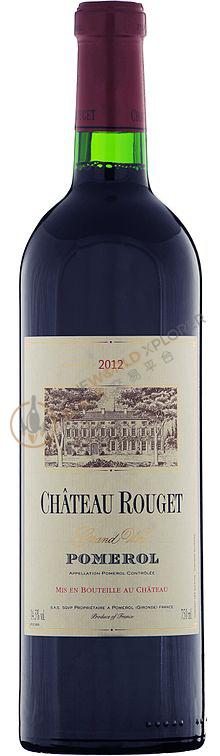
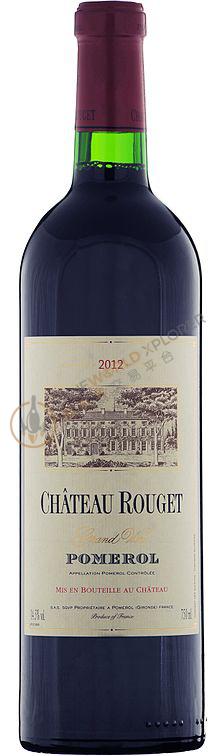
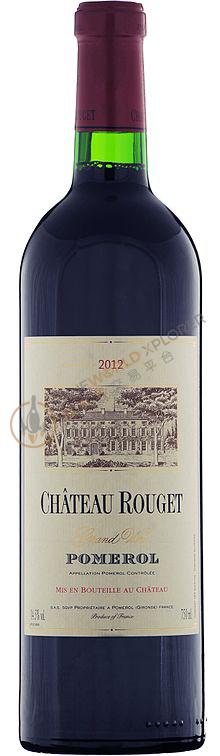
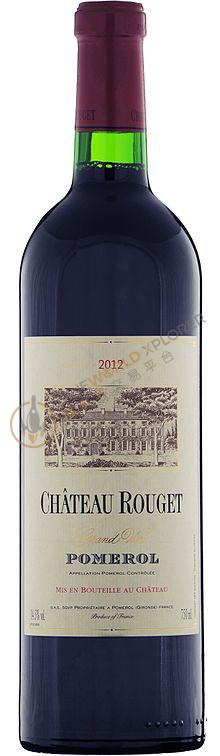
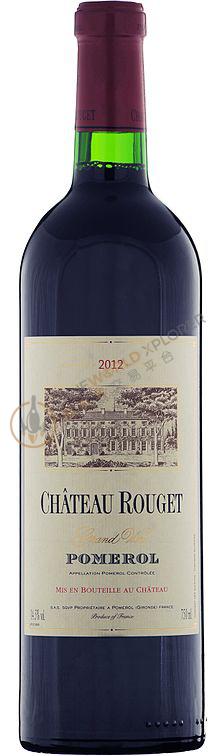
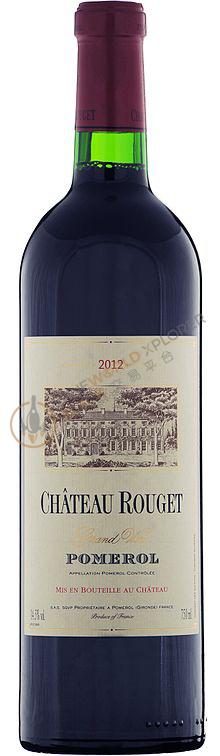
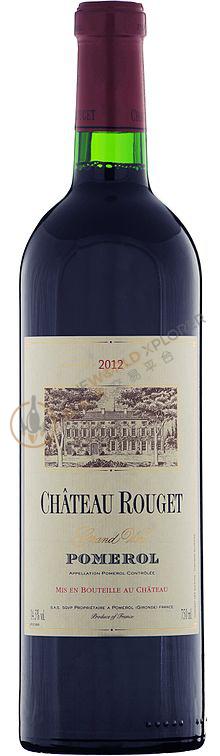
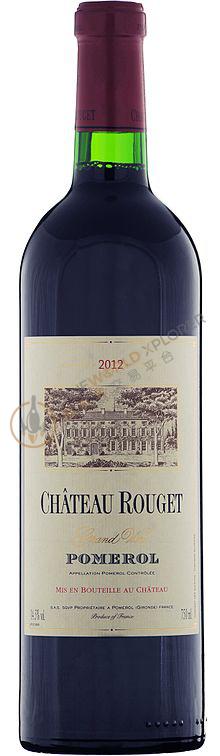
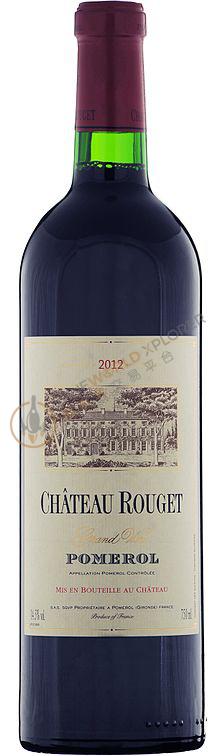
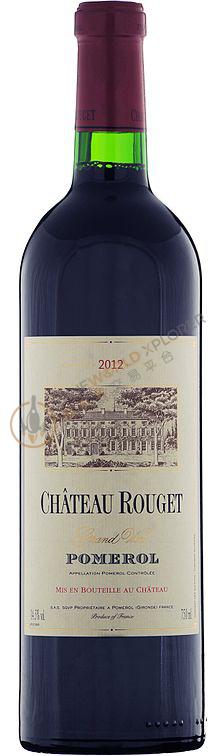
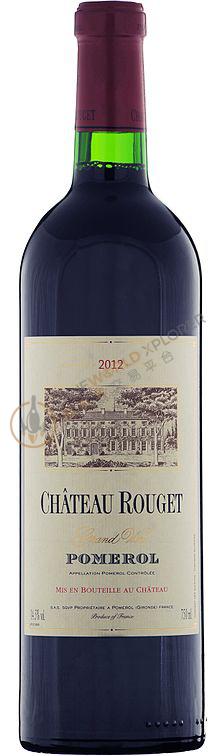
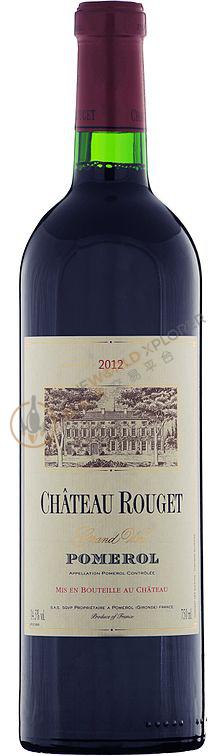
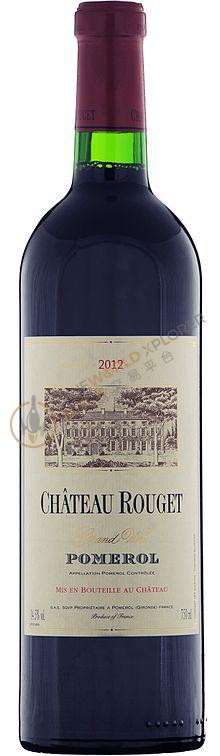
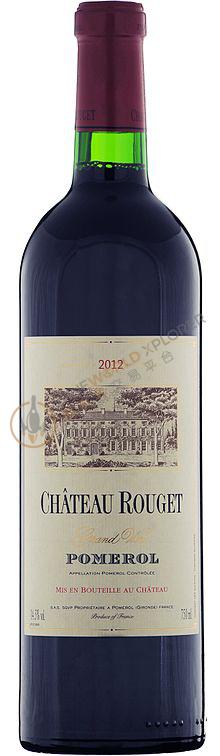
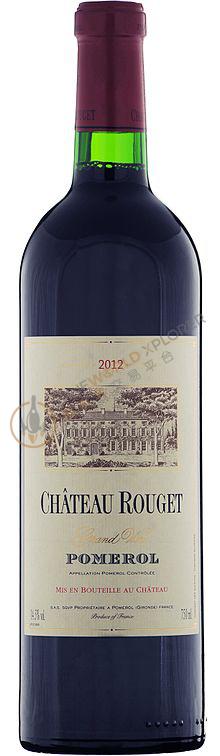
Rouget 2000
 View analysis


Description
Tasting notes

Reviewed by: Robert M. Parker, Jr.
The complete, complex , and powerful dense plum/ruby-colored 2000 boasts a knock-out nose of smoked herbs, jammy fruit with a liqueur-like intensity, terrific purity, and admirable sweetness on the attack and mid-palate. It has become richer and more textured over the last year. Anticipated maturity: 2006-2020. This property has rebounded beautifully over the last few vintages, and is now producing impressive wines. The price is beginning to escalate accordingly as more Bordeaux wine traders as well as consumers catch on. It is the same story repeated elsewhere in Bordeaux over the last 10-15 years - a new owner, more attention to detail, impressive financial investments, and a stricter selection, the confluence of which is a vastly superior product.
Reviewed by: Neal Martin
Here we have a intense, blackberry and chocolate-scented nose. Firm tannins on the palate with minerality and good acidity. Nicely balanced with noticeable new oak that is well-integrated. This is good Pomerol. Tasted April 2001.
Reviewed by: Robert M. Parker, Jr.
More attention to detail, and a stricter selection process result in a vastly superior wine. While the 2000 Rouget is good, with burly tannin. Its dense opaque ruby color is followed by a powerful nose of earthy black fruits, pepper, and spice box. A muscular, 1975-ish-styled Pomerol (a top flight vintage for the appellation), with abundant fruit to back up its structure, it will be at its finest between 2004-2020.
Reviewed by: Robert M. Parker, Jr.
The finest Rouget since the mid-sixties (i.e., 1964), this dense plum/ruby-colored 2000 offers aromas and flavors of licorice, balsam wood, plums, black cherry liqueur, and raspberries presented in a full-bodied, plump, chewy format. The flamboyant aromatics are followed by an equally impressive, lush attack, but serious tannin appears in the finish of this meaty, full-bodied Pomerol. With wines like this, it is time to rediscover Rouget. Kudos! Anticipated maturity: 2006-2018.
About the Producer
Chateau Rouget, located in the Pomerol region of Bordeaux, France, is one of the oldest star wineries in the region. The history of Redfish Winery dates back to the 18th century. At that time, Redfish was owned by the Bayonne family and continued to grow under the management of the Bayonne family. By the 19th century, the winery was known as one of the five most outstanding wineries in the Pomerol region. In 1892, the Dupuy family acquired Redfish, which was subsequently acquired by Marcel Bertrand. After several twists and turns, the development of Red Fish Winery has also experienced slippage and stagnation. By 1992, the direct descendants of Marcel Bertrand had sold Redfish to the Labruyere family, a famous Burgundy winemaking family that also owned The famous Domaine Jacques Prieur. After the Labouille family took over the Redfish family, they spent a lot of energy to improve and renovate the Redfish winery, dedicated to restoring the winery to its former glory and building it into a wine leader on the right bank of Bordeaux. Redfish's vineyards are located in the northern part of the Pomerol appellation, near Chateau L'Eglise Clinet and Chateau La Croix de Gay. After the expansion of the Labouille family, Redfish now has a total of 18 hectares of vineyards and is one of the largest wineries in the Pomerol region. Redfish's vineyards are planted with 85% Merlot and 15% Cabernet Franc, with approximately 6,000 vines per hectare with an average age of 28 years. The soils in the vineyards of Redfish are dominated by gravel and loam, which are rich in iron and are very suitable for the growth of these grape varieties. After taking over Redfish Winery, the Labuille family not only expanded the area of the winery’s vineyards, but also equipped the winery with a series of modern winemaking equipment and established a modern wine cellar; at the same time, Redfish Winery also In 1997, the famous wine master Michel Rolland was hired as the winemaking consultant of the winery, which made Redfish Winery even more powerful and its winemaking ability was greatly improved. In the production of wine, Redfish Winery uses large wooden barrels of 5,000-6,000 liters and temperature-controlled stainless steel barrels. The wine undergoes malolactic fermentation in oak barrels, after which the fermented wine is aged in 50% new French oak barrels for 15-18 months. Currently, Château de la Rouge produces about 6,500 cases of wine per year, mainly including the original Red Fish dry red series and the second red fish dry red series (Vieux Chateau des Templiers, which was sold as Le Clocher de Rouget). These wines are rich in fruit aroma, rich in taste, delicate and silky tannins, and have good cellaring ability.