
 Wine Advisor



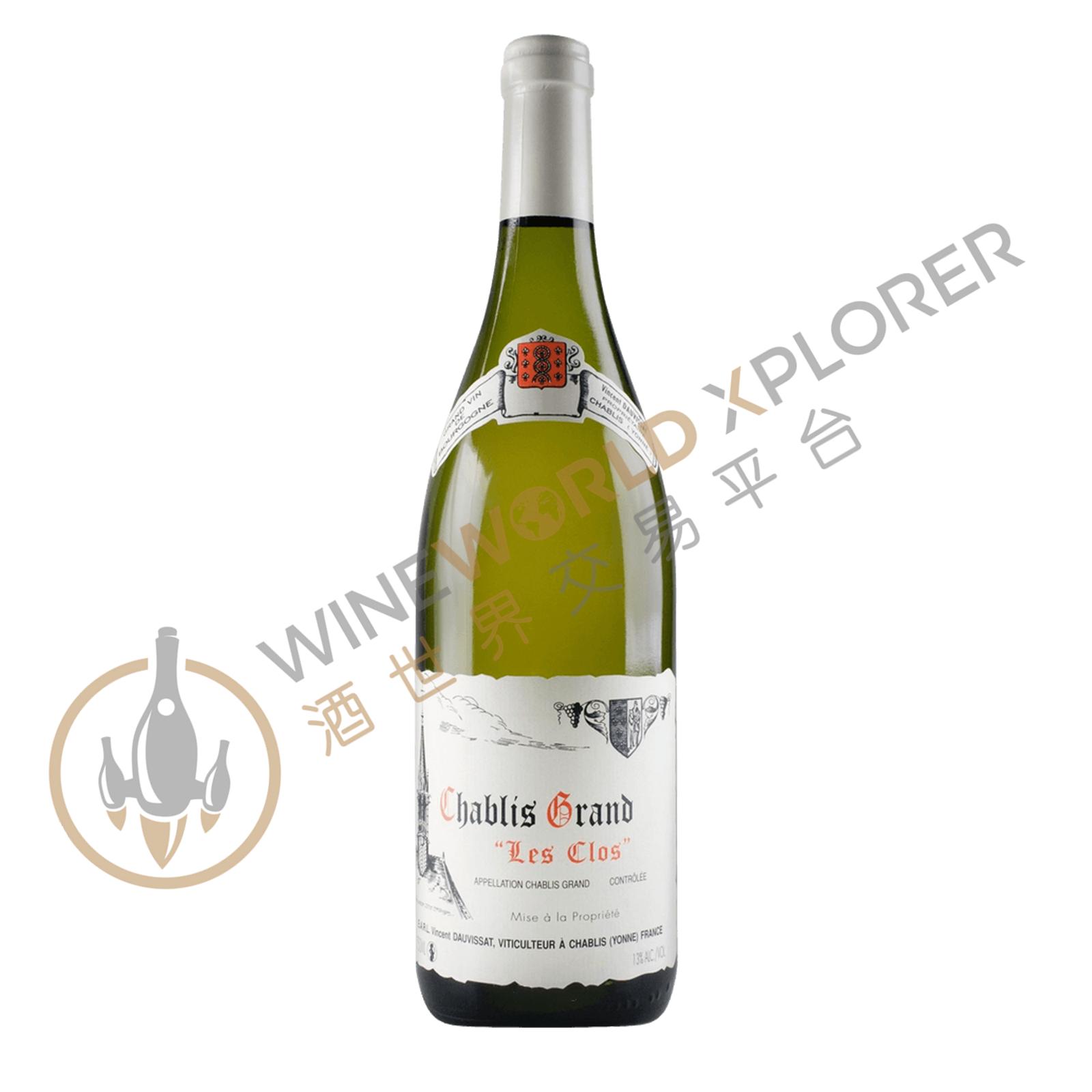
Rene & Vincent Dauvissat Camus, Chablis Grand Cru Les Clos 2012
 View analysis


Description
Tasting notes

Reviewed by: Antonio Galloni
I know, I know, the 2012 Chablis Les Clos from Dauvissat is too young. But it is also not exactly the kind of wine that is easy to find on a restaurant list. I normally would not drink French wine in Italy (Champagne does not count), but simply can’t pass up a chance to drink the 2012 Clos. It is fabulous, just as it has been every time I have had it before. Powerful, tightly wound and sizzling with both energy and depth, the 2012 is a wine for the ages. I can only hope to taste it again with a few more years of bottle age!
Reviewed by: Antonio Galloni
The 2012 Chablis Les Clos is all about depth, intensity and tightly coiled minerality. Many years away from delivering its finest drinking, the 2012 is a rapturous wine that takes hold of all the senses and never lets up. The 2012 Clos has been magnificent on all three occasions I have tasted it so far. Readers who can find it should not hesitate, as it is superb. Patience is going to be key, though.
Reviewed by: Antonio Galloni
A deceptively mid-weight wine, the 2012 Chablis Les Clos is superb. Weightless and ethereal at first, the 2012 fleshes out beautifully in the glass, showing a combination of power and finesse that is remarkable. Depth and richness of the fruit are implied rather than stated, like a great Picasso. An intense, persistent finish rounds out a magnificent Clos from Vincent Dauvissat.
Reviewed by: Stephen Tanzer
Bright medium yellow color; deeper than the '14. Pure and mineral-driven on the nose but much less expressive today than the 2014, hinting at lemon, grapefruit and various shades of stone. Offers more weight on entry than the 2014, then quite penetrating and very dry in the middle palate, dominated by lemony citricity and powdered stone. This brilliant calcaire wine finishes dusty, tactile and firm, with a hint of youthful bitterness. Showing little easy sweetness or early appeal, this very dry, salty wine can't match the '14 for its impeccable early balance but it should age for a long time despite its average acidity. (Dauvissat described the yield here as not a big crop due to a moderately successful flowering during cool, humid weather; between 40 and 45 hectoliters per hectare, about like 2014; acidity between 3.9 and 4.0 grams per liter; harvested on September 24):
Reviewed by: Stephen Tanzer
Bright lemon-yellow. Even brighter and higher-pitched on the nose today than the Preuses, offering scents of lemon, grapefruit pith and crushed rock. Compellingly pure and electric in the mouth, with its superb mineral density leavened by citrus and floral flavors. Boasts an uncanny combination of supple texture and sheer stony cut. The longest of all of these 2012s, with a vibrant crushed-stone finish that leaves the salivary glands humming. One of the greats of the vintage.
Reviewed by: Stephen Tanzer
Good pale lemon-yellow color. Less expressive today than the supernal Les Preuses, hinting at underripe pineapple and steely minerality. Dense, tactile and sweet; at once richer and more austere than the Preuses, with tightly coiled, very intense grapefruit and stone flavors kept under wraps by the wine's strong acidity. This is utterly unevolved today but its high class is already evident in its dense, extremely long back end, which features a citrus quality I can only describe as electric. I would not be surprised if this wine eventually exceeded the Preuses, but it's stubbornly backward right now.
Reviewed by: David Schildknecht
The 2012 Chablis Grand Cru Les Clos, which comes from 1.7 hectares of 50+-year-old vine, has a much subtler bouquet compared to Les Preuses with hints of yellow flowers and damp autumnal undergrowth. The palate is extremely well-balanced with a touch of dried apricot and peach skin on the entry before being usurped by gentle spicy notes that lead to the tense finish. This is a lovely Les Clos, although Les Preuses is more exciting this year. Drink now-2022. Raveneau or Vincent Dauvissat? Cognoscenti seem to be split about which of these growers represent the pinnacle of Chablis, though frankly I would not complain if I found either in my glass. I have adored these wines for many years, though this was the first time that I had visited their small 16th and 17th century cellars. Vincent’s grandfather was one of the first to bottle his own wines in the 1930s, then Rene took over with his wife Madeleine and enhanced the domaine’s reputation until his retirement. Vincent told me that the first vintage that he participated in was the 1977 and that know-how had been passed down through empiricism, from father to son and so on. There are around 14 hectares of vine, predominantly premier cru. The 2012s bestowed a normal crop in terms of quantity, although 2013 was down to around 28 hectoliters per pectare, though Vincent emphasized that this was not catastrophic. “The crus had the same analysis in 2012. The terroir making the difference,” he said. He used around 10% to 15% of new oak, the rest a mixture of aged wood. Unsurprisingly, these were a set of quite sublime expressions of Chablis that leave you questioning whether it’s worth bothering with the rest of the tastings (which of course it is, but you know what I mean when you taste something that you are convinced will not be bettered.) These Chablis seem to be sculpted by the earth itself, exquisitely balanced and with more minerality than almost all of their peers. Even the village cru would leave other premier crus behind. The 2013s were unfortunately in an awkward stage, although I had a chance to taste a couple from barrel. I look forward to tasting them on my next visit. Importer: Vineyard Brands, Birmingham, AL; tel. (205) 980-8802 Under the Dauvissat-Camus label, certain of these wines are also imported by Classic Wine Imports, Boston, MA; tel. (781) 352 1100; and Domaine Direct and Justerini & Brooks in the UK.
About the Producer
One of the most prestigious producers in the Chablis region of Northern Burgundy, Rene et Vincent Dauvissat is a family estate that has been operating since 1931. Originally founded by Rene Dauvisset, whose son Vincent started assisting his father in 1976. The vineyard covers an area of 14 hectares. Although the estate produces a Villages Chablis and a Petit Chablis that are difficult to get a hold of, they are known for their prized Grand Cru and Premier Cru bottlings from the top vineyards in Chablis including the renown Les Clos and Les Preuses.
