
 Wine Advisor



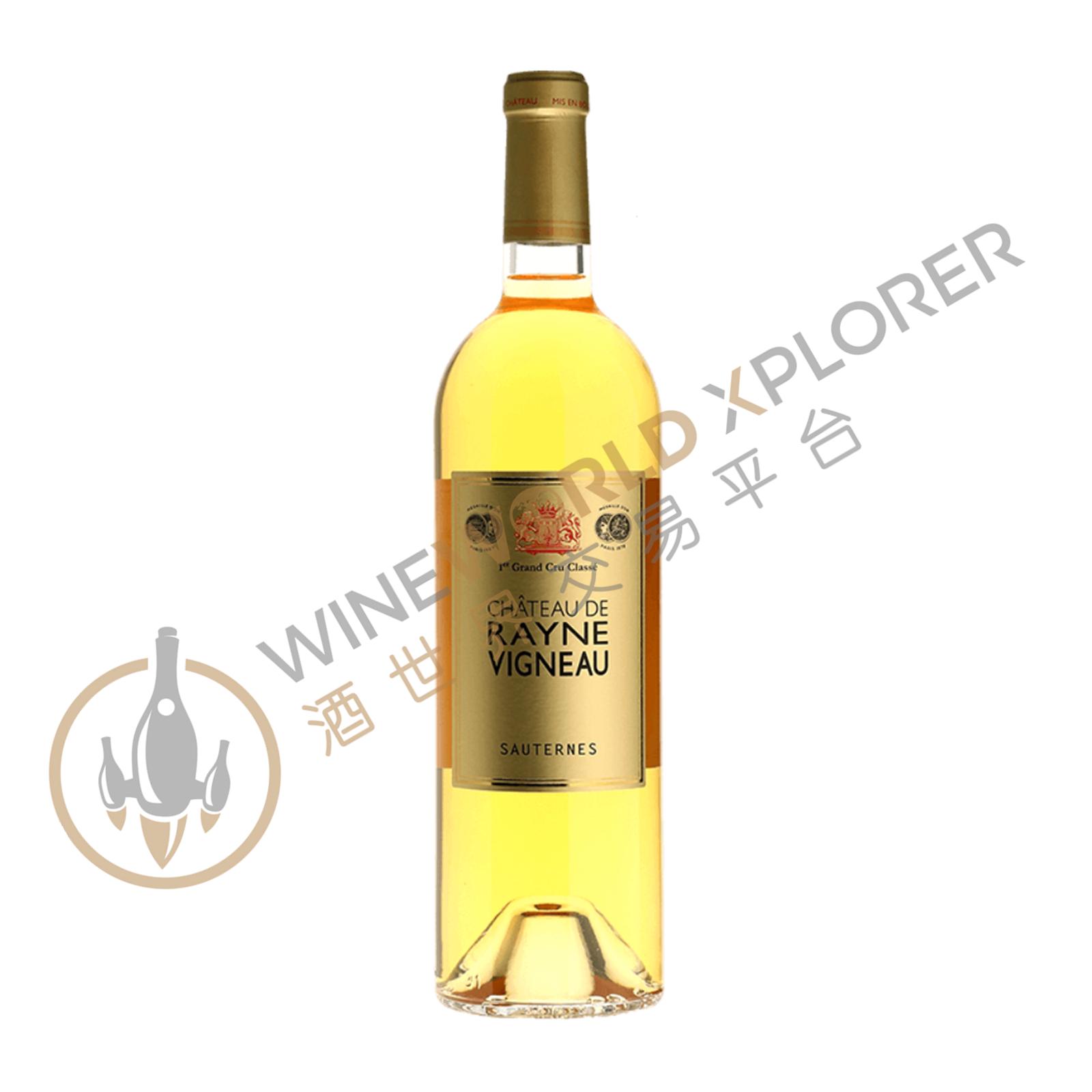
Rayne Vigneau 2002
 View analysis


Description
Tasting notes

Reviewed by: Robert M. Parker, Jr.
I suspect most readers will find it hard to get excited about the 2002 vintage for the sweet wines of Barsac and Sauternes after what appears to be a prodigious 2001. However, 2002 is a very fine year for this region, possibly superior to any of the vintages between 2000 and 1991. The wines possess plenty of botrytis, but neither the impressive definition nor supreme elegance of the 2001s. This is a sweet, full-bodied, fat, concentrated, intense effort that was showing well in September, 2003.
Reviewed by: Neal Martin
The 2002 Rayne-Vigneau has an attractive bouquet with subtle clear honey scents and a touch of peppermint. It shows great clarity for a Sauternes ‘02. The palate is well-balanced on the entry with nicely judged acidity. It is harmonious but not the most complex Sauternes of the vintage, yet it fans out toward the finish with delicate notes of creme caramel and a dash of spice. Drink now-2020+ Tasted April 2013.
Reviewed by: Neal Martin
A delicate, feminine nose with orange blossom and peach. Quite viscous on the palate with more botrytis than other wines. A refined apricot finish. Doesn't have the complexity to last long-term but certainly a delicious wine over the next 10 years. Tasted April 2003.
Reviewed by: Neal Martin
Tasted blind at Farr’s Sauternes 2002 horizontal. A limpid golden colour. Orange blossom, mango and pineapple on the nose that is lacking some botrytized fruit, although with aeration it is complemented by scents of almond and wild heather developing in the glass. The palate is medium-bodied, viscous on the entry but lacking the requisite acidity to lend it poise and freshness. A static Sauternes ’02 that lacquers the palate but does not say much apart from the ginger-tinged finish. Tasted October 2009.
Reviewed by: Robert M. Parker, Jr.
Space limitations preclude including tasting notes. 2002 was an average vintage.
About the Producer
Located in the Sauternes region of Bordeaux, France, Château de Rayne Vigneau is a Premier Cru in the 1855 Classification of Sauternes and Barsac. Chateau de Rayne Vigneau dates back to the 17th century and was originally called Vigneau de Bomme, the name of the village of Bomme where the estate is located, plus the name of the Vigneau family who owned it. The name of Gabriel de Vigneau, then owner of the estate, already appears in a document dating from 1635. Gabriel's son, Etienne de Vigneau, married Jeanne Sauvage, the daughter of the owner of Chateau d'Yquem, and took over the affairs of the Vigneau in 1681. In 1834, Madame de Rayne bought the estate. Under Madame de Rayne's careful management, the château was awarded a First Growth in the official Sauternes and Barsac classification in 1855. In 1961, the vineyards and equipment were sold and the château, outbuildings and gardens were preserved. From 2004 to 2015, Rayne de Vigneau was part of CA Grands Crus, a subsidiary of the Credit Agricole Group, and during this time, under the direction of Anne Le Naour, the overall quality of the wines was greatly improved. Today, Château Vignon is a property of the Tresor du Patrimoine group and is managed by its manager Vincent Labergere and oenological consultant Denis Dubourdieu. The vineyard is ideally located on a hill overlooking the Sauternes region and covers 84 hectares with vines of an average age of 30 years. The soil of the vineyard consists of clay and gravel. The vineyard is planted with 74% Semillon, 24% Sauvignon Blanc and 2% Muscadelle. Influenced by the Ciron and Garonne rivers, the vineyards are often blessed with morning fog in late summer and early autumn, which allows the growth of Botrytis Cinerea. The infection of the grapes with Botrytis cinerea further concentrates the sugars and flavours in the fruit, making the wines produced by the estate even sweeter and more aromatic. The winery takes great care in the production of its Sauternes sweet white wines. At Chateau de Rayne Vigneau, the grapes are hand-picked to ensure that each grape is picked in perfect condition by the noble rot bacteria. In accordance with traditional procedures, the grapes are then hand-selected. In the winery, the meticulous craftsmanship of the vineyard naturally extends to the winery, where the grapes undergo a rigorous secondary screening process on the sorting table before being pressed and then fermented and aged in oak barrels with a 40%-50% new barrel ratio. Chateau de Rayne Vigneau currently produces four wines. The main wine is the Chateau de Rayne Vigneau, Sauternes, France, which has become a model of quality in Sauternes, with its freshness, aromatic intensity and long aftertaste. The secondary wine, Madame de Rayne, Sauternes, France, named in honour of Madame Rayne's contribution to the estate, has a more feminine and approachable style than the main wine. The estate also produces two other wines, Le Sec de Rayne Vigneau, Bordeaux, France, and Gold de Rayne Vigneau, Sauternes, France, a sweet white wine.
